Summary
- At just 21, Mehmed conquered Constantinople using massive cannons, ending the Byzantine Empire.
- Vlad used psychological warfare, creating a “forest of the impaled” to horrify his enemies.
- Vlad’s brother, Radu the Handsome, sided with the Ottomans to help overthrow him.
- The rivalry ended when Vlad was killed and his head was sent to Mehmed in Constantinople.
During the mid-15th century, the rapid expansion of the Ottoman Empire, particularly under Sultan Mehmed II, caused major political turmoil in Eastern Europe. On the frontiers of Christian Europe and the Islamic Ottoman world, small principalities, such as Wallachia, resisted Ottoman rule.
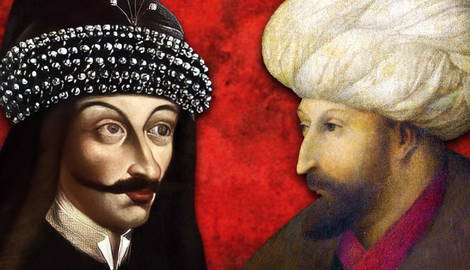
During this time, ruthless Wallachian ruler Vlad III Dracula, better known as Vlad the Impaler, came face to face with the young and ambitious Mehmed the Conqueror. They were not, however, strangers to each other. As children, both men had been raised together in the Ottoman court: Mehmed as a prince and future ruler, and Vlad as the political hostage sent by his father to appease the Ottomans.
The Ottoman Frontier
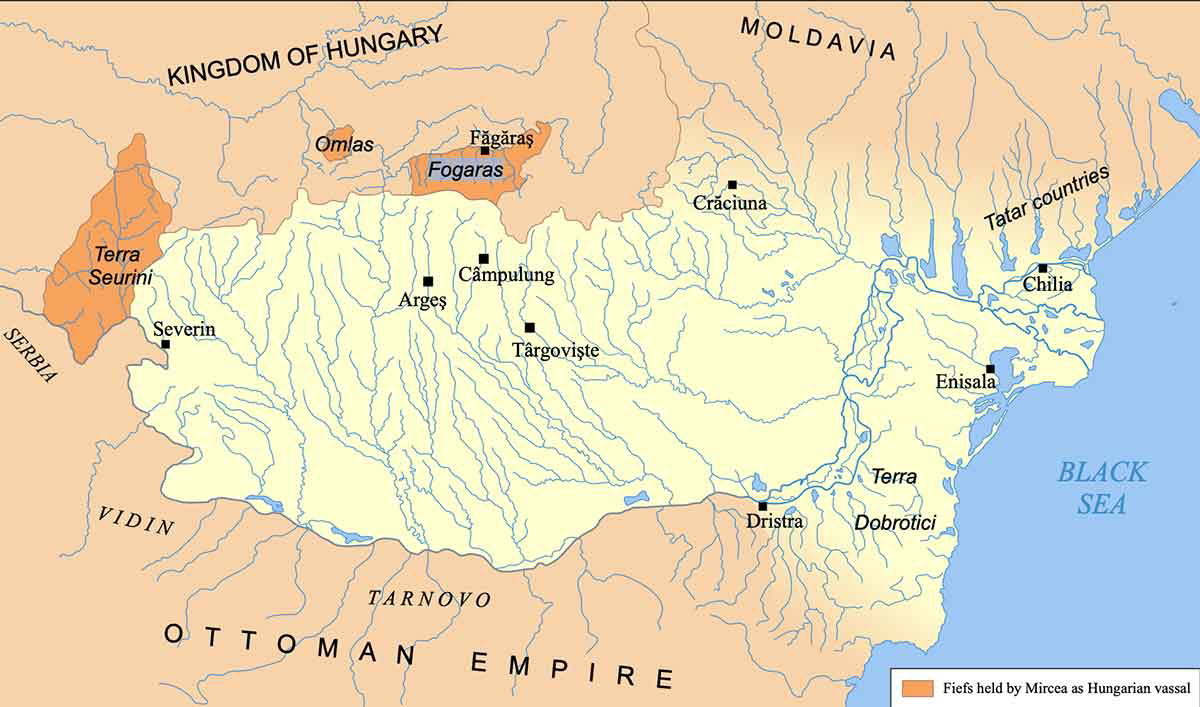
By the time the 19-year-old Mehmed came to power in 1451, the Ottomans had conquered most of the Balkans and were keeping Eastern European principalities like Wallachia, Transylvania, and Moldavia as vassal states.
These regions were strategically valuable for the Ottomans. They were natural buffer zones and a rich source of labor and taxes. Wallachia, located between the Danube River and the Southern Carpathian Mountains, was an especially important territory; it acted as a bulwark against the Hungarian Empire, which had conducted routine attacks on Wallachia and challenged Ottoman imperialism.
Wallachian rulers often found themselves at the mercy of powerful empires and looked to rival powers for assistance. To avoid an invasion by the Catholic Hungarians, Vlad II Dracul (the father of Vlad the Impaler), enlisted Ottoman support and was declared Voivode (prince) of Wallachia in 1436.
By 1442, Sultan Murad II (Mehmed I’s father) was questioning the voivode’s loyalty. To regain Murad’s trust, the prince was required to pay an annual tribute and send two sons as political hostages to the Ottoman court.
Children of the Ottoman Court
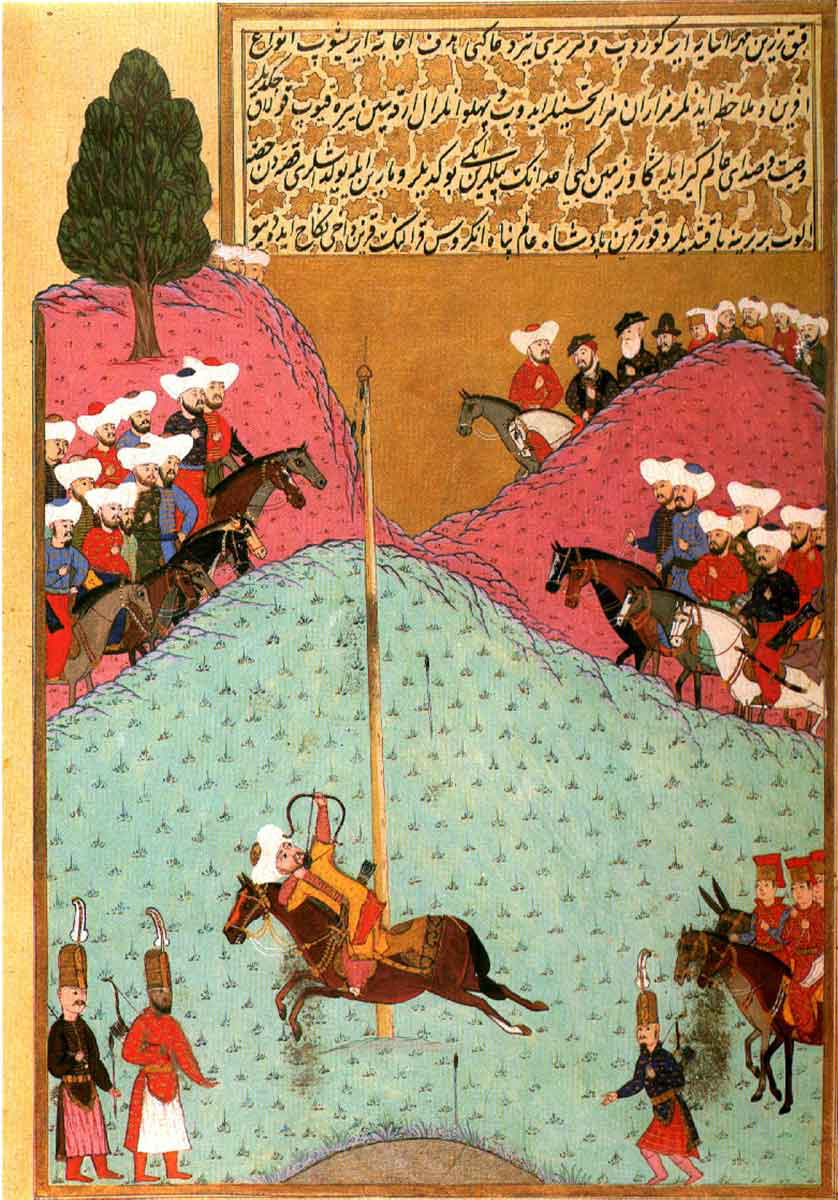
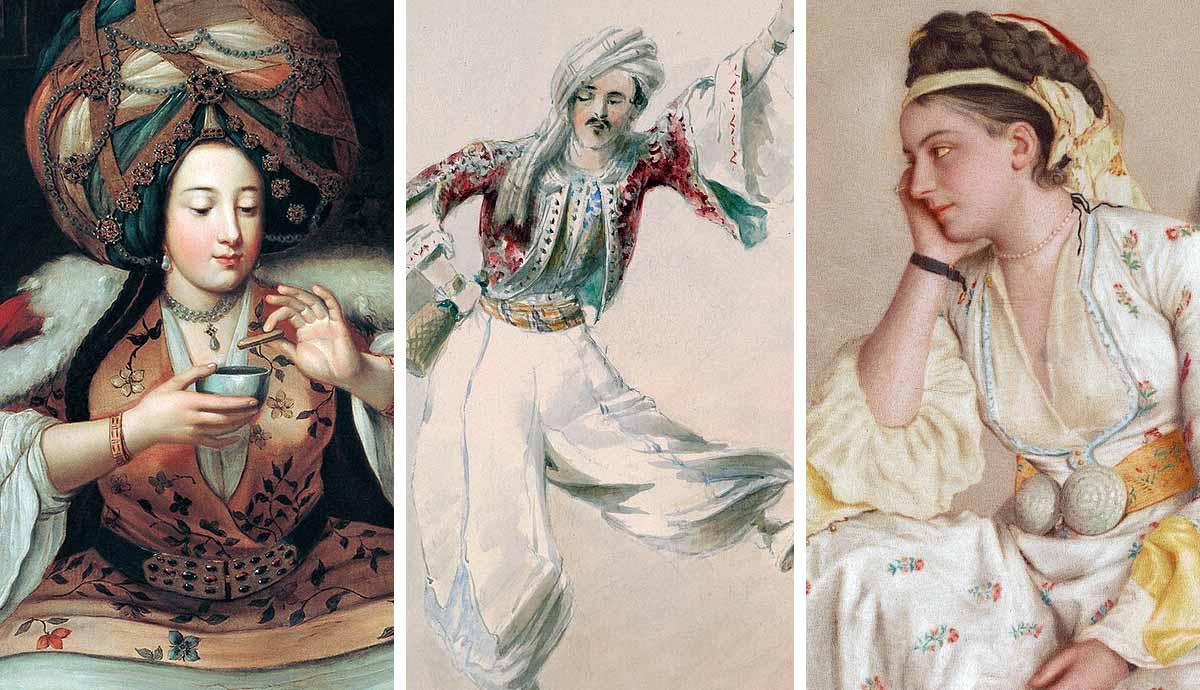
In 1442, Vlad III and Radu, the young sons of the Wallachian prince, were sent to the Ottoman court in Edirne. As was common Ottoman practice, the loyalty of vassal states was secured by keeping the sons of rival rulers in Edirne.
At court, Vlad and Radu were not treated as prisoners. Alongside the young Mehmed, they were taught Ottoman culture, religion, military training, and the philosophy of kingship.
The Wallachian princes likely spent time playing games with Mehmed, with whom Radu later developed a close relationship, eventually converting to Islam and thriving at the Ottoman court. However, his older brother Vlad was defiant and resented his position as a captive of the Muslim Ottomans.
Vlad the Impaler: The Return of the Voivode
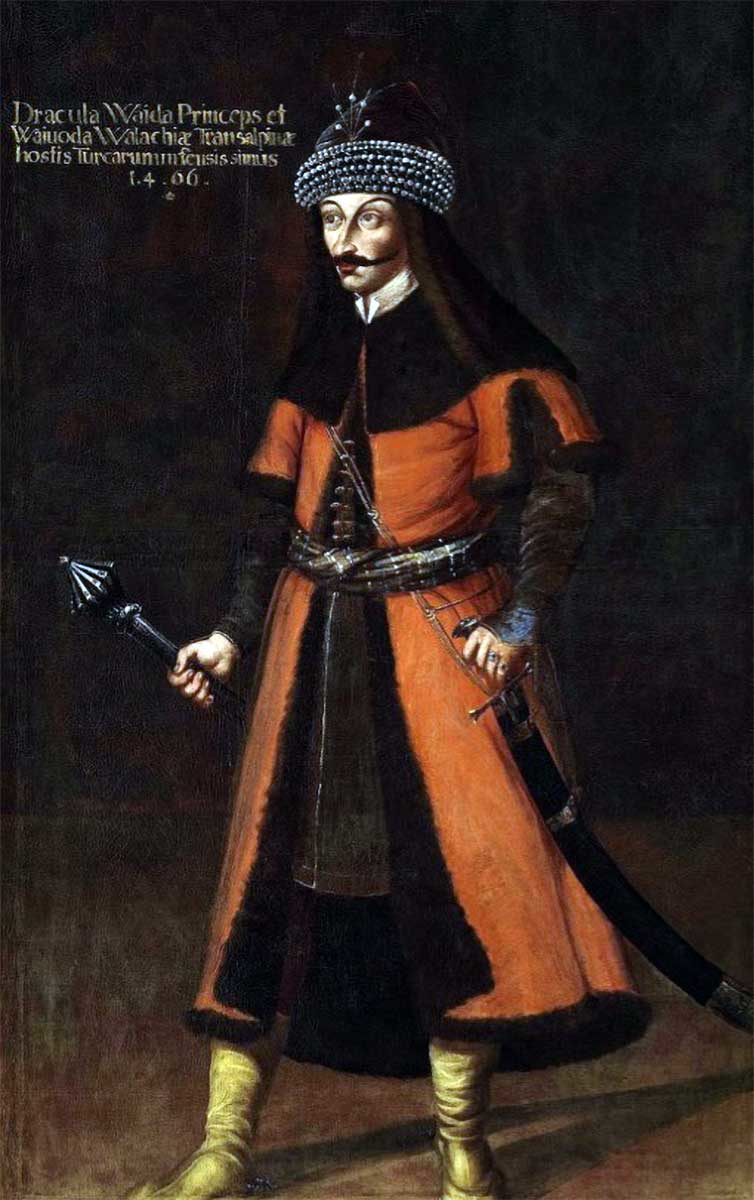
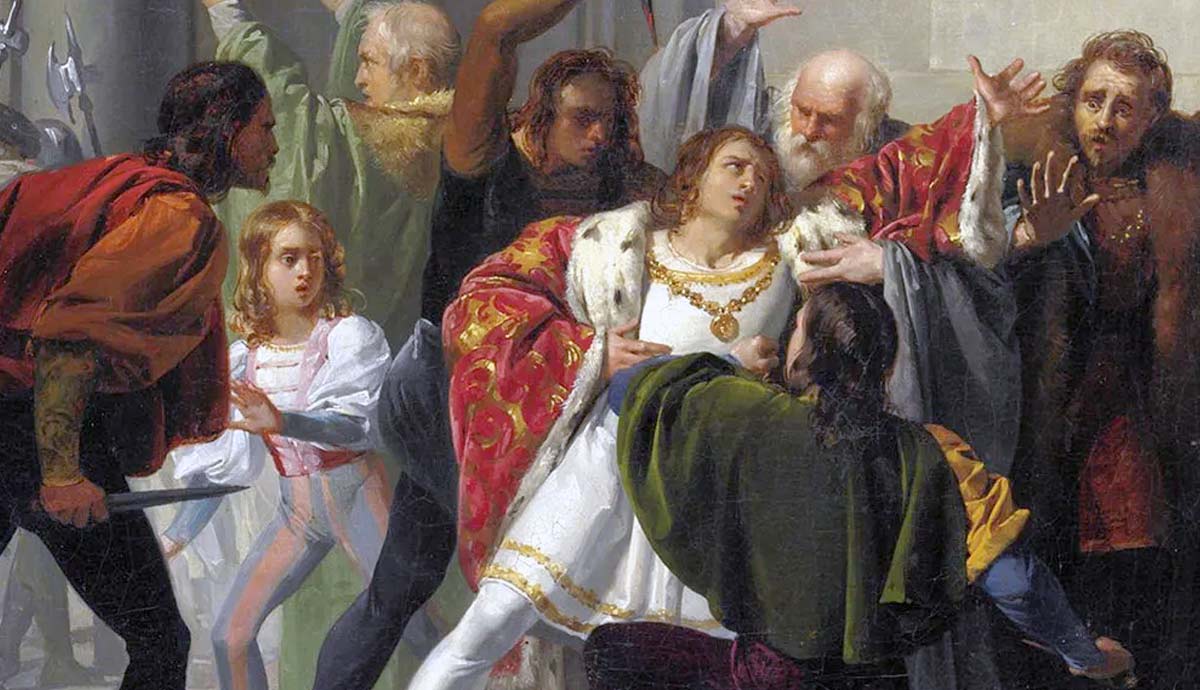
In 1456, Vlad returned to Wallachia to lay claim to the throne, which had been usurped by Wallachian boyars (nobles). With a small army of mercenaries, he crossed the Danube and defeated Vladislav II, who was supported by the Ottomans. Afterwards, he began a reign of terror, executing and killing thousands of boyars and political rivals with medieval torture methods, particularly impalement.
News of his ruthlessness spread, earning him the famous moniker, “the Impaler.” To his enemies, this was a form of barbarism and psychological warfare. To Vlad, it was a vital method for ensuring political stability and authoritarian rule.
Vlad’s consolidation of power caught the attention of the Ottomans, who sent diplomats to the Wallachian court to demand tribute for the Ottoman treasury. The envoys, who refused to remove their turbans as a gesture of respect, had their headwear nailed to their heads on Vlad’s orders.
Not long after, he would invite the wrath of the equally ambitious and headstrong young sultan, Mehmed the Conqueror.
Mehmed: Conqueror of Constantinople
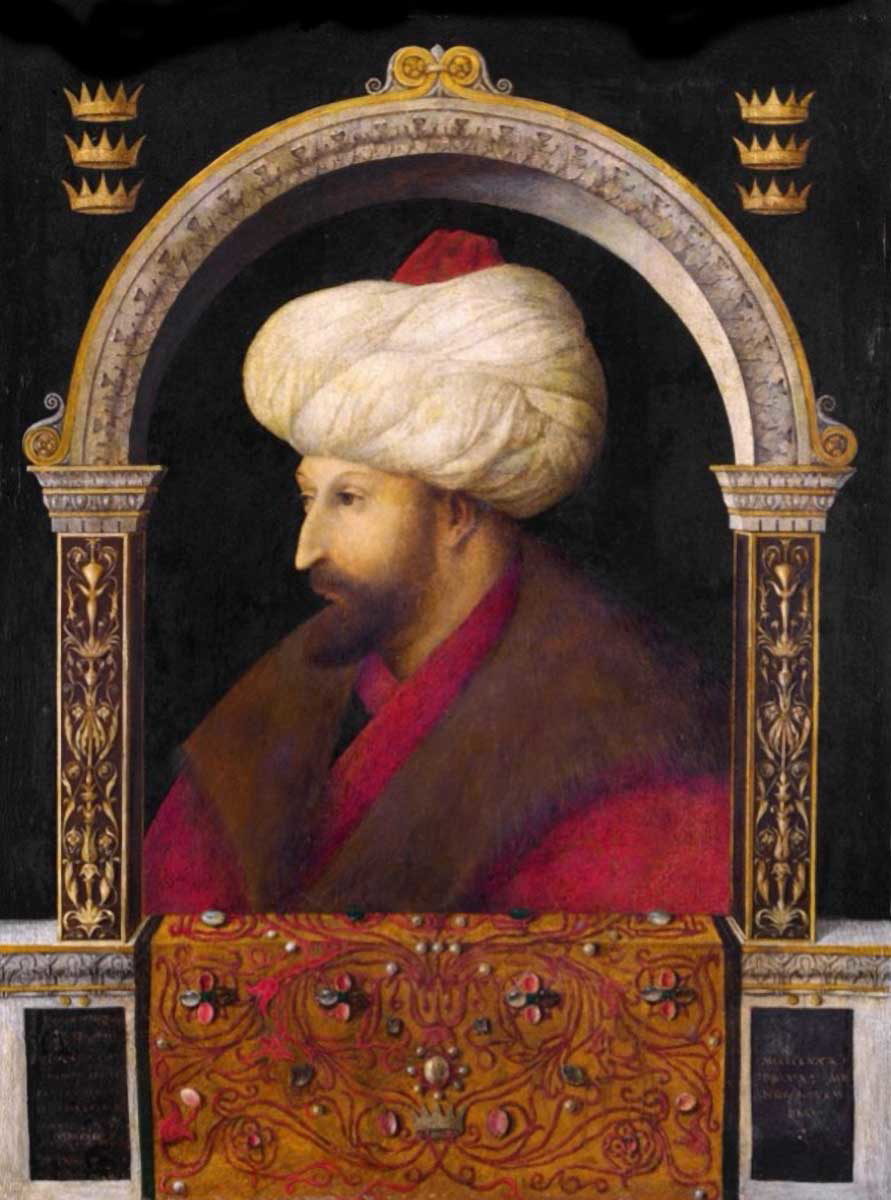
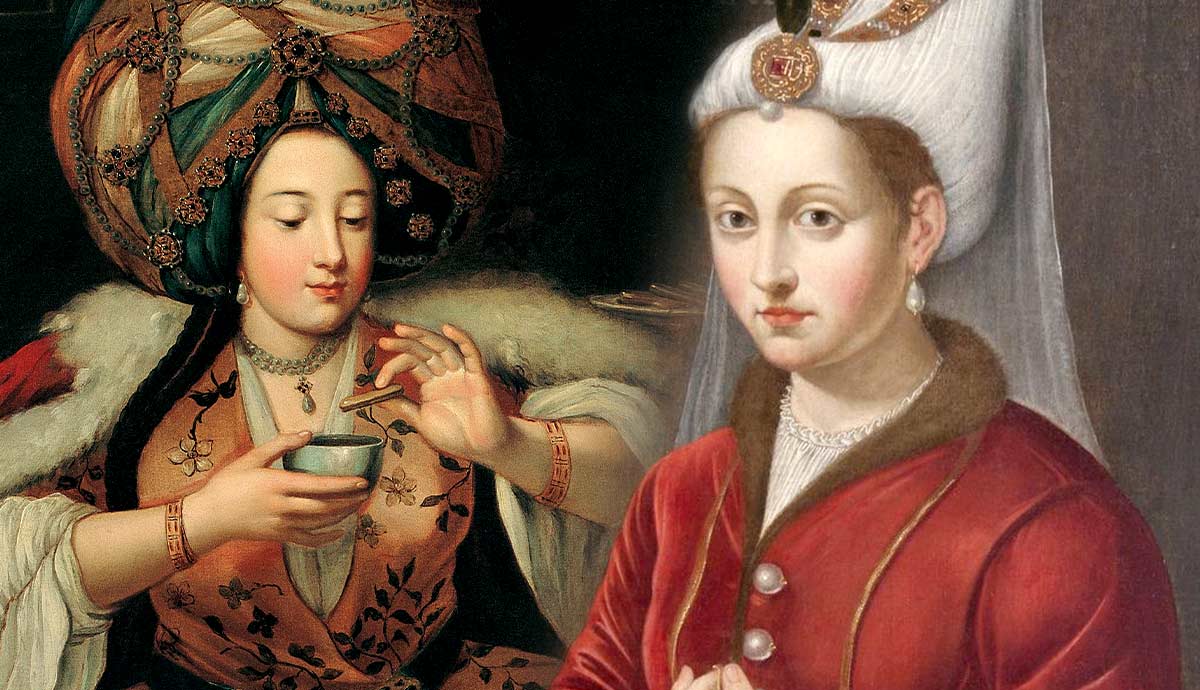
Mehmed was 21 years old when he came to the throne in 1451. A renaissance prince, Mehmed was ambitious, interested in classical architecture and mythology, and had grandiose designs on Constantinople, the capital of the Byzantine Empire.
Mehmed’s strategy was to besiege the city and break through the Theodosian Walls, the four-meter-thick (13 feet) structure that had protected Constantinople from attack since the 5th century CE. Acquiring an expert Hungarian cannon maker named Urban, Mehmed was able to patronise the creation of powerful artillery that damaged the walls beyond repair.
Unable to resist the Turkish onslaught, the Byzantines were defeated, and Constantinople became the new capital of the Ottoman Empire.
Mehmed was largely responsible for the centralization of sultanic authority and the bureaucratization of the empire. In addition to changing the demographics of the empire by settling and resettling Turkish nomads in the Balkans and Christians in Constantinople, Mehmed organized regulations into a kannunname, or law code.
Rivalry Renewed
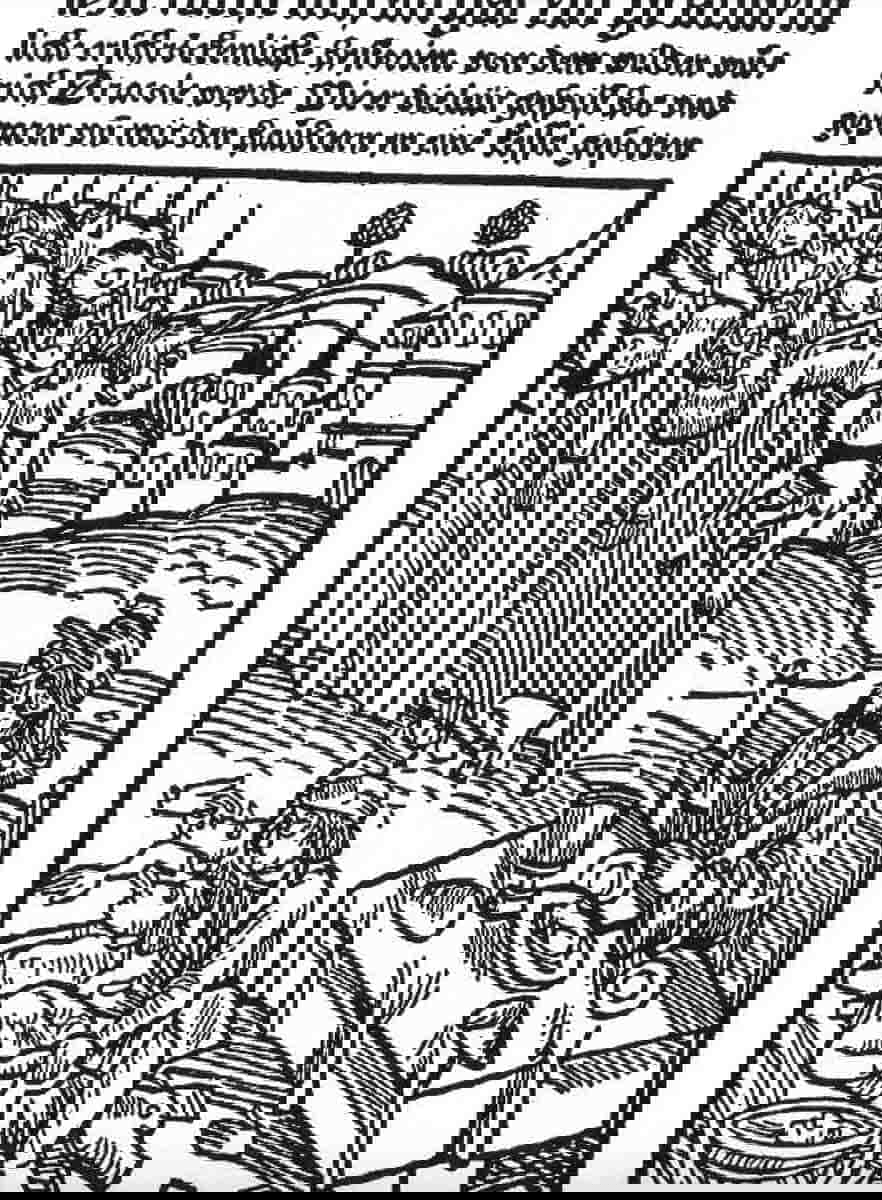
While Vlad had initially appeared to be loyal to the Ottomans, in 1461-62, he refused to pay the customary annual tribute. To make matters worse, he launched attacks against Ottoman garrisons in Bulgaria, leaving a trail of destruction behind him.
Mehmed II could not overlook this provocation. He readied his janissaries and, by spring 1462, had organized around 80,000 troops against Vlad. The army traveled northwards, into the Balkans, to quash the Wallachian prince once and for all.
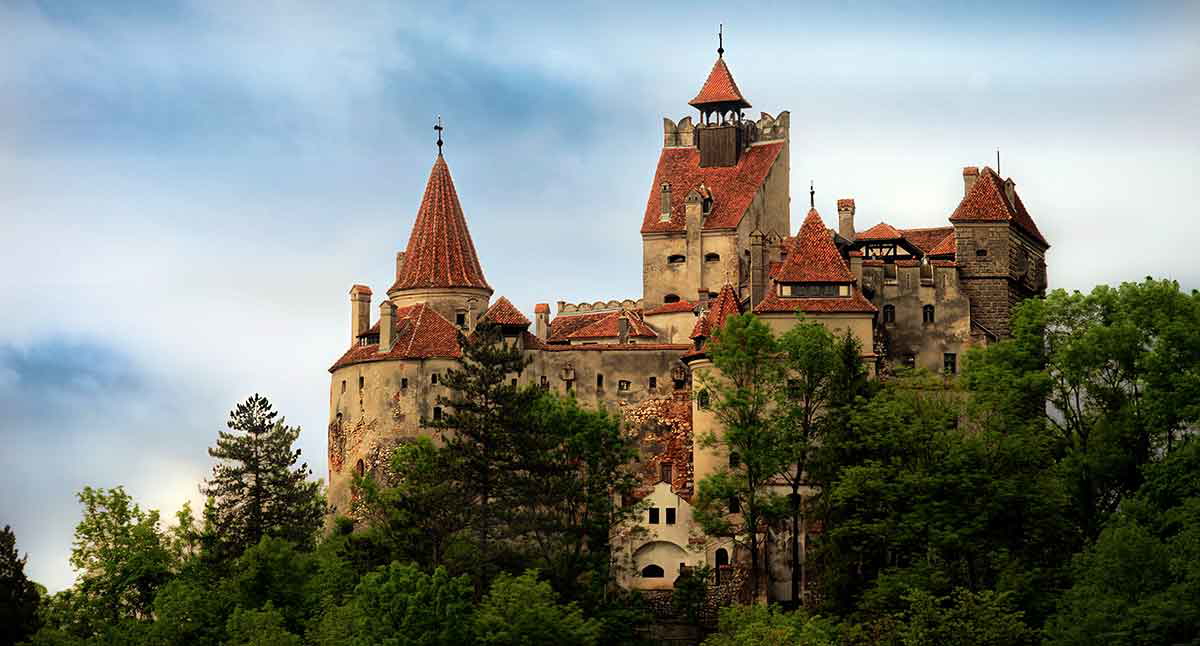
Vlad, though outnumbered, resorted to using guerrilla tactics. On the night of June 16-17, 1462, he infiltrated the Ottoman camp near Târgoviște, the Wallachian capital. Greek chronicler Laonikos Chalkokondyles notes that Vlad and his men were disguised in Ottoman uniforms and caused chaos in the camp.
Mehmed escaped, though the Wallachian attack had a deep impact on his troops. This impact was magnified when the Ottoman army reached Târgoviște. Here, they met with a scene straight from a horror film: a “forest” of impaled bodies lining the road.
Following this harrowing scene, Mehmed halted his advance into the territory. He left Radu, Vlad’s brother, who was an Ottoman ally, with the Ottoman forces.
A False Imprisonment?
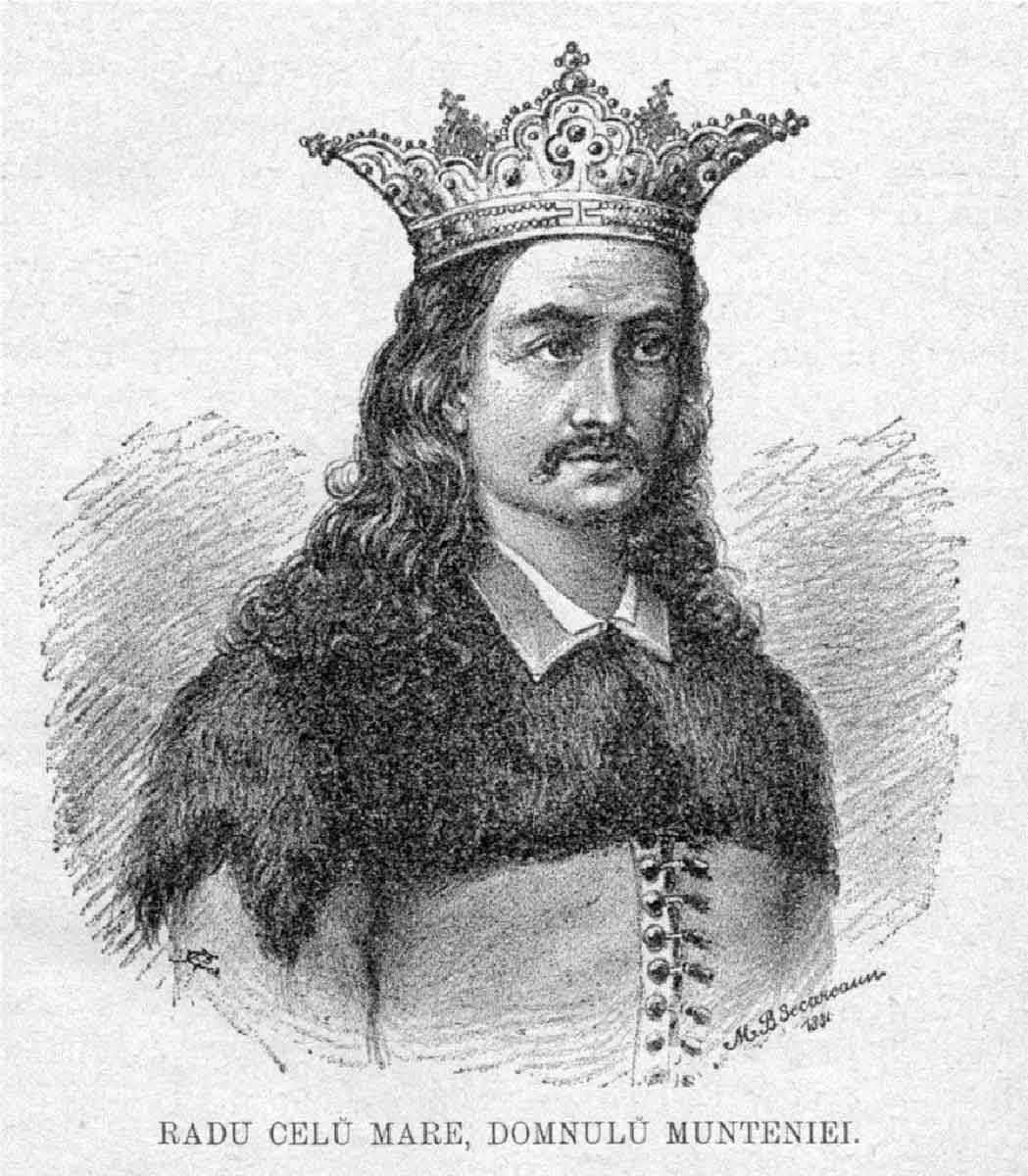
Radu’s bid for the throne was not only backed by the Ottomans, but by Wallachian nobles tired of Vlad’s brutality. Losing support, Vlad withdrew into the Carpathian Mountains, ambushing and raiding Radu’s forces when able to.
Many of his boyars, or nobles, along with much of the countryside, deserted Vlad, opting to support Radu, a more stable and fair ruler. Vlad was left with no choice but to flee across the border and into Transylvania to seek the aid of King Matthias Corvinus of Hungary.
When Vlad arrived at King Matthias’s court, he was imprisoned on the basis of treachery and forging a separate alliance with the Ottomans. For roughly twelve years, Vlad was imprisoned in Visegrad and later in Buda, while his country was ruled by his brother Radu under Ottoman suzerainty.
Defeat and Death
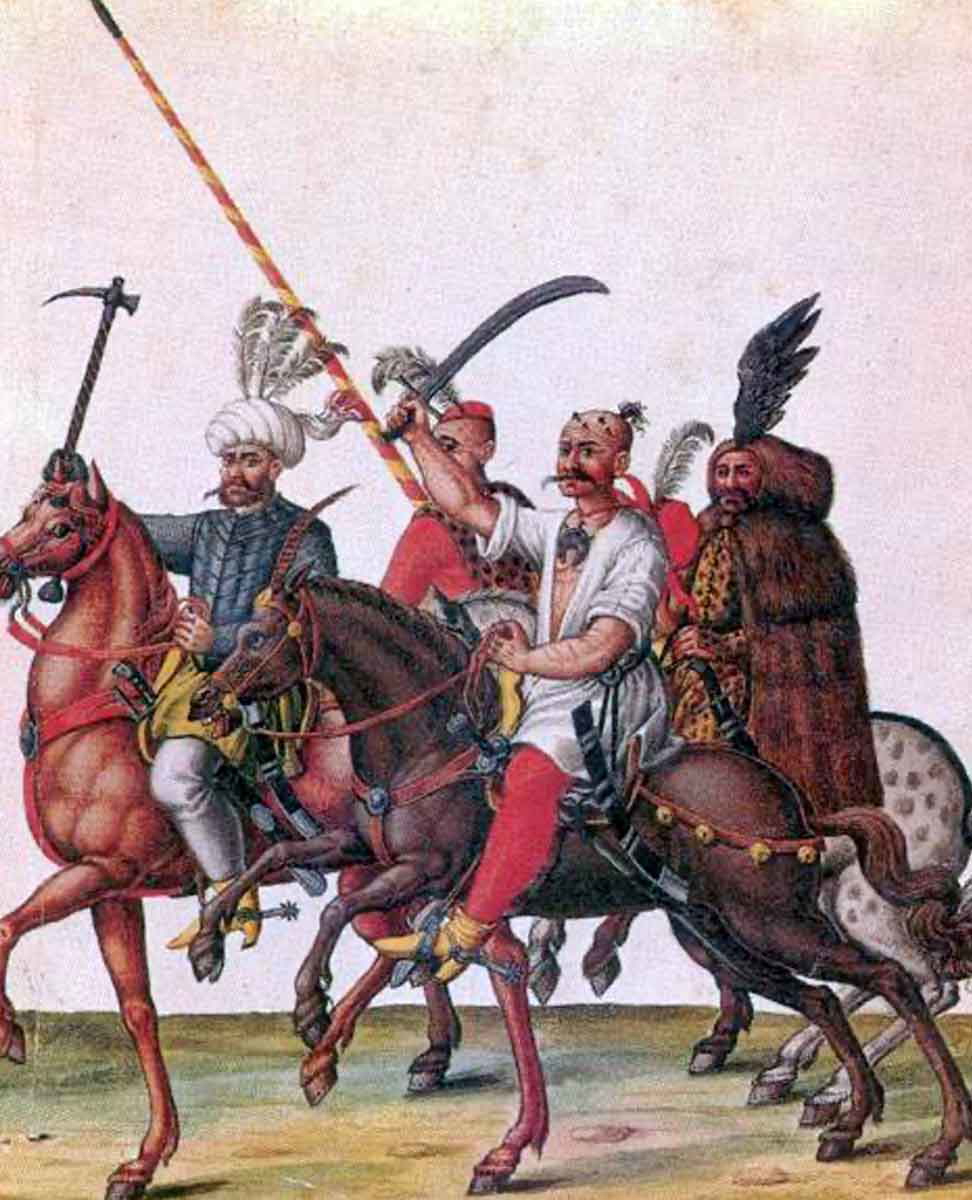
In 1475, Radu died, creating a power vacuum that Vlad would try to fill. Matthias released Vlad from imprisonment, likely because he needed Vlad to form a buffer zone against the Ottomans, who were encroaching further into the Balkans.
Vlad came to power again, though only for a few months, with the help of the Hungarian and Moldavian kingdoms. However, Mehmed, his old rival, would not allow a repeat of the events of the previous decade.
During a battle against the Ottomans, possibly near Bucharest, Vlad was killed and his head sent to Mehmed the Conqueror in Constantinople as proof of his death. According to chroniclers, the head was displayed on a stake at the city’s gates, a grim echo of Vlad’s own favorite method of execution.
Mehmed died only five years after his bitter rival. Their relationship represented the collision of two worlds: the expanding Ottoman Islamic empire and the European Christian principalities fragmented by war and politics.
It was simultaneously a relationship based on personal history and drama. The two men were once boys raised in the same court, yet they embodied two opposing ideals. One was remembered as a conqueror and unifier of East and West; the other, through myth and infamy that led to the emergence of characters such as Dracula, the gothic villain.