Summary
- The Pazzi Conspiracy’s failure to kill Lorenzo de’ Medici directly led to a two-year war with the Pope.
- Pope Sixtus IV excommunicated Lorenzo and his supporters after his allies were executed in the bloody reprisal.
- The conspiracy ironically strengthened Lorenzo’s rule, as the people and government of Florence rallied behind him.
- The war ended unexpectedly when an Ottoman invasion of Otranto forced the Pope to make peace with Florence.
In 1478, the so-called Pazzi Conspiracy tried to overthrow the Medicean rule in the Republic of Florence. After the conspirators failed to murder Lorenzo de’ Medici, the head of the powerful Medici family, Pope Sixtus IV, backed by the King of Naples, declared war against Florence. The conflict, known as the War of the Pazzi, lasted two years, weakening the support for the Medici and highlighting the political instability of the Italian peninsula, where the regional states fought for power and territorial aggrandizement.
Before the War of the Pazzi: The Pazzi Conspiracy
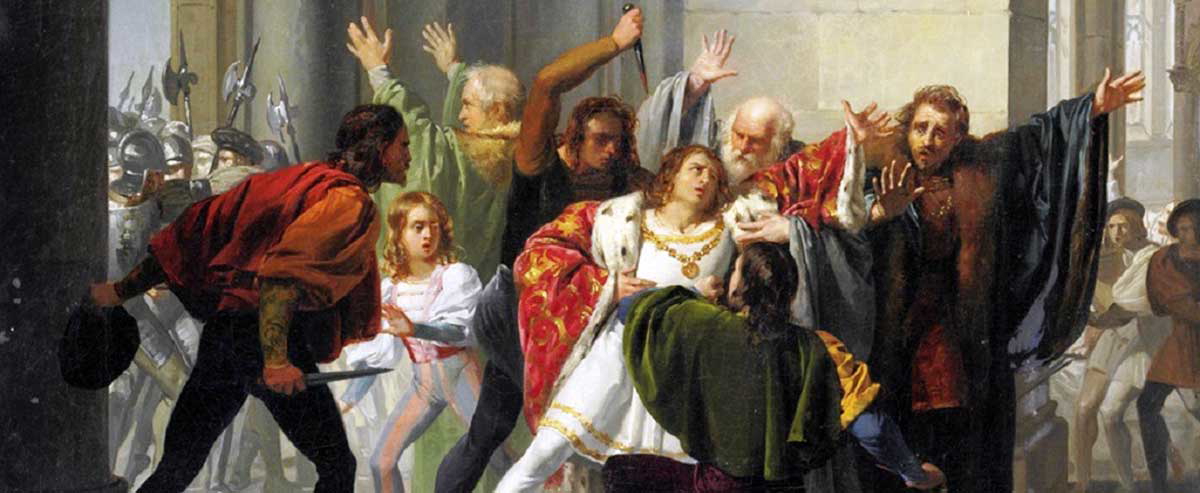
On April 26, 1478, Lorenzo de’ Medici, the de facto ruler of the Republic of Florence and head of the Medici family, went to the city’s cathedral to attend the Holy Easter Sunday Mass. His younger brother Giuliano was with him. During the service, a group of conspirators suddenly attacked the two brothers. While Giuliano was stabbed to death, Lorenzo survived the assassination attempt by taking refuge in a nearby chapel.
The attack, commonly known as the Pazzi Conspiracy, was the result of a wider plot aimed to put an end to the Medicean rule in the Republic of Florence. Masterminded by a nephew of Pope Sixtus IV and Francesco Pazzi, a member of the Florentine Pazzi family, the origins of conspiracy can be found in the volatile geopolitical landscape of the Italian peninsula in the 1470s of the Renaissance Era, when the territorial ambitions of the Papal States ruled by Sixtus IV (Francesco della Rovere) threatened the territorial integrity of the Republic of Florence. Due to his enmity for the Duke of Milan, a longtime ally of Florence, King Ferdinand I (Ferrante) of Naples also backed the Pazzi Conspiracy.
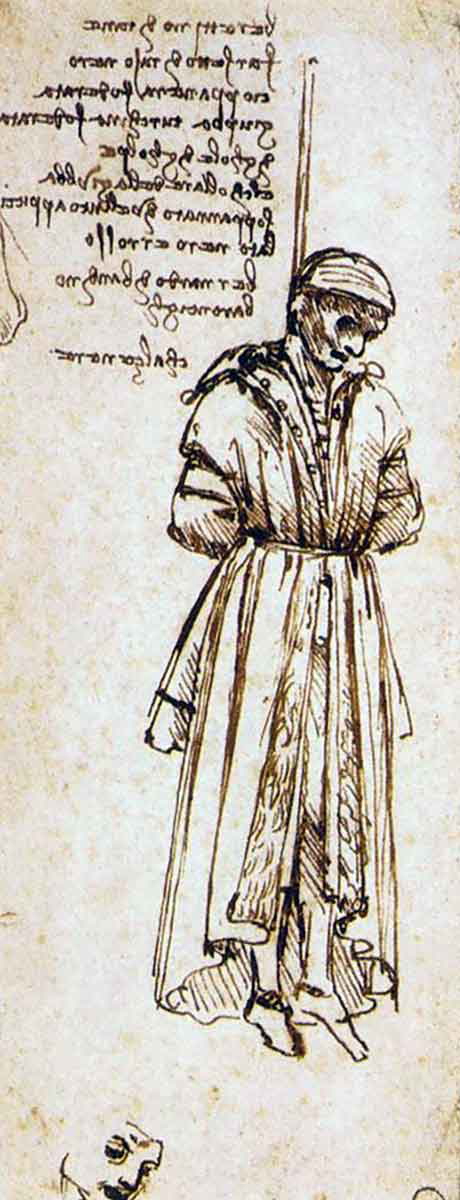
The conspirators, however, did not gain the support of the city’s populace, who largely sided with the Medici family. While Lorenzo managed to fend off his attackers, Jacopo Pazzi and Francesco Salviati, the archbishop of Pisa and a protégé of Sixtus IV, failed to take control of Palazzo della Signoria (also known as Palazzo Vecchio), the palace where the ruling body of Florence, the Signoria, held its meeting. During the bloody reprisal that followed the coup d’état, most conspirators were summarily executed, among them was also Archbishop Salviati, who was hanged from Palazzo Vecchio in his sacerdotal robes. Cardinal Raffaele Riario, the 17-year-old great-nephew of Pope Sixtus IV was arrested and held as hostage in Florence.
Preparing for War: Sixtus IV vs Lorenzo de’ Medici
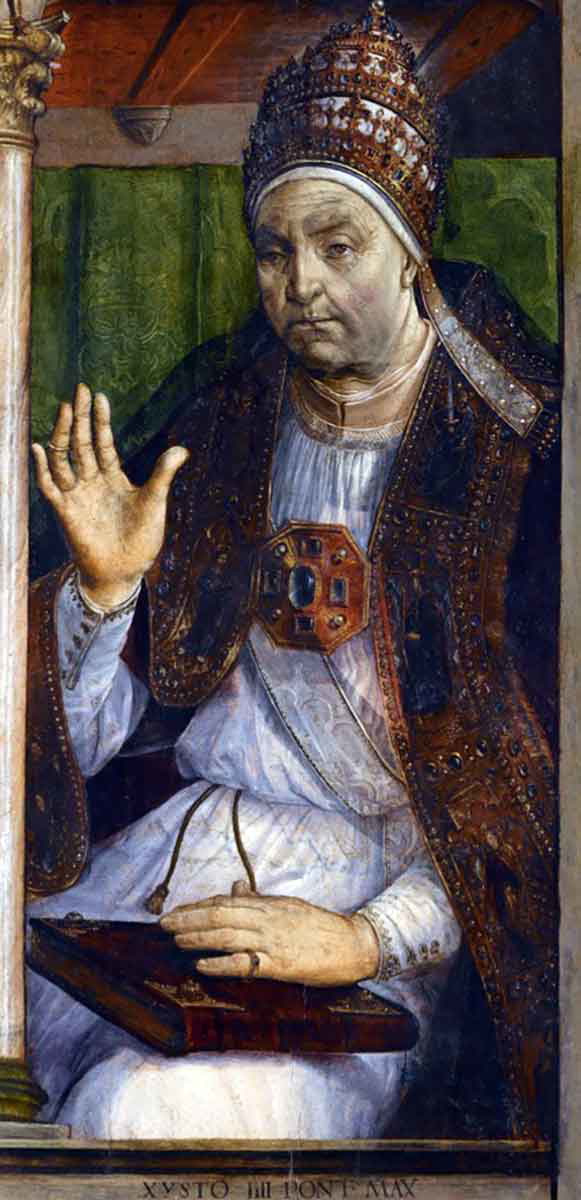
The news of his protégé’s execution and his great-nephew’s arrest greatly angered Sixtus IV, fueling his personal hatred against Lorenzo de’ Medici. The pope’s supporters and relatives were similarly outraged by the violent reprisal that took place in Florence. In his Vite di uomini illustri del secolo XV (Lives of Illustrious Men of the 15th Century), Florentine bookseller and humanist Vespesiano da Bisticci reported that Count Girolamo Riario, the pope’s nephew, targeted his anger against the Florentine ambassador to Rome, Donato Acciaiuoli: “The Count went to Donato’s house accompanied by more than thirty men-at-arms, each with his halberd on shoulder.” After detaining him in Castel Sant’Angelo, Riario’s men brought the ambassador to the pope. As tensions between Acciaiuoli, who denounced the rough treatment he received, and Count Riario rose, the intervention of the Milanese and Venetian ambassadors, who backed their colleague, eventually de-escalated the heated situation.
In particular, Sixtus IV took great offense at the fact that Archbishop Salviati was still wearing his sacerdotal robes when he was executed, an intolerable affront to the Church. On June 1, 1478, the pope issued the bull Ineffabilis et Summi Patris Providentia (The Ineffable and Supreme Father), where he denounced Lorenzo de’ Medici’s crimes, the unlawful execution of Salviati, who, as a member of the clergy, was subject only to the canonical law, and excommunicated the head of the Medici family and his supporters. The pope also threatened to interdict the city of Florence.
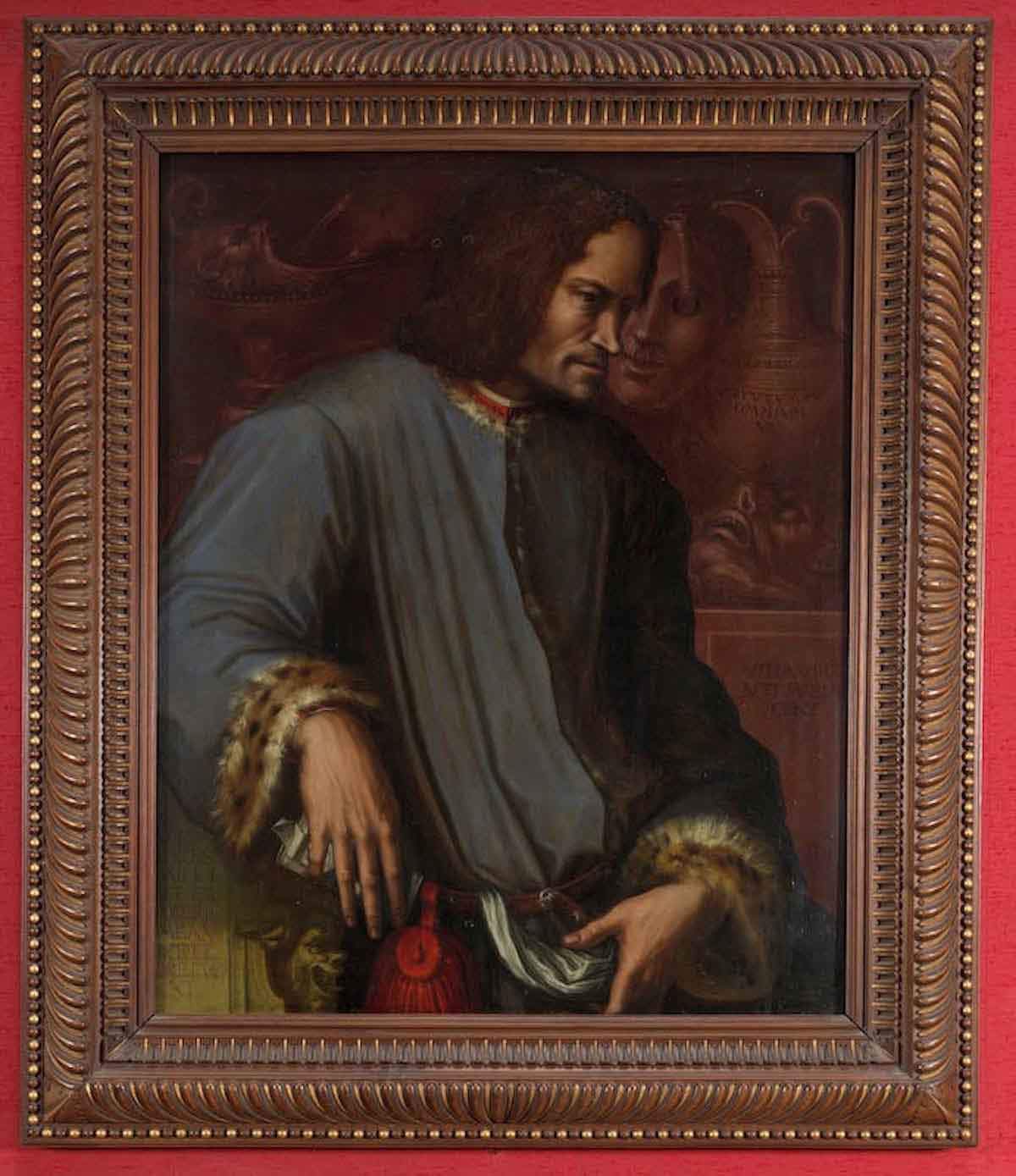
Meanwhile, Lorenzo de’ Medici had launched a propaganda campaign revolving around his portrayal as the savior of the city against the hostile aims of the pope. Indeed, the Pazzi Conspiracy had cemented Lorenzo’s political and personal prestige, and, as a result, the Florentine government backed him, refusing Sixtus IV’s requests to hand him over to the papacy. “Your Holiness says you are only waging war against our State to free it from a tyrant. We are grateful for your paternal love, but we cannot without sorrow behold an army of the Shepherd entering our territories,” wrote the Signoria in an open letter.
Similarly, the Tuscan clergy openly sided against the pope, undermining his authority by issuing the so-called Synodus Florentina, a document denouncing Sixtus IV’s role in the plot against the Medici, calling for him to be tried by a Florentine council. They also excommunicated the pope. In the summer of 1478, the first printing presses of the Tuscan city were used to spread numerous anti-papal pamphlets throughout the region.
At the same time, Lorenzo de’ Medici and the Florentine government prepared for the imminent war. The Dieci di Balia (Ten of Wars), an emergency committee with extraordinary powers, replaced the city’s governing body. The committee’s authority ranged from organizing the military campaign to introducing wartime taxation. Lorenzo de’ Medici himself was a member of the Ten of Wars, which granted him 12 guards for his personal safety.
On July 13, 1478, a herald from Naples, whose King Ferrante (Ferdinand I) of Aragon sided with the pope, brought the official declaration of war to Florence. A few days later, troops from Siena, a longtime enemy of Florence, entered the countryside surrounding the Tuscan city. It was the beginning of the War of the Pazzi.
The War of the Pazzi
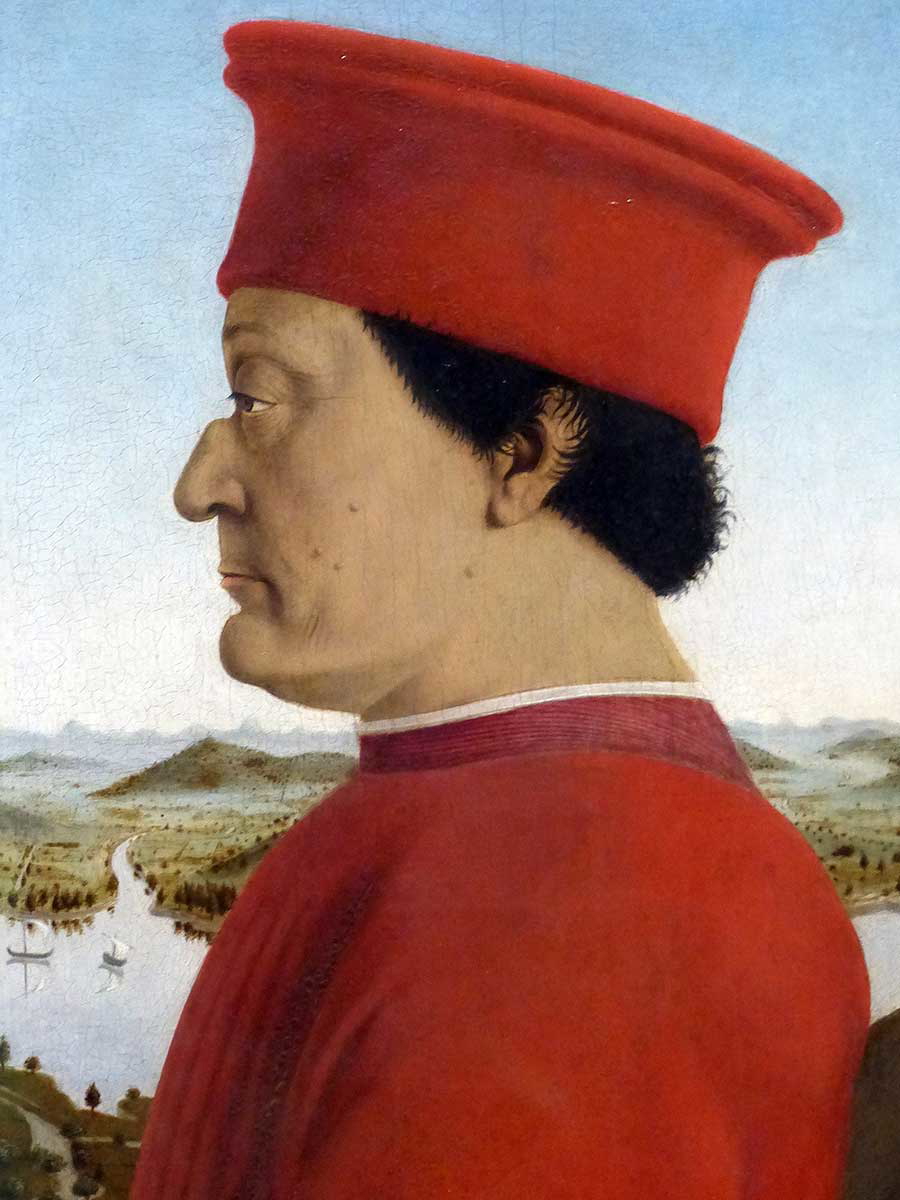
In 1474, Lorenzo de’ Medici had orchestrated an alliance with Milan and Venice, a diplomatic maneuver to protect Florence from the papacy’s territorial ambitions in central Italy. However, in 1478, Lorenzo’s allies did not contribute significantly to his military efforts for the War of the Pazzi. The Duchy of Milan, led by the powerful Sforza family, sent only a small contingent of troops to Tuscany. The Republic of Venice, whose forces were fighting in the First Ottoman-Venetian War (1463-1479), was unable to spare any troops for the War of the Pazzi.
The anti-Medicean papal army was led by Federico da Montefeltro, a skilled mercenary captain made Duke of Urbino by Sixtus IV. In 1478, Montefeltro had lent his support (and some 600 men) to the Pazzi Conspiracy. At the head of the Neapolitan forces was King Ferrante’s son, Alfonso of Aragon, Duke of Calabria.
In the first months of the War of the Pazzi, the anti-Florentine coalition began to advance through the Val di Chiana, a valley south of Florence, and the nearby valleys. In 1478, the Neapolitan forces, aided by Siena, attacked and conquered Rencine Castle in Castellina in Chianti (a town in the province of Siena), destroying the castle’s walls and executing the Florentine soldiers stationed there.

In November 1478, Roberto Sanseverino of Aragon, one of the leading condottieri (mercenary commanders) in Italy, attacked the city of Pisa, then part of the Republic of Florence’s territories. In June, Sanseverino, who had assisted King Ferrante during the revolt of the barons loyal to René of Anjou (a member of the Angevin dynasty, a longtime rival of the House of Aragon in southern Italy), had helped organize a revolt in Genoa against the Sforza family. Meanwhile, Carlo “Fortebraccio” da Montone, a mercenary leader in the pay of Venice, attacked Perugia, a town in Umbria, then controlled by the Papal States.
In the summer of 1479, the anti-Medicean army occupied Casole d’Elsa, Certaldo, and Castelfiorentino in Val di Chiana. In September 1479, Federico da Montefeltro and the Duke of Calabria launched an attack against Poggio Imperiale, a town near Poggibonsi. The skirmish caused high casualties among the mercenary troops in Florence. The Neapolitan army then looted the countryside surrounding the town. After the War of the Pazzi, Lorenzo de’ Medici commissioned Giuliano Sangallo, a leading architect and military engineer, to design a fortezza (fortress) to strengthen the southern borders of the Florentine Republic.
In November, the Duke of Calabria began a two-month siege against Colle Val d’Elsa whose residents refused to surrender and put up a strong resistance against the invaders. In a desperate attempt to keep the Neapolitan troops out of their territory, they even burned down some neighborhoods and the bridge leading to the castle. While Colle eventually fell, the long siege allowed the Florentine troops some much needed respite.
Lorenzo de’ Medici & King Ferdinand I of Naples
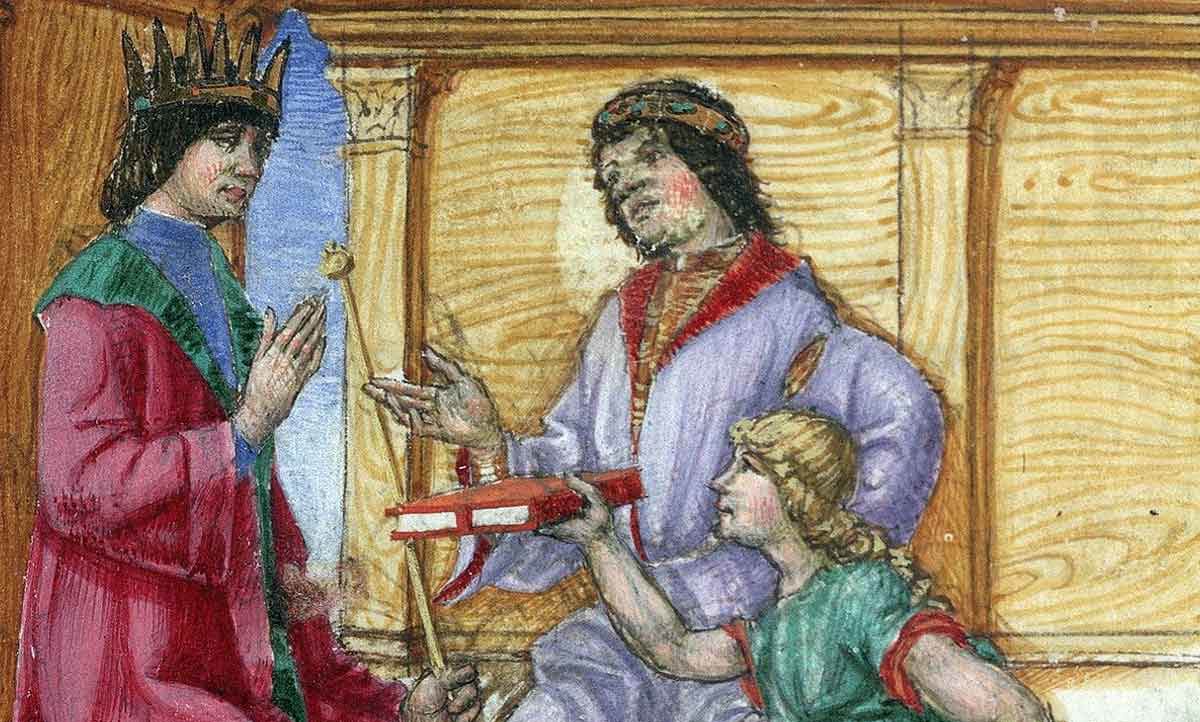
Toward the end of 1479, as the winter months were approaching, the two factions agreed to a temporary ceasefire. While the anti-Medicean front had advanced towards Florence’s borders, Sixtus IV and his allies were more interested in pursuing a war of attrition rather than capitalizing on their victories in the field. Indeed, they hoped that, as the conflict dragged on, the citizens of Florence would no longer support Lorenzo de’ Medici. As Francesco Guicciardini reported, “the Duke of Urbino [Federico da Montefeltro] is said to have quipped that in the first year of the war, Florentines were lively and energetic; in the second, they were mediocre; and in the third, done for. He was waiting for that third year.”
Indeed, the first year of the War of the Pazzi weakened Lorenzo de’ Medici’s support. The conflict caused considerable food shortages in Florence, as supplies from the countryside decreased. Many were also struggling to pay the high taxes introduced to cover the considerable costs of the war. In December 1479, Lorenzo, aware of his weakened position, decided to travel to Naples to negotiate with King Ferrante personally.
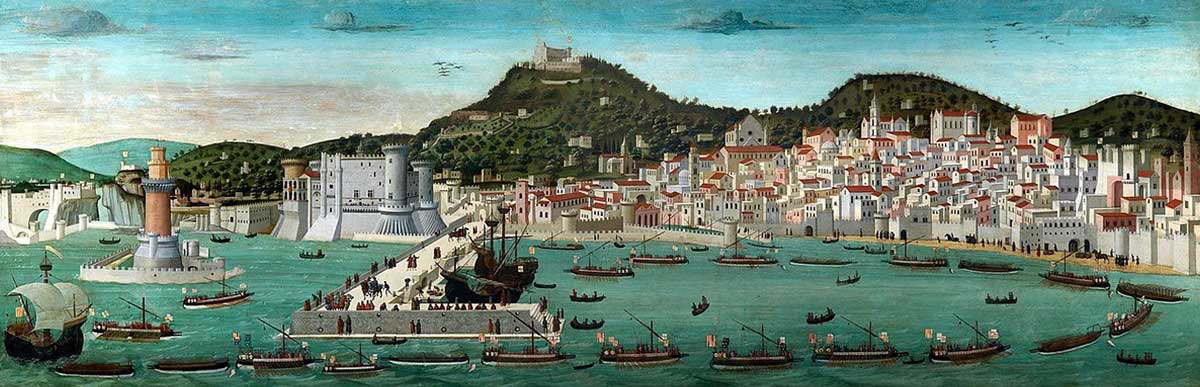
After leaving Florence in secret, Lorenzo arrived in Naples on December 18. “I am convinced that the action of our enemies is mainly directed by hatred against me, and that by giving myself up to them I may be able to restore peace to our city,” he wrote in a letter to the government. Lorenzo would remain in Naples as a “guest” of King Ferrante until February 27, 1480. The King of Naples hoped Lorenzo’s prolonged absence from Florence would further weaken his support. In the end, however, the two rulers agreed to negotiate a peace. Lorenzo agreed to free the members of the Pazzi family who were still in prison and to pay a sum of money to the Duke of Calabria.
Upon his return to Florence, according to Niccolò Machiavelli’s Istorie Fiorentine (Florentine Histories), the citizens welcomed him as a hero: “The impressions he had created in the popular mind surrounded him with a halo of majesty brighter than before.” While Lorenzo’s trip to Naples had secured a peace treaty, many issues remained unsolved, especially that of the territories occupied by the Neapolitans during the War of the Pazzi. According to the peace terms, they “were to be given up at the discretion of the king.” Meanwhile, the Duke of Calabria remained in Tuscany with his troops. Displeased upon learning of the peace between Florence and Naples, Pope Sixtus IV was determined to continue the war.
The Ottomans in Otranto & the End of the War of the Pazzi
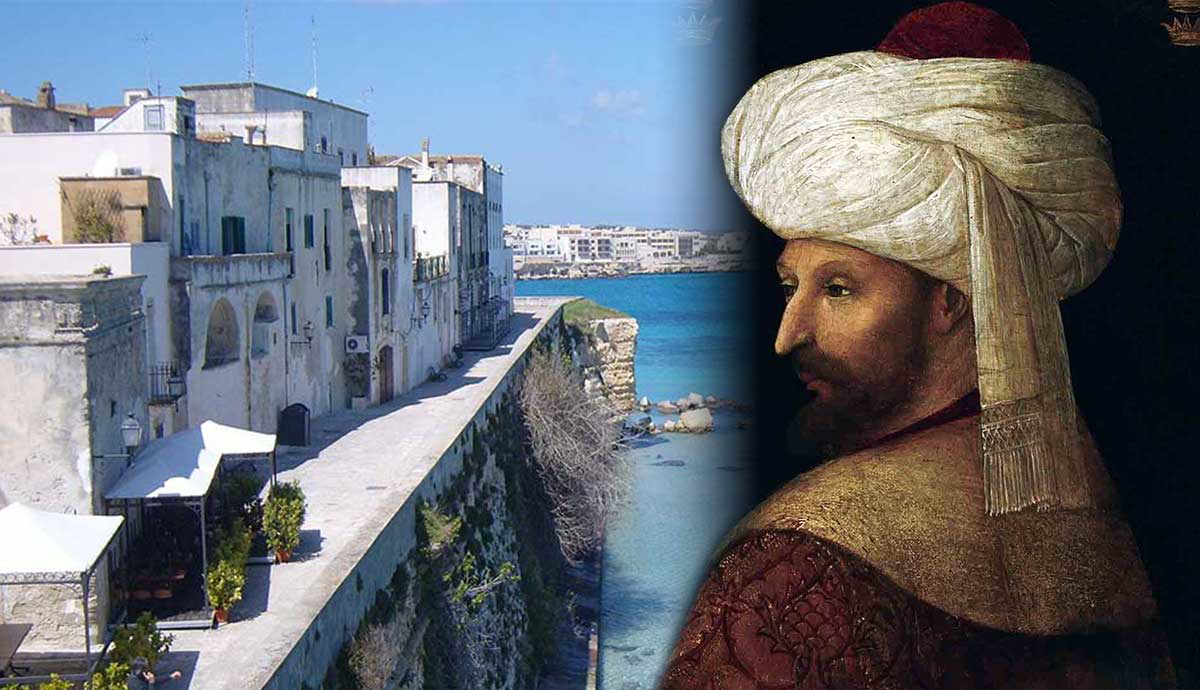
In the summer of 1480, a new threat shifted the attention of the King of Naples and the pope away from their dispute with Florence and brought the War of the Pazzi to an end. On July 28, the Ottoman fleet led by Gedik Ahmed Pasha landed near Otranto, a coastal town in present-day Apulia. After conquering Constantinople in 1453, Mehmed II, the Sultan of the Ottoman Empire, began a series of military campaigns to expand the empire’s borders. After conquering territories in Anatolia and the Balkans, he turned his attention toward the Italian peninsula.
The Ottomans breached the walls of Otranto in August 1480, greatly alarming the King of Naples, who ordered his son Alfonso to leave Tuscany and move his forces to southern Italy. In the face of the new circumstances, Pope Sixtus IV offered peace to Florence. Signed on December 3, 1480, the agreement finally ended the War of the Pazzi. With the financial backing of the Tuscan city, the troops of the King of Naples finally managed to recapture Otranto in 1481 after Sultan Mehmed II died during a new campaign in Anatolia.
In the 1480s, the War of the Pazzi led to a shift in the previous system of alliances in the Italian peninsula. Feeling he could no longer rely on King Ferrante’s loyalty, Sixtus IV signed a pact with Venice in April 1480. Two years later, with the papacy’s backing, the Republic of Venice attacked Ferrara, where the ruling Este family was an ally of Naples. In the ensuing War of Ferrara, the former enemies, Florence and Naples, joined their forces against the Papal States.