Around 6500-3500 BC, in an era known as the Chalcolithic, or Copper Age, huge advances were made that would shape the future of mankind. At this point, human society transitioned from using stone tools to copper ones and took its first steps on the journey to civilization.
When Humans First Started Using Copper
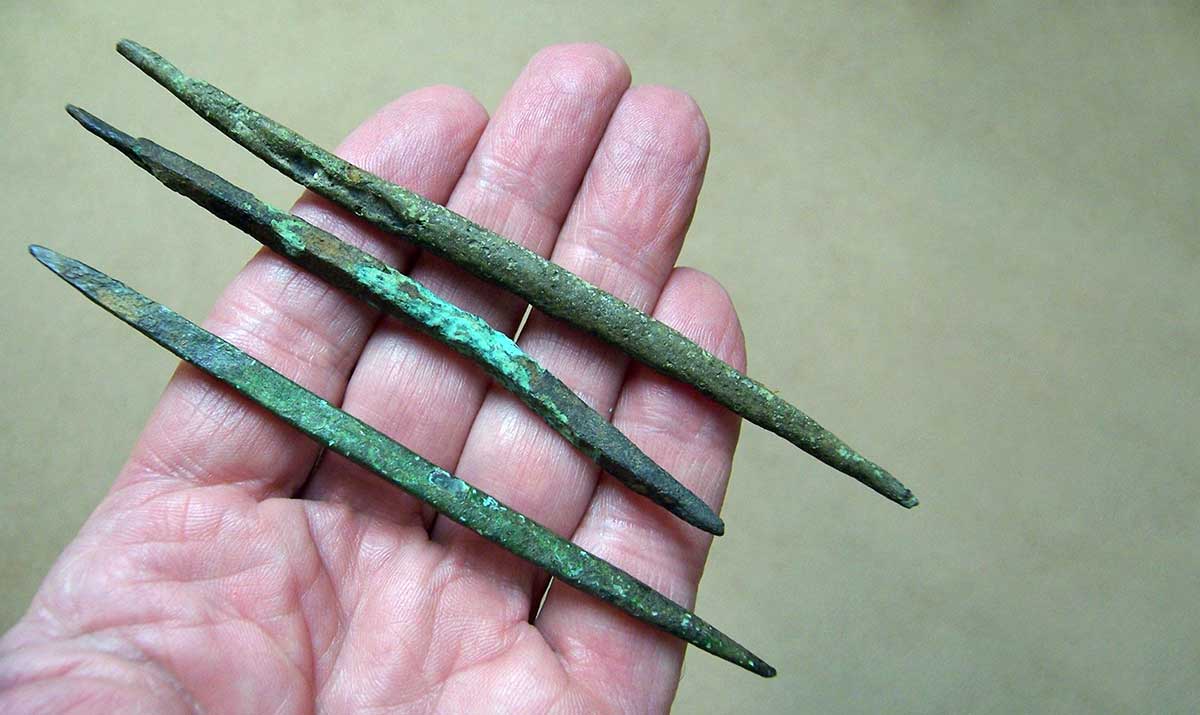
Copper usage began simply—by finding it on the ground. Around 6500 BC, Native Americans in the western Great Lakes region picked up copper nuggets from exposed copper veins and eventually began digging quarries. The Old Copper complex, as it is now known, is one of the easiest places in the world to obtain copper, and artifacts are so prolific that many residents of the area have a few in their homes. The Copper culture of the western Great Lakes mostly shaped the copper through cold working, without heating and melting the metal.
In Eastern Europe and the Middle East, extensive copper use began sometime after 6000 BC, though some evidence suggests it may have been worked as early as 8700 BC.
The Earliest Copper Deposits
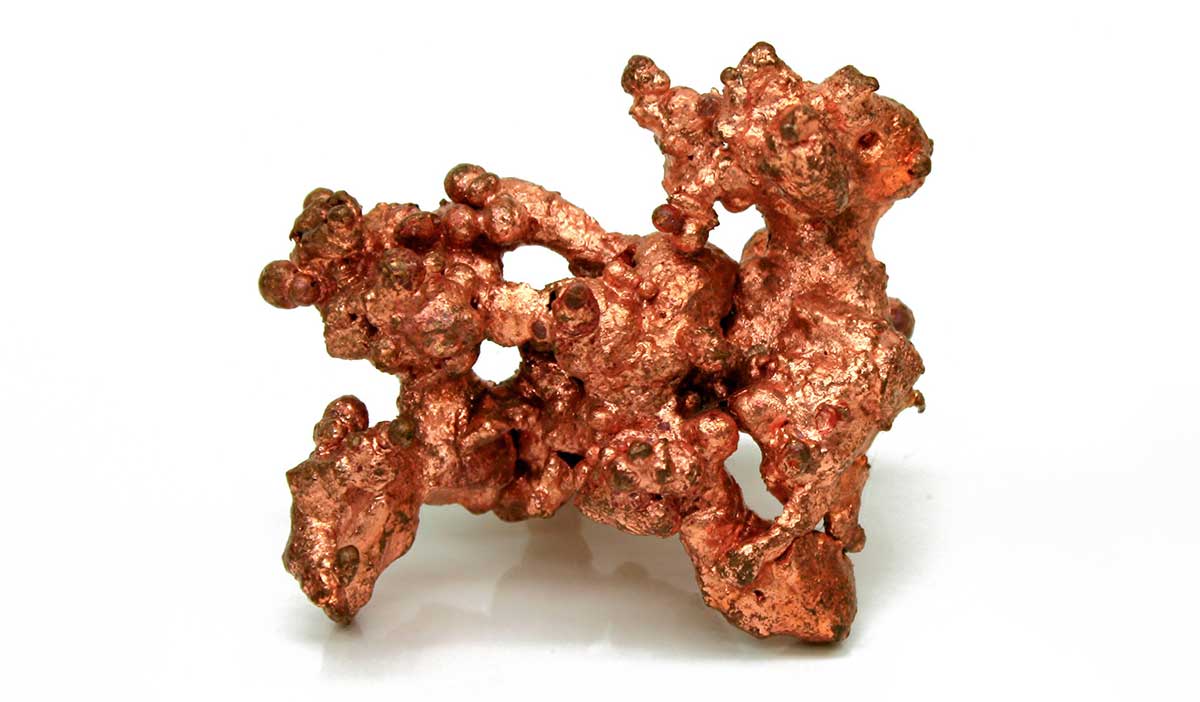
The earliest copper deposits used were the North American Old Copper complex near the Great Lakes. In Europe, several examples of early copper mining exist. Rudna Glava in eastern Serbia dates to about 5000 BC, and 186 miles away is the Aibunar mine in Bulgaria, dating to about 4000 BC. Both of these mines, as well as others in the region, contributed to an early rise of some sort of civilization in the area that predates Sumeria in the Middle East. The islands of Crete and Cyprus also had easily obtainable copper, similar to that of the Great Lakes.
Why Was Copper Used by Early Man?
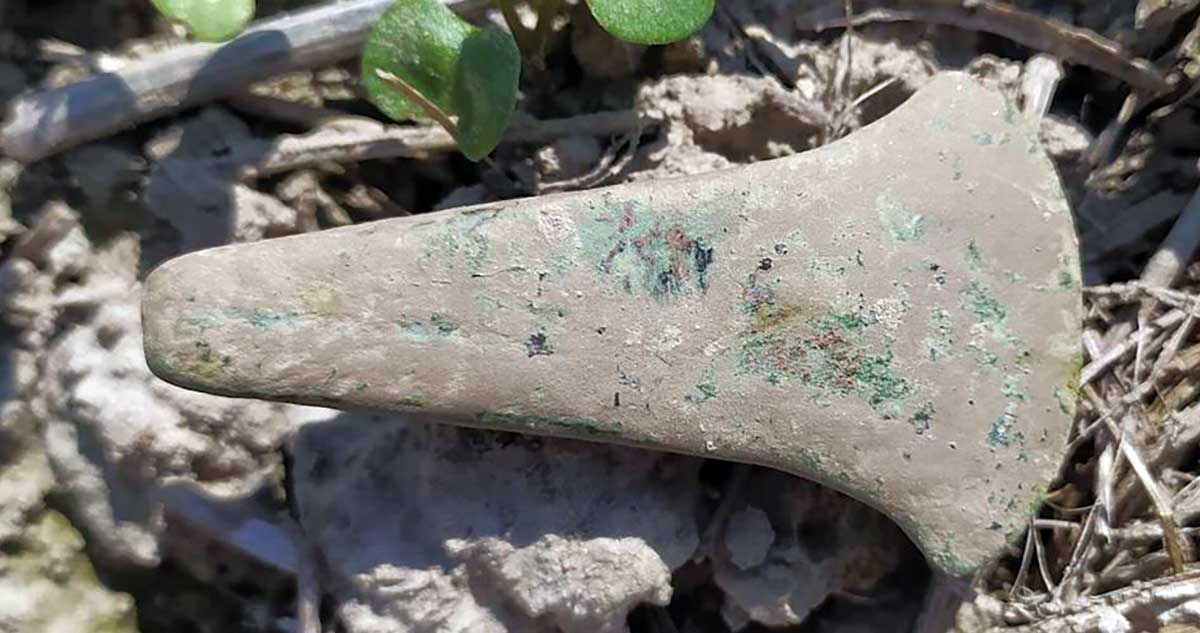
Early civilization use of copper before bronze and iron developed for several reasons. Copper is abundant and is a metal that is so pure that it needs little to no refining to filter out impurities (the copper found in the Great Lakes Copper Complex is as high as 99% pure). It was simple to mine and easy to work into shapes. It is also pretty once refined and shaped, and was easy to fashion into jewelry.
Humans eventually learned to work copper effectively, once they discovered that heating the metal enabled it to be shaped into larger, more durable forms. It could be used as tools and weapons— edged for shaping wood, for creating trade goods, and for waging war.
Copper and Other Metals
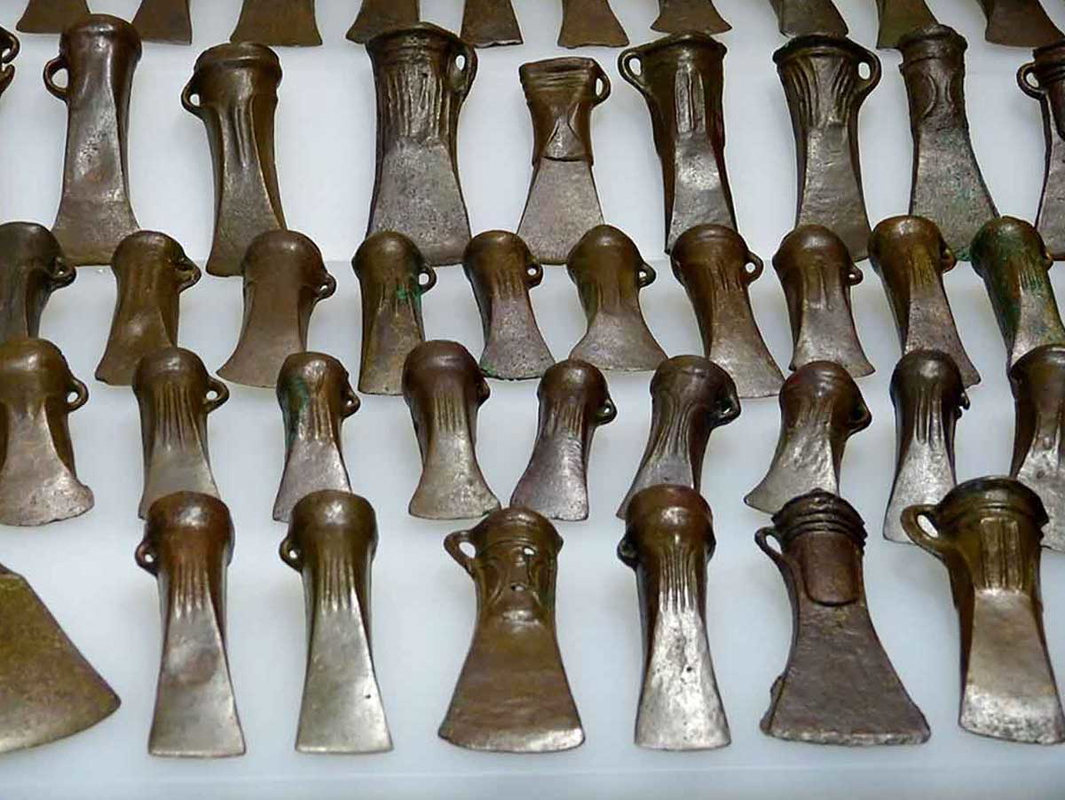
Hoard of bronze socketed axes from the Bronze Age found in modern Germany. This was the most common tool of the period, and also seems to have been used as a store of value. Source: Wikimedia Commons
As metallurgy developed, mixing copper with other metals, such as arsenic or tin, produced stronger alloys. Arsenical bronze—a copper alloy that contains arsenic—naturally occurs in an area of Anatolia, and its development led to the early Bronze Age in that region, helping to create a society that predated the Sumerians.
The End of the Copper Age
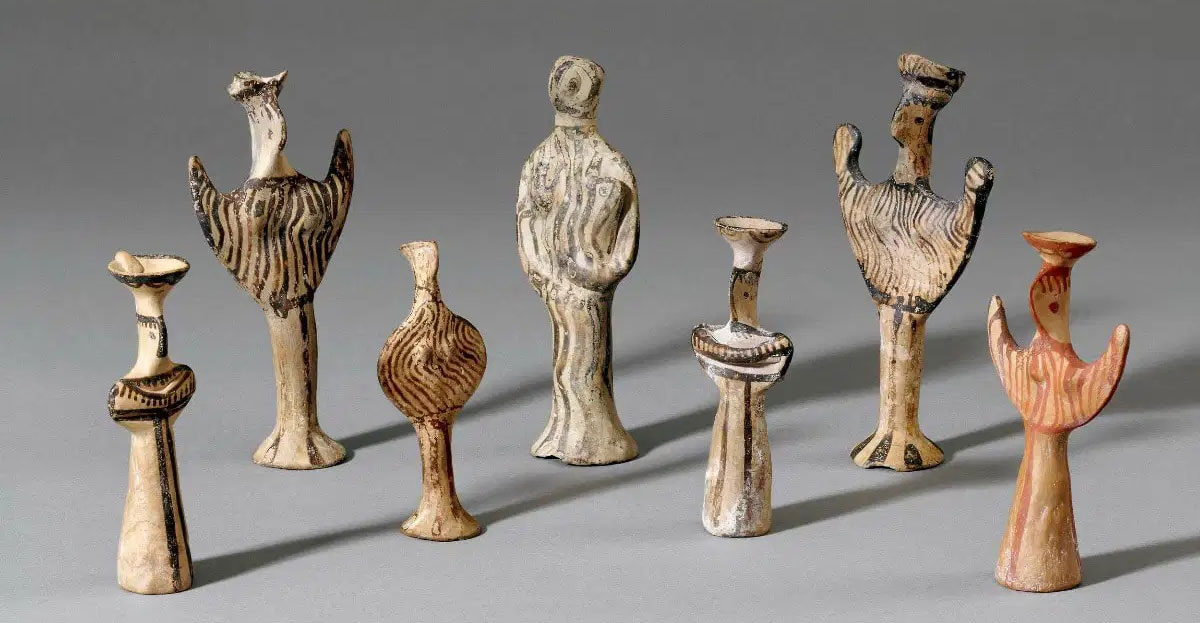
As the Neolithic Age gradually developed into the Copper Age, the Copper Age gradually shifted into the Bronze Age around 4000 BC as man learned more about fashioning metal into useful implements. While there were great Bronze Age civilizations and societies, no great Copper Age civilization emerged along the lines that would come to be, such as the Egyptians or Sumerians, though the roots of those civilizations would have their beginnings in the Copper Age.