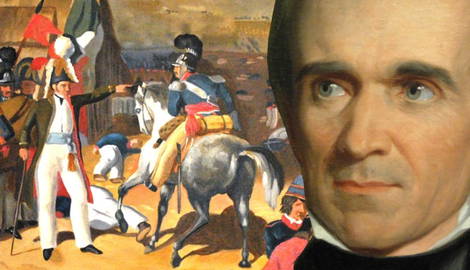

What if the Alamo went unavenged, and Sam Houston’s army had been massacred along the banks of the San Jacinto instead of Santa Anna’s? An intriguing question, given the implications for North American history. But the problems besetting Mexico internally, and the voracious appetite of an expansionist United States, may not have altered things all that dramatically. Here’s why.
April 21, 1836—A Day of Judgment
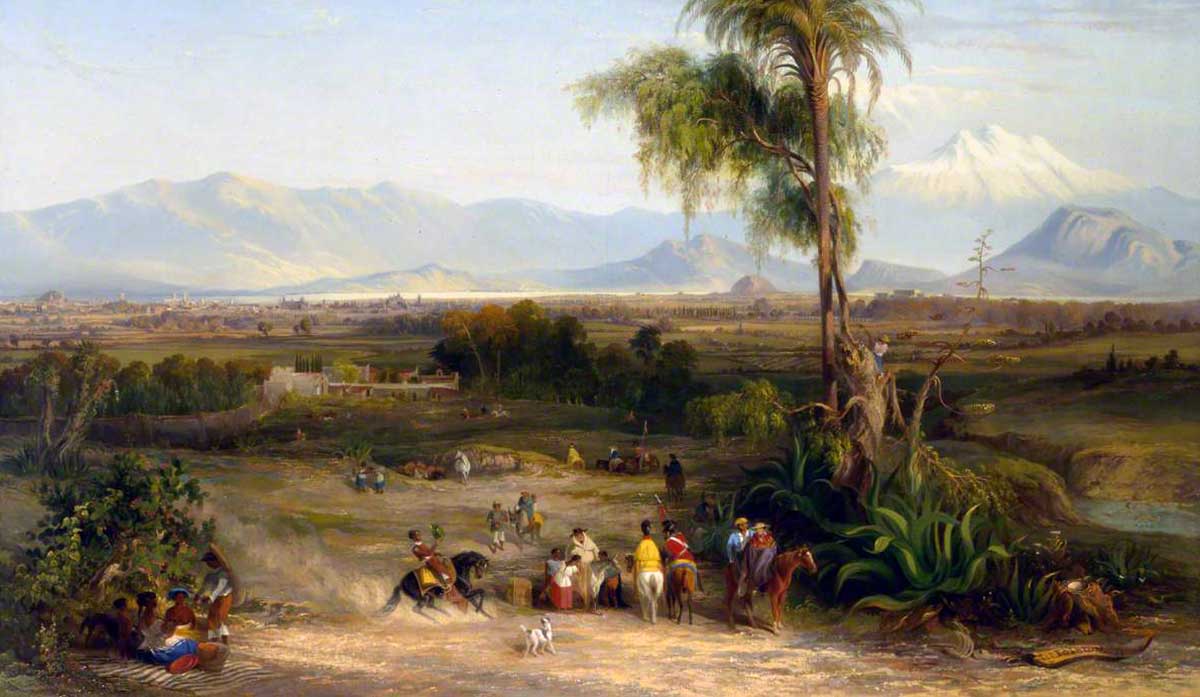
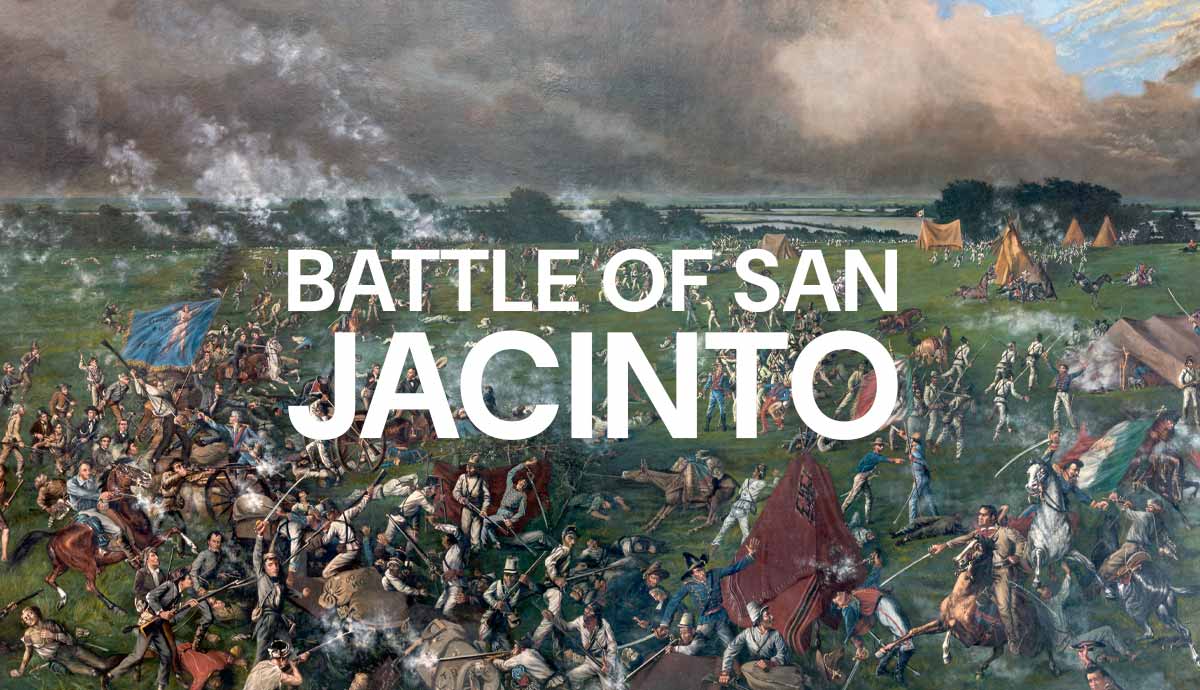
April 21, 1836 was a day of judgment for the rebellious Texians. The army of Sam Houston, wearied by weeks of endless retreat eastward towards the Louisiana border, had finally come face to face with the forces of General Antonio Lopez de Santa Anna, and were destroyed. Their bold advance across the open plain bordering the oak lined banks of the San Jacinto withered in the face of artillery and musketry from the entrenched Mexicans 200 yards away.
The Texians could not close the distance and they staggered to a halt. Their losses piled up, their ranks became disordered, and gradually one man after another began to cut for the rear. Regiments disintegrated, running for the perceived safety of the oak grove whence they came forward that morning. Santa Anna’s infantry gave chase, and from the Mexican right two regiments of cavalry took up the pursuit, cutting down the fleeing Texians long before they could retreat to the safety of the tree line. It was all over in 18 minutes, but for several more hours Santa Anna’s army maintained the chase, hounding the terrified survivors.
Those Texians unlucky enough to fall into Mexican hands were coldly slaughtered like their fellows had been at the Alamo and Goliad. Santa Anna was merciless against those who had taken up arms against Mexican sovereignty. Houston’s was the last Texian army capable of meeting his own in battle. Their other forces had long since been exterminated, and alongside Houston’s retreating army had gone most of Texas’s population. For weeks they had fled ever eastward, and now with the disaster of San Jacinto, few stopped before the Louisiana border.
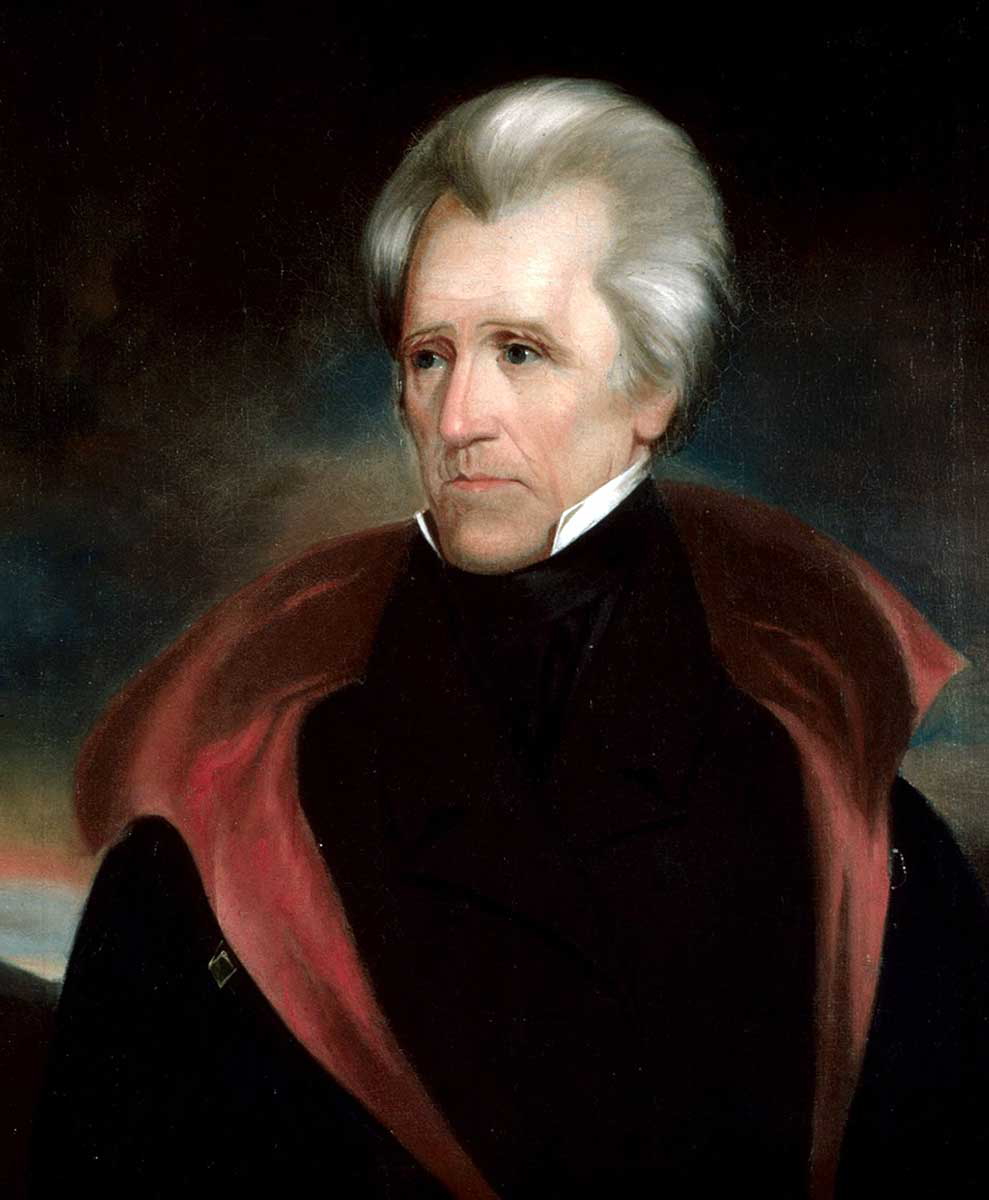
But such a disaster would not provoke the United States into supporting the Texas rebellion, which had now been effectively suppressed by Mexico. US President Andrew Jackson had kept his nation at arm’s length from the ongoing struggle in Texas, and now in April 1836, with the bulk of the nation’s armed forces consumed with the problems of Indian Removal, the nation’s attention was elsewhere.
In Florida, the Seminoles stubbornly withstood all attempts at removal, forcing a massive US military build up in the peninsula. Simultaneously, a rising among the Creeks ensured that the United States’ attention was fixed eastward rather than westward. Texian survivors may lobby Washington about the horrors unleashed by Santa Anna, but it fell upon deaf ears to an America disinclined to involve itself in Mexico’s internal affairs.
Santa Anna and Di’wali
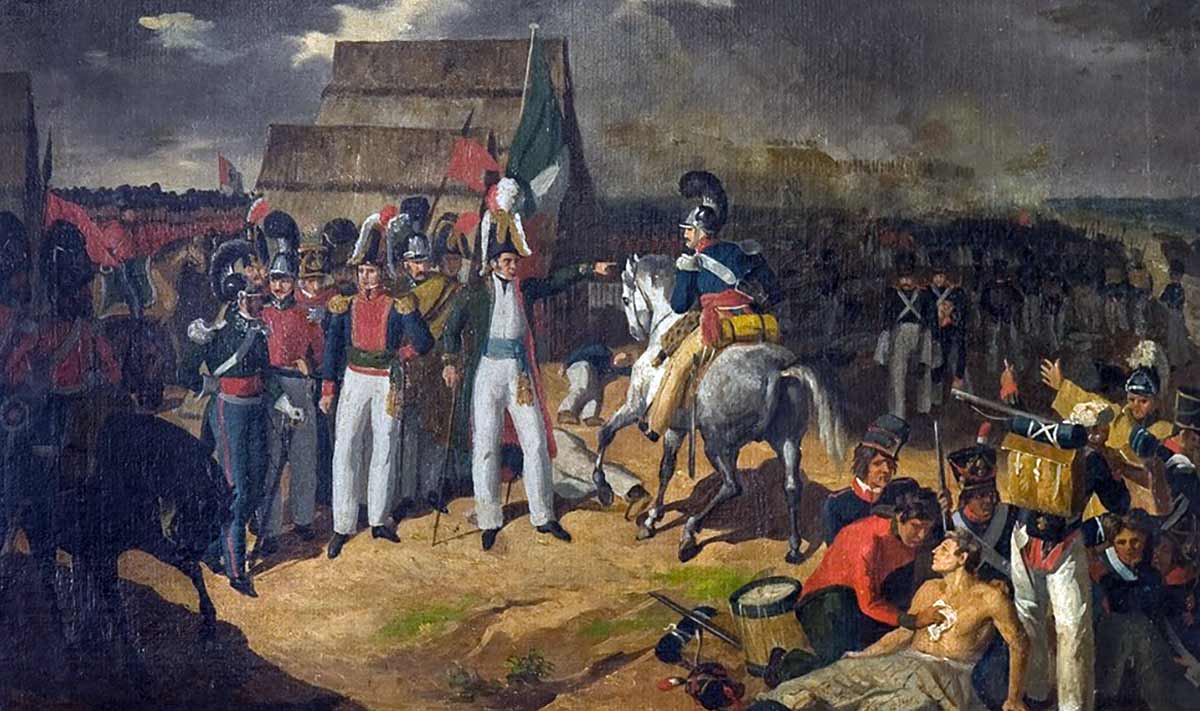
With the United States busy forging a Trail of Tears for the Indigenous nations of the American southeast, Santa Anna found himself consolidating control over a now heavily depopulated Texas. Most of its Anglo-American settlers had fled, while the loyalties of the few thousand Tejanos who remained were suspect, given their support for the recent rebellion. They harbored a revolutionary spirit as much as anyone else.
But the revolutionary spirit had been destroyed for the moment. Houston, amongst others, was killed at San Jacinto, alongside Thomas J. Rusk, acting secretary of war for Texas’s provisional government. The interim government, headed by President David G. Burnet, a man who did not share the revolutionary fervor of his neighbors, disbanded, closing the curtain on the failed Texas Rebellion of 1836.
In spite of his overwhelming victory over the rebels, Santa Anna had problems of his own. For the second time in a year he had smashed a rebellion aimed at challenging the authority of Mexico City’s new centralist regime. The first such rebellion in Zacatecas had been squashed, and its city looted thereafter. The second now in Texas was of an altogether different sort, spurred as it was by largely foreign American settlers. Internally, Mexico was still rife with dissent, obliging Santa Anna and the bulk of his forces to return home. He was able only to leave paltry garrisons behind and had to look elsewhere to shore up this most vulnerable of frontiers.
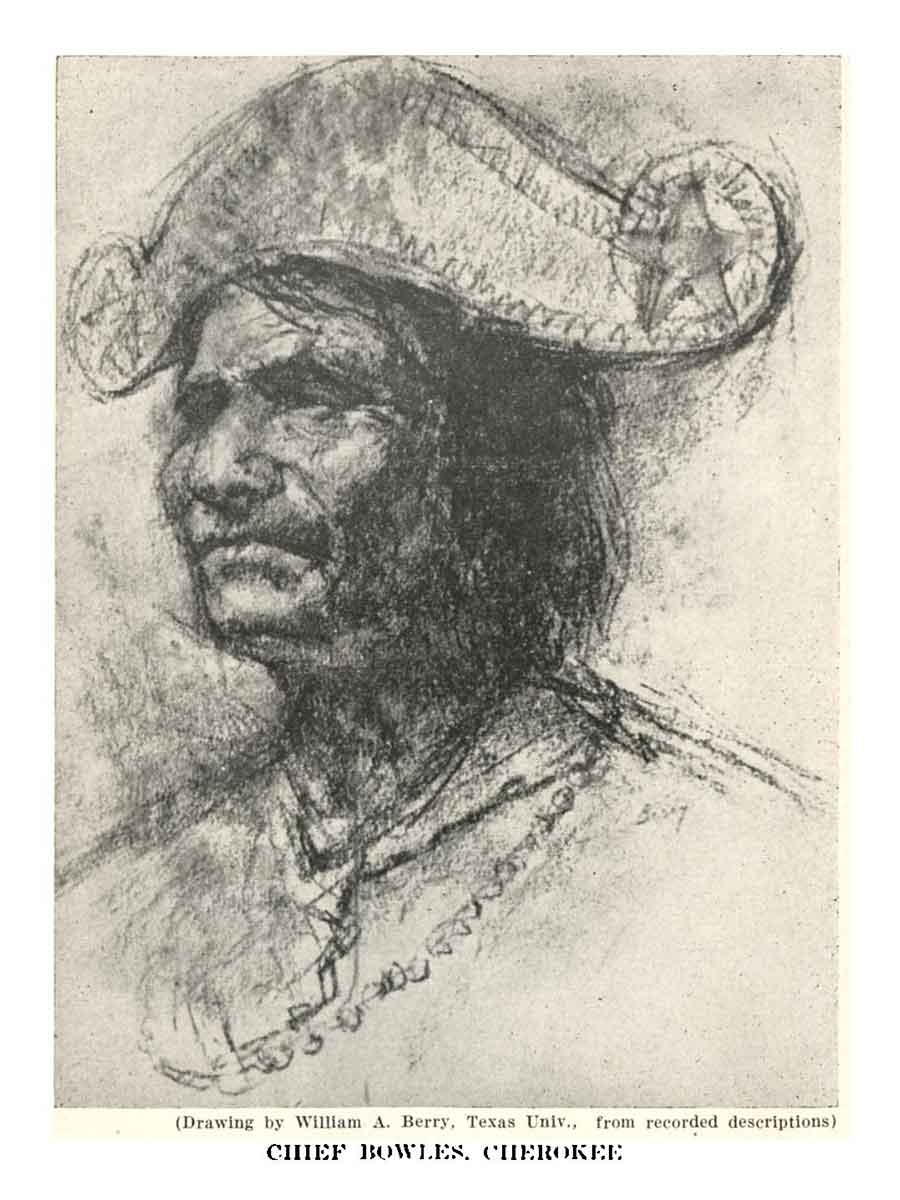
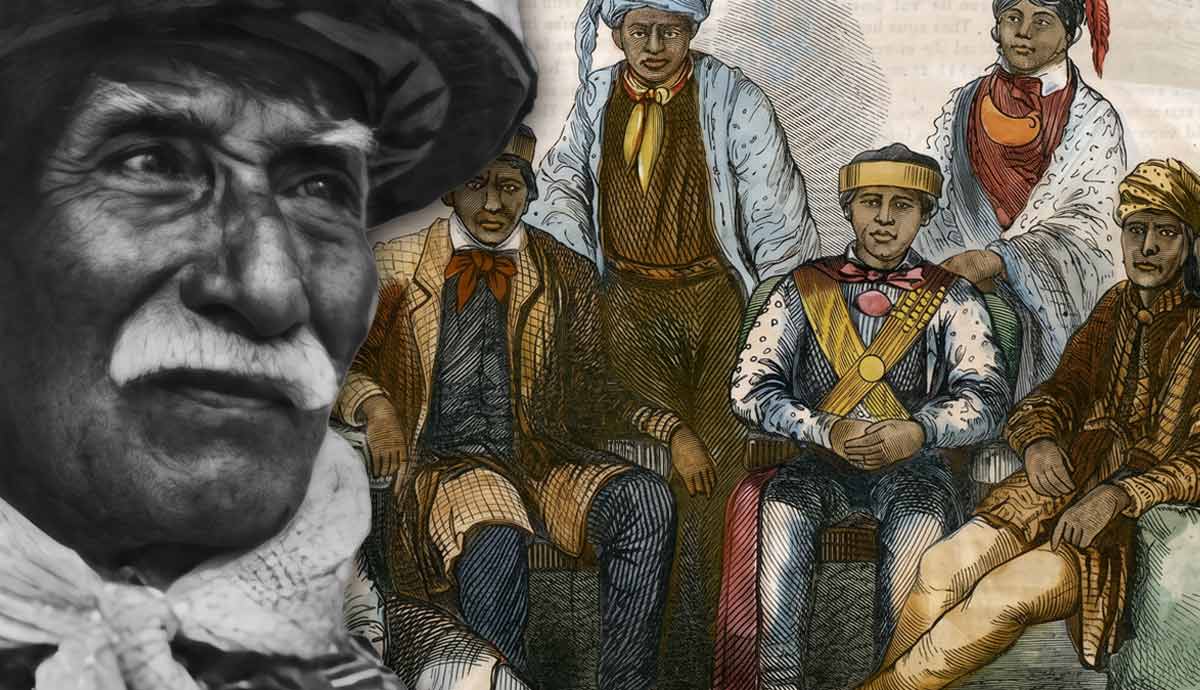
To stabilize the frontier against any such further foreign encroachment, Santa Anna entered negotiations with an exiled Cherokee leader named Di’wali, known as Chief Bowles by the Texians. Arriving in Texas as early as 1820, Di’wali had sought land rights to settle in Texas, the same as those offered to American empresarios like Stephen F. Austin. None had yet been granted, yet now Di’Wali stood at the head of a coalition of Indian peoples drawn from 13 nations in northeastern Texas.
Dealing with Di’wali offered Santa Anna the means of guarding Texas against the never-ending raids of the Apache and Comanche. His land grants served the added purpose of establishing a strong Indigenous presence around which eastern peoples forced westward by Jackson’s policies could coalesce in years to come. But this would not stop the expansionist tendencies of the United States.
Had the Texians been defeated and their cause destroyed, there would be no Texas Republic. Consequently, there would be no border dispute concerning the Rio Grande and the Nueces river with which the United States could use as a pretext for provoking war with Mexico. Nevertheless, war between the two republics could not be ruled out. The reason was simple: manifest destiny.
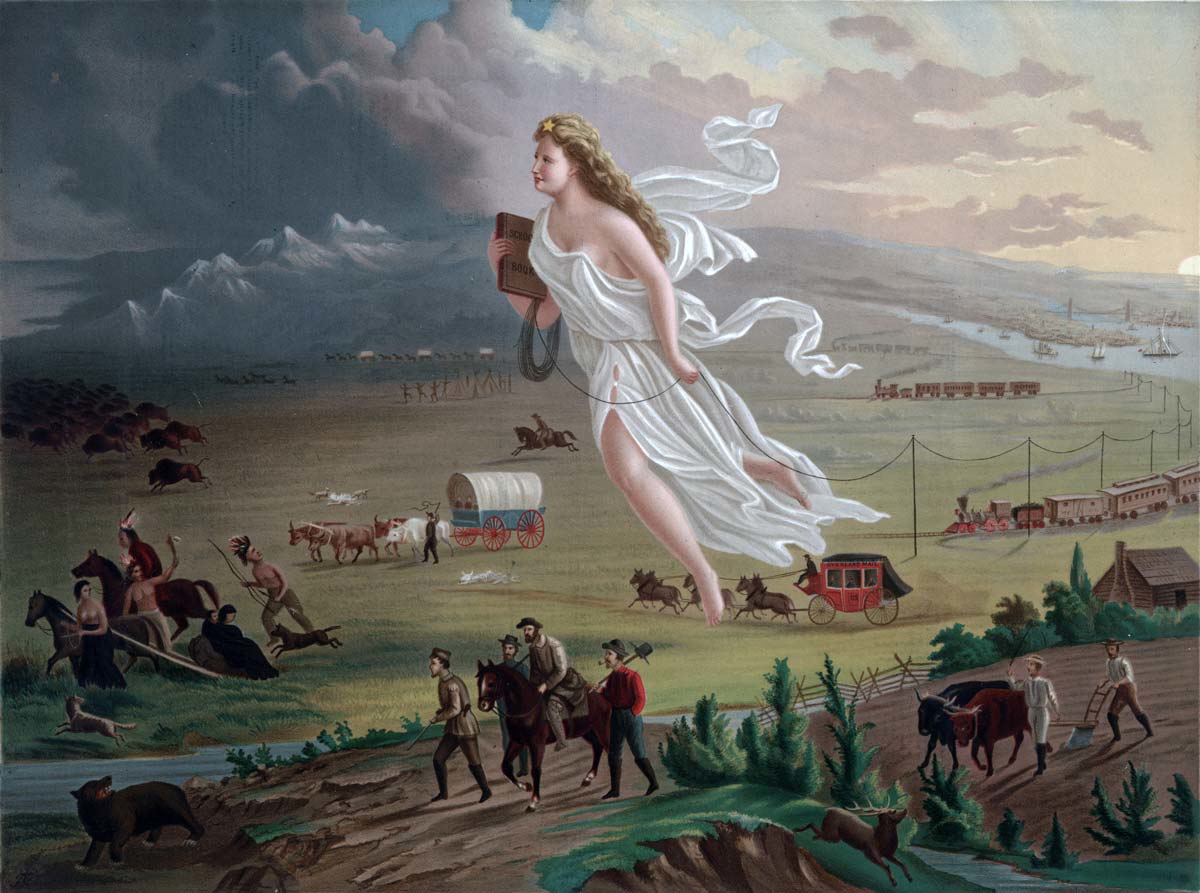
Any attempt to halt westward settlement since the days of King George III had been outright ignored. The Proclamation of 1763 had failed to keep American colonists east of the Appalachians, and every other such attempt, be it by treaty or tomahawk, to curb American movement westward had failed miserably. Indeed, Mexican authorities in Texas had watched helplessly as their frontiers filled with land hungry immigrants in the years before 1835. Attempts to stop them were easily ignored.
Coupled with the looming presence of Di’wali’s confederacy in northeastern Texas, now swelling with exiled Choctaw, Cherokee, Chickasaw, Creek, and Seminoles embittered by their recent expulsions from their ancestral lands, tensions between the two republics only rose with the dawn of the new decade. Such an Indian Confederacy had been attempted before in the days of the Shawnee leader Tecumseh and was promptly smashed during the War of 1812. Di’wali’s would not be countenanced for long, even though it stood under the auspices of Mexico.
Cross-border conflict between settlers of neighboring Louisiana, and the recently admitted state of Arkansas, and warriors of Di’wali’s confederacy only added fuel to the fire. Following the organization of the first wagon trains westward via the Oregon trail in 1836, American settlers began using the established Santa Fe trail, flocking in their thousands into the Mexican northwest from the same period onward. The allure of Oregon and California and the shimmering ocean beyond could not be quenched. Mexico was in no real position to stop them.
Mexico’s Internal Issues Continue
Since its independence in 1821, Mexico had suffered from political turmoil and executive instability. Invasions by European powers demanding immediate payment of debts only exacerbated the country’s internal struggles between liberals and conservatives. Civil war erupted periodically throughout the 1820s and 1830s, power regularly changed hands, and the 1840s were no different.
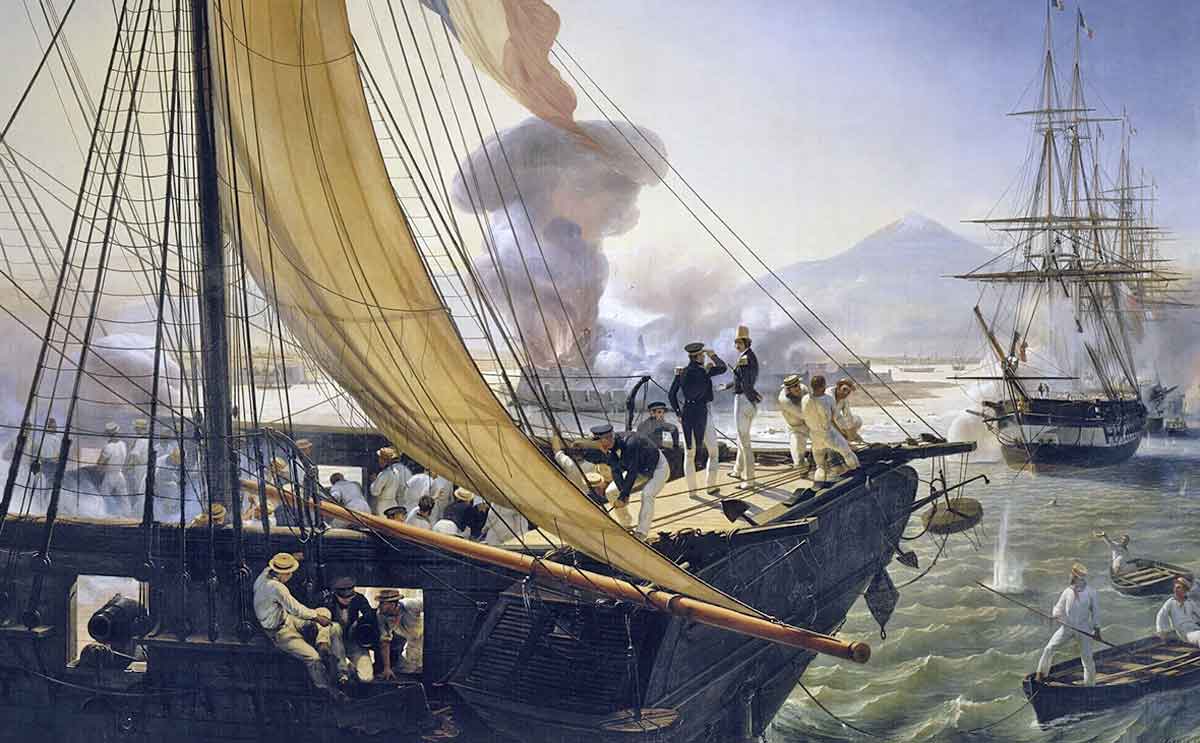
Breakaway attempts and rebellions by several Mexican states, most famously in the Yucatan, which formed its own republic until 1846, kept Santa Anna and his army busy at home. His victory in Texas had solidified his power over Mexico, and further successes against a French naval raid on Veracruz in 1838 only enhanced his reputation. But it could not prevent proponents of the old Federal Republic from voicing their discontent in arms.
This left the northern borders once again vulnerable, and as American settlement westward continued into the 1840s, Anglo-Americans, some of them survivors of 1836, began to creep back into eastern Texas. Unsanctioned immigration across the Mexican border surges in the years after 1842, as rumors of the discovery of gold in the Mexican province of Alte-California sends American settlers hurrying towards the Pacific coast.
Polk Eyes the Pacific
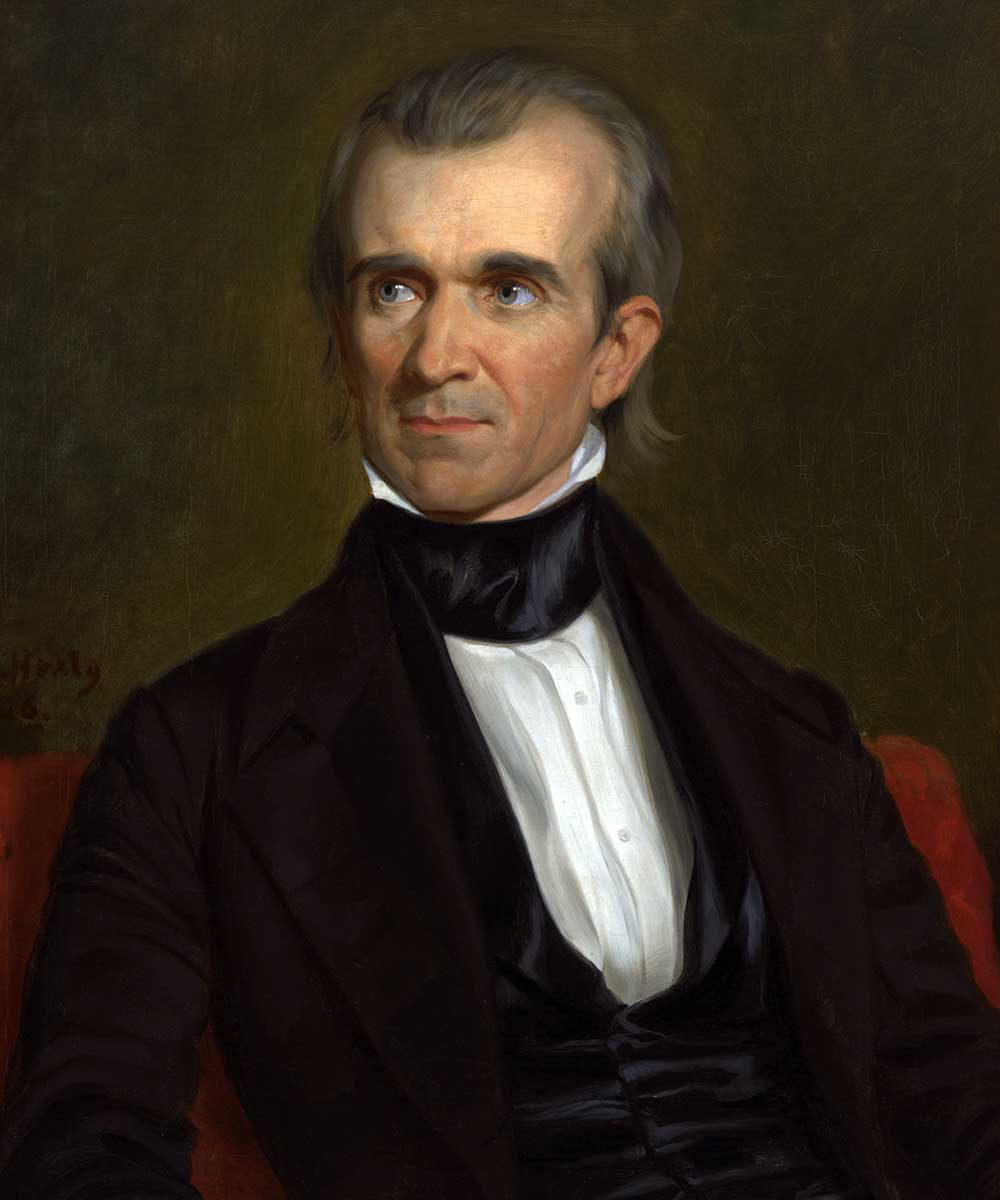
If ever a man encapsulated the spirit of manifest destiny, it was James K. Polk of Tennessee. Born to Presbyterian farmers in North Carolina, Polk was infused with the belief that the United States must expand to the Pacific. It was the nation’s God-given right to rule from sea to shining sea. Polk won the 1844 presidential election on an expansionist platform and assumed the presidency the following spring. His tenure witnessed the eruption of war with Mexico. Gold was all the excuse he needed.
News of its discovery spread like wildfire, sending some 300,000 people rushing towards the gold fields deep within Mexican borders. Initial attempts by the United States to purchase Mexican lands north of the Rio Grande fell on deaf ears. Santa Anna may have called himself the Napoleon of the West, but unlike the original Napoleon who sold half a continent to Thomas Jefferson, Santa Anna was not as easily swayed by money.
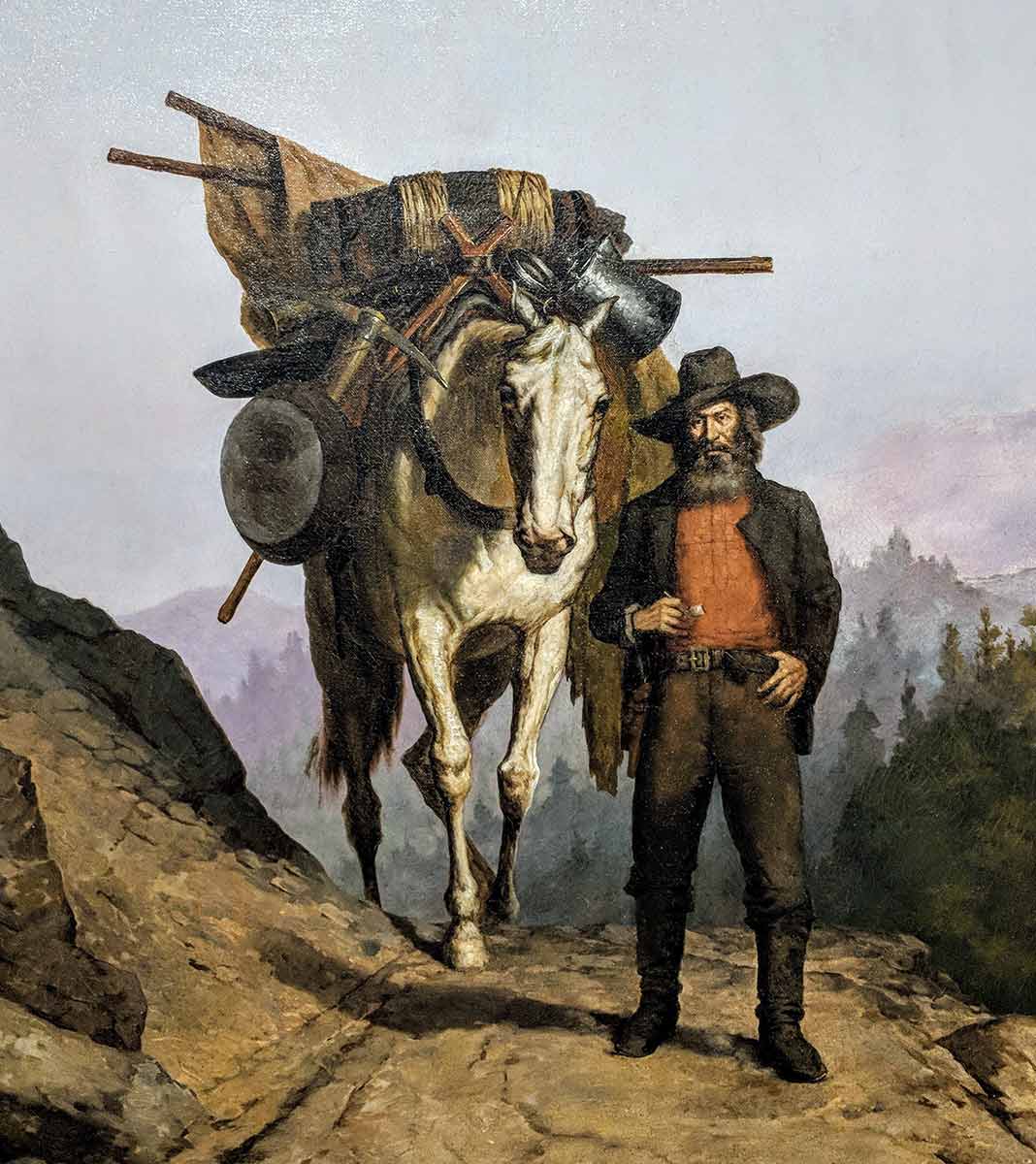
Much of his life had been spent ensuring the national integrity of Mexico, and to sell lands now brimming with gold would be madness. By 1846, with negotiations to purchase California going nowhere, Polk was determined to fight for it. Taking a page from his old mentor, Andrew Jackson, who had brought on an American invasion and conquest of Florida by claiming Seminoles had raided deep into US territory, Polk now claimed that Di’wali’s warriors had spilled American blood on American soil.
It was simple enough to manufacture. Di’wali’s confederacy now stretched across much of the old settlements of the Texians which the Americans wanted back. War hawks in the south led by congressmen from Kentucky, Georgia, Alabama, and Louisiana, railed on the congressional floor against the savagery of Di’wali’s braves.
In a nation that had spent the past years ridding itself of Indigenous peoples by force, these denunciations found willing ears. The Sabine River was no longer a guarantee of safety. With greedy eyes, and stirring rhetoric, the United States began to see in the Rio Grande and the vastness of the Pacific the natural boundaries of their nation. In pursuit of this goal, the hammer would fall first upon Di’wali.
To crush the indigenous transgressors, the President authorized an army, four thousand strong under Brigadier General Zachary Taylor, to move into Texas and crush Di’wali for good. Taylor won his general’s star through his recent service against the Seminoles in Florida. There the swamps and heat had plagued American operations. But Di’wali’s people were by now sedentary, having called Texas home in some cases for decades, they occupied towns easily assailed by the Americans.
The fighting that followed was as bitter as any fought on the American frontier. Fleeing before the oncoming Americans, Di’wali, well into his 80s, was caught along the Neches River. Exhorting his warriors to fight bravely, the old Cherokee was slain, and his confederacy died with him.
The victory opened the door for Taylor’s movement deeper into Texas, supported along the Gulf coast by the power of the United States Navy. Events in Texas forced Santa Anna to declare war on the United States. Polk, in response, gravely addressed a joint session of Congress and obtained authorization to respond in kind.
A Mexican-American War
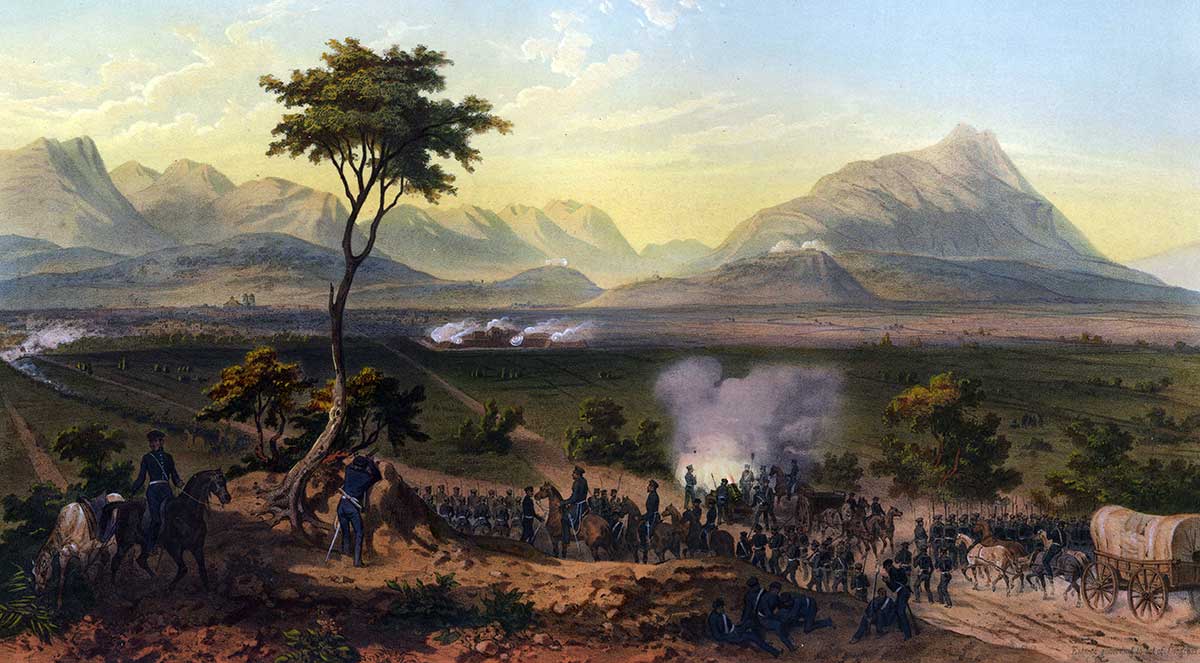
The Mexican-American War of this alternate timeline would not have played out as it did in reality. For one, Taylor’s army did not yet stand on the banks of the Rio Grande when hostilities commenced. Even so, the superiority of the US Navy would still have enabled the Americans to project their power along the Mexican coast.
The United States’ larger population, relative political stability, and manufacturing capacity would have given that nation a significant military edge. Unable to mobilize his own forces rapidly enough, seeing as Texas was far closer to the United States compared to the heartland of Mexico, Santa Anna would have been obliged to react to American movements.
American soldiers poured across the Texan border. Many Tejanos well remembered Santa Anna’s cruelties of a decade before, and Taylor found easy support among the new wave of American settlers. Santa Anna, by comparison, with the American fleet in control of the Gulf, had to mobilize his army and march a thousand miles north to the Rio Grande.
The Mexicans would thus be on the back foot with the Americans holding the initiative throughout. Secondary expeditions launched into New Mexico by enterprising American columns utilizing the well-trodden paths of the Santa Fe Trail would have eroded Mexican control of these outlying provinces. Taylor’s advance below the Rio Grande to seize Monterrey in the fall gave him a foothold in Mexico proper, obliging Santa Anna to make a fight for it.
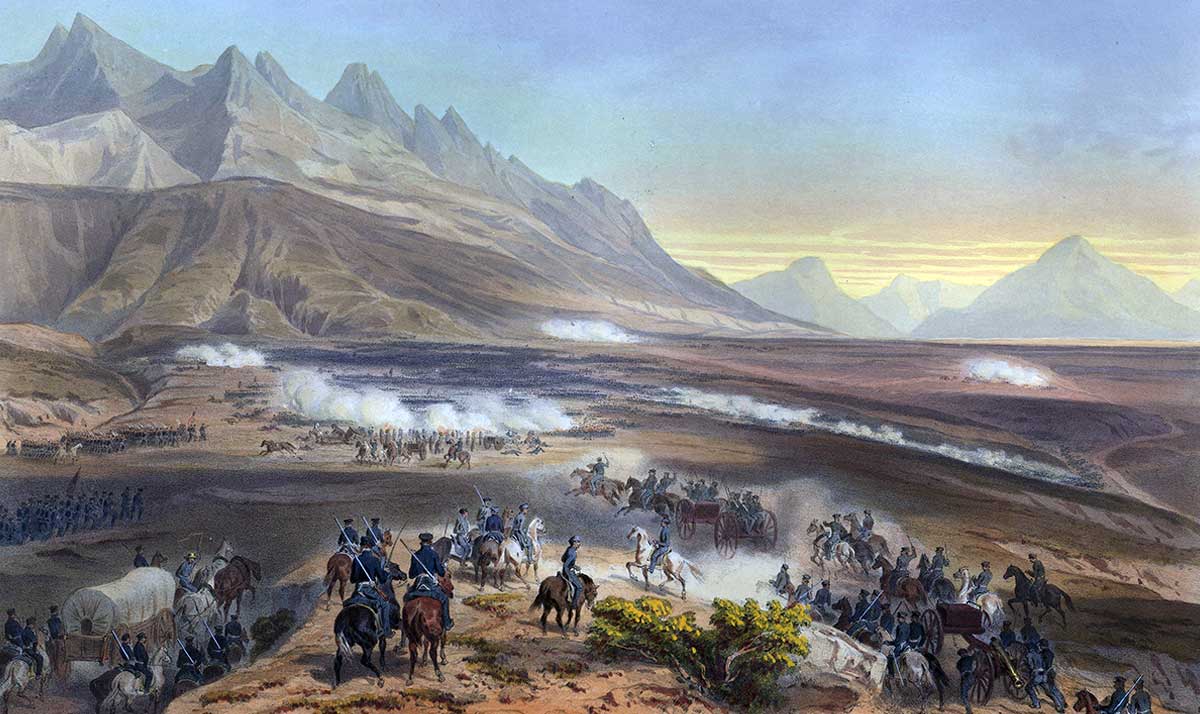
This was a fight he would not win. Taylor, now thoroughly reinforced by enthusiastic regiments of volunteers from several states, with a battle hardened corps of US Regulars, would have soundly defeated Santa Anna’s superior numbers. The great problem for the Mexicans was a lack of supply, equipment, and the widespread inability to pay their troops. American military training proved far superior. Their weapons were modern, their doctrine sound, their troops experienced and used to victory.
A defeat in northern Mexico would have obliged Santa Anna to fall back upon his capital, Mexico City. The following year the Americans would audaciously land at Veracruz, this time with an army led by General Winfield Scott, by far and the best soldier the United States possessed. There is no reason to assume the Mexico City Campaign would not have played out as it did in reality. Scott, possessing a thorough understanding of the evils of looting and other transgressions in an enemy’s country, ensured his troops paid for everything, did not harass local women, nor offend the wider Mexican population in which they were embedded. Those that did were severely punished.
The fighting for Mexico City itself would have been brutal, but after successfully occupying the city the Americans could now dictate terms of a peace similar to the Treaty of Guadalupe Hidalgo. The United States acquired all Mexican lands north of the Rio Grande in exchange for 25 million dollars.
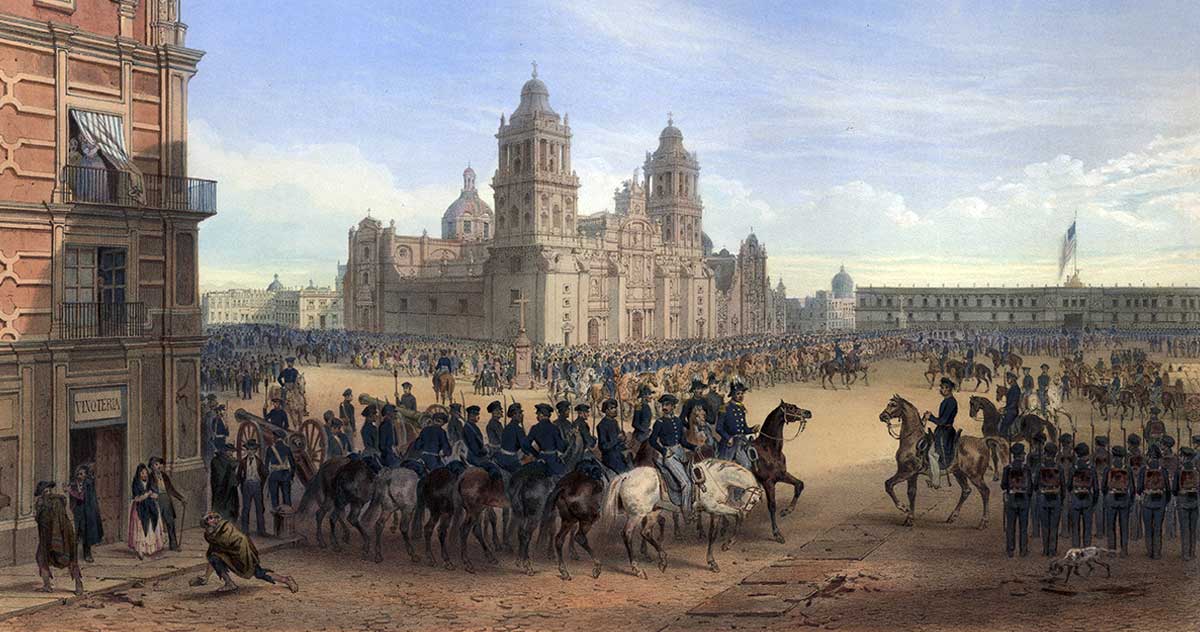
Whether by payment or force of arms, the loss of these lands by Mexico seems unavoidable. Even had Santa Anna triumphed at San Jacinto, it would not necessarily have stopped other Mexican states from seeking to reassert their federal rights in the face of his centralizing authority. Nor would it have healed the wounds of Mexico’s birth, for the old Spanish elites, backed by the Catholic Church, stood like a conservative wall against any liberalizing reforms.
Moreover, American expansion westward was likewise inevitable. American lust for a continent would not be sated until the nascent republic stretched from ocean to ocean. Such a dream had been held since the days of Jefferson and Lewis and Clark. Mexico, given all its political instability and repeated invasions by foreign powers, would not have been much of an obstacle for its better organized neighbor to the north.