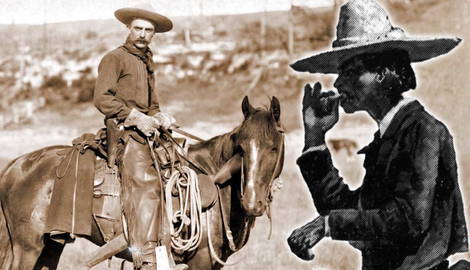
The prominent figure of the American Old West is not a superhero, nor some great military warrior or leader. It is the cowboy – the common working, itinerant traveling, lonesome, ten-gallon hat and boot-wearing man of the ranges. Often seen on a horse and sporting a six-shooter, the image of the cowboy is branded into the imagination of nearly every American.
The Mexican Roots That Shaped the American Frontier
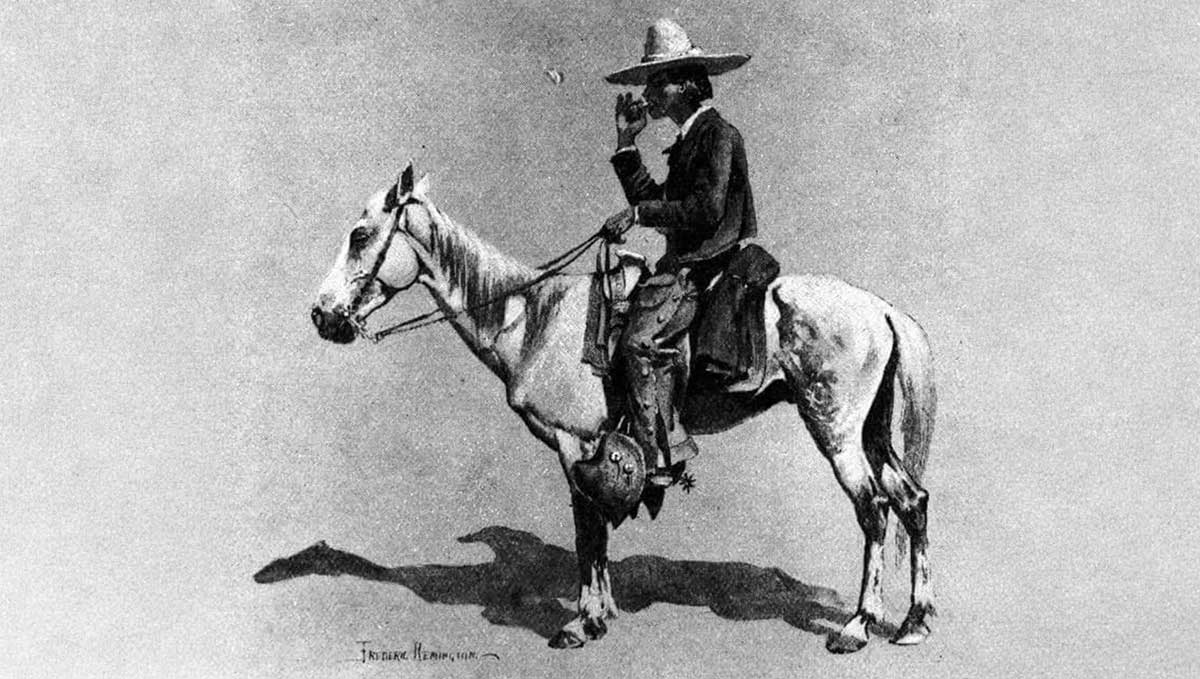
The Spanish vaquero is the historical occupation that gave rise to the American cowboy. The Spanish vaquero was a type of range cowherder, an occupation that traveled with the Spanish to the New World, particularly into Mexico. Much of the equipment that we associate with the cowboy – saddle, bridle, and similar equipment – is Spanish in style and origin.
How an English City Hat Transformed Into the Boss of the Plains
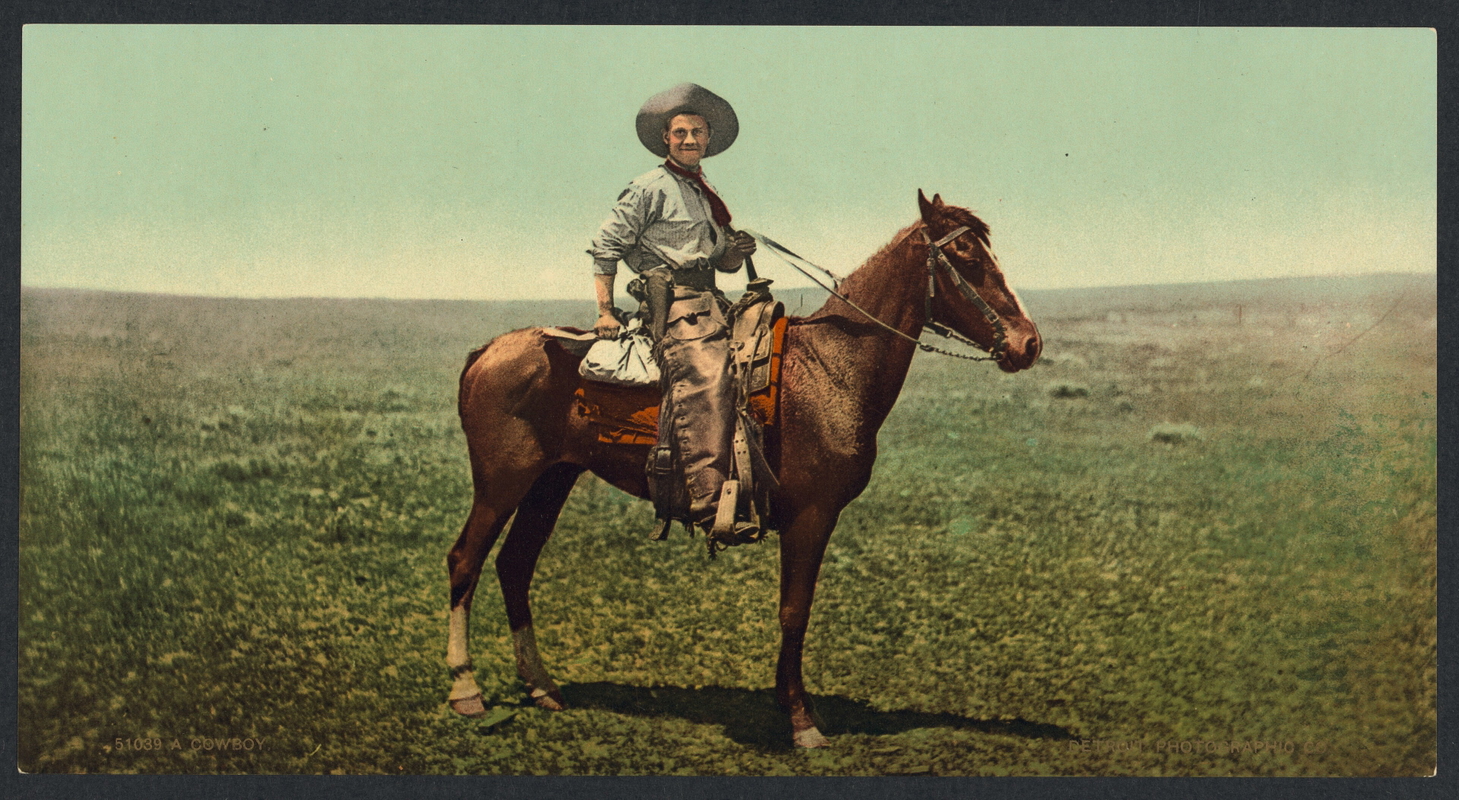
While the bowler from England was popular in the American West, it did not quite fit the needs of the cowboy with its short brim. In 1865, John Batterson Stetson created the “Boss of the Plains” hat, which was more suitable to the climate of the American Southwest – a wide-brimmed hat for shade with a high crown for insulation. Stetson’s hat would evolve into various forms over the years, eventually into the modern “ten gallon” hat and others associated with cowboys.
Why the Cowboy Legend Isn’t Actually Uniquely American
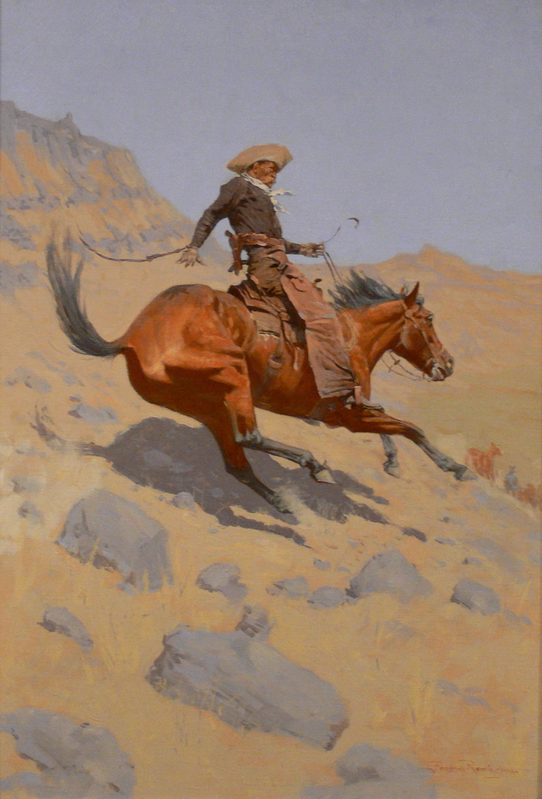
Wherever there are cows, they have to be physically herded, and up until recent history, the best methodology worldwide (and still in use in some areas) is some form of “cowboy.” In Mexico, via Spain, it is the vaquero (from which our term “buckaroo” is derived) and the charro. Colombia and Argentina have the llanos, and the gaucho is in Argentina. Many other cultures that handle cattle have their own form of the cowboy.
What Turned Common Working Men Into Legendary American Icons
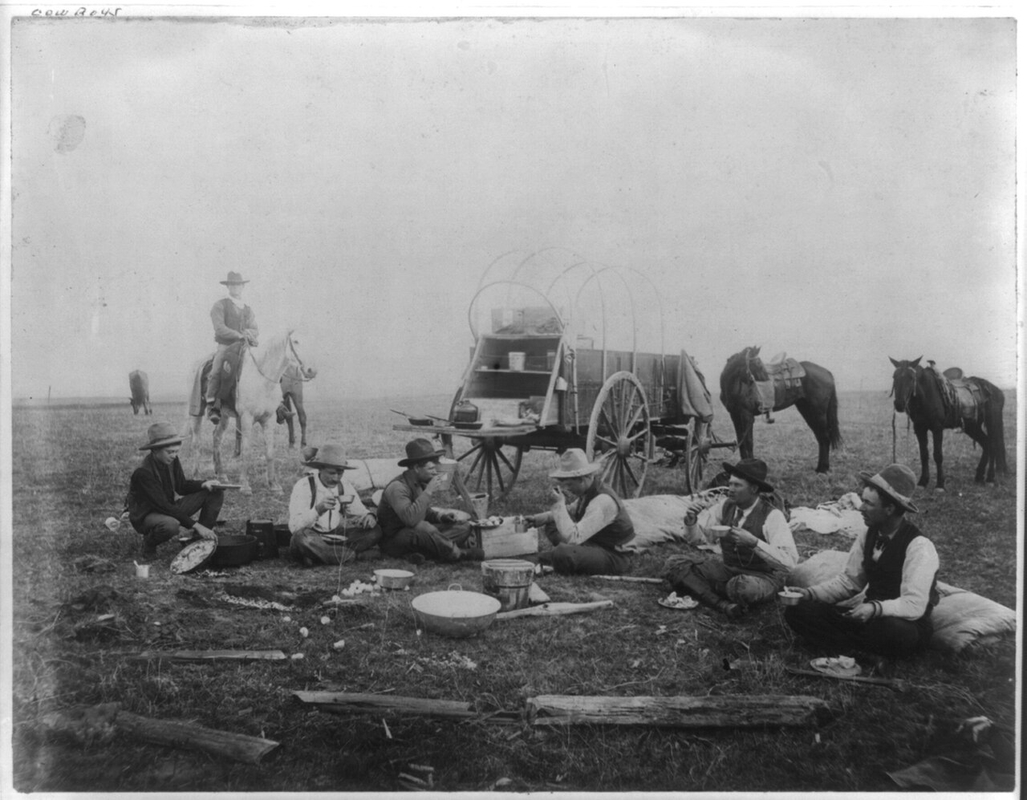
The cowboy is a common man with uncommon skills. Horseback riding at an expert level has long been honored, as far back as medieval knights and Mongol bowmen. Even more modern military skills, such as marksmanship, are accentuated when they can be done from the back of a moving horse – a common theme in westerns. Also, the cowboy represents a sort of independence from society, not unlike Mark Twain’s Tom Sawyer and Huckleberry Finn – the rejection of “civilized” society to roam with free choices and liberty of movement and thought.
Why Historians Struggle to Uncover the Real Old West
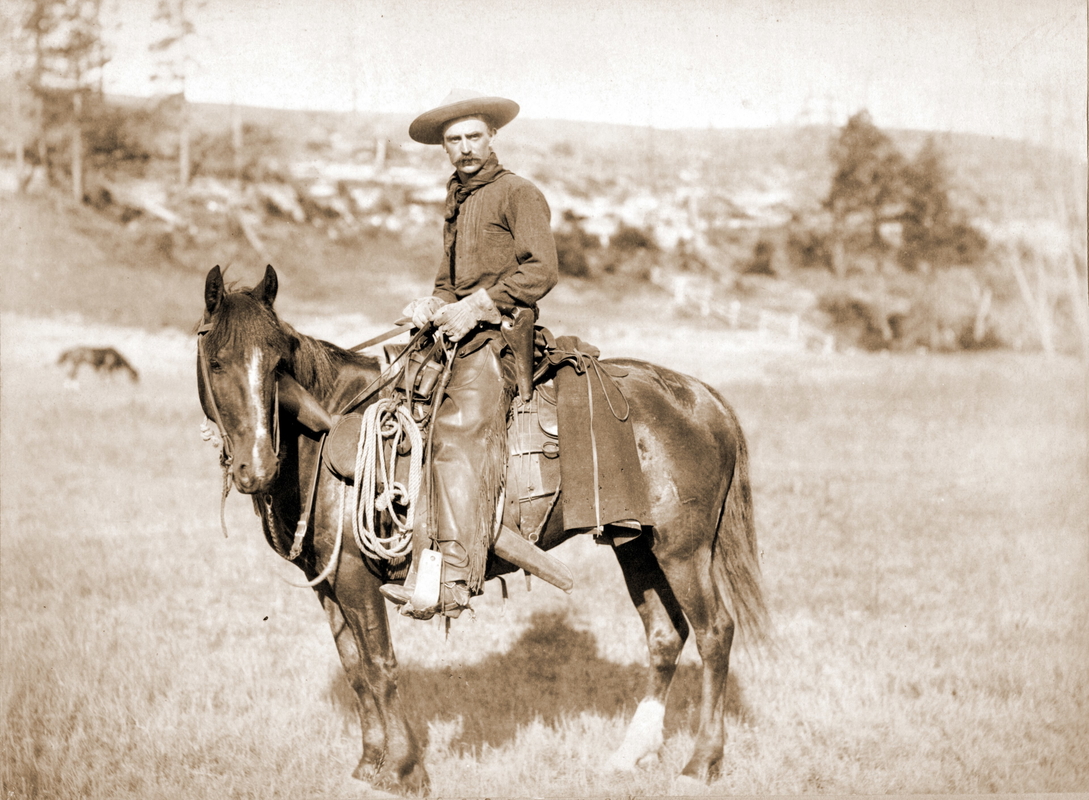
While we have distinct images of cowboys, particularly in America, what made the cowboy so interesting is also a problem for historians. Cowboy traditions are mostly oral, and unless a cowboy was literate, very few left behind what can be studied as records. While North American cowboys were more literate than their South American counterparts, their lifestyle still tended away from those places which kept records – churches and city centers.
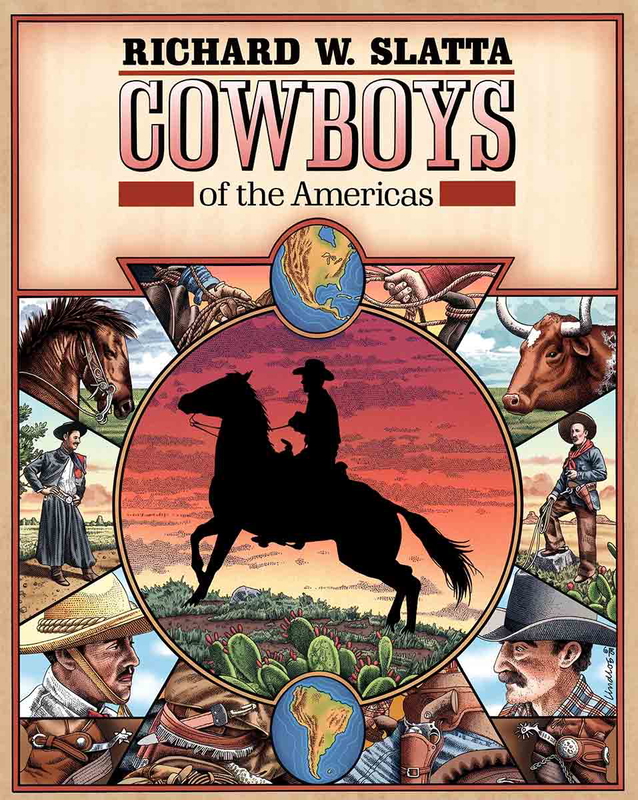
While the history of the cowboy is recent enough that we know their activities in general, many specifics have not come down over time. Historian Richard Slatta writes in his book Comparing Cowboys & Frontiers:
“…we find no wills, inventories, bank accounts, safety deposit boxes, probate records, or catalogs of library books…”
The Two Catastrophes That Ended the Cowboy Way of Life
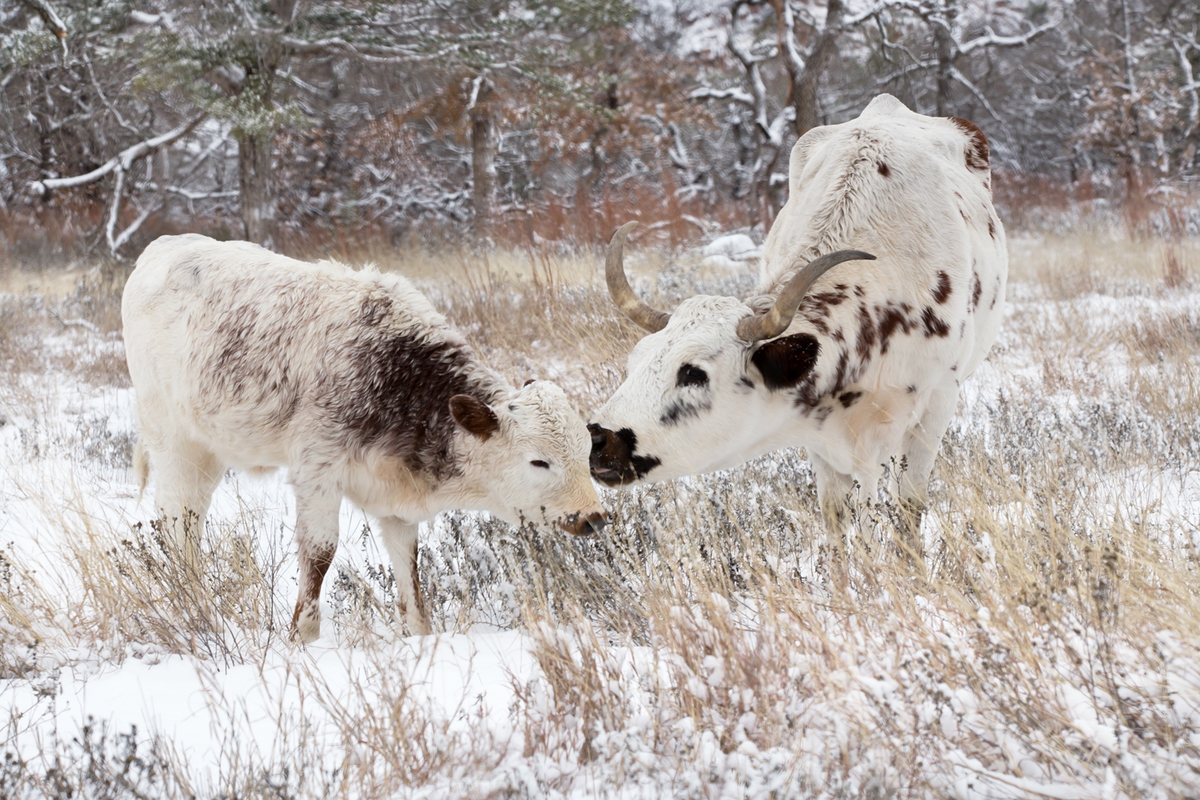
Two significant events – an invention and a winter – resulted in the general end of the cowboy lifestyle. For years, cattle were allowed to wander in open ranges which were public property until they needed to be brought to market. Ranchers did not have to own the land, just the cattle. Barbed wire, patented in 1867 in the United States, provided a fast and easy way to close off land, resulting in less land to use for open grazing in the West, forcing ranchers to close off their territories.
In 1885-1887, a succession of harsh winters called “the big die-up” occurred on the Great Plains, resulting in the loss of hundreds of thousands of cattle and bankrupting many ranchers. When it became more profitable to close off land, the necessity of the cowboy also came to an end.