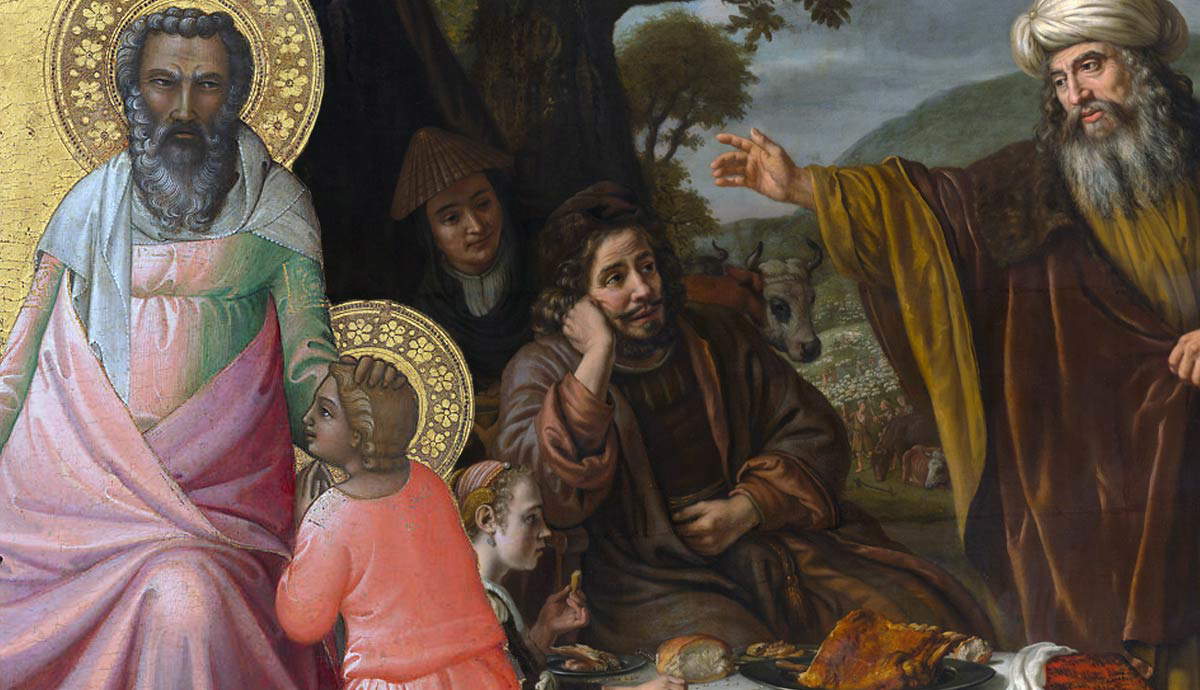
Debates about which religion emerged first between Judaism and Christianity pop up regularly in religious circles. But going by historical records, the Jewish faith is significantly older than the Christian faith by many centuries. A timeline of their histories shows a clear gap between the origins of the two faiths. In fact, the origins of Judaism date back to the Bronze Age in the Middle East while the beginnings of Christianity can be traced back to the 1st century CE in the Roman province of Judea.
The Rise of Judaism
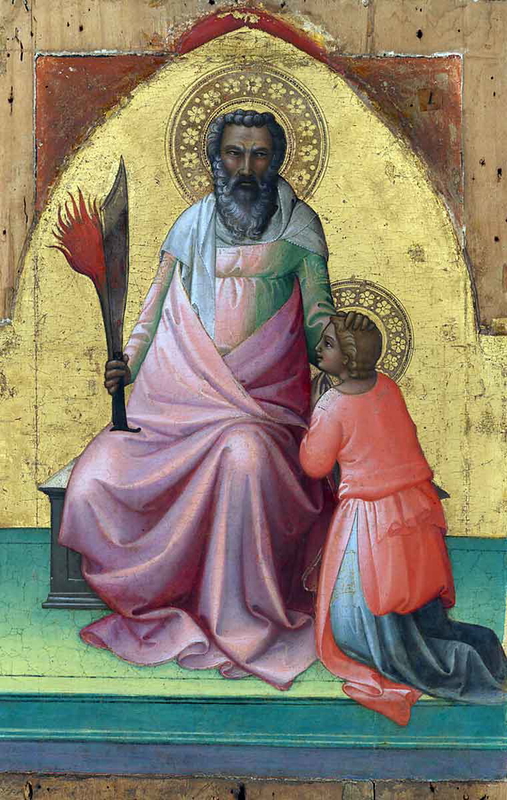
The story of Judaism begins with the emergence of a man named Abraham who is considered to be the patriarch of the religion. According to archaeological estimates, Abraham lived around 2000 BCE. The book of Genesis in the Bible describes how he made a covenant with God that established the Jews as a chosen people. His descendants through Jacob are said to have eventually migrated to Egypt. The book of Exodus tells the story of how Moses led the Israelites out of Egypt. Archaeologists often date the Exodus to around 1300 BCE, during the reign of the Pharaoh Ramses II. It is at Mount Sinai that the Israelites were said to have received the Ten Commandments. This was shortly after they left Egypt. It was at that moment that Judaism as a religion began to take shape.
The Move to Canaan
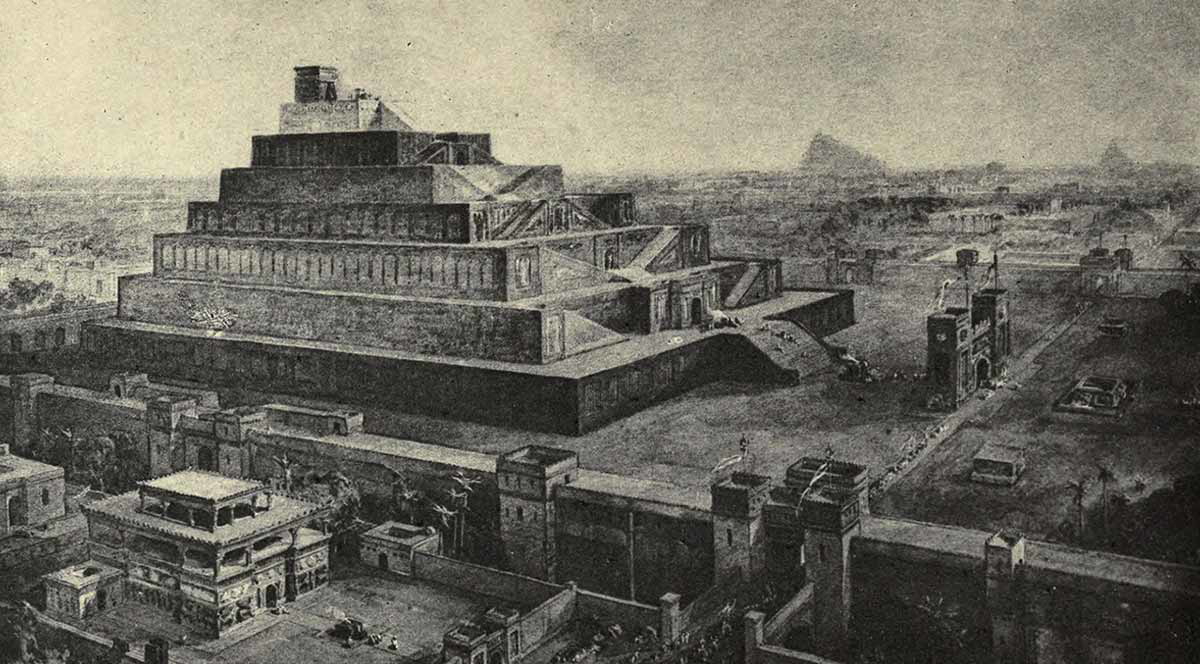
After moving from Egypt, the Israelites eventually settled in the land of Canaan. It was there that the Kingdom of Israel emerged as a unified monarchy. The construction of the First Temple by King Solomon in Jerusalem in the 10th century BCE temple was a major event for the religion, as it provided a central place for Jews to gather and offer sacrifices to their God. The First Temple stood for several centuries until the Babylonian Empire invaded the kingdom and destroyed it in 586 BCE. Notably, the Babylonians took many Jewish people to Babylon as captives.
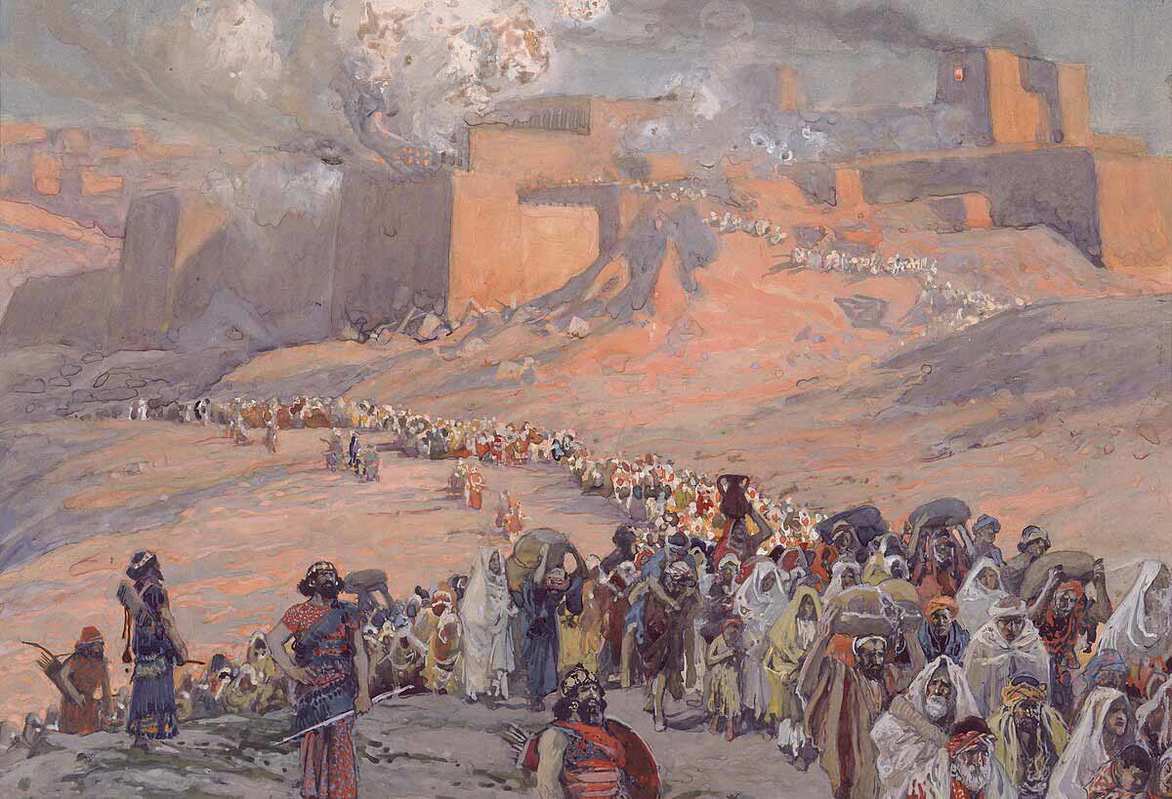
Many history analysts believe that the Babylonian Exile played a crucial role in the development of Judaism. This is because it compelled Jewish religious leaders and scribes to compile texts that would eventually make up the Torah (the first five books of the Bible), and the larger Hebrew Bible, also known as the Tanakh. When the Persians conquered Babylon, King Cyrus the Great allowed the Jewish people to return to Jerusalem.
This was in 538 BCE. The Jews promptly built the Second Temple and completed it in 516 BCE. And so, the religion of Judaism was fully established with its own laws and rituals by the time the Second Temple was built. The Hebrew Bible was largely complete by the end of the 2nd century BCE.
The Rise of Christianity
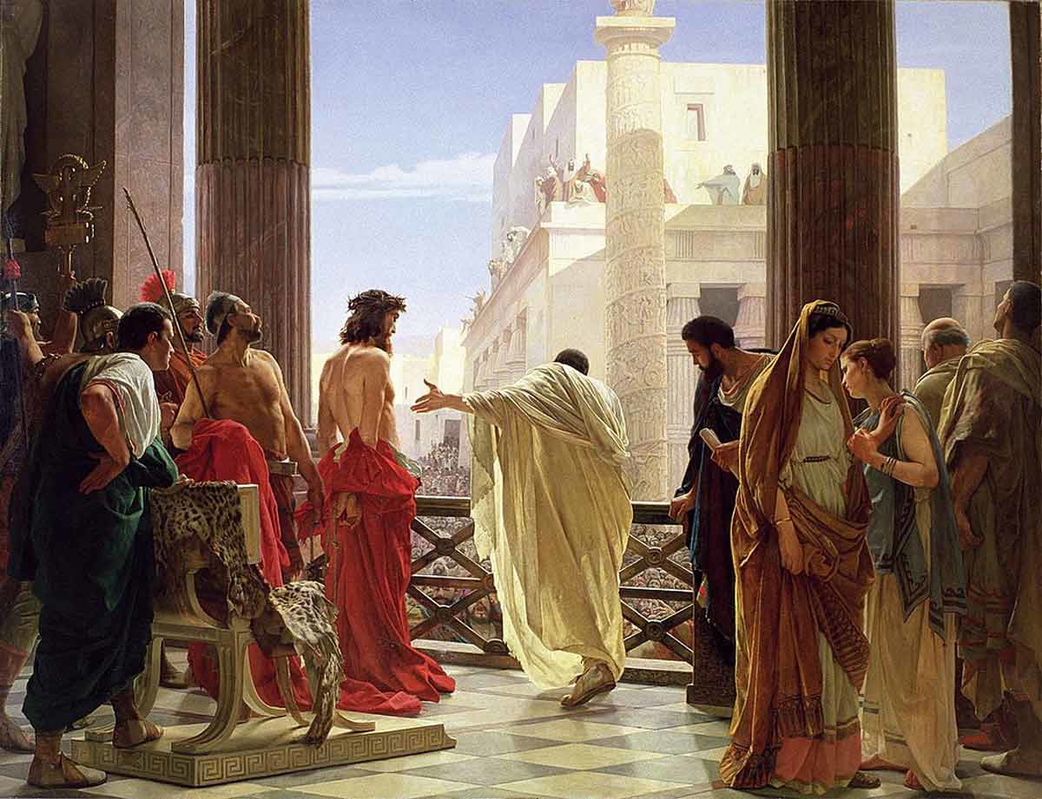
Christianity emerged much later as a sect within Judaism. The founder of the religion was a Jewish preacher named Jesus of Nazareth. Most historians believe that Jesus was born around 4 BCE, shortly before the death of Herod the Great. Jesus was a Jewish teacher from the region of Galilee who grew up in the Jewish faith and followed the laws of Moses. As he grew up, he observed the holidays of the religion and read the scriptures as part of his daily life. It is estimated that he began his public ministry around the year 27 CE and preached about the Kingdom of God. He also gathered a group of disciples to help spread his message. The Roman authorities, however, executed Jesus by crucifixion around 30 CE. Pontius Pilate was the Roman governor at the time.
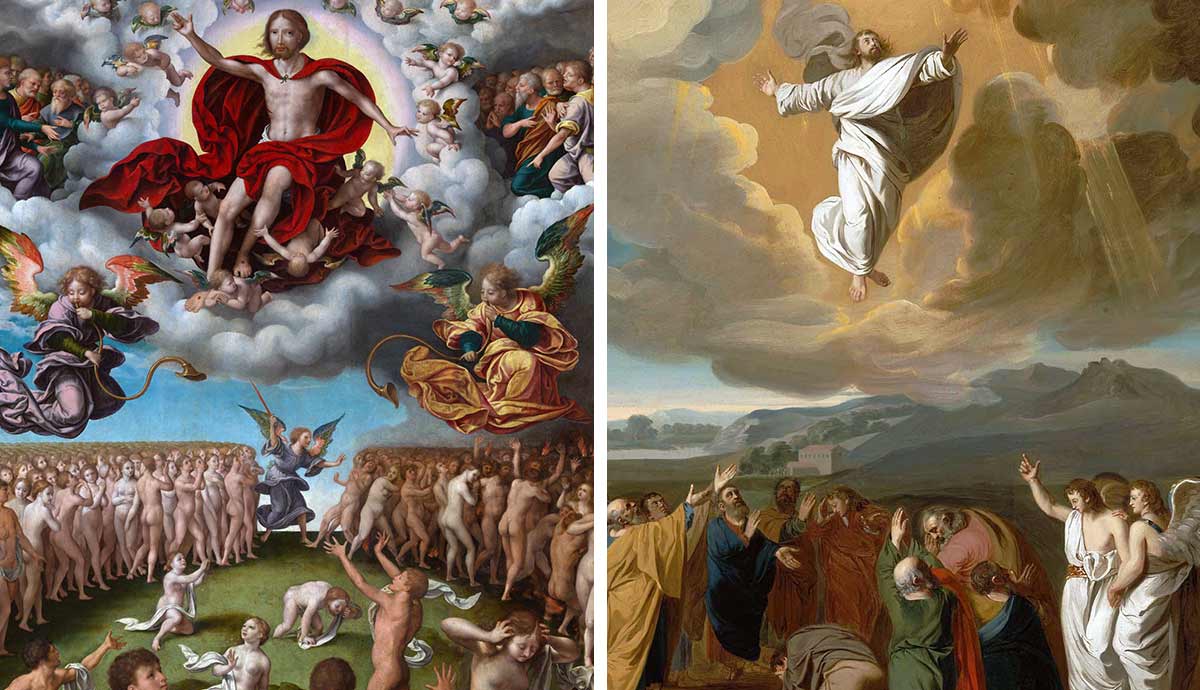
After his death, his followers believed that he rose from the dead and spread the message that he was the Messiah. The movement began to change when Paul the Apostle joined the group. Paul traveled around the Mediterranean region spreading the message of Jesus to non-Jewish people, known as Gentiles. He ultimately made the religion more inclusive.
The Separation of Christianity from Judaism
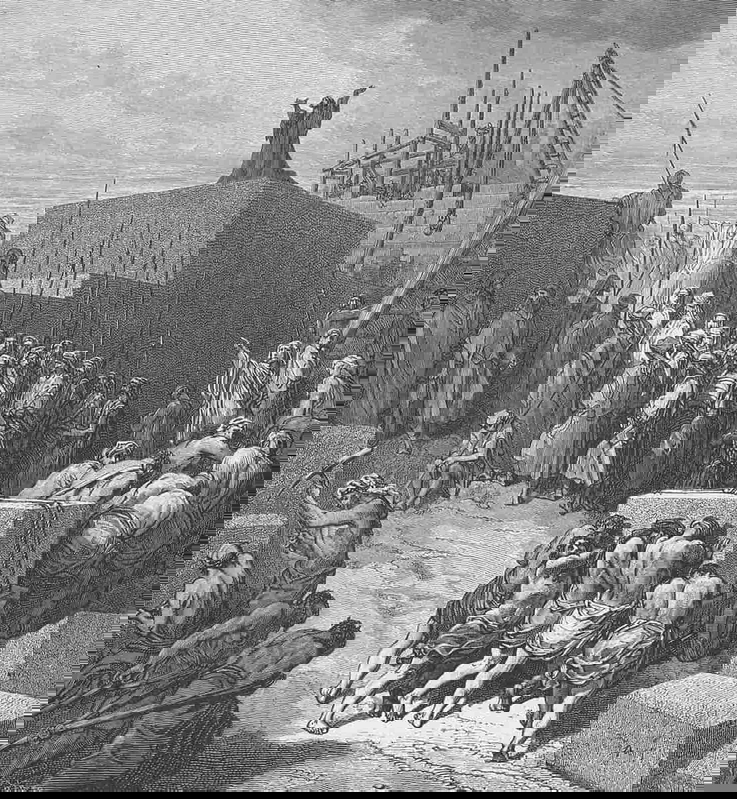
The divide between Judaism and Christianity happened gradually over the first few centuries. A major turning point occurred following the First Jewish-Roman War in 66 CE, in which the Jewish people rebelled against the Roman Empire. To quell the unrest, the Roman army under Titus destroyed Jerusalem and the Second Temple in 70 CE, effectively compelling the religion to restructure itself.
Subsequently, its leadership moved to the town of Yavne and the focus of the faith shifted from animal sacrifices at the Temple, to prayer and the study of the Torah. Because many Christians had fled Jerusalem before the siege, they did not participate in the rebellion. Consequently, the gap between the two groups grew wider after the war. Soon, the Romans began to persecute Christians as a distinct group rather than as a Jewish sect.