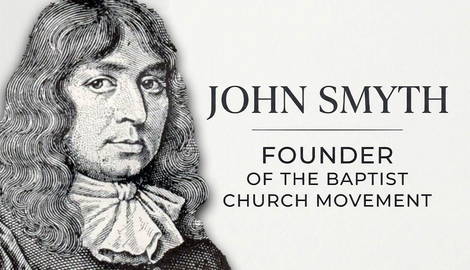
Baptists may make up nearly a tenth of all Protestant Christians worldwide. They are the largest Protestant group in the United States, a country with a larger Christian population than any other. While there are many Baptist denominations today, they all share a belief in “believer’s baptism”—the idea that people should only be baptized after confessing faith in Christ. This precludes the practice of infant baptism practiced by the Church of England, where John Smyth (also spelled “Smyth”) began his ministry as a pastor.
Little Is Known about John Smyth’s Early Life
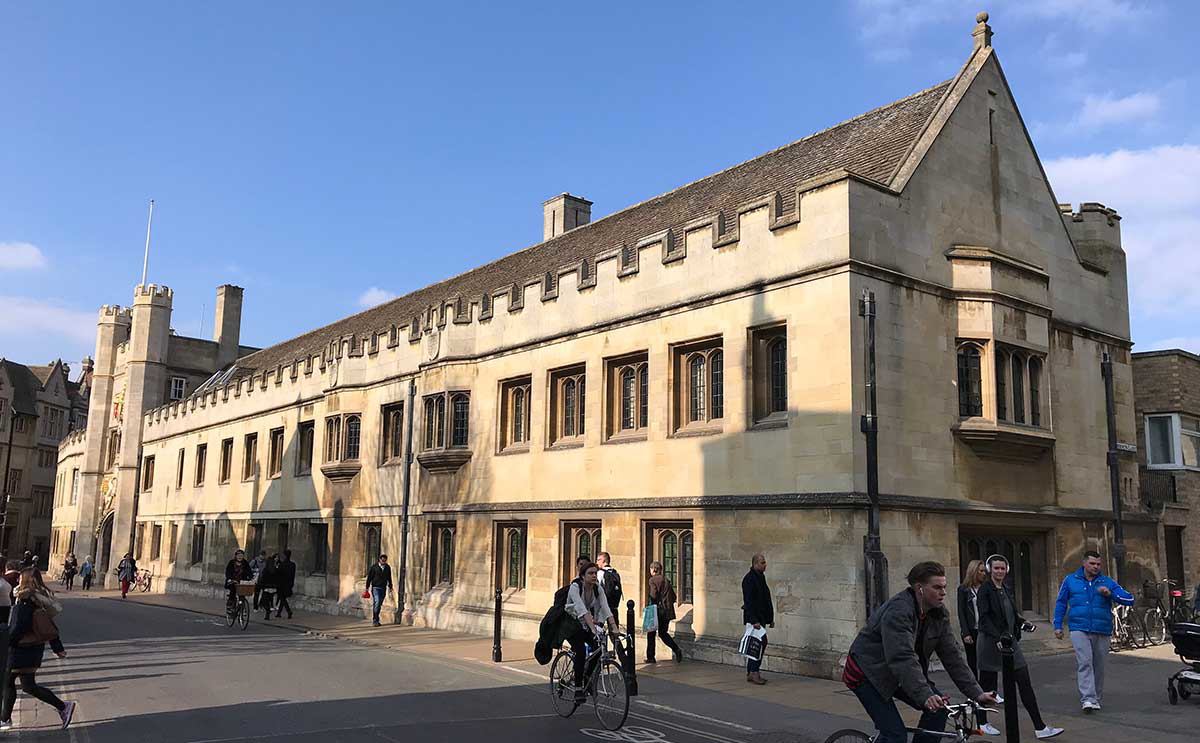
History has left many gaps in the story of John Smyth’s life. Perhaps, had the significance of the movement he founded been known at the time, greater care would have been taken to note the details of his activities. All we know about his childhood is that he was born in Nottinghamshire, England around 1570 and is assumed to have grown up there.
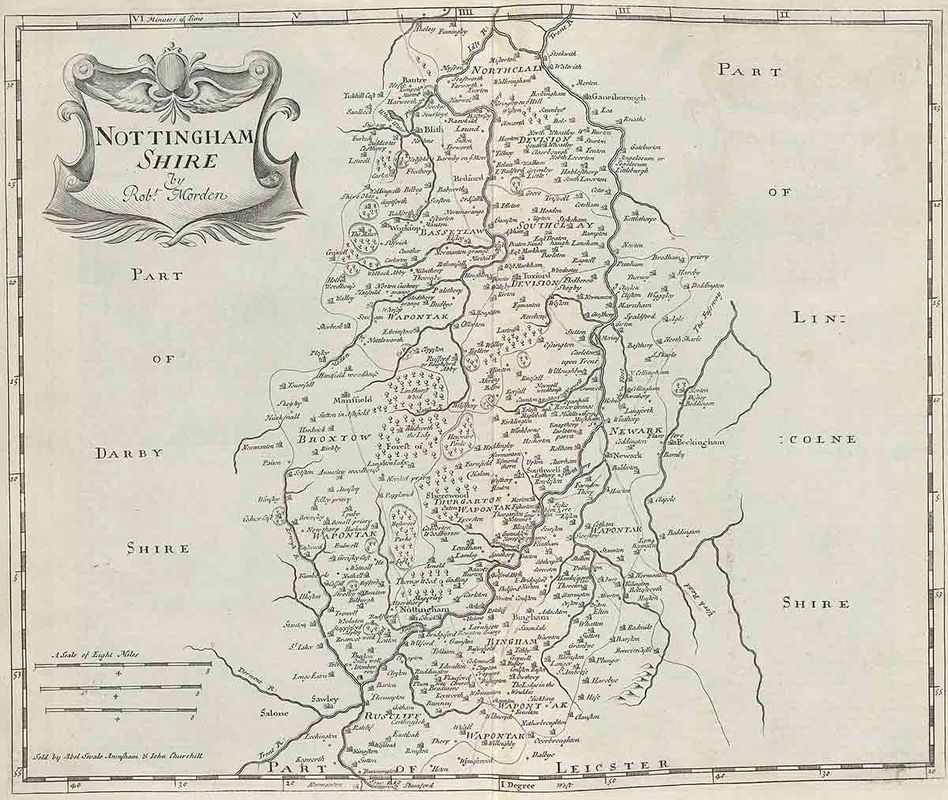
As a young man, he enrolled at Christ’s College in Cambridge, where he studied for ordained ministry in the Church of England. He was admitted to the Anglican priesthood in 1594.
Importantly, the Church of England—or Anglican Church—had only recently formed about fifty years prior to Smyth’s tenure at Cambridge when it had split from the Roman Catholic Church. This split precipitated decades of religious violence. Rather than opening the door to religious tolerance, the English Reformation led to the replacement of Roman Catholic supremacy with the Anglican Church, with the monarch of England as its head instead of the Pope at Rome.
Smyth Wanted a “Pure” Church
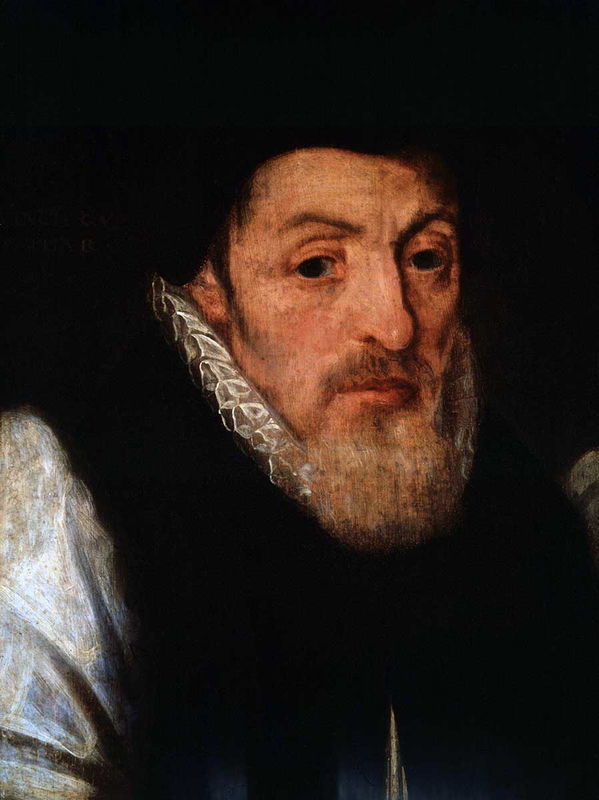
Like his contemporaries in the “Anabaptist” movement that had been growing out of Germany and Switzerland for several decades, Smyth grew discontent with government-sanctioned religion. He saw it as inauthentic. Because of the Anglican Church’s inextricability from the crown’s authority, virtually all English people submitted to the crown were considered Christian, regardless of whether or not they showed evidence of personal faith. Smyth, and others who came to be known in England as “Puritans,” thought that the church should be composed only of those who professed personal faith.
At first, Smyth hoped that the church could be reformed—or purified—from within. But by the year 1602 he had joined the “separatist” Puritans who illegally defied the Church of England and formed independent congregations, often resulting in their falling under severe persecution by the state. Smyth pastored separatist congregations until 1607, when he and his like-minded colleague Thomas Helwys decided to emigrate for the more religiously tolerant city of Amsterdam, which had emerged as a haven for Christian Protestant dissidents.
The First Baptist Church Was Founded in Amsterdam
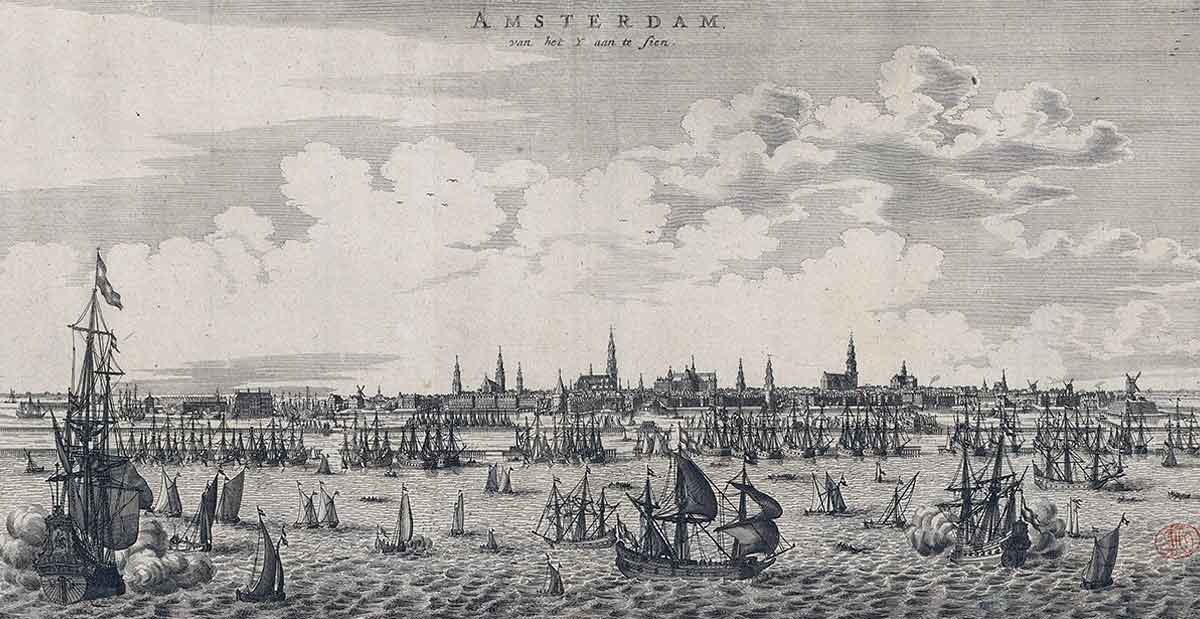
Though he had become a Separatist in England, Smyth became a Baptist in Holland. While there, Smyth’s views continued to become more radical. He believed that, not only was the church in need of purification, it was also in need of renewal. He concluded that the true church had ceased to exist. In 1608, he formally disbanded his congregation of about forty members and then, beginning with himself, re-baptized them in turn to form the world’s first Baptist church.
While other persecuted English dissidents like Smyth had already established congregations in Amsterdam, and while they agreed with Smyth that both the Anglican Church and the Roman Catholic Church were fundamentally corrupt, they did not agree on the question of whether or not baptism was only for adults. Other Puritans, deeming Anglican and Roman Catholic baptism illegitimate, re-baptized their church members like Smyth did but, unlike Smyth, they continued to baptize the newborns of those members. Smyth insisted that only those old enough to declare personal faith of their own free will should be baptized.
Smyth Joined the Mennonite Movement
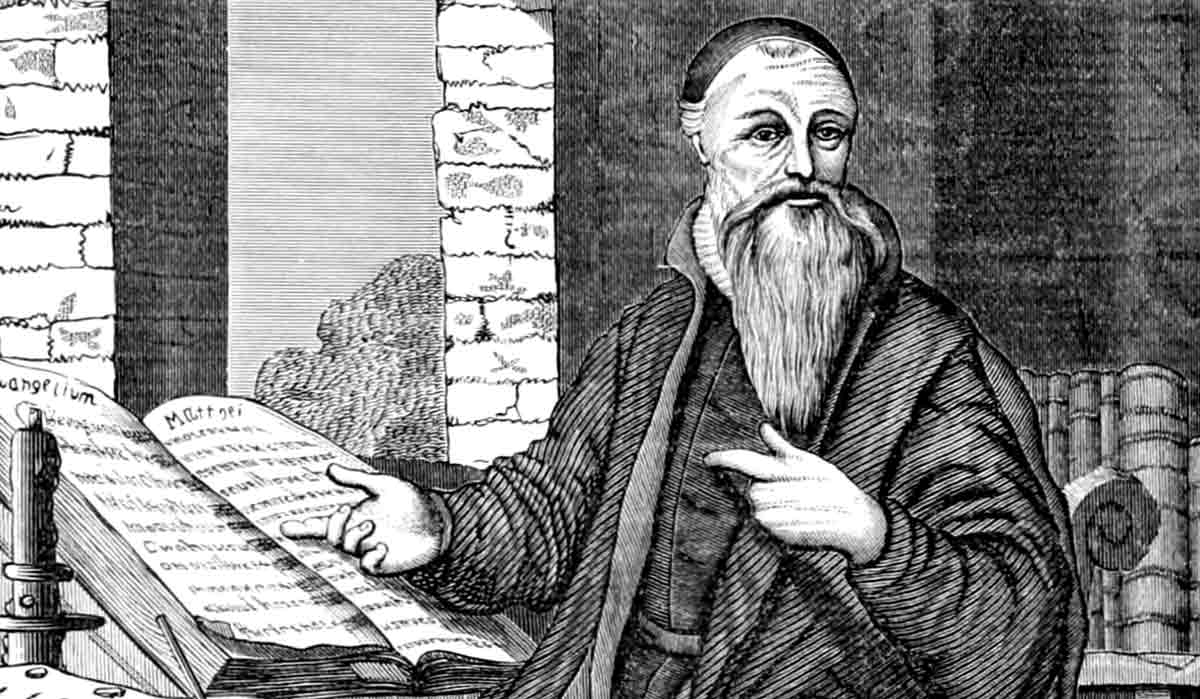
While in Amsterdam, Smyth came into contact with another group in search of refuge from persecution. They were called the Mennonites, after their founder, a former Roman Catholic priest named Menno Simons.
The Mennonites were called “anabaptists” by their contemporaries, a term meaning “those who baptize again.” Like Smyth, this group had come to the conclusion that only confessing believers—not infants—should be baptized. However, Anabaptists had arrived at this conclusion more than eighty years before Smyth arrived in Amsterdam. Whether or not Smyth’s initial contact with Mennonites in Amsterdam was the catalyst for his change of mind about baptism is debated among church historians.
Though he initially deemed the Mennonites lost just like the Anglican and Roman Catholic churches, Smyth later change his mind. In 1609, Smyth joined himself to the local Mennonite community along with thirty-two of his congregants.
Smyth Left the Church He Founded Behind, But It Survived
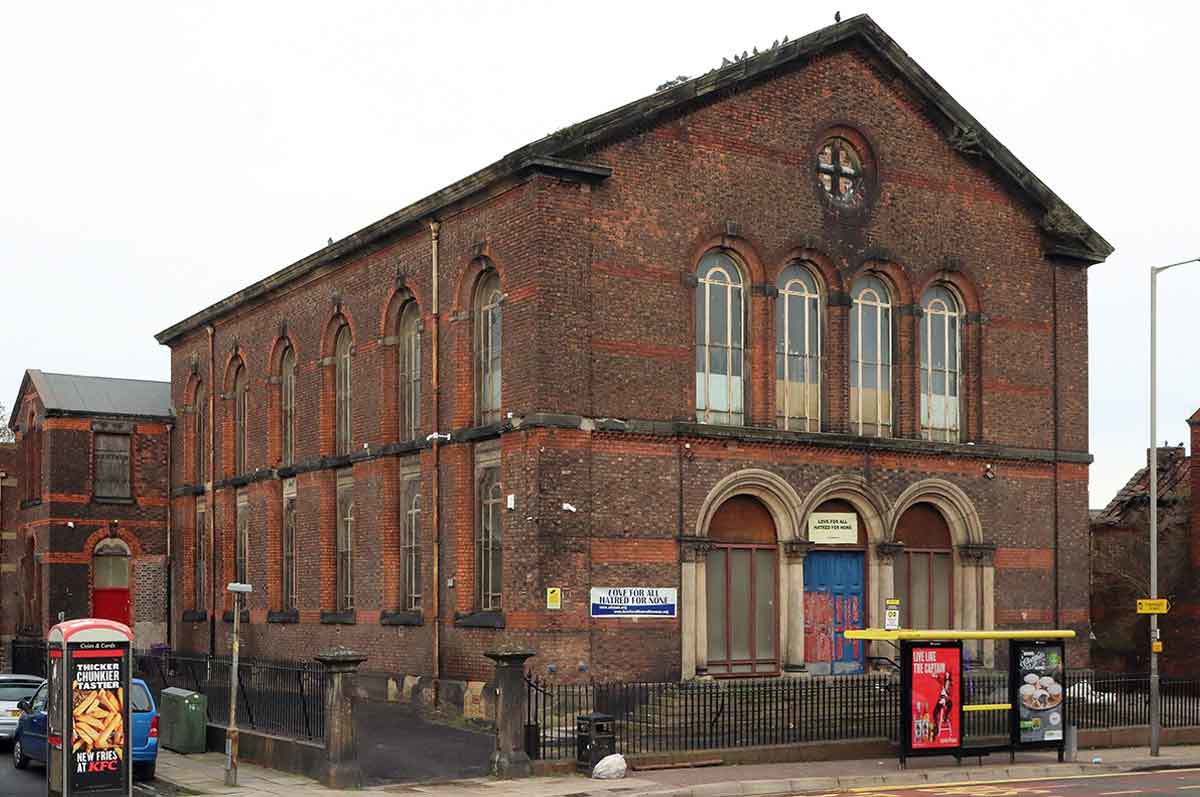
Smyth’s colleague Thomas Helwys, however, did not suffer the same change of mind. He and about ten other Baptists continued to meet separately from the local Mennonites and wrote their own, distinct confessional statement.
Thus, the world’s first Baptist church survived, and a worldwide movement, distinct from Anabaptism, was born. Within the space of only two years, John Smyth became the first Baptist, founded the first Baptist church, and then left the Baptist church he had started to become a Mennonite. If it had not been for Helwys, it seems unlikely the movement would have survived. Still, John Smyth is remembered today as the founder of the Baptist movement, which has spread all over the world. He died of tuberculosis on August 28, 1612.