
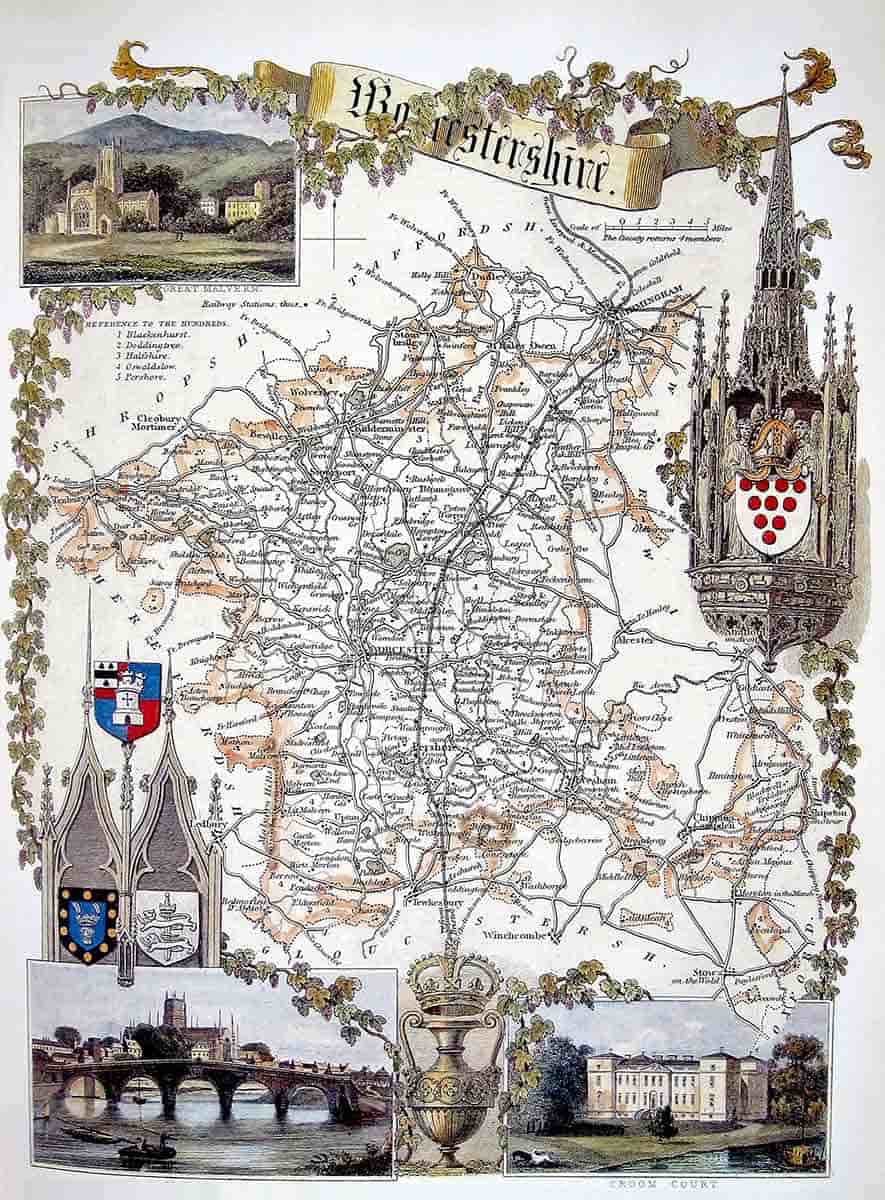
Today, the English county of Worcestershire is probably best known for Worcestershire Sauce. Sandwiched between the Cotswolds, the Marches, and Birmingham, it’s an easy county to skip over. But if you do, you will be missing out! Its 672 square miles are filled with beautiful rolling countryside, picturesque towns and villages, and scores of heritage sites. These are the top ten historical sites to visit in Worcestershire if you find yourself there.
How to Pronounce “Worcestershire”
Before we get started, few overseas visitors know how to pronounce Worcestershire. The tendency is to over-emphasize the “ces,” as the English likely did at some point in the distant past. In today’s pronunciation, the key is to skip over the “ces” entirely. The correct pronunciation is “Wuss-ter-sheer.”
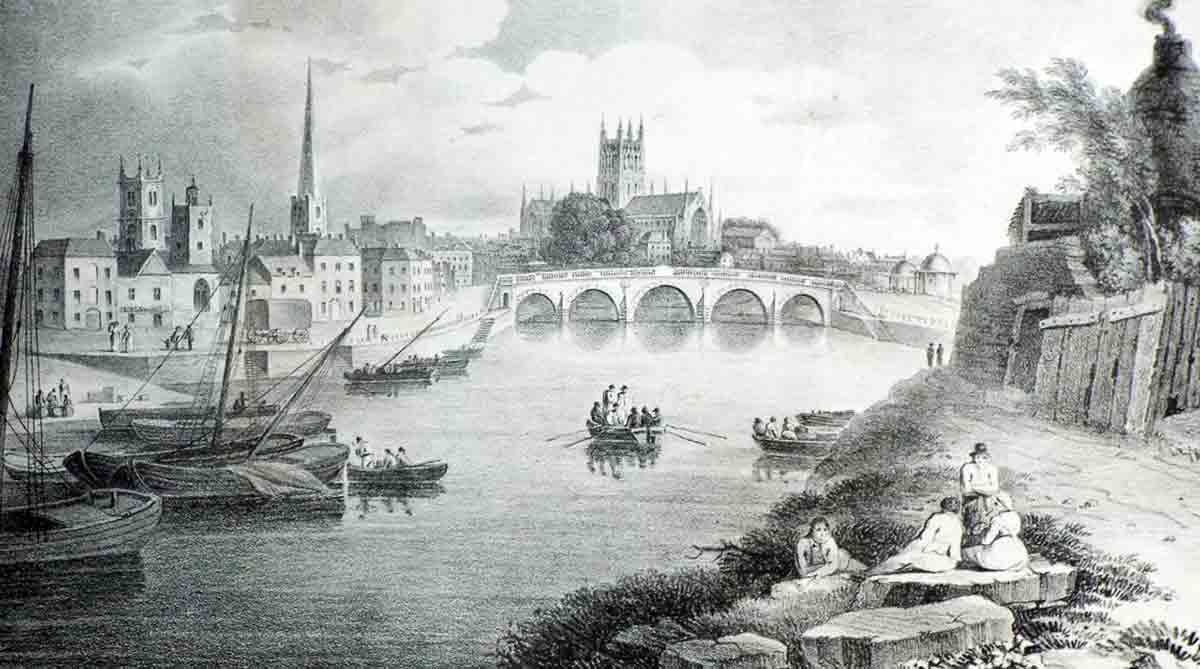
The name comes from the county “seat,” the city of Worcester, which serves as its administrative and religious center. Its name is derived from Weorgorna Ceastre, which means “fort (or camp) of the Weorgorans,” most likely a sub-tribe of the Hwicce, the Anglo-Saxon tribe that dominated much of the local area. Weorgoran means “people of the winding river” in Old English, probably referring to the River Severn, which snakes its way through the city on its way to the Irish Sea.
People from Worcester are still occasionally known as Weorgorans and the name still appears in Latin renditions of the city name or the titles of officials (such as its bishop). The Weorgorans may have inhabited the area from as early as the 6th century CE, driving out or assimilating the native Britons. Prior to their coming, it had been a Romano-British settlement, chosen because of its convenient fording position on the river.
1. Worcester Cathedral
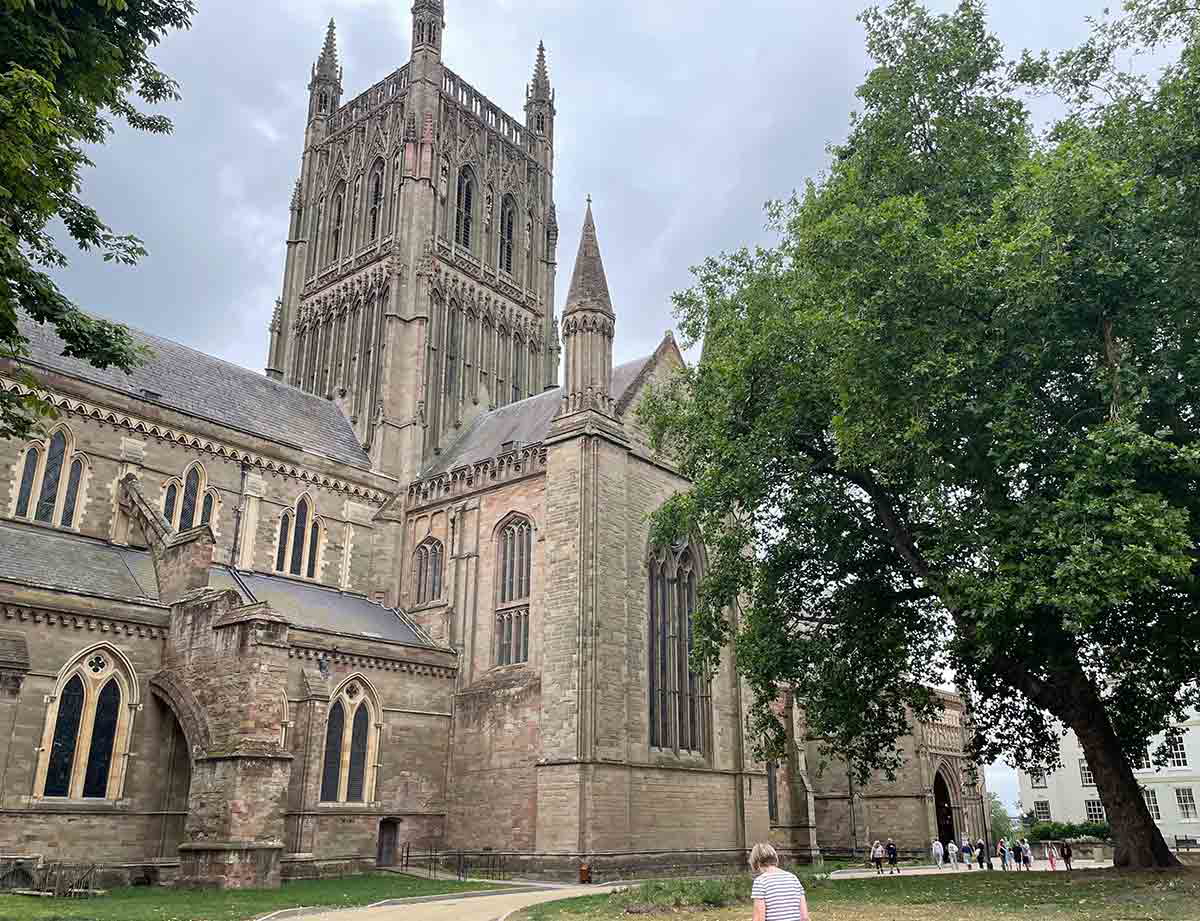
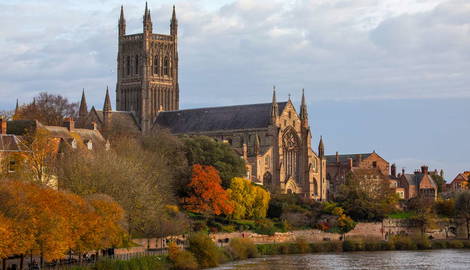
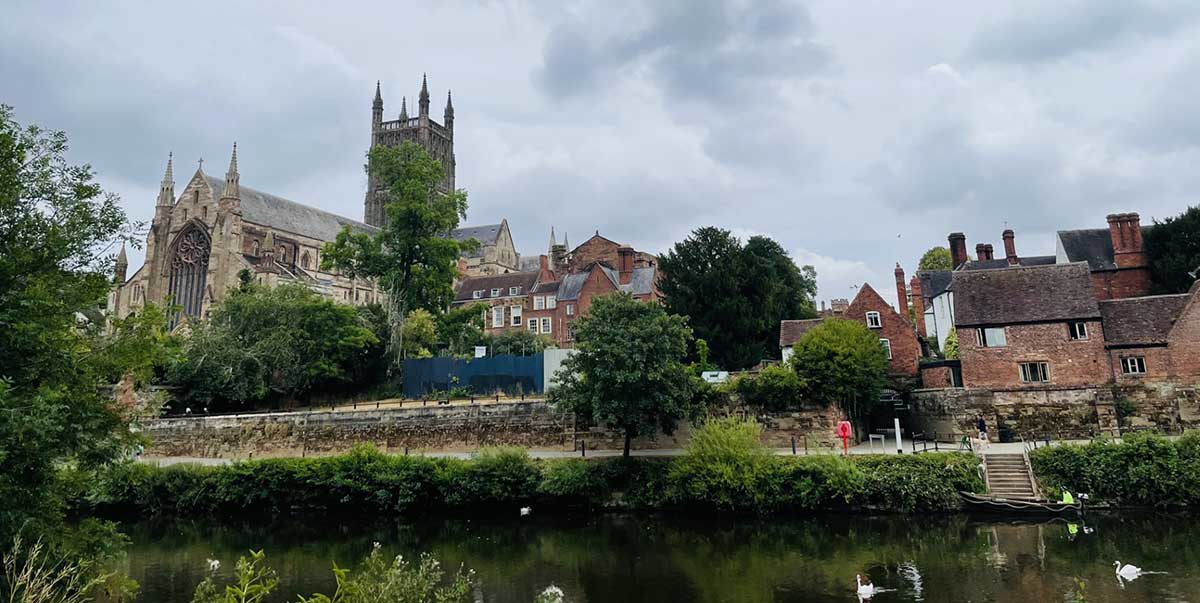
The most striking building in Worcester is Worcester Cathedral, built on the site where there has been a church since at least the 7th century CE, though rebuilt and elaborated several times. Like most English cathedrals, it was extensively elaborated and rebuilt in Gothic style by the Normans following the 1066 conquest. The 11th century crypt survives for eerie exploration. Many of its outbuildings and appendages were demolished following the Tudor Dissolution of the Monasteries, although ruins still survive around the cathedral.
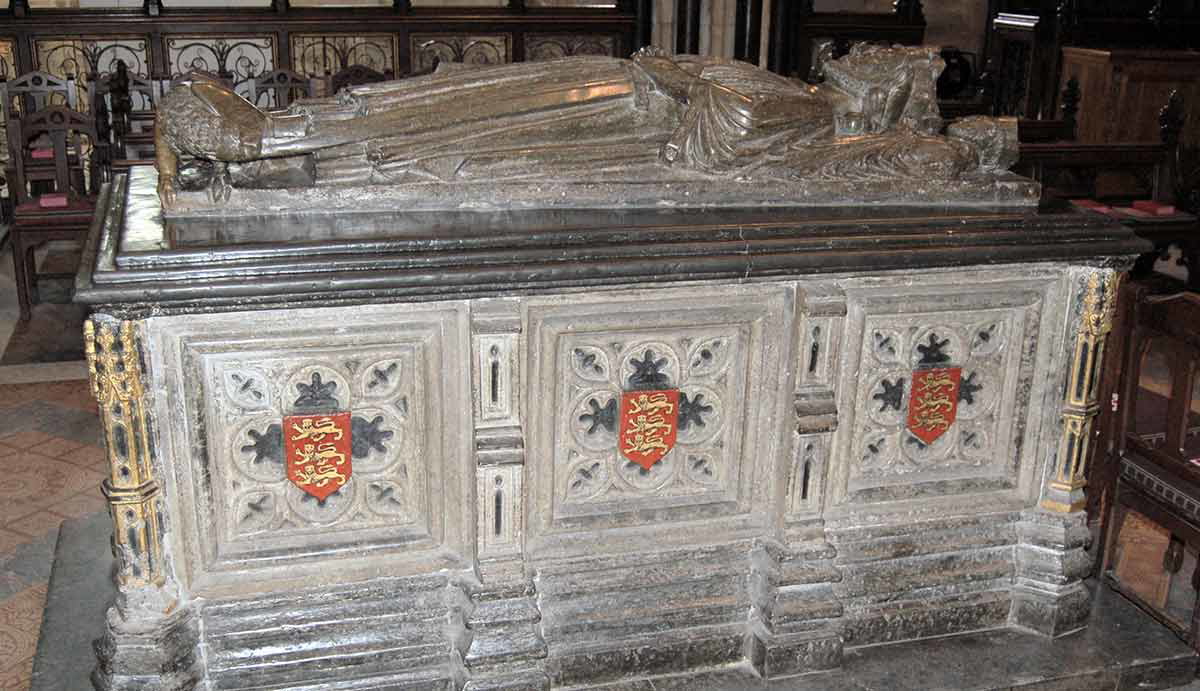
King John, the infamous tyrant from the story of Robin Hood, is buried in the center. The story goes that his entrails were buried elsewhere, leaving him as gutless in death as he was in life. As well as a king, there is also a prime minister buried here: Stanley Baldwin (1867–1947). He was the predominant British politician of the pre-war period, who was from nearby Bewdley, later (perhaps unfairly) demonized as one of the architects of Appeasement. Further along is an elaborate tomb covered in roses which houses the body of Arthur, Prince of Wales, the son of Henry VII and elder brother of Henry VIII, who died in Herefordshire. The tomb is decorated with the usual symbols of the Tudor monarchy and the Arthurian legend that the dynasty went to great efforts to appropriate. There are also numerous historical curiosities, including a 1225 copy of Magna Carta, the only surviving Antiphoner (a pre-Reformation liturgical book), and a music collection that includes works from Edward Elgar.
The cathedral is open most days, reached by a steep climb up some narrow passageways. The trek is worthwhile for the sweeping views across the city and the surrounding countryside. Helpful signs guide you to identify the key sites of the epic Battle of Worcester of 1651, including the battlefields and where the Royalist and Parliamentary armies were encamped. You may also catch a sight of the local Peregrine falcons which nest in another of the city’s many spires.
2. Fort Royal
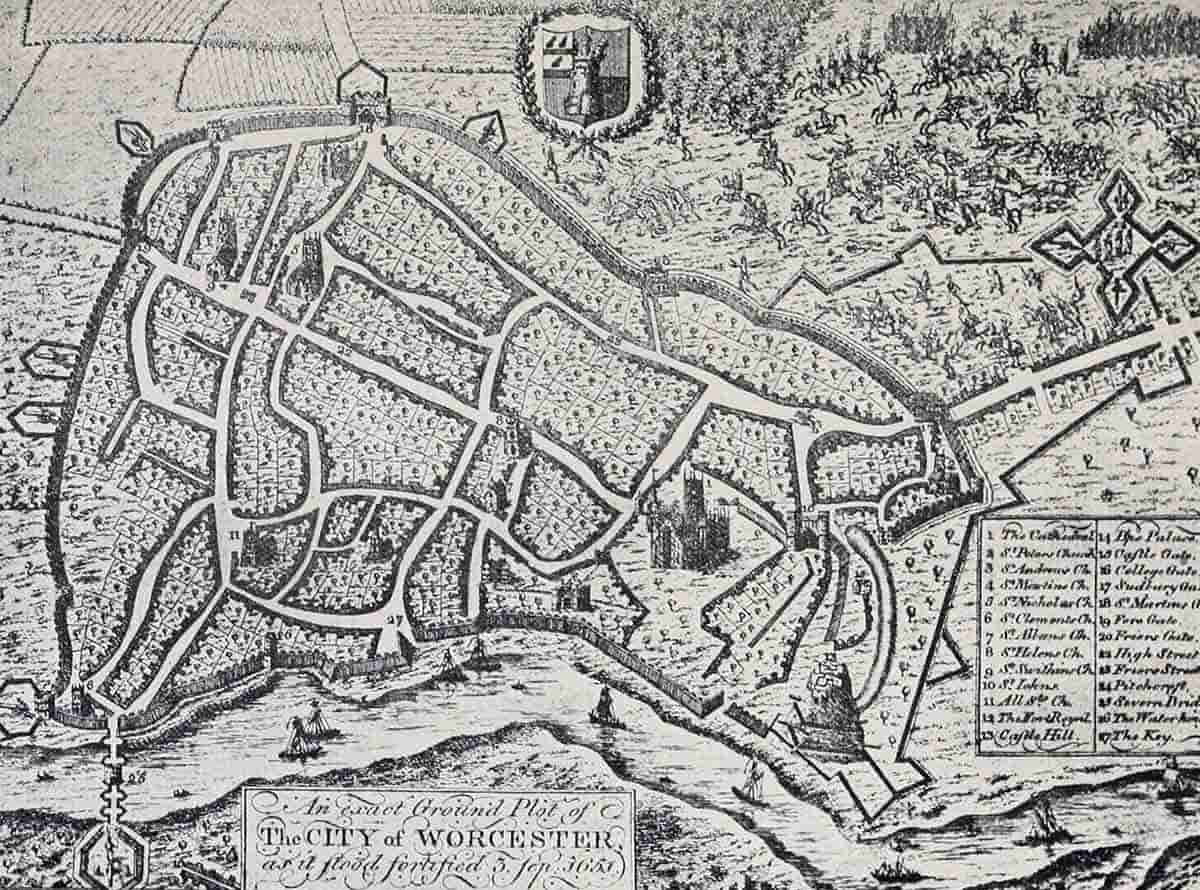
Worcester calls itself the “Faithful City,” a reference to its supposed loyalty to the Royalist cause during the English Civil War. In fact, the city, like most others in the country, switched sides depending on which army showed up outside its gates. Still, its association with Charles II and his showdown with Oliver Cromwell in 1651 is an important part of the city’s identity.
Fort Royal Hill is a short walk from the Cathedral and, as the name implies, was one of the main fortifications used by the future Charles II. Until recently, the hill was just a dog-walking park on a grassy mound, ridden with disposable nappies and dog faeces. Thankfully, the site has been reformed with signs giving you full details of how the forces of Cromwell and the Stuarts fought over it.
Heading back towards the cathedral, in the area known as Sidbury, is the Commandery. This is a former cathedral almshouse and hospital but now serves primarily as a Civil War museum with memorabilia such as guns and cannons from the period. The Commandery and Fort Royal were both visited by John Adams and Thomas Jefferson in 1786, wishing to see where the “battle for the constitutional liberties of Great Britain” had occurred.
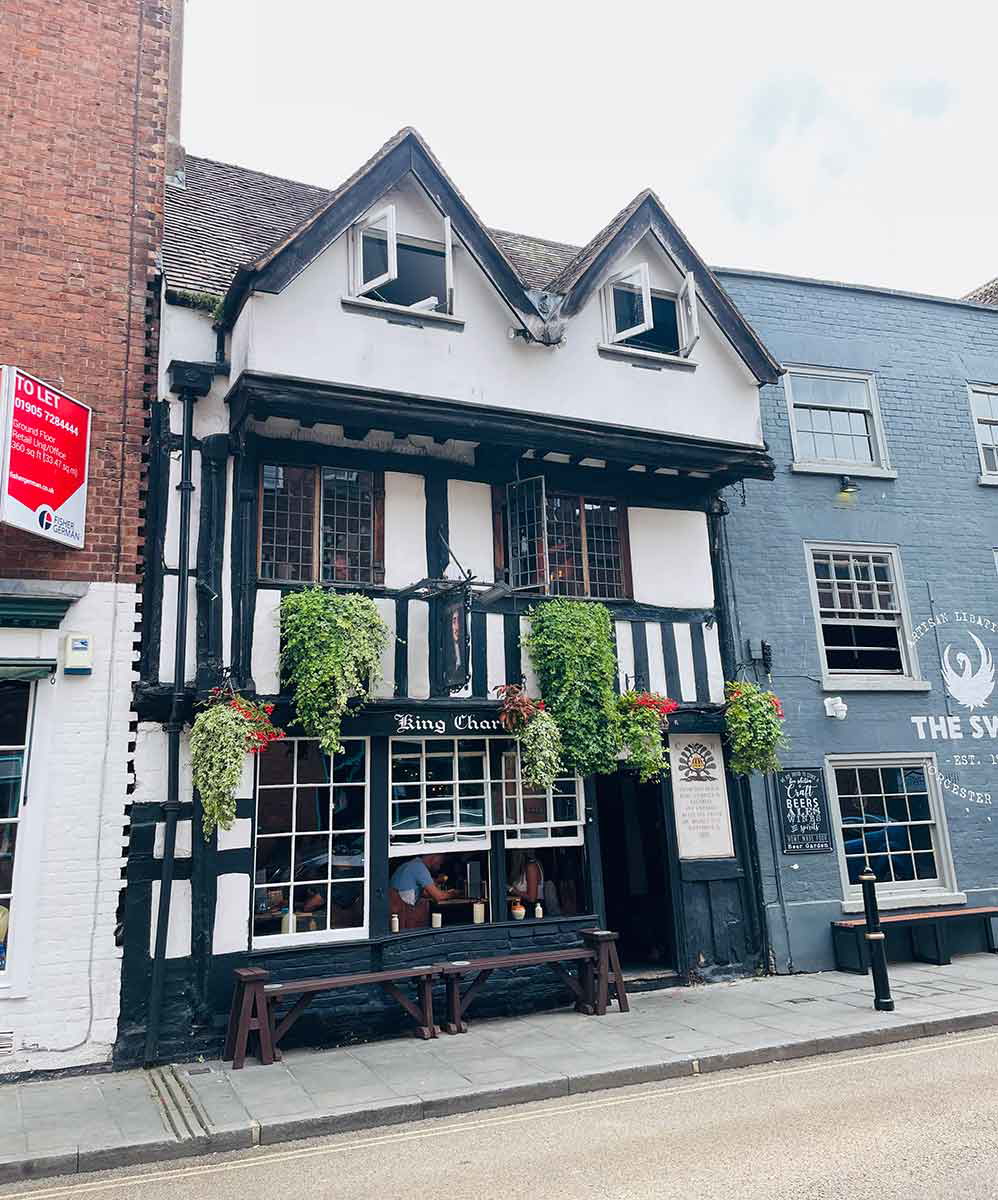
The story continues back in the city center. After realizing all was lost, Charles II fled the scene. Local legend has it that he hid from the Roundheads in the cellar of a pub on Friar Street, known today, conveniently, as the King Charles House. Occasionally, if you sweet talk one of the bar staff, they may even show you where the future monarch hid. Even if they don’t, the 16th century pub building is worth a visit for its wide selection of beer and cider and some of the best pies in the country. Friar Street is one of the last remaining streets in the city filled with traditional buildings housing boutique shops and a vibrant nightlife.
3. Lea & Perrins Sauce Factory
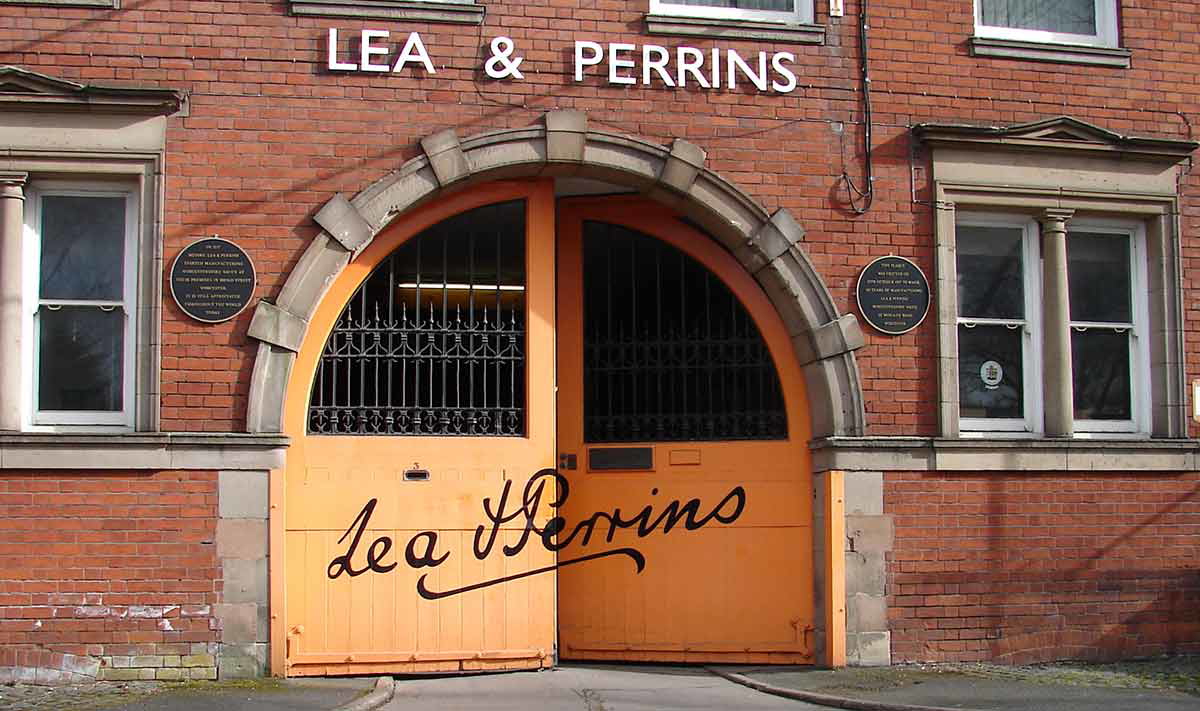
Worcestershire is probably best known abroad for its distinctive sauce, described on The Simpsons as “stanky.” The sauce was invented and sold by two chemists, John Lea and William Perrins, in Worcester in 1837 and was first imported into the United States two years later. The sauce is now owned by Kraft Heinz, but the bottles retain the traditional orange branding, with its faded image of the Worcester factory.
Although there have been constant fears that foreign ownership would mean closure, 40 million bottles of the sauce are still produced at the Midland Road site. The factory building resembles Willy Wonka’s factory, with huge colorful branded coach doors. Unfortunately, it isn’t regularly open to the public but is still worth a look if you’re in the area. If you’re desperate for a tour of a manufacturing center, there’s always Cadbury World, although it will mean leaving the county!
4. Elgar Birthplace Museum
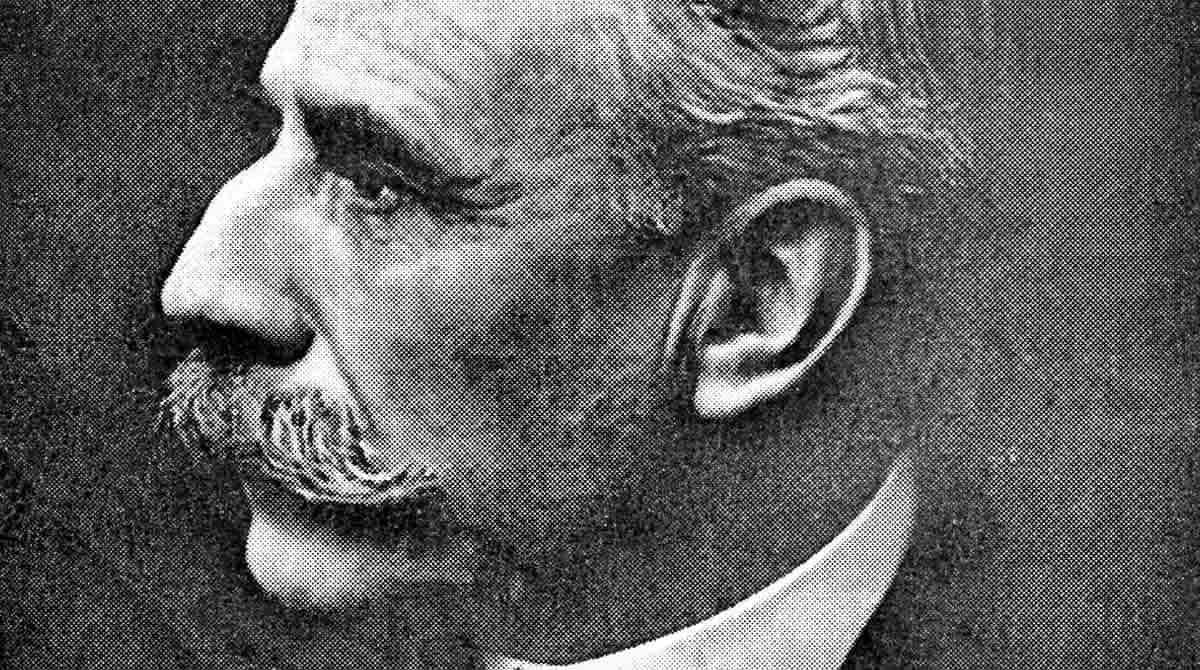
Near Worcester Cathedral is a large statue of Edward Elgar (1857-1934), the great musician best known for the tune to Land of Hope and Glory and the American graduation music (written as Pomp and Circumstance No. 1), and his Enigma Variations (part of which were used in the Christopher Nolan film Dunkirk [2017]). As the statue is now surrounded by bars and restaurants, a fine local tradition has evolved of trying to place a rogue traffic cone on his head.
Elgar grew up in the city but was actually born and spent much of his adult life closer to the epic and beautiful Malvern Hills, which lie a short-drive from the city and are easily visible on clear days. The Elgar Birthplace Museum, within the classic cottage in which he was born, is in Lower Broadheath, a small traditional village just outside the city. Now run by the National Trust, the museum includes a large amount of Elgar memorabilia, family letters, original sheet music, family scrapbooks, and much more.
Despite popular perception, the museum emphasizes that Elgar was an outsider in his own time: a Catholic in a Protestant country, a man of humble origins in a very class conscious society, and extensively influenced by continental music. It is an invaluable stop on the way to the Malvern Hills, allowing you to understand how he was inspired by his upbringing and the Worcestershire countryside to craft his serene, evocative music.
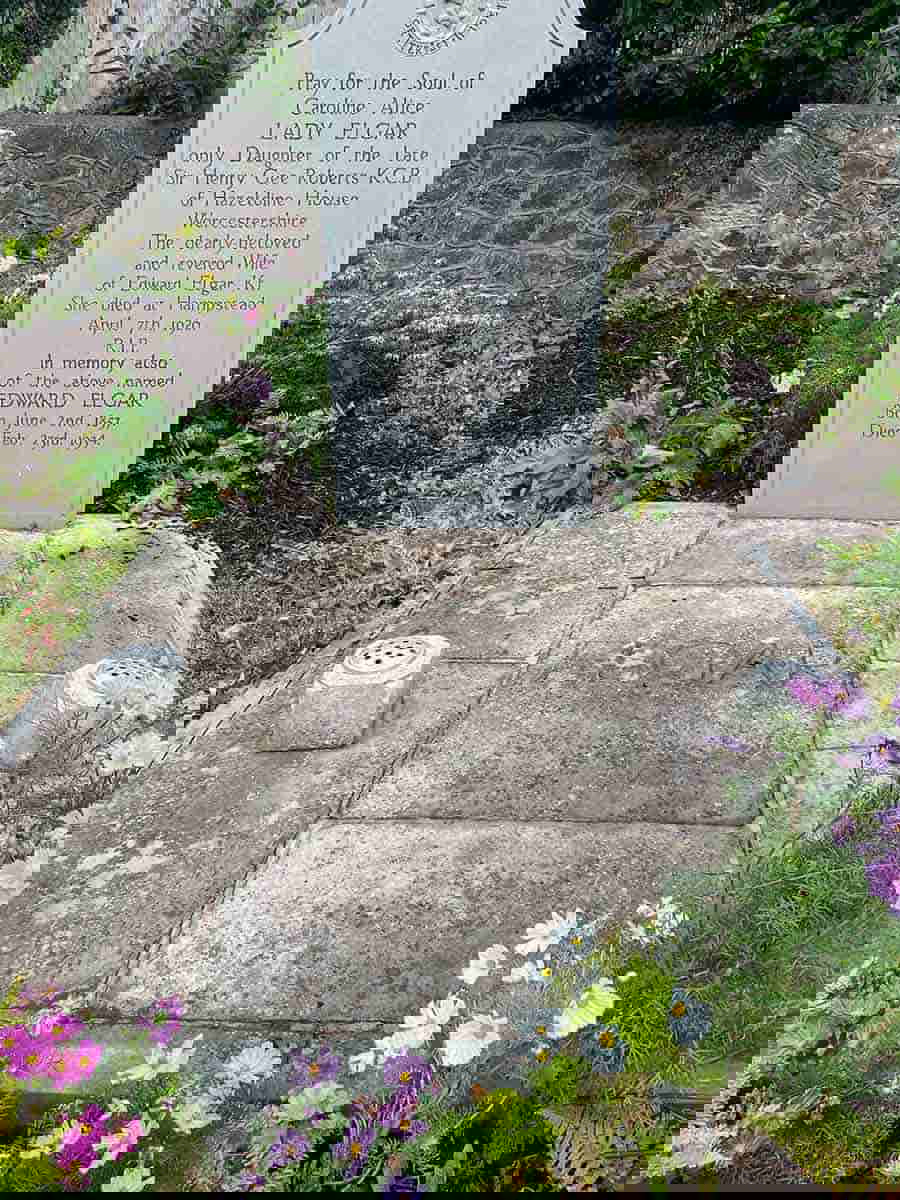
You may then wish to travel out further to St Wulstan’s Catholic Church in Little Malvern, a peaceful church with an “arts and crafts” style interior, where Elgar is buried. Be mindful that the church is only open on days of mass.
5. Malvern Hills
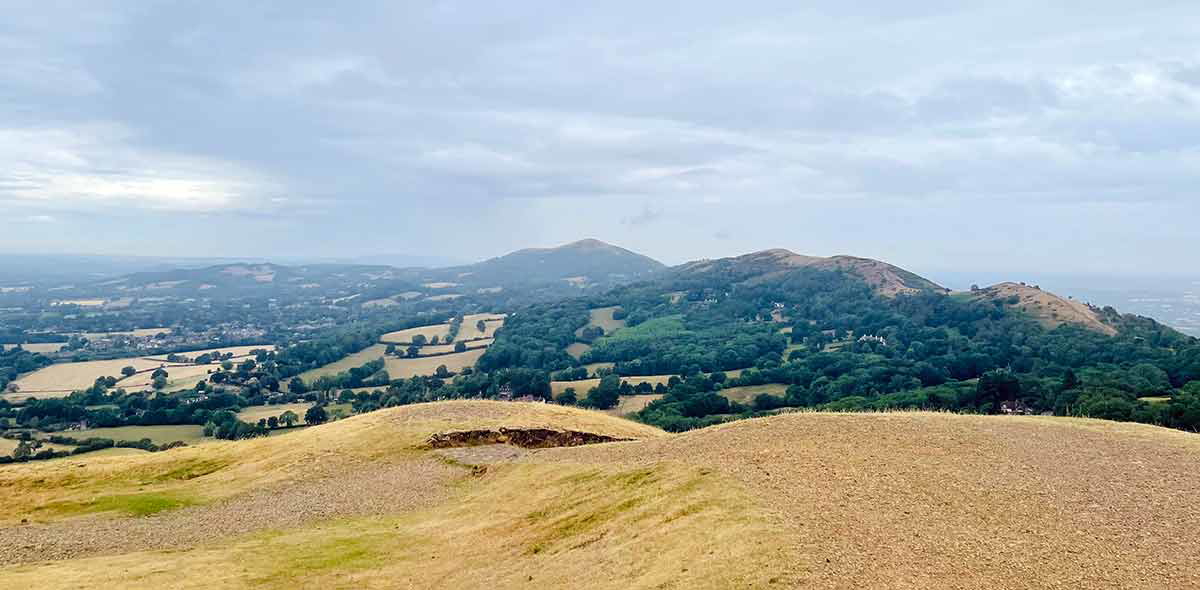
The hills themselves can be seen for miles across the county. A Site of Special Scientific Interest and an Area of Outstanding Natural Beauty, they form the traditional marker of the border between Worcestershire and Herefordshire. As well as inspiring Elgar, they were also favored by J.R.R. Tolkien and C.S. Lewis, with the hills probably inspiring some of the landscapes of Middle Earth.
The remains of ancient settlements and hillforts can be found throughout, most famously at British Camp. This is one of the most accessible and visited areas of the hills due to its huge remaining Iron Age earthworks, which are accessed from the Wyche (Hwicce) Cut. Folklore has it that a Briton leader, Caractacus, made his last stand here against the Romans, which some recent archaeological finds may possibly corroborate. Some parts of the hills were quarried until it was forbidden by parliament—one of Britain’s first ever measures of environmental protection—creating some dramatic landscapes and large blue pools, as well as nesting sites for birds.
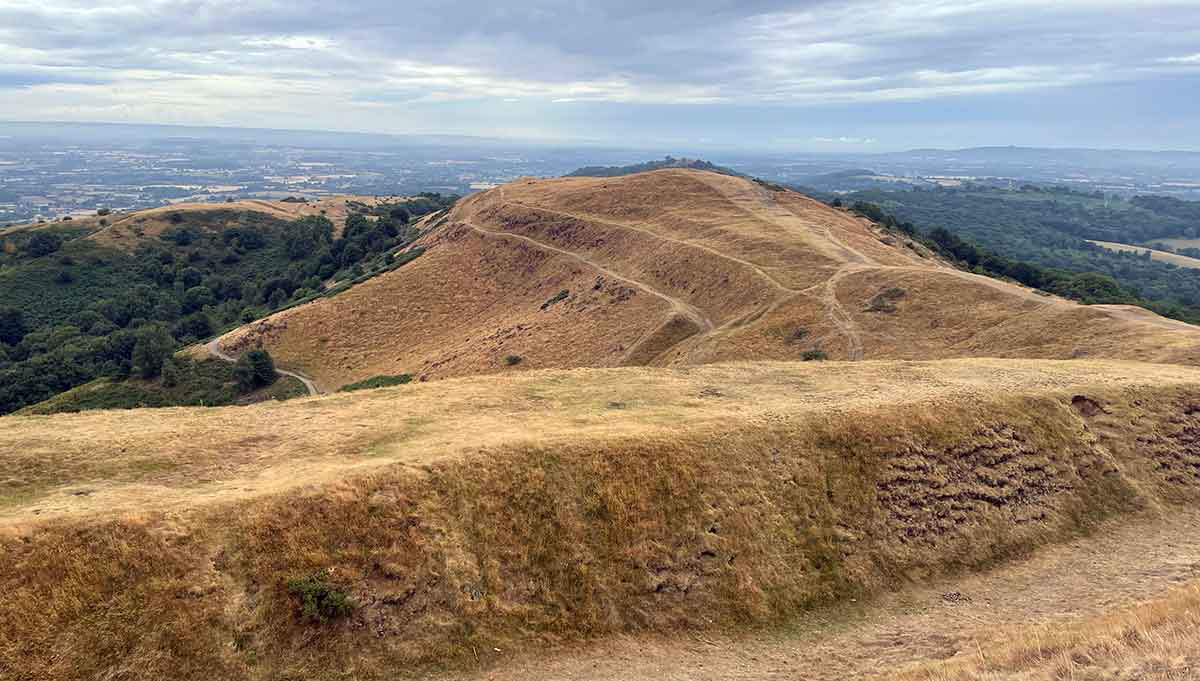
The hills became a popular visitor attraction in the Victorian period. Concerns over public health led to obsessions over natural cures to ailments among the middle class, leading people to rush from the cities to places like Malvern Spa to bathe and drink the mineral water that bubbles up through its natural springs. The surrounding towns of Little Malvern, Great Malvern, and Malvern Link have distinctive Victorian architecture, and buildings such as St Ann’s Well and the Holy Well within the hills themselves are reminders of this busy period where neuroses over public health helped create modern tourism.
There are numerous villages in and around the hills which are worth a visit. My personal favorite is Hanley Castle. The castle itself no longer stands, but it does have a pub, The Three Kings. Don’t bother looking for a website or trying to book a table. This is a dusty, 15th-century black-and-white timbered pub built next to a 12th century village church, still run by the same family that has served as landlords for generations. It’s cash only, has old-fashioned opening hours (12pm–3pm and 7pm–11pm), and parking can be tricky when it’s busy. Nevertheless, it has (probably) the best traditional ale in the county and music performances by locals throughout the week.
6. Droitwich Spa
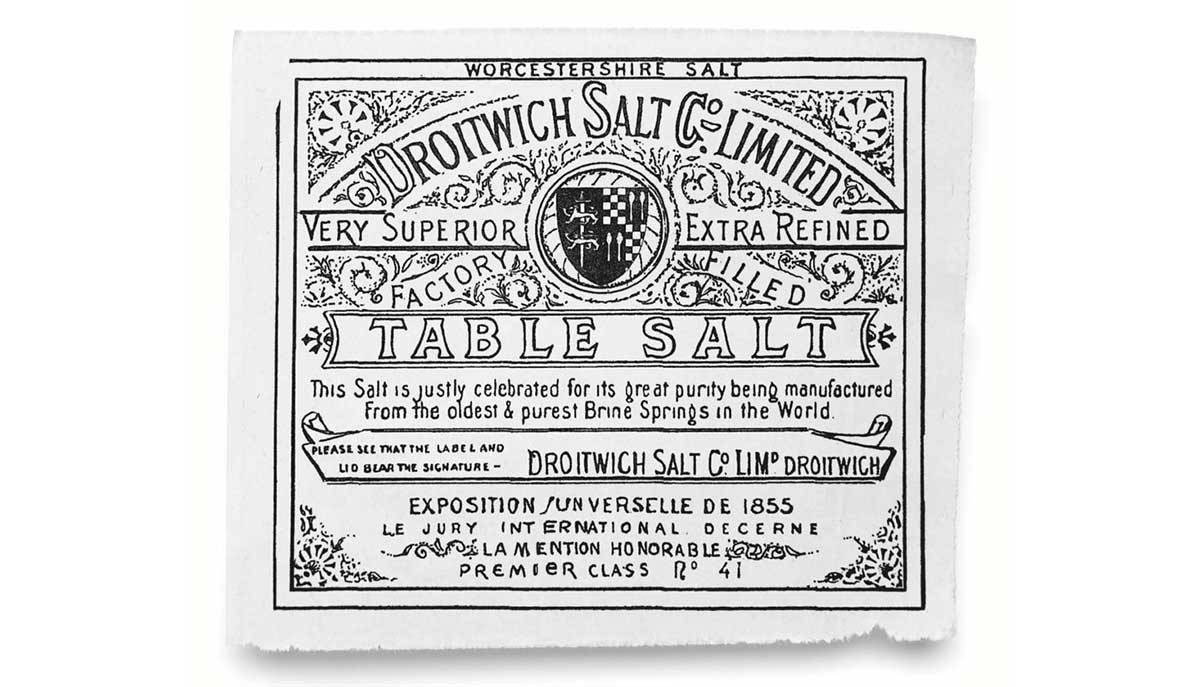
North-east of Worcester is Droitwich. Its history revolves around salt. The Romans named the settlement “Salinae.” The Anglo-Saxons renamed it Saltwich, with the “wich” derived again from the Hwicce tribe. It became known as Droitwich following the Norman Conquest, droit meaning “right” in French. There are huge reserves of it just below the ground and a tax on its extraction and production remained a royal revenue until the 1830s. Its natural brine has the highest concentration of salt except for the Dead Sea, with ten times as much as regular seawater. During ancient and medieval times, it was extracted either by hand or by buckets dropped into pits. From the 18th century, pumps began to be installed to draw up the brine from boreholes.
Like Malvern, Droitwich benefited from the health obsession of the Victorian middle classes, who began flocking to the provincial town for its hot, salty pools. As with Malvern, the “Spa” suffix appeared around this time as a tourism gimmick. The original brine baths have long closed. New facilities that opened near the hospital were shut after a dispute between the local council and the operator. Hopes that a hotel group will revive them have come to nought. Visitors can still enjoy the natural saltwater, though, at the open air lido, a favorite among locals. The salt can also be purchased around the town and there is a salt museum at the heritage center. You can also visit working saltworks at Churchfields.
7. Avoncroft Museum of Historic Buildings
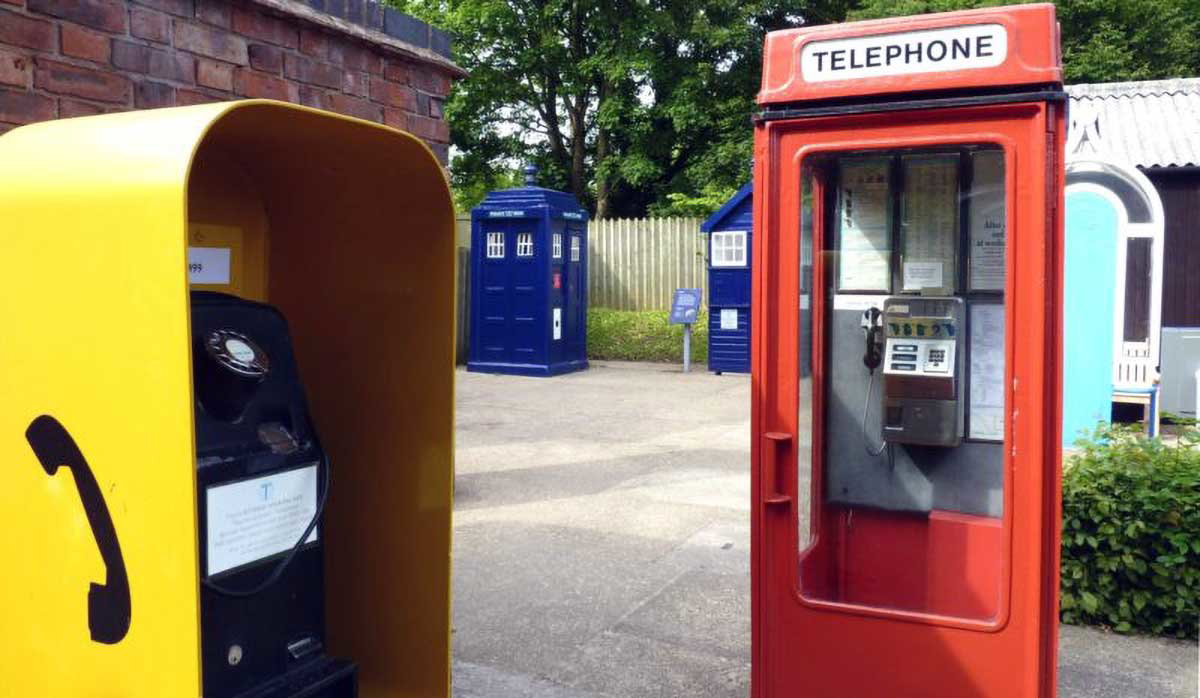
Next along the M5 towards Birmingham is Bromsgrove. In nearby Stoke Heath is the Avoncroft Museum of Historic Buildings, an unusual museum in that it is all open-air and consists of 30 historic buildings relocated there for preservation. The structures on display include a functioning windmill and a post-Second World War “prefab” house, designed to be cheap housing for people de-homed by German bombing. There are also medieval wattle-and-daub agricultural buildings, and even a Victorian church, moved and rebuilt from Herefordshire.
Its most popular attraction, however, is a traditional blue police box, of the same design as featured as the TARDIS in Doctor Who. The box is one of the few remaining and was originally from Glasgow. When you’re done at the museum, take a walk around the surrounding countryside, or take a trip onto Bromsgrove’s lively high street.
8. Severn Valley Railway
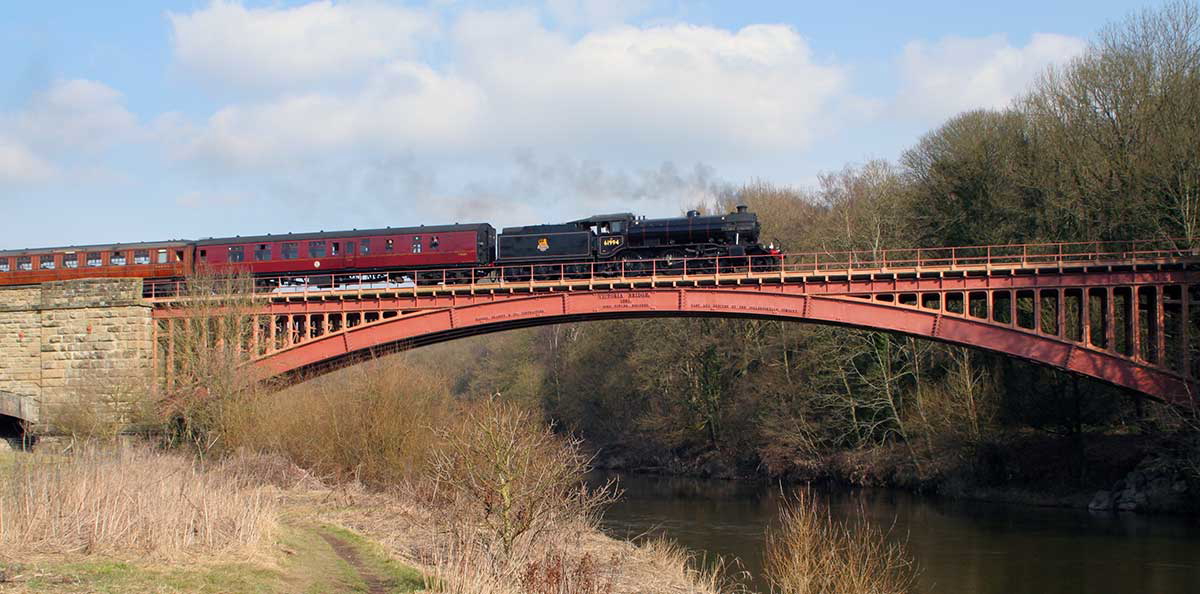
The Severn Valley Railway is less a historic site than an historical experience. It’s a 16-mile rail line running from Bridgnorth in Shropshire to Kidderminster in Worcestershire. It was originally built in the mid-19th century, following the River Severn and crossing over a Victorian bridge. The route was one of the many savagely axed during the notorious Beeching Cuts of the 1960s, which dismantled large swathes of Britain’s rail network. Local enthusiasts worked and fundraised to preserve and eventually reopen the railway.
It now carries heritage steam and diesel trains alongside some beautiful stretches of the county, overlooking the Severn, and touring past natural and historic sites. More unusually, you will probably also see African elephants as it chugs past West Midland Safari Park. There are also railway-themed attractions along the route, including 19th and 20th century signal boxes. Those happy to pay a little more can also enjoy a classy dining experience. Overall, it’s a relaxed way to experience a traditional British railway while seeing stunning English countryside. If you don’t want to ride the train itself, there are many walks along its route, including in the Wyre Forest, where you’ll probably see the puffing steam of the engines and the sounds of their whistles.
9. Croome Court
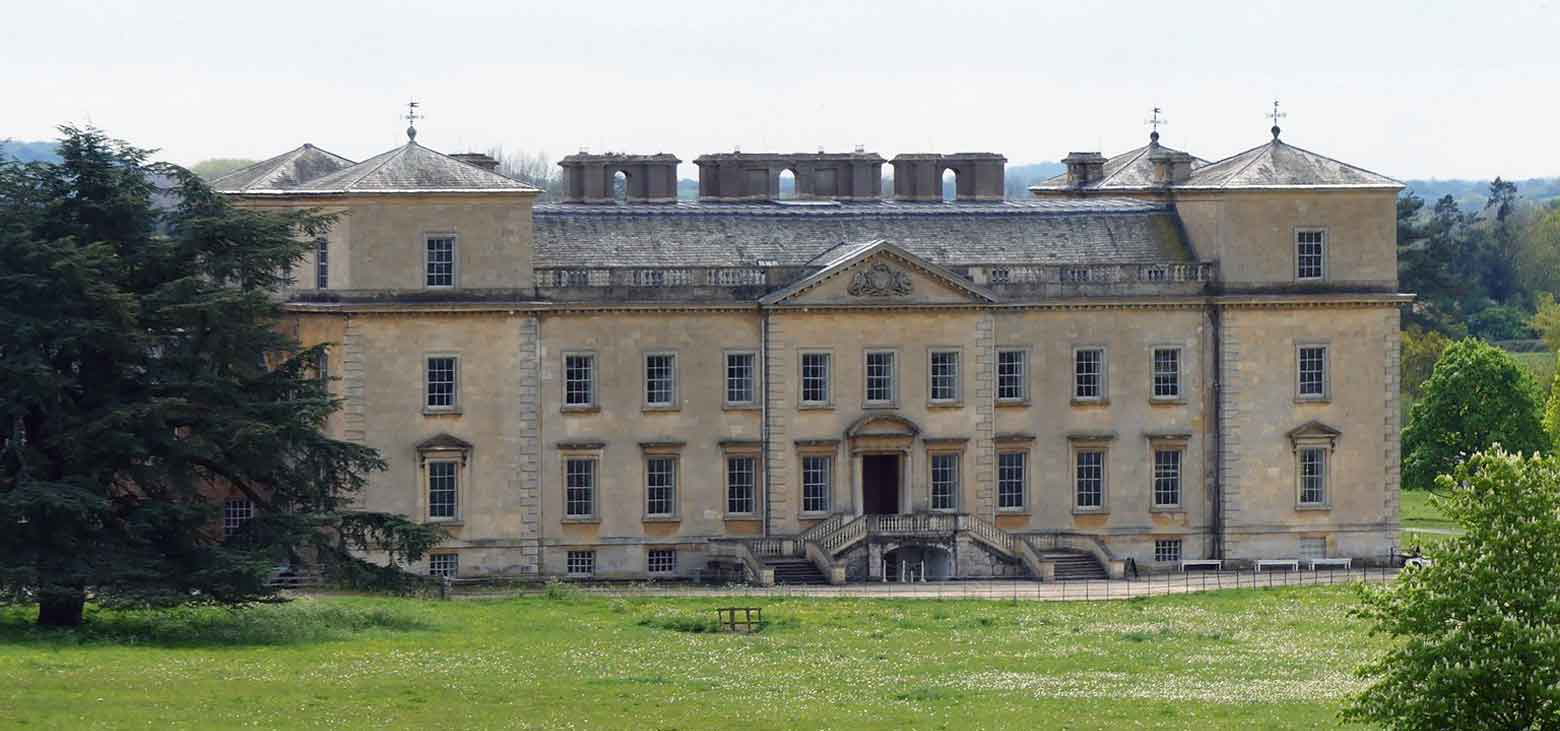
Not far from Malvern is Croome Court, an 18th century pile built in Neo-Palladian style for the earls of Coventry, who owned large amounts of land in the area. The mansion and park were designed by “Capability” Brown, the famous British landscape architect. As well as serving as home to the earls, it was also visited by George III, Queen Victoria, and George V. The site was requisitioned during the war for use by the RAF, who operated an airfield at the nearby village of Defford.
Now run by the National Trust, parts of the grounds are free to enter, although the most impressive areas require a small fee. These include walled gardens, pastures, and lakes. There are also numerous follies and small points of interest built by Brown scattered around the park, such as a grotto, a church, a (fake) ruined castle, and a panorama tower.
And, if you have time, there are a number of other impressive country houses in Worcestershire.
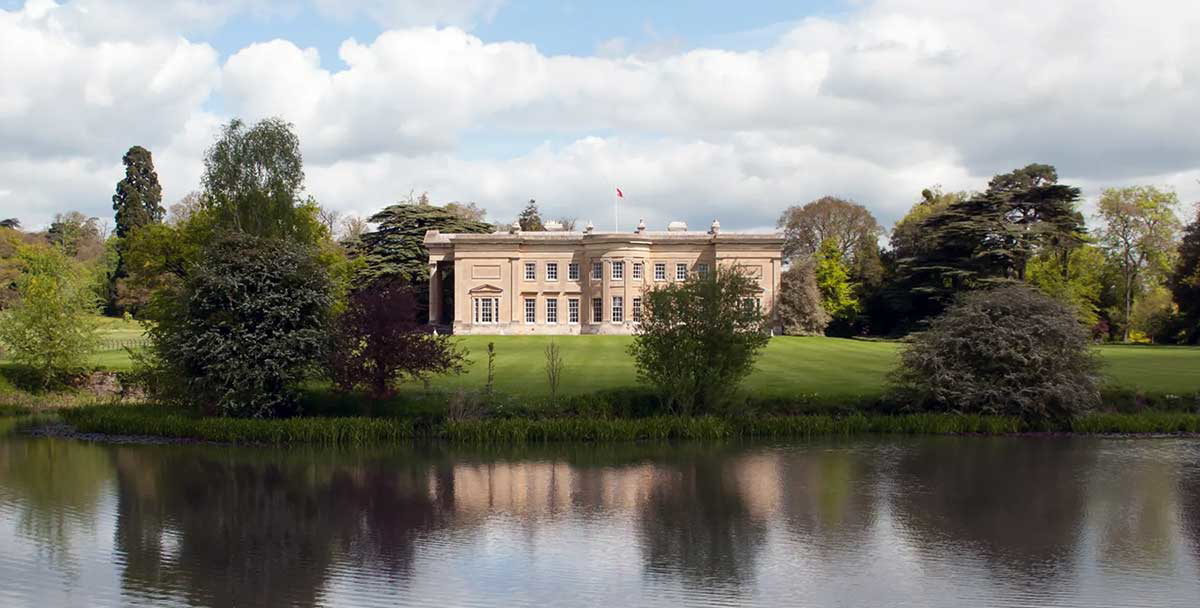
Spetchley Park, not far from Worcester, is still the home of the Berkeley family, one of the few elite English families with Anglo-Saxon routes. The original house was burned by a drunken Royalist on the eve of the Battle of Worcester to stop it being used by Cromwell. The current manor was built in 1811 with Bath Stone, set within 4,500 acres of parkland. It was regularly visited by Elgar. During the Second World War, it was identified to be used by Churchill and the Cabinet in the event of German invasion. After the Battle of Britain, it was used as a recuperation site for US Army Air Force pilots. The parkland is a mix of wild woodland filled with deer, manicured gardens, and serene water features.
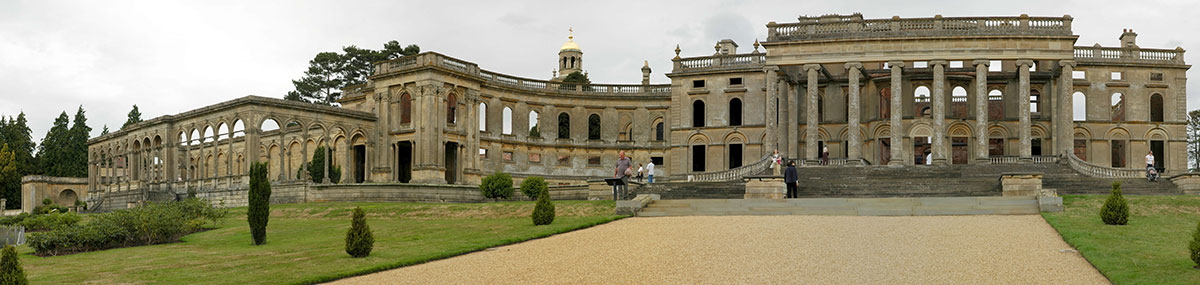
Witley Court is distinct from many other manors in that it is a ruin. It was originally built in the 17th century but was extensively expanded and redeveloped by subsequent owners, not least the earls of Dudley. However, a fire in 1937 devastated the house, and the owners decided to break up the estate and strip it possessions rather than try and renovate. It has been a property of the Department of the Environment since the 1970s. Rather than undertake a full expensive restoration, they have stabilized the house and refurbished the gardens, making Witley Court a spectacular and unusual ruin.
10. Pershore
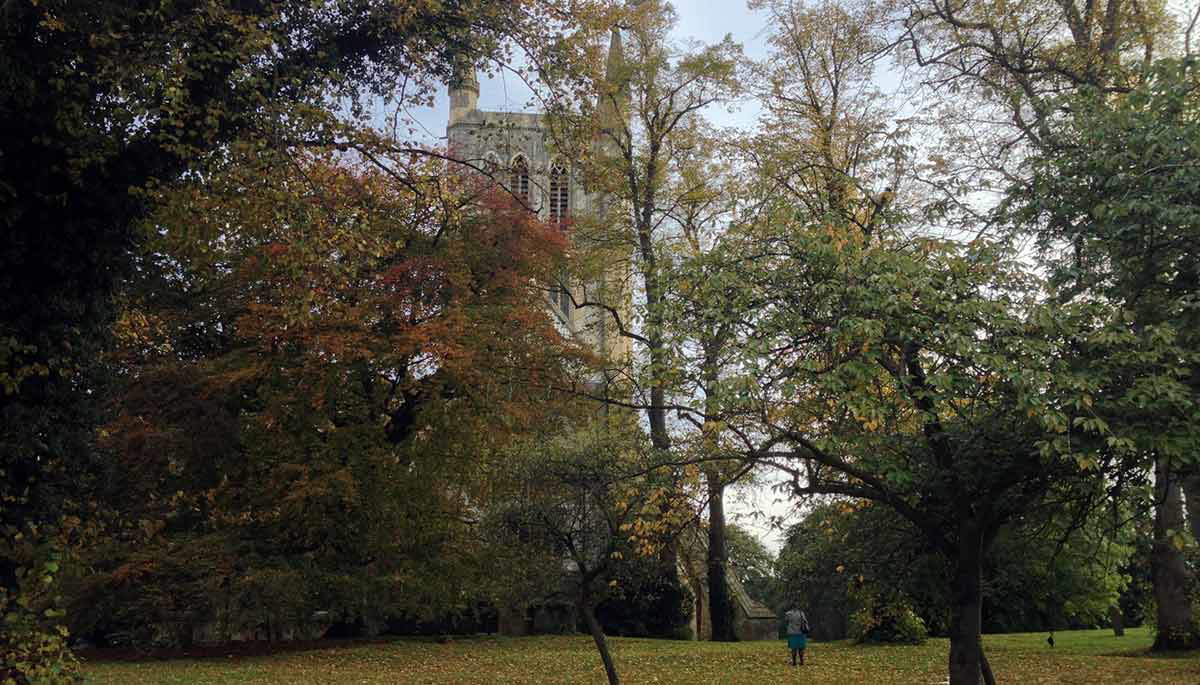
A very short drive from Croome is Pershore, where the earls of Coventry had business interests. It doesn’t normally feature on this type of list, but it’s my hometown and I think it is at least worth a stopover. Visitors will immediately notice its unusually large Norman church tower, which is actually the remains of the much larger Pershore Abbey and adjoining monastery. Founded in the reign of King Edgar in the 10th century, the Abbey is worth a visit for its artwork, Victorian stain-glass windows, and ancient charter, as well as the pleasant parkland. It is unusual in that another former church, St Andrew’s, sits right next to it, a result of a dispute between the Abbey and Westminster Abbey. The latter was a major landowner in the area and built the new church for its tenants to spite the monks of Pershore.
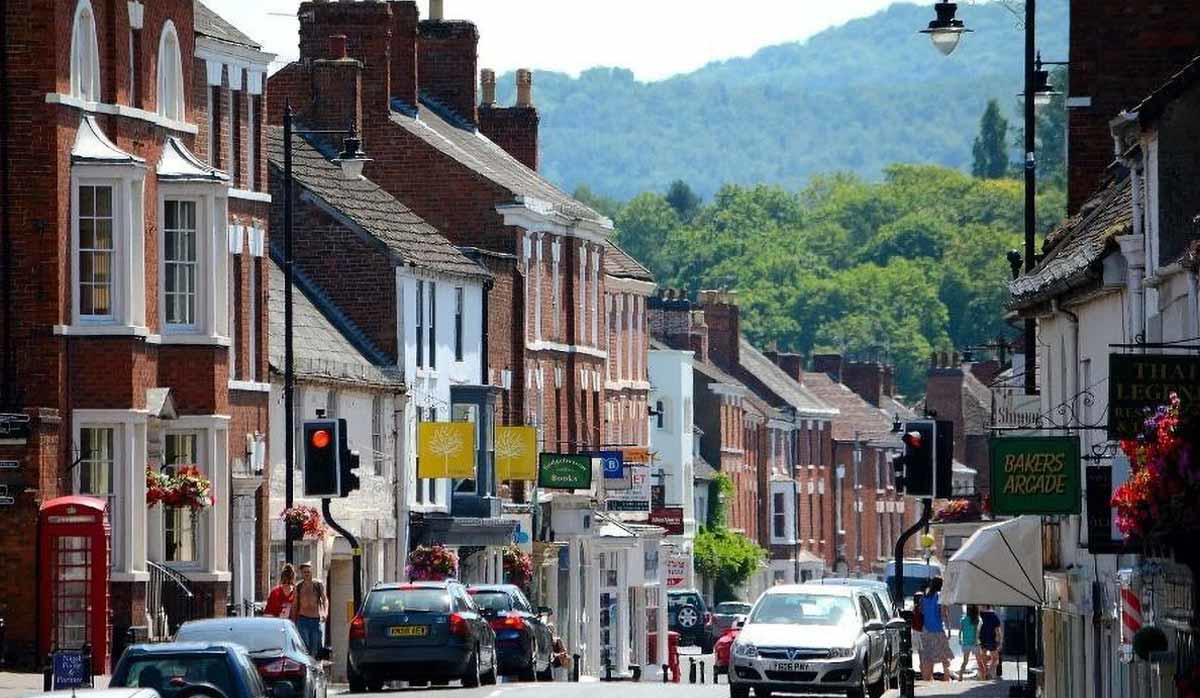
The town itself is renowned for its Regency and Georgian architecture, concentrated around the “Broad Street” town square, which is now the main site for local festivals and the monthly farmer and craft market. As Pershore is situated on the main road from Oxford to Worcester (and then to Wales), it was visited occasionally by monarchs. Just a few years ago, the main pub that looks over the town square, The Angel Inn, uncovered a portrait of Elizabeth I painted onto plasterboard, confirming that the Virgin Queen visited and possibly stayed in the town on one of her many itineraries. The painting is now on display in the building.
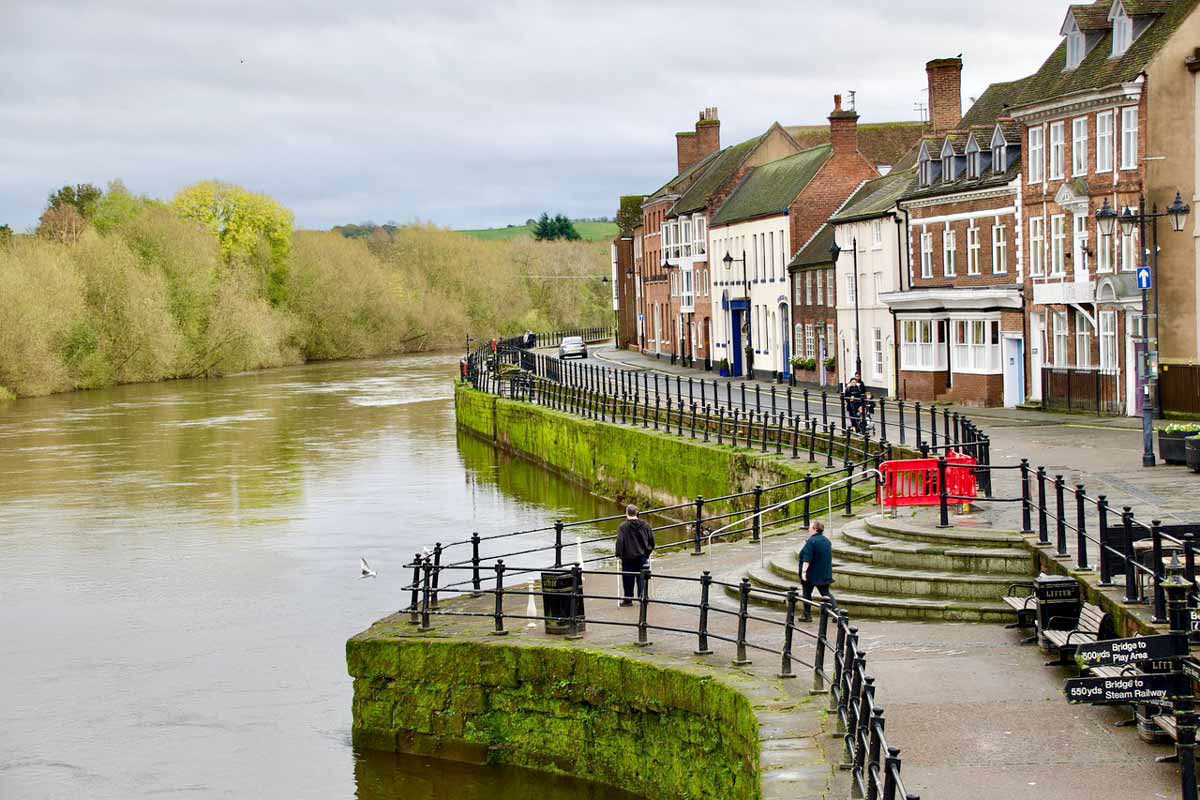
Those inclined to do so can also go on circuitous walks around the countryside, mostly fixated on the slow-moving Avon River. You may stroll across the Old Pershore Bridge, where you might spot that some of the brickwork in the middle is different. This is because the bridge was blown up in the civil war by retreating Royalists. The walk eventually takes you to Tyldesley Wood, an ancient woodland once belonging to Pershore’s monks, which still has the plum orchards that Pershore was best known for in the 19th century.
Planning a Visit to Worcestershire?
The above is just a snapshot of the rich and deep history of the county. We’ve skipped over the riverside town of Bewdley, the haunted history of St Kenelm’s Church and the Clent Hills, and numerous castle ruins. That’s not even touching on the shire’s industrial and agricultural heritage. Any visitor, though, will be richly rewarded by spending some time in this oft-missed county in the heart of England.