
World War I and World War II were two of the most devastating wars of modern times. Each caused lots of pain and desolation, leaving many people dead. However, World War II had significantly more injuries and casualties compared to World War I. To understand the difference in magnitude between the two conflicts, it is important to look closely at what happened in each war.
The Start of World War I
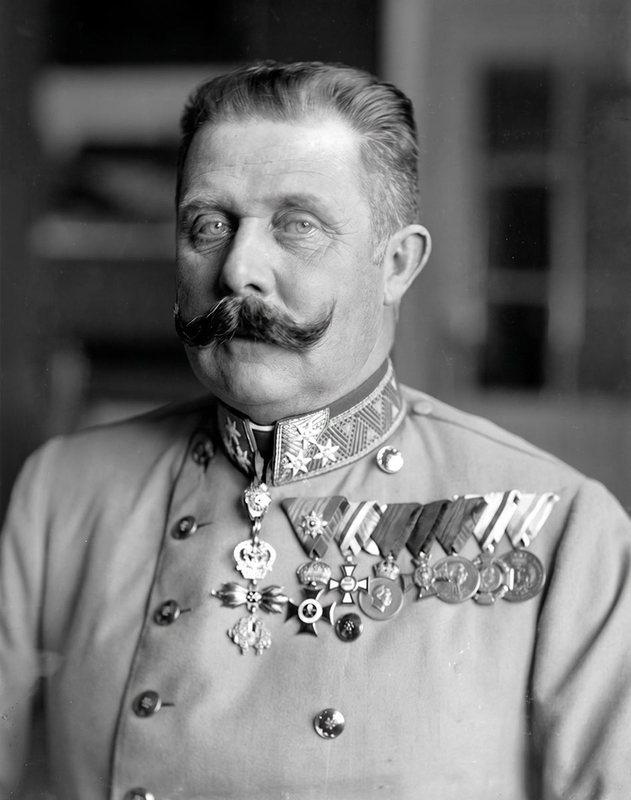
World War I was fought from 1914 to 1918 and was mostly in Europe. It started after Archduke Franz Ferdinand of Austria was killed in 1914. He and his wife, Sophie, were shot to death by a Bosnian Serb nationalist during an official visit to the Bosnian capital of Sarajevo on June 28, 1914. The killings sparked a chain of events that led to the outbreak of World War I by early August. The assassination led Austria-Hungary to blame the Serbian government. Austria-Hungary was also secretly intent on using the opportunity to achieve the Serbian nationalistic ambition of a bigger, stronger “Greater Serbia.”
At the time, Russia supported Serbia, and so Austria-Hungary waited until it received assurance of support from German leader Kaiser Wilhelm II, which came on July 5. Austria-Hungary subsequently sent an ultimatum to Serbia with some appended terms that were hard to accept. As major powers such as Russia, Britain, and Germany took sides, the fragile peace between the great powers broke down, and thus the First World War began.
How Many People Died in WWI?
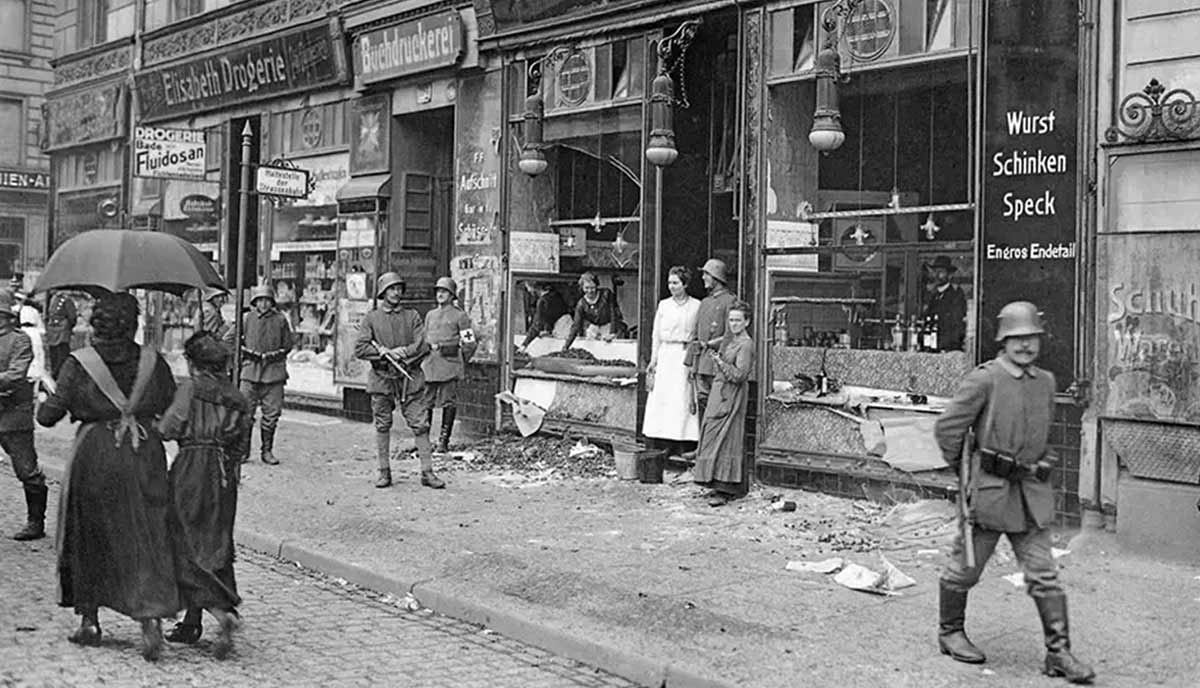
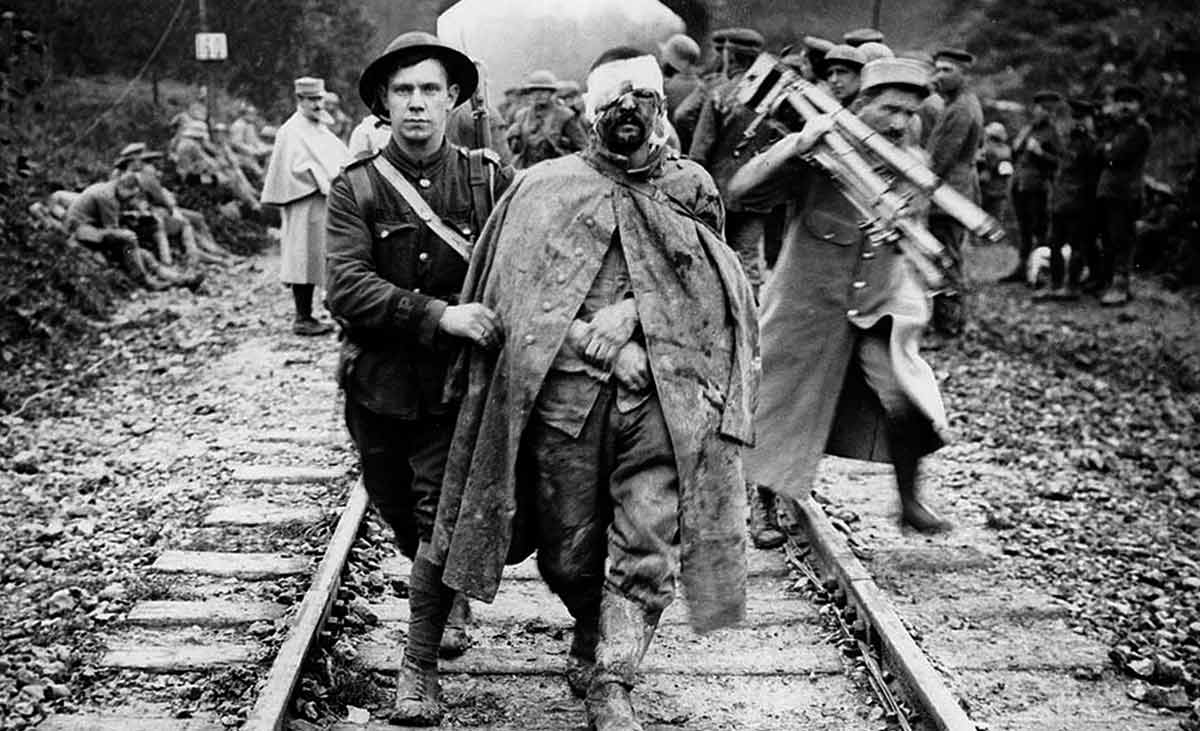
Approximately 20 million people died in the war. Around 10 million of them were soldiers. The rest were mainly civilians. Many more people were injured. In all, more than 21 million soldiers were injured. The poisonous gas, machines, and bombs used in the war caused a lot of casualties and devastation. Soldiers also fought in trenches, which were sometimes covered in mud and prone to adverse weather conditions. The inhumane conditions caused sickness and made war conditions exceptionally brutal.
For civilians, air raids and food supply shortages caused a lot of suffering, especially in cities that were affected by the fighting. Still, not as many regular people died in World War I as compared to World War II.
How Many Deaths and Injuries Occurred During World War II?
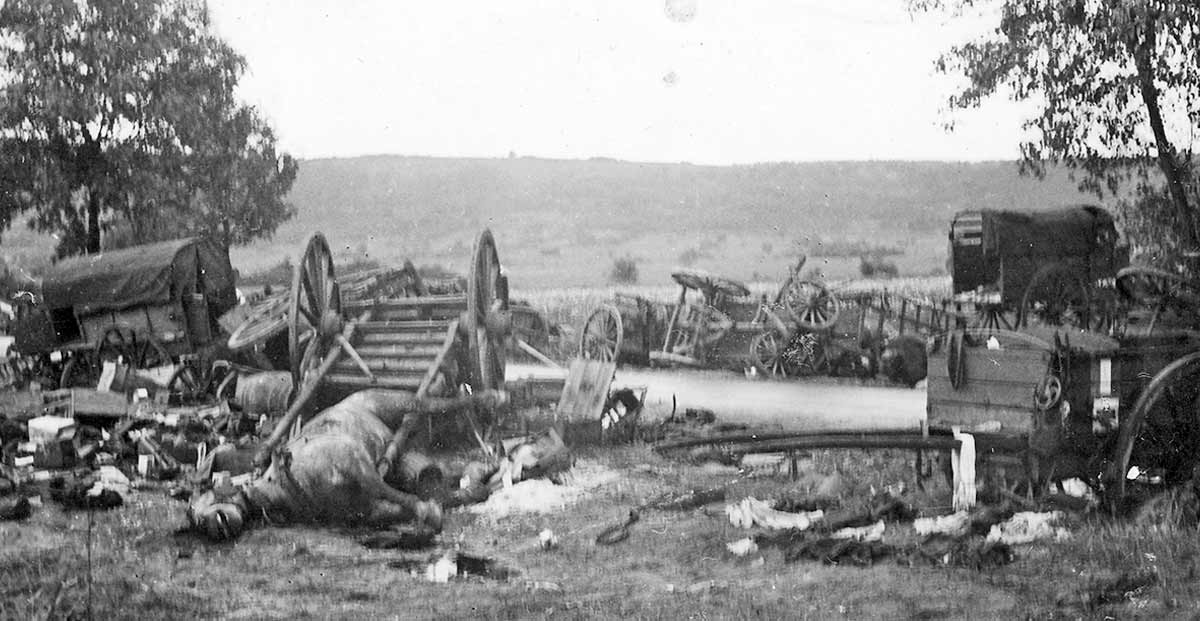
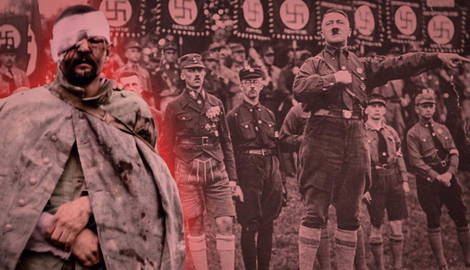
World War II, which occurred from 1939 to 1945, was much worse compared to World War I, as more countries participated in it. As such, the harm caused was greater. The war started when Germany, led by German Chancellor Adolf Hitler, attacked Poland in 1939.
Soon, the fighting spread to other nations in Europe, Africa, Asia, and the Pacific. It is thought that approximately 50 to 85 million people died during the war, making it the most devastating conflict in the history of the world. This number includes about 25 million soldiers and 50 million noncombatants. While it’s hard to know exactly how many people were injured, 10s of millions of people are estimated to have been affected by the war. That said, the Soviet Union had the highest number of casualties. The nation lost approximately 27 million people. The number includes about 8.5 million military personnel and approximately 19 million civilians.
Cruel techniques such as concentration camps also increased mortality rates. It was during this time that 6 million Jews were killed in Nazi concentration camps, which were part of Hitler’s “Final Solution” strategy, otherwise known as the Holocaust.
It was also during the war that America dropped atomic bombs on the Japanese cities Hiroshima and Nagasaki in August 1945, killing hundreds of thousands of people.
How the World Wars Ended
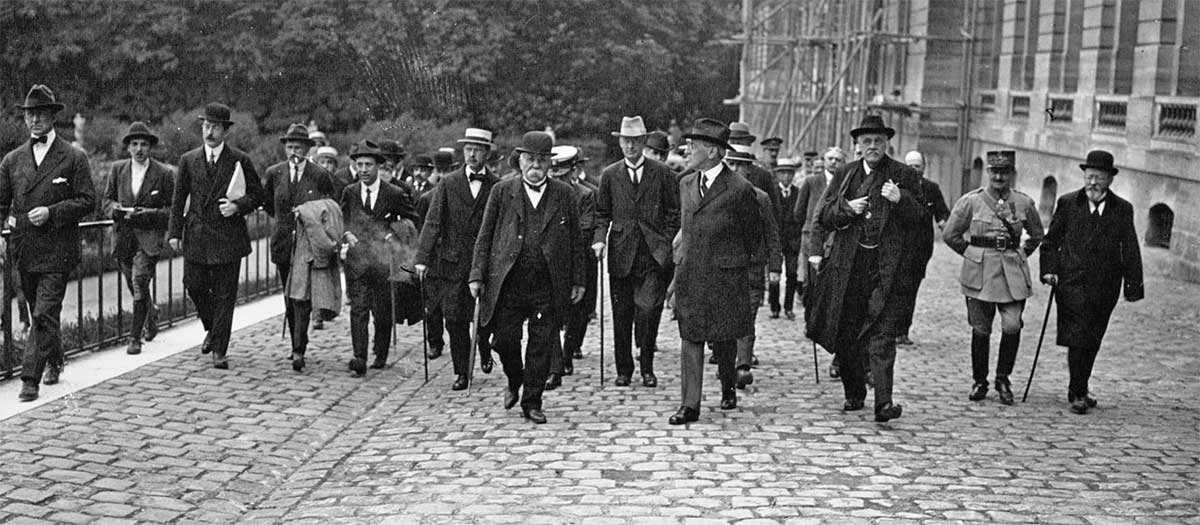
World War I ended in 1918 after four years of hard fighting. By then, Germany and Austria-Hungary, its main ally in the war, had been weakened. Its army was shrinking due to fatalities, and supplies were scarce. At the same time, the countries fighting against Germany, such as Britain, France, and the United States, were getting stronger, especially after America joined the war in 1917. Germany knew that it couldn’t win, and so it surrendered and signed the Armistice of 11 November 1918, which ended the fighting in the First World War. The war formally ended with the signing of the Treaty of Versailles in 1919.
World War II, on the other hand, ended in Europe with the capture of Berlin and German Chancellor Adolf Hitler’s demise. Germany formally surrendered on May 8, 1945. The day was christened V-E Day (Victory in Europe Day), while Japan continued to fight until September 2.