Those familiar with samurai history will be familiar with the phrase kyuba-no-michi, most often translated as “the way of horse and bow.” Samurai from their very beginnings back in the Heian Period of Japanese history, ranging from 794-1185 AD, were mounted archers who used the tachi for close combat. The yumi, however, was an asymmetrical longbow that formed the mainstay of the samurai arsenal for hundreds of years, occupying the same level of prestige as the English longbow.
It should also be noted that the yumi did not come into existence during the Heian Period, but instead much earlier, with mentions of it being made by visiting Chinese traders during the Three Kingdoms Period. Like all weapons, it had to evolve into the form we know today.
What is the Yumi?
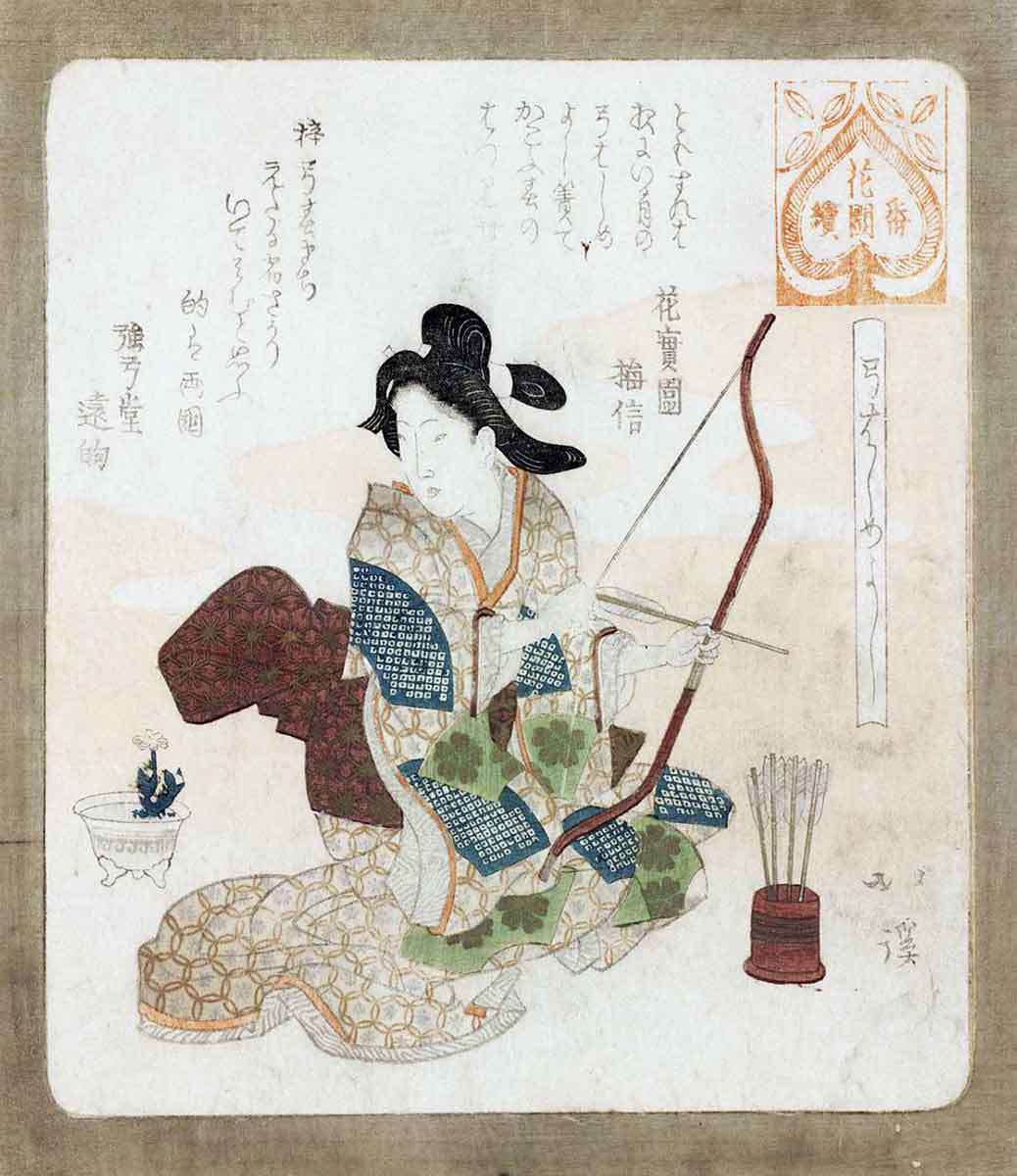
The yumi is the traditional longbow used by the samurai throughout most of their existence, but really, it is the word used to refer to any bow. When we refer to the yumi today, we’re talking about the most advanced form of the weapon, the yohonhigo, with a bamboo laminate core, bamboo back and belly, and hardwood sides. Yumi come in two broad categories: daikyu, which is the extremely large bow that we associate with the term; and hankyu, or “half bow,” seen in the image above.
The most obvious distinction of the yumi comes from its large size compared to similar bows: it could be over two meters (6.5 feet) long, likely much taller than the archer wielding it. The reason for the extra length was material constraints. Japan is poor in the natural resources that are used to make the more powerful composite bows used by, for instance, the Mongolian steppe archers. Wood and bamboo are what the Japanese had to work with mostly, and those materials are not as strong. To enable heavier draw weights that would be effective in warfare, they had to make the bows longer so that the recoil force would be distributed over a wider area, as well as greater draw lengths, which provided more acceleration to the arrow upon release.
Why the Asymmetry?
The other visually striking element of the yumi is its unusual shape: where most bows have the grip situated at the center, the grip of the yumi is a third of the way up the bow, making the upper portion twice as long as the lower. One of the most commonly held theories maintains that the unusual grip location was meant to allow the archer to switch between firing to the right or the left more easily while mounted. However, the earliest yumi date to before horses were widely used in warfare. Also, the o-yoroi armor worn by Heian and early Kamakura-period samurai had extra protection on the left, indicating that they would fire primarily to the left side.
Instead, the grip position is at a vibration node on the bow, meaning that the recoil causes little if any vibration in the user’s hand or arm. This helps to keep the archer’s aim steady. Also, the grip of the bow naturally aligns with the anatomy of the hand, wrist, and forearm, making it less tiring or stressful on the wrist to shoot for long periods like during a battle.
Finally, the Japanese value asymmetry in their art and culture, and even though the shape of the bow is what it is for practical reasons, it became ingrained in aesthetic values, and many yumi are also seen and treated as works of art rather than just weapons.
Materials
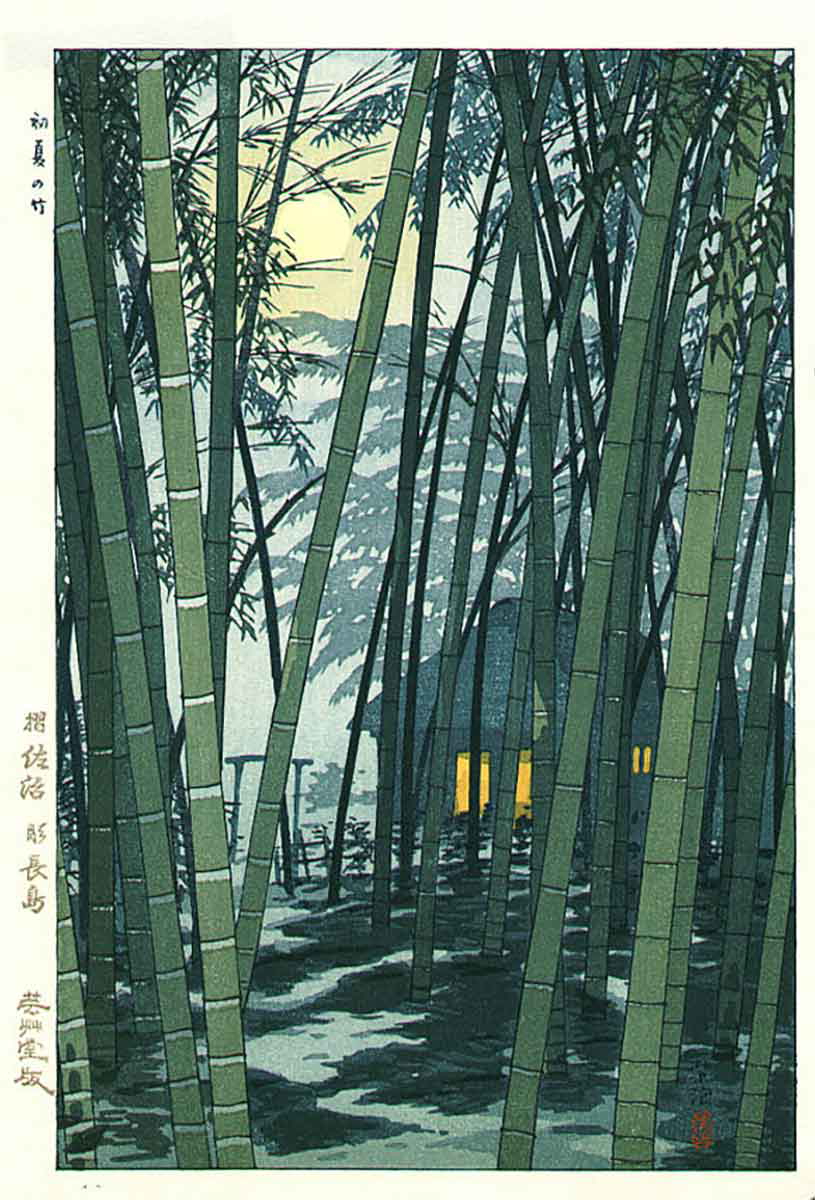
The yumi is made of bamboo, hardwood, and leather. The earliest yumi were self bows, which is the term used to describe bows made out of a single piece of material, which was wood. Most often, it was yew, waxwood, or maple. Later, bamboo became an integral part of the bow, often used as a laminated surface to impart more strength and flexibility to the wood core.
Rattan strips and leather are also present: rattan windings around the yumi help to add even more strength and durability to the structure, while leather was most often used to make the nigiri, or grip. Rattan could also be used to denote the skill or rank of the archer who owned the bow.
In modern times, yumi can be made from synthetic materials such as fiberglass, making them last longer, but they aren’t considered as aesthetically pleasing or as responsive.
Crafting the Bow
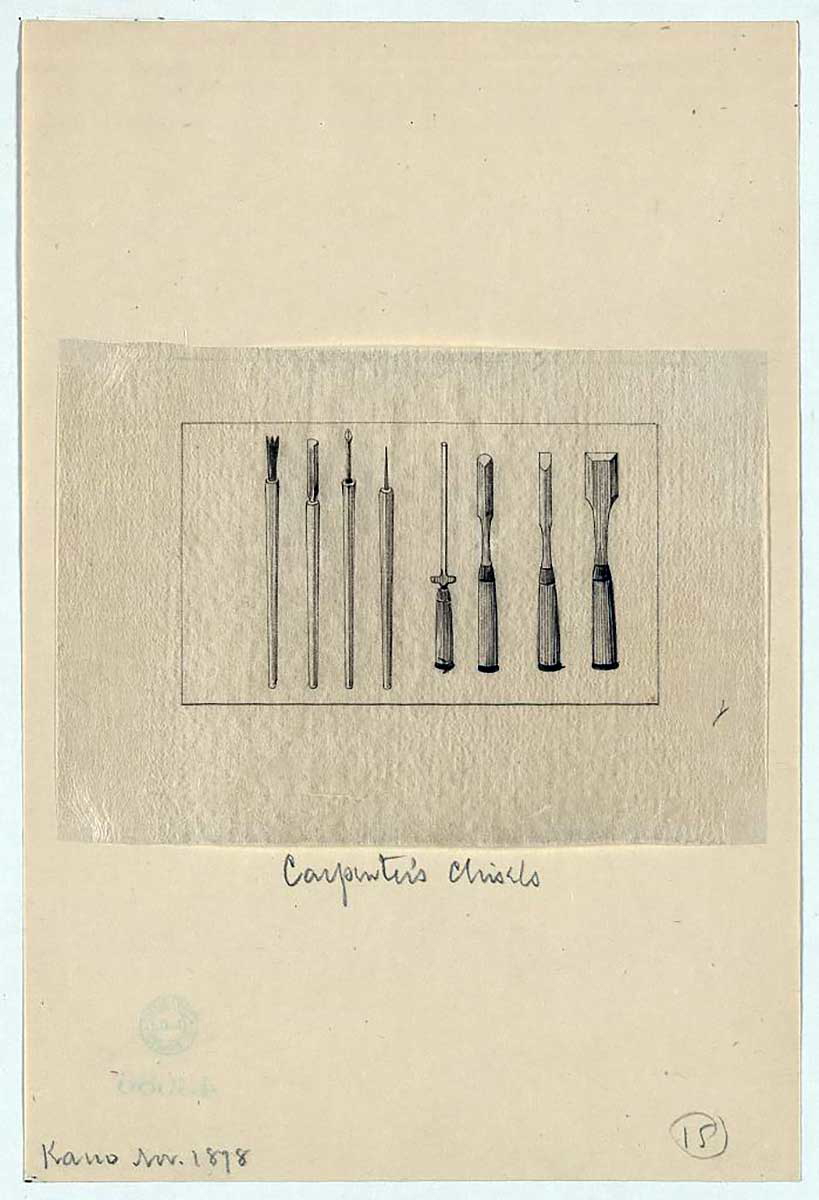
The bowyer first goes to collect madake bamboo that has been growing for at least five years; this allows it to grow enough to have the strength and flexibility required to make an acceptable yumi. Each stalk makes a single bow. The bowyer has to carefully select for uniform node length and straightness of the stalks. Winter is the best time to harvest, because there is less moisture in the bamboo.
Once the bamboo is harvested, it is cut into four pieces lengthwise and allowed to dry for the next several months. Meanwhile, they select already-harvested bamboo that has undergone a smoking process that can last for over five years. The pieces get shaven down to tiny strips because no two pieces of bamboo are alike; there are no uniform cross-section measurements. Additional pieces of bamboo are cut and glued to the back and belly of the bow, and wood is glued to the sides. Then the shaping process begins.
After wrapping the bow in overlapping crisscrossing knots, the bowyer inserts small wedges at each cross, hammering them into place and gradually bending the bow to take its final shape and letting it rest on a rack while the glue finishes drying. Once this is complete, the bowyer can put the string, which is made from hemp or silk, onto the bow. While the bottom of the bow has the string centered as would be expected, the top has the string slightly right of center.
Arrows and Arrowheads

The arrows, known as ya, of the yumi are made of steam-straightened bamboo, cut to different dimensions depending on the intended use. They are on average a meter long (3.2 feet), making them larger than the arrows most archers are familiar with using, but this is because the yumi has a longer draw length and the arrow has to be stabilized against the bow.
A variety of arrowheads, called yajiri, were made for specialized uses. The kaburi-ya, for example, was an arrowhead equipped with a whistle to frighten the enemy or call upon the favor of the kami. Karimata had a crescent-shaped head used for cutting ropes during naval warfare and was likely also used to hunt game. Meanwhile, watakusi were barbed arrows that would make gaping wounds, tearing off inside the body if the arrow was removed. Sankaku arrows were bodkin points designed to pierce armor. Fletching was traditionally made of the feathers of hawks, cranes, pheasants, or eagles, but if those were unavailable, they would use geese.
Shooting Technique
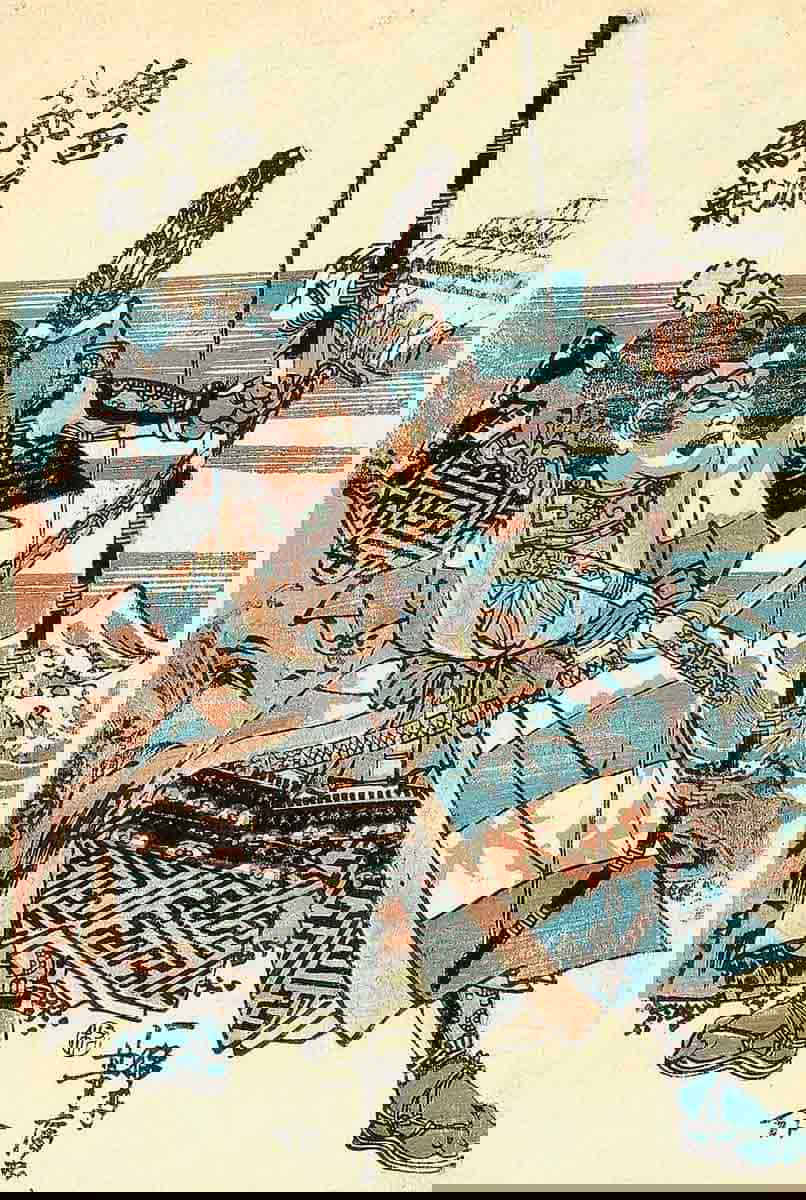
The archery techniques for kyudo are tailored for the unique design of the bow, and as such are different from what you might be used to if you practice Western archery. The foot position is similar to the open position, with the leading foot pointed at the target and the trailing foot pointing outward. The arrow is nocked to rest on the outside of the bow, helping to reduce the so-called archer’s paradox. After pointing the arrow at the target, they raise their arms into the air while keeping the bow straight and drawing the arrow as they bring the bow down to eye level. Because of the larger size of the bow and thus greater draw length, the arms are fully extended, with the thumb of the right hand hooked over the string. This grip enables a smooth, quick release.
Because the yumi has its string off-center, the recoil causes the bow to naturally twist in the wrist. When coupled with the loose grip used by kyudoka, the bow’s momentum causes it to spin all the way around so the arrow does not make too much contact with the bow, allowing it to fly in a straighter path, rather than having to curve around the bow and correct its path back to the target.
Buying a Yumi

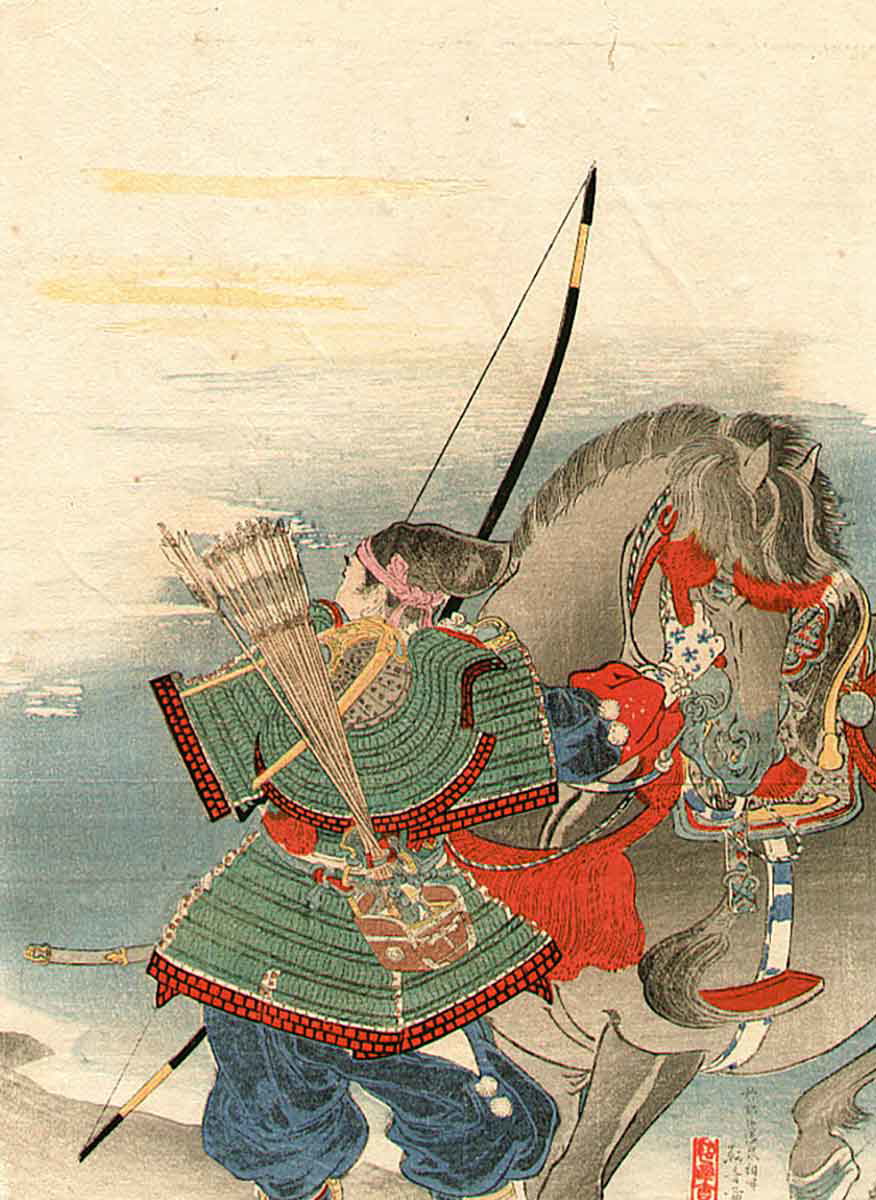
If you want to learn kyudo and buy a yumi for yourself, it is important to get the proper measurements. To find your draw length, called yazuka, stand upright and hold your left arm parallel to the ground with your fingers extended. Measure from the tip of the middle finger to the center of your body. The length of the yumi should be roughly two and a third times greater than this measurement, and the arrows should be anywhere from 10 to 15 centimeters (4 to 6 inches) longer than the draw length. As you can see in the image above, the samurai on horseback is at full draw. If you go to an archery shop that sells yumi, have the seller take your measurements and help you select the bow that is the right size for your body.
If you prefer to shop online, treat the purchase with the same caution you would anything else online; yumi can be expensive. Check the seller’s reviews independently of the main site, if possible, and familiarize yourself with any warranties or return policies. For beginners or for those on a budget, it might be worth getting a synthetic yumi, but if you plan to join a kyudo or kyujutsu school, they may require you to own a traditionally-made bow.