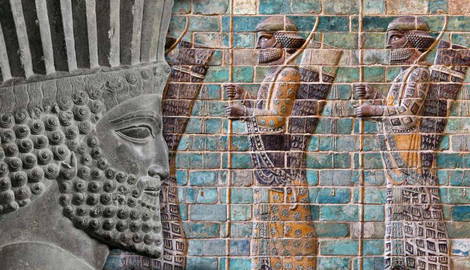
The Achaemenids were the Kings of Persia between the 6th and 4th centuries BC. They ruled over the largest empire the ancient world had ever seen, which stretched from the Indus River in the east to the Balkan Peninsula in the west. Arranged chronologically, these are the twelve men who held the title “King of Persia” from the founding of the Achaemenid Empire, through the Greco-Persian Wars, to its fall at the hands of Alexander the Great.
Rise of the Achaemenid Empire (6th Century BC)
1. Cyrus the Great (r. 550-530 BC)
The founder of the Achaemenid Empire, much of Cyrus’ life is shrouded by myth. He was the son of the king of the Persians and the grandson of the king of the Median Empire. Following the death of his father, he revolted against the Medes and was able to overthrow them. This led Cyrus down the path of a conqueror, and he embarked on a series of campaigns that saw Lydia, Western Anatolia, Elam, Babylonia, and much of Central Asia added to his domain. As King of Persia, Cyrus now ruled over the largest empire the world had ever seen.
Cyrus also embarked on administrative reforms and building projects. He famously allowed the Jewish people to return to Judea, thus ending the Babylonian captivity, and issued a general proclamation of freedom of worship and religious tolerance. He began the satrapy system to govern his kingdom and created the elite force of 10,000 Persian Immortals.
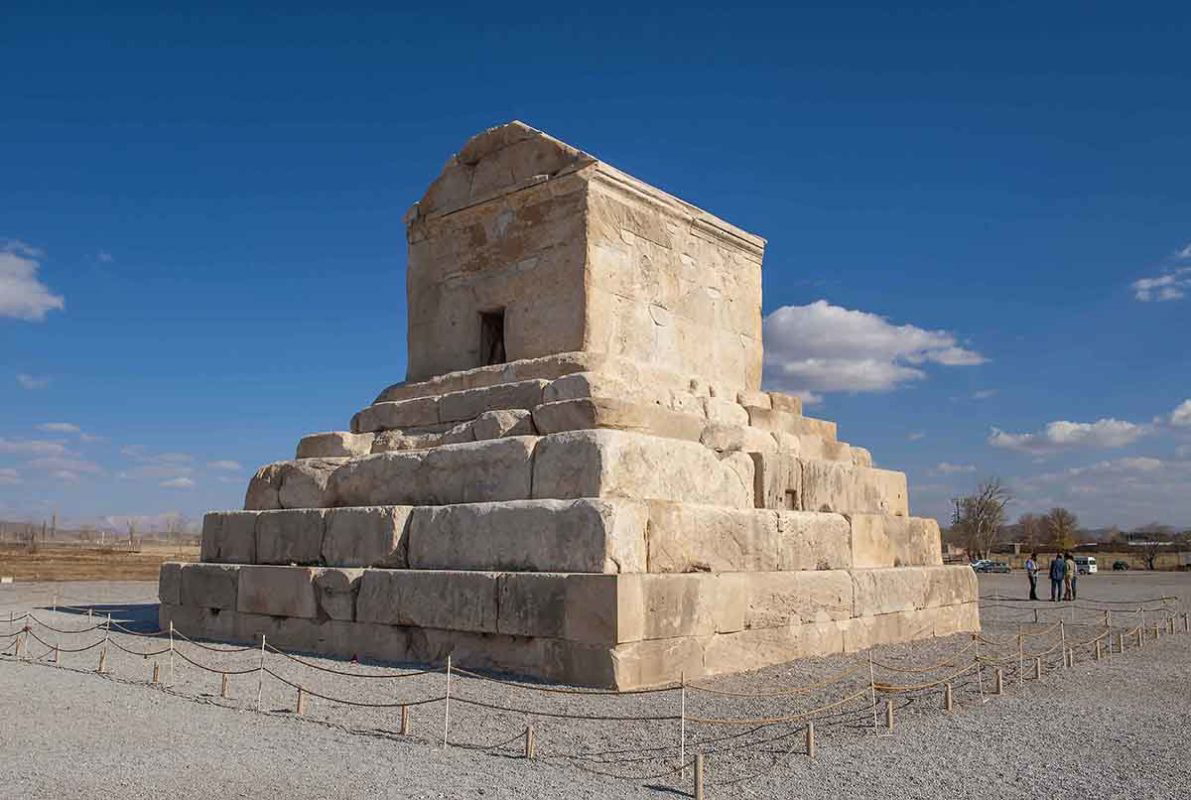
Cyrus met his death at the hands of the Massagetae, a nomadic tribe from Central Asia. After his death, he was buried in a relatively simple tomb, which belies his status as one of the most admired kings of Persia.
2. Cambyses II (r. 530-522 BC)
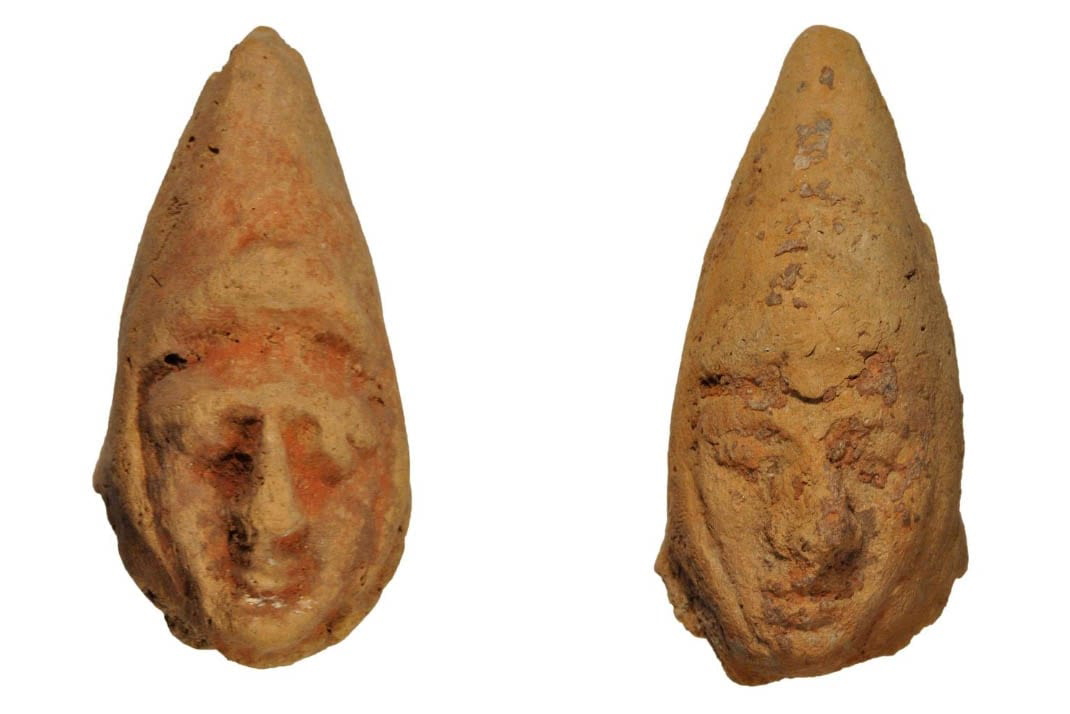
Cambyses II was the eldest son of Cyrus and his beloved wife Cassandane. After the conquest of Babylon in 539 BC, Cambyses was appointed governor of northern Babylonia; a position he held for just nine months before being dismissed for unknown reasons. He later participated in Cyrus’ ill-fated expedition against the Massagetae but was sent home before his father’s death.
As King of Persia, Cambyses soon came into conflict with Egypt, the last great power in the Near East. He worked to isolate Egypt from its allies in Greece and Caria, plus he seized Cyprus, which served as an important Egyptian base. He also worked to subdue the approaches to Egypt through the Sinai. Cambyses II launched his Egyptian invasion in 525 BC. Despite fierce resistance, he conquered the country after several months. Further campaigns added Cyrene and portions of Libya to the Persian Empire, but an invasion of Ethiopia failed.
Cambyses II assumed the title of Pharaoh and worked to reduce the power and privileges of the Egyptian temples, which earned him a reputation as a despot. In 522 BC, Cambyses hurriedly left Egypt to deal with a rebellion in Persia led by his younger brother Bardiya, or an imposter claiming to be Bardiya. On his way to deal with the rebellion, Cambyses received a wound on his thigh. It turned gangrenous, and Cambyses II died of an infection eleven days later.
3. Bardiya (r. 522 BC)
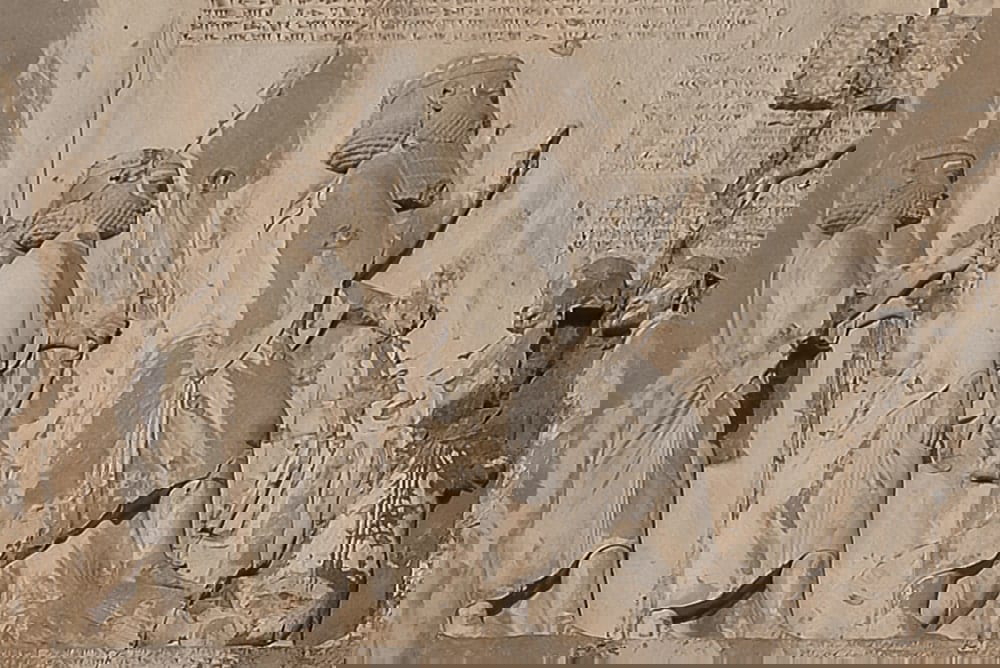
The son of Cyrus and brother of Cambyses II, Bardiya remains one of the most controversial kings of Persia. On his deathbed, Cyrus made Bardiya satrap of the eastern provinces, while Cambyses II became king. According to later sources, shortly before his own death, Cambyses II ordered Bardiya executed out of jealousy but kept it secret. While Cambyses was still away in Egypt, Bardiya, or a Median Magi named Gaumata pretending to be Bardiya, began a revolt in Media, which soon spread to other parts of the empire.
Cambyses II had been a despot, so Bardiya promised to remit all taxes for three years. He was greeted with open arms. Before Cambyses II could retaliate, he died of an infected wound, and Bardiya became the undisputed King of Persia.
A group of seven Persian noblemen then decided to overthrow Bardiya as they felt he favored the Medes. He had transferred the seat of government to Media. The seven conspirators murdered Bardiya at one of his fortresses in Media. To decide which of the conspirators would now become King of Persia, they lined up on their horses facing the rising sun. Whoever’s horse was the first to neigh and greet the sun would be king, which turned out to be Darius.
4. Darius I The Great (r. 522-486 BC)
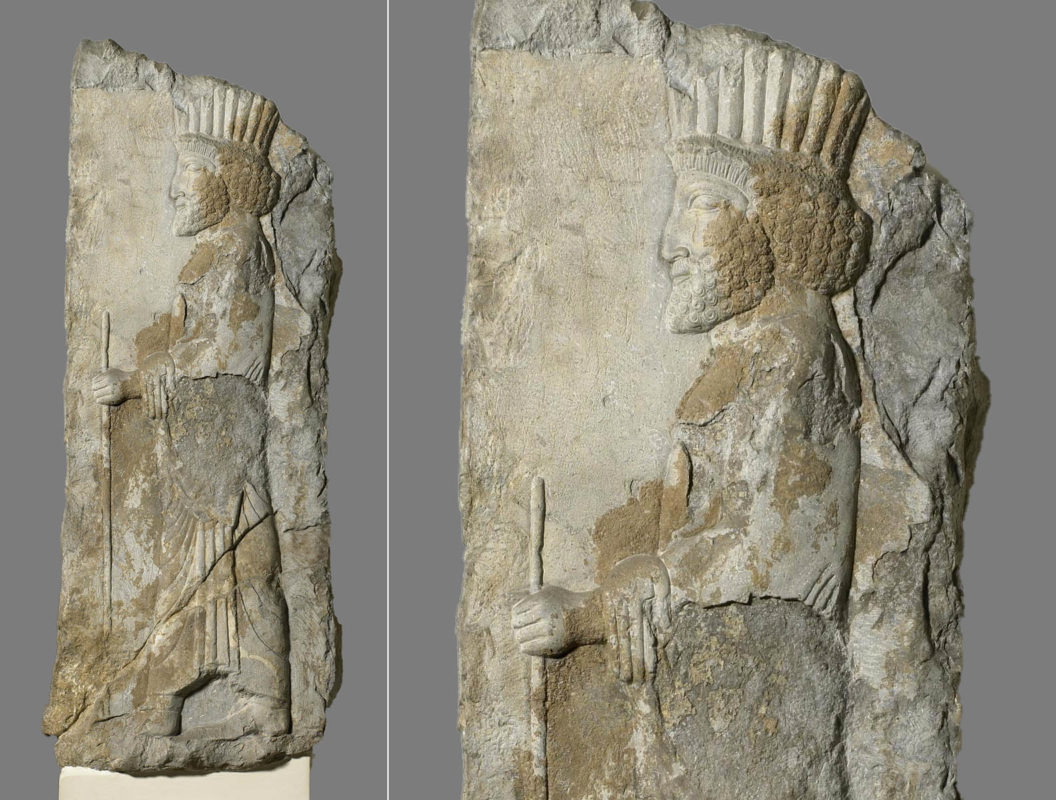
Darius I was the eldest son of Hystaspes, satrap of Bactria, and rose to become the personal spear bearer of Cambyses II. Originally from a much junior branch of the Achaemenids, the story of Darius I’s rise to power is hazy. After the death of Cambyses II, he reportedly orchestrated the assassination of Bardiya, or an imposter, with six companions. Following his ascension, Darius I faced revolts in Bactria, Babylonia, Elam, Media, Parthia, Assyria, and Egypt, which were suppressed with the aid of his co-conspirators.
Following this, Darius led several military expeditions to complete the annexation of Egypt and incorporate much of Central Asia and the Indus Valley into the Persian Empire. He also launched a major expedition against the Scythians, whom he pursued into Thrace, across the Danube, and around the Black Sea as far as the Volga River. After several months, he was forced to give up as the Scythians refused to give battle.
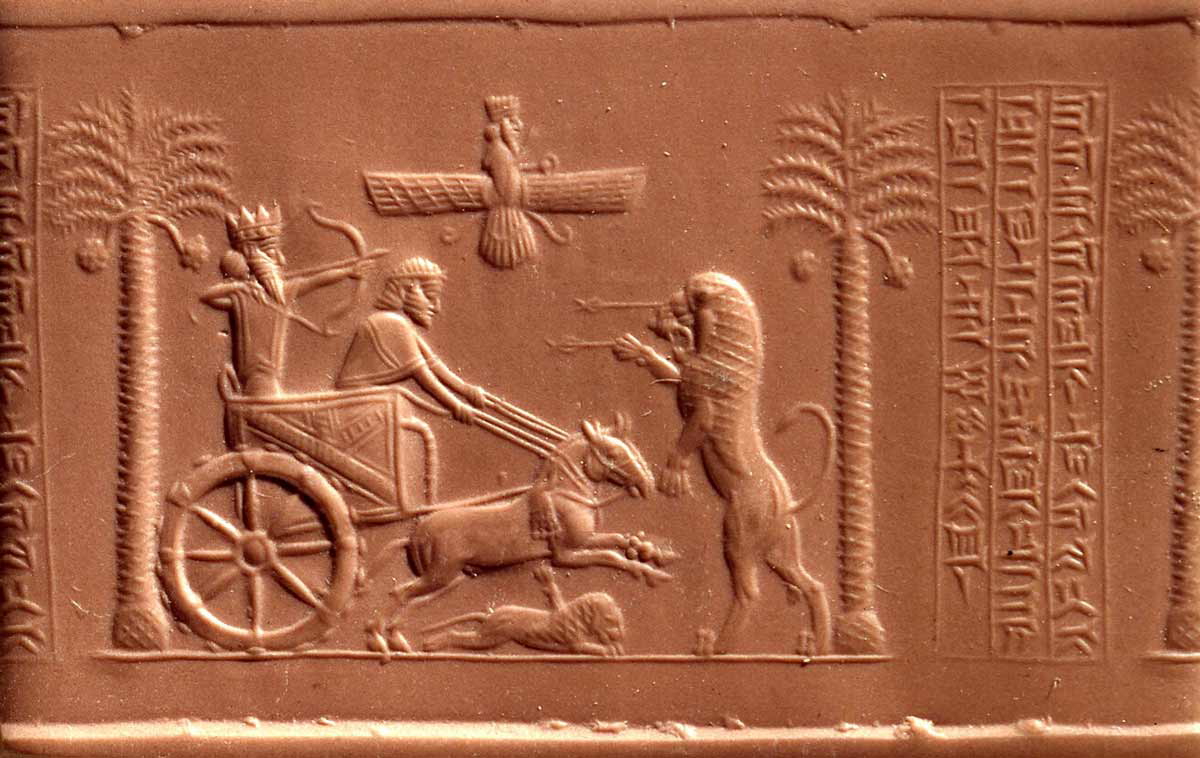
Darius I also incorporated Macedonia and several Aegean islands into his empire. In 499 BC, many of these rose in revolt, joined by rebels in Cyprus and Caria. With Athenian and Eritrean support, the rebels were able to fight until 493 BC. Darius I’s subsequent campaign to pacify and chastise the rebels and their allies culminated in the Persian defeat at Marathon in 490 BC.
Along with his military campaigns, Darius I carried out major reforms. He divided the empire into twenty satrapies and appointed governors with broad powers to oversee them, created a bureau of royal inspectors, set up a chancery with many branches, established a universal currency, built a system of royal roads and canals, instituted a new tax system, and built numerous temples and palaces throughout the empire. Darius I is also the first King of Persia known to have been a firm believer in Ahura Mazda, the supreme deity of Zoroastrianism.
Greco-Persian Wars (5th Century BC)
5. Xerxes I (r. 485-465 BC)
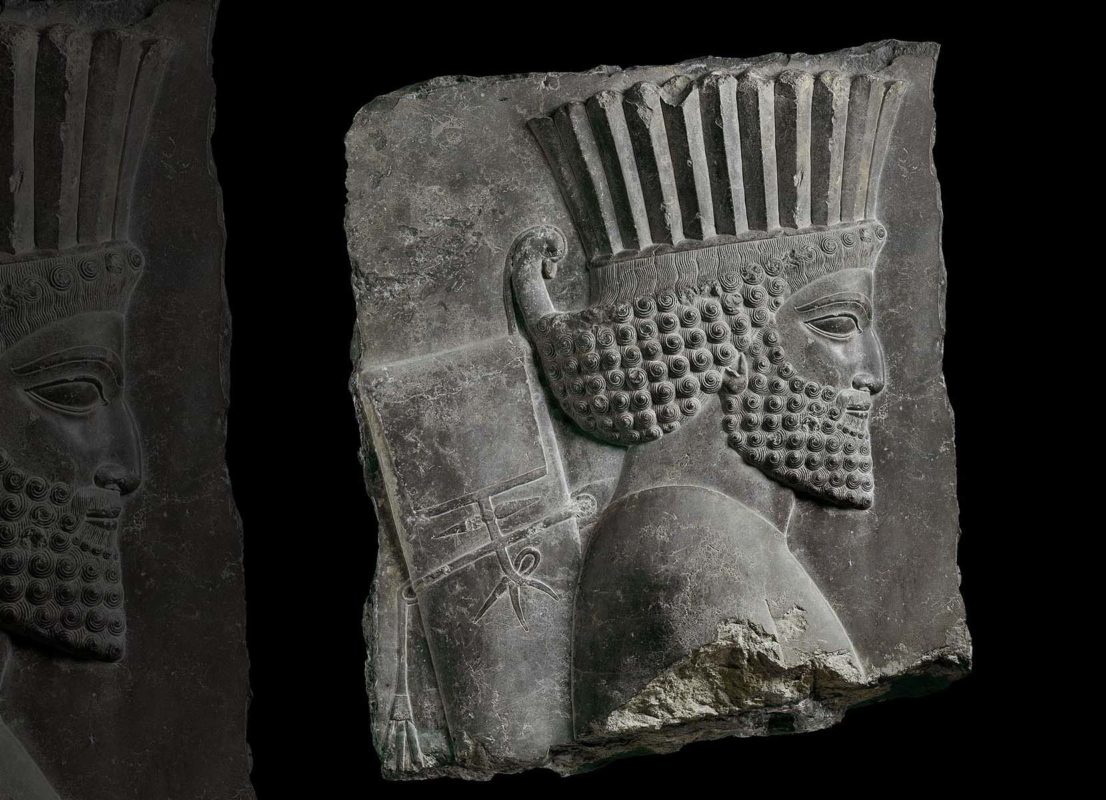
The son of Darius I and Atossa, the daughter of Cyrus, Xerxes was named as his father’s successor prior to an expedition against rebels in Egypt. Though not Darius’ eldest son, his mother’s lineage boosted his claim. After becoming king, Xerxes ruthlessly suppressed revolts in Egypt and Babylonia before turning his attention to Greece.
Xerxes spent three years gathering supplies and soldiers from across his empire, while also preparing roads and canals to assist the passage of his army. After brief delays and the loss of part of his fleet at Thermopylae and Artemisium, Xerxes was able to capture and burn Athens. However, a reverse at the battle of Salamis and word of unrest in Babylon caused Xerxes to withdraw.
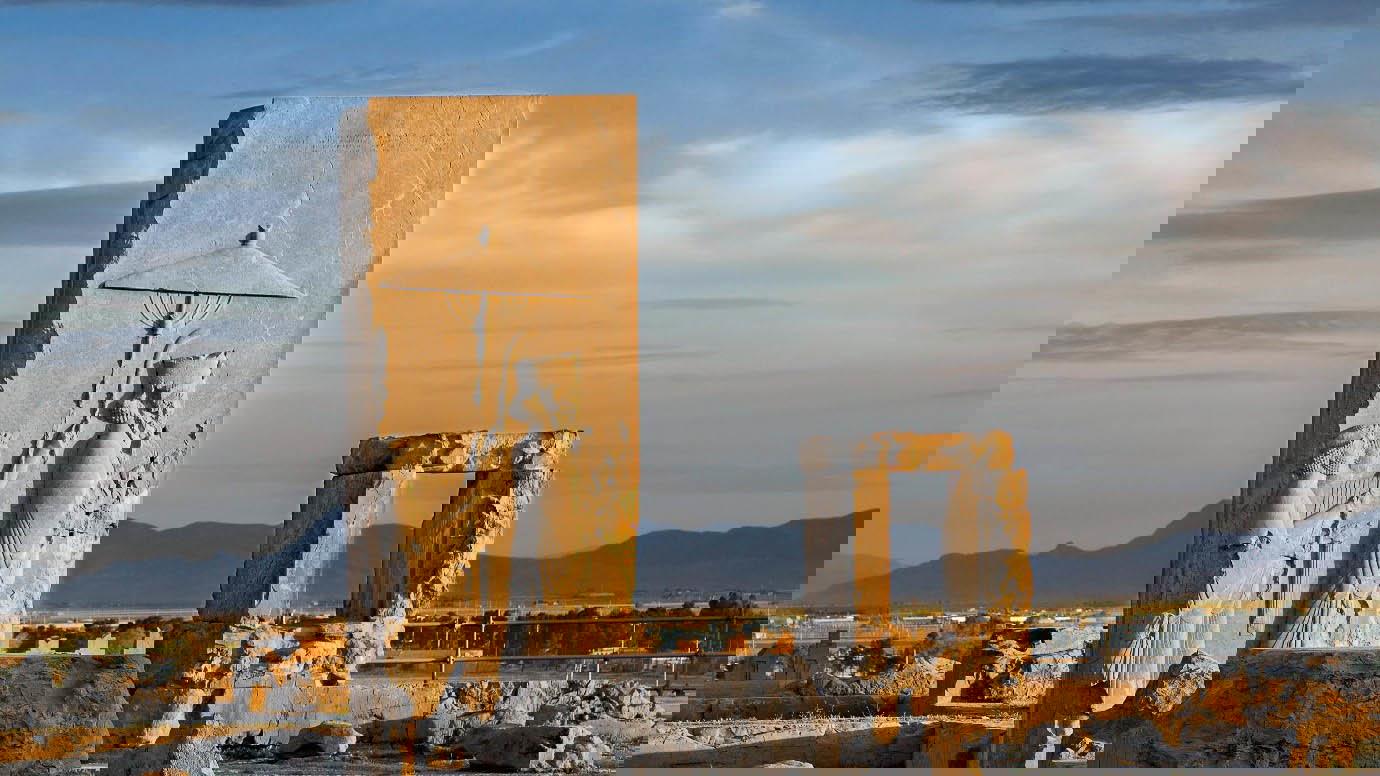
A second Persian defeat at Plataea in 479 BC ended Xerxes I’s invasion of the Greek mainland, but fighting spread across the Aegean and into Egypt and Cyprus. Known as the War of the Delian League, this conflict would rage on from 477 to 449 BC. But Xerxes returned to Persia, where he oversaw the completion of a number of large building projects.
In 465 BC, Xerxes I was assassinated by Artabanus, commander of the royal bodyguard. Artabanus has won the support of the harem and religious leaders of the court. Artabanus had placed his seven sons in key positions throughout the empire in a bid to dethrone the Achaemenids. The plot failed after the general Megabyzus threw his support behind Xerxes I’s son, Arses.
6. Artaxerxes I (r. 465-424 BC)
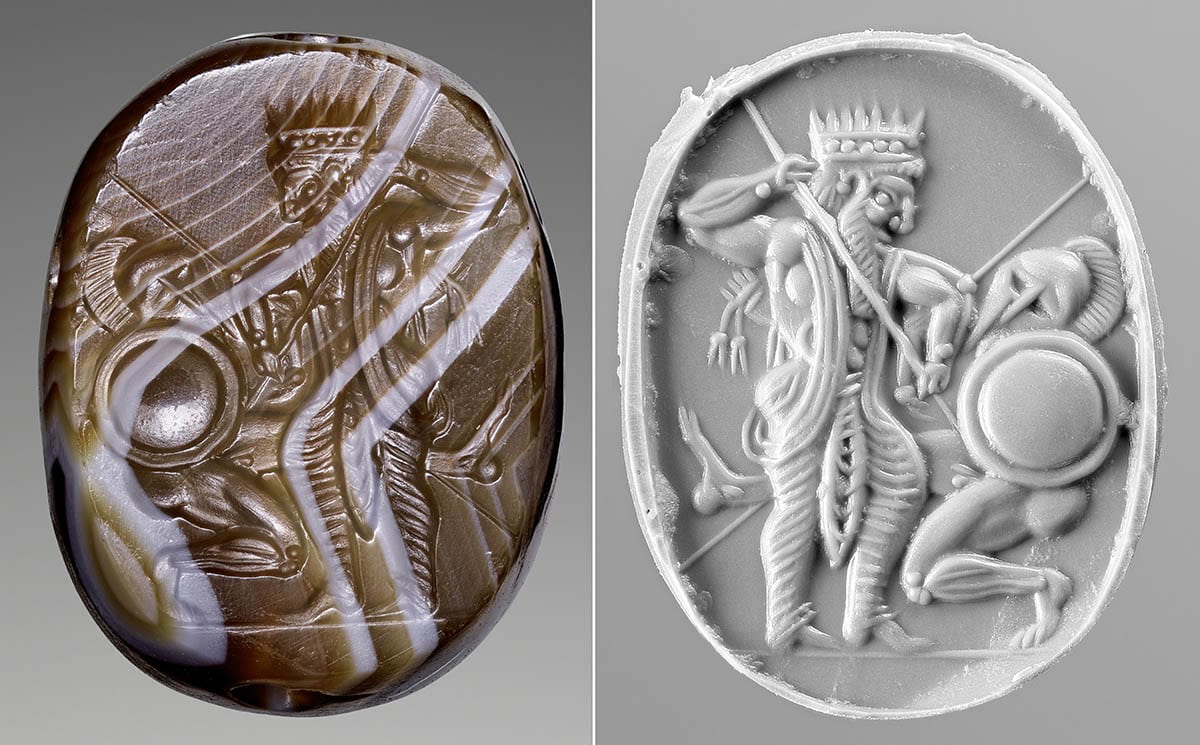
Arses was the third son of Xerxes I and ascended the throne as Artaxerxes I. As well as inheriting the war with Greece, he was immediately faced with a major revolt in Egypt (460-454 BC), led by a Libyan prince with Athenian assistance. Unable to make much headway militarily on either front, he began the practice of providing funds to play each Greek state off against each other. By 449 BC, Artaxerxes was able to conclude the Peace of Callias with Athens and Argos.
Artaxerxes I also provided sanctuary to Themistocles, an architect of the Greek victory of Salamis, after his exile from Athens. Themistocles so impressed the king that he was granted command of several cities in Asia Minor.
7. Darius II (r. 424-404 BC)
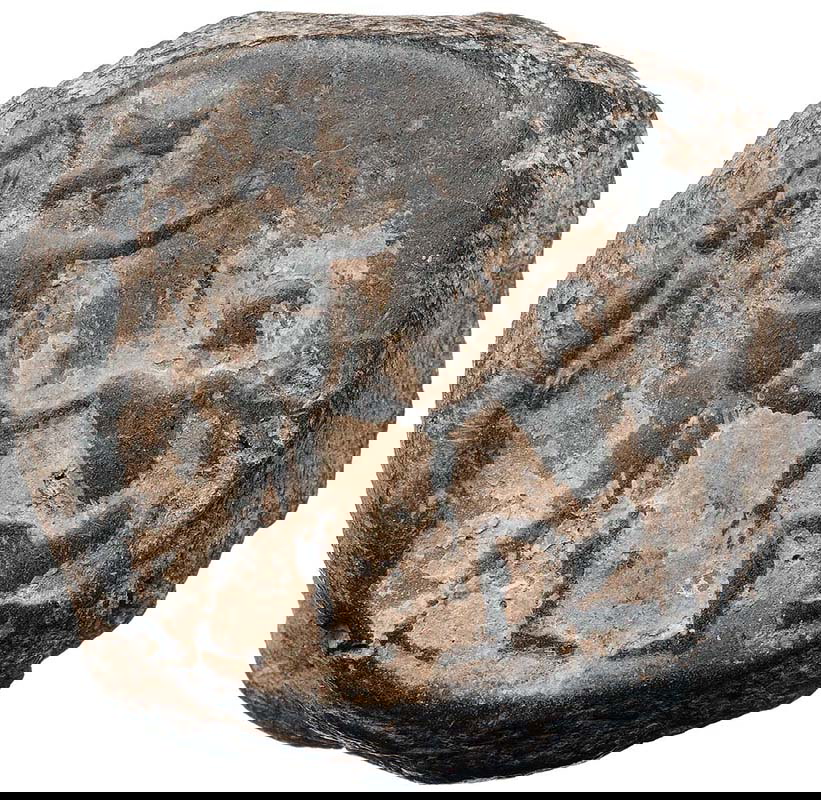
Following the death of Artaxerxes I, his son Artaxerxes became Xerxes II, but only ruled for 45 days. He was murdered by his brother Sogdianus, who, in turn, was murdered by his illegitimate half-brother Ochus after a reign of roughly six months. Ochus had been the satrap of Hyrcania, and after killing his brother Arsites, who had attempted to emulate his example, took for himself the name Darius II.
Not much is known of the reign of Darius II, as he generally kept out of Greek affairs until the Athenian defeat at Syracuse. Following this event, and annoyed that the Athenians had supported rebels in Anatolia, he sent his satraps against the Greek cities of Asia Minor, which had previously enjoyed Athenian protection. He also offered financial support to the Spartans, which was critical to their efforts against the Athenian fleet at the close of the Peloponnesian War.
Expansion and Fall (4th Century BC)
8. Artaxerxes II (r. 404-358 BC)
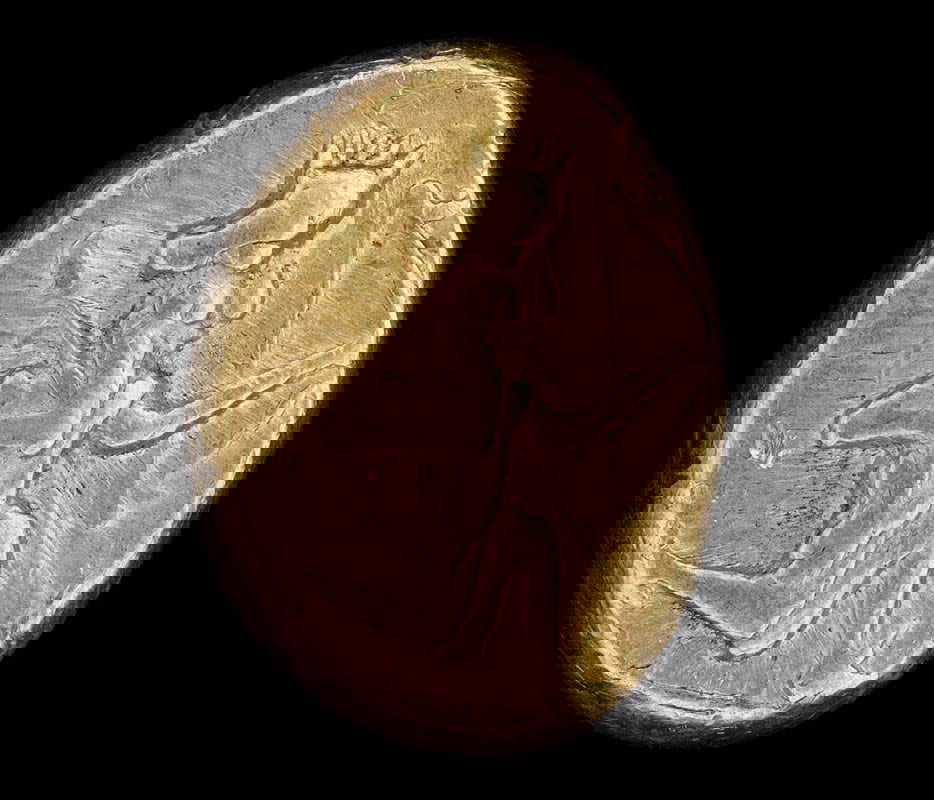
Shortly after the death of his father Darius II, Arsaces became king as Artaxerxes II. He faced a rebellion led by his younger brother Cyrus, who had risen to great fame while campaigning in Asia Minor. Cyrus led a large army bolstered by 10,000 Greek mercenaries, including the historian Xenophon, who left an account of the expedition.
While Antaxerxes won the internal conflict, Cyrus’ rebellion left him too weak to directly confront the Spartan king Agesilaus II’s invasion (396-387 BC), forcing him to instead subsidize their enemies in mainland Greece. He also had to deal with a rebellion in Egypt, which began at the beginning of his reign and had, by 380 BC, seen the Egyptians declare independence. A failed attempt to reconquer Egypt led to a series of revolts by the various satraps of Anatolia between 372 and 362 BC, which were eventually put down. But his rule continued to be threatened by regular plots within his harem, which led to the deaths of many of his beloved sons. The sources claim he had 115 sons.
9. Artaxerxes III (r. 358-338 BC)
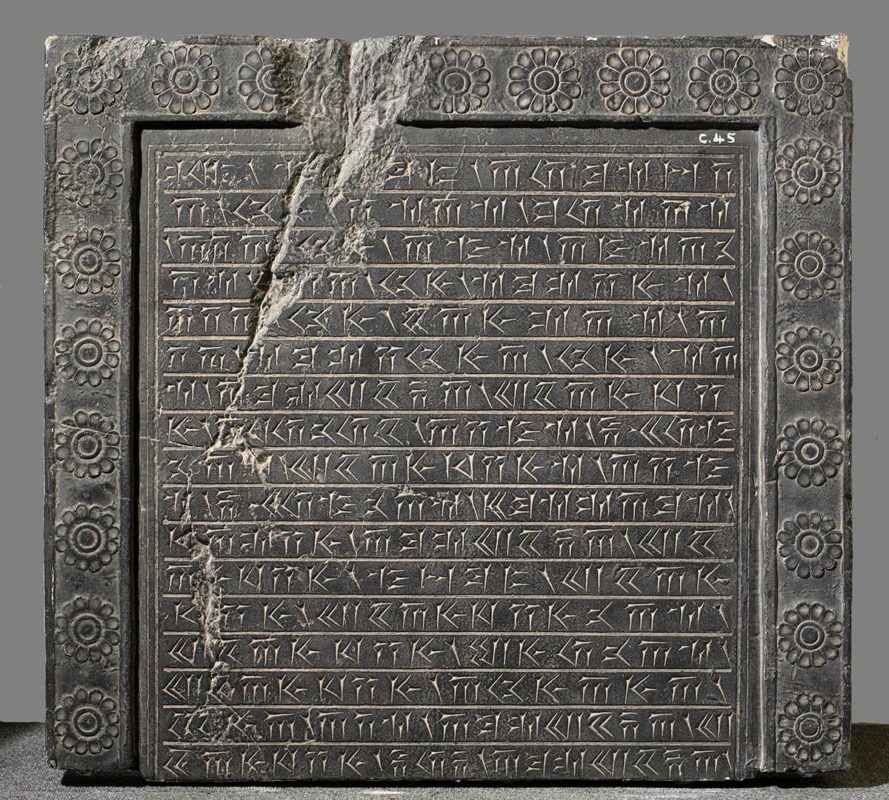
Ochus was a younger son of Artaxerxes II and satrap of Phoenicia who ascended the throne as Artaxerxes III, largely because his older brothers had all been eliminated in various plots. To secure his position, Artaxerxes III executed around 80 of his family members.
Most of his reign was spent dealing with rebellions across his empire. After making peace with Athens, he attempted to disband the powerful satrapal armies of the Anatolian satraps; the ensuing revolt took two years to put down. Artaxerxes III then turned his attention to the reconquest of Egypt, but was defeated. This massive defeat led to revolts in Anatolia, Phoenicia, and Cyprus. It took seven years to reassert control. Once he had, it was time for another attack on Egypt, this time successfully.
Once Artaxerxes III had dealt with these rebellions, he set about solidifying his power and rewarding his followers. None rose as high as the eunuch Bagoas, who was given vast estates and rose to the position of vizier. Artaxerxes also extended his influence into the Aegean, conquering many islands, and into Thrace, where he subsidized friendly princes. However, when Artaxerxes sought to curb the power of Bagoas, the vizier poisoned the king and much of his family.
10. Artaxerxes IV (r. 338-336 BC)
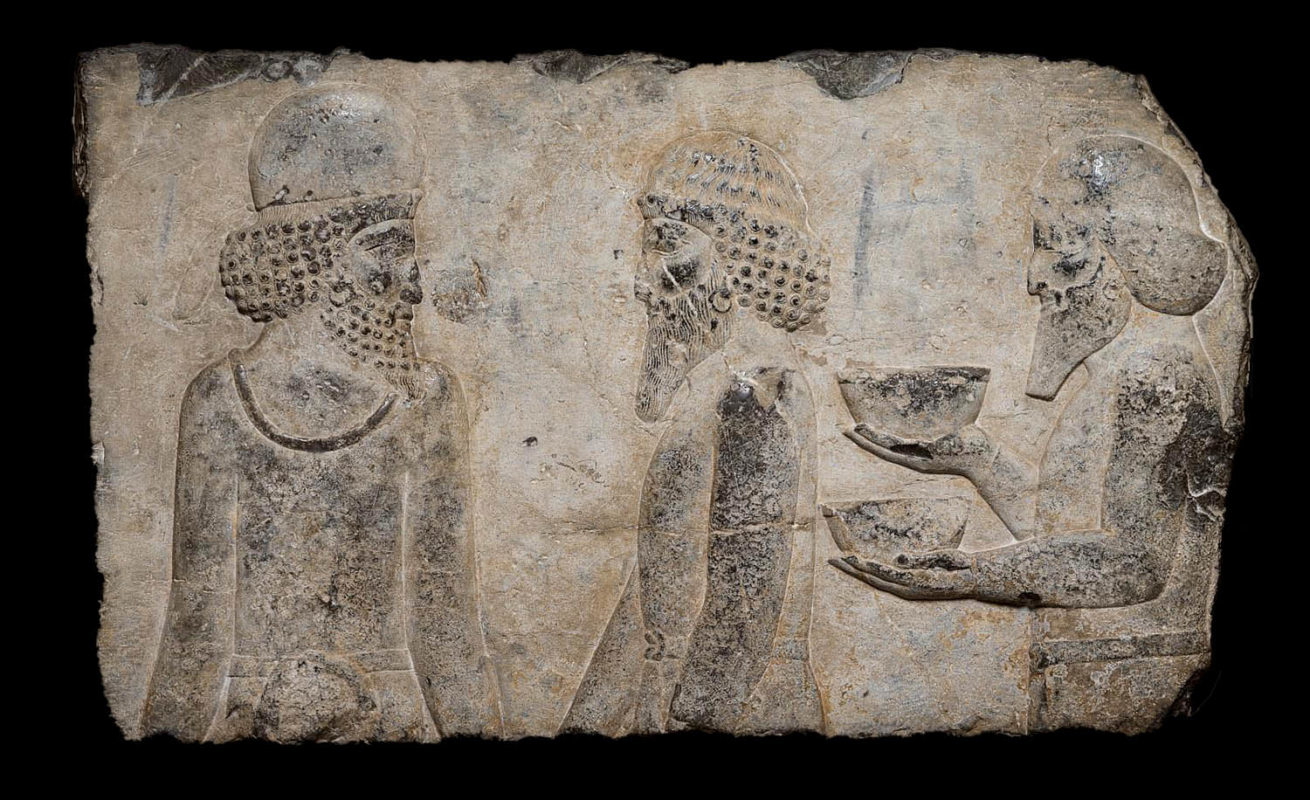
With the death of Artaxerxes III, his only surviving son, Aršaka, became king as Artaxerxes IV. This sudden change in leadership, along with the youth and inexperience of Artaxerxes IV, weakened the Achaemenid Empire. Seizing upon this weakness, Philip II of Macedon demanded that the King of Persia pay reparations for Achaemenid support of his rivals. When Artaxerxes IV refused, Philip sent 10,000 troops into Asia Minor in 336 BC. At the same time, the King of Persia attempted to rid himself of Bagoas. He poisoned Artaxerxes IV and the rest of his family in response.
11. Darius III (r. 336-330 BC)
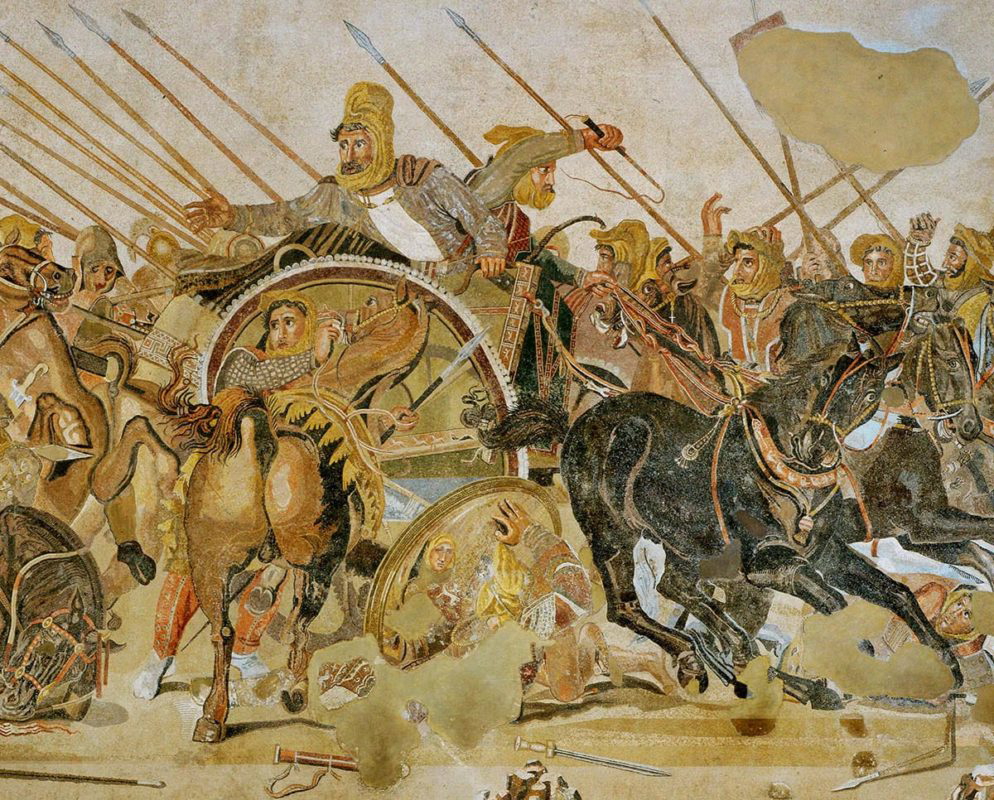
The last of the official Kings of Persia, Darius was originally from a more junior branch of the Achaemenid royal family and went by the name Artashata. Prior to becoming king, he had distinguished himself in a combat of champions, served as a royal courier, was appointed satrap of Armenia, oversaw the entire Achaemenid Postal System, and became one of the king’s “friends” at court. Following the murders of Artaxerxes III & IV, Artashata was made king and adopted the name Darius III. He quickly demonstrated his independence and forced Bagoas to drink the poison he had intended for Darius III.
Almost immediately, Philip of Macedon invaded Asia Minor and “liberated” a number of Greek cities in the region. Following Philip’s assassination, his son, Alexander the Great, renewed the campaign. Darius III hoped that the local satraps could deal with Alexander while he fomented rebellion in Greece and used the Persian fleet to cut Alexander’s supplies. When this failed, Darius faced Alexander in battle at Issus in 333 BC and Gaugamela in 331 BC, and was disastrously defeated on both occasions. Having twice fled the battlefield, Darius III was betrayed and killed by his remaining satraps; one of whom then assumed the title “King of Persia.”
12. Artaxerxes V (r.330-329 BC)
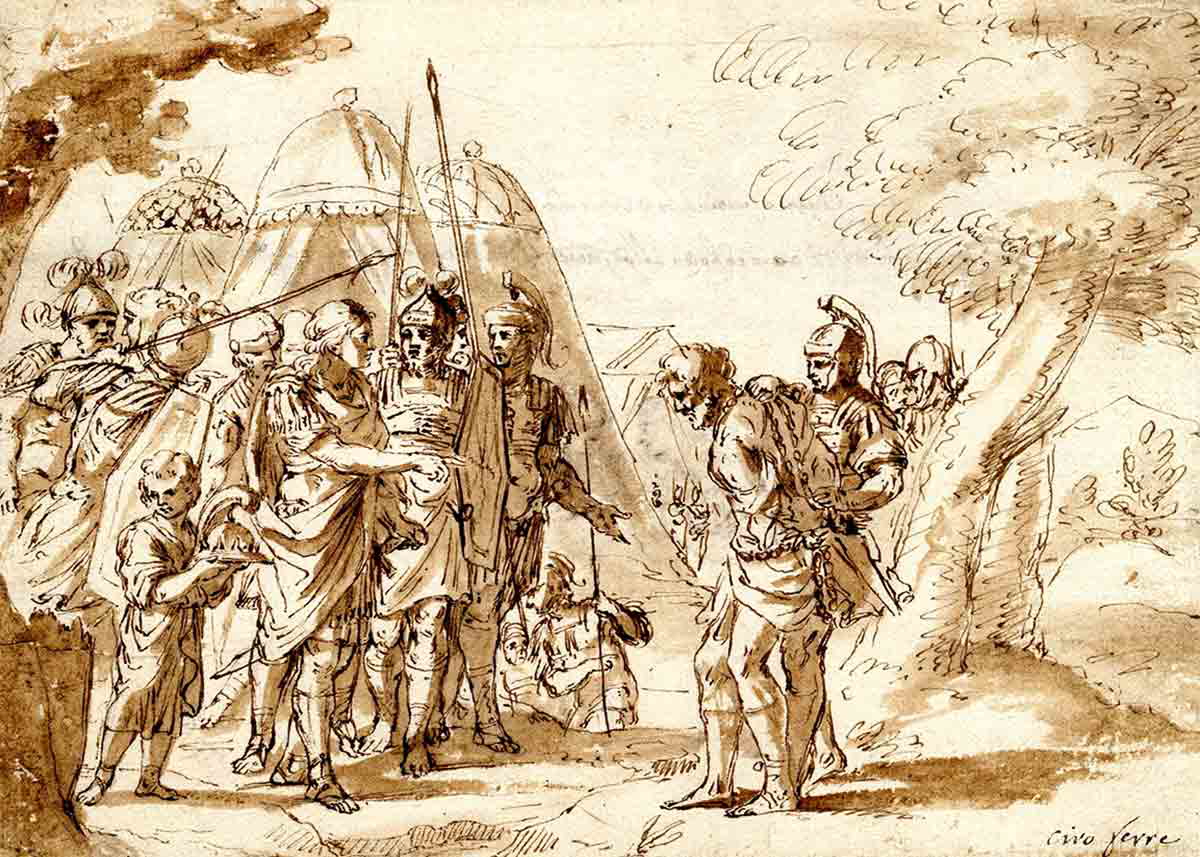
Unlike the other Kings of Persia, Artaxerxes was a self-proclaimed leader. He was originally the satrap of Bactria named Bessus. A relative of Darius III, he had commanded the left wing of the Persian army at the Battle of Gaugamela. The following year, he and his fellow satraps betrayed Darius III, placing him in golden chains. It may have been their intention to offer Darius III to Alexander, or perhaps they were simply disillusioned with his leadership. However, the rapid approach of Alexander’s army caused the satraps to panic. Darius III was stabbed and left dying on the road. Bessus immediately proclaimed himself king, since as satrap of Bactria, he was next in the line of succession.
Bessus took the name Artaxerxes V and fled to the few provinces in Central Asia not yet captured by the Macedonians. As Artaxerxes V continued his retreat, he was abandoned by his troops. Eventually, a group of local chieftains seized him. Brought before Alexander, he was questioned about his betrayal of Darius III and executed. Thus, the last Achaemenid king of Persia met his inglorious and ignoble end.