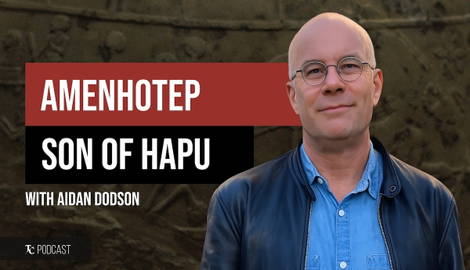
How does a non-royal court official become a god? That question lies at the heart of Amenhotep-son-of-Hapu’s story. And it’s a story that stretches from high office in ancient Egypt’s 18th Dynasty to a millennia-long afterlife.
In conversation with TheCollector, Egyptologist Dr. Aidan Dodson—co-author of a forthcoming biography—explained how this transformation occurred. We also discussed what can be reconstructed of Amenhotep-son-of-Hapu’s life, and why his funerary monuments and later cult continue to intrigue scholars today.
When you’re writing about ancient Egypt, you’re working with only a tiny fraction of what once existed. We don’t have diaries, memoirs, or anything like a modern biographical record.
In some cases, you’re not even entirely sure whether individuals existed in the way you think they did, because the evidence is so fragmentary.
Who Was Amenhotep-son-of-Hapu?
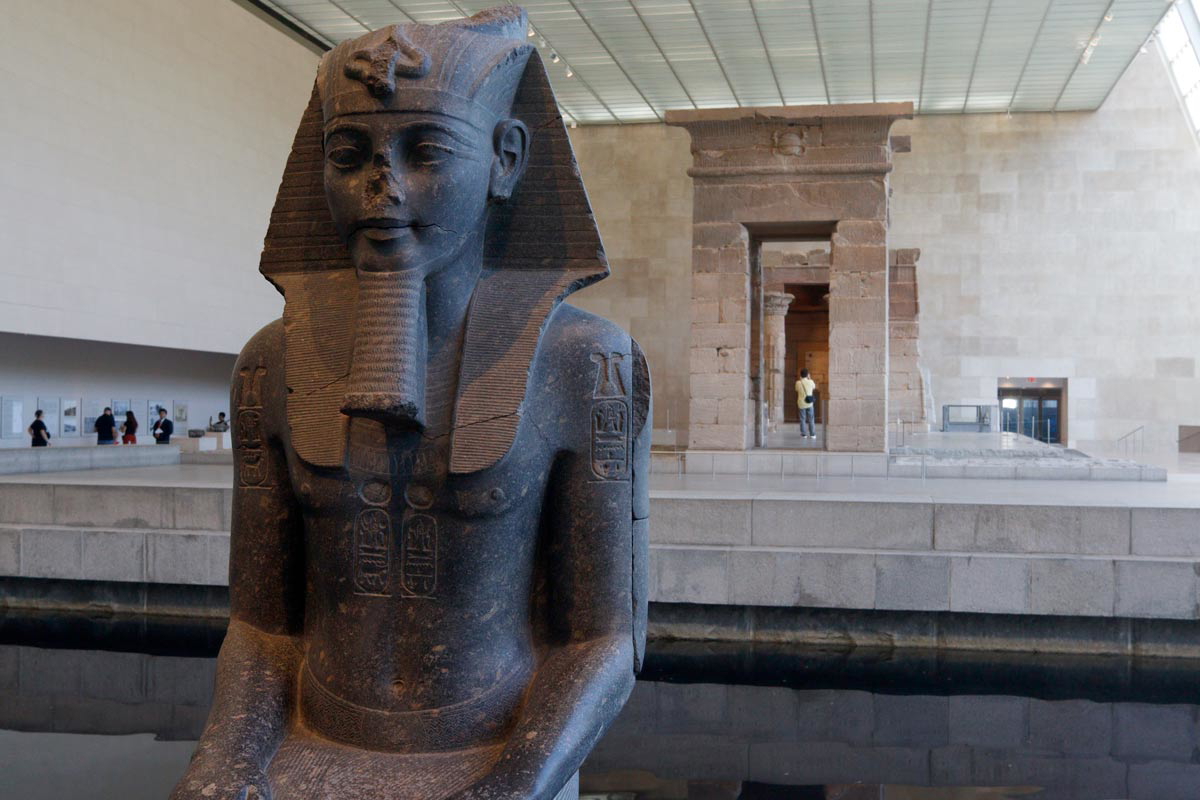
Amenhotep-son-of-Hapu was a high official of Egypt’s 18th Dynasty. While not of royal birth, he rose to prominence in the court of Amenhotep III, where he served as a scribe, architect, priest, and public official. He was granted unusually elaborate funerary arrangements for a non-royal official, including a rock-cut tomb chapel and a dedicated cult temple. Centuries after his death, he came to be venerated as a healing deity.
A New Biography of an Ancient Official
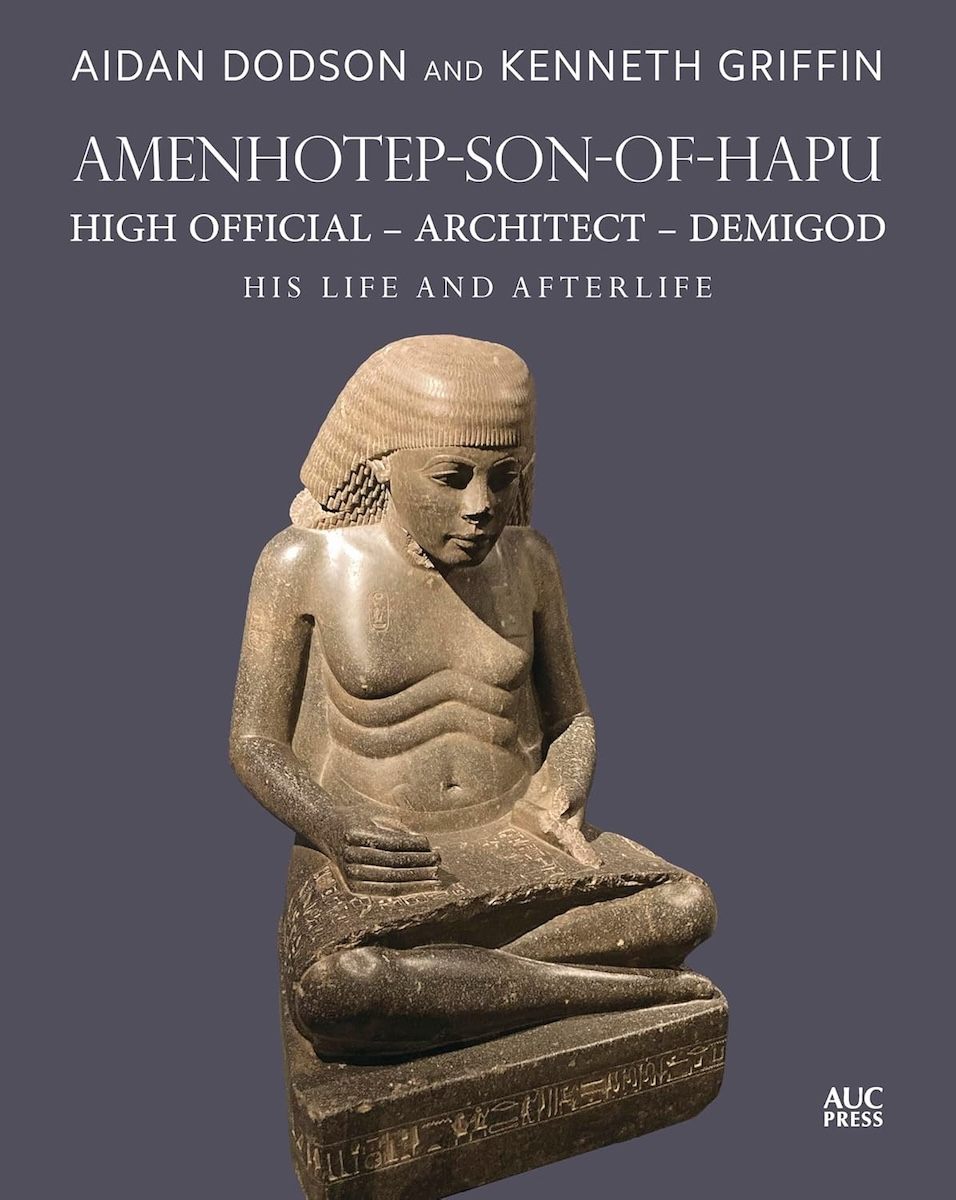
Amenhotep-son-of-Hapu, High Official, Architect, Demigod: His Life and Afterlife is the first full-length English-language biography of one of ancient Egypt’s most unusual non-royal figures. It belongs to the Life and Afterlives series, of which Dodson is editor. Drawing on fragmentary evidence from the 18th Dynasty and later traditions, the book reconstructs a life at the court of Amenhotep III. It also traces his posthumous transformation into a healing deity.