Summary
- Rigid Social Stratification: Social mobility between France’s three estates – the clergy, nobility, and the masses – was almost impossible, and there was considerable inequality in rights and privileges.
- Enforced Religious Orthodoxy: Catholicism was central to the French state, and religious movements such as Protestantism and Jansenism were forcefully suppressed.
- Unequal Taxation: Heavy taxes, raised mainly from the poor, and regional management that blocked critical recourse angered the rising bourgeoisie.
- No Common Language: The lack of a common language across the nation led to widespread confusion and frustration with government policies.
Before the French Revolution, life in France was defined by the Ancien Régime (French for “Old Rule”). This era of French history spanned three centuries and two dynasties. For most French people, life was harsh and uncertain; a failed harvest could mean famine for France’s poorest towns and villages. There was rigid social stratification and immense inequality, with the upper classes enjoying major fiscal and administrative advantages, especially the clergy. How did these harsh realities ultimately boil over, causing the Revolution of 1789?
1. Rigid Social Stratification
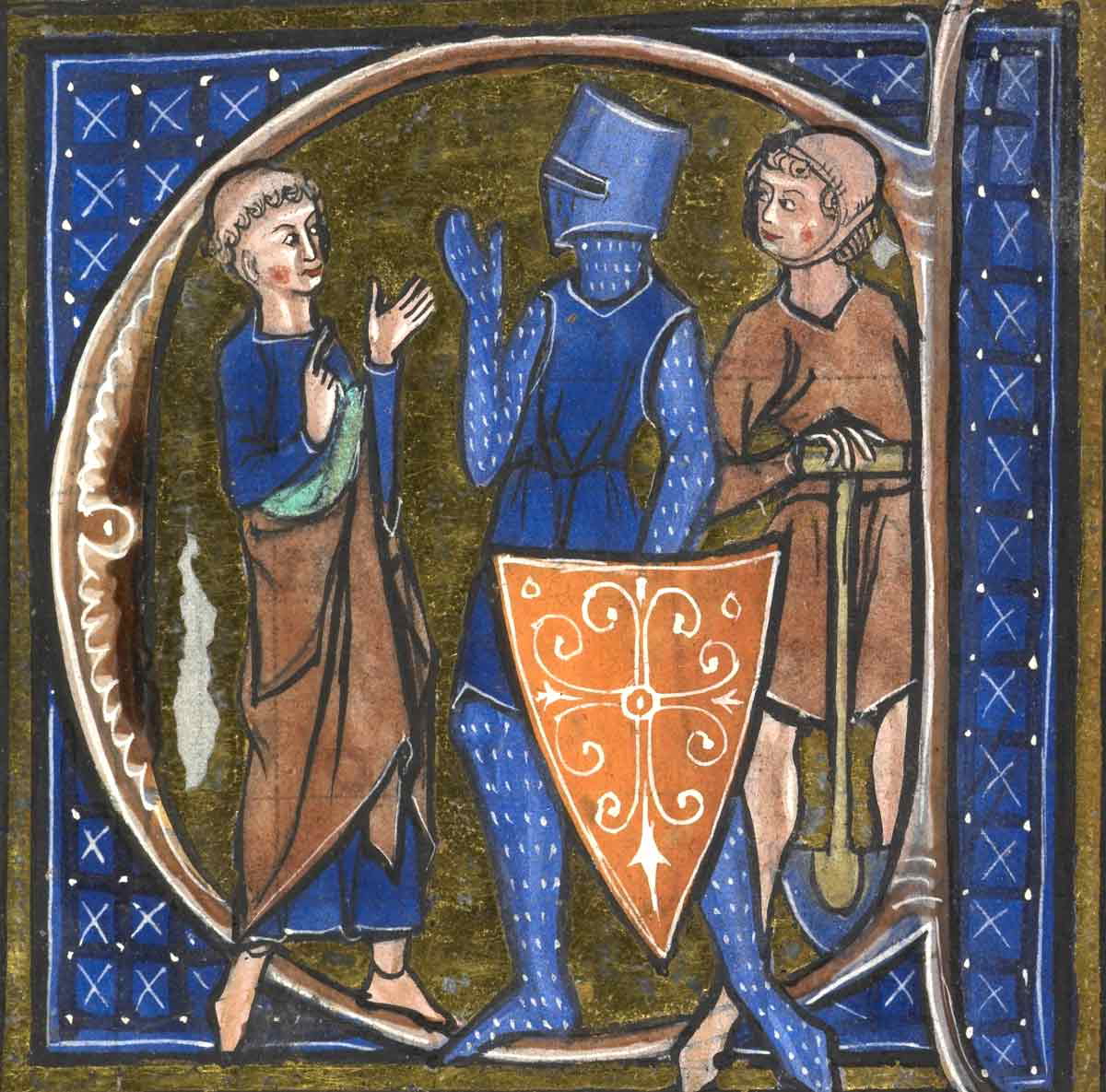
In books on the Ancien Régime, historians typically divide French society into three Estates. The First Estate consisted of the Catholic Church and its clergy. The Second Estate was made up of the nobility. The Third Estate, which comprised approximately 98% of the French population, consisted of peasants, craftsmen, and small business owners.
Although the Estate system glosses over the nuances of Ancien Régime social life, it remains a good framework for understanding social stratification in pre-revolutionary France. While it was common for the First and Second Estates to intermingle, as most upper-level Catholic clerics came from noble families, for those born into the Third Estate, upward social mobility was almost impossible in the omnipresent class system.
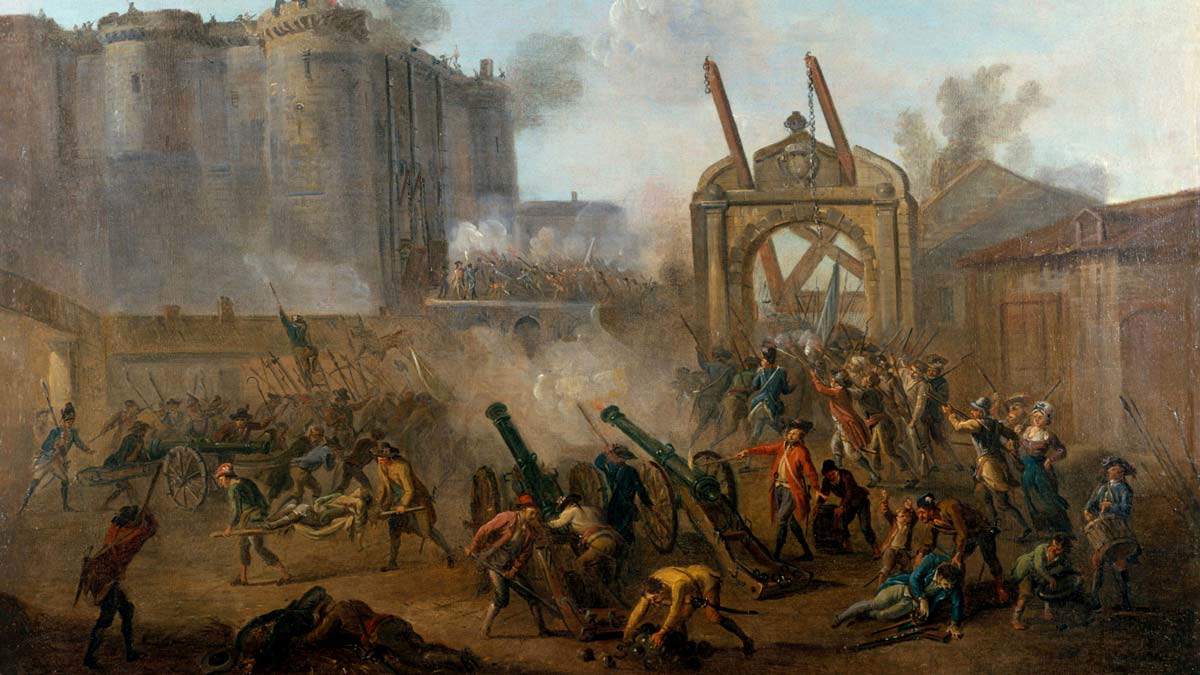
Because the Third Estate encompassed so many different groups of people, some inevitably possessed more means than others. The 18th century saw a major shift in some of their fortunes. France’s economy remained overwhelmingly agricultural, but economic growth during the first half of the century enabled the rise of a new business class: the bourgeoisie.
These wealthier members of the Third Estate could purchase noble titles and rise above their original station. Many were even wealthier than the poorest nobles. Still, the bourgeoisie resented the First and Second Estates’ privileges. This anger would be a major driver of revolutionary unrest in the 1780s.
2. Enforced Religious Orthodoxy
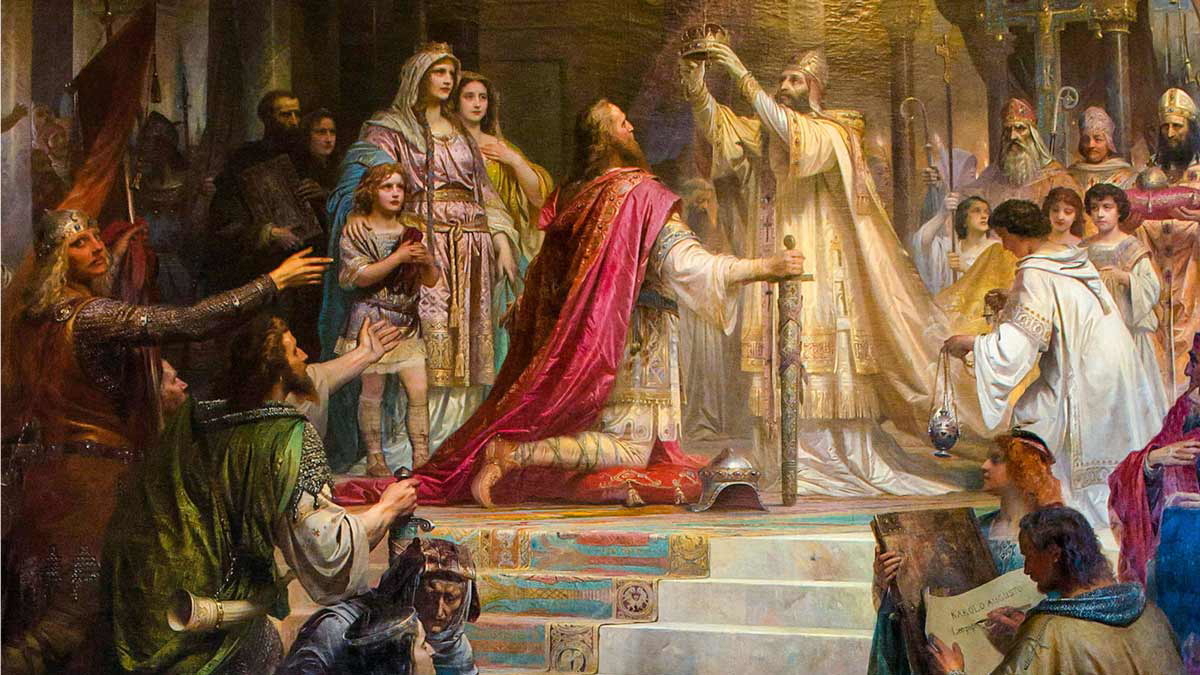
It would be impossible to separate Ancien Régime France from the influence of the Catholic Church. The Church controlled the French education system and mandated the membership of all French subjects. If there were any criteria for “being French,” following the Catholic faith was the most important.
Ties between the French monarchy and the Church in Rome dated back to the early Middle Ages. Kings since Clovis I and Charlemagne styled themselves as defenders of the faith. Tensions sometimes flared up between the French Crown and the Pope, such as during the Avignon Papacy of the 14th century. However, altar and throne never truly tried to divorce from each other. Under the Ancien Régime, popes regarded France as “the eldest daughter of the Church.” From François I to Louis XIV and beyond, both the Valois and Bourbon dynasties attached themselves at the hip to the Church.
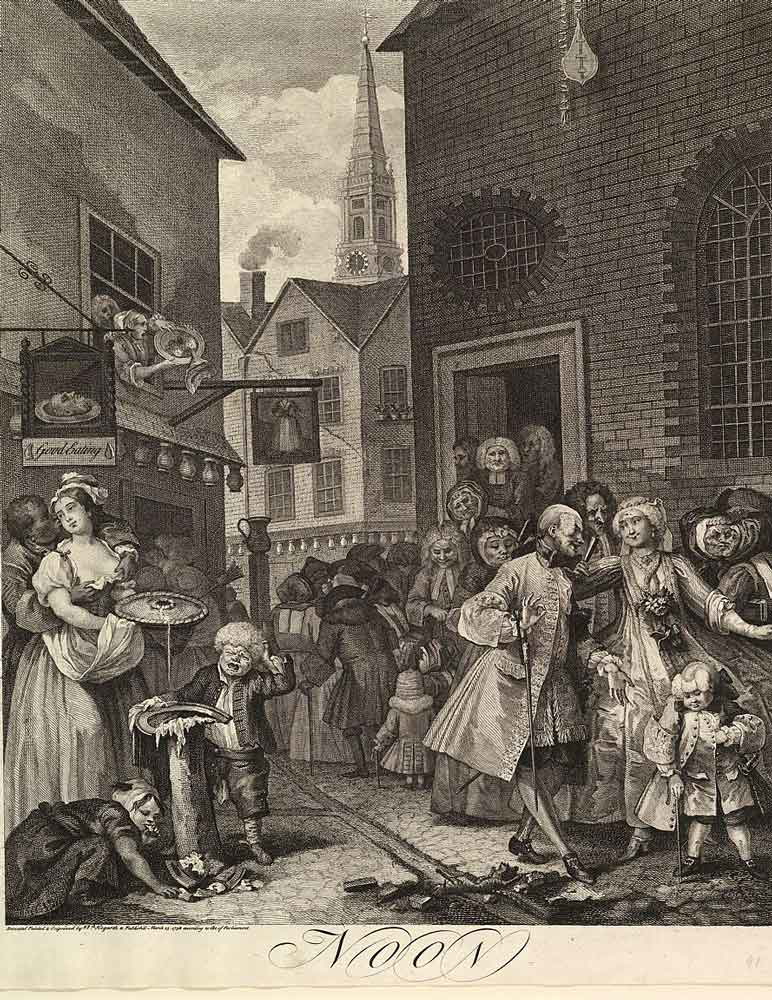
With the rise of the Protestant Reformation, the Catholic Church’s status in France came under threat. Catholics and Protestants waged a series of wars between 1562 and 1598. The conflict only ended when King Henri IV, a Protestant convert to Catholicism, issued the Edict of Nantes, granting French Protestants religious liberties.
However, Henri’s grandson, Louis XIV, gradually eliminated Protestant freedoms. This culminated in the exodus of over 150,000 Protestants from France during the 1680s. Hundreds of thousands more Protestants remained in the kingdom, forced to hide their religion. Persecution would ease up over time, but Protestants would not gain freedom of worship until 1789.
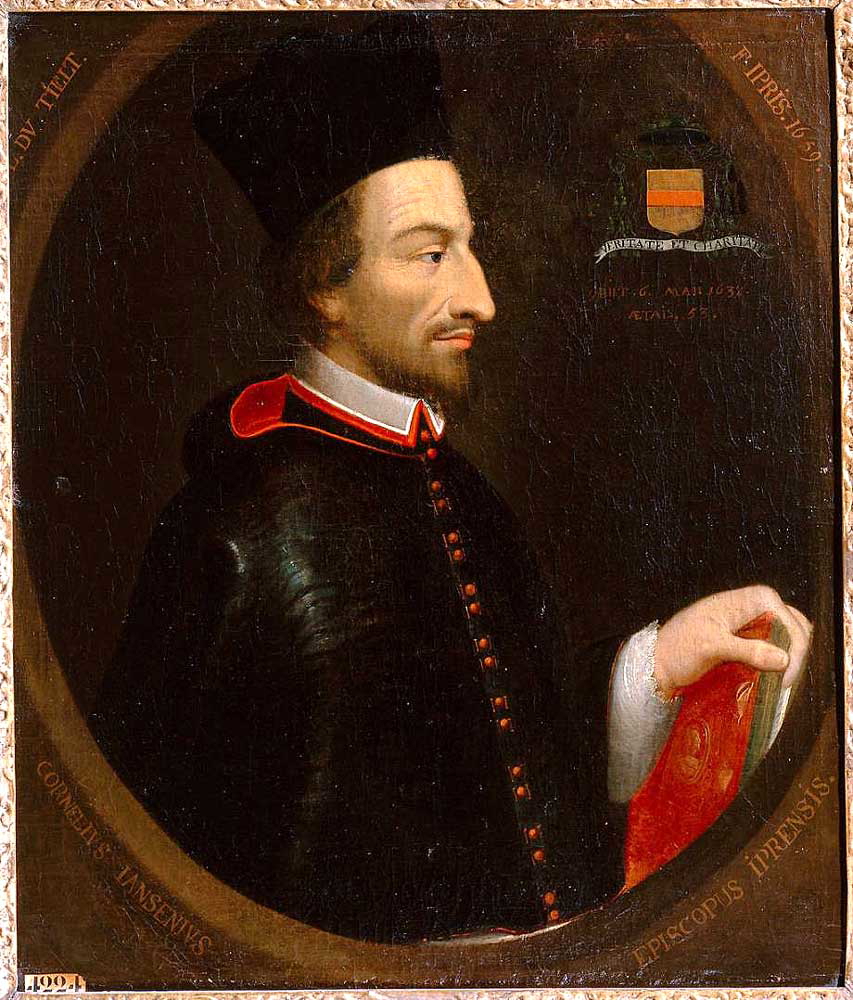
France’s Catholic order was also threatened by Jansenism, a theological movement within the Church that followed unorthodox beliefs, such as an emphasis on predestination. For King Louis XIV and his allies in Rome, this dissent would not stand. The French king shut down Jansenist monasteries and imprisoned religious critics.
3. Unequal Taxation
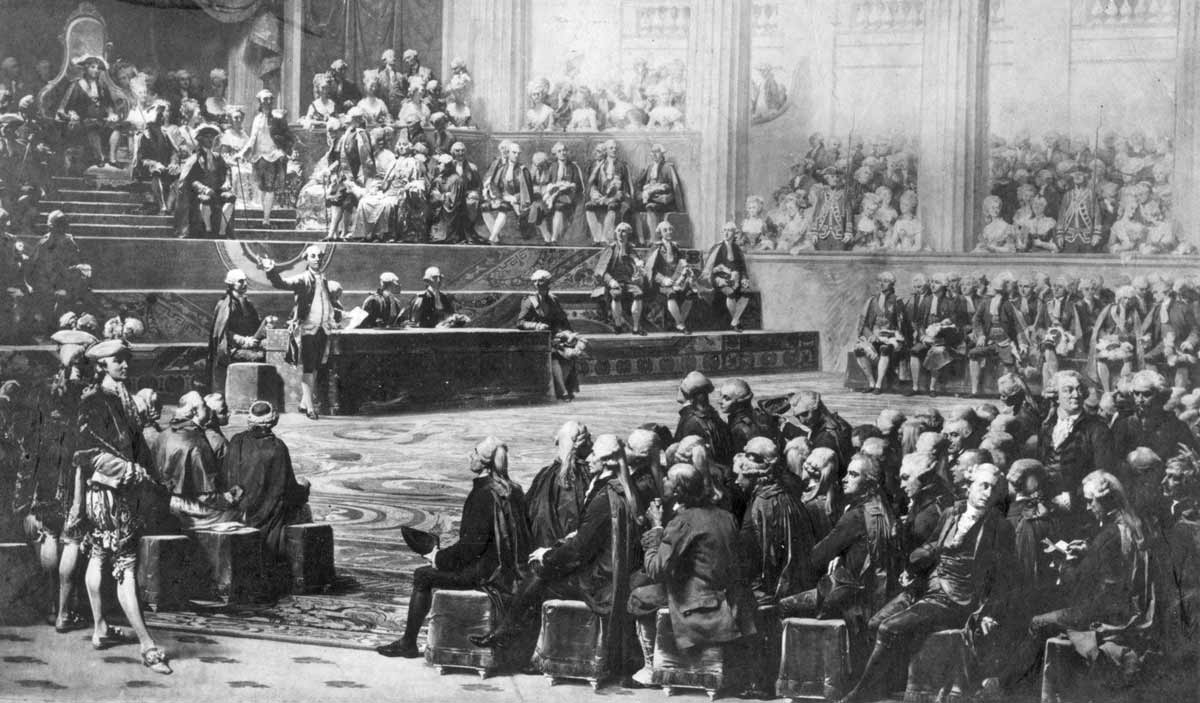
Depiction of the opening of the Estates General in 1789, via Encyclopedia Britannica[/caption]
Taxation in Ancien Régime France was a complicated and lopsided business, partly due to a lack of a standardized currency. Even during the politically absolutist reigns of Louis XIV and Louis XV, the French monarchy was unable to create and enforce a kingdom-wide tax system, leading to regional variation and unclear avenues for complaint. Taxes were heavy, not least due to the tithing system, which required all French people, including nobles, to pay 10% of their income to the Church, making it extremely wealthy.
The burden of taxation overwhelmingly fell on members of the Third Estate. The First and Second Estates did have to pay some money to the government, but these payments were disproportionately lower than those of their poorer countrymen. Historians cite this uneven taxation system as another major factor that led to the French Revolution.
4. No Common Language
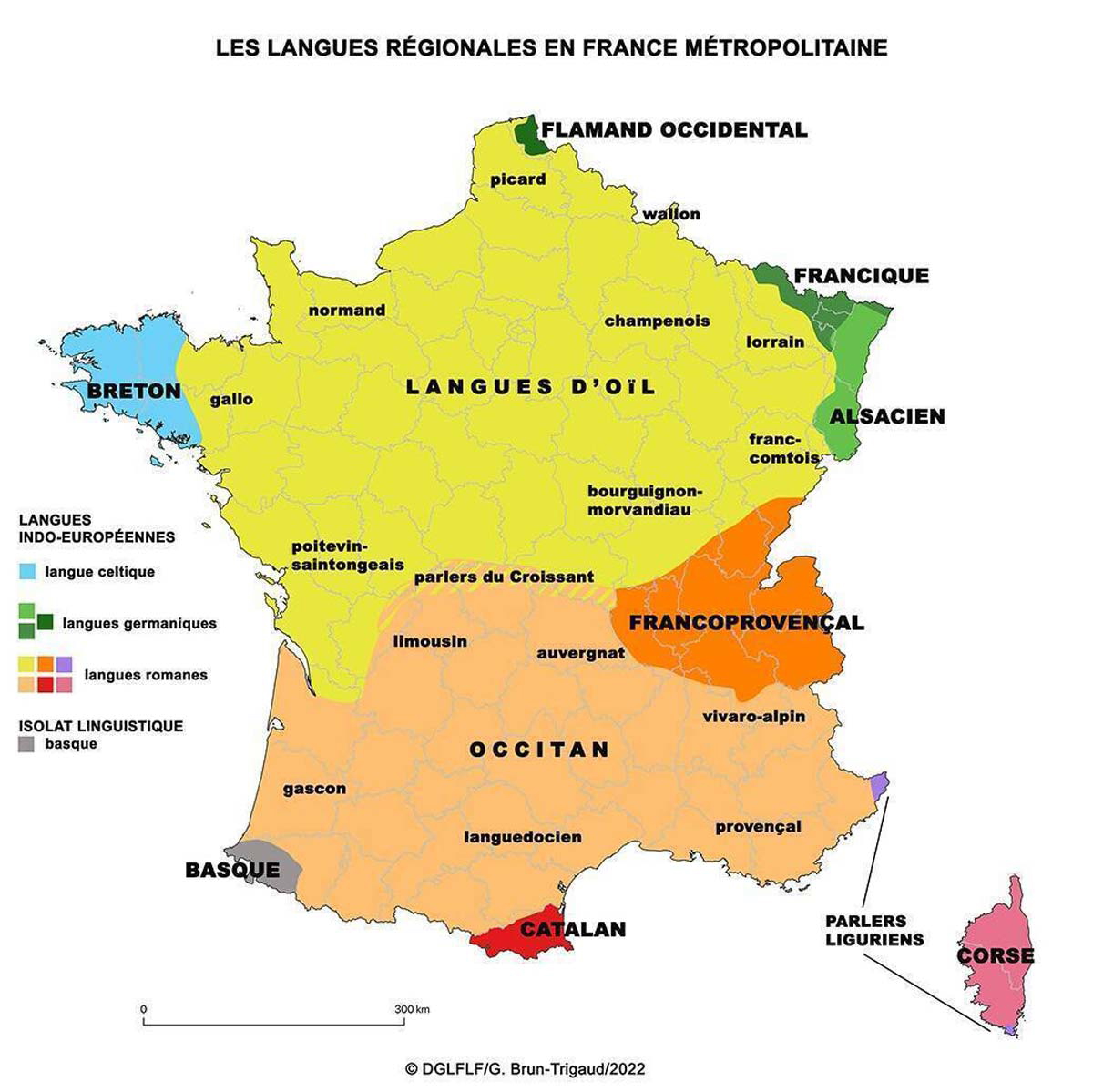
Today, French people take great pride in their national language, but during the Ancien Régime, nobody really spoke “French” aside from social elites. The languages people spoke in Ancien Régime France depended on where they lived.
Modern scholars of historical linguistics classify pre-modern French languages into two main branches: the langues d’oïl and the langues d’oc, both Romance languages. The langues d’oïl spoken in the north and around Paris would evolve into Standard French. The langues d’oc, spoken in the south, would eventually give rise to the modern Occitan language, which still has speakers in southern French areas like Toulouse. There was further variation, with people in Brittany in the northwest speaking Breton, a Celtic language more closely related to Welsh than to French. The northeastern Alsace region was predominantly German-speaking.
Starting in the 16th century, the Crown attempted to establish a national language for administrative purposes. However, the efforts of early figures like Cardinal Richelieu would not bear fruit until the late 1800s. This linguistic diversity made communicating government policies across the nation difficult. It was also a challenge to the revolutionaries to communicate their ideals and ideology to all citizens.
Collapse of the Ancien Régime and the Formation of Modern France
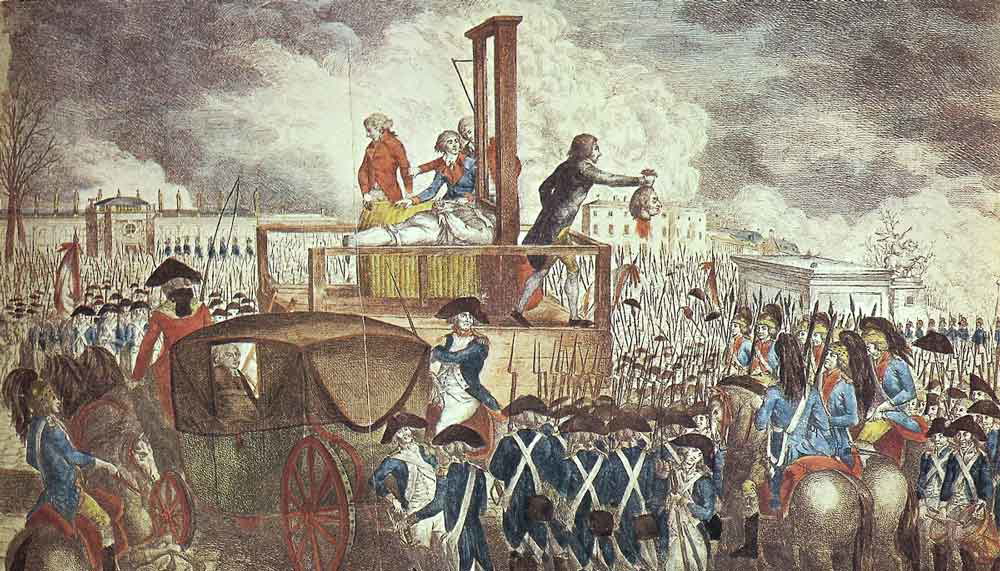
The French Ancien Régime was simultaneously rigid and adaptable, which is why it lasted for three centuries. But by the end of the 18th century, economic struggles, demographic upheaval, and religious reformation proved too much. Not only did the bourgeoisie rise up, but they were joined by the poorer classes. In the end, the Bourbon dynasty caved. The Catholic Church also faced bouts of persecution by the enraged revolutionaries in the 1790s.
While the French Revolution tried to sweep away everything from the past, it failed to completely erase 300 years of history. Shadows of the Ancien Régime are still evident in French society, ideology, and philosophy today.