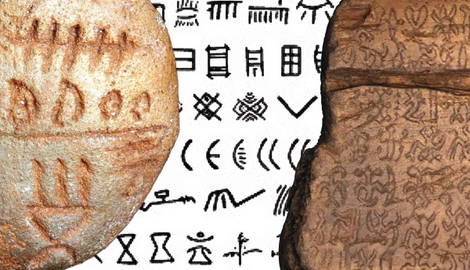

Imagine the excitement of discovering a library of texts left behind by an ancient civilization. Then imagine the frustration of realizing that they are written in a language that no one today can understand. This is the reality for archaeologists and historians studying some of the world’s most fascinating ancient cultures. While we can see their art and walk through their ruins, their actual thoughts, laws, and stories remain locked behind symbols we cannot read. Without a “Rosetta Stone” to bridge the gap between the known and the unknown, these six scripts remain a mystery.
1. The Indus Valley Script: Writing, or Just Pictures?
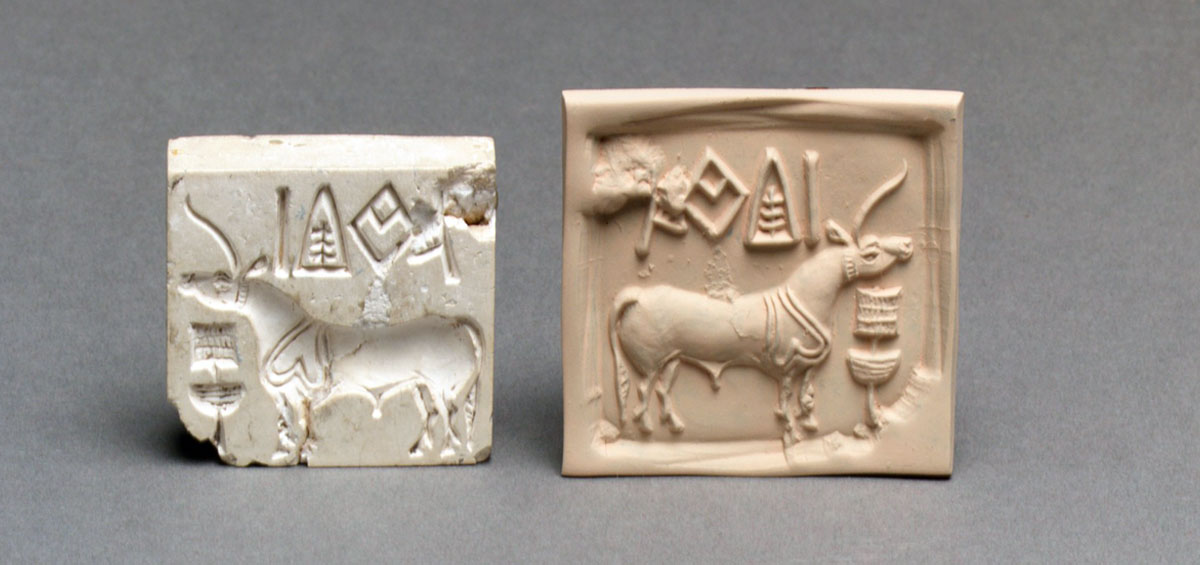
In modern India and Pakistan, archaeologists have discovered over 4,000 objects inscribed in an undeciphered script. Most of them are small objects, such as seals or pieces of pottery. These objects and their inscriptions come from the Indus Valley Civilization and are believed to date to between 2800 and 1900 BC.
The Indus Valley Civilization itself is remarkable in that it was discovered by modern archaeologists entirely from the dirt, with no internal written records describing it or telling them where to look or who the people might be (though contemporaneous Mesopotamian texts frequently describe them as a major trading partner known as ‘Meluhha’). Unlocking their written language would shed incredible light on this mysterious civilization.

There are two steps involved, and unfortunately, even the first step poses a serious problem. We first need to decipher the script, and then understand what language it was written in. However, most of the inscriptions are very short, being only a few symbols long. This makes it very difficult for linguists to identify patterns, such as recurring grammatical structures.
The mystery surrounding the Indus Script includes the question of whether or not it actually preserves a language at all. Some scholars have argued that it is actually a non-linguistic system of symbols that denote things such as clans and gods. Some researchers are currently using AI to assist them in analyzing a particular feature of the Indus Script called its “conditional entropy,” to see whether it best fits a linguistic or a non-linguistic model.
2. Linear A: The Minoan Mystery
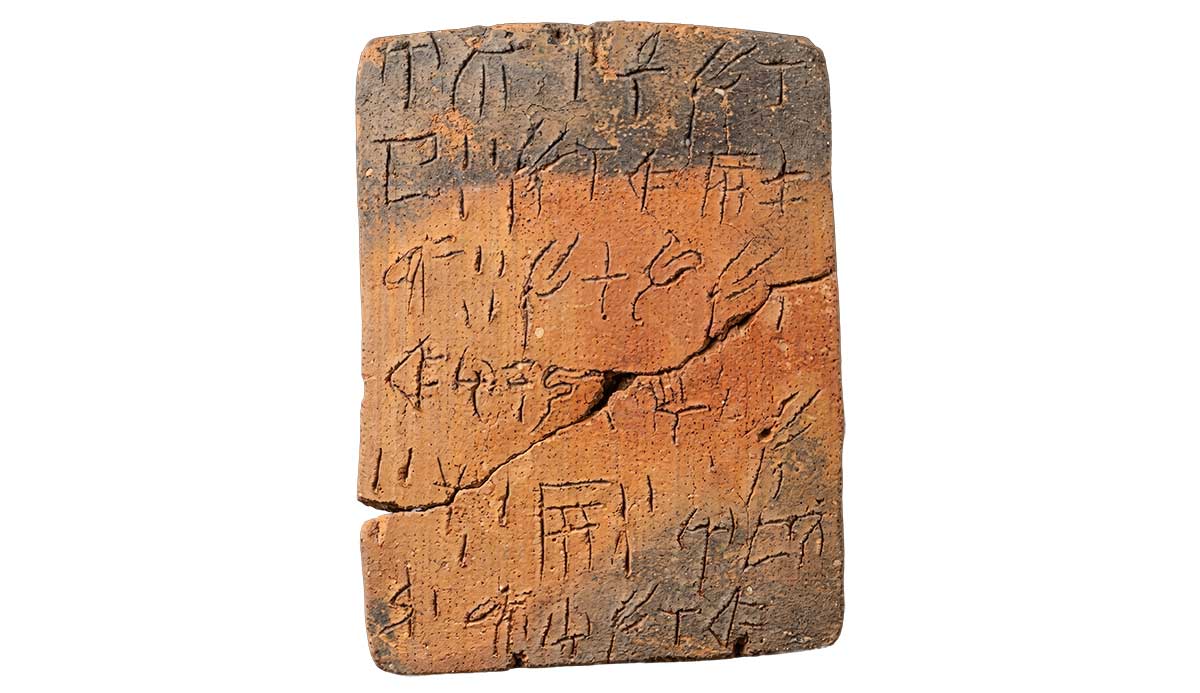
The Minoans were the Bronze Age inhabitants of Crete. They dominated the island from early in the Bronze Age until around 1450 BC, when their island was conquered by the Mycenaean Greeks. They left numerous inscriptions, but their language remains a mystery. Why is that?
The script used by the Minoans was Linear A. This was later adopted by the Mycenaean Greeks, who modified it into a script that we call Linear B. Scholars have decoded Linear B and discovered that it was used to write an early form of Greek. Since Linear B is just an adaptation of Linear A, with most symbols being the same between the two scripts, albeit with stylistic modifications, this enables linguists to read inscriptions in Linear A phonetically. However, it reveals a language that we do not understand.

Linguists have compared the words found on the Linear A inscriptions with numerous ancient languages, such as Hittite, Egyptian, Tyrrhenian, and countless others. Nothing matches the sequences of phonetic values found in the Minoan language. Today, most scholars believe that Minoan was actually a language isolate, with no demonstrable relationship to other known languages. This makes it all the more difficult to decipher without a Minoan “Rosetta Stone.”
3. Rongorongo: The Lost Voice of Easter Island
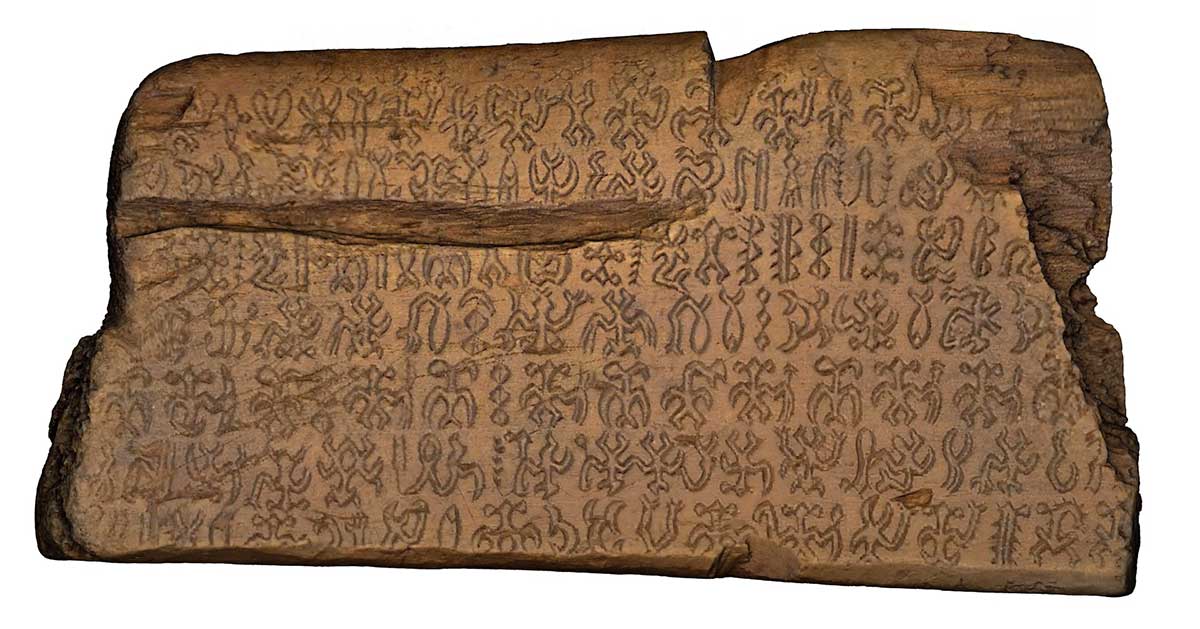
Rongorongo, the script used on Easter Island, famous for its Moai Heads, was used as recently as 200 years ago, but its meaning is still lost. It is found on wooden tablets and other wooden objects discovered in the 1860s. Fascinatingly, at least two inscriptions, which can be securely dated, were near contemporary with their discovery by Europeans in the 19th century. Modern radiocarbon research suggests that the language was used between the mid-15th century and the 19th century.
Why is Rongorongo undecipherable despite being so recent? One of the key reasons, aside from the small corpus of texts, is that the modern Rapa Nui language, the language spoken on Easter Island, has been heavily influenced by Tahitian. Thus, it does not preserve the language spoken on the island when Rongorongo was used.
4. Proto-Elamite: The World’s Oldest Unsolved Code
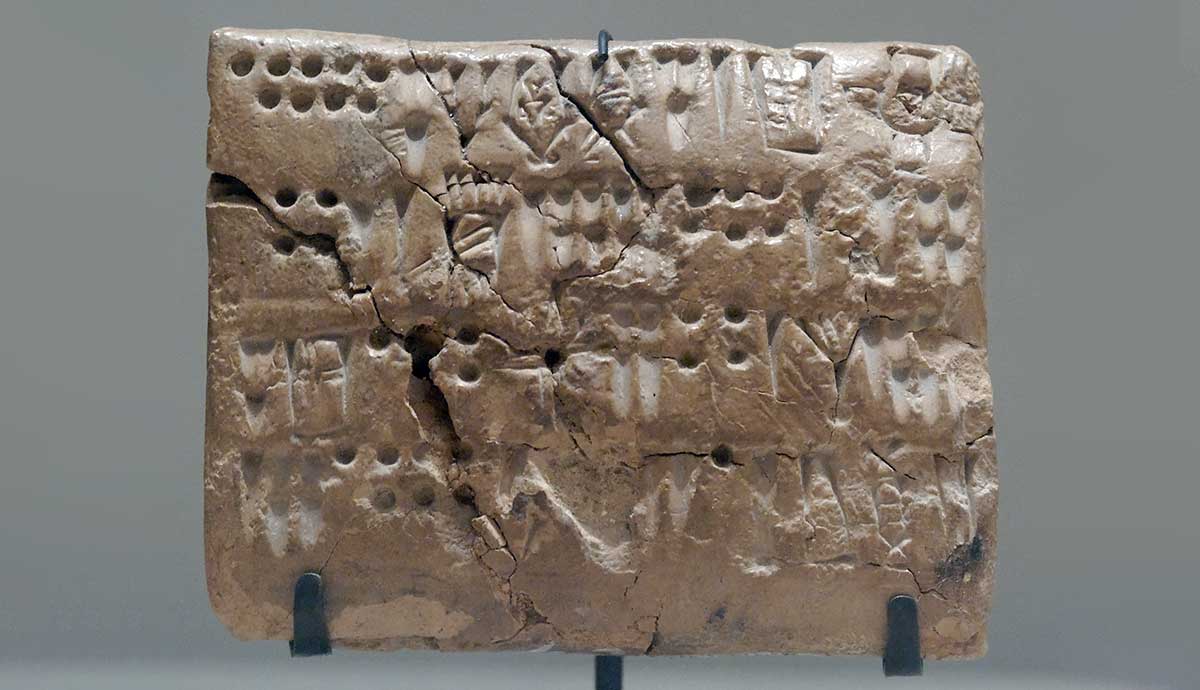
Perhaps the world’s oldest undeciphered script is Proto-Elamite. What exactly is this ancient writing system? This was a script used primarily for administrative purposes in ancient Iran. It was used on tablets which were carried by scribes when recording inventories, debts, livestock, and so on. Most of the inscriptions have been found in the territory of Susa.
This writing system appears to be slightly younger than the Proto-cuneiform script of Mesopotamia to the west. Archaeologists believe that the inscriptions date to between 3100 and 2900 BC. Because this was the territory of the Elamites, many scholars assume that the language of the Proto-Elamite Script must be an early form of Elamite. While this seems intuitive, other scholars point out that there is no definitive evidence of this yet.
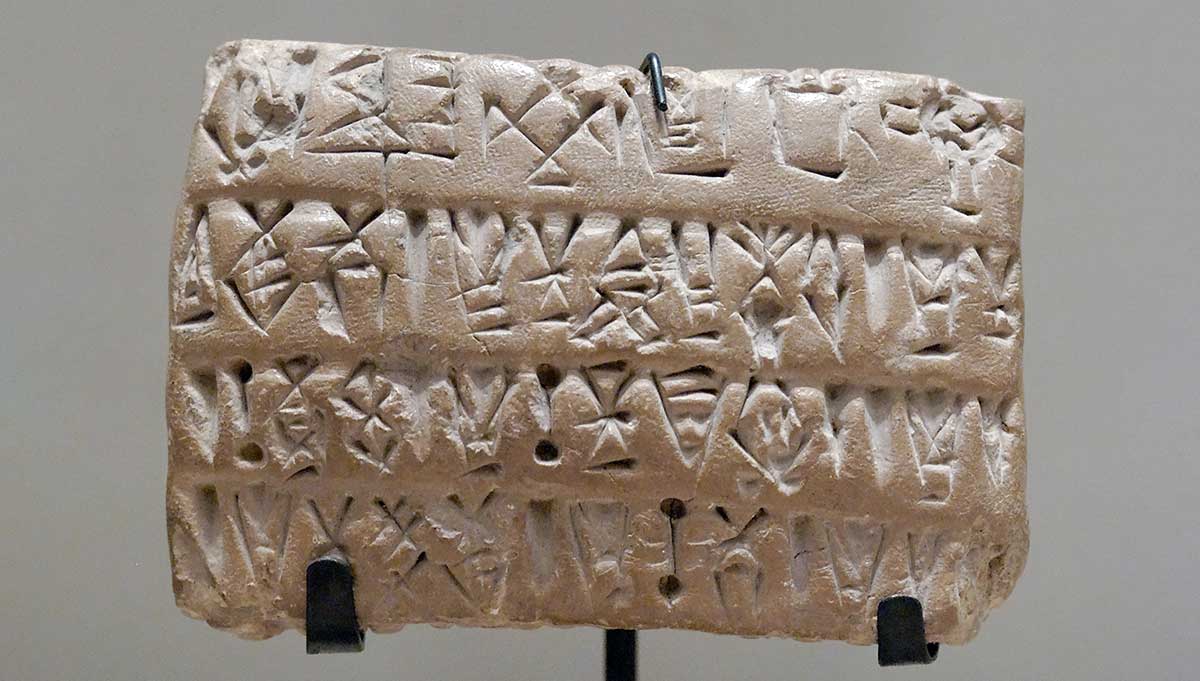
Deciphering the Proto-Elamite Script and its associated language poses a few key challenges. For one thing, since it was used just for administrative purposes, we have a limited vocabulary to work with. Secondly, it appears to have been something of an experimental writing system, being used for only a short period of time. This limits the corpus of evidence. Furthermore, linguists have been able to determine that Proto-Elamite is a mixture of logograms, symbols representing concepts, and phonograms—symbols representing sounds. This chaotic mix makes it less predictable, and therefore more difficult to decipher.
Modern 3D imagery techniques by researchers at Oxford have revealed copious amounts of scribal errors as well as modern errors in the transcriptions of the individual signs. This new research will undoubtedly assist in finally unlocking the script and, potentially, the language.
5. The Vinča Symbols: The “Old European” Script?
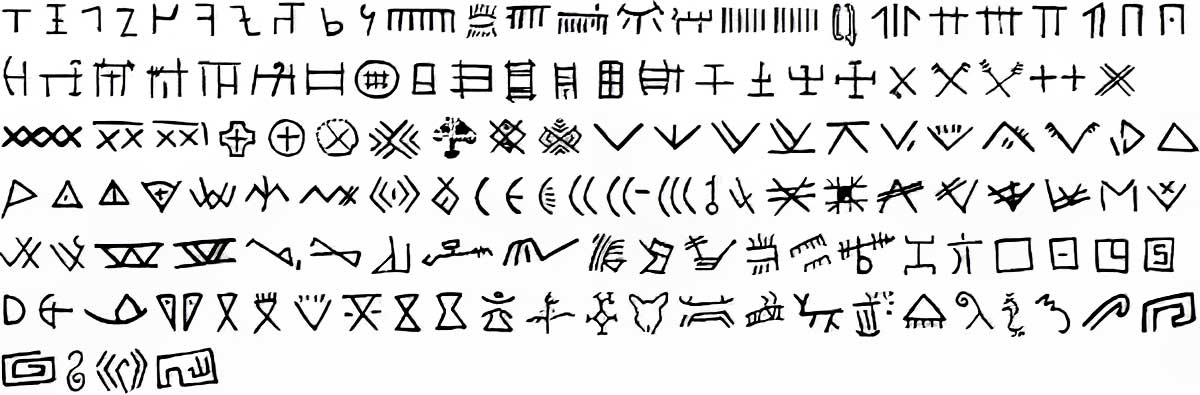
The Vinča symbols were found in the ancient Danube River valley in Europe. The symbols were inscribed onto small objects such as clay pottery and tablets. The Vinča symbols are believed to date to approximately 5000 BC. However, whether this is actually a writing system at all is heavily debated.
If they really do represent a form of ancient writing, it would be the oldest in the world by quite some margin. It would predate the writing of ancient Sumer by some 2,000 years. Needless to say, this is a very controversial notion to historians. To push back the start of writing by so much, and without anything in between, would require some strong evidence. Furthermore, if such a writing system could be deciphered, what might it reveal about the earliest language spoken in Europe?
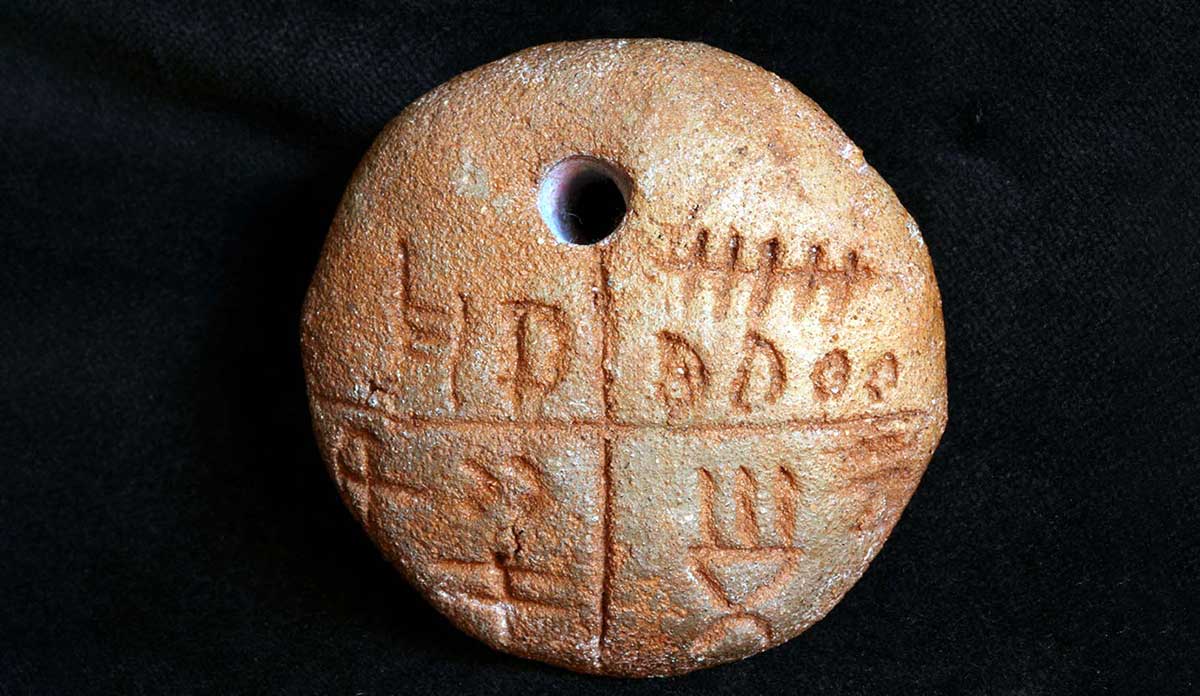
In fact, the majority of scholars do not believe that the Vinča symbols actually represent a form of writing. Rather, they believe that they represent religious symbols, an ancient form of counting, or potters’ marks. This is supported by the fact that there are not many repeated sequences of symbols, common for most genuine linguistic scripts.
6. Isthmian Script: The La Mojarra Stela
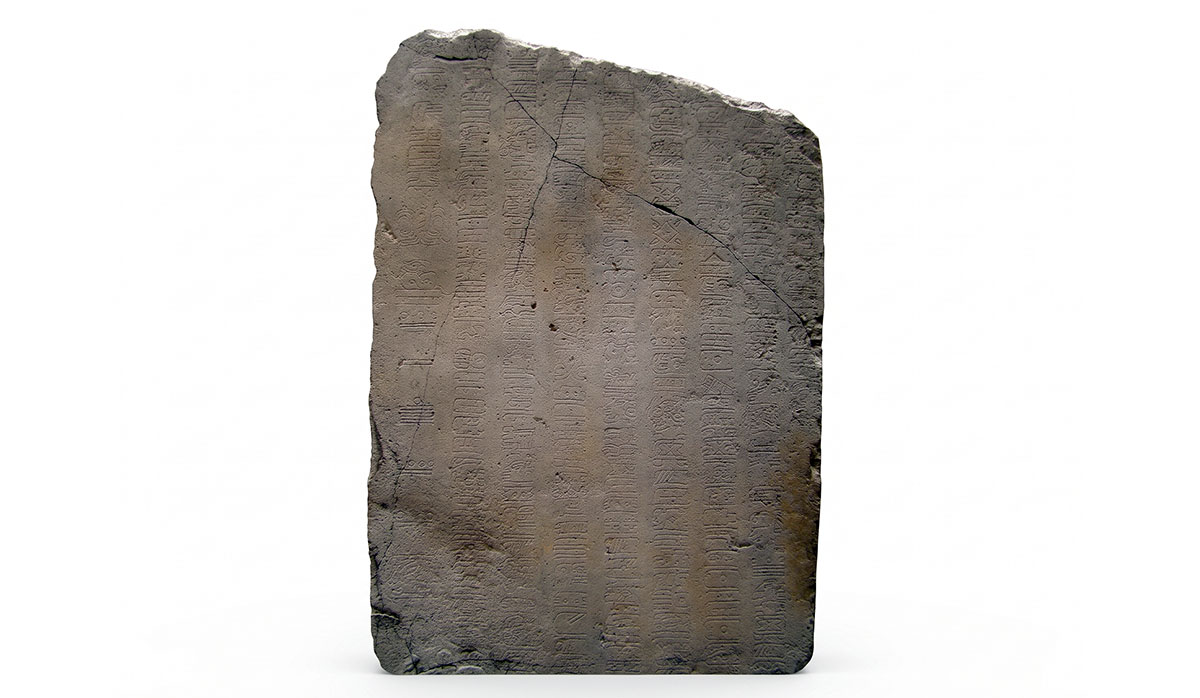
The Isthmian Script is not as well known as some of the other writing systems discussed here, but it is no less intriguing. It was used in Mesoamerica on the Isthmus of Tehuantepec from approximately 450 BC to AD 500. Unlike the other scripts discussed in this article, the Isthmian Script is only known from a few inscriptions.
The main text that contains this script is from a monument called the La Mojarra Stela 1. This was set up in about AD 150. It contains an extensive inscription written in the Isthmian Script. Other, much smaller, inscriptions written in this script have been found, such as on the Tuxtla Statuette, pieces of pottery, and masks.
Given the small corpus of texts, it is inevitable that decipherment will prove difficult. Nevertheless, two scholars in 1993 argued that they had partially deciphered the script and discovered that it was used to write a Zoquean language. In other words, it represented an old form of the language family still used in that same region today.
However, this Zoquean model has come under repeated criticism. As recently as 2020, Thomas Vonk argued that the existing corpus is simply too small to allow for any convincing decipherment.
Why Traditional Decipherment Fails
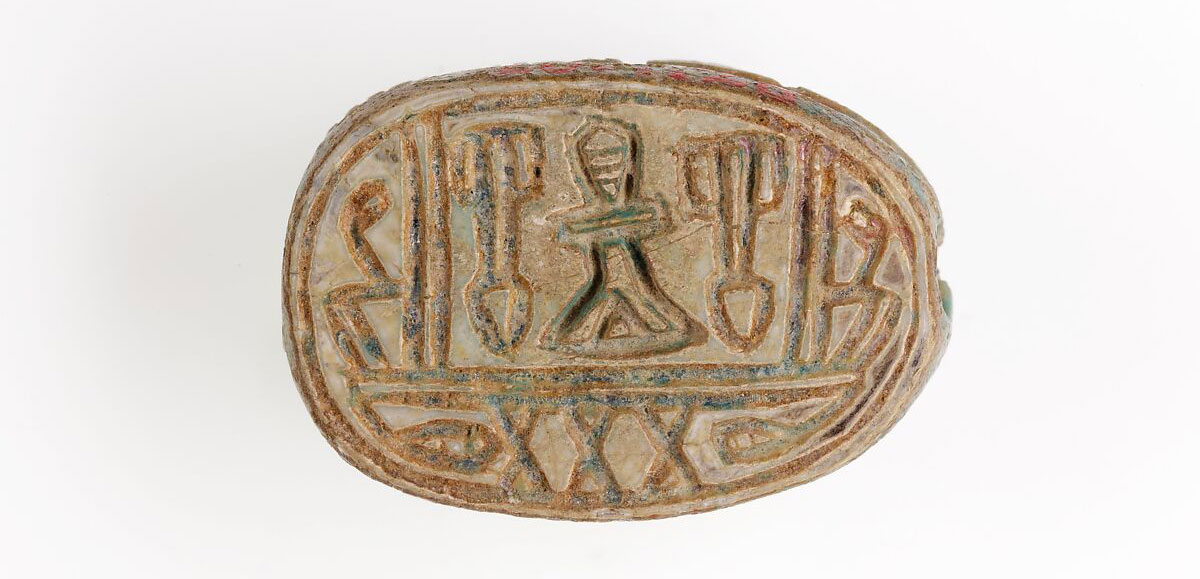
Trying to decipher any script and work out the language associated with it is exceptionally difficult without a “Rosetta Stone,” or bilingual text that allows correlations to be made between an unknown language and a known language. The Rosetta Stone is what eventually unlocked the Egyptian hieroglyphs, which had long been a mystery to scholars. Without a comparable bilingual text for these other lost scripts discussed in this article, what hope is there for deciphering them?
Fortunately, modern technology is able to help linguists make significant progress in this field. Artificial Intelligence is being used to compare these untranslated inscriptions with thousands of language families from across the ancient world simultaneously. It may also be able to identify sequences, repetitions, and patterns that human eyes have missed so far. Deciphering these scripts may unlock major parts of our history that are currently a mystery.