
When Prime Minister Robert Menzies announced his decision to enter WWII following the invasion of Poland, he set his country on a fateful course that saw it become a major Pacific power. Australia had a small military that was subordinate to the British. Japan’s entry into the war in 1941 made it existential for Australia; this fear remained in place for the rest of the war. Its actions during the war created Australia’s security policy for the rest of the 20th and 21st centuries.
Australia’s Entry Into the War in 1939
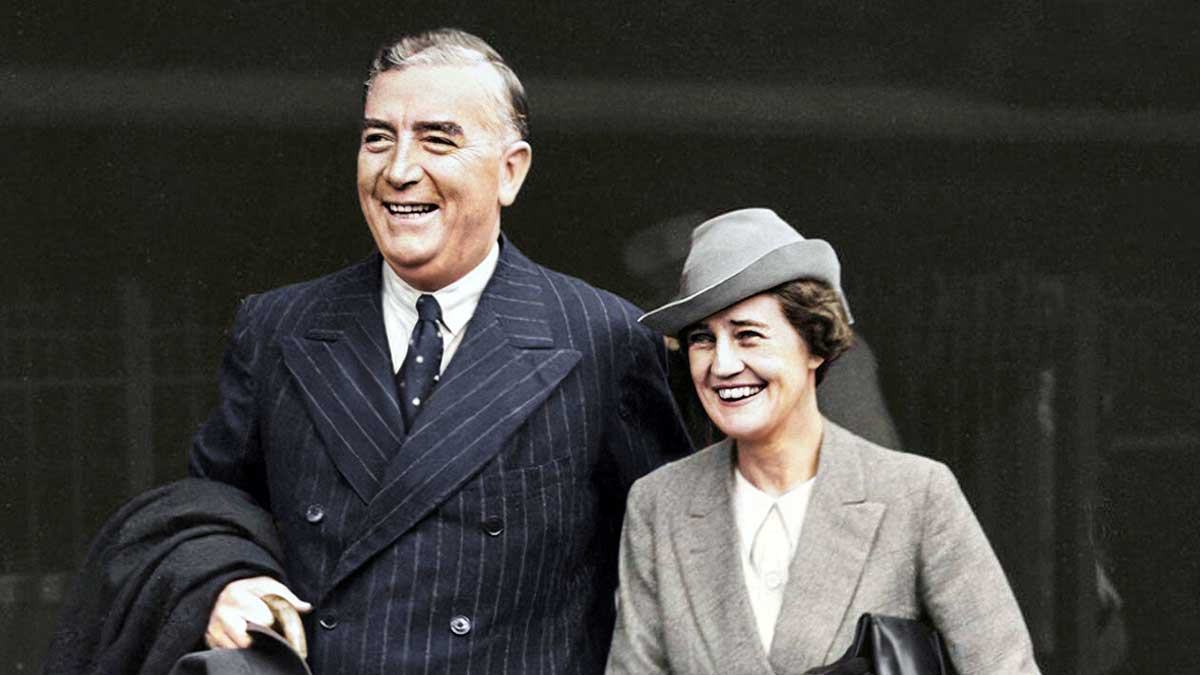
When Great Britain went to war with Germany in September 1939, it seemed inevitable that Australia would follow in London’s footsteps. Australia was still a young country wedded to the British Empire’s security plans. Prime Minister Robert Menzies of the United Australia Party favored a close relationship with Britain and believed that Australia needed to assert itself on the international stage by standing up to Hitler. On September 3, his government in Canberra declared war against Germany.
The declaration had little opposition from the country of seven million but Australia started the war with an undermanned and underresourced military. Only a couple of thousand soldiers were immediately available and the reservist force of 80,000 was not prepared for battle. The navy had no battleships or carriers and was not capable of major operations on its own. Its air force was stretched thin and had no long-range strike capabilities. Even when combining forces with New Zealand, Canberra’s contribution to the initial Allied force in Europe was very weak.
Nonetheless, Australia prepared an expeditionary force for service in Europe known as the Second Australian Imperial Force. Reservists flocked to join the 2nd AIF which was to be deployed to southern Europe and the Middle East. Menzies’ government envisaged that the force would expand from one infantry division to three. The Royal Australian Air Force (RAAF) ordered squadrons to join the British and even sent pilots to directly join British air groups. The Royal Australian Navy (RAN), still largely commanded by British flag officers, sent its ships to join the British Home and Mediterranean fleets.
War in Greece and North Africa Until 1941
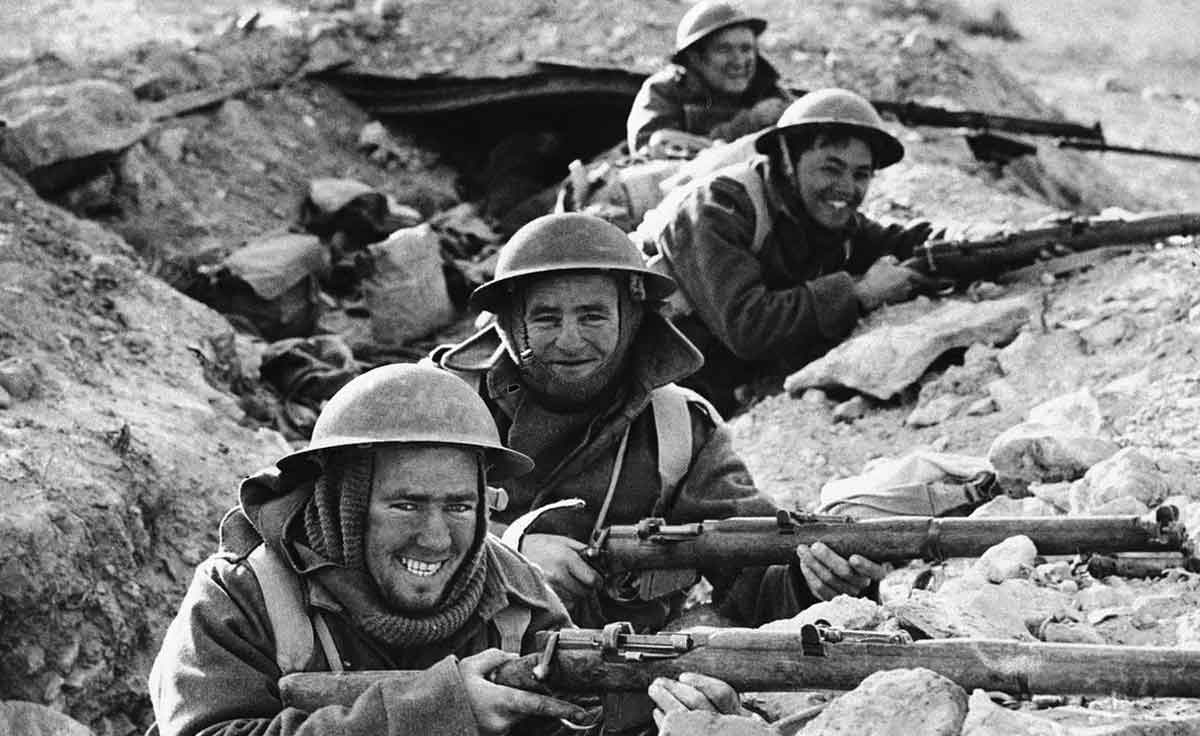
While Australian sailors and airmen saw action early on, the 2nd AIF’s first actions took place in North Africa during Operation Compass. After Italy’s failed invasion of Egypt, the British counterattacked and drove deep into Italian-controlled Libya. Alongside them was the Australian 6th Division. The Italian Army proved no match for the Allied forces arrayed against them and crumbled very quickly. The Australians struck hard at the Italians, seizing Bardia and Tobruk. Their initial performance gave hope to British commanders that they would be just as effective fighters as they were in the First World War.
However, matters became very different soon. British commanders ordered Australian General Thomas Blamey to take the 6th and 7th Divisions into Greece alongside other Allied troops. After beating back Italian offensives, Greek forces found themselves under major attacks by German and Bulgarian troops. Blamey sent the Second AIF north, but it was outflanked and driven back. When Allied troops withdrew, some went to Crete, Germany’s next target. In an airborne assault, the Germans overwhelmed the Allied defenses and captured thousands of Australian troops from the 19th Brigade and other units.
The war in North Africa resumed when German forces assisted the Italians in driving towards the Libya-Egypt border. The Australian 9th Division came under siege in Tobruk, and the garrison Australian General John Lavarack held off repeated assaults by Erwin Rommel’s forces. After several months, it was relieved by other Allied units. Alongside the 7th Division’s operations in Vichy French Syria and Lebanon, Australian forces were totally committed in the Middle East.
Australia’s Response to Japanese Entry
As Australian forces battled in the Mediterranean and Atlantic theaters, tensions heated up in Asia. Australia had long been concerned with Japan’s imperial ambitions but did not believe that Tokyo would seek war with the West. That calculation was shattered with the Pearl Harbor attack. Japan immediately began attacking islands throughout the Pacific. The new prime minister, Labor party leader John Curtin, vowed to stand up to Japan and ordered the 2nd AIF home. When Britain protested the withdrawal, he agreed to leave the 9th Division in Africa and sent the 8th Division to reinforce the British garrison at Singapore.
At this point, Australia began expanding its forces to take on the new threat. The RAAF expanded in size, the RAN gained new ships, and the army added several divisions to its force. However, this buildup took time and Japan’s speedy advances overwhelmed Allied forces. The garrison in New Britain, numbering one battalion with some old artillery, was overwhelmed in January 1942. Across the South Pacific, Japan began entrenching its forces to cut supply lines between the US and Australia/New Zealand. This deeply worried the Australian government.
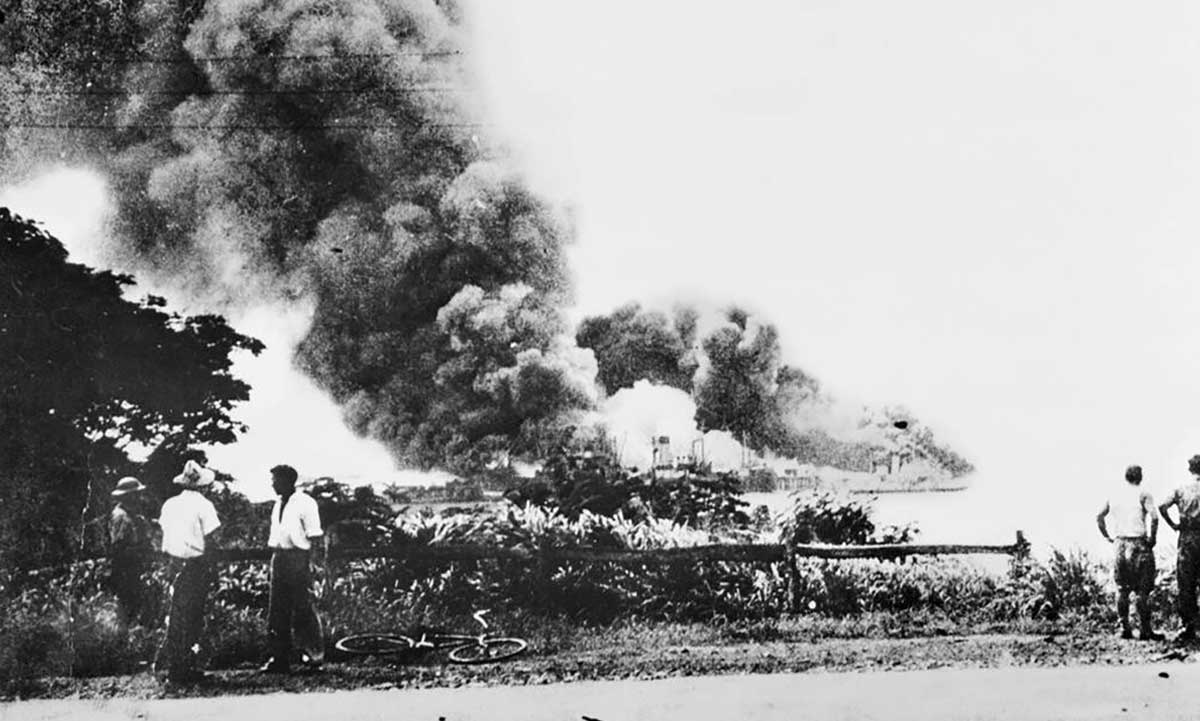
Until December 7, 1941, the war was seen by Australians as a distant affair that would not affect their daily lives much. This changed with Japan’s entry into the war. Japan had designs on Australian territory that included settling and colonizing the country. In mid February, they launched the largest air raid in Australia’s history by bombing Darwin in the Northern Territory. The attack shocked the Australian public.
Singapore and New Guinea
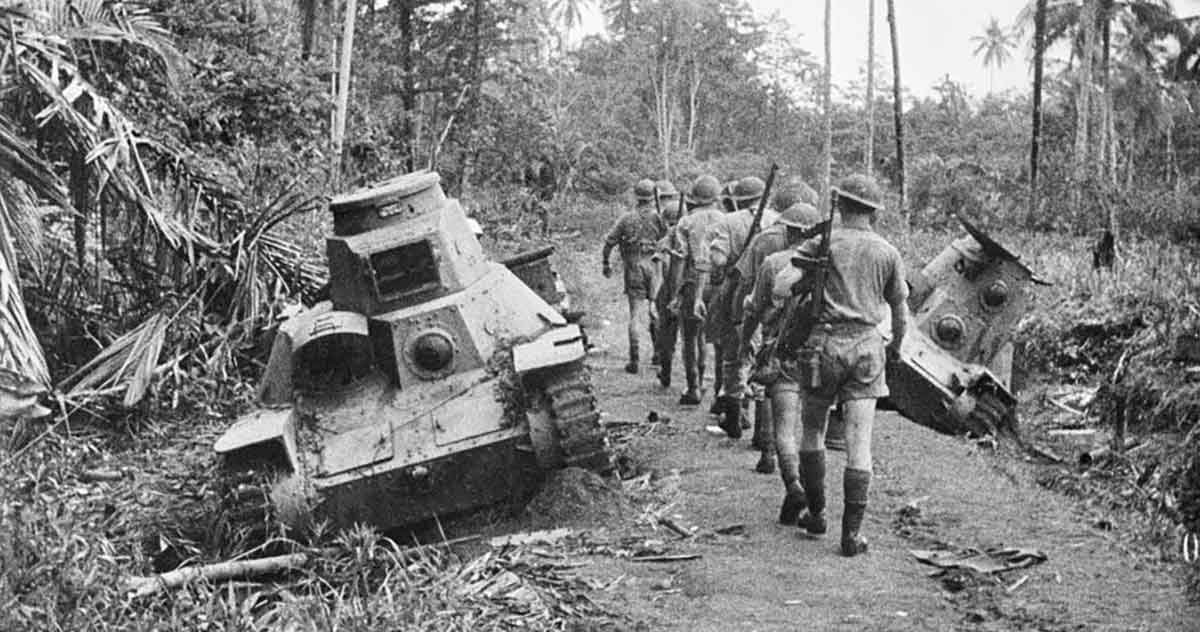
One of Japan’s main targets in its 1941-1942 offensive was Singapore. The island city, along with the rest of Malaya, was garrisoned by a mix of Allied troops who lacked adequate equipment or training. The 8th Division, several RAAF squadrons, and some RAN ships helped with the defense. Despite mounting brave resistance, Allied forces were pushed back into Singapore. As the garrison collapsed, the 8th Division’s commander, General Gordon Bennett, fled the island. The division collapsed and surrendered to Japan very quickly.
Japan also pressed onto the town of Port Moresby in New Guinea. Having failed to assault the port by sea, they advanced down the infamous Kokoda Trail against a reservist battalion. Australian and American forces reinforced the defenses of the town and pushed the Japanese back. The 7th Division, fresh from combat in North Africa, spearheaded the counterattack with the US 32nd Division. A Japanese attempt to seize the facilities at Milne Bay was also stopped by strong Allied defenses including the 7th and 18th Brigades.
After heavy fighting, Allied forces destroyed the Japanese garrisons at Buna and Gona and pushed along the northern coast towards Japanese-held Lae and Salamaua. The 2nd AIF was reinforced by two reservist divisions: the 3rd and 5th divisions. Japan’s forces were dug in, but lacked enough weapons and forces to hold off the Allied attacks.
General Blamey launched a multi-pronged attack to defeat the Japanese forces in detail. Their victories avenged the loss of the 8th Division at Singapore.
El Alamein and the Subsequent Sidelining of Australian Forces
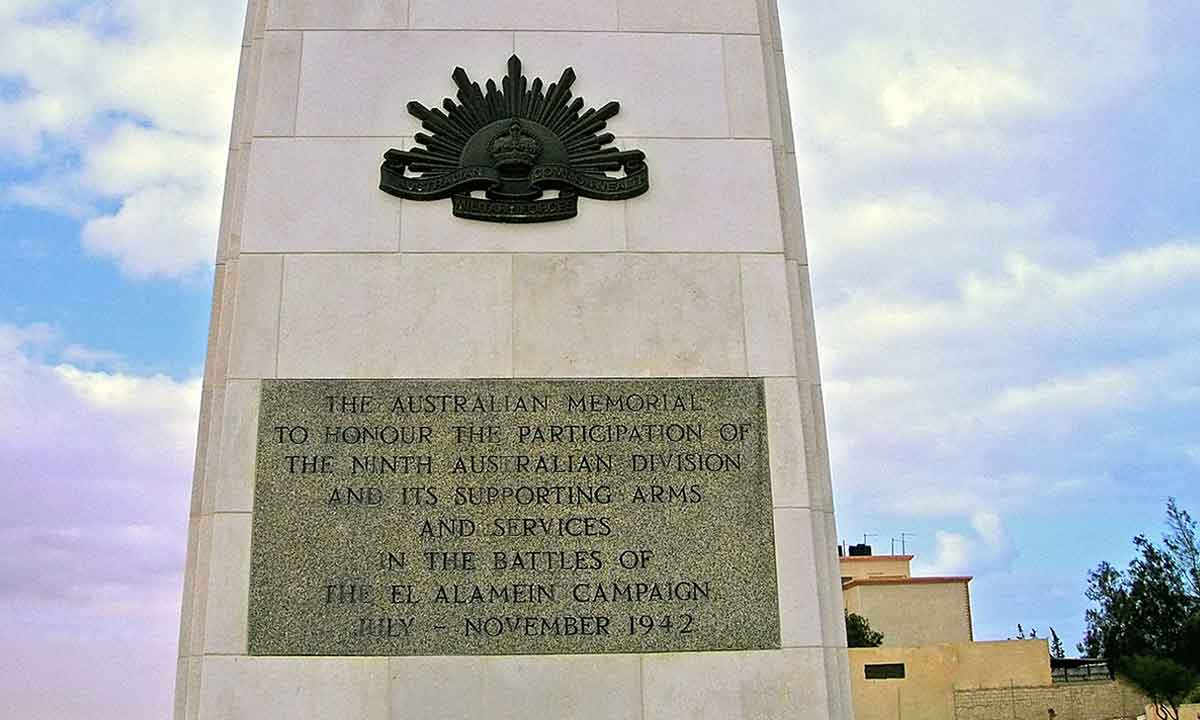
While most of the 2nd AIF was redeployed to the Pacific once Japan entered the war, the 9th Division remained with the British 8th Army. General Leslie Morehead’s force was considered an elite unit and British commanders hoped to continue to use it to stop the German-Italian force from attacking Egypt. On October 23, 1942, the 8th Army launched a massive attack with the aim of destroying Axis forces in North Africa. The 9th Division attacked the northern part of the Axis lines near El Alamein. At the cost of tens of thousands of casualties, the Allies managed to break through, liberate Libya, and drive onto Tunisia. The 9th Division went to New Guinea as part of Curtin’s efforts to change Australia’s war aims.
While some Australian ships and aircrews remained in Europe and Africa, the majority of Australian forces were fighting the Japanese by 1943. John Curtin’s government aimed to ensure that Canberra played a major role in the Allied victory. Australians distrusted Britain after the loss at Singapore and hoped the United States of America would support their plans.
However, General Douglas MacArthur, now Allied commander in the South Pacific, aimed to sideline Australian forces. He did not envisage the Australian playing a major role in the war effort and thought little of their combat abilities. Even though Australian troops were considered elite, both American and British commanders cared little for them. To mollify Curtin’s government, MacArthur’s headquarters assigned them mopping up duty on New Guinea, the Solomons, and New Britain.
Australian Commando Raids
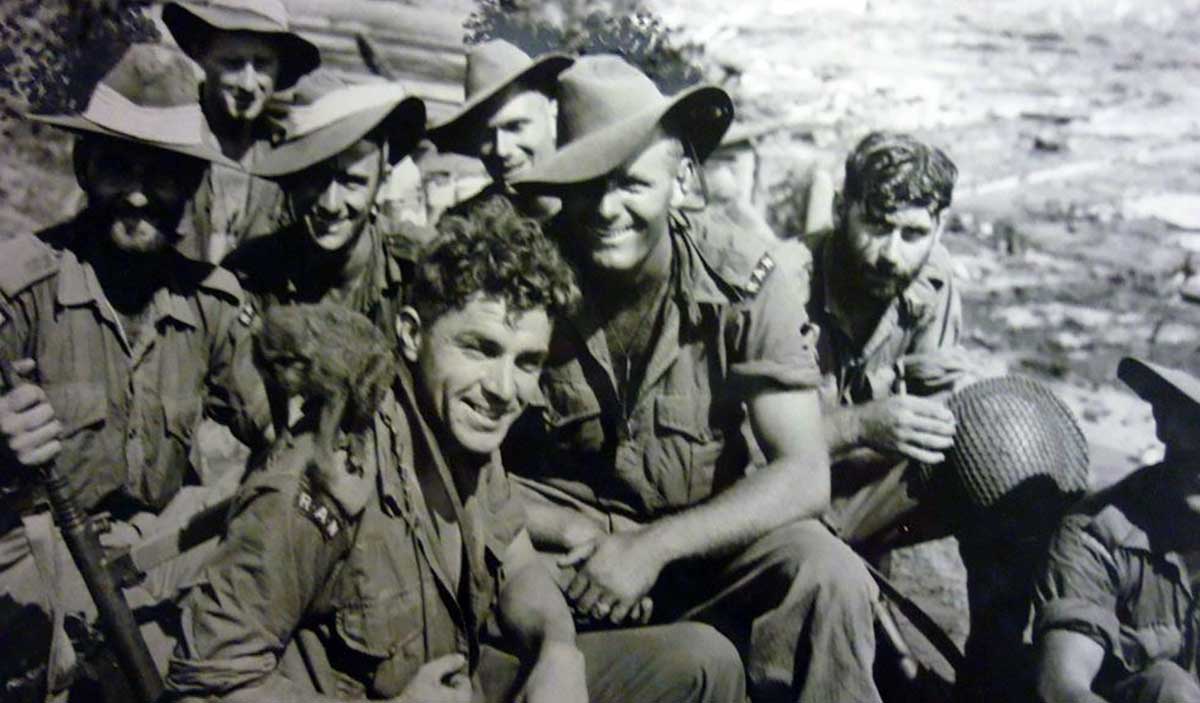
The Australian military also took part in special operations throughout the war. In 1940, they formed independent companies that could launch raids on Axis positions, modeled on British commando units. Initially, Canberra hoped to deploy these units in North Africa alongside British units. However, the Japanese entry into the war meant that the independent companies had to deploy closer to home. Apart from some individuals who joined British units in Europe and Africa, most Australian commandos fought in the Pacific and Far East.
In battles on Timor, New Britain, and New Guinea, Australian commandos suffered heavy losses but put up a tough fight against the Japanese. They emulated the American Marine Raiders and underwater demolition teams by preparing beaches for assaults by conventional forces. Their training was intense and their attrition rates higher than conventional forces.
Two of the most famous Australian commando operations were conducted by Z Force, a special unit designed to raid enemy shipping. In Operation Jaywick, a team of 14 men took a sailing vessel near the entrance to Singapore and used kayaks to enter the harbor. They destroyed several Japanese ships with mines and fled. When another team tried a similar operation called Rimau, it failed after being intercepted by Japanese guardships. Z Force and other independent companies routinely engaged in aggressive operations behind Japanese lines and worked with partisans in occupied Asia to foment anti-Japanese resistance. Their legacy endured long after the war ended with the establishment of units like the Australian Special Air Service Regiment.
Mopping up, Mutinies, and the End of Australia’s War
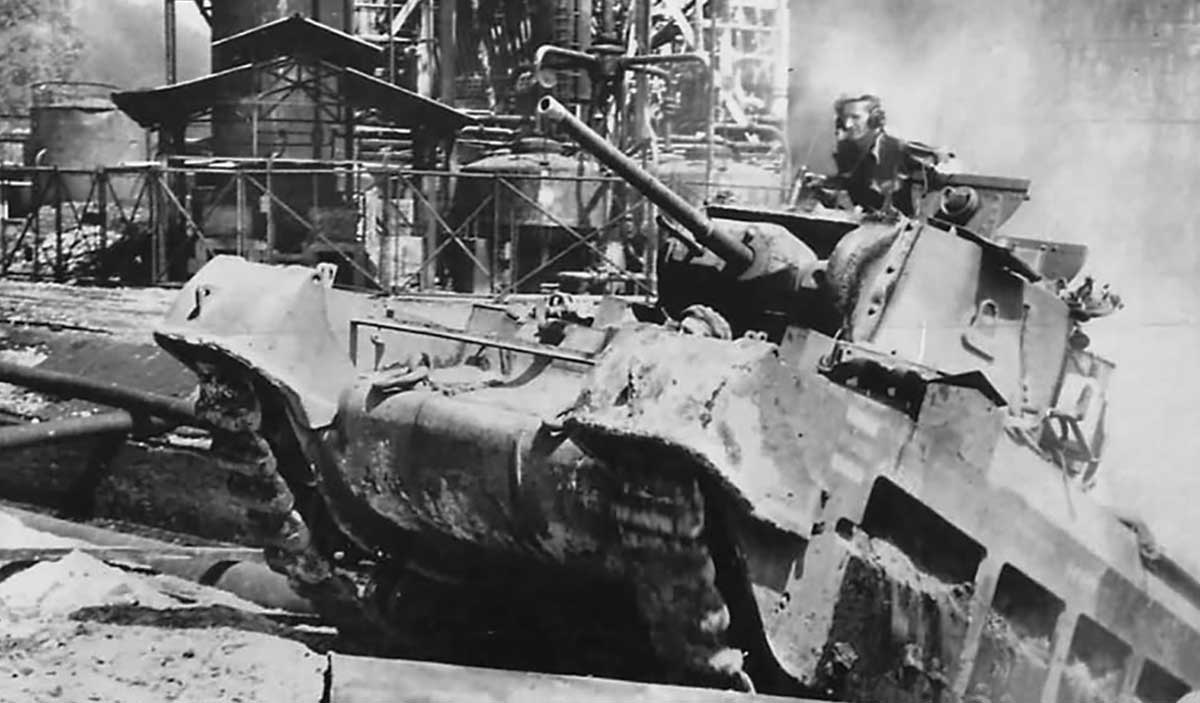
As American forces leapfrogged across Pacific islands to isolate Japanese garrisons, they requested that the Australians follow in their footsteps. Australian forces were ordered to blockade Japanese forces on islands the Americans bypassed. MacArthur pressed on with his ultimate goal: liberating the Philippines. The Australian I and II Corps stationed forces in New Britain, Bougainville, and northern New Guinea. The frustration at being assigned duty away from the main action annoyed the Australian public and prompted several mutinies. The Curtin government managed to gain American support for a series of landings on the island of Borneo. By the end of the war, the 7th had occupied the major port city of Balikpapan on Borneo, the 9th Division was deployed elsewhere on the island, the 3rd was on Bougainville, the 5th was on New Britain, and the 6th was on New Guinea.
Australian commandos, naval, and air forces did continue to assist the Allies in both Europe and Asia. With most of its forces engaged in mopping up actions, Australia released large numbers of reservists to support the wartime industry. Those that remained in combat fought well, but faded away from media attention. Once the war wound down, Australians were mainly concerned about getting their prisoners of war back, encouraging immigration to support the postwar economy, and demobilizing most of their forces.
As part of its successes in the Pacific, Australia regained control of islands Japan had seized as well as a supervisory role over much of the Solomons. By the end of the war, some 600,000 Australians were serving in the military in some capacity, nearly 9% of the population. 39,429 members of the Australian military died from 1939 to 1945 and 40% of the national income went to wartime spending. The country punched well above its weight and became a strong regional power in the Pacific as a result, notwithstanding the sidelining of its forces. It also paved the way for Australia’s new alliance with the United States, formalized in the 1951 ANZUS Pact.