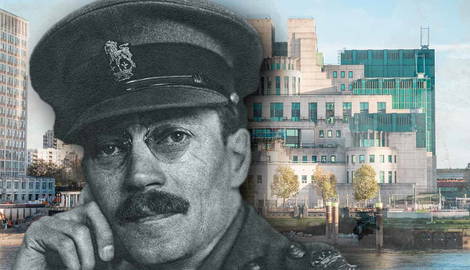

Developed at the start of the 20th century, MI5 and MI6 became linchpins of Great Britain’s national security. Over time, they became two of the most powerful intelligence agencies in the world. What they accomplished ensured that the UK has remained an intelligence heavyweight.
The Early Years of MI6
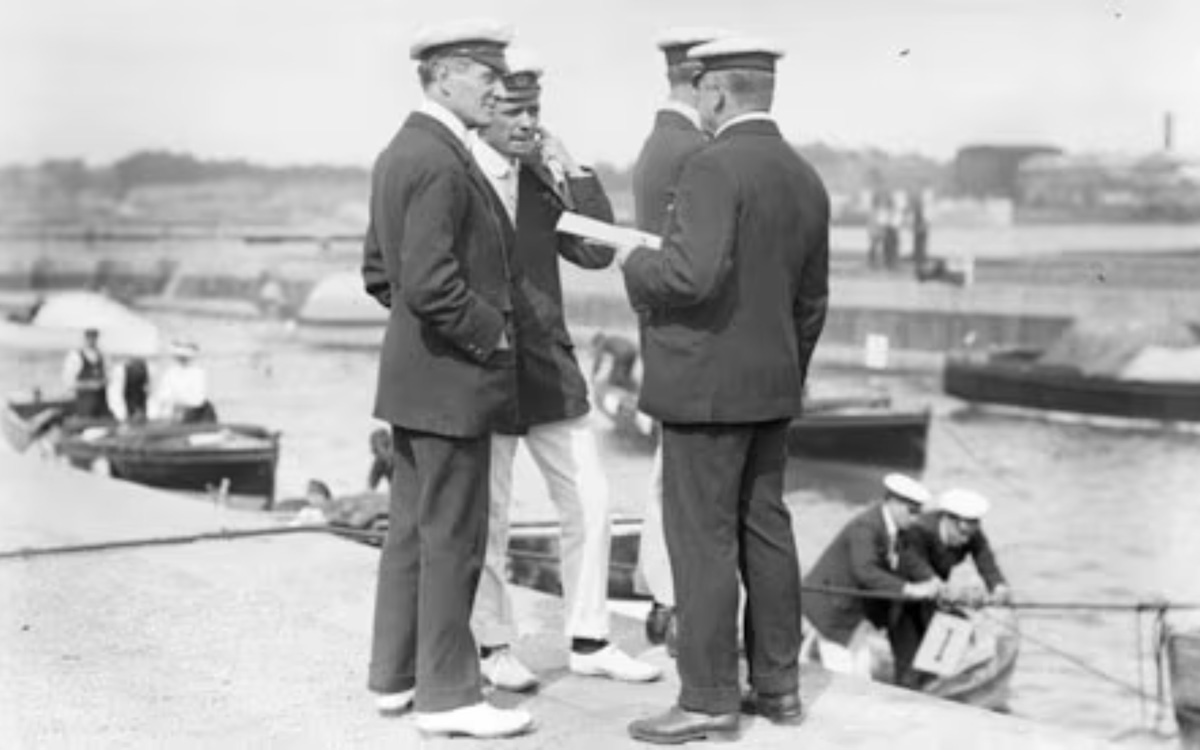
Long before the formal creation of Great Britain, English spies had been excellent practitioners of espionage. Sir Francis Walsingham helped England prepare for the Spanish Armada by establishing a network of informants throughout Europe. By the early 1900s, the British public feared that Germany was becoming very hostile and wanted more knowledge of German intentions. Prime Minister Herbert Asquith ordered the creation of the Secret Service Bureau in 1909. It was initially headed by Royal Navy Captain Mansfield Smith-Cumming and divided into the Home and Foreign Sections.
In 1916, the Foreign Section became a part of the War Office under the name MI1(c). Its agents acquired critical intelligence from sources in Central Powers member states. MI1(c) worked closely with Military Intelligence throughout the war and received more funding from Parliament. In 1920, MI1(c) became formally known as the Secret Intelligence Service (SIS). In the interwar period, it monitored Soviet activity after the October Revolution. However, Parliament cut its budget and its ability to respond to the rise of fascism in Europe was limited.
WWII saw a massive expansion of SIS. It grew to over 800 members working under Sir Stewart Menzies, the new director (also known as C). Despite competition with other services, SIS played a major role in obtaining intelligence from occupied territories in Europe and Asia. Upon the war’s ending, it continued to be a critical actor in British decision-making, especially with the start of the Cold War. Today, SIS is still the official name of the organization, but it is informally referred to as MI6.
The Early Years of MI5
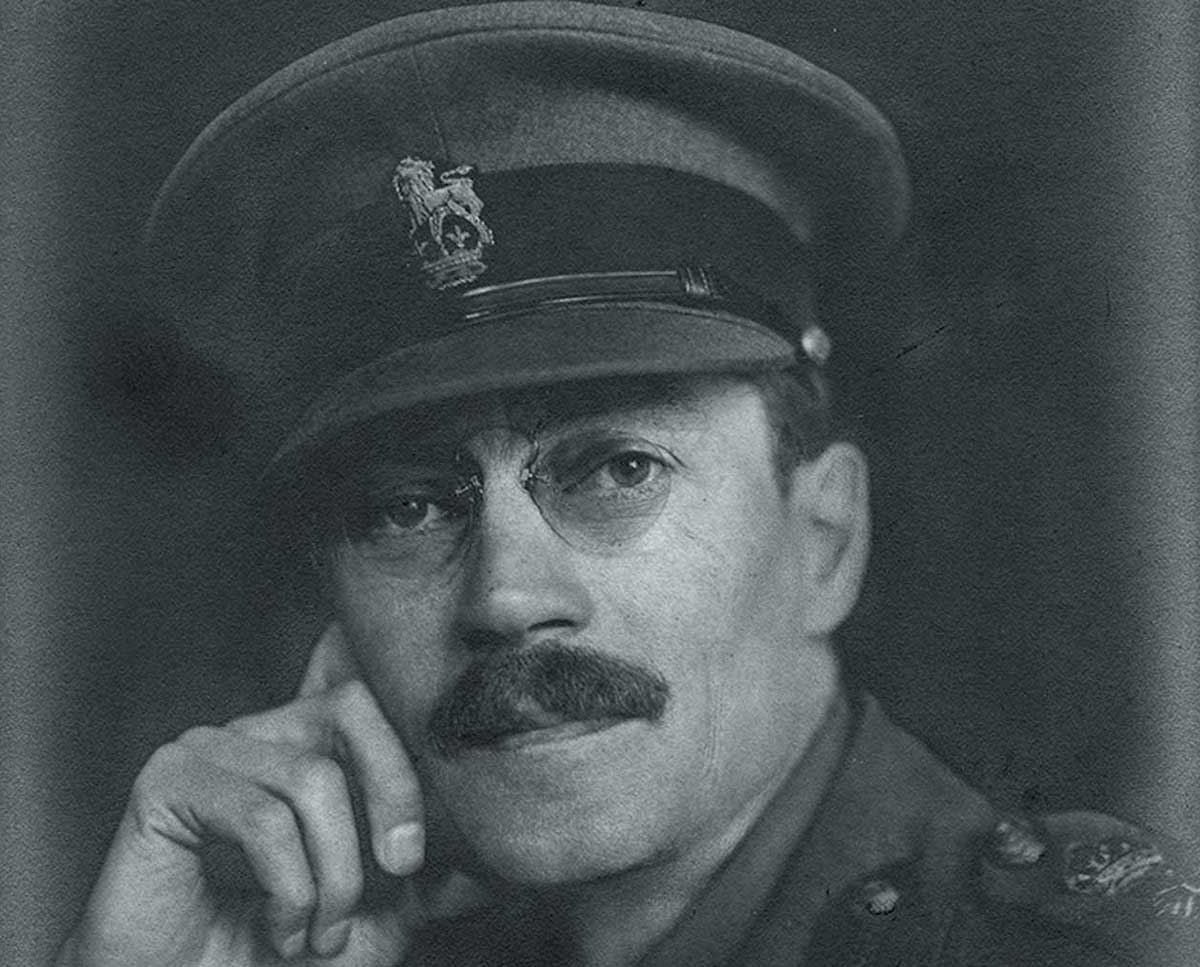
When the Secret Service Bureau divided into navy and army sections after its founding, it allocated some of its personnel to counterintelligence. Army Captain Vernon Kell took over this section and remained its director until WWII. The navy section became MI1(c) while the army section became Section 5 of the Directorate of Military Intelligence, or MI5. Its principal aim was to hunt down German spies operating in the United Kingdom.
When WWI broke out, the British Government’s Home Office ordered a crackdown on suspected Central Powers spy networks. Kell’s agents succeeded in this regard. Subsequently, MI5 found itself having to fight Soviet infiltration during the interwar years. This included spying on British communists and trade unions suspected of having illicit ties to Moscow. Like MI1(c), it faced major budget cuts and had some of its personnel transferred to other offices. It failed to stop Michael Collins’s IRA from wreaking havoc on British intelligence networks in Ireland.
Kell was able to gain some additional funding when it became clear that the USSR and Fascist countries were spying on Britain. Scotland Yard’s Special Branch returned to law enforcement responsibilities, meaning MI5 became the dominant counterintelligence service. It successfully hunted down Axis spy networks in WWII. However, it struggled to stop Soviet espionage in Britain after the war. The failure to arrest the Cambridge Five for many years after WWII haunts the agency to the present day. MI5 also struggled to stop plots by Zionist insurgents in Palestine in the immediate aftermath of WWII. Nonetheless, it became a well-regarded counterintelligence service on account of its WWII exploits.
Differences in Organization
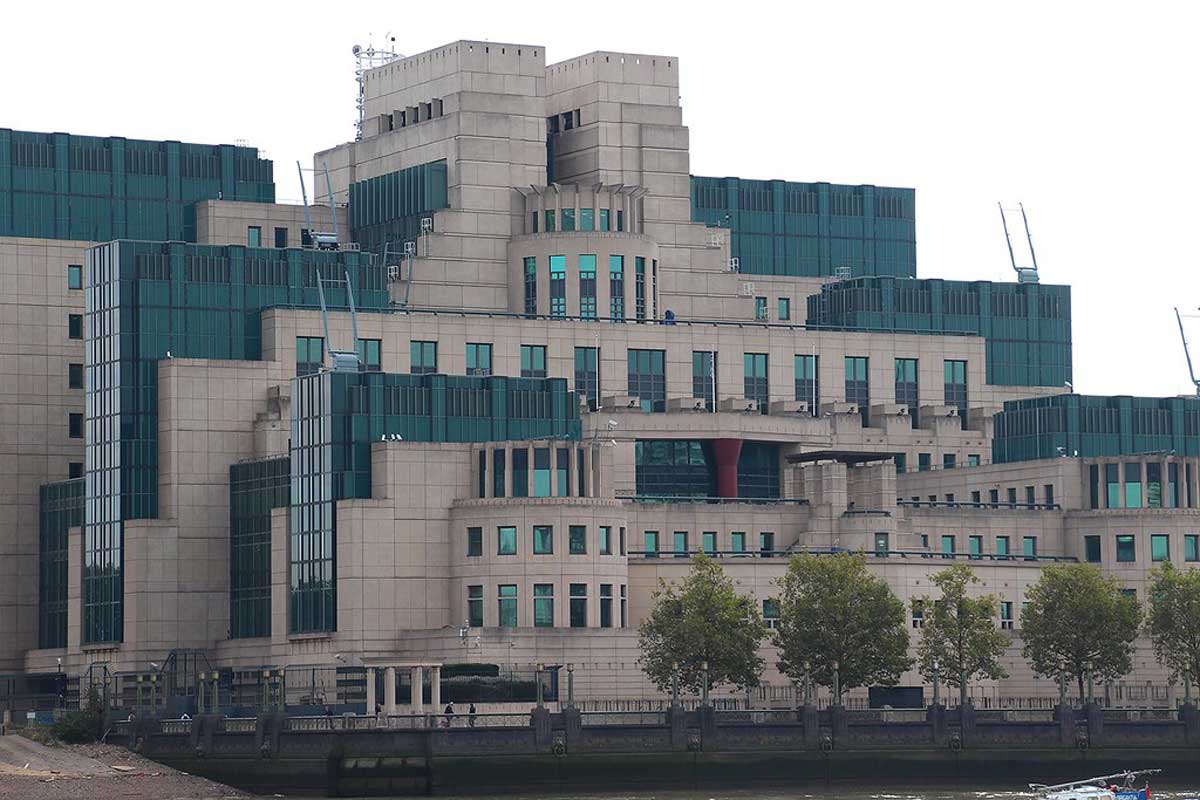
As MI6 expanded, it created new offices to handle the multitude of tasks assigned to it. While many intelligence agencies are under the direct oversight of the Prime Minister, MI6 reports on a day-to-day basis to the UK Foreign Secretary. The Chief of MI6, also known as C, has two major responsibilities: overseeing incoming intelligence and allocating resources within the service. Unlike in the United States, C’s appointment does not require the approval of a parliamentary committee; they are always appointed by the Foreign Secretary. Members of MI6’s leadership also sit on the Joint Intelligence Committee to coordinate operations and information sharing with other UK intelligence agencies.
MI6 has stations generally based in British embassies around the world. Case officers work alongside diplomatic staff to gain information about a target actor. Intelligence personnel answer to a chief of station that, in turn, provides important information up the hierarchy. Additionally, MI6 has a paramilitary group that does special operations called E Squadron. Agents train at Fort Monckton in Hampshire before their assignments. As of 2021, it is known that MI6 has at least 3,800 personnel on staff.
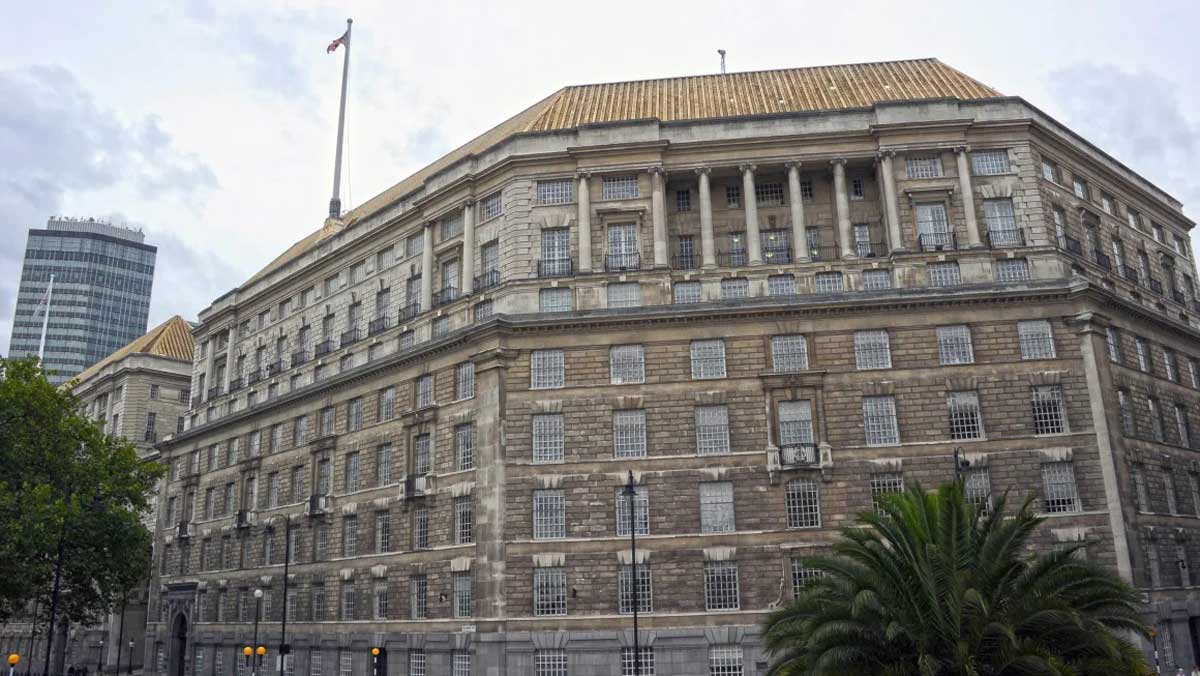
MI5 also comes under ministerial oversight in its day-to-day operations. The Home Office oversees MI5 operations and coordinates its actions with other UK law enforcement and intelligence agencies. The head of MI5 is known as the Director General. His or her deputy oversees operations for all branches of the agency. Like MI6, its leadership sits on the Joint Intelligence Committee. Its actions are subjected to more parliamentary oversight than MI6 because its work is more publicly known.
MI5 has four main operational branches. The International Counterterrorism Branch examines counterterrorism outside of the UK. The National Security Advice Center undertakes counterespionage operations within the UK, especially towards rival states’ intelligence agencies. Domestic counterterrorism, including in Northern Ireland, comes under its own investigative branch. Lastly, technical and surveillance operations are overseen by all the branches in the agency. MI5 has more than 5,000 people working on its staff.
Famous MI6 Operations
Throughout its history, MI6 had several major intelligence feats that solidified the organization’s reputation for effectiveness. During the Second World War, MI6 helped run several intelligence-gathering cells that gave London important wartime information. Its partnership with the Polish resistance enabled the British to gain access to the technology used on board V-2 rockets in Operation Wildhorn III. It also created intelligence-gathering networks in occupied France like the one run by Marie-Madeleine Fourcade.
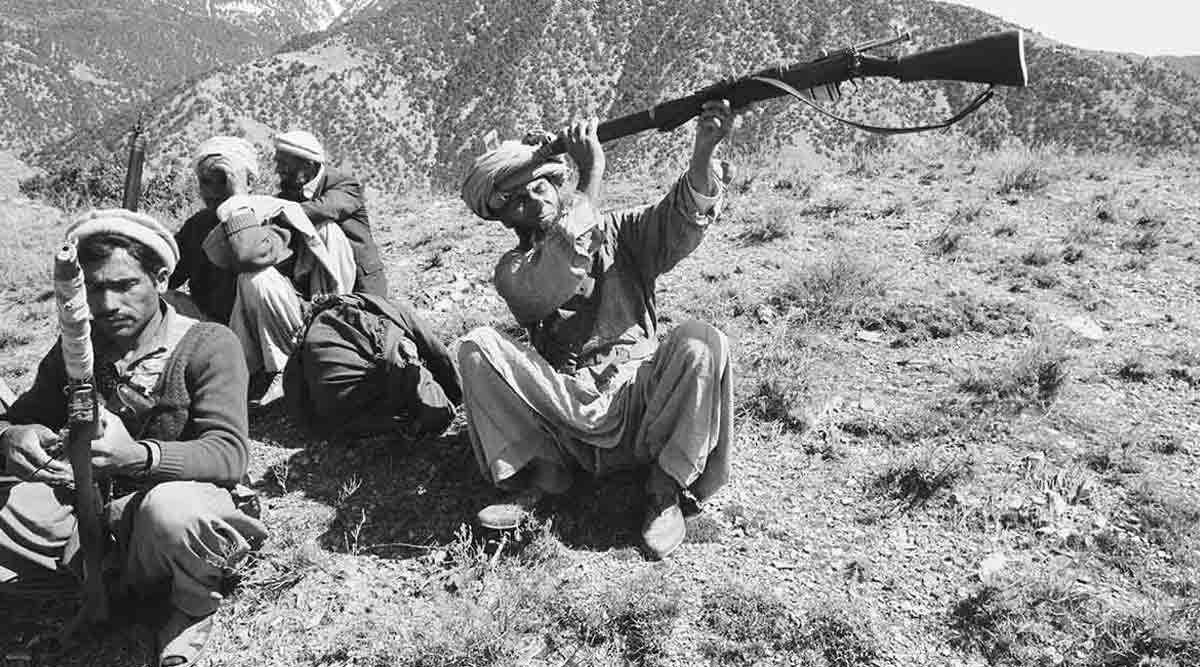
Its greatest feats came during the Cold War. Notwithstanding the initial difficulty in penetrating the Soviet government, its agents started to make headway in the 1960s. For instance, GRU Colonel Oleg Penkovsky became an asset for the West in a joint CIA-MI6 operation that enabled the Americans to have critical intelligence during the Cuban Missile Crisis. Oleg Gordievsky, a KGB officer stationed in London, also became a British agent. When Soviet hardliners plotted to overthrow Mikhail Gorbachev, MI6 was alerted to the plot by several of its agents in Moscow. It also worked to assist the Afghan mujahideen when their country was invaded by the USSR.
The War on Terror exposed a new angle of intelligence gathering and antiterrorism operations for MI6. When the US invaded Afghanistan after 9/11, MI6 operatives worked with anti-Taliban factions to overthrow the regime. They also worked alongside Iraqi and Syrian operatives during the fight to stop ISIS in the region. Following the end of the Cold War, MI6 continued to spy on Russia, providing critical intelligence to Ukraine before Russia’s full-scale invasion in 2022.
Famous MI5 Operations
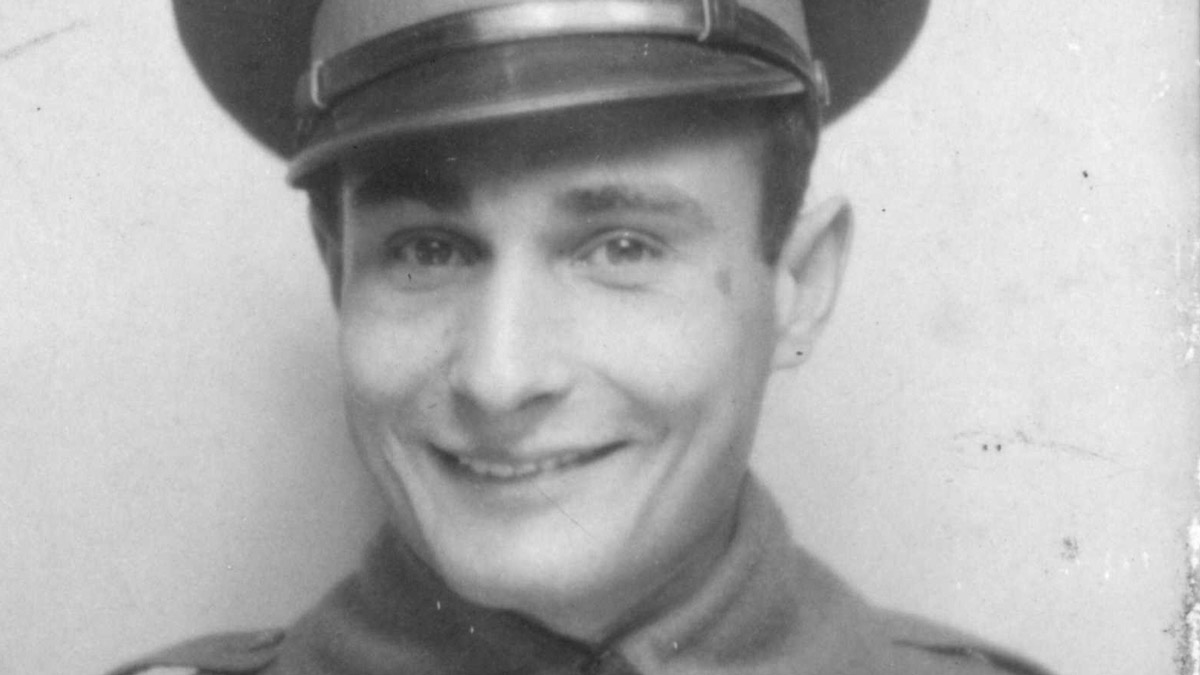
MI5 took time to develop its capabilities in going after enemy spies and terror networks. By the time WWII broke out, MI5 had developed very capable counterintelligence practices. As a result, Axis attempts to create spy networks in Britain failed miserably. One of the most successful MI5 operations during the war was the XX system, with the Spaniard Juan Pujol Garcia, codenamed “Agent Garbo,” as one of its most effective agents. MI5 was able to create a network of Germans that had been captured and turned against their former masters. As a result, Germany kept sending agents into Britain who were promptly arrested. No Axis country was able to gain intelligence from British leadership circles during the war due to MI5’s vigilance.
During the Cold War, MI5 found itself dealing with Communist efforts to establish spy networks in the UK and terror plots by extremist groups. Despite its failure to get the Cambridge Five, MI5 did expose the Portland Spy Ring in 1961, leading to the arrests of five Soviet agents. Starting in the 1970s MI5 faced additional threats from extremist groups in Northern Ireland such as the Provisional Irish Republican Army. This led to the agency infiltrating PIRA cells to disrupt terror plots.
After the 9/11 attacks, MI5 reoriented some of its assets towards countering Islamic extremism. In 2004, MI5 disrupted a plot to set off a dirty bomb in London by al-Qaeda. This was followed by a major bust of an al-Qaeda plot in 2006 to place terror operatives on several flights leaving London’s Heathrow Airport for the United States. MI5 also disrupted multiple plots by rogue IRA members opposed to the Good Friday Agreement.
Controversies
Notwithstanding the successes of both agencies, they also failed in their tasks on several occasions that undermined the UK’s security. They were also implicated in deeply illegal behavior. In 1939, MI6 ordered several agents to a town in the Netherlands with the hope of contacting German generals opposed to Hitler’s actions. Once the agents crossed into Germany, they were ambushed and apprehended by a unit of the SS. Subsequently, MI6 was reluctant to make contact with Axis military leaders, meaning that they lacked insight in Axis war plans.
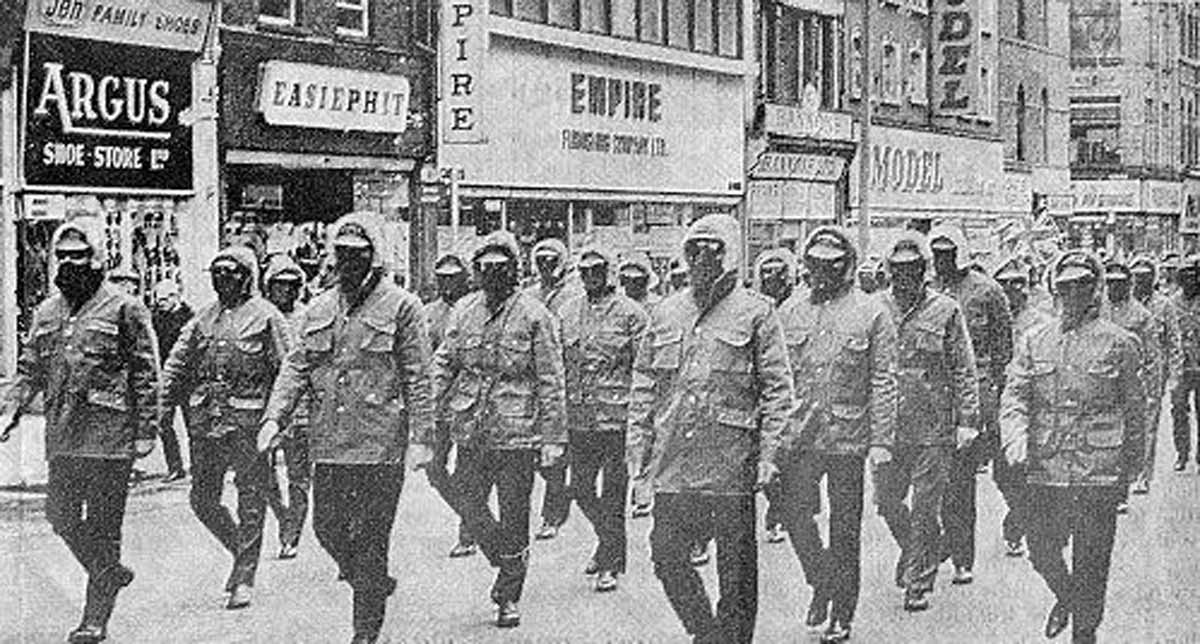
During the Cold War, MI5’s failure to catch the Cambridge Five cast a dark spell over the organization for many years to come. MI6 and MI5 tried to stop repeated plots by Zionist insurgents from 1944 to 1948 and faced tremendous difficulty in doing so. They also got involved in the UK’s domestic politics. For instance, MI5 was suspected of trying to undermine Prime Minister Harold Wilson’s government because he was accused of being a Soviet sympathizer. During the Troubles, loyalist paramilitary groups received backing from the UK intelligence community notwithstanding their reputation for brutality and cruelty. They also failed to anticipate the collapse of the USSR similarly to their American counterparts.
During the War on Terror, MI5 and MI6 were implicated in several scandals, including the possible use of torture and violating British citizens’ civil liberties. UK citizens suspected of terror ties were targeted for surveillance that sometimes exceeded the legal standards in place. Additionally, MI5 used controversial means to protect informants, such as by lying to several courts to protect a member of a neo-nazi organization. Both organizations face scrutiny from Parliament and the media to this day about their controversial practices.