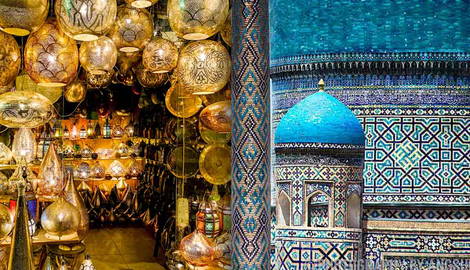
Medinas are the historic centers of Islamic cities, where life has been unfolding in much the same way for centuries. These walled neighborhoods, featuring narrow streets, markets (souks), and mosques, were designed for trade, worship, and daily life. Some medinas are still lively city centers, while others are preserved as historical sites. Each medina tells the story of the people who lived there and shows how trade, culture, and rulers influenced their development over time.
What Makes Medinas Special?
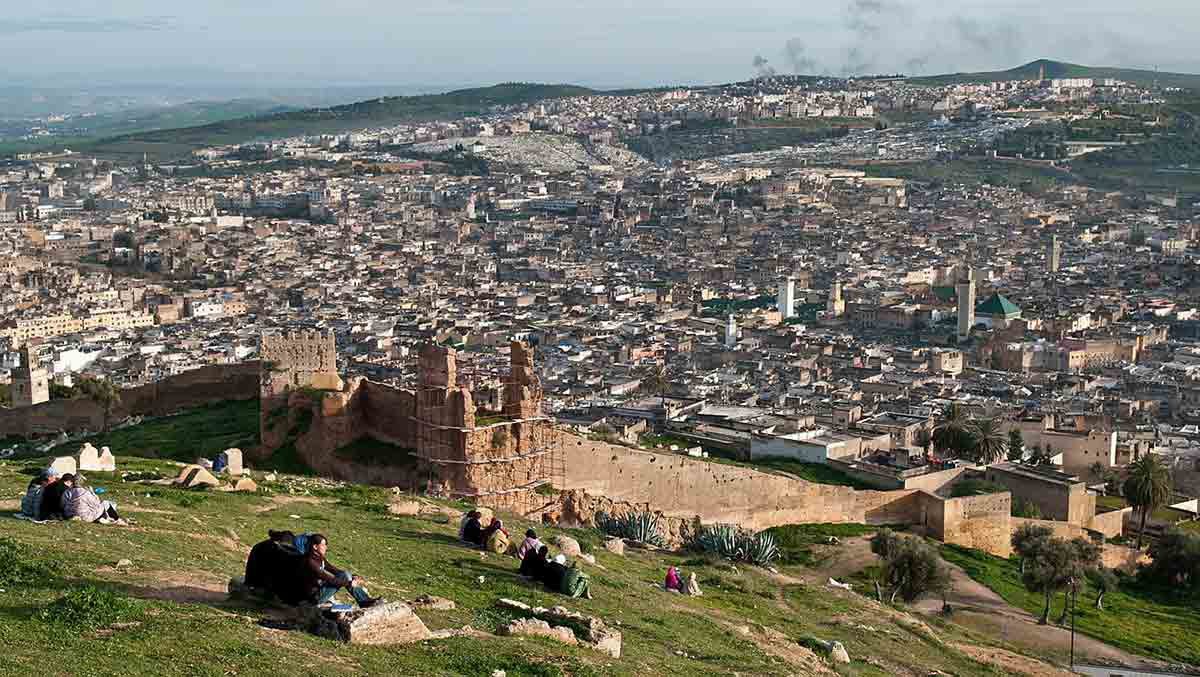
Medinas were built to be defensive, self-sustaining, and deeply communal urban centers. All date back centuries, often as far back as the Medieval Period. The name comes from the Arabic word madīnah, meaning “city,” though today it refers specifically to historic districts with labyrinthine streets, markets (souks), homes, and mosques, all packed close together.
Homes had interior courtyards that granted residents precious private outdoor space, and markets were arranged in specialized districts with specific streets for leather, metalwork, spices, or fabrics. In the center of it all were grand mosques. Over time, rulers and traders added madrasas (Islamic schools), caravanserais (inns for merchants), hammams (public bathhouses), and opulent palaces.
The maze-like street planning of medinas, a stark contrast to the wide boulevards and large city blocks adopted later in urban planning, was part of a defense tactic. Its aim was to confuse and slow down potential invaders. Centuries later, it has also proven very effective against tourist invasions.
Here are seven of the most fascinating medinas, each with a unique history that reflects the cultures that built them.
1. Fes el-Bali – Morocco
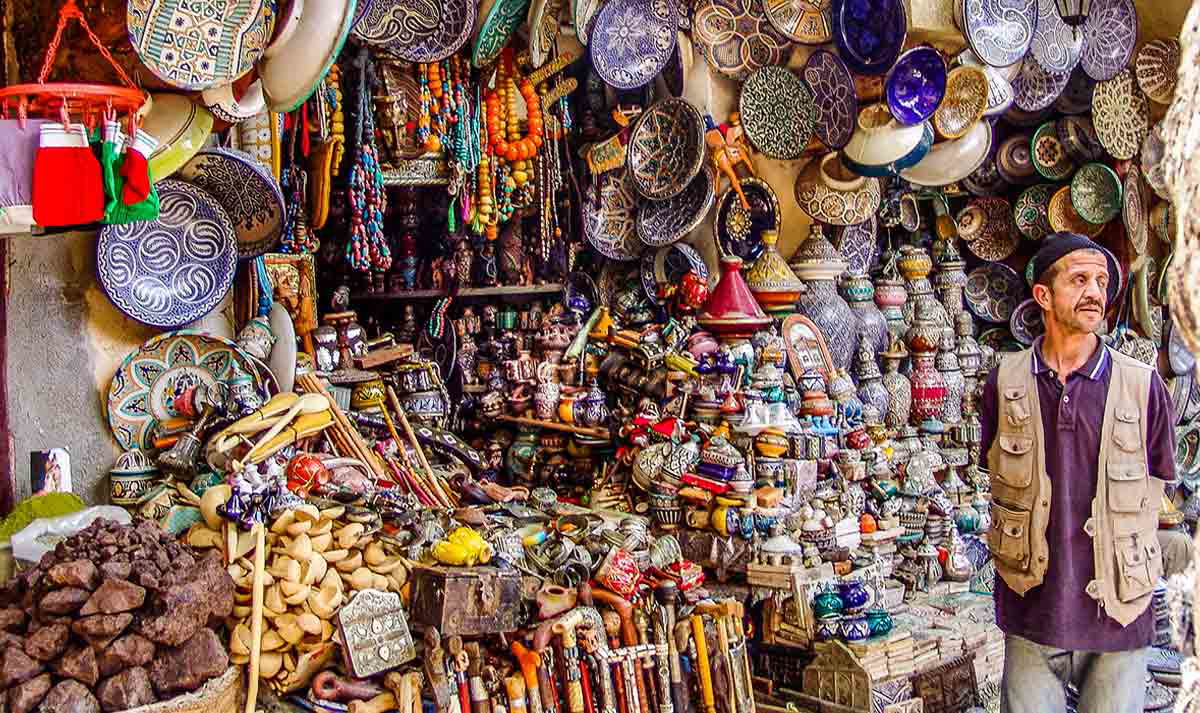
Age: Founded in 789 CE, expanded in the 12th century
Fes el-Bali is one of the world’s largest and oldest surviving medieval cities, with over 9,000 alleyways twisting through markets, homes, and mosques. It became a major center of trade and Islamic scholarship under the Idrisid Dynasty, later flourishing under the Almohads and Merinids. The University of Al-Qarawiyyin, founded in 859 CE, is the oldest continuously operating university in the world, playing a key role in spreading knowledge across North Africa and Europe.
How to make the most of your visit: Fes el-Bali is an overwhelming place, even for seasoned travelers, with thousands of alleyways making it near-impossible to keep your bearings. Getting lost is inevitable, but that’s part of the experience—so embrace it.
Hiring a local guide, at least for your first day, is a smart move, as they can show you hidden spots and meaningful architectural gems you’d never find alone. Staying inside the medina in a traditional riad makes exploring easier, as taxis can’t reach most of the old city. Be prepared for hilly terrain and uneven paths; comfortable shoes make a big difference here. Lastly, don’t rely too much on Google Maps—download an offline map or ask shopkeepers for directions, as they’re usually happy to help (and used to assisting foreign visitors.)
2. The Medina of Marrakech – Morocco
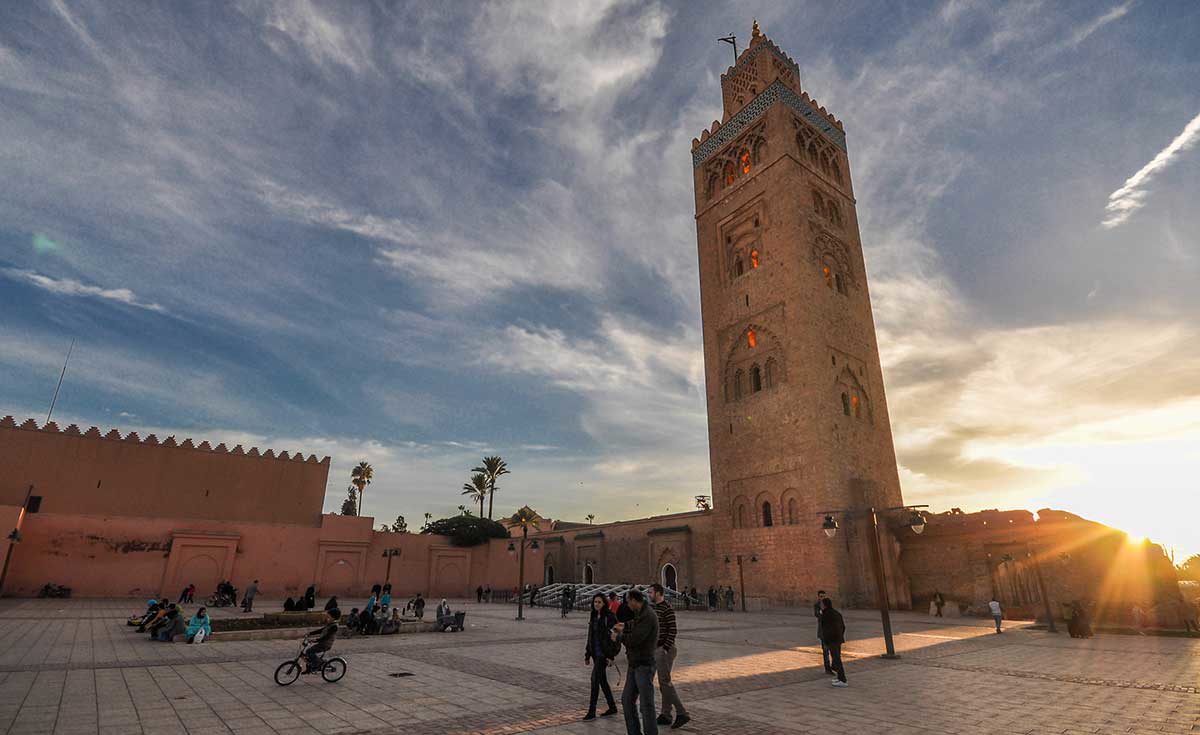
Age: Founded in 1070 CE by the Almoravids
Marrakech’s medina was built by the Almoravids, who made it their capital before the Almohads took over and reshaped it. They added Koutoubia Mosque, whose minaret later inspired Seville’s Giralda Tower.
The city’s famous Jemaa el-Fnaa Square has been a gathering place for centuries, once used for public announcements and even executions. The souks of Marrakech are among the busiest in North Africa, selling everything from traditional Berber carpets to brass lanterns.
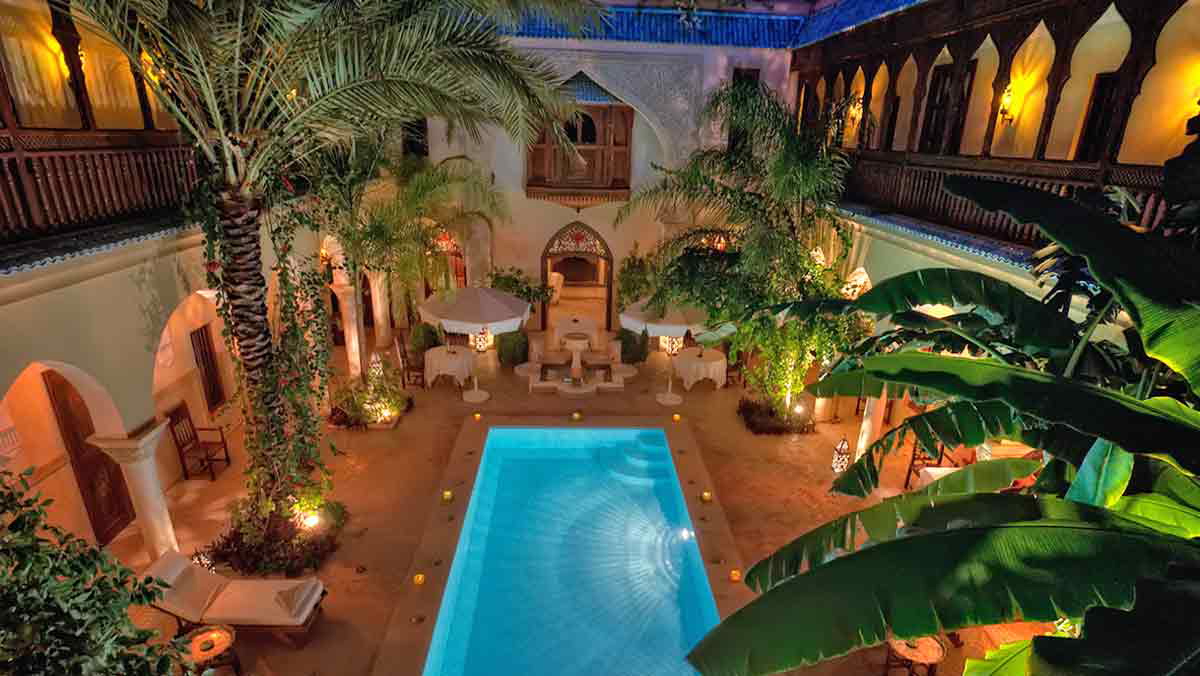
How to make the most of your visit: Marrakech’s Medina is full of life, but it can be exhausting if you don’t pace yourself. Start early in the morning to explore the souks before the midday heat and organized tour crowds take over. The main square, Jemaa el-Fnaa, is best visited in the evening when food stalls appear and performers put on a show. Just be mindful of street vendors who can be persistent. If you’re shopping, bargaining is expected—start at half the asking price and negotiate from there, always with a smile.
3. The Medina of Tunis – Tunisia
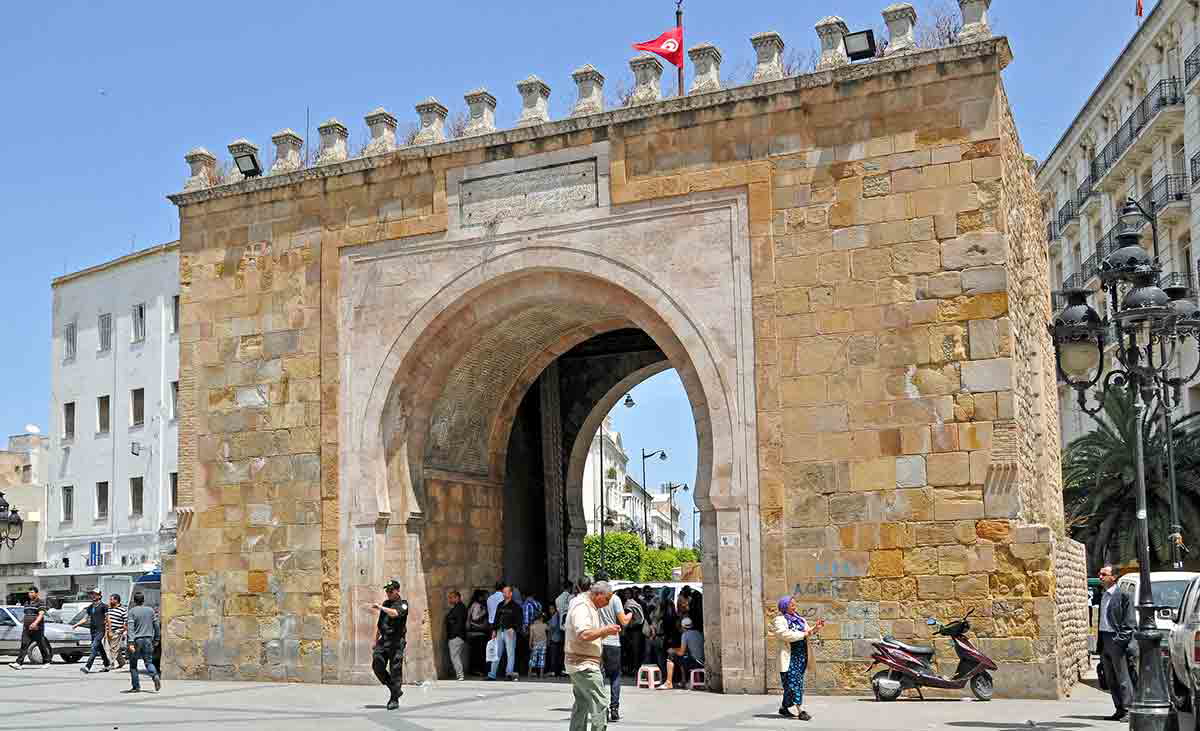
Age: Founded in the 7th century CE
Tunis’s Medina became one of the most important trading cities in the Islamic world, especially under the Hafsid Dynasty in the 13th-16th centuries. It was one of the most prominent stops for merchants traveling between the Middle East, Africa, and Europe. It holds over 700 historic buildings, including the Zitouna Mosque, founded in 732 CE, which became a major center of learning.
Some of its Ottoman-era homes have been turned into boutique hotels, keeping their original courtyards, painted ceilings, and intricate woodwork intact.
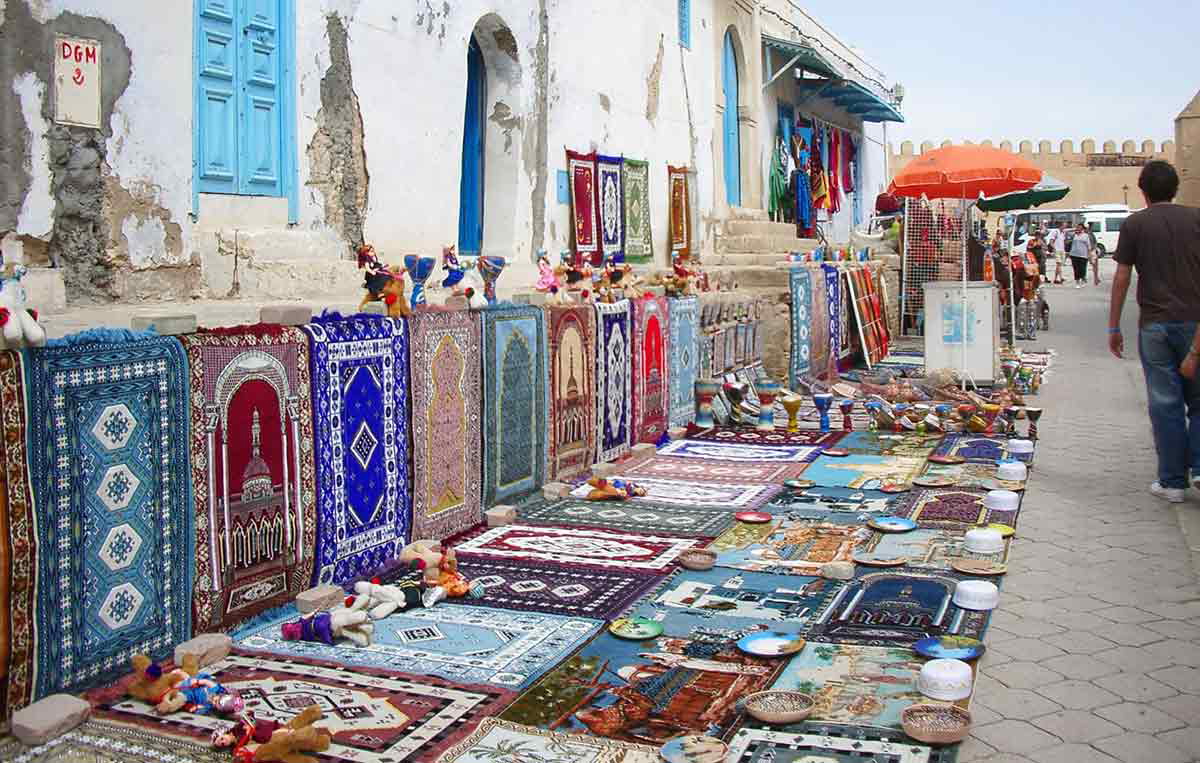
How to make the most of your visit: Start your exploration at Bab el Bahr, the old sea gate that leads into its winding streets. Many of the grand mansions from the Ottoman Period have been turned into restaurants and boutique hotels. Feel free to step inside and admire their intricate tilework and carved wood ceilings. If you want to visit the Zitouna Mosque, note that non-Muslims aren’t allowed inside the prayer hall, but you can still enter the courtyard to look at its impressive columns. Many were repurposed from Roman ruins.
4. The Islamic Quarter of Cairo – Egypt
Age: Founded in 969 CE by the Fatimids
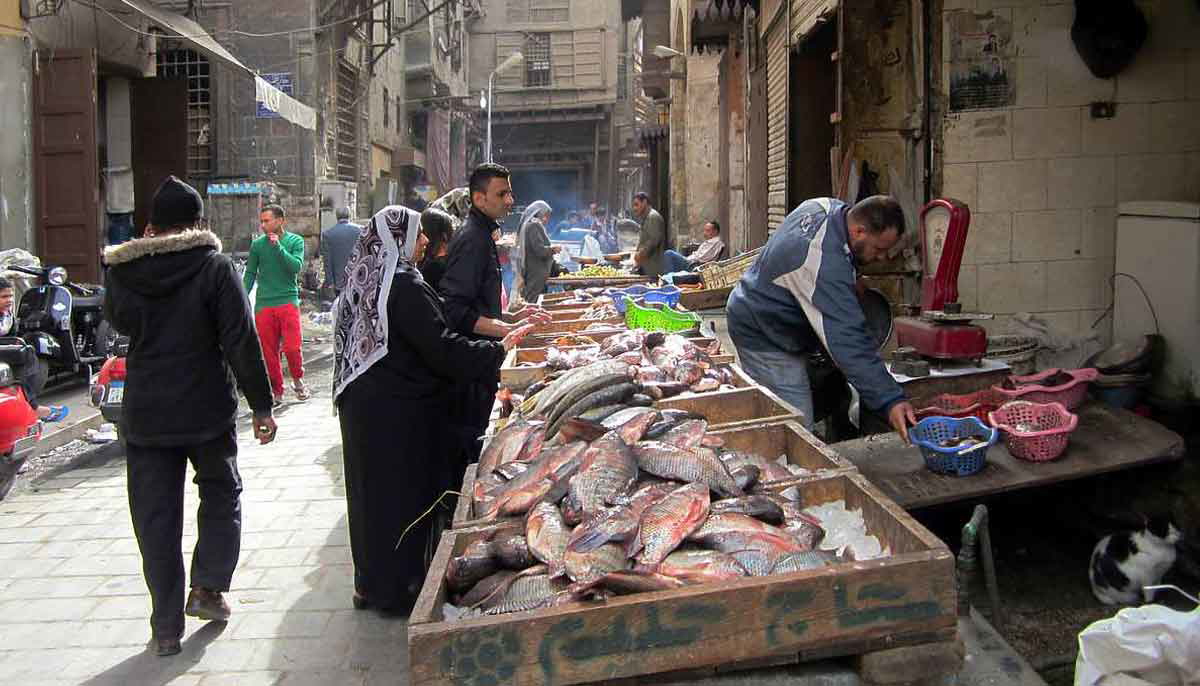
Cairo’s medina isn’t walled like Morocco’s, but it functioned in pretty much the same way. It grew under the Fatimids, then expanded massively under the Mamluks, who built grand mosques, palaces, and the Sharia al-Muizz shopping street. The Khan el-Khalili market, dating back to 1382, is still home to metalworkers, spice traders, and carpet sellers.
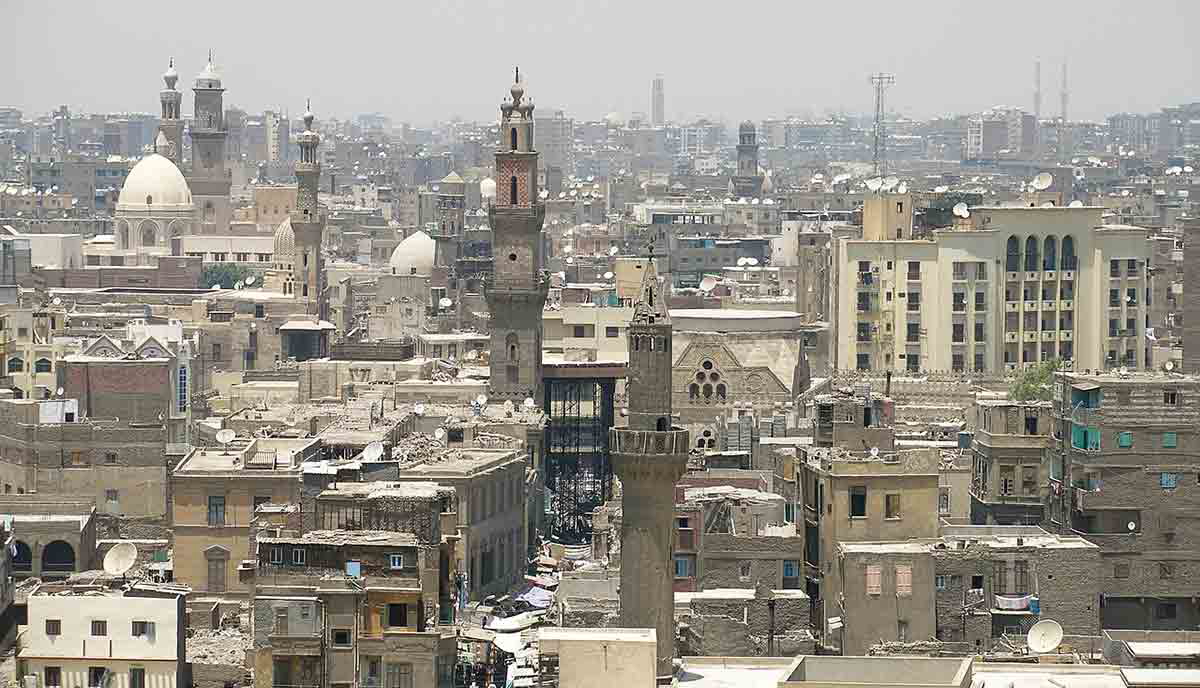
How to make the most of your visit: Cairo‘s historic quarter is absolutely massive, so it is best to focus on a few key areas rather than trying to see everything in one day, like you would with Cairo’s Grand Egyptian Museum. Start on Al-Muizz Street, where you’ll find some of the finest examples of Mamluk architecture, including old mosques, madrasas, and caravanserais.
Khan el-Khalili, the famous bazaar, is great for souvenirs but can be overwhelming. So, visit early or late in the day when it’s far less crowded. Many of the old buildings have rooftop cafés where you can take a break and enjoy the skyline.
5. Baghdad’s Old City – Iraq
Age: Founded in 762 CE
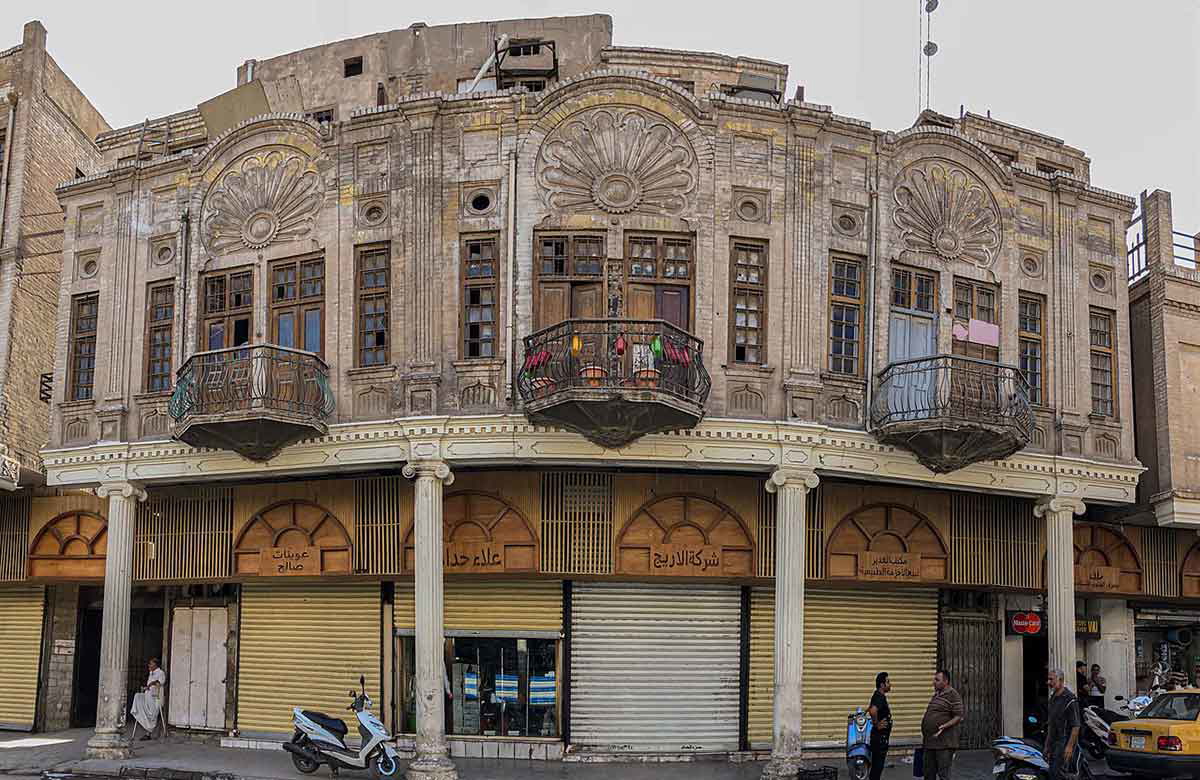
Baghdad was built as a planned city under the Abbasid Caliphate, designed in a circular shape with the caliph’s palace at the center. It became the intellectual heart of the Islamic Golden Age, home to the House of Wisdom, where scholars translated and preserved Greek, Persian, and Indian texts. Though much of the original medina has been lost, remnants of its grand mosques and markets remain.
How to make the most of your visit: Baghdad’s old city still carries echoes of its past yet boasts the chaotic buzz of modern-day Iraq. The best way to explore is with a local who can guide you through the remaining historic sites, like the Abbasid Palace, one of the few surviving structures from the city’s early days.
Tea houses along the banks of the Tigris are a great place to sit and soak in the atmosphere. Some date back hundreds of years and are historical treasures of their own accord. Given Iraq’s political situation, always check current travel advisories before planning a visit and be prepared for heightened security measures in some areas.
1. The Albayzín of Granada – Spain
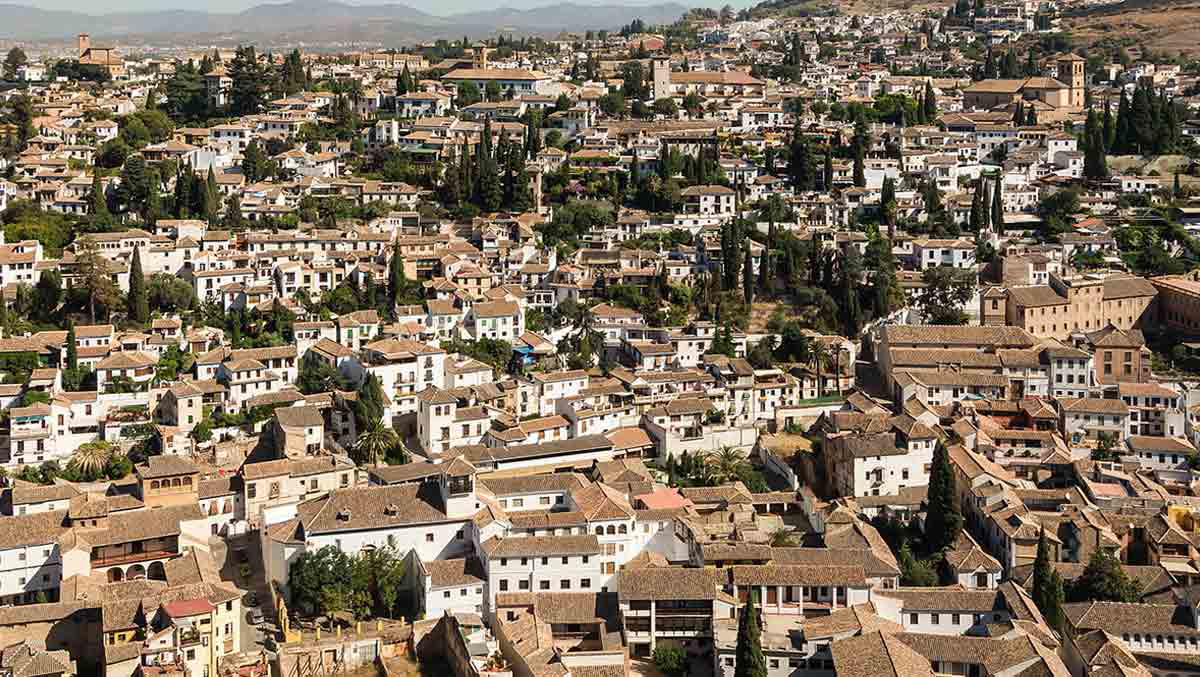
Age: Founded in the 11th century under the Zirids
Granada’s Albayzín district was a Moorish neighborhood during the Nasrid Dynasty, with winding streets, walled gardens, and hidden courtyards. After the Reconquista in 1492, many of its mosques were converted into churches, though the Islamic influence is still clearly visible in its architecture and street layout.
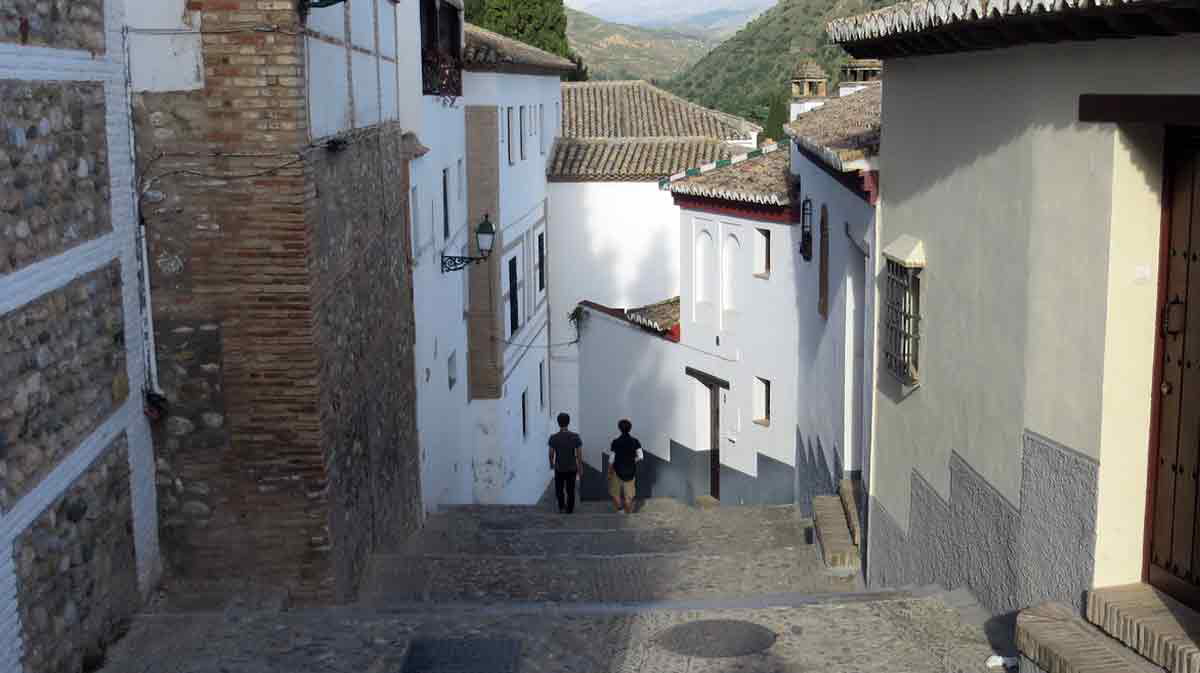
How to make the most of your visit: Albayzín is best explored by walking uphill from Plaza Nueva, following the winding stone-paved alleys toward the Mirador de San Nicolás, where you’ll find the most breathtaking view of the Alhambra. While it looks medieval, many of its Moorish buildings were reconstructed after the Reconquista, blending Islamic and Spanish styles. Small family-run restaurants here serve dishes with clear North African influences—some even have courtyards that feel like mini Moroccan riads.
Since the streets are steep and cobbled, wear comfortable shoes and be mindful that many parts of the neighborhood still function as private residences.
7. The Registan of Samarkand – Uzbekistan
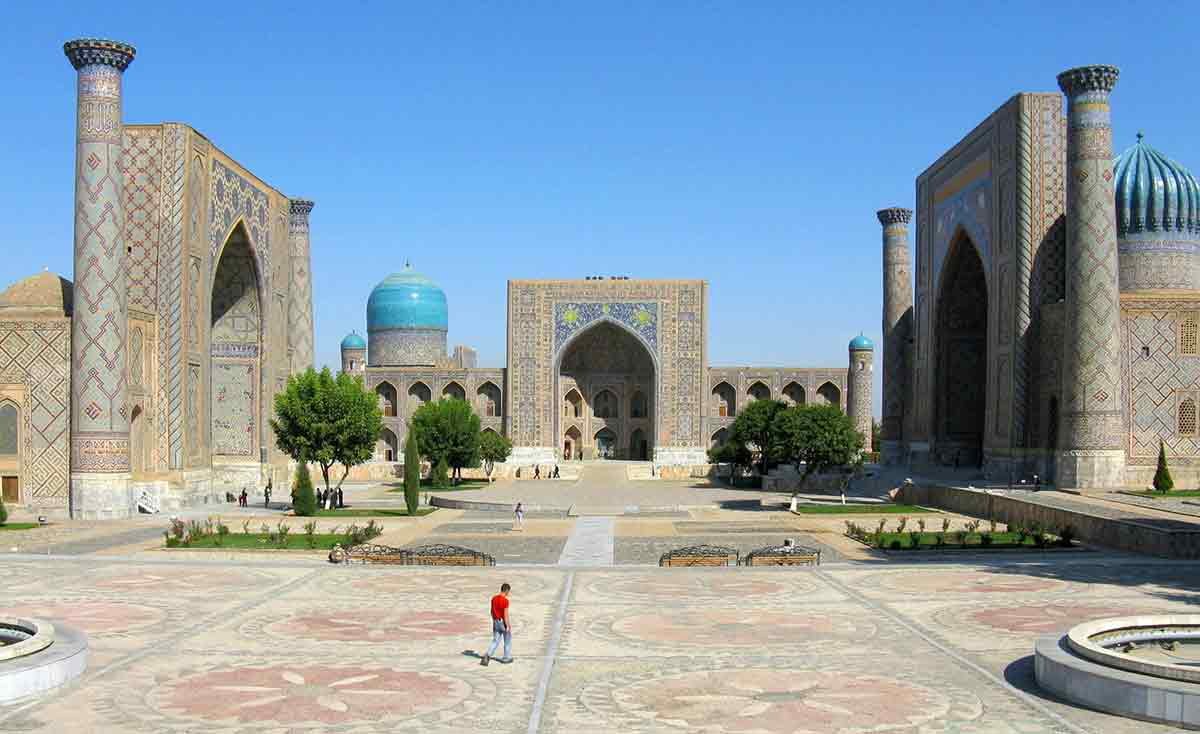
Age: Islamic influence began in the 8th century
Samarkand was a major city on the Silk Road, with stunning Islamic architecture built under Tamerlane (Timur) in the 14th century. The Registan Square showcases Persian, Turkic, and Islamic design, with blue-tiled madrasas that once housed hundreds of scholars.
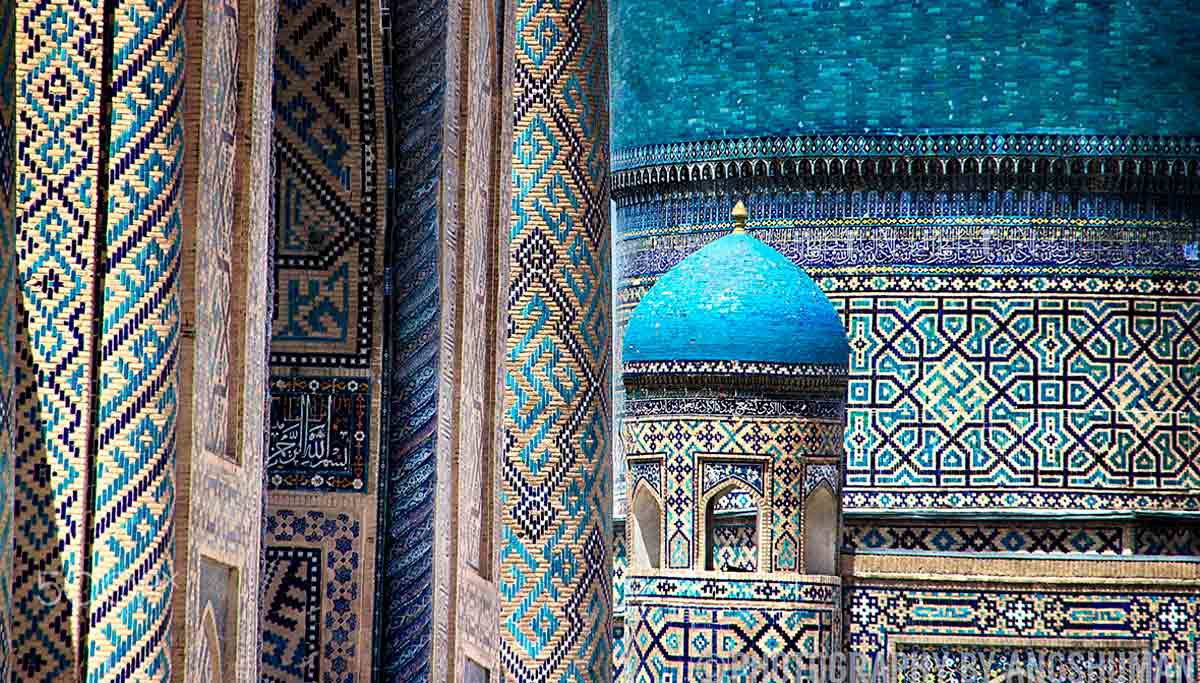
How to make the most of your visit: Samarkand‘s old city is a showpiece of Timurid-era architecture, and while the Registan is the star attraction, don’t miss the lesser-known backstreets where artisans still work using traditional methods.
Unlike other medinas, Samarkand’s old city is much more spread out, so plan for extra time if you want to see everything. The local markets sell some of the best dried fruits and nuts in Central Asia—the best sightseeing snacks you’ll ever savor!