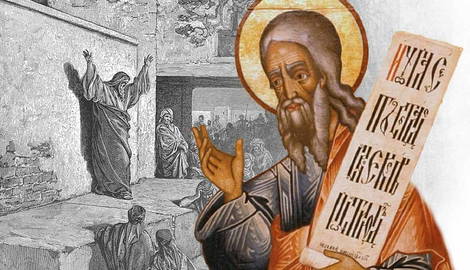
Micah was from Moresheth, a small town in Judah, and received a calling to prophesy to the kingdoms of Israel and Judah. He had to proclaim the judgment of God on these nations for their sins and idolatry. He prophesied about the fall of Samaria and Jerusalem, though these events occurred more than a century apart. Both countries were guilty of social injustice and practicing religious ceremonies while neglecting the essence of their religion. His contemporaries, Amos, Hosea, and Isaiah, had similar messages of judgment and restoration for their respective audiences.
Authorship and Date
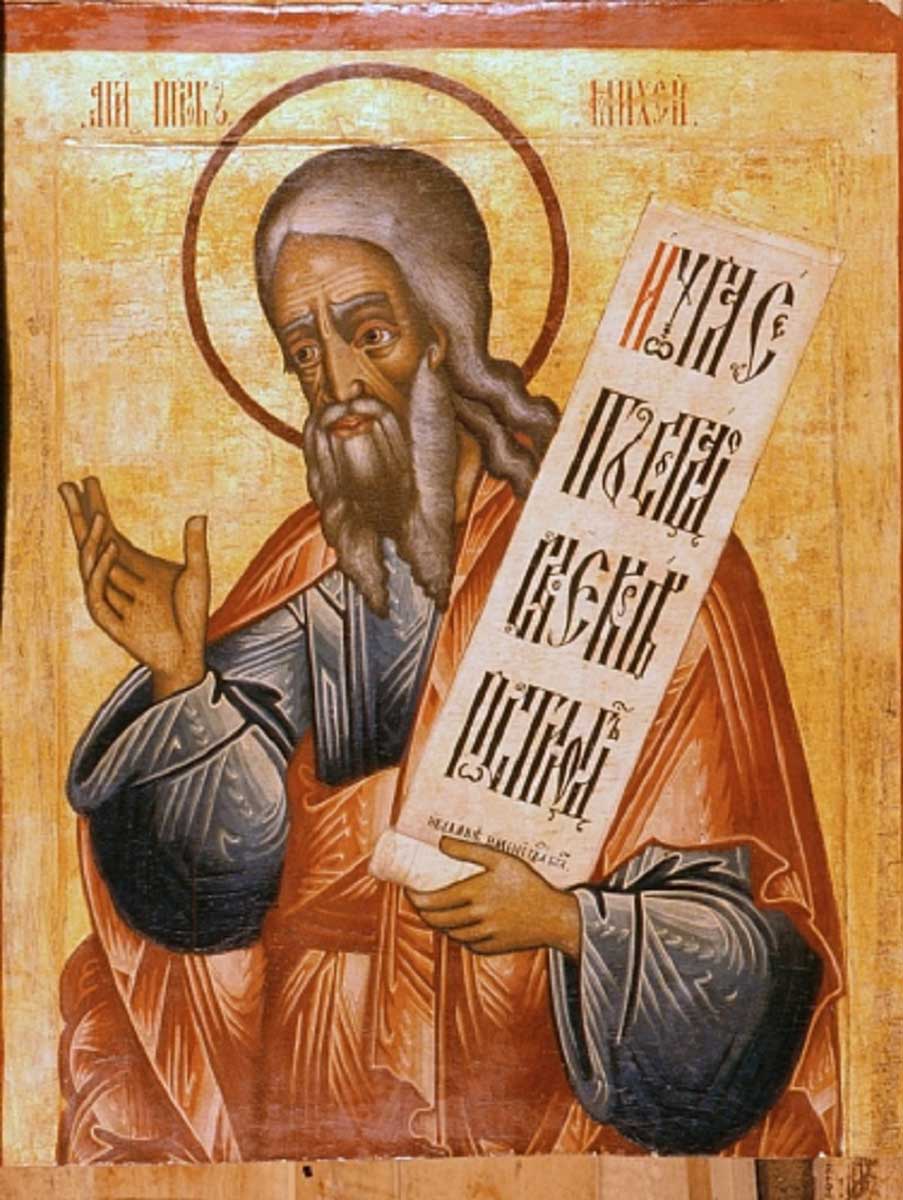
The traditional view on the authorship of Micah is that the prophet was the sole author of the book. Scholarly views are more varied and complex. They range from Micah being a co-author to the book being a later compilation, edited by scribes. Some scholars believe Micah used earlier traditions for his book. Some theories suggest parts of Micah refer to the Babylonian exile and even later when some exiles returned to Jerusalem. These theories imply much later additions and redactions to Micah.
Other than Micah being from a small town called Moresheth in Judah, not much is known about him. The prophet Jeremiah was aware of Micah’s ministry and quoted him in Jeremiah 26:18. That means Micah’s book must have been available, at least in part, a century after his ministry. Micah prophesied primarily to Judah, though his prophecies included warnings to Israel, who were guilty of many of the same sins as Judah.
Micah prophesied during the reigns of Jotham, Ahaz, and Hezekiah, three kings of Judah, which dates his ministry to the second half of the 8th century BC. He predicted the fall of Samaria, which followed a siege that started in 725 BC and ended in 722 BC. His messages also show that the social reforms under Hezekiah have not taken effect yet, which helps to determine his time of ministry more closely. Micah was a contemporary of Amos, Hosea, and Isaiah.
Historical Context
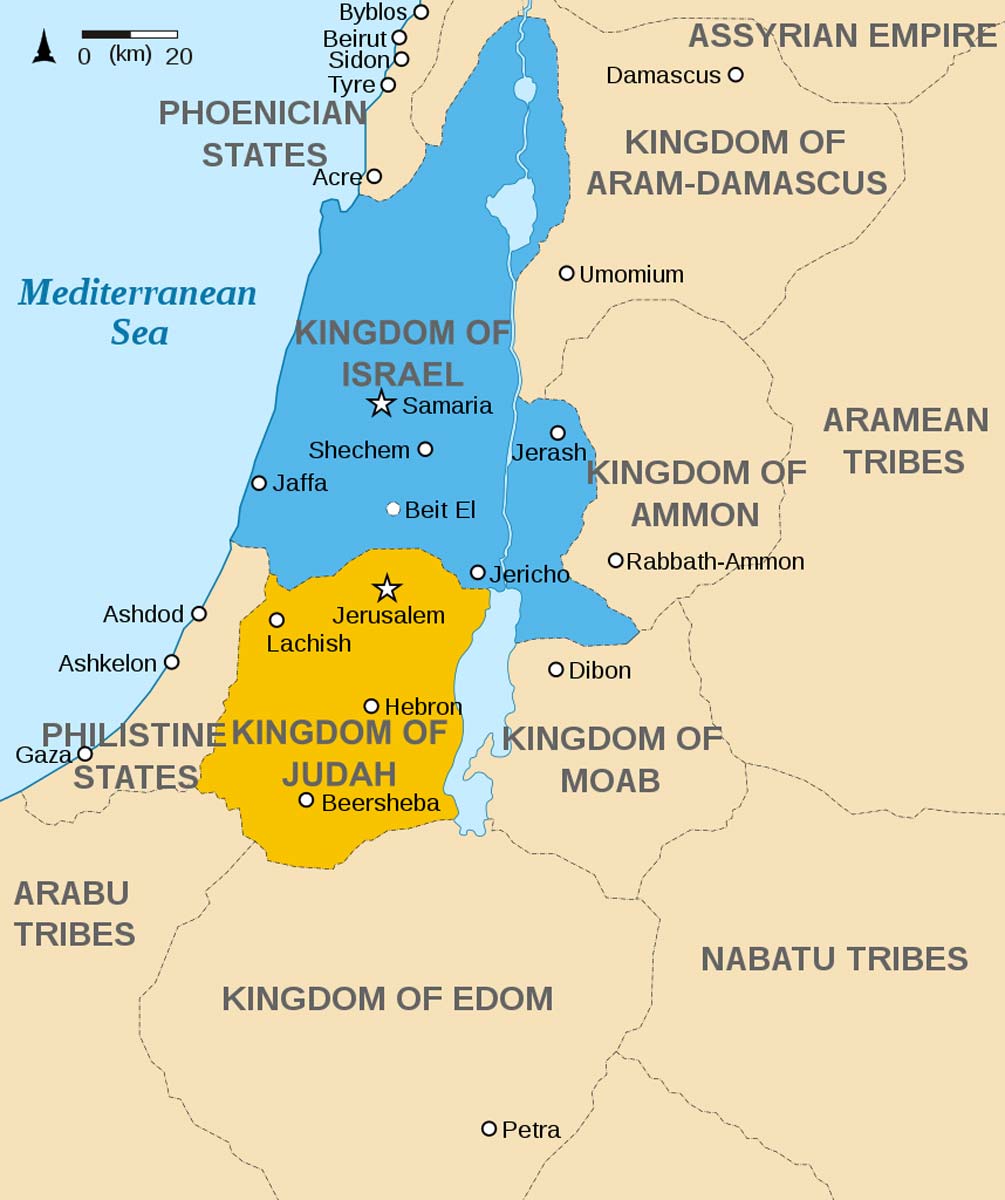
After the death of Solomon, the united monarchy he led split into the Kingdom of Israel with ten tribes and the Kingdom of Judah with two tribes. Jeroboam I, King of Israel, did not want his nation’s people to go to Jerusalem to practice their faith at the Temple, so he decided to institute an alternative system of worship in Bethel and Dan. Idolatry and spiritual decline became commonplace and manifested in various social injustices in Israel and Judah. Among these sins were a corrupt legal system, oppression of the poor, and exploitation of the vulnerable.
Structure
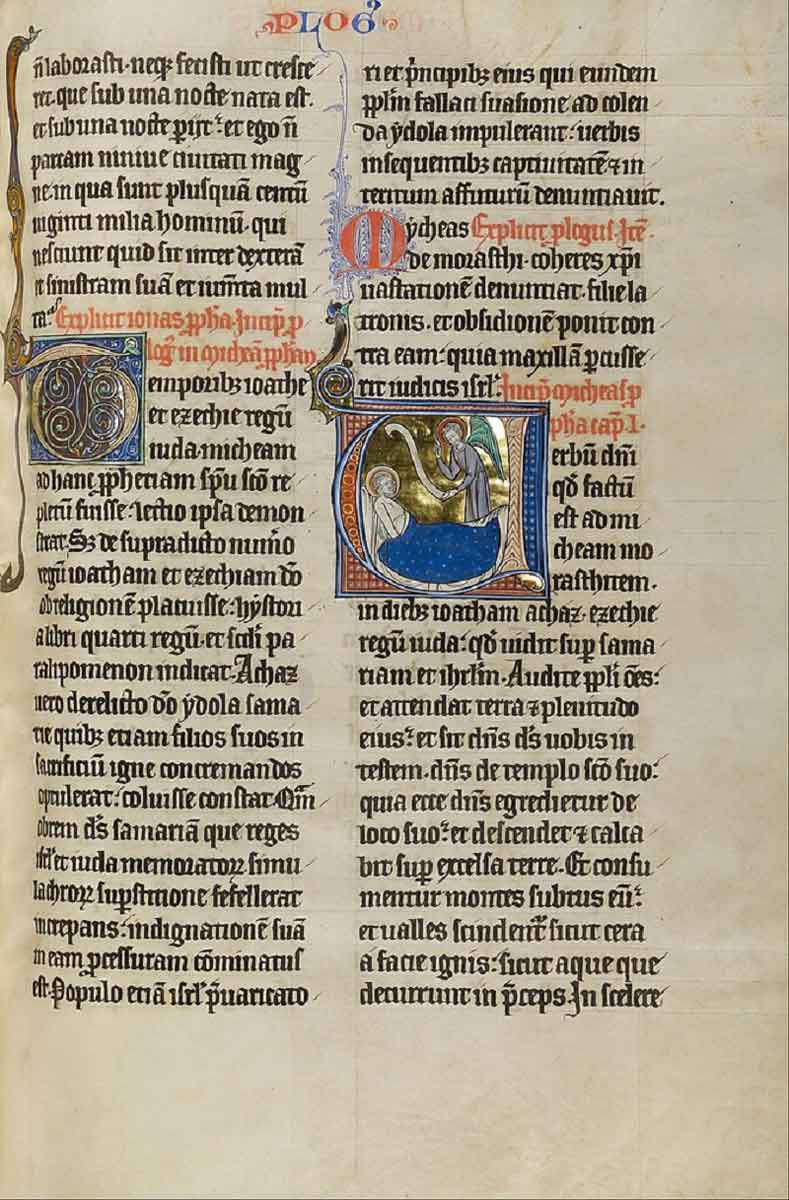
Introduction (Micah 1:1)
The first verse of Micah introduces the prophet and provides information that helps to determine the date of the book.
Judgment Against Israel and Judah (Micah 1:2–2:13)
Micah pronounces judgment on Israel and Judah, naming their respective capitals, Samaria and Jerusalem, as representations of each nation. God accuses them of the sin of idolatry and highlights how they will face judgment for it. Micah then addresses the leaders of the nations because of the greed, oppression, and injustice that flourished under their watch.
Denouncement of False Prophets (Micah 3)
The religious leaders were part of the problem. They preached peace and prosperity when they should have called out the state of the nations of Israel and Judah. The false prophets were motivated by self-interest and profit to the detriment of the people.
The Future Glory of Zion and the Coming Messiah (Micah 4–5)
Micah presented a vision of the future Zion that God would establish on his holy mountain and prophesied about the coming Messiah. The prophecy included a remnant that would gather and who would be restored by God.
The Lord’s Indictment and Call for Justice (Micah 6)
Resembling a courtroom scene, God brings an indictment against Israel. He was faithful throughout their history, yet they were not. God explains to them that he wants just action from them, not an empty ceremony. God then details the consequences of their unfaithful actions. He called for justice among his people.
Hope and Restoration of Israel (Micah 7)
Micah lamented the sad state the nation was in. He then brought a message of hope with their restoration in view, reminding them of God’s steadfast love, faithfulness, and covenantal promises.
Main Themes
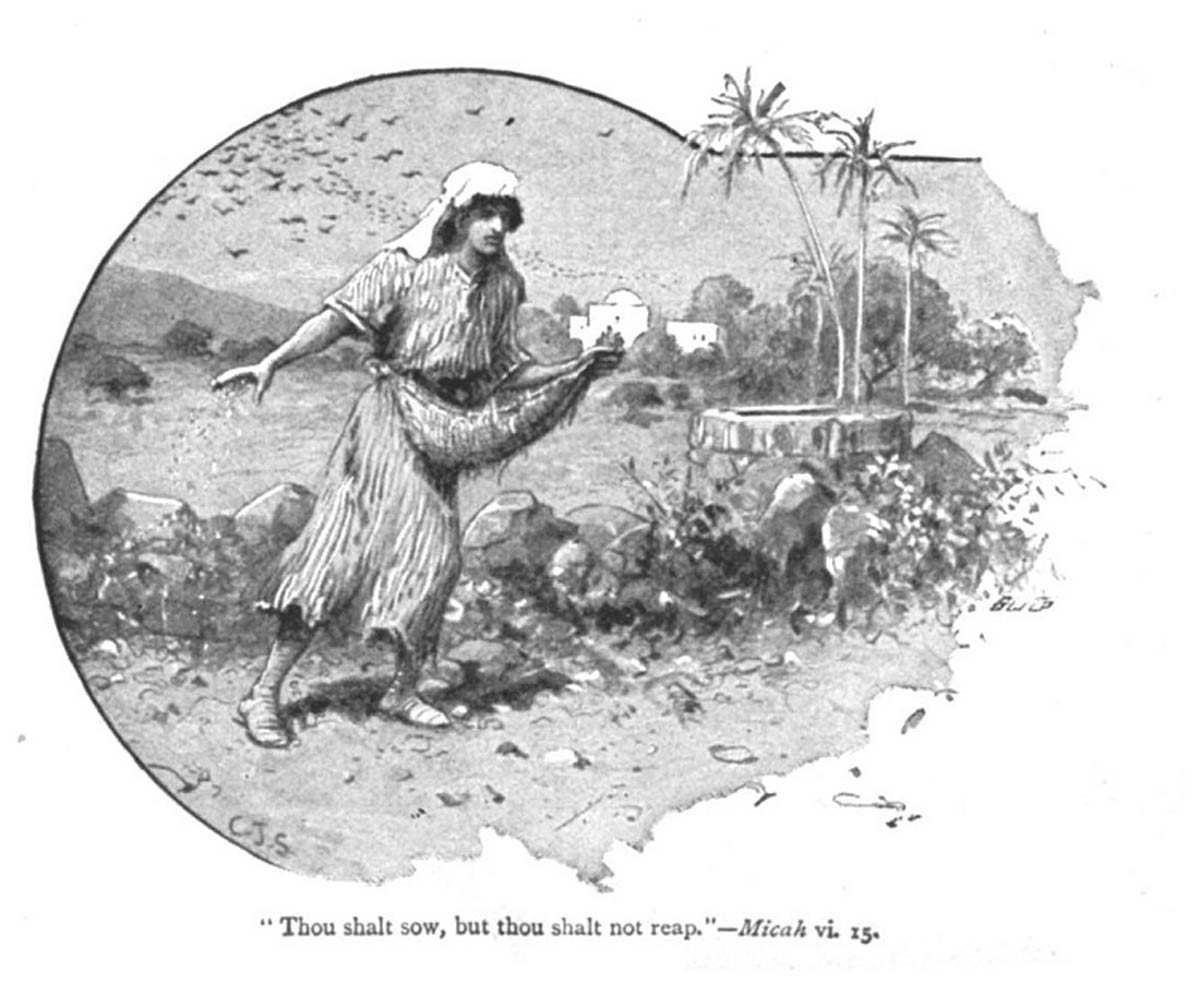
Judgment
Micah speaks of the judgment that awaits Israel and Judah for their sins, idolatry, and social injustices. These problems resulted from the nation’s unfaithfulness to God and his principles.
Accountability
Actions have consequences, and Micah highlighted what the result of rejecting God’s covenant would be.
Hope and Restoration
The consequences of unfaithfulness to God would be severe. Yet, part of Micah’s message was hope and restoration. It showed the mercy of God and his willingness to forgive them when his people should repent and turn from their wicked ways.
Messianic Hope
Micah spoke of a ruler who would be born in Bethlehem, though his origins were from ancient times. He would be a shepherd to his flock and deliver them from their enemies.
Social Justice
Micah pointed out that ritualistic religion was no substitute for ethical living that manifests in justice, mercy, and humility.
Key Passages
Micah 1:3-4
“For behold, the LORD is coming out of his place and will come down and tread upon the high places of the earth. And the mountains will melt under him, and the valleys will split open, like wax before the fire, like waters poured down a steep place.”
God’s power and sovereignty are evident in these verses. His supremacy over creation and the dreadfulness of his imminent judgment is almost tangible.
Micah 3:8
“But as for me, I am filled with power, with the Spirit of the LORD, and with justice and might, to declare to Jacob his transgression and to Israel his sin.”
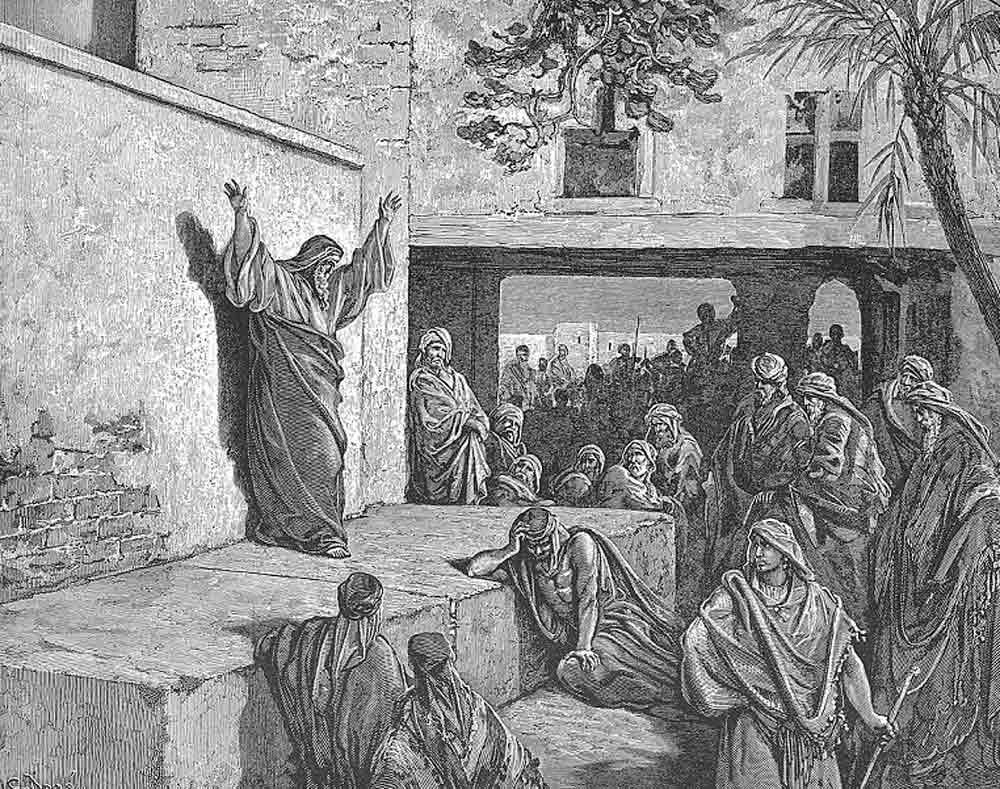
Micah had a tough task. His message was not popular in either of the kingdoms he prophesied to. Even the religious elite was corrupt to their core. God enabled Micah, a man from a small town in Judah, to boldly prophesy to the leadership and elites from Israel and Judah.
Micah 4:1
“It shall come to pass in the latter days that the mountain of the house of the LORD shall be established as the highest of the mountains, and it shall be lifted up above the hills; and peoples shall flow to it, and many nations shall come, and say: ‘Come, let us go up to the mountain of the LORD, to the house of the God of Jacob, that he may teach us his ways and that we may walk in his paths.’ For out of Zion shall go forth the law, and the word of the LORD from Jerusalem.”
Having heard the grim news of the future destruction of Samaria and the impending exile, the vision of the house of the Lord being established could carry those who truly repented from their former ways through the trials and tribulations that lay ahead.
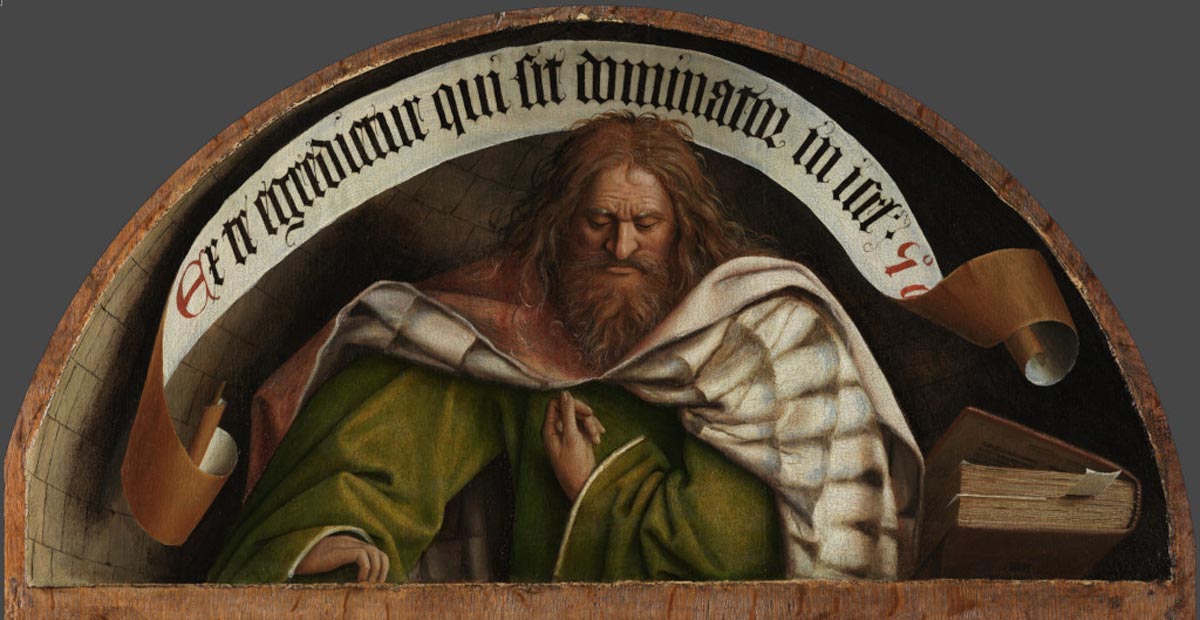
Micah 5:2
“But you, O Bethlehem Ephrathah, who are too little to be among the clans of Judah, from you shall come forth for me one who is to be ruler in Israel, whose coming forth is from of old, from ancient days.”
By divine inspiration, Micah revealed that Bethlehem, Ephrathah would be the place where the Messiah would be born. Matthew 2:1-6 and Luke 2:4-7 point to this prophecy by Micah and highlight its fulfillment.
Micah 6:6-8
“With what shall I come before the LORD, and bow myself before God on high? Shall I come before him with burnt offerings, with calves a year old? Will the LORD be pleased with thousands of rams, with ten thousands of rivers of oil? Shall I give my firstborn for my transgression, the fruit of my body for the sin of my soul? He has told you, O man, what is good; and what does the LORD require of you but to do justice, and to love kindness, and to walk humbly with your God?”
Like Hosea 6:6, Micah 6:6-8 shows that an empty religious ritual is not what God desires. God requires that the principles and ethics consistent with his character manifest in the life of the believer. Unlike pagan religions that often demanded great sacrifice, such as offering children in some extreme instances, rituals and ceremonies in Israel were symbolic of the coming Messiah and were worthless if not reflective of the loving-kindness of God in the way the believer dealt with others.
Contemporary Relevance
Micah offers several lessons for the contemporary reader. First, the importance of social justice and integrity are timeless. Christians today may be as guilty of contributing to the oppression of the poor and marginalized as the people Micah spoke to were.
Secondly, God is not interested in an empty, ritualistic practice of religion. Faith should manifest in the lived spirituality that expresses the character of God and reflects his love and care.
Third, accountability to God and others for sins committed is a universal and timeless principle. Actions have consequences that must be faced, even when forgiveness and mercy are readily available from God.