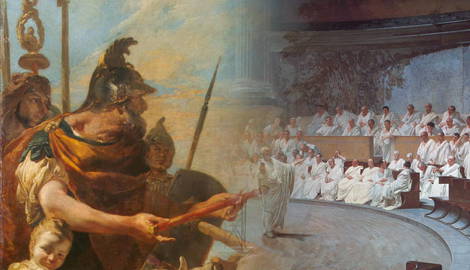

In the early days of the Roman Republic, the main Roman army found itself surrounded, leaving the city of Rome itself vulnerable to defeat. In a state of panic, the Senate initiated an emergency clause in the new constitution. They appointed Lucius Quinctius Cincinnatus as dictator with unlimited powers for six months to end the crisis. Cincinnatus rescued the army and restored stability to Rome. Immediately after, he resigned his position as dictator and left unlimited political power to quietly work on his farm.
Quick Facts About Cincinnatus
| Fact | Detail |
| Full name | Lucius Quinctius Cincinnatus |
| Born | ca. 519 BCE |
| Family | son-Caeso Quinctius |
| Title | Made consul in 460 BCE |
| Role | Made dictator of Rome in 458 BCE and supposedly again in 439 BCE. |
| Achievements | Rescued a consular army trapped by the Aequi tribe in the Alban Hills and (supposedly) checked the monarchical ambitions of Spurius Maelius. |
| Legacy | Praised as the embodiment of civic virtue for resigning his dictatorship and returning to his farm. His example would later influence George Washington. |
The Beginnings of the Roman Republic
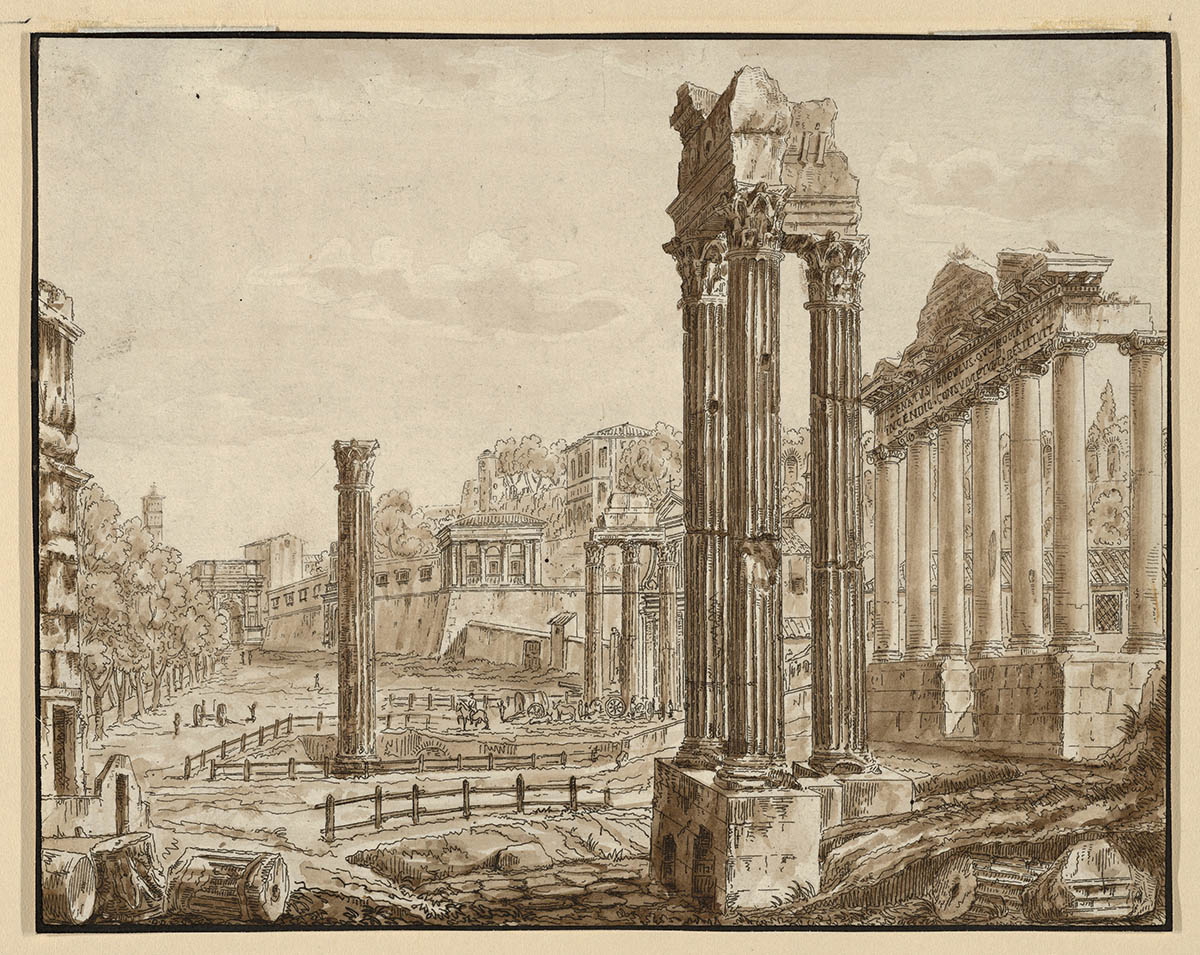
Ancient Rome began as a small kingdom. According to tradition, after the founding of Rome, seven kings ruled the city until 509 BCE. In 509, the last king, Lucius Tarquinius Superbus, was overthrown and a republic established.
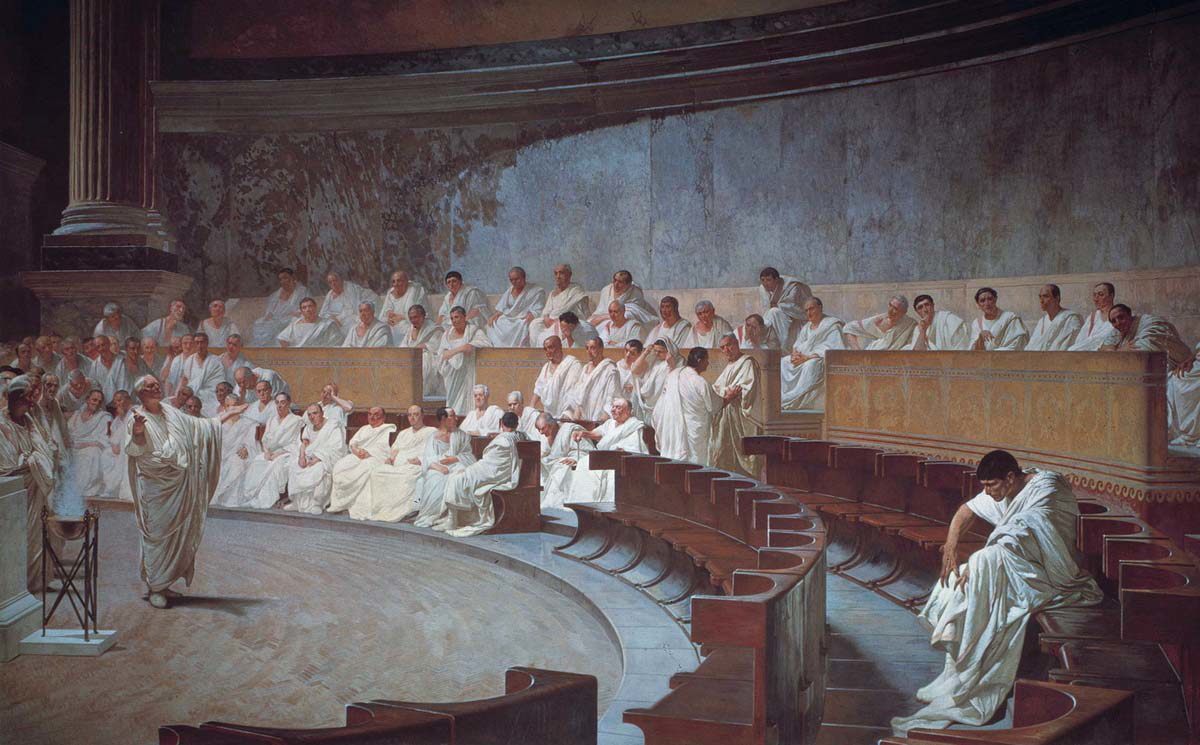
The reasoning behind the new Roman Republic was to have checks and balances on the government to prevent a return to authoritarian rule by kings. The highest level of power in the new government consisted of leadership by two consuls, which prevented either one from seizing power. The people of Rome voted yearly in elections.
In practice, however, there were limitations on participation in the Roman government: only free male citizens could vote. An advisory government body called the Senate, not elected, came to dominate Roman politics.
Early on, only the nobility could hold office. These noble Romans, called patricians, ran the Senate, as well as the elected bodies of government. The lower-class plebeians were effectively denied participation in Roman politics. Only over time did plebeians achieve a share of political power.
Further limitations on republican government could only be invoked by the Senate in times of crisis or emergency. In these situations, the Senate could vote to suspend government officials and replace them with what they termed a dictator. The dictator was one man who had unlimited power over the state for up to six months. After these six months, the law required the dictator to hand power back to the people.
This Roman city-state was fragile in the first few years. When a major crisis occurred, it wasn’t clear if the new republican form of government could survive and emerge intact. Lucius Quinctius Cincinnatus emerged into public life during this period.
Early Life of Cincinnatus
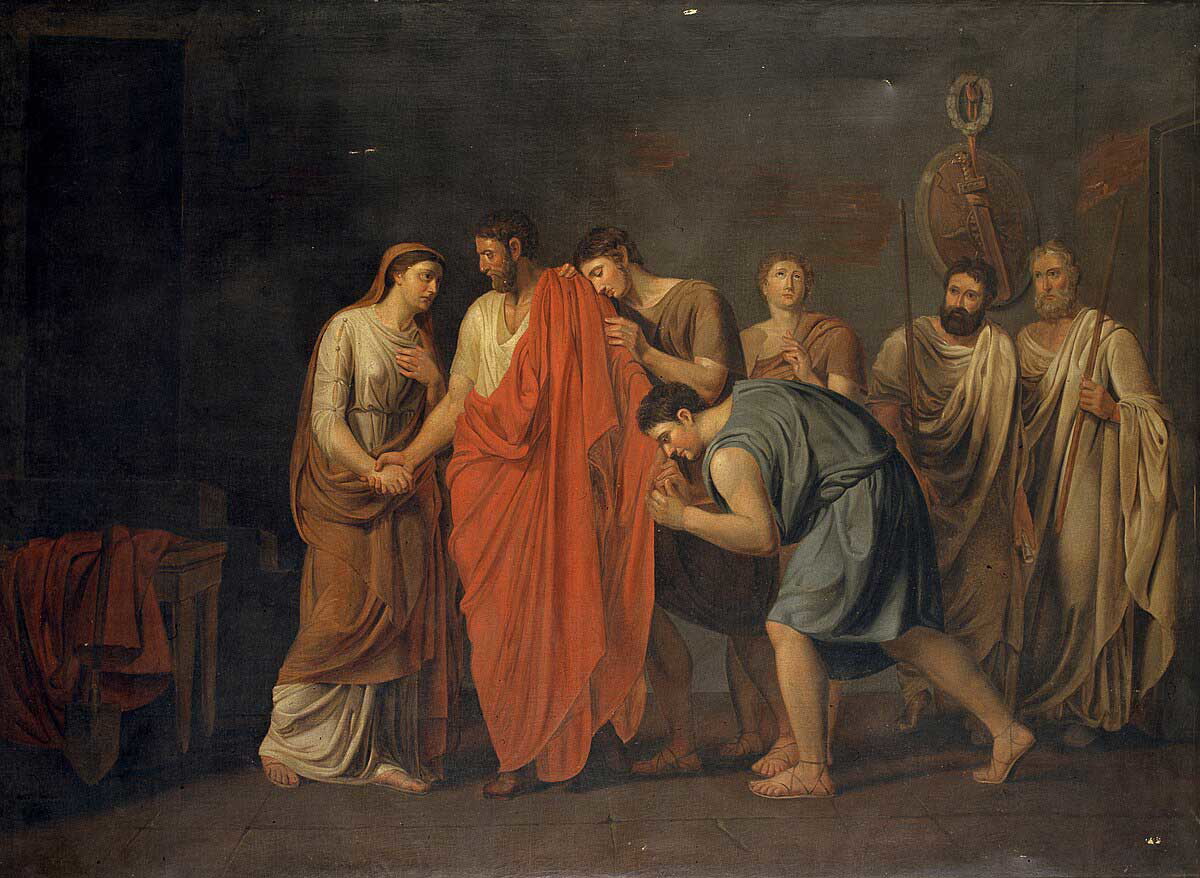
Lucius Quinctius Cincinnatus was born around 519 BCE into an old patrician family. His education consisted of learning the classics, governance, and military strategy. This prepared him for roles in public life. Indeed, Roman traditions emphasized duty and honor in the young man.
During Cincinnatus’ early life, the Roman Republic was full of political tensions and social strife. The primary internal conflict was the power struggle between the patricians and plebeians.
In 494 BCE, the plebeians of ancient Rome first went on strike to protest mistreatment and lack of political rights by the patricians. Known as the First Secession, a general strike was called, and the plebeians marched out of Rome.
The action led to negotiations and resulted in concessions to the plebeians in the form of political representation with the creation of the Tribunes of the Plebs. Interestingly, it appears that the staunch patrician Cincinnatus married a plebeian woman named Racilia, which was unusual for an aristocrat in that period.
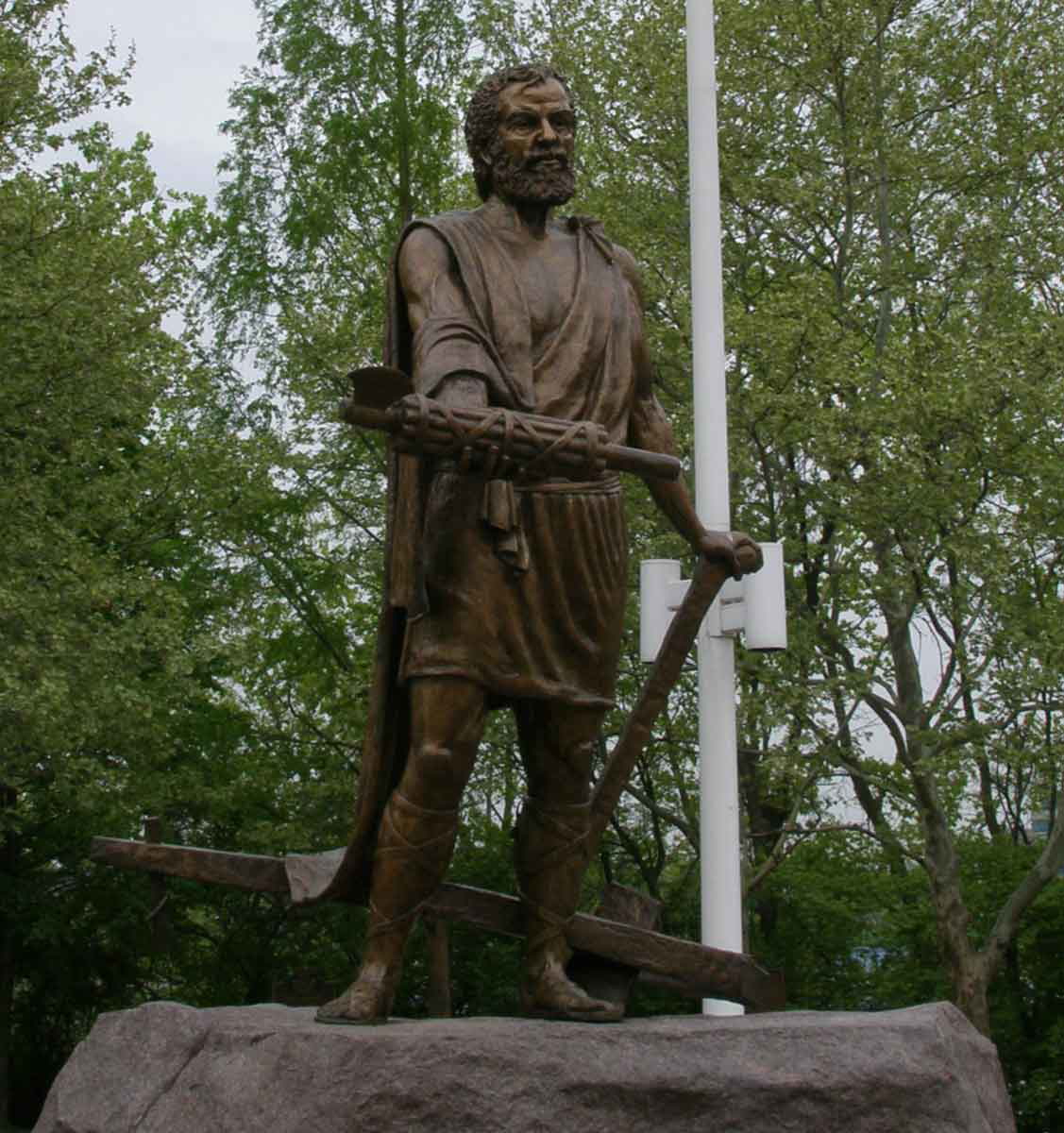
Much of our information about Cincinnatus comes from the Roman historian Livy. Livy mentions Cincinnatus in his History of Rome, written hundreds of years later, around the beginning of the Roman imperial period under Emperor Augustus.
Livy first introduces Cincinnatus in relation to his son, Caeso Quinctius. Caeso was known for tormenting the plebeians, often chasing them and their representatives, the Tribunes, out of public forums. Roman authorities eventually arrested Caeso and prosecuted him.
Cincinnatus defended his son at the trial, but the court ordered him to pay an enormous sum after his son fled Rome. The costly trial left Cincinnatus financially in debt. He went back to his farm to earn more income. During these years, Cincinnatus was elected for a one-year term as consul, which he served before retiring to his farm.
Military Crisis
Since its founding, Rome had been fighting with neighboring cities and tribes. The kings of Rome had constantly been at war, and so too was the Republic. One rival faction was the Aequi tribe located in central Italy.
In 458, a Roman army under the consul Lucius Minucius Esquilinus Augurinus marched out of Rome to meet the Aequi. However, these forces soon found themselves surrounded by their enemy on Mount Algidus, in the Alban Hills. The other consul proved ineffective at relieving the trapped soldiers. Rome was vulnerable.
In a panic, the Senate convened and agreed to appoint a dictator as a last resort to save the Republic. The assembly decided to appoint Cincinnatus and sent out a delegation to tell the former consul.
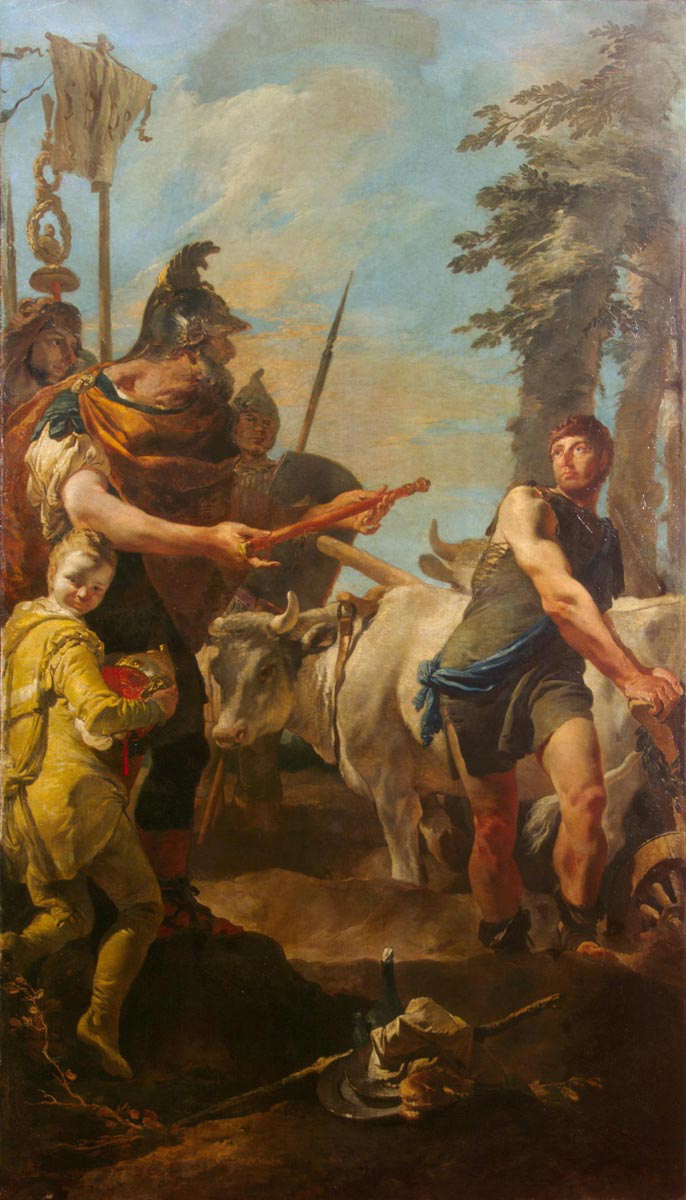
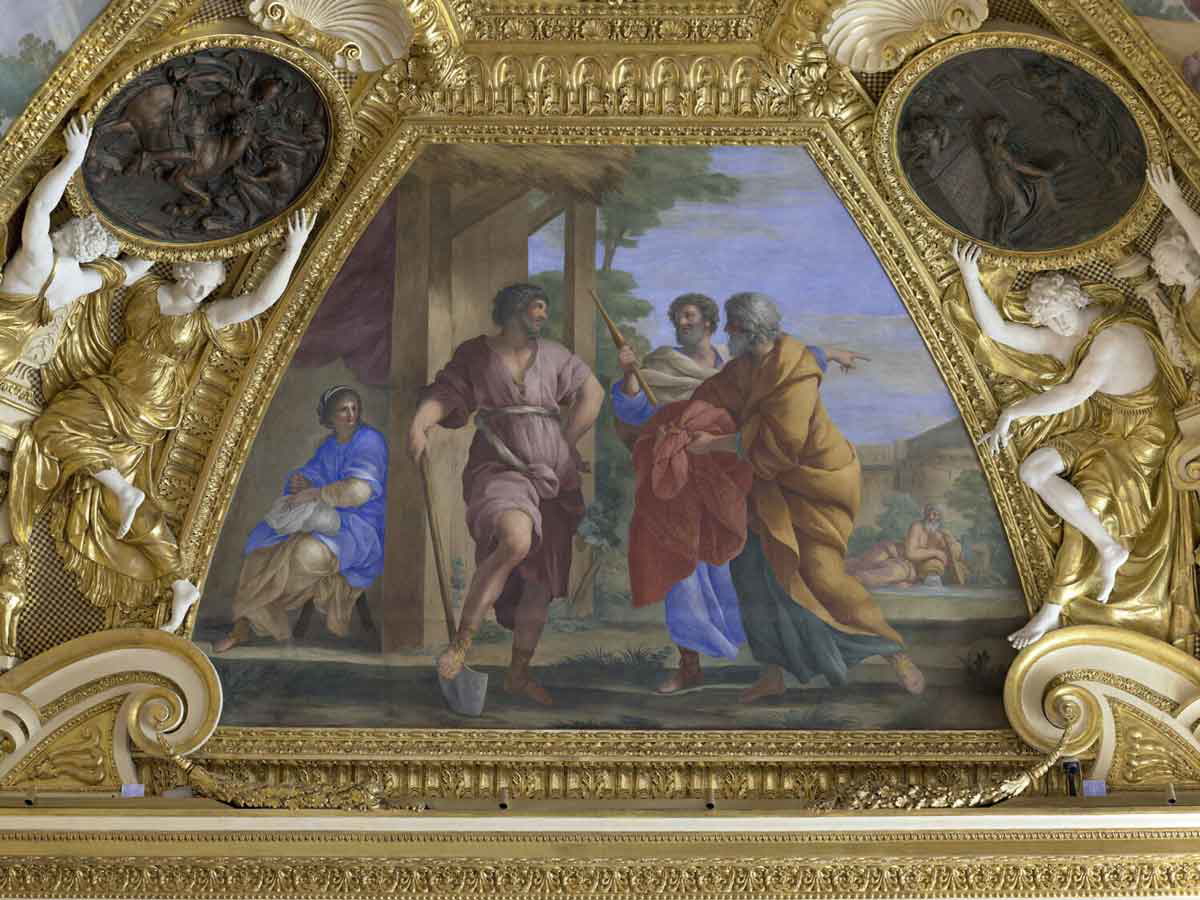
According to Livy, Cincinnatus was on his farm ploughing a field when the delegation approached. Cincinnatus listened intently as the Senate’s representatives described the emergency and the dangers that Rome faced. With some hesitation, Cincinnatus accepted the appointment and then followed the delegation back into the city.
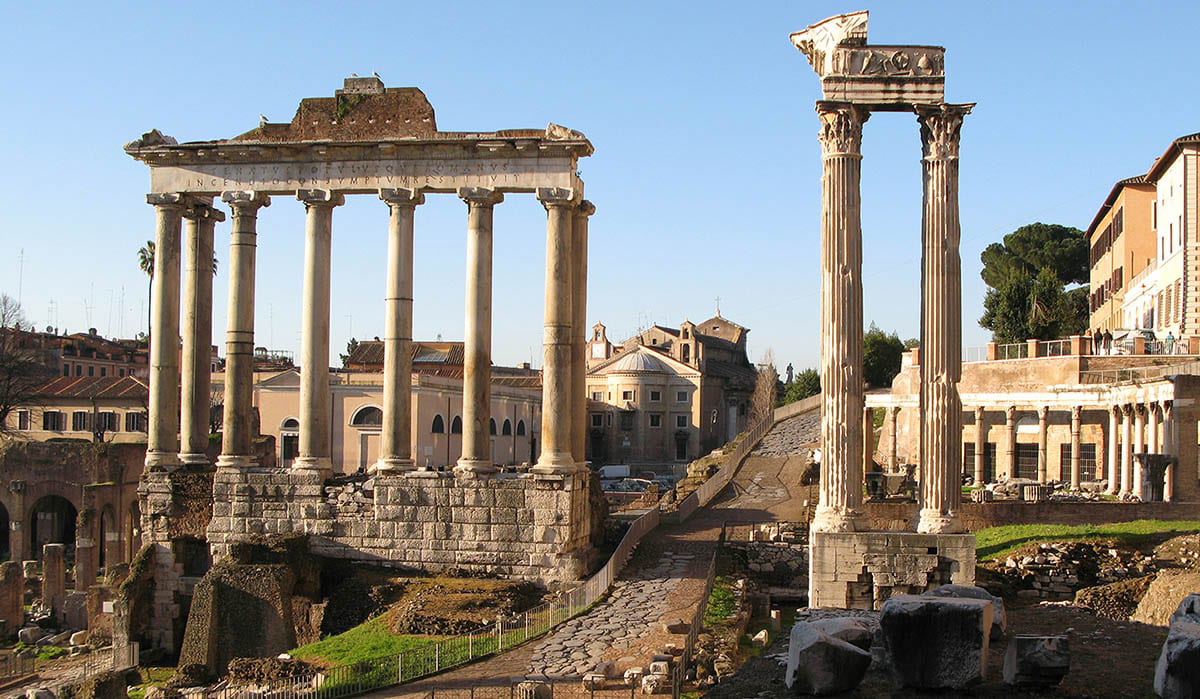
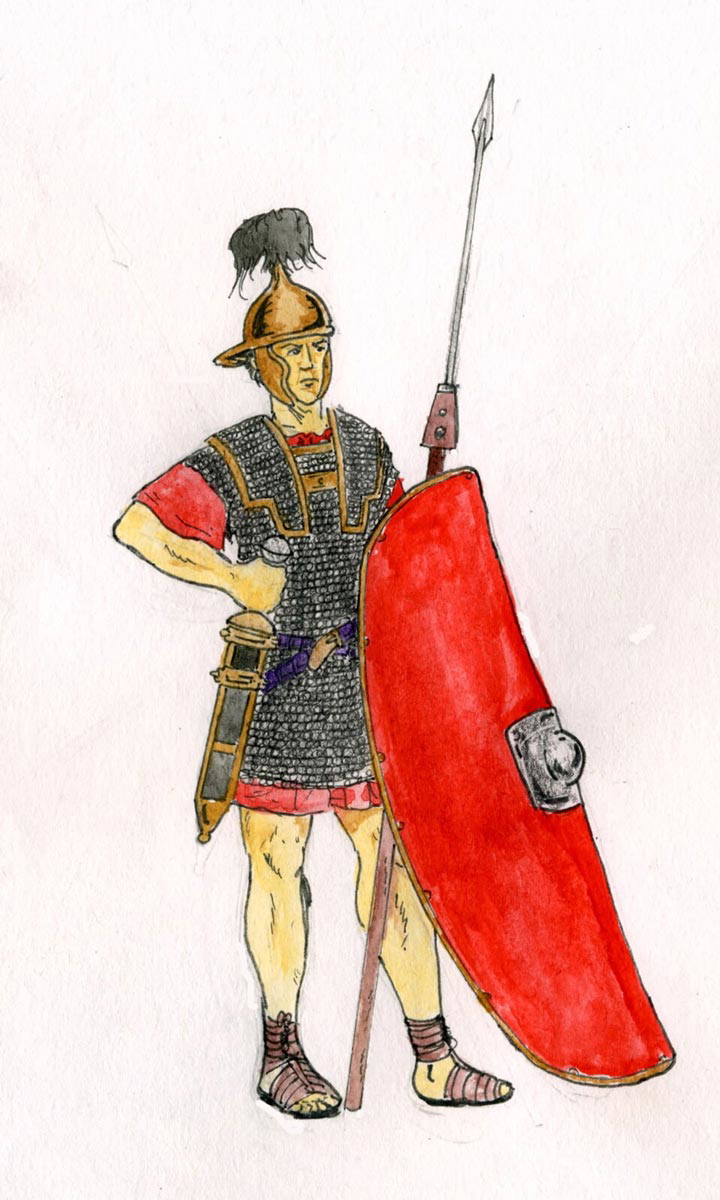
As dictator with unlimited power, Cincinnatus took charge immediately. He first ordered a suspension of all private and public business, with all shops told to close. Next, he requested all military age men in Rome to report to the Campus Martius (a floodplain of the Tiber River used as a military exercise ground) fully armed and ready for battle.
With his new army, Cincinnatus marched out to rescue the trapped Roman soldiers from the Aequi siege. Livy describes the action in some detail. In a very short campaign, Cincinnatus charged the Aequi lines, dismantling the siege and forcing their surrender.
Just 16 days later, Cincinnatus returned with the spoils of battle and received a triumphal procession through Rome. Immediately, the dictator resigned his position, giving power back to the people of Rome, and left politics to work on his farm once again.
A Second Crisis
According to the story, Cincinnatus was pulled away from his plow again in 439 BCE. This time, the crisis came in the form of the so-called Maelius controversy.
Over the previous year, a famine had plagued Rome. The Senate seemed incapable of supplying enough grain for the people. They appointed the former consul Minucius, whose surrounded army led to the first dictatorship, to distribute grain, but the famine continued.
Many Romans believed that a wealthy plebeian named Spurius Maelius had bought large amounts of wheat outside Rome. The fear was that Maelius would then sell cheap wheat to the people or even give it to them for free to win them over to his political ambitions. The patricians of Rome, including the Senate, worried that Maelius wanted to seize power and reign as a new king.
Another delegation from the Senate traveled to Cincinnatus’ farm to relay the message that he was appointed dictator again. In his new position, Cincinnatus immediately called for Maelius to appear before him in Rome to explain his actions, but Maelius refused the request.
It’s not clear whether Cincinnatus ordered the arrest of Maelius or commanded him to be put to death. One account suggests that an attempt to arrest the plebeian failed, and the struggle killed Maelius. Afterwards, Roman authorities sold Maelius’ personal possessions and distributed them to public funds for grain distribution.
According to Livy, Cincinnatus addressed the people regarding the death of Maelius. He stated that even if the wealthy plebeian was not guilty of trying to be king, his refusal to show himself after being summoned was a capital offense. His mission accomplished, Cincinnatus once again resigned his position and returned home to his farm.
Are the Stories About Cincinnatus True?
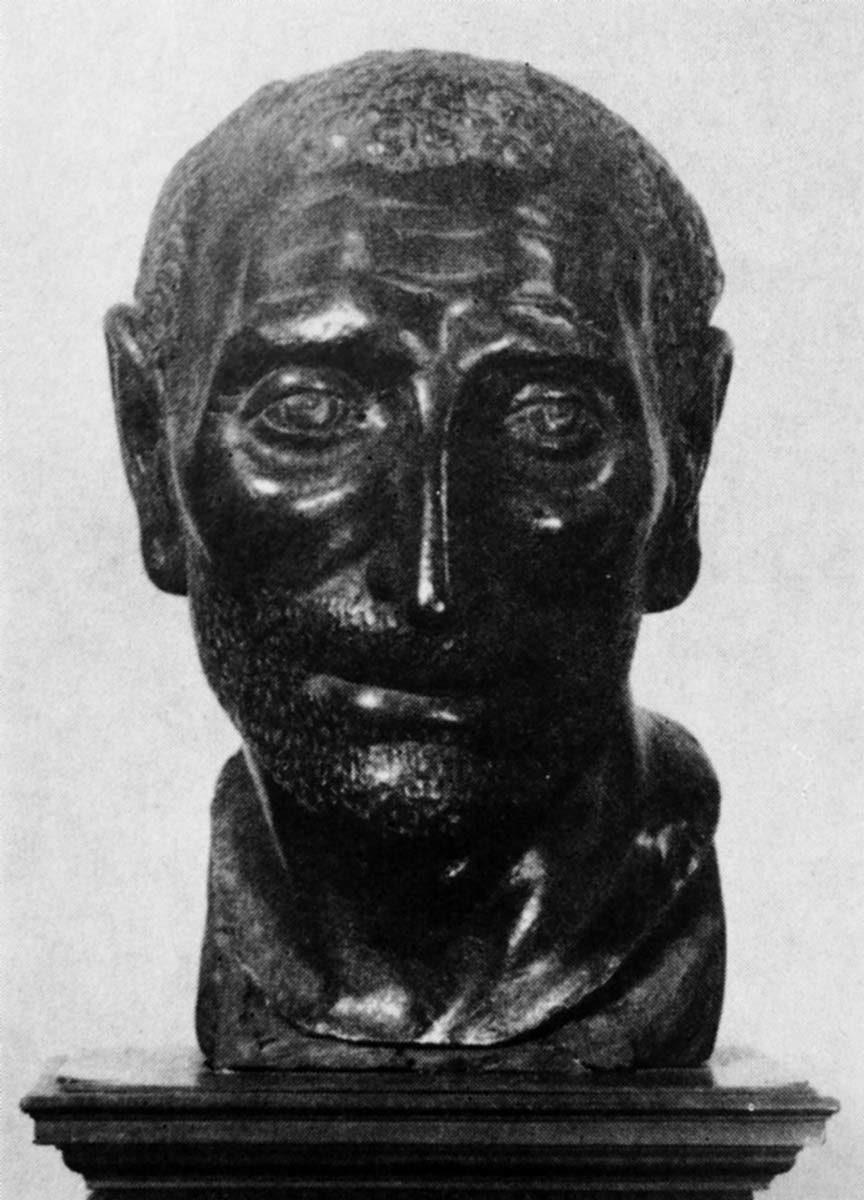
Modern historians debate whether there was a real person named Cincinnatus and whether the legends about his life are true. Unfortunately, similar to the early kings, the early Roman Republic lacks extensive written source material. However, Cincinnatus was most likely a real person who wielded political power.
On the other hand, many of the written accounts of the dictator, such as that by Livy, came centuries later. Livy’s writing often combined moral lessons and commentary with historical accounts. For instance, Livy presents the victory of Cincinnatus over the Aequi in 458 as overwhelming. However, Livy goes on to note that the Aequi continued to threaten Rome for several years after the win.
The specific details of Cincinnatus’ life remain obscure and mysterious. However, the influence of the statesman in Roman society was prominent throughout history and folklore. Many politicians sought positive comparisons with Cincinnatus.
It is important to note that while accounts portrayed Cincinnatus as a virtuous law-abiding citizen, he was not a populist. As a patrician, he symbolized the nobility and their natural right to rule. There were no known efforts by Cincinnatus to improve the political status of the plebeians.
Even less is known about Cincinnatus’s son, Caeso. Livy’s moral descriptions of Caeso are mixed. Evidently, the younger man caused many legal and financial headaches for his powerful father.
A Greek historian named Dionysius of Halicarnassus, who lived in the first century BCE, also mentioned Cincinnatus. Dionysius was a contemporary of Livy and witnessed the transition of Rome from a republic to an empire. Similar to Livy, Dionysius praised Cincinnatus as a model of civic virtue with his idealistic, selfless devotion to the Roman Republic.
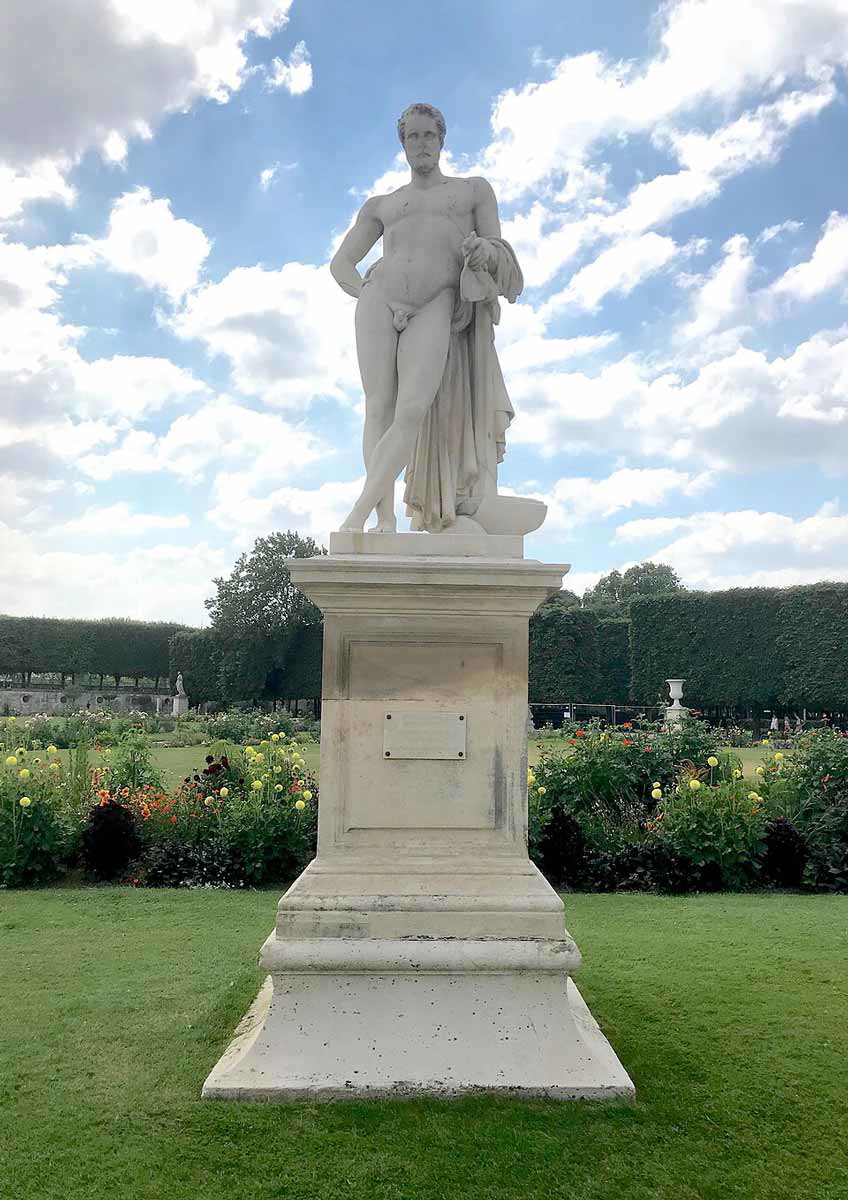
Lucius Quinctius Cincinnatus died around 430 BCE. According to legend, he played a significant role in Rome’s early history. More importantly, people remembered Cincinnatus for his willingness to relinquish power and return to civilian life.
This tribute was in stark contrast to later Roman leaders, such as Julius Caesar, who appointed himself dictator for life. When 18th-century George Washington retired to civilian life on his farm after two terms as president of the new United States of America, positive comparisons to Cincinnatus prevailed.