Across the United States, from New York to Los Angeles, many cities have unofficial names that are used by residents and non-residents alike. Some of these nicknames are fairly straightforward and have come to define the cities, while others are obscure and rooted in history. What are some of these names, and how did the cities get them?
1. Los Angeles: The City of Angels
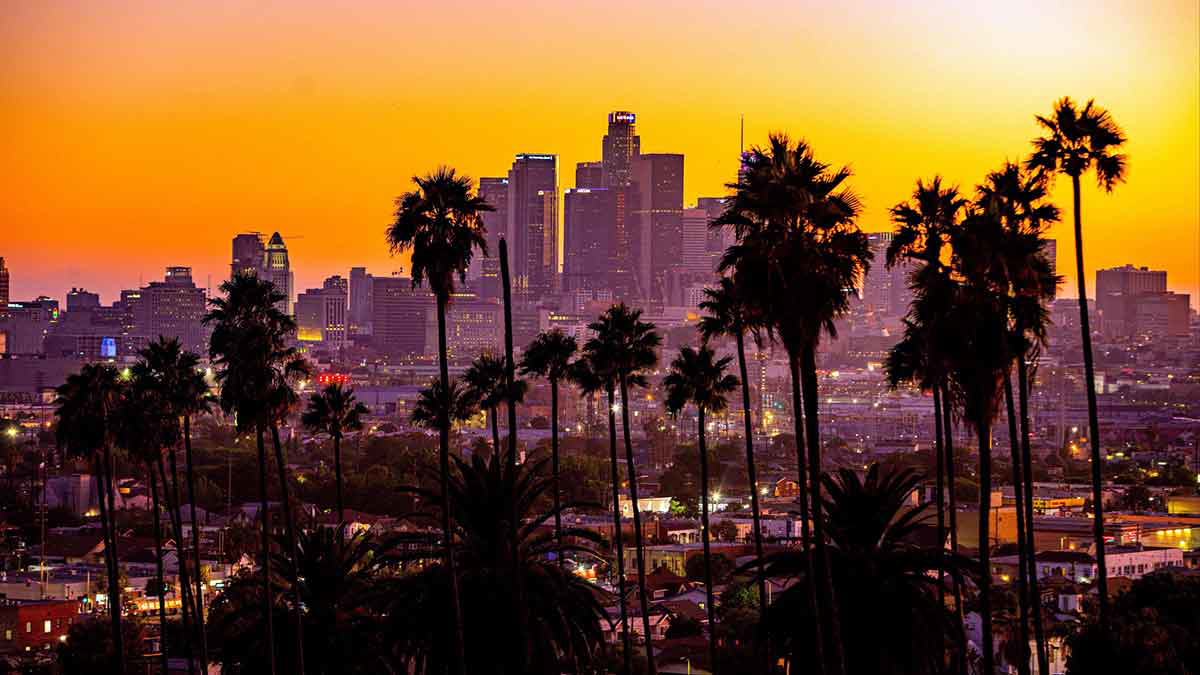
A fairly uninspired nickname, the “City of Angels” gets its nickname from the fact that the English translation of the city named by the Spanish is literally “The Angels.” However, this isn’t actually the city’s full name.
Officially, the city is named “El Pueblo de Nuestra Señora la Reina de los Ángeles del Río de Porciúncula,” which is, for obvious reasons, truncated in modern parlance. The English translation is “The Town of Our Lady the Queen of Angels of the Porciúncula River.”
Founded on September 5, 1781, Los Angeles has grown over the centuries to become the second-biggest city in the United States, with a population of almost 13 million people in its metro area.
Los Angeles is full of suburbs with their own nicknames, too. Beverly Hills is known as “The City of Dreams” due to its reputation for lavish lifestyles, while Hollywood is often referred to as “Tinseltown” or “La-La Land” in reference to the iconic movie industry that exists there. Glendale is sometimes referred to as “The Hub” due to its proximity to major highways, as well as being a central location for business and shopping. Meanwhile, Santa Monica has earned the nickname of “Little Britain” due to the high number of British expats living there.
2. New York: The Big Apple
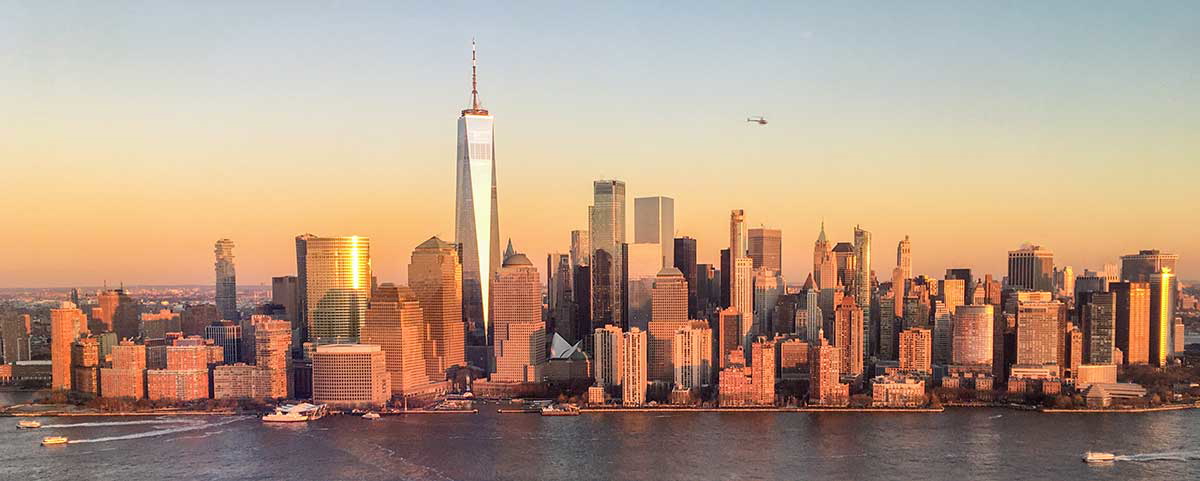
In the 19th century, the term “big apple” was used to denote something as being the best of its kind, and a popular phrase was to “wager” or “bet a big apple” to indicate extreme confidence in something.
The first recorded usage of the term to describe New York comes from a 1909 book, “A Wayfarer in New York” by Edward Martin, and the nickname was commonly used in the 1920s, especially regarding New York’s horse racing circuit. By the end of the decade, the nickname was being used to describe the whole of New York, not just horse-racing. The name also became extremely popular within the jazz scene of the 1930s onwards.
From the 1970s, a tourism campaign began to use the nickname, accompanied by the image of a big red apple, to promote the City of New York. So successful was this campaign that New York and “The Big Apple” have become almost inseparable, and trends indicate the nickname will be here for a long time.
3. San Francisco: The Golden City
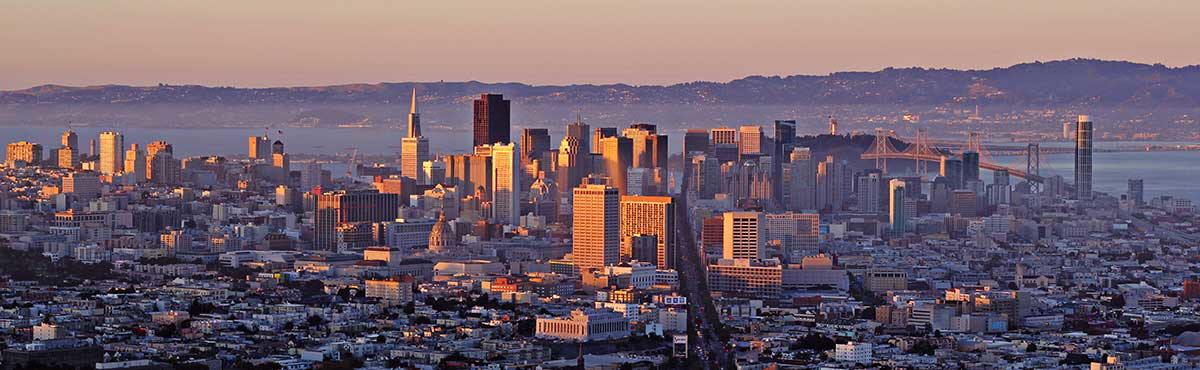
Symbolizing the allure of the city and the prospect of success, San Francisco takes its nickname from the Gold Rush that happened there in the 19th century. San Francisco was originally founded in 1776 and named Yerba Buena, which means “Good Herb” in English. It was part of California, which became part of Mexico, and in 1846 was annexed by the United States. Two years later, the huge event that garnered the city its nickname began—the California Gold Rush.
Massive migration took place. In fact, in the space of around a year, California’s non-native population rose from around 1,000 to over 100,000. These migrants were known as the “49ers,” and this nickname is most famously associated with the NFL team, the San Francisco 49ers.
Lending themselves to the moniker, the sunsets of San Francisco have also become iconic due to their golden hues that illuminate the Golden City at dusk.
4. Chicago: The Windy City
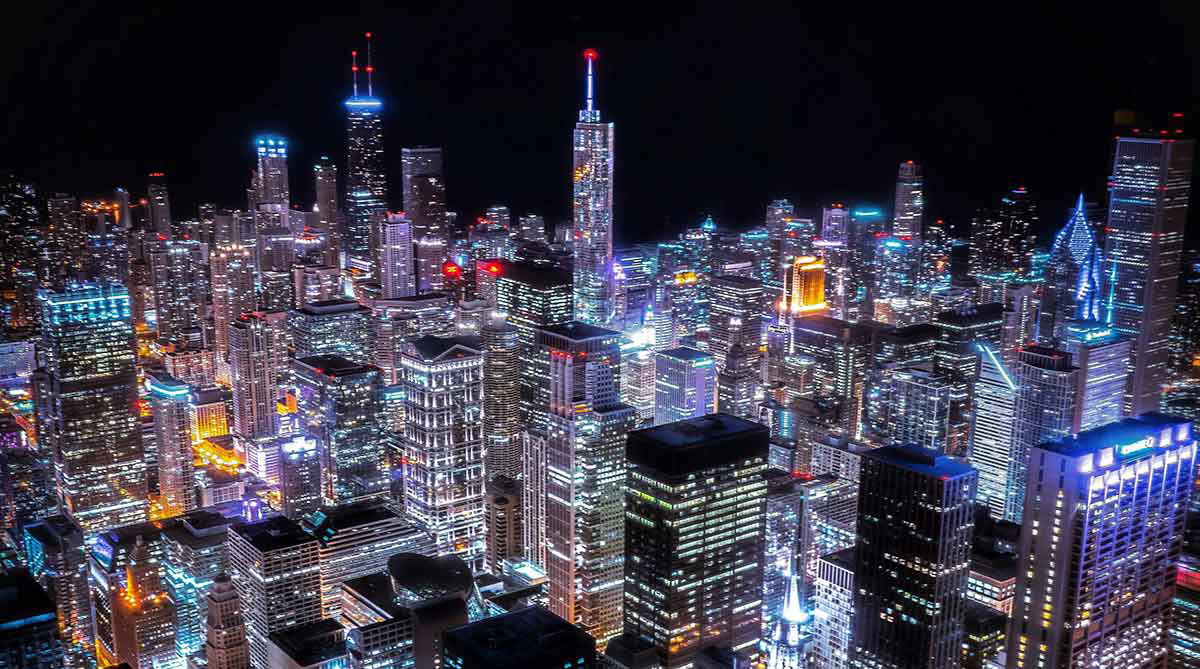
The most widely known nickname for Chicago, America’s third biggest city, is “The Windy City.” There are four main possibilities as to how Chicago acquired its nickname. The first goes back to the mid-19th century when Chicago was known as “Porkopolis” due to its widespread meat-packing industry, which became bigger than the industry in the city’s rival, Cincinnati.
The rivalry between the two cities was encapsulated in sporting events, especially baseball, and news from both cities dubbed Chicago as the “Windy City.” The term, however, spread beyond the world of sports and was used in the New York Sun when describing Chicago’s bid to host the World Fair. New York journalists were also the source of derogatory remarks when describing politicians from Chicago as being full of wind or “hot air” in modern terminology.
The most obvious link to why Chicago is called The Windy City is the actual wind. In reality, however, Chicago is not the windiest city in America. It doesn’t even crack the top ten. That honor goes to Amarillo in Texas, while the windiest city in the world is reputed to be Wellington, the capital of New Zealand.
5. Las Vegas: Sin City
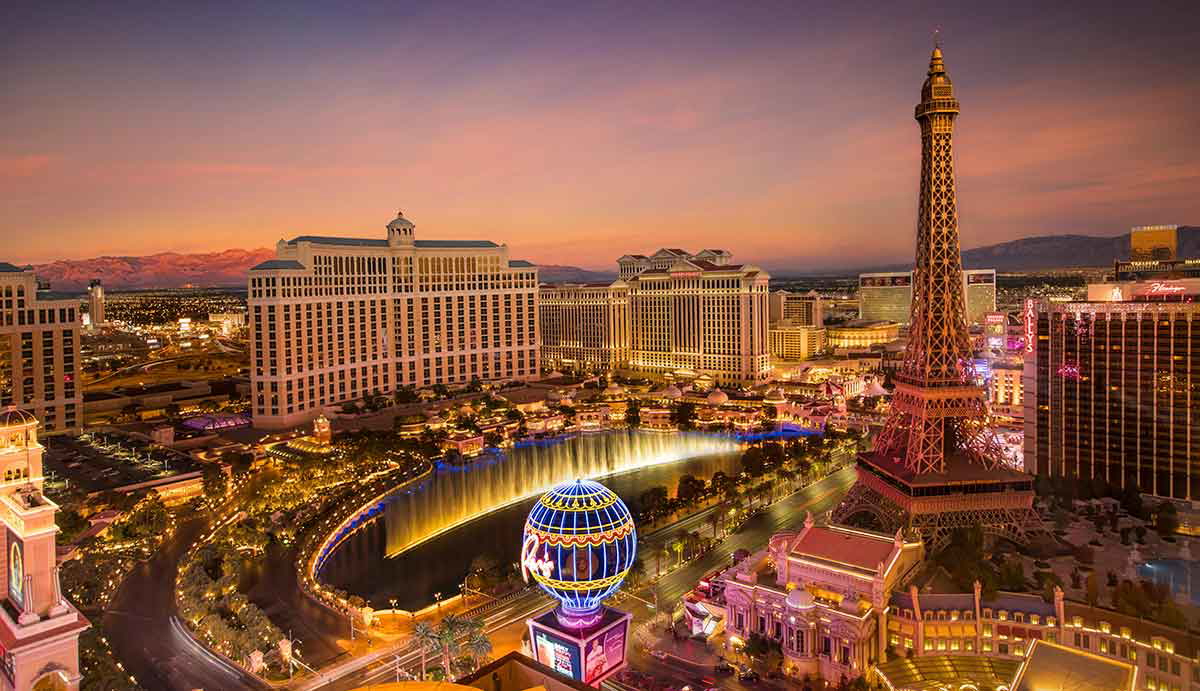
Las Vegas is widely known for its liberal views on adult entertainment (if not legally, then socially), and this has garnered it the reputation as a city of sin where lustful vices are widespread, and are an iniquitous accompaniment to the gambling industry for which the city is also known.
Officially founded in 1905 as a railroad stopover, Las Vegas grew rapidly due to the construction of the Hoover Dam. It gained the reputation of a place to have wild parties, and in 1931, gambling was legalized and offered mobsters the opportunity to legitimize their existing operations. Thus began decades of mafia control over Las Vegas, and the city gained a reputation as a place of vice. Throughout the 60s, 70s, and 80s, mob control declined, and by the end of the century, Las Vegas had largely gotten rid of its crimelords. Its reputation, however, stuck.
“Sin City” isn’t the only nickname Las Vegas has. The bright neon lights have earned it the nickname of “City of Lights,” and the nightlife has earned it the reputation of being “The Entertainment Capital of the World.” As the gambling capital of the world, Las Vegas has even been referred to as “The City of Lost Wages!”
Despite all these names, the most common name used by residents and visitors to the city is probably just “Vegas.”
6. Boston: Beantown
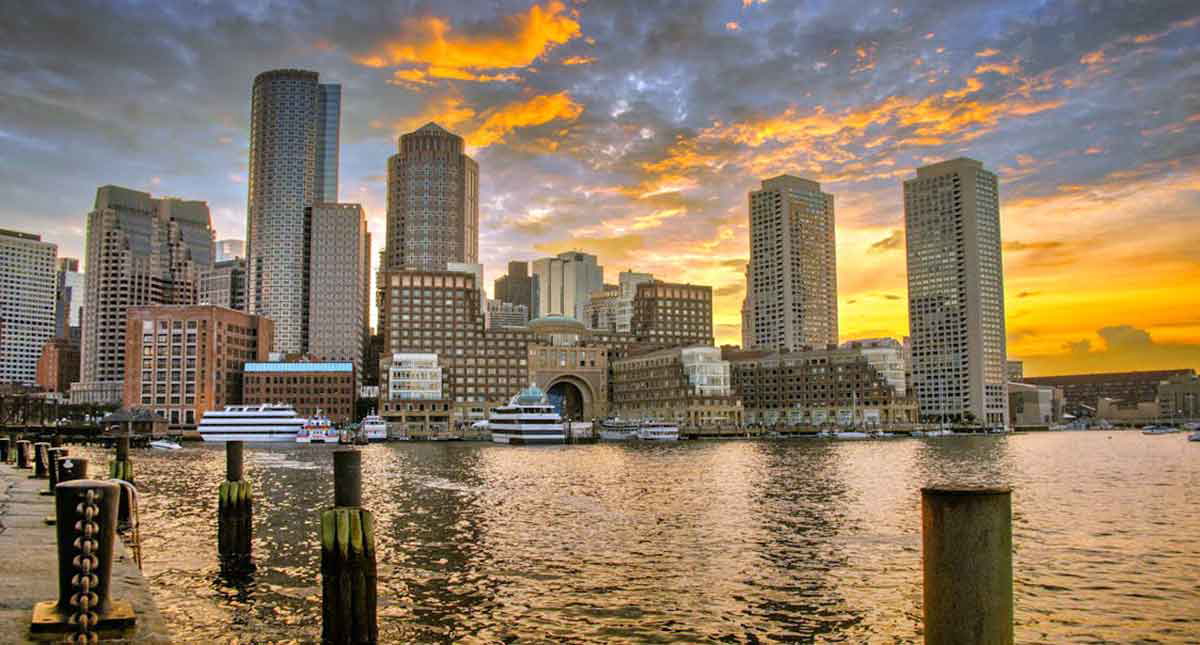
For over a century, Boston has been known as “Beantown” because of its historical association with baked beans. Popular with the original Puritan settlers, baked beans were popularized further by the addition of molasses brought by the Triangular Trade. It was added to the recipe to make Boston’s beans a unique subject matter for passing sailors and traders who stopped in Boston for a quick meal. By the 1880s, the city had a baseball team called the “Boston Beaneaters,” and the early 20th century saw the city advertised to tourists with the slogan “You Don’t Know Beans Until You Come to Boston.” However, the history of sweet beans in Boston goes back even further. Native Americans in the area ate their legumes with a number of ingredients, including maple syrup.
“Beantown” isn’t the only nickname that Boston has. It is also referred to as the “Hub,” “Athens of America,” and the “Cradle of Liberty”—the latter being a reference to the city’s important role in the Revolutionary War.
7. Miami: Magic City
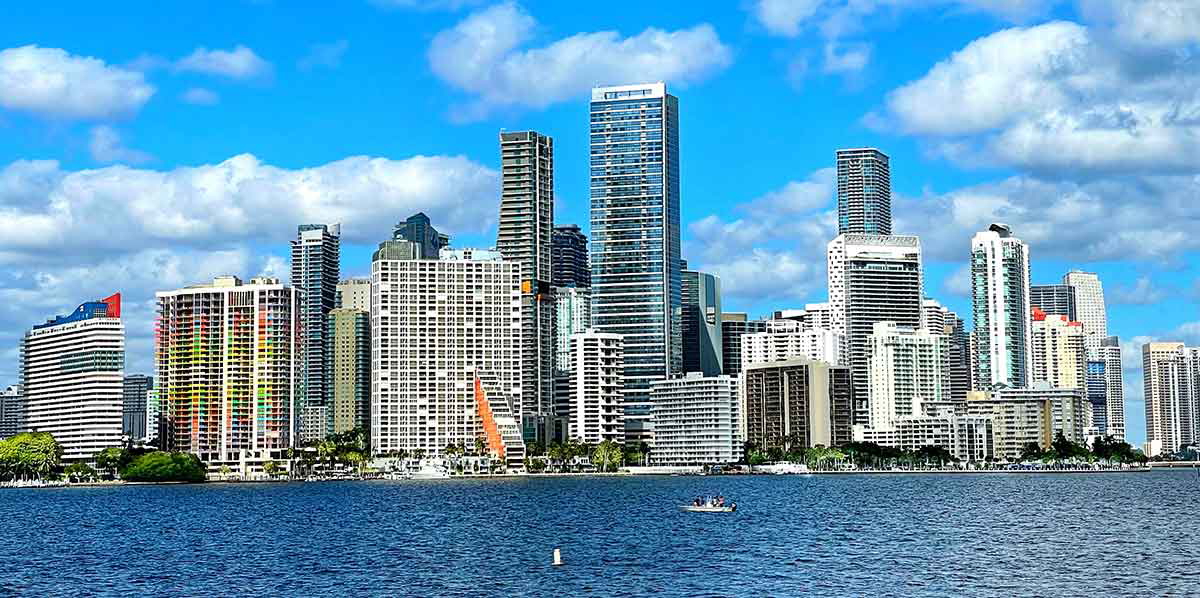
Miami is the only major city in the United States to be founded by a woman. In 1896, when Julia Tuttle established the city, Miami’s population was just 300. As the decades rolled on, the city would see unprecedented success and growth. The city experienced a population boom in the 1920s, which was tempered by the Great Depression. Miami, however, was in a prime location off Florida’s coast. Not only was it an important staging point for America’s submarines in the Second World War, it also became a sunny destination popular with many visitors who decided to stay.
Annual tourists commented how the city was growing every year, as if “by magic,” and the city quickly acquired the moniker of “The Magic City.” Today, the name also reflects the city’s vibrant cultural scene, much of which is Hispanic, with a sizable number of people with Cuban roots.
Miami is also known as “The 305” in reference to the city’s area code, and also as “Vice City” in reference to a video game of the same name, set in a city inspired by Miami in the 1980s. The latter is also influenced by the television series “Miami Vice.”
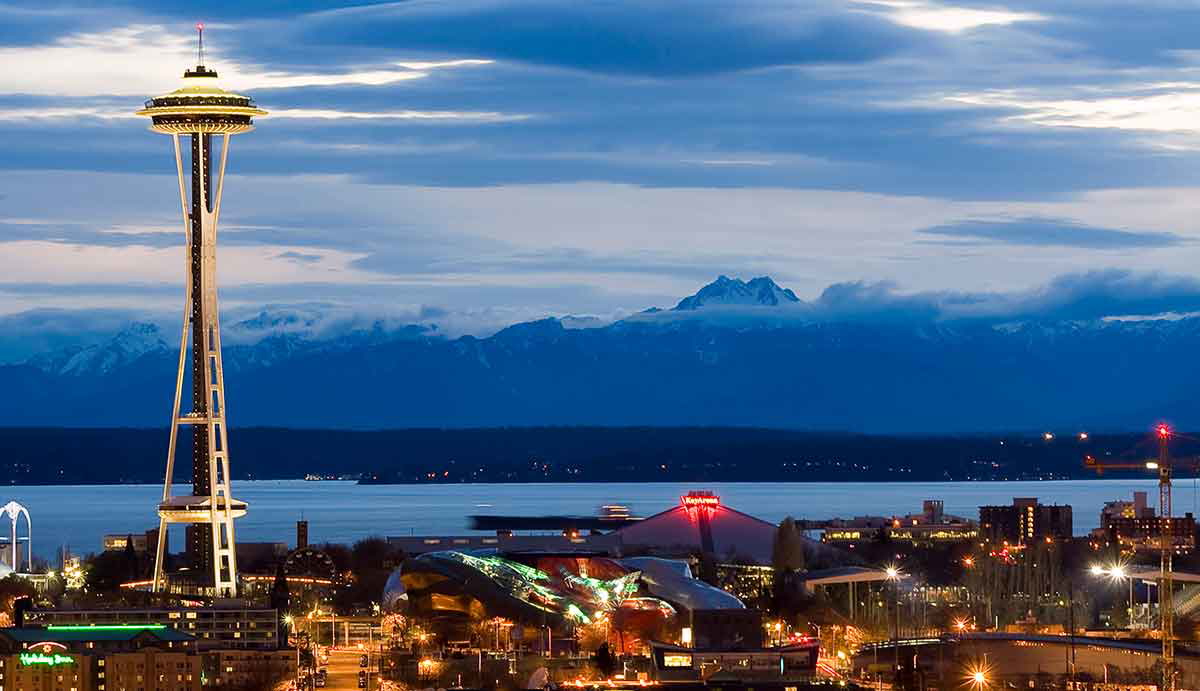
With over 340 million people and hundreds of cities, 50 of which have a population exceeding 1 million, the United States has nicknames for a huge list of places. New Orleans is known as “The Big Easy,” Salt Lake City is known as “The City of Saints,” and Seattle is officially nicknamed “The Emerald City.”
There are, of course, many hundreds more, and as the nation evolves, some nicknames will disappear while others will be invented as cities grow and take on new characteristics.