Summary
- Damnatio memoriae was an eternal punishment in Egypt, erasing a name to destroy a soul in the afterlife.
- Pharaohs were erased for political and religious reasons, such as Akhenaten’s controversial monotheism.
- The powerful female pharaoh Hatshepsut was systematically removed from history by her successor, Thutmose III.
- Ironically, erasure protected some legacies, as Tutankhamun’s forgotten tomb remained untouched until its 1922 discovery.
- Methods included chiseling names from monuments, smashing statues, and removing rulers from official king lists.
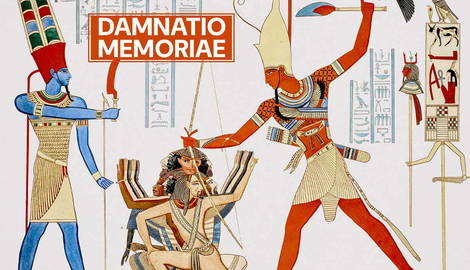
While most people who have ever lived are now forgotten, as humans, we tend to place value on our legacy. This was especially true in ancient Egypt, where the afterlife was central to cultural beliefs. Many people, especially the pharaohs, spent much of their lives preparing for life after death. This meant that erasing someone’s name and memory was considered a serious punishment, affecting the victim for eternity. We know this practice as damnatio memoriae, and it was used against several pharaohs in ancient Egypt. Ironically, being erased sometimes protected an erased pharaoh’s tomb and monuments, and as a result of modern archaeological finds, they are now among the best-known pharaohs. But who knows how many other pharaohs have been completely forgotten due to the process of damnatio memoriae.
What Is Damnatio Memoriae?
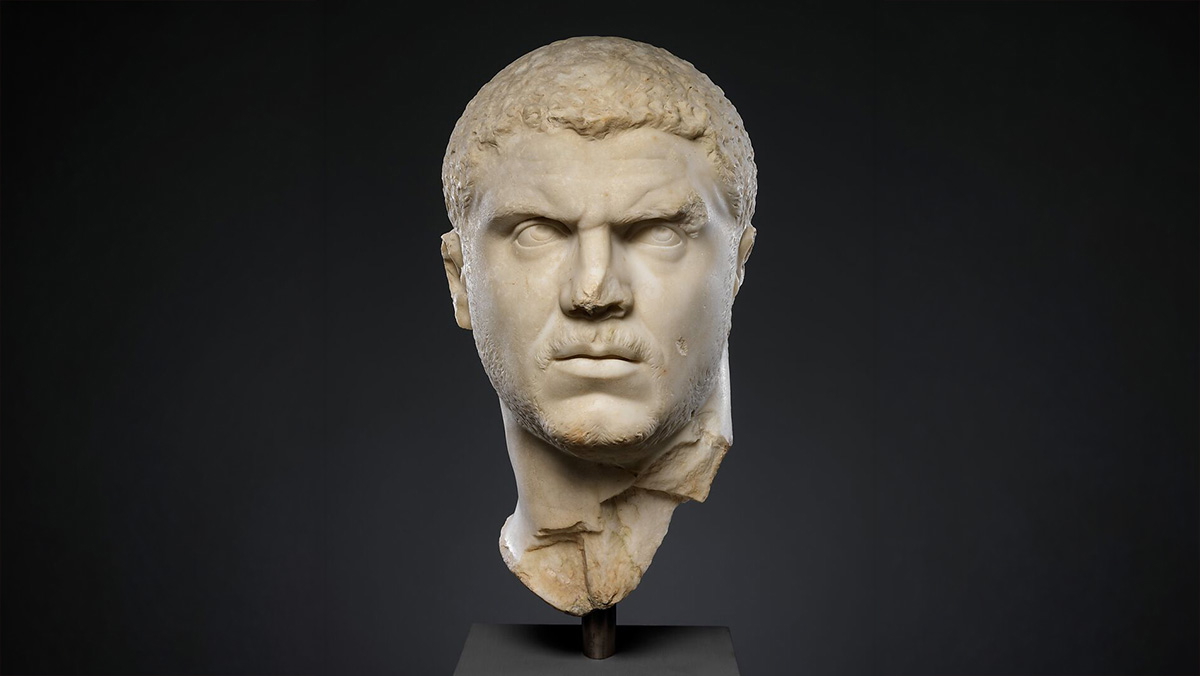
The term damnatio memoriae does not have its roots in ancient Egypt, but in Rome. It is a Latin phrase which literally translates as “condemnation of memory.” For the worst offenders, traitors to the Roman people, punishment was to go beyond death. The very essence of the person was to be eliminated from all records and memory. Their statues were defaced, and their names chiselled off inscriptions.
Roman emperors suffered damnatio memoriae surprisingly often when their death meant the end of their dynasty and the new rulers needed to justify their rise to power. But it does not necessarily seem to have been effective. Some of Rome’s most famous, or rather infamous, emperors were damned, including Nero, Domitian, and Commodus. The emperor Caracalla enacted damnatio memoriae on his brother Geta after he was deposed and killed. But there were more than enough written sources about these scandalous emperors that they remained well-documented historic figures. However, it is unknown how many less prominent figures were erased from history by this process.
Damnatio Memoriae in Ancient Egypt
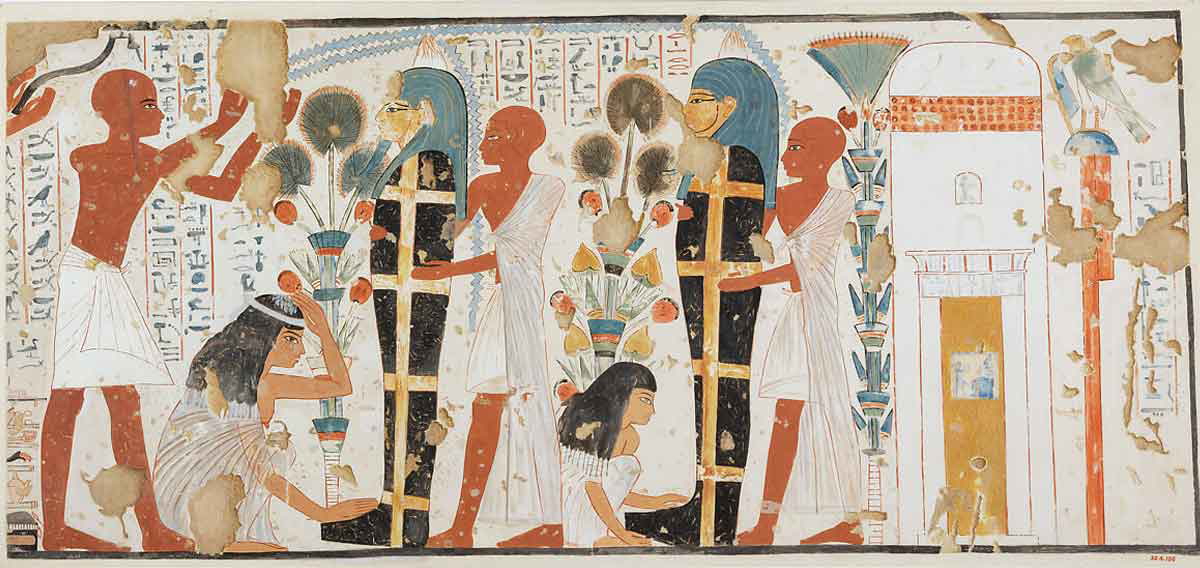
Though they did not use the term, ancient Egyptians enacted their own version of damnatio memoriae on pharaohs whom they thought best forgotten. Well before Rome was even imagined, the Egyptians were erasing the memory of unwanted, unpopular, or sacrilegious leaders. The reasoning behind this was twofold. The first and most obvious was political. A new pharaoh might want to eliminate a rival from cultural memory to secure their own position. The other was more spiritual in nature.
In the ancient Egyptian belief system, the afterlife was everything, and they spent much of their lives preparing for death. The Egyptians believed that a person was made up of their physical body, as well as their Ka, or life force, their Ba, or personality, which continued on in the afterlife and could travel between the realms, and the Ren, or name. It was believed that if the Ren was no longer spoken regularly, the person’s Ba would either be forced to wander aimlessly in the afterlife, or worse, cease to exist entirely.
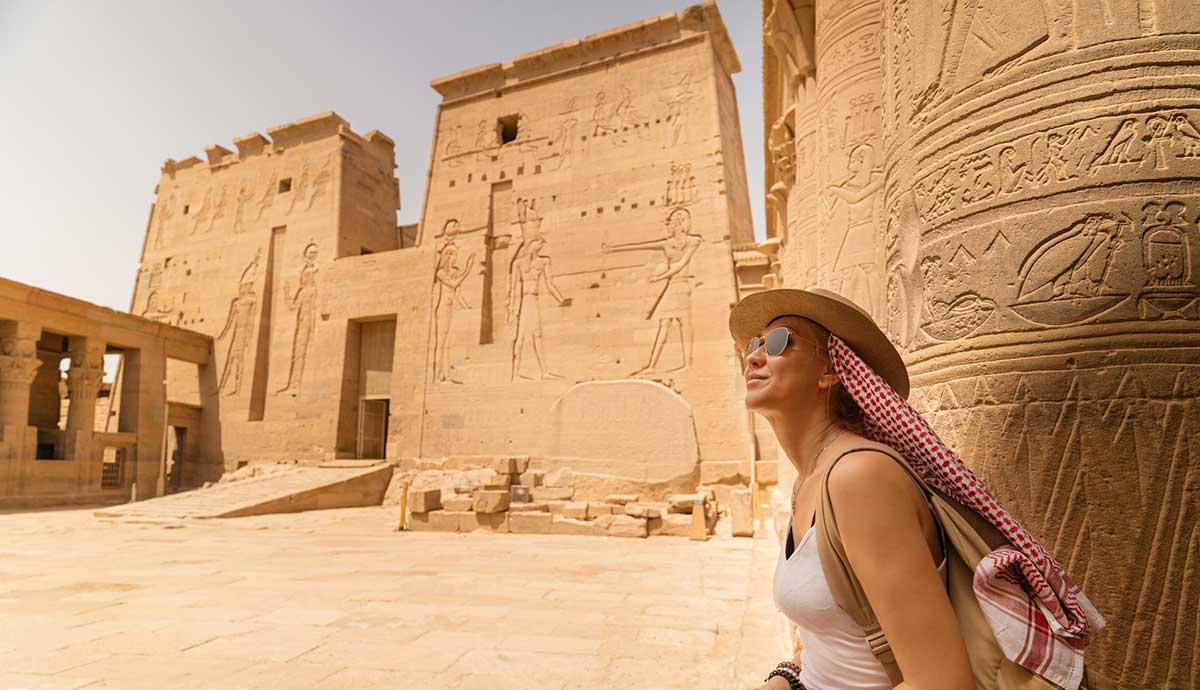
Therefore, when a person’s name was purged from records, it was not only a temporal punishment, but an eternal and spiritual one. Erasure included defacing statues and bas reliefs, carving away their names, toppling monuments, and desecrating their tombs. Any mention of them would be scrubbed from the monumental architecture, leaving their legacy as little more than chisel marks on stone.
So, which pharaohs do we know suffered this fate worse than death?
Akhenaten: The Monothiest Pharaoh
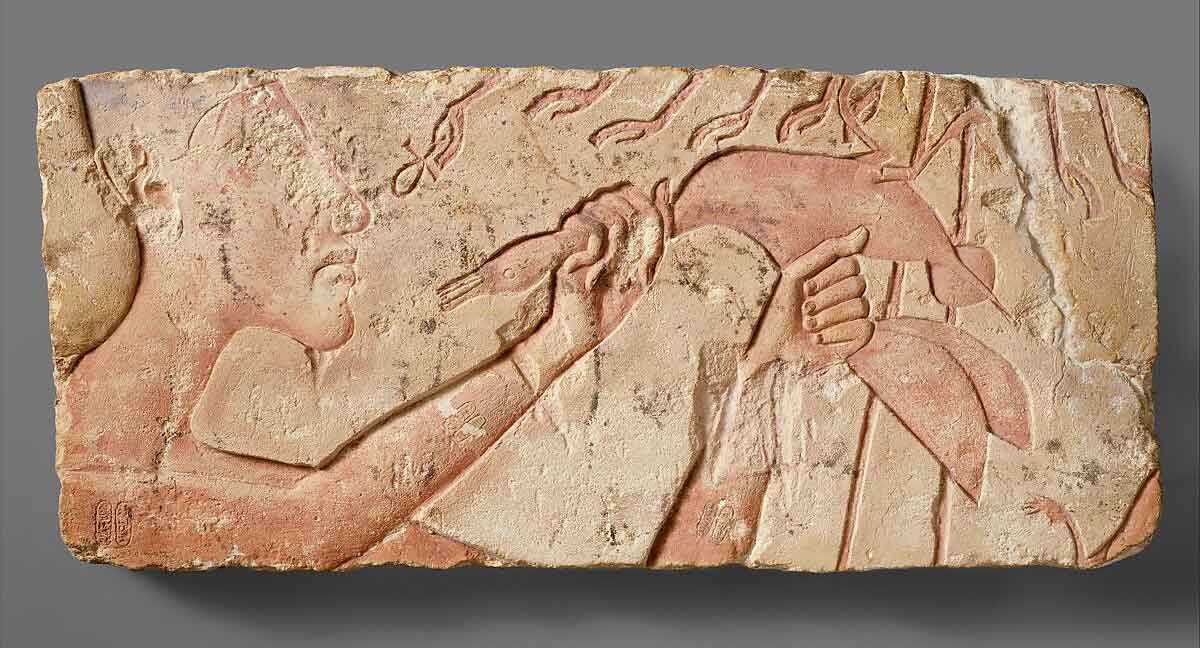
Ironically, much like the Roman emperors, the pharaohs who were eliminated from the historical record are among the most famous in the modern world. Perhaps the most well-known case was that of Akhenaten. In the 14th century BCE, the Pharaoh Amenhotep IV started his reign as a fairly typical leader of the Egyptians, worshiping the pantheon of gods like any other leader. But partway through his reign, something changed.
Instead of honoring all of the gods, he shifted his focus to Aten, the Sun Disk. This may have been at least partially politically motivated to undermine the position of Egypt’s powerful priesthood of Amun. The pharaoh changed his name from Amenhotep to Akhenaten, or “Satisfactory to Aten.” He then took his monotheism one step further, declaring that the other gods were dead and the Sun Disk was the only god worth worshiping.
Ironically, he then began his own program of damnatio memoriae, purging mention of other gods, especially Amun, from monuments, temples, and other locations. Amun’s name was chiseled out, either left blank or replaced by mention of Aten, and many aspects of other gods were attributed to the Sun Disk. He then ordered the construction of a new capital, called Akhetaten (today known as Amarna), building temples and other buildings dedicated to the Sun Disk. Many other members of his court also changed their names, eliminating any mention of the other gods.
Despite his efforts, Akhenaten’s enforced monotheism was unsuccessful, and archaeologists have discovered tablets and votive figures from his reign dedicated to the traditional pantheon.
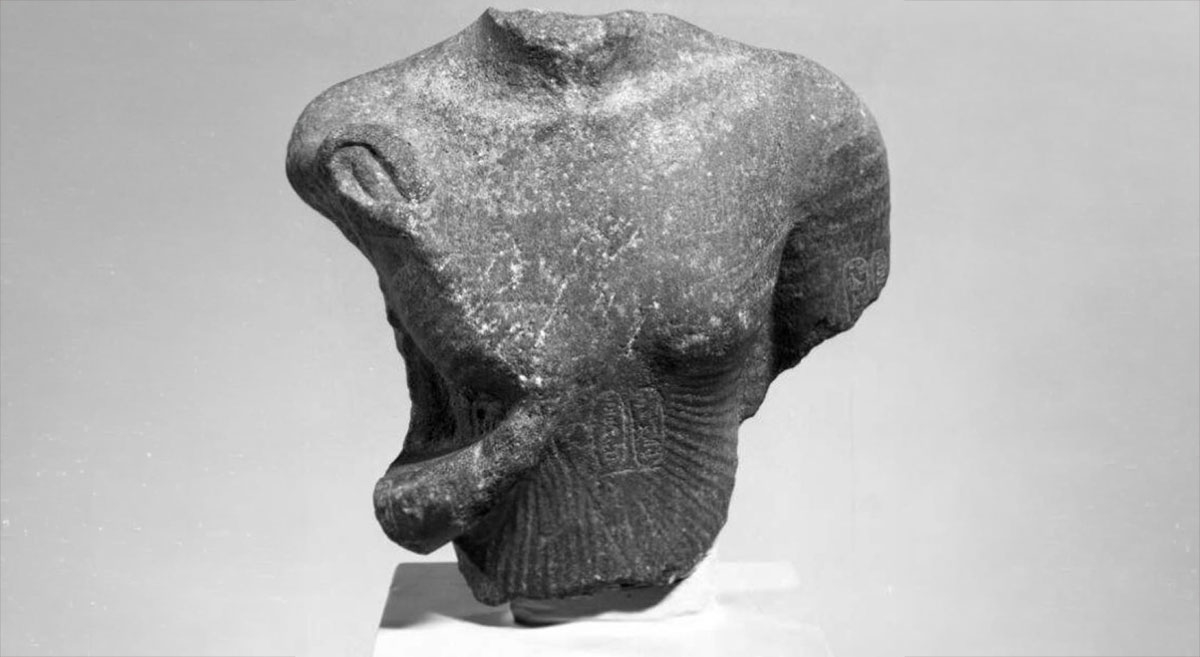
The singular worship of Aten was apparently not popular, since it was abandoned almost immediately after Akhenaten’s death. One of his successors, Horemheb, went on a dedicated campaign to eliminate any mention of the new religion or the heretic pharaoh who implemented it. Carvings were destroyed, states defaced, and any mention of Akhenaten stricken from records. This was so thorough that when a list of Egypt’s rulers was compiled a century later under Seti I, his name was not mentioned. It appeared as though this damnatio memoriae was successful, and the monotheist king was forgotten by history, at least until the 19th century, when archaeologists discovered Akhetaten, reviving the memory of a pharaoh Egypt tried to forget.
Collateral Damage: Tutankhamun and Nefertiti
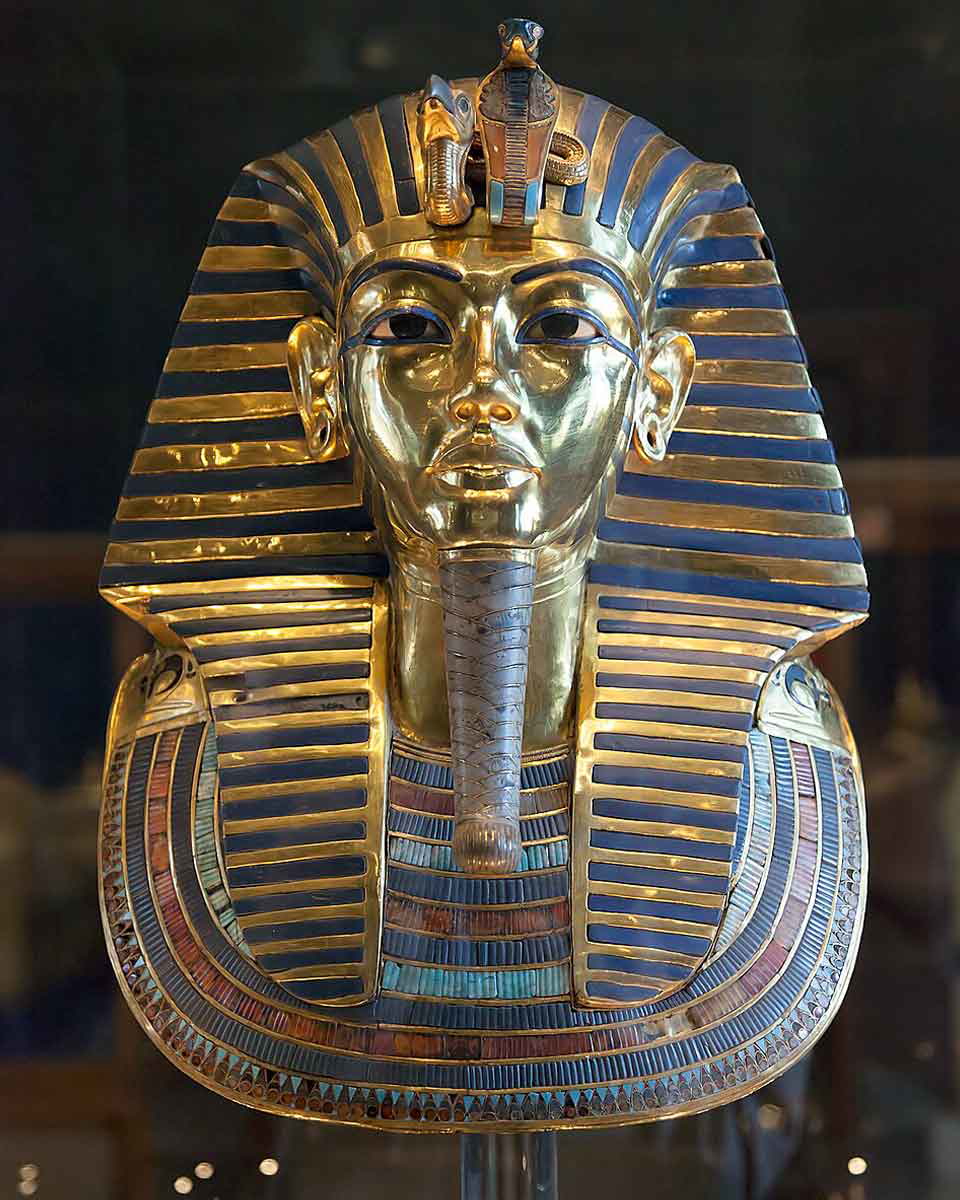
When Horemheb took power, he did not just erase Akhenaten, but anyone associated with his reign. After the heretic king’s death, the exact line of succession becomes unclear. He was eventually succeeded by his son, the now-famous boy king Tutankhamun. However, it seems that there were other pharaohs in the interim, possibly Smenkhkare, and power may have been held briefly by Akhenaten’s wife, Nefertiti, who took the throne name Neferneferuaten.
After Tutankhamun’s death, the throne then passed to his chief advisor, Ay, who then passed it on to Horemheb. To make matters even more confusing, the exact relationship between these individuals is lost. Ay might have been the grandfather or great uncle of Horemheb, Nefertiti might have been Ay’s child, and other relationships are a muddled mess that historians are still trying to pick through due to a lack of records.
After Akenaten’s death, and under the influence of his advisors, Tutankhamun reinstated traditional worship of the pantheon. But this was not enough. Horemheb wanted to erase all traces of the imposed monotheism from Egyptian history. Tutankhamun, Ay, Nefertiti, and anyone else associated with Akenhaten were subject to damnatio memoriae.
While this may have been effective at the time, today Nefertiti is one of the most famous Egyptian queens, and Tutankhamun is possibly the most well-known pharaoh in history. Incidentally, by scrubbing mention of the boy king, it may have helped preserve his legacy. Tutankhamun was so obscure, his tomb was forgotten and remained untouched by grave robbers until its discovery in 1922.
Hatshepsut: The Female Pharaoh Erased
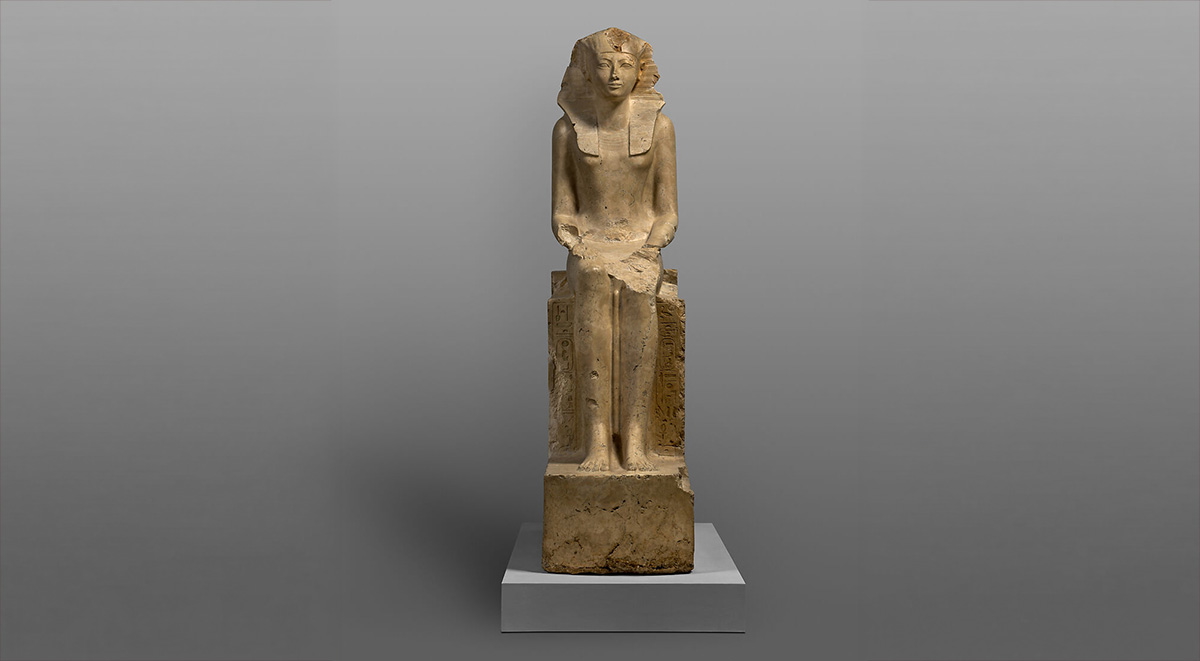
When Pharaoh Thutmose II died in the early 15th century BCE, the throne passed to his son, Thutmose III. The problem was that the new ruler was still an infant. He technically reigned, but actual leadership fell to one of his father’s wives, Hatshepsut. She ruled as regent for the first seven years of Thutmose III’s reign before choosing to style herself as the actual pharaoh. She named herself king and had herself depicted in the typical masculine dress of the ruler, down to his postiche beard, worn as a symbol of divinity and regality. Tuthmose was relegated to the position of junior co-ruler. It is unclear how she convinced the nobles and officials to accept her, but she was not Egypt’s first female ruler.
After her death, Thutmose III ruled in his own right for three more decades. Near the end of his reign, he began a concerted and deliberate campaign to purge all mention of Hatshepsut from records. Once again, monuments bearing Hatshepsut’s name were destroyed, her name chiseled out of reliefs, and her statues smashed into pieces. To make the desecration seem even more personal, some statues had their eyes gouged out, and the cobra motif, a symbol of royalty, was specifically targeted for destruction.
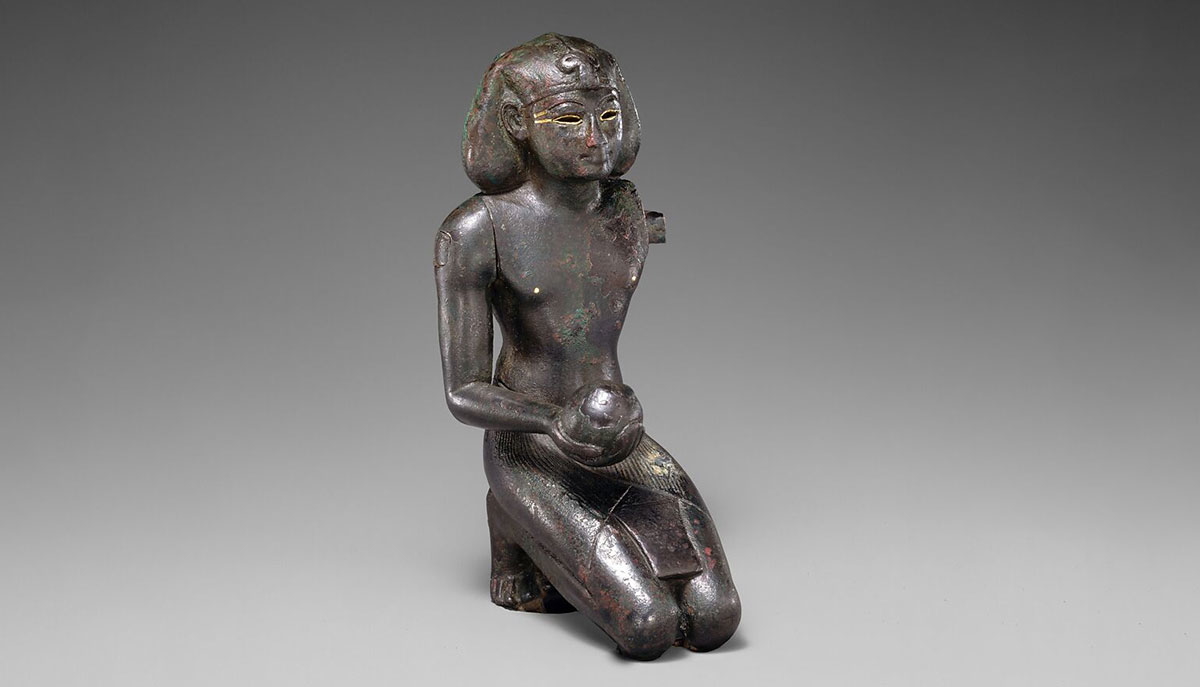
It is unclear why Tuthmose III chose this action late in his reign. Despite her usurping his power, the pair do not seem to have had a falling out during her life, and she died of natural causes, not assassination. Many believe that he was jealous of her memory or that he was ashamed of having shared part of his reign with a woman. Perhaps there was personal animosity between the two that has been lost to time. Others suggest that he just wanted to streamline history and make the passing of power from father to son, from Tuthmose II to III, clearer.
As in the other examples, Hatshepsut was forgotten until the 19th century, when some inscriptions that had survived were translated.