
Imagine your favorite work of art, one that you believe holds high aesthetic value. Would an exact copy of this work be just as aesthetically valuable? Most of us would intuitively answer no. But imagine you were shown the original and a copy where both are indistinguishable without scientific testing. Would the result of these tests tell us anything about the aesthetic value of the authentic work? Let us explore the problem.
What Is Aesthetic Value?
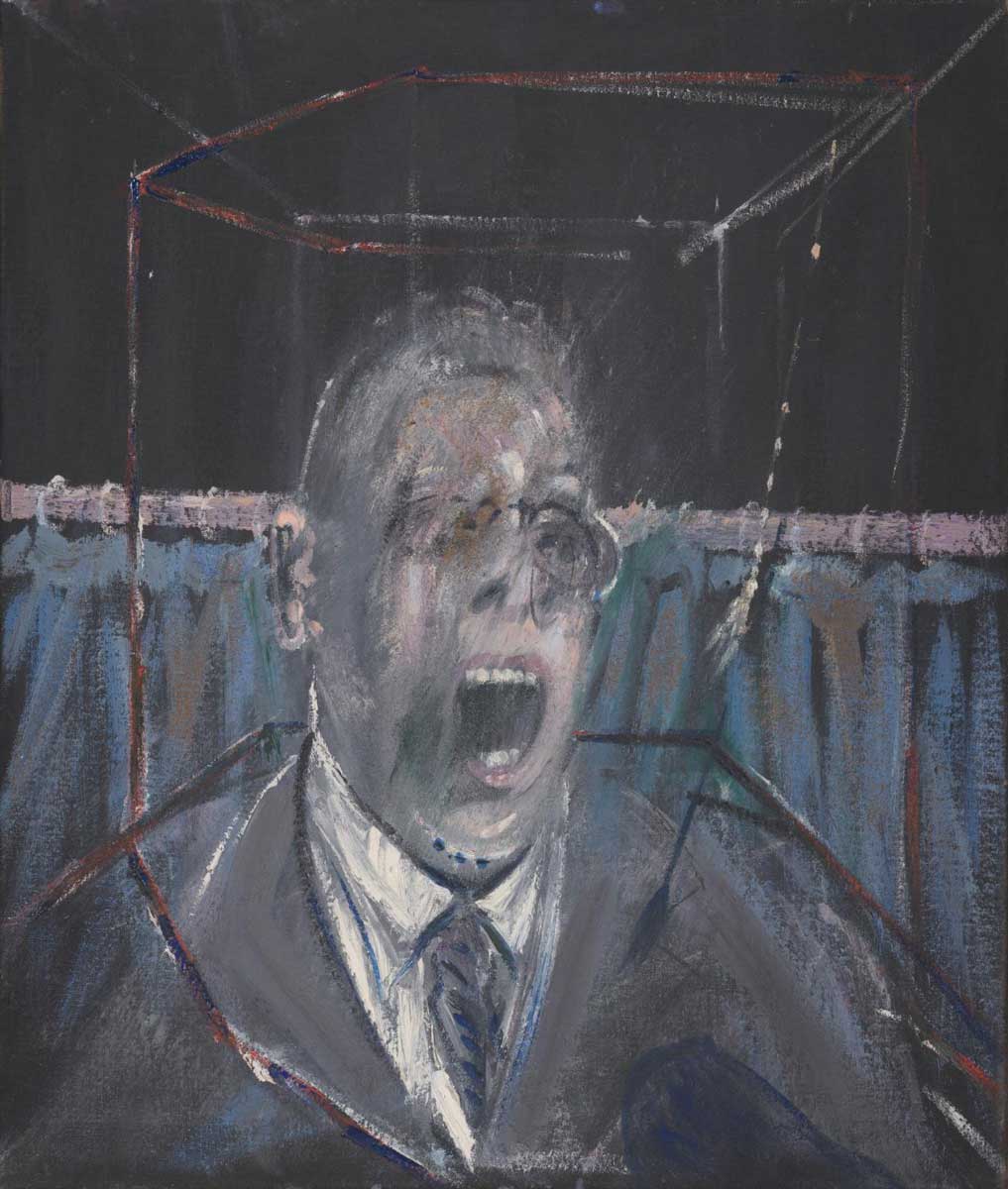
The idea of ‘aesthetic value’ in art is a highly contentious subject. Aesthetics traditionally refers to the beauty of something or the appreciation of beauty. However, not all works of art are beautiful. Consider, for example, many of Francis Bacon’s paintings.
Fortunately, we can simplify the problem for our purposes. For the sake of argument, let us accept that appreciation of the aesthetic is very similar to what we would understand as the appreciation of beauty. It is not limited to the beautiful. Let us say that it is a particular kind of emotional and intellectual response triggered only by works of art. The more a piece of art triggers this response, the greater its aesthetic value. This article aims not to define what aesthetic value is but to examine the intuitive feeling that forgeries have less of it than originals.
Most of us probably feel that an original work of art has more aesthetic value than a copy of the work. And we would be disappointed to discover that a painting we previously enjoyed for its aesthetic value was a copy. But does this make sense?
Appreciating a painting’s aesthetic value involves looking and taking it in. When we seek the aesthetic, what we perceive with our senses gives us the emotional and intellectual experience we prize. It is then difficult to explain how a perfect copy of a work of art can be aesthetically inferior.
When we appreciate works of art, we are often moved by more than their appearance. For example, their place in history is important. It is also important to know that we are looking at the actual brushstrokes of an artist we greatly admire. But this is something separate from aesthetics.
What Is a Forgery?
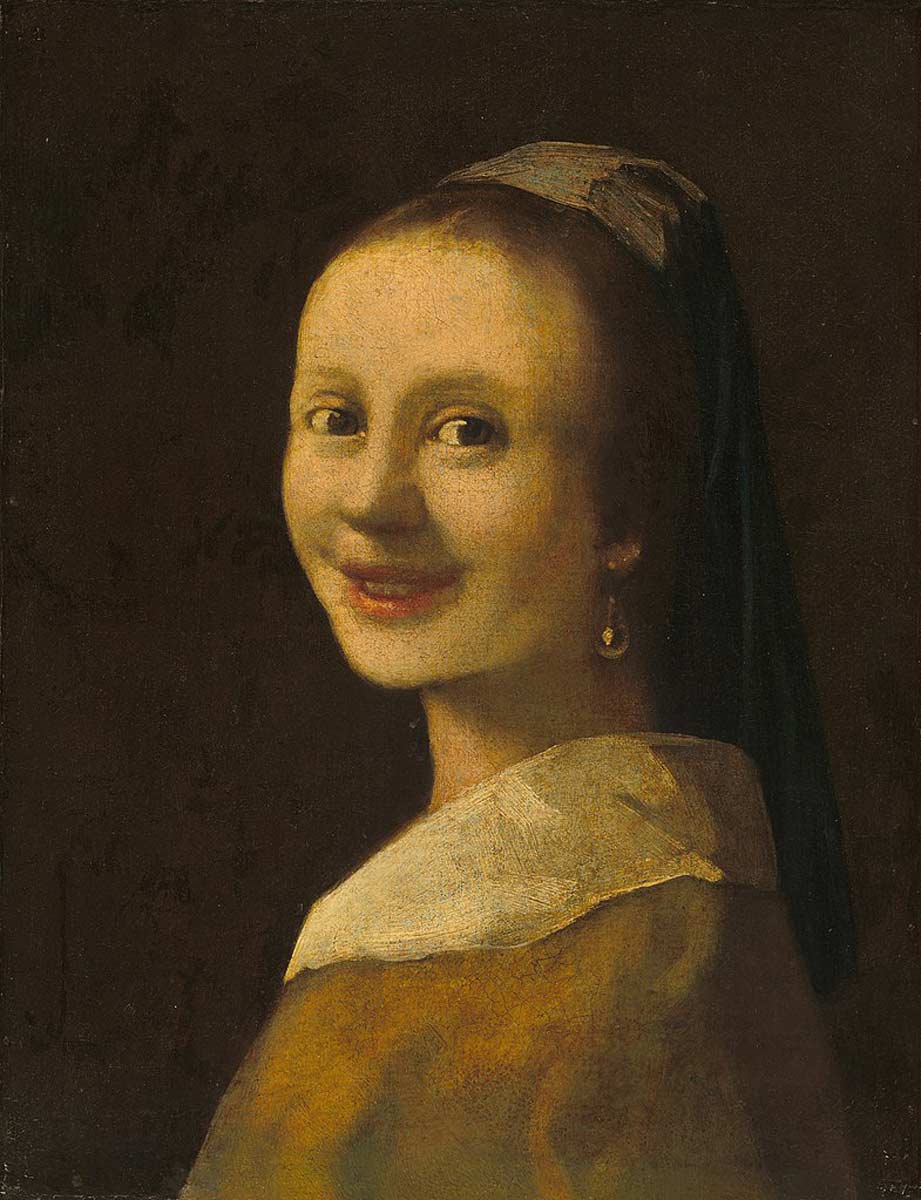
In this article, we are interested in two particular kinds of forgery. The first involves the attempt to pass off an exact copy (or as near as possible) as an original work of art. The second is an original piece that someone attempts to pass off as another artist’s work. The first kind of forgery is straightforward. Someone copies another work of art, which they then claim is the original. Claiming that the copy is the original is essential for the piece to be a forgery. If no deception is intended, then the copy is simply that—a copy. With forgeries, deception is always involved. Because of this, we can say that these artifacts are illegitimate and inauthentic. What would be a legitimate copy of an artwork?
A copy of an artwork sold as a copy is not a forgery. Students recreating great works of art to learn techniques are not producing forgeries. These are original copies, including authorized prints, of which possibly millions are sold each year.
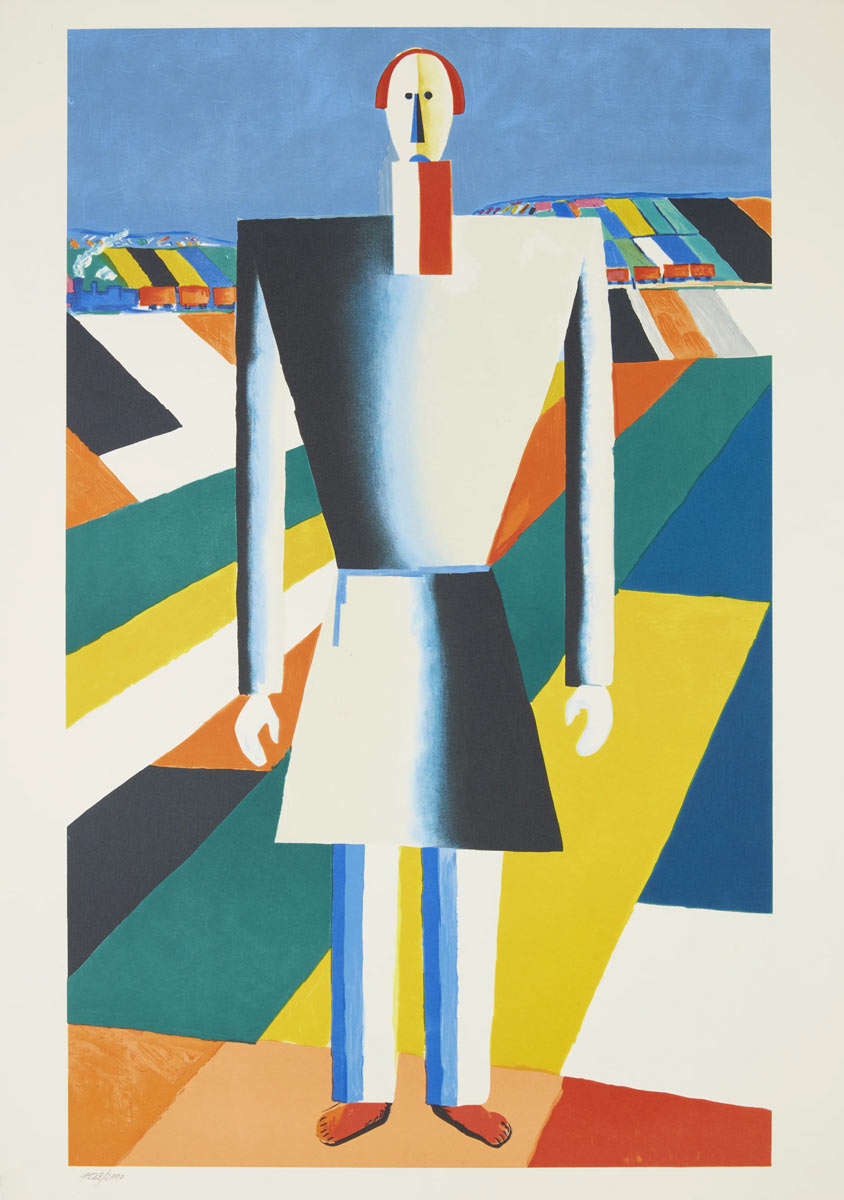
On my wall, I have a lithograph of Kasimir Malevich’s 1925 painting ‘Peasant in the Fields.’ It is an authorized copy of the original, purchased from an art dealer. Of course, there is no question of my print being a forgery of Malevich’s original painting. To start with, the actual painting is a painting, and my version is a print. But what if I commissioned an artist to reproduce the same painting with paint on canvas? Certainly, this would be a copy, but it would not be a forgery. But its existence raises an interesting philosophical question. Why would this perfect copy not hold as much aesthetic value as the original?
The Aesthetic Value of Copies
Imagine you are taken into an empty room except for three identical paintings. You are told that one is the original work of art, one is a copy, and one is a forgery. Picture one of your favorite works of art.
Each painting is an artifact—an object designed by a human being for some purpose or use. Three purposes or uses are at play here: the creation of art, the copying of art, and the forging of art. Imagine walking up to each painting and examining each one closely, attempting to discern which of the three is the original.
Most people would probably concede that they could not pick out the original work of art. But some would indeed claim to be able to do so. They would argue that the original has a superior aesthetic quality over the copies. They would also claim that their expertise in the subject and natural talent allow them to recognize the artifact with the greatest aesthetic value. Thus, the true painting could be found.
Perhaps you believe that you could do the same. However, I suspect that many would scoff at the idea. However, if the scoffers are correct, then it seems that we cannot say that forgeries are necessarily of lesser aesthetic value than originals. If this is true, we would have to concede that an original Malevich, discussed above, painted a hundred years ago, and an exact copy of this work painted last week, are of equal aesthetic value.
In the middle of the last century, one man tested this. He challenged art connoisseurs to distinguish original masterpieces from copies.
The Case of Han van Meegeren
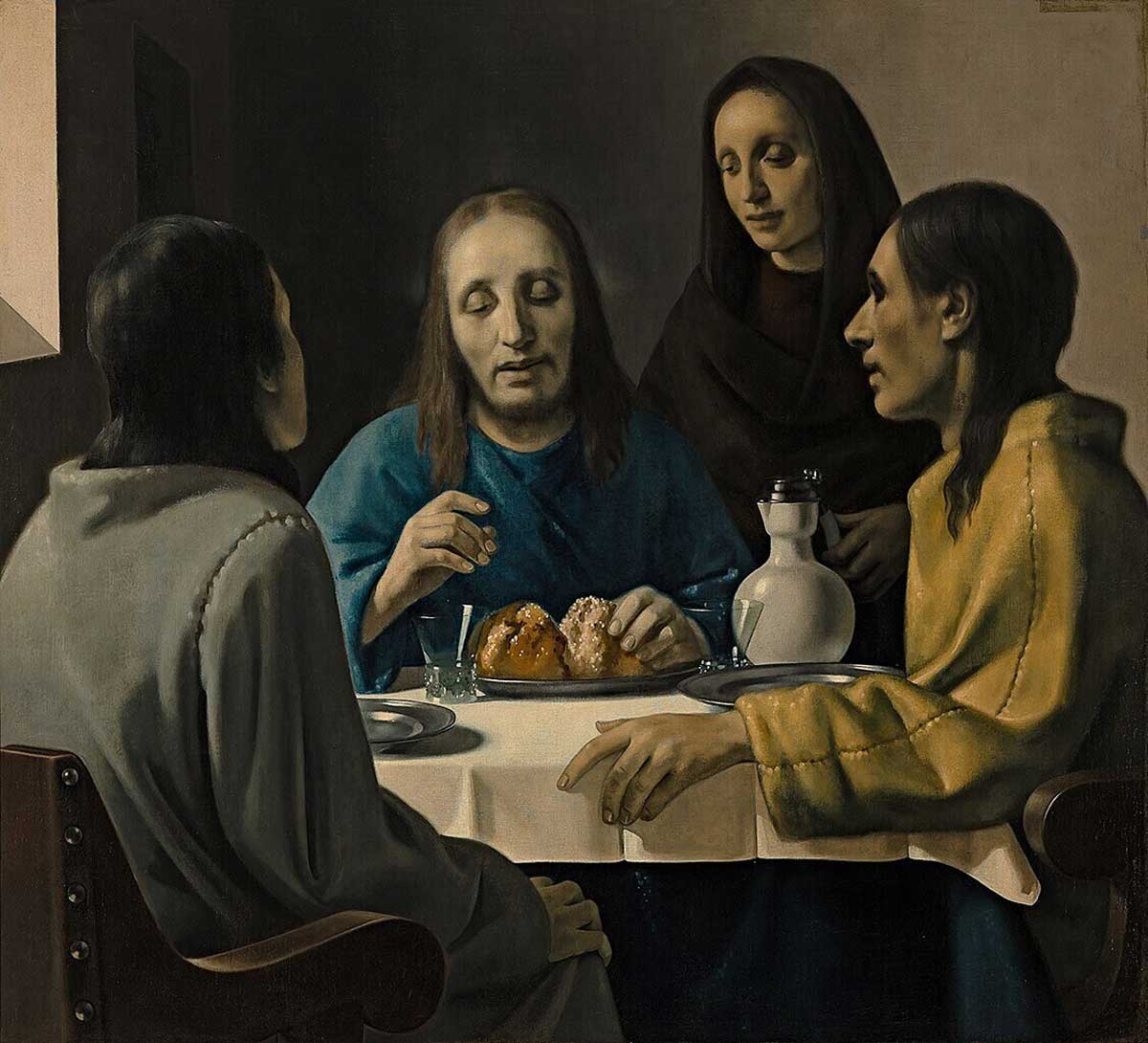
The painting above depicts Jesus eating with his disciples in the town of Emmaus. Jesus has just been resurrected and has yet to reveal his true identity. Only when he breaks bread do the disciples’ eyes open, and they recognize him for who he is.
In 1937, this painting was shown to Abraham Bredius, a celebrated art connoisseur and expert on the Dutch painter Johannes Vermeer (1632-1675). He was amazed and greatly taken by what he saw. Publishing his thoughts on the work in one of the most prestigious art journals of the time, Bredius claimed that seeing the painting was the most wonderful moment of his life. What excited him so much was that this painting was unmistakably a lost Vermeer. And what a Vermeer! Bredius, possibly the world’s greatest expert on the artist, was convinced he had held an authentic, previously unknown masterpiece in his hands.
Unfortunately for Bredius, the painting that had enraptured him was not a Vermeer, lost or otherwise; it was a forgery painted by a man called Han van Meegeren.
Van Meegeren’s case is complex and fascinating. He was originally arrested in 1945 and accused of collaborating with the Germans during the Second World War. In particular, he was charged with selling a Vermeer to the Nazi Field Marshal Hermann Goering. If he was found guilty, van Meegeren could have been executed for collaboration. His defense was novel. Rather than being tried as a collaborator, he said, he should be praised as a national hero because the painting he sold Goering was a forgery!
The story of his two-year trial is a fascinating episode in art history. However, we are interested in another of van Meegeren’s claims: that he had painted a masterpiece to test the connoisseurs.
Knowing Something Is Not a Masterpiece
Van Meegeren expressed that his reason for committing his forgeries was to force the elite connoisseurs of the artworld to recognize him as a master artist. This, he seems to have achieved. After all, Bredius sang his praises to the rafters. Although, as we have seen, Bredius thought he was praising an authentic Vermeer.
Returning to our previous thought experiment in which we imagined being asked to distinguish a genuine work of art from two copies, it seems that sometimes even a world-renowned expert like Bredius would fail the task. Bredius was, in fact, so convinced of his abilities that he could not believe that the work he had seen was a forgery. The only way to know would be to conduct scientific testing on the work. But before we look at this, let us briefly consider the work of another forger.
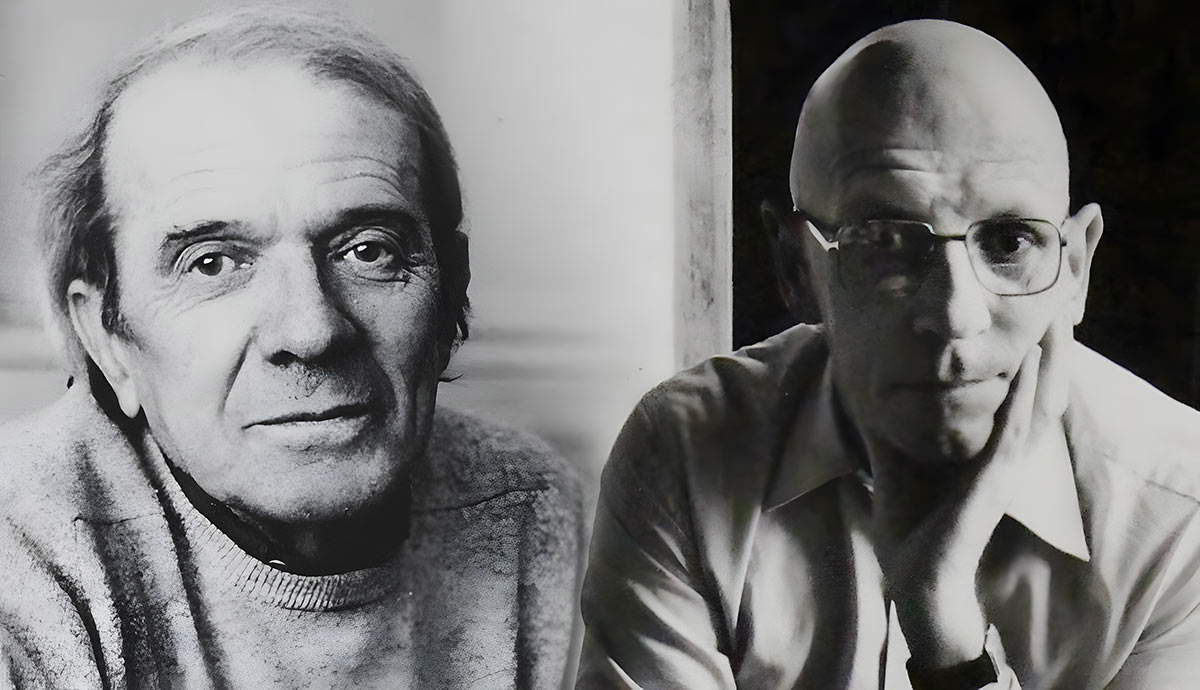
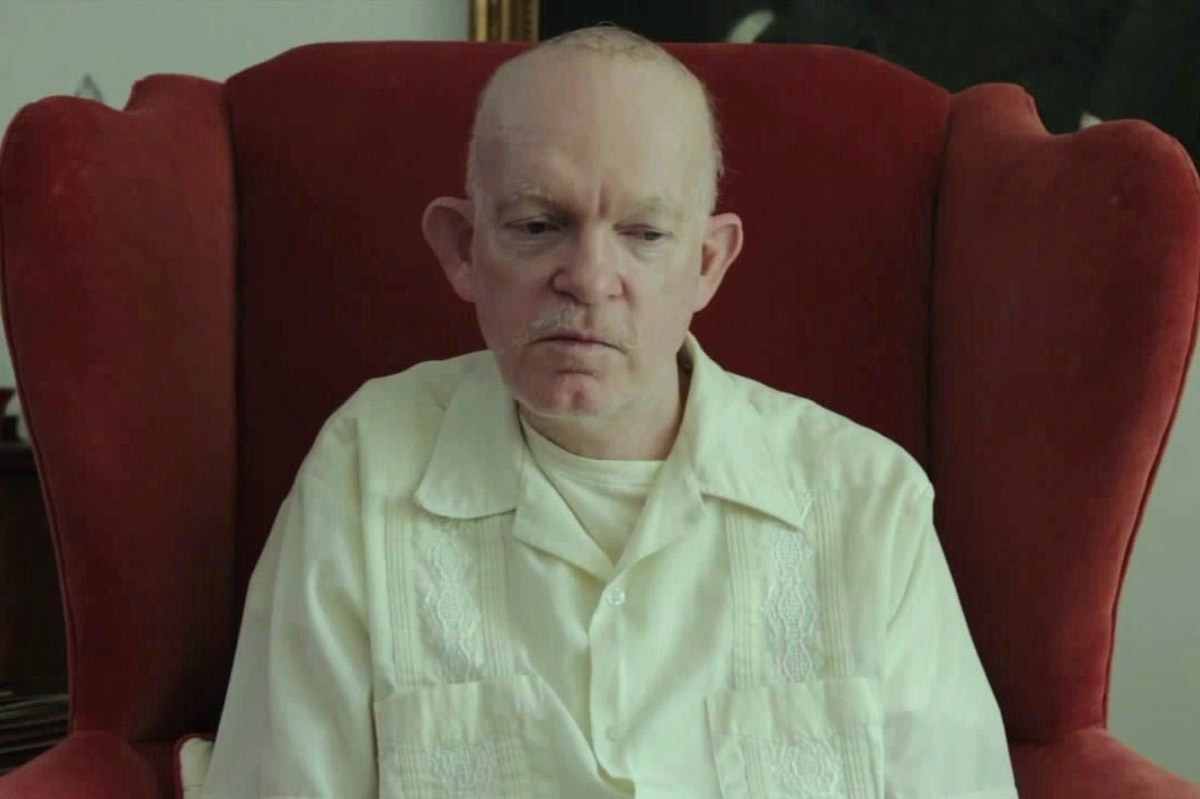
Mark Landis, pictured above, is an unusual case in the world of art forgery. He copied several paintings and attempted to pass them off as original works. For a time, he was successful. Various art galleries and museums accepted Landis’s works as authentic. What is unusual about Landis is that he did not attempt to profit from his deceptions. That is, he gave away his forgeries for free.
His modus operandi was to recreate works of art and then offer to donate them to art institutions, pretending to be an eccentric but generous art collector. Over more than twenty years, Landis duped more than fifty museums and galleries. His forgeries were detected when art experts became aware that the (supposedly) same works were being offered to different galleries.
It seemed that the only way to know for sure was to subject the works to scientific testing. This is useful for our inquiry into forgeries and aesthetic value.
Scientific Testing of Artwork
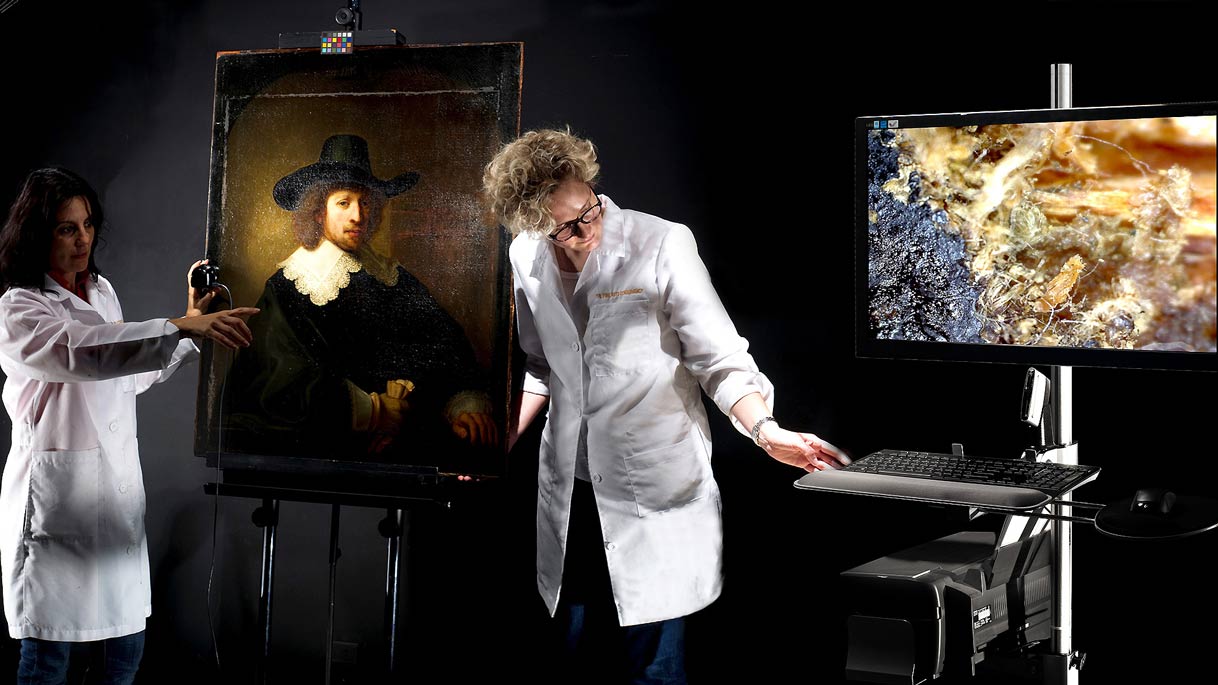
Bredius insisted that Van Meegeren’s painting was a genuine Vermeer, but scientific testing revealed it not to be. When art curators became suspicious of the authenticity of paintings donated by Landis, they sent them off for testing. It quickly became clear that the works of art were not authentic. For example, one piece glowed suspiciously under ultra-violet light. Observation under a microscope revealed that under the piece of art was a photocopy of the original work. Landis had merely painted over the photocopy.
We are interested in the fact that these techniques used to detect forgery employed equipment designed to reveal things not visible to the human eye. We have seen that aesthetic value is determined by what the eye can discern. If something else is needed to pick up on things that reveal a painting is not authentic, then these things cannot be included in what we call aesthetics.
Forgeries have many problems. First, they involve deception, often criminal. It is of incidental interest that Landis could not be prosecuted because he did not commit any crime. However, they also falsify historical records.
Knowledge of art history is culturally valuable, and forgeries damage our understanding of it. However, these are not aesthetic qualities and cannot be detected with the naked eye. Knowing that a work is a forgery is a fact about the work, just as knowing that a particular artist painted an authentic painting is a fact. These facts are not aesthetic and are not detectable through the senses.
If we cannot detect the difference between a painting and its copy, and if the fact that a painting is a copy is not aesthetically relevant, then we cannot say that forgeries are always aesthetically inferior to authentic works.