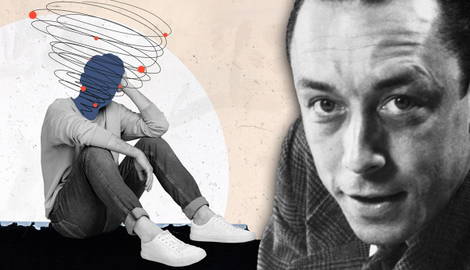

Albert Camus was diagnosed with tuberculosis at the age of seventeen. In 1930, this was effectively a death sentence. Lying in a hospital bed and coughing up blood, Camus began to think about his own mortality and death in general. From these beginnings came an obsession with death and the humiliation of illness and old age. Already prone to anxiety, largely caused by his health issues, Camus’s self-esteem suffered an enormous blow after the catastrophic reception of The Rebel (1951). Yet from this, he managed to produce his masterpiece, The Fall (1956).
Death Sentence at Seventeen
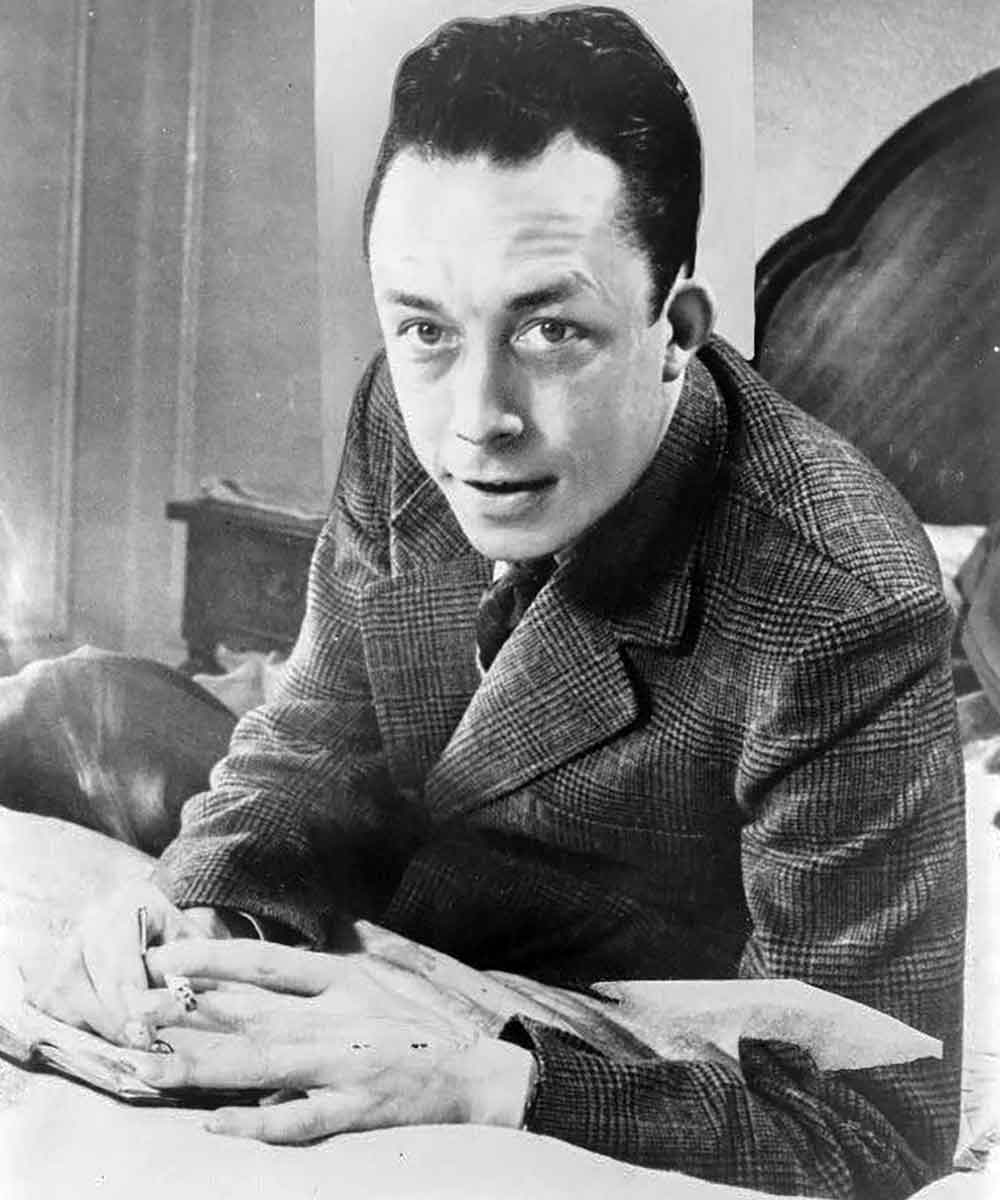
In December of 1930, after a bout of severe coughing fits that left him spitting blood, Albert Camus was diagnosed with tuberculosis. He was seventeen years old. For a boy from the poor districts of Algiers, a diagnosis of TB was considered by most to be a death sentence. A deadly disease, TB was particularly dangerous for the young. Indeed, it was known at one point as “the robber of youth.”
There were no antibiotics to treat the illness in the 1930s, and so Camus had to undergo artificial pneumothorax. This involved deliberately collapsing the infected lung to give it a chance to heal. During this process, the teenage Camus had plenty of time to think about his own mortality.
TB takes time to kill a person. Due to the gap between diagnosis and death, it was thought by the romantically inclined that sufferers could achieve a “good death.” That is, people had time to get their affairs in order. Camus was well aware of this idea and tried to be philosophical. One of his first youthful musings on illness and death was on the one positive of TB: the sufferer could not shirk thinking about death; it was a reality that must be confronted and prepared for.
Due to the combination of lung collapse treatments and better diet (thanks to the meat provided by his uncle, a local butcher), Camus started feeling better and returned to his studies. But in 1935, his second lung became infected.
Camus was always active, a keen swimmer and talented soccer player, but after 1935, strenuous activity became too much for him. For a proud man like Camus, who prized physical fitness and beauty, this was a serious blow.
University Diploma and Marriage Troubles
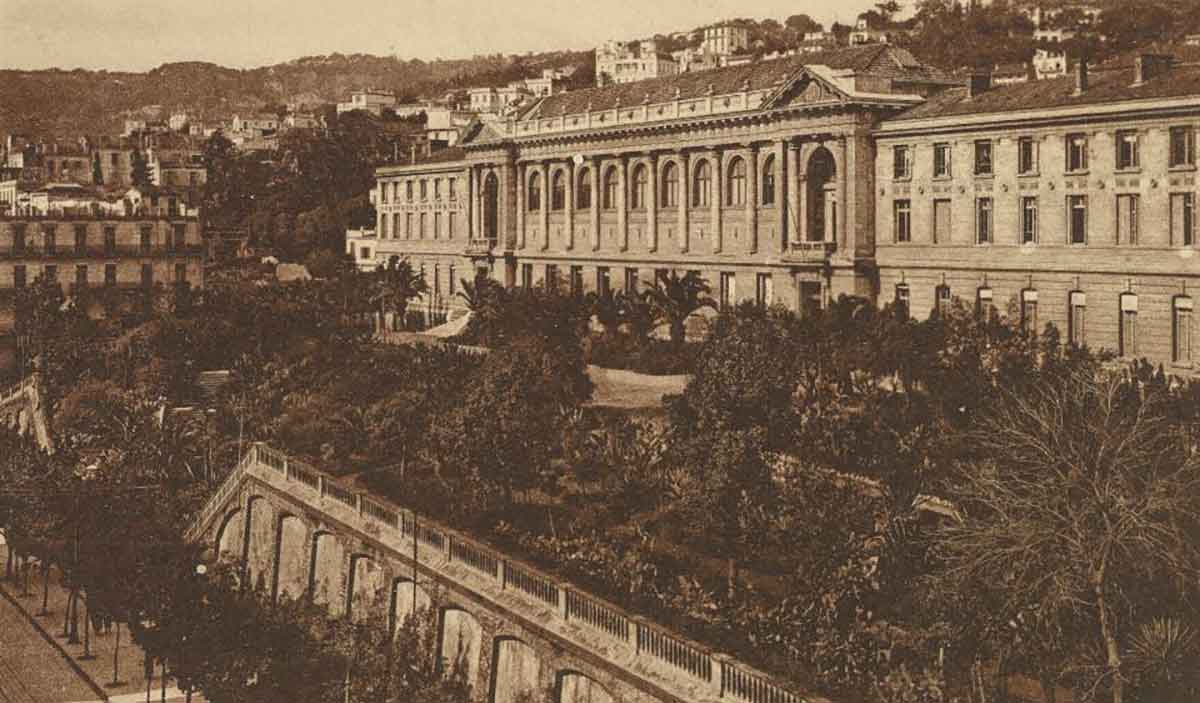
In 1936, Camus submitted his diploma thesis on Christian Metaphysics and Neoplatonism. At this time, he was already married to his first wife, Simone Hié. The plan was to get his teaching license and pursue a career in philosophy teaching. However, the French government had other ideas. Afraid of the risk of having to pay out pensions to sick teachers, it was decided to reject TB sufferers on medical grounds.
As can be imagined, this rejection was very difficult for Camus.
Not only was it a blow to his self-esteem, but he and his wife were also struggling to support themselves financially. Camus received some money from his uncle, and his mother-in-law paid the couple’s rent. With his career plans thwarted, Camus had to find odd jobs to support himself and his wife.
Things were made more complicated by Simone’s drug habit. She had become addicted to morphine after being legally prescribed the drug as a child. Already a wild and free spirit—something that had attracted Camus to her—the effects of her addiction often made living with her difficult.
Simone would frequently embarrass Camus with her behavior. For example, to earn money, he began tutoring students in their homes, and Simone would deliberately interrupt the sessions with petty requests and demands.
Something else relating to Simone’s drug use that put a strain on the marriage was Camus’s belief that he could save her from addiction. That he could not was another personal blow to his pride. Their marriage would end in 1936 after a disastrous and humiliating European trip that would greatly influence Camus’s early writing.
Health Humiliation and Marriage Breakdown
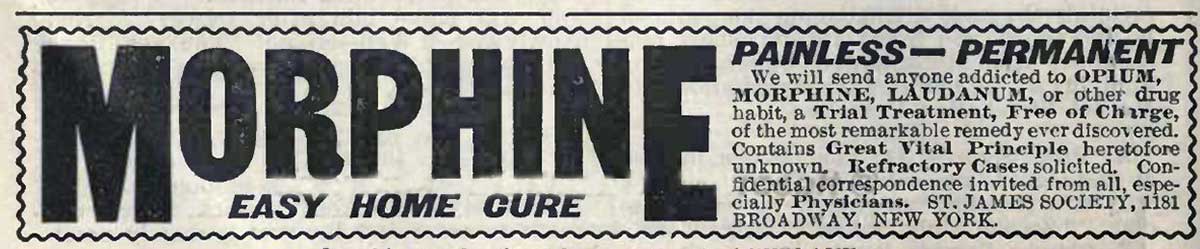
In July of 1936, Camus and his wife embarked on a kayaking trip in Europe with Yves Bourgeois, one of Camus’s friends. It was hoped that the time away from the drug dealers of Algiers would help Simone get clean.
Camus was in a strange mood from the beginning of the trip. He felt uneasy in Prague and wrote of his strong dislike for the city, calling it sinister. Going as far as to say that he detested the inhabitants of Prague with all his heart, it seems clear that Camus was experiencing an episode of profound anxiety. In a letter to friends, he said that the whole trip had an “aura of fear.”
The plan was to kayak along long stretches of water, with Yves and the luggage in one canoe, and Camus and Simone in another. However, the physical toll of paddling was too much for Camus’s lungs. He awoke one morning in immense pain. After that, the three of them decided that Yves and Simone would carry on with the canoes, and Camus would take the bus to various rendezvous points. It was a deeply humiliating concession for Camus.
To make matters worse, at one of the post offices where the group had arranged to have their mail forwarded, Camus accidentally opened a letter addressed to Simone. He discovered that she was illicitly obtaining drugs from her doctor and that she was sleeping with him.
Devastated, Camus decided to end the marriage. On returning to Algiers, he went to live with his brother, and Simone went to live with her mother.
Let us now look at how Camus’s health and his marriage affected his philosophy and writing. We will begin with his health and how this led to a lifelong obsession with death.
Difficulty Breathing

One of the few treatments available for TB patients was to spend long periods living in high altitudes. Accordingly, Camus spent a lot of time in the mountains in the hope of easing his lungs. This self-imposed isolation must have played into his fascination with estrangement. Indeed, he was stuck in the mountains while The Stranger and The Myth of Sisyphus (his essay on the absurd) were both making waves on the Parisian literary scene. It was yet another sign for Camus that his health was separating him from others.
The Myth of Sisyphus (1942) is an exploration of the absurd and human beings’ estrangement from the world. Among other things, the essay explores justifications for suicide. Camus accepts that sometimes suicide might be the appropriate response to specific problems individuals might have, but what he is really interested in is whether evidence can be found that life itself—not any specific life—is worth the suffering of living.
Returning to a theme we have already discussed, Camus explores the idea that most people go out of their way to avoid thinking about life in this way. Instead, they prefer to lie to themselves and pretend life is something that it is not.
While The Myth of Sisyphus asks questions about the justification for taking one’s own life, The Rebel (1951) explores justifications for taking the lives of others. In this book-length essay, Camus traces the history of the human instinct to rebel and how various revolutions have twisted rebellion into something that justifies degradation and murder.
Camus was considered a member of the French Left when he published The Rebel, and many of his colleagues were shocked by its tone and contents. The furor that followed almost broke Camus.
The Fall of Camus
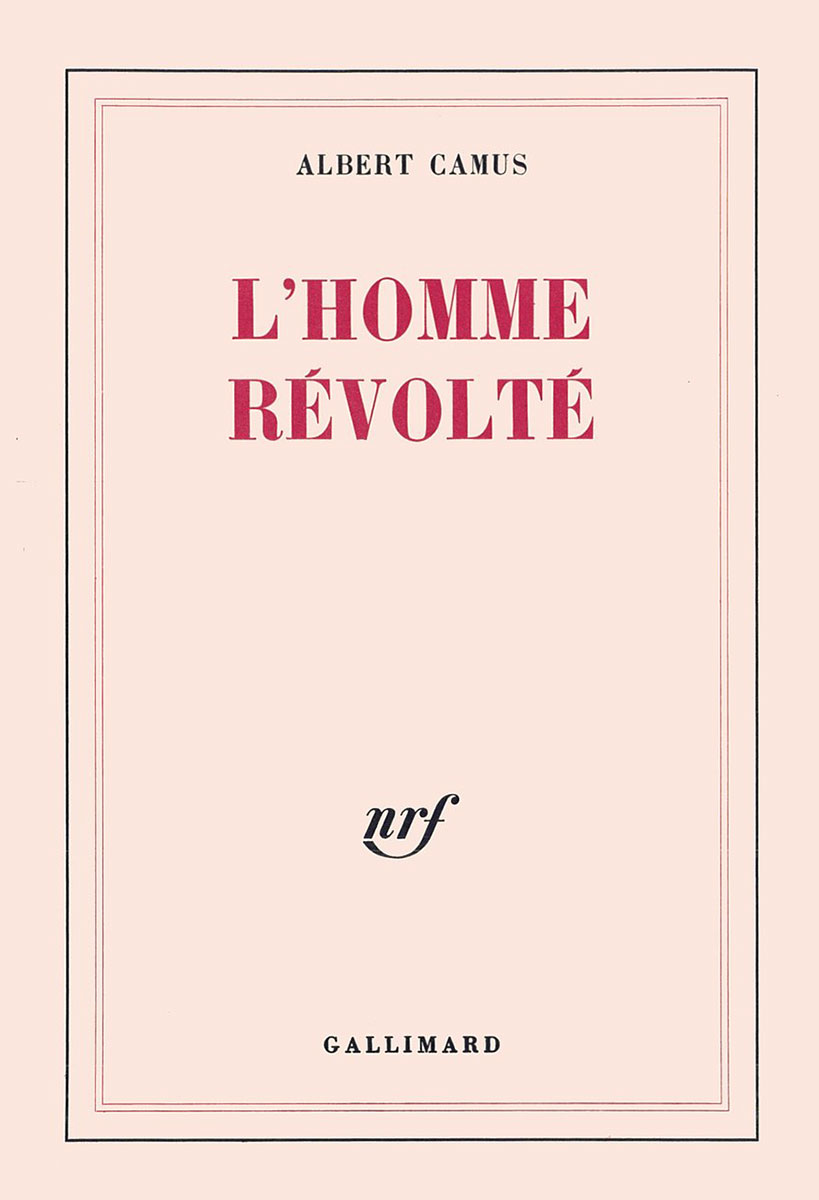
Before publishing The Rebel, Camus had been reasonably confident that he knew what people thought of him, but now he was not so sure. There were many people he thought admired him and were his friends, who he discovered were secretly (or not so secretly) enjoying his downfall.
Psychologically, this was difficult to take, and Camus’s confidence was shattered. He experienced terrible writer’s block and found he could not continue with his planned works. To make matters worse, his lungs had deteriorated to the point he could no longer breathe properly. Camus was, in effect, slowly suffocating.
Somehow, out of all of this psychological turmoil, Camus managed to produce one of his greatest works, The Fall (1956). In this short book, the narrator, Jean-Baptiste Clamence, gives a masterclass on what moral narcissism actually is and how it has infected modern politics. But more than this, Camus also offers a confession, of sorts, revealing in Clamence many traits and flaws he recognized in himself.
The Creation of a Masterpiece
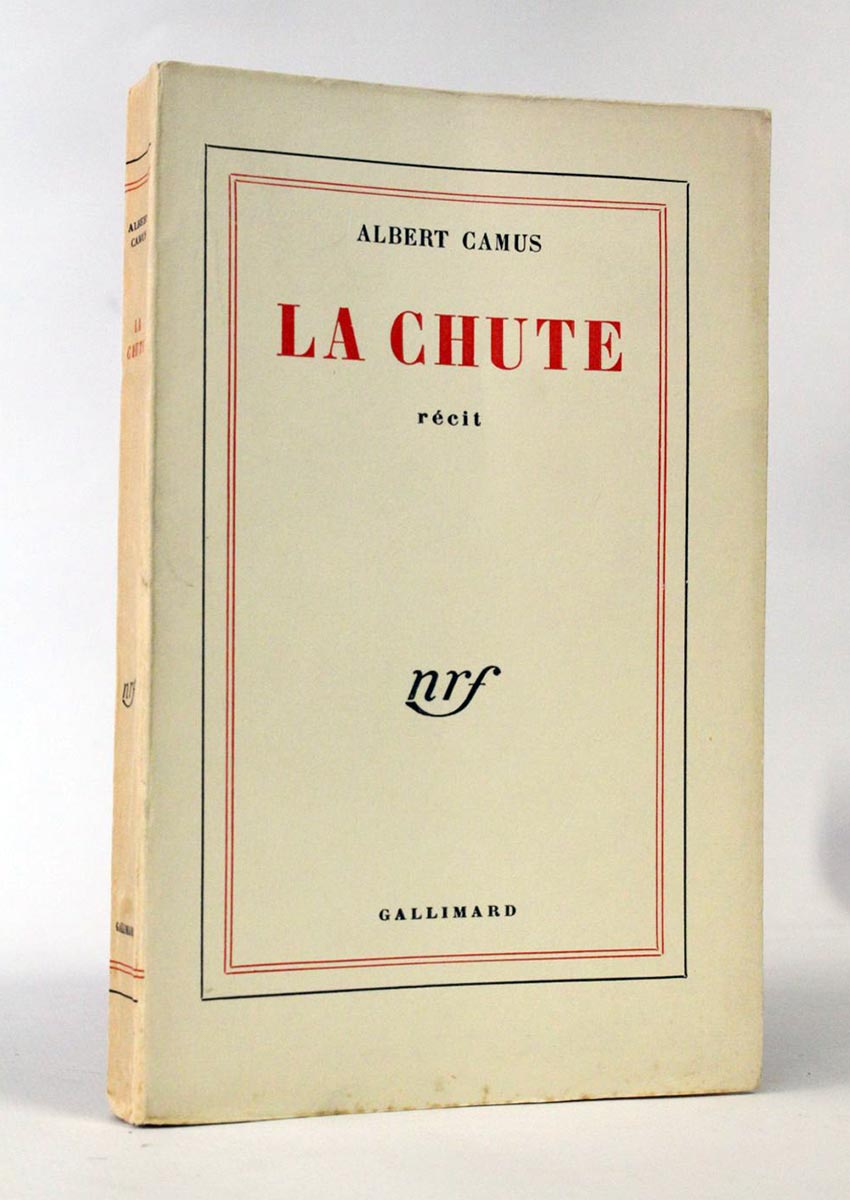
The narrator of The Fall shares many characteristics with the author, just as Patrice from A Happy Death and Meursault from The Stranger share traits with Camus. Clamence is not a journalist or writer but a Parisian lawyer. It is a job in which his quick wits and charm serve him well. He finds it easy to find lovers, but rather than seeing them as individuals, he thinks only about how they can help him (particularly regarding his self-esteem). Camus was much the same.
After his marriage to Simone Hié broke down, he married Francine Faure but also kept a string of mistresses. For much of his life, Camus convinced himself that this was normal and perfectly acceptable. And in some ways, within the circles within which Camus moved, it was. However, Francine saw things differently. In 1953, while hospitalized due to her nerves, Camus’s wife attempted suicide by jumping from a window. Fortunately, she survived, but Camus was left devastated.
In The Fall, the life-changing event for Clamence occurs after he fails to stop or help a woman committing suicide by jumping from a Paris bridge.
The Fall is a masterpiece that can be read in many ways. One way of reading the text is as Camus’s attempt to work through his anxiety and demons. Every troubling aspect of Camus’s life, discussed here, appears in the book. His problems with image and self-esteem, failure to act at key moments, difficulties in communication, and the looming specter of moral narcissism. The work is simultaneously a confession and a damning indictment of contemporary society.