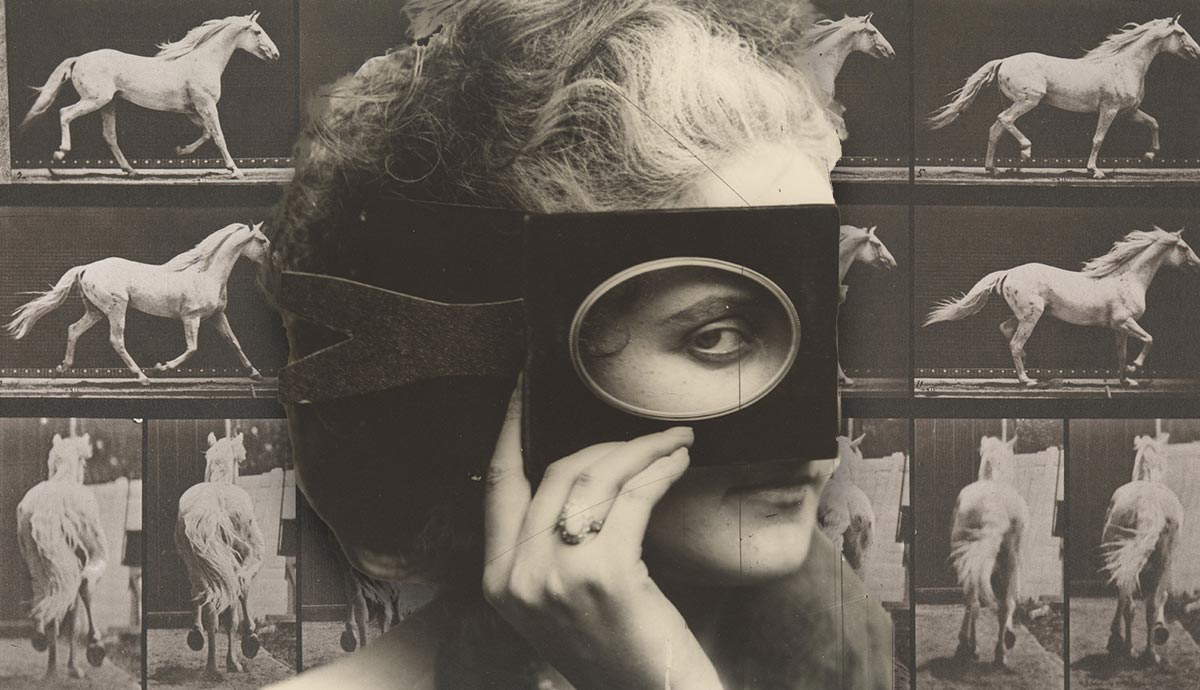

Rather than attempting to take films as material that can have unintended philosophical resonances, Gilles Deleuze spent the later years of his career indulging his cinephile tendencies to show how the moving image exists within the world itself and how it offers up the sort of encounter with the world necessary for creative thought to occur. Not wanting to reduce these images to simple fodder for philosophical commentary, he demonstrates how their imitation of human thought offers opportunities to go beyond the habits of anthropocentric thought.
Deleuze as a Philosopher and Film Nerd
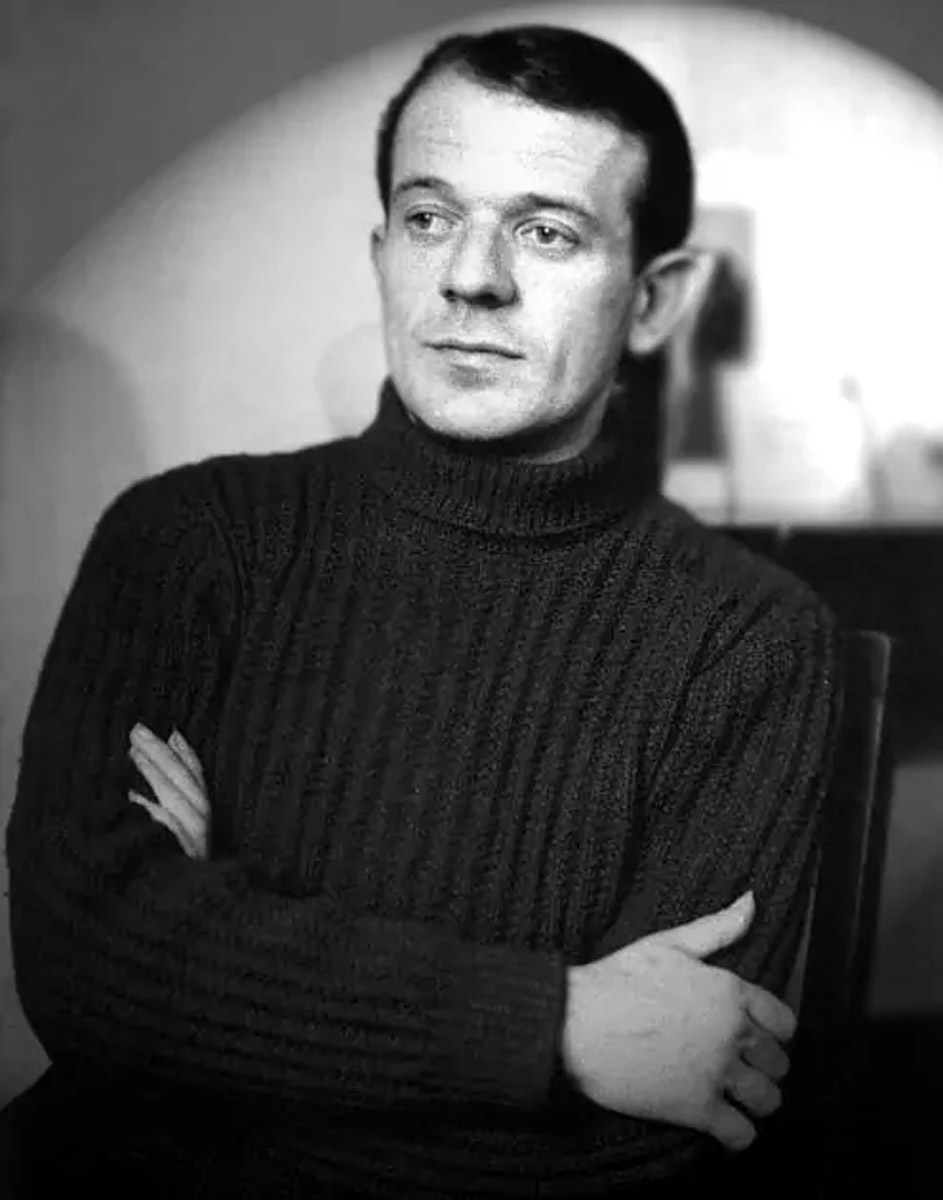
Deleuze is a thinker who can provide unique philosophical approaches to various topics in different fields. Fundamentally, his work develops a theoretical framework emphasizing the immediacy and continuity of everything in the world without appealing to some external determining rule or law. We don’t turn to some single idea that determines various world phenomena while remaining outside of them, as in Plato. Instead, the things of the world are understood as momentarily static entities emerging from a world of perpetual difference.
Deleuze approaches the film with an emphasis on the cinematic image as immanent within the world, that is, as a particular type of image selected and removed from the mass of images that constitute the rest of the visual world. Understanding images in this way means that we conceptualize the cinematic image as directly capturing the movement of the world as experienced in time. This means that the Deleuzean approach to cinema avoids confining these images as a separate domain of experience but rather as an extension of visual experience.
Cinema is the first art form capable of drawing directly upon our visual experience of the world precisely because it captures movement. The camera, however, can exceed our natural experience: it can go beyond simply imitating human perception and begin seeing the world in ways that would be physically impossible for us. Cameras can approach phenomena in ways that humans cannot, which leads to them confronting us with increasingly unfamiliar images.
Because they capture movement directly, such images can offer the same sort of encounter with the world itself that Deleuze feels is necessary for creative thought. Deleuze depicts this encounter as a “shock” of some kind, where the world doesn’t easily fit into the various categories that we already have to think with.
Two Regimes of Cinematic Images
Deleuze approaches cinema through the lenses of two other thinkers from the early 20th century: the French philosopher Henri Bergson and the American pragmatist Charles Sanders Peirce.
From Bergson, he derives an approach to the cinematic image grounded in questions of movement and time. This means that when we’re thinking about images, we are concerned with how the image acts as movement, depicting time itself.
From Peirce, Deleuze draws an understanding of how we experience signs in the world. We encounter objects in three different primary ways: initially according to their “firstness,” that is, the quality or nature of the sign as object; their “secondness,” which is when we experience an object through its relation to other objects; and their “thirdness,” which is how we represent objects to ourselves as symbols.
Deleuze approaches images through a combination of these two theories. He is concerned with how images depict and imitate the relation of human sensory experience in the world and applies Peirce’s categorization of encounters with objects to Bergson’s model of experience to develop a logic of signs inherent within moving images. This allows Deleuze to organize these series of images into a “regime.”
Deleuze argues that there are two distinct regimes of images throughout the history of cinema, two systems governing how images relate to one another. These systems can be understood as two logics, which entail connections between images that determine the nature of those images as sub-divisions of each dominant image. To illuminate these systems, Deleuze understands each regime as composed of signs that can be combined to create these different sub-categories of images.
The Movement-Image
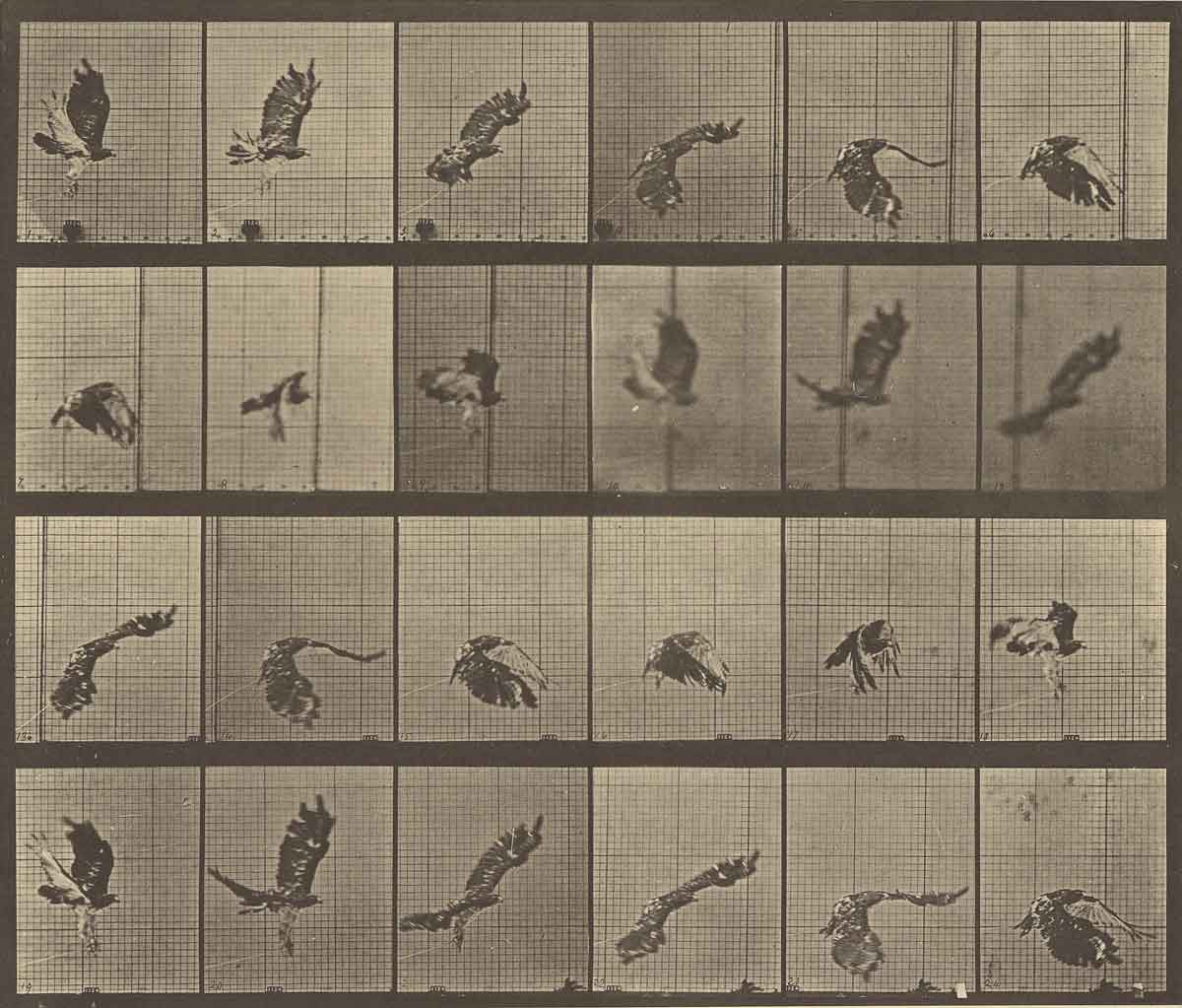
The first regime Deleuze (2022) calls the movement-image, in which the flow of images imitates the human experience by making the human the central recurring image. In reference to this central image, all the other images of the film are understood. This imitates Bergson’s sensory-motor schema, emphasizing the relation between the human and the world in terms of ‘intensities’ that emerge from the perception of the world acting as ‘affects’ upon our bodies, causing both bodily action and thought to occur. The images of this regime imitate such a relation.
This establishes a logic of relations from which we can derive various sub-types of images, ranging from “affect images,” in which we witness the emergence of relations within a world, to “action images,” in which we witness the behavior of these relations, and “mental images,” which represent thought about the world. Of course, these images can be combined and broken down, entailing yet more sub-types of images to depict the complexity of human sensory experience.
Through this movement-image, Deleuze can provide an account of the structure of the image, which is comprised of three parts. The first is the frame, which establishes the image as a closed set of elements that implicitly relate to everything beyond the frame, outside the image. The second is the shot, which determines what movement occurs within the image and acts as a relation between the moving elements within the image and the perpetual movement of the world beyond. The third and final component is a montage, which allows cinema to connect these images and bring them into communication with one another.
The Time-Image
The second regime is that of the time-image (Deleuze, 2021), in which we experience the world in a more fragmentary manner, without a privileged image establishing relations to all others, and where the gaps between images come to be more important. The coordinates of the sensory-motor schema become ruptured, meaning that time isn’t represented indirectly through movement.
Rather, these images engage with time directly, depicting how things emerge as actual entities within the world. Where there had once been a logical connection between images, we find an ‘interstic,’ a gap where obvious connections once were, which isolates the image and makes it appear as if they’re momentarily emerging from a ‘void.’
This is because time-images have more intimate connections between what is actually in the image and what Deleuze calls the “virtual.” In short, the virtual is that which is “real without being actual,” a domain of reality that is real insofar as it provides the structure for the emergence of a given object. Time-images demonstrate correlations between the actual image and the virtual coordinates, allowing for its emergence and how images emerge concerning a past, present, and future.
Less of a flow of distinct images, Deleuze’s methodology outlines the various ‘signs’ of time-images. This regime rather has two distinct poles in which images can move, and this is between either the ‘opsign,’ a purely visual image without sound, and a ‘sonsign,’ a purely auditory image without visual content. Various signs demonstrate the emergence of new images within this regime between these two points.
Thought and Image
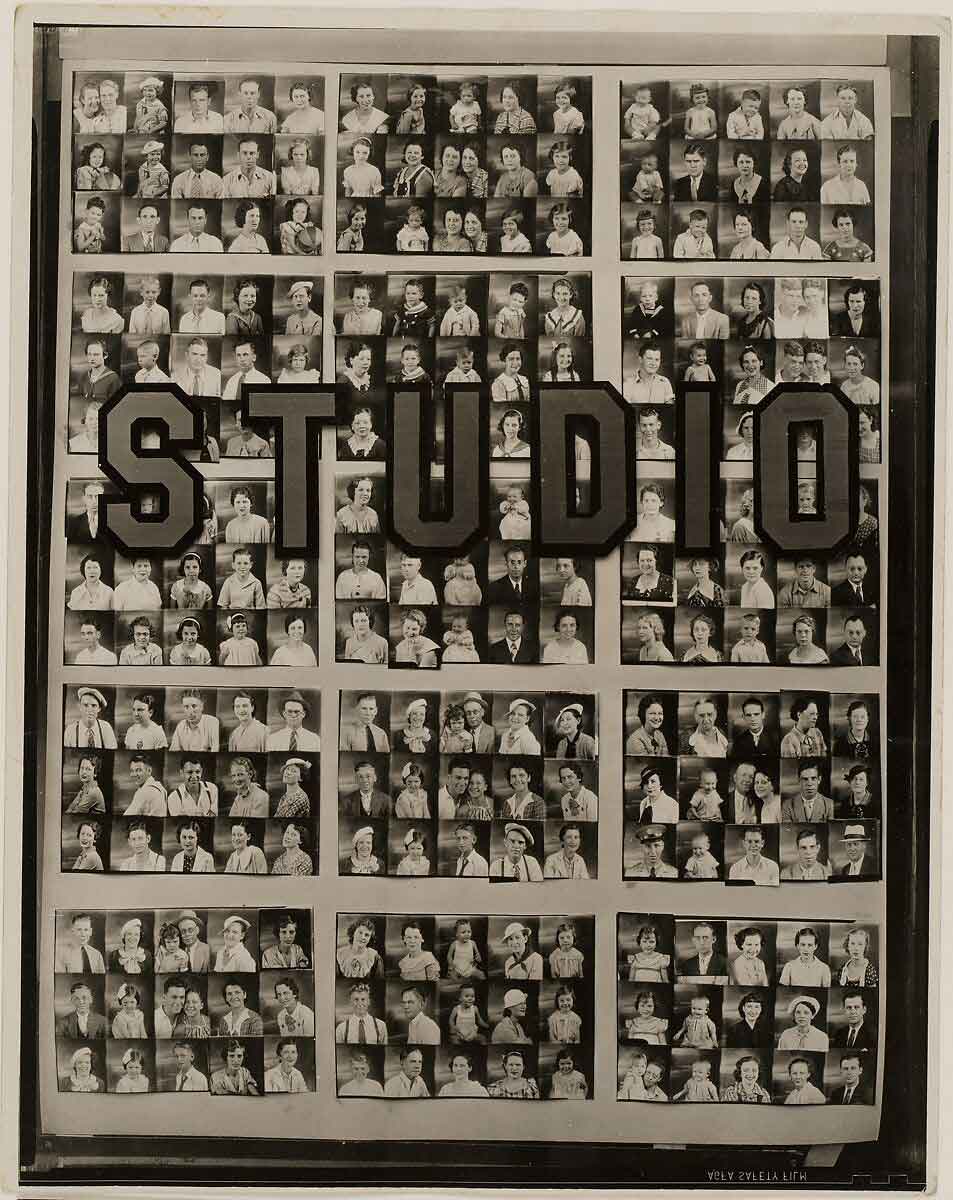
Thought is always present in cinema, but the relationship between image and idea grows more complex over time. Cinema can depict thought within the film and bring about a theoretical engagement between spectator and image. Depicting thought, films can present us with mental images presenting dreams or hallucinations distinct from the film’s fundamental “reality.” In the movement-image regime, this is grounded in the experience of a person and their reality, but the fragmentary nature of the time-image regime makes things more complex and depends more upon the viewer engaging with these obscure images to determine what may be real and what is mental. As such, the spectator takes up lines of thinking presented to them by such combinations of images and finishes their train of thought for them.
However, beyond this depiction of thinking within a narrative, the image relates to thought as a more purely visual expression of analogous philosophical concepts. Films are capable of acting as the shock necessary for creative thought to occur, and as such, they allow thinking to take place emerging from an encounter between spectator and image. This thought depends upon the relation between what is present in the image and that which is outside of it.
In the movement-image regime, the thought occurs as a movement between the image and the idea it represents. This is brought about through montage, which Deleuze describes as imitating the process of thought. For the time-image, thought occurs concerning these interstices between images, these gaps that confront us with an inability to think of the world with such confidence. Particular images within the time-image regime depict how thought confronts problems without a clear answer. As such, we are confronted with the “powerlessness” of thought, which always acts as the beginning of new ways of thinking.
What Sort of Thinking is Happening Here?
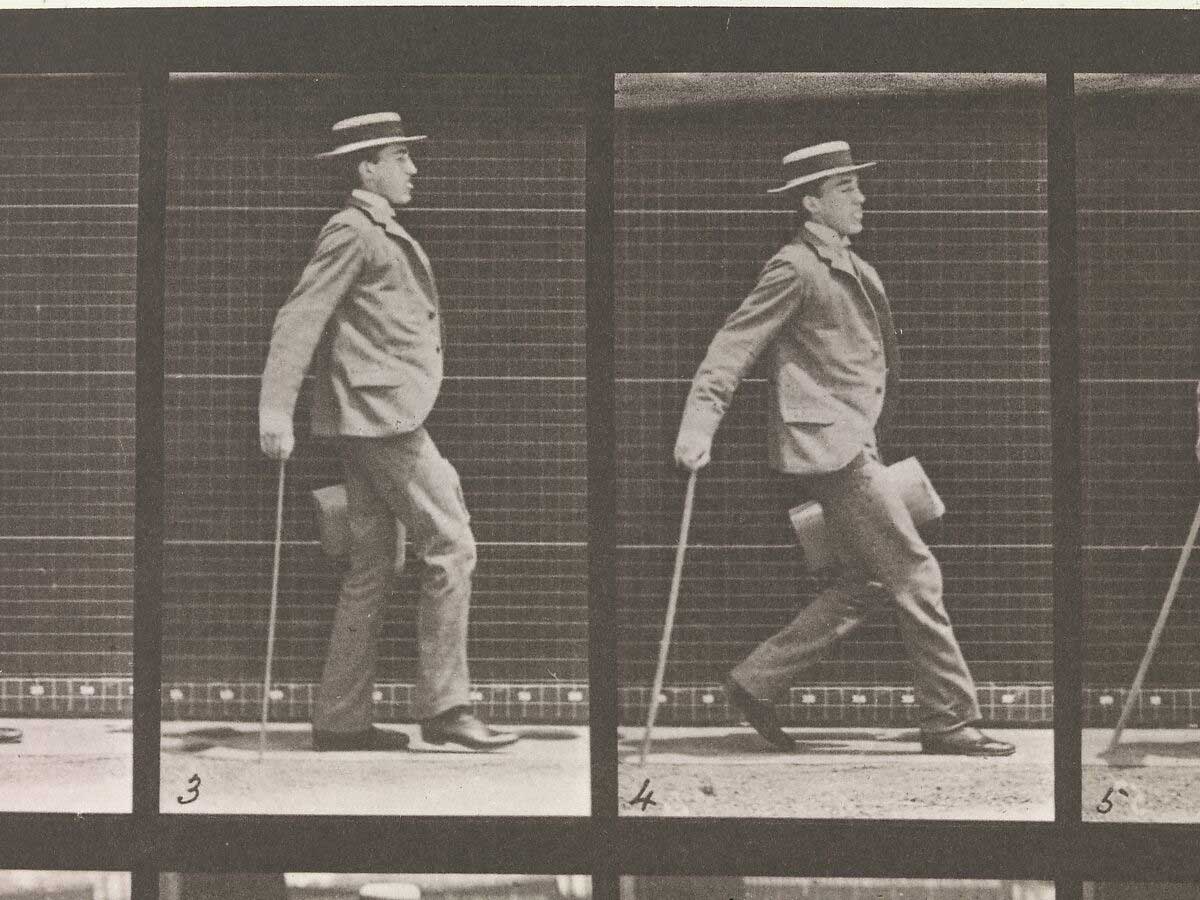
Through this imitative capacity, the image can imitate thought and offer productive opportunities for spectators to think through philosophical problems. Going beyond the confines of human perception can offer up particular approaches to ideas that may not occur to us naturally by bringing about unique shocks to experience.
Contemporary philosopher Francoise Laruelle (2012) has argued that Deleuze is actually outlining a sort of “parallelism” between cinema and philosophy here. The image may provide opportunities for thinking but is still subordinated to philosophical thought. The image depends upon philosophy to finish its thinking for it.
Another contemporary theorist, David Deamer (2016), emphasizes a specific cinematic thought that emerges from the relations of images when brought into contact with philosophical engagement. Cinematic images become an opportunity for cinema to “awaken” thought and thought to “conjoin” with cinema.
Deleuze himself will later say that conceptual thought is the domain of philosophy, while art concerns itself more with the sensorial and will ultimately need theoretical elaboration through philosophy. However, this implies that approaches to concepts are already implicit within the artistic domain. However, this has not stopped later theorists from drawing upon Deleuze’s work to explore the nature of thought in an environment permeated by media and images.
Images Beyond Cinema

Deleuze ended his cinema works on an anxious note concerning the images of mass media, particularly the fact that they permeate the world and, as such, it can appear as if there’s no world outside them. Particularly, he sees these digital images as replacing nature with information. This is important because these images seem to lack the relation to what is outside of them necessary for thought.
Creative thought necessarily entails thinking through and engaging with concepts beyond the easily recognizable. As such, Deleuze is worried that the perpetual presence of such images prevents critical thinking towards them, while the images themselves only think in terms of cliches. A world saturated with such images cannot offer the shock necessary for creative thought.
Contemporary thinkers like Deane-Freeman (2024) have applied Deleuze’s approaches to digital images and outlined possible conceptualizations of an ‘outside’ to digital images, facilitating creative thought. To do so, he brings Deleuzean cinematic thinking into conversation with contemporary technology and information theories to reflect critically on our condition amongst perpetual flows of images. This, and other projects like it, demonstrates both the increasingly intimate relation between thought and images in a modern world where mass media shapes the nature of such images and the continued usefulness of Deleuze’s cinematic works for confronting such a situation.
Bibliography
Deamer, David (2016) Deleuze’s Cinema Books: Three Introductions to the Taxonomy of Images (Edinburgh University Press)
Deane-Freeman, Timothy (2024) Deleuze, Digital Media, and Thought (Edinburgh University Press)
Deleuze, Gilles (2021) Cinema 2: The Time-Image (Bloomsbury Academic)
- (2022) Cinema 1: The Movement-Image (Bloomsbury Academic)
Laruelle, Francoise (2012) Photo-Fiction, A Non-Standard Aesthetics (Univocal)