
Much of Albert Camus’s literary output was written as a way for him to work through complex ideas. These were never dry or abstract exercises in philosophical thought, but real-world problems faced by himself and others around him. In his first novel, A Happy Death, Camus tackles the competing drives for self-sufficiency and approval. Written at the time of extreme emotional turmoil and anxiety following the breakdown of his first marriage, the text is both dark and raw.
The Drug-Fueled Romance That Nearly Destroyed Camus
Camus first met Simone Hié at the University of Algiers in 1933. Known as “S,” she was popular and moved within the same social circles as Camus. The attraction was mutual (with the minor complication that Simone was already in a relationship with one of Camus’s friends). They were married a year later, on June 16. He was twenty, and she was nineteen.
Although the couple was married and living together, they were financially dependent on help from relatives. Camus’s uncle gave him pocket money and the use of his car, while Simone’s mother, Dr. Marthe Sogler, paid the 450 francs for their rent every month. Simone was unemployed, hoping to study dance at some point in the future. Camus earned money from giving private tuition to high school students.
The relationship between the two of them was tempestuous. Simone was a drug addict, addicted to morphine. Already a free spirit, her behavior while under the influence of her addiction often embarrassed Camus. Sometimes, when things got bad, Simone would go and stay with her mother. When things were worse, she would be admitted to the hospital.
They also shared romantic times. Camus would often leave little love notes for his wife to find, in which he poetically expressed his love and hopes for the future.
But their relationship was doomed. The breakdown of the marriage occurred during a period in Camus’s life when his writing talent and voice were just emerging. As we shall see, the effect Camus’s failed relationship with Simone had on his work is clear.
The Heartbreaking Discovery That Ended Their Marriage
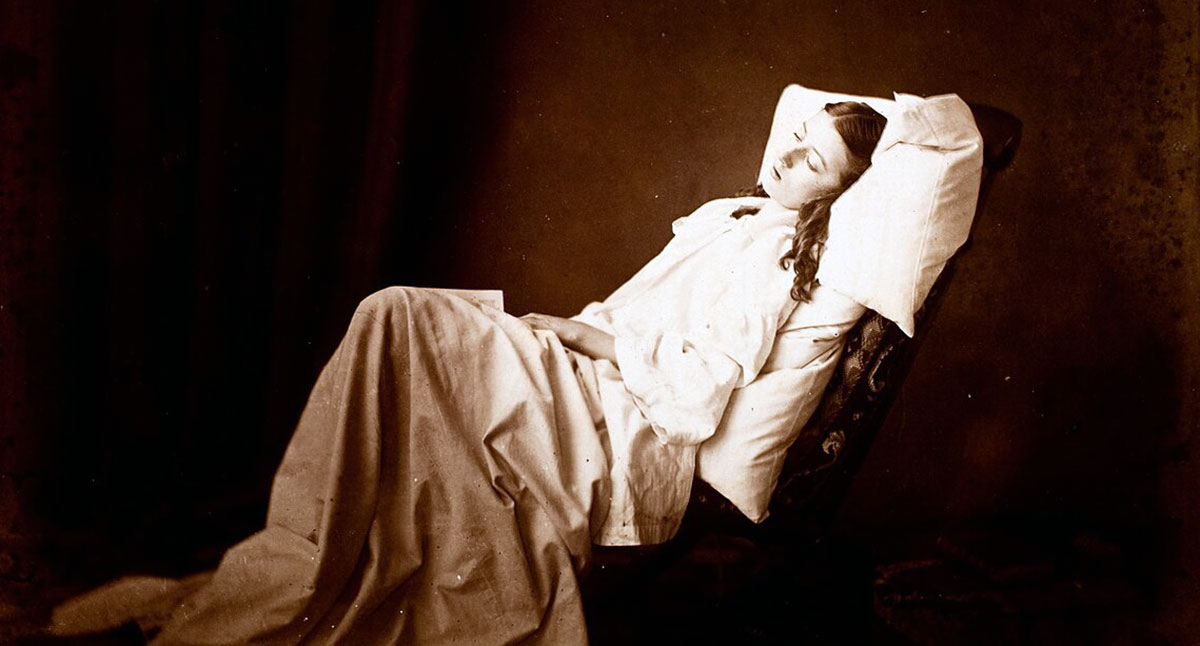
In 1936, Camus and Simone decided to embark upon a long canoeing trip through Europe with a mutual friend, Yves Bourgeois. Camus thought the trip would do them good and keep Simone away from the drug dealers back in Algiers.
Unfortunately for Camus, the physical exertion of paddling the canoe proved too much for him. Diagnosed with tuberculosis when he was seventeen, his lungs were already too damaged for him to complete the trip on the water. While Simone and Yves paddled their canoes, Camus had to take buses to meet them at rendezvous points along the route. Already a proud man, he took this as a huge blow to his self-esteem.
But things on that trip were going to get a lot worse for Camus. While the thought of himself being an invalid was deeply upsetting for him, he also felt responsible for his wife’s failure to kick her drug addiction. Many of Camus’s friends at the time believed he thought of himself in some way as his wife’s savior. However, not only did Camus fail to keep Simone away from the drug dealers, but, as he was about to find out, she was sleeping with them too.
During the trip, the three of them had arranged for their mail to be delivered to post offices along the route. One day, Camus accidentally opened an envelope addressed to Simone. It was from her doctor. Reading the letter inside, he discovered not only that his wife was being supplied with drugs by this doctor but that she was sleeping with him too.
The couple split up. After they returned to Algiers in September, Camus went to live with his brother, and Simone went to stay with her mother.
Death in the Soul
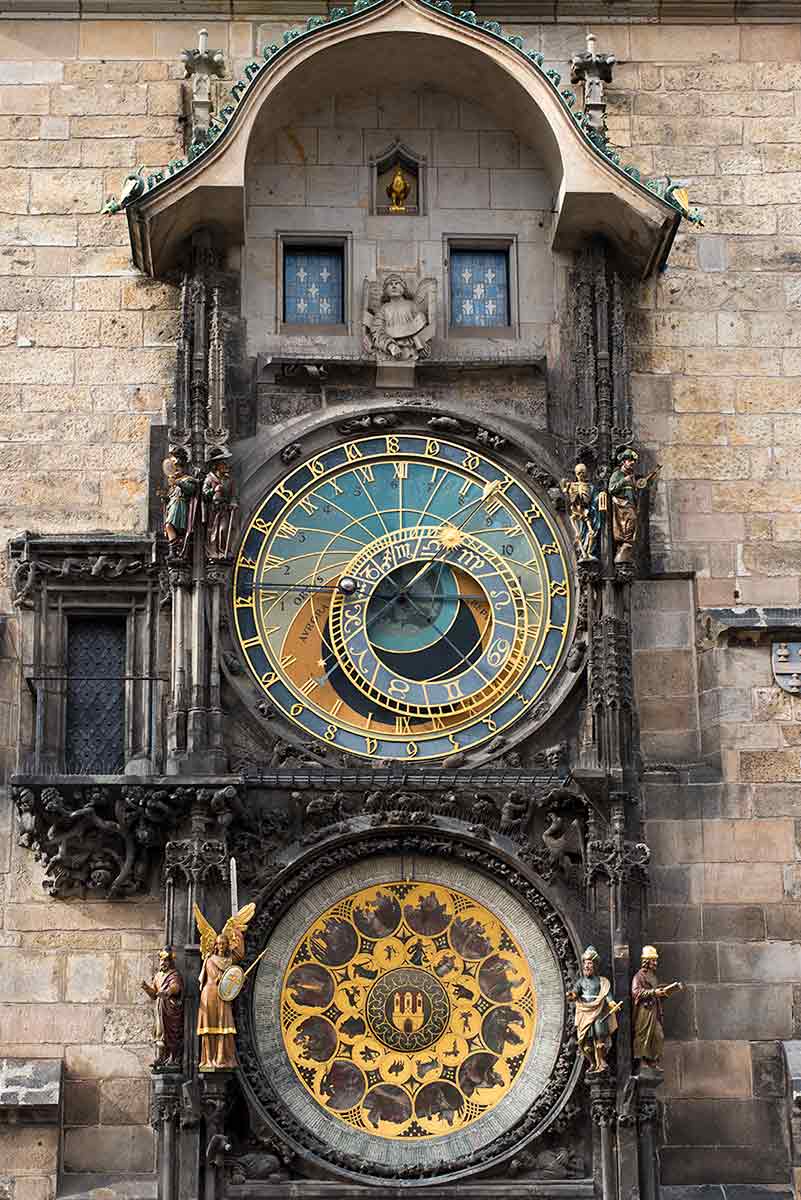
We saw that Camus had to travel separately from his wife and his friend. This meant enduring long periods alone in strange places while he waited for them to catch up. On one occasion, he ended up in Prague with six days to kill before the arrival of Simone and Yves. Camus later used this experience as material for his essay “Death in the Soul” and his first novel, A Happy Death.
Published in his first collection of essays, The Wrong Side and the Right Side (1937), ‘Death in the Soul’ compares and contrasts Camus’s experiences alone in Prague with time spent in Vicenza, Italy, with his friends.
The essay begins with Camus’s arrival in the city by train at six in the evening. He checks his luggage and takes himself off to find a hotel. He has only a small amount of money, so any hotel he finds must be cheap. Alone in a crowded city full of indifferent people whose language he does not understand, Camus soon feels overwhelmed. To make matters worse, when he finds a hotel, he discovers the room he has been given is much more expensive than he expected.
Not wanting to remain alone in his hotel room, Camus goes out to find a cheap restaurant. He manages to find one but cannot understand the menu or the server. Helped, a little, by a prostitute who sits at his table and translates the menu in return for a drink, he manages to order food. What comes back is some kind of cumin-covered stew. The meal is disgusting, but Camus eats it.
In the days that follow, Camus returns to the same restaurant and orders the same dish, even though it makes him physically sick. At least it is something familiar.
A Happy Death
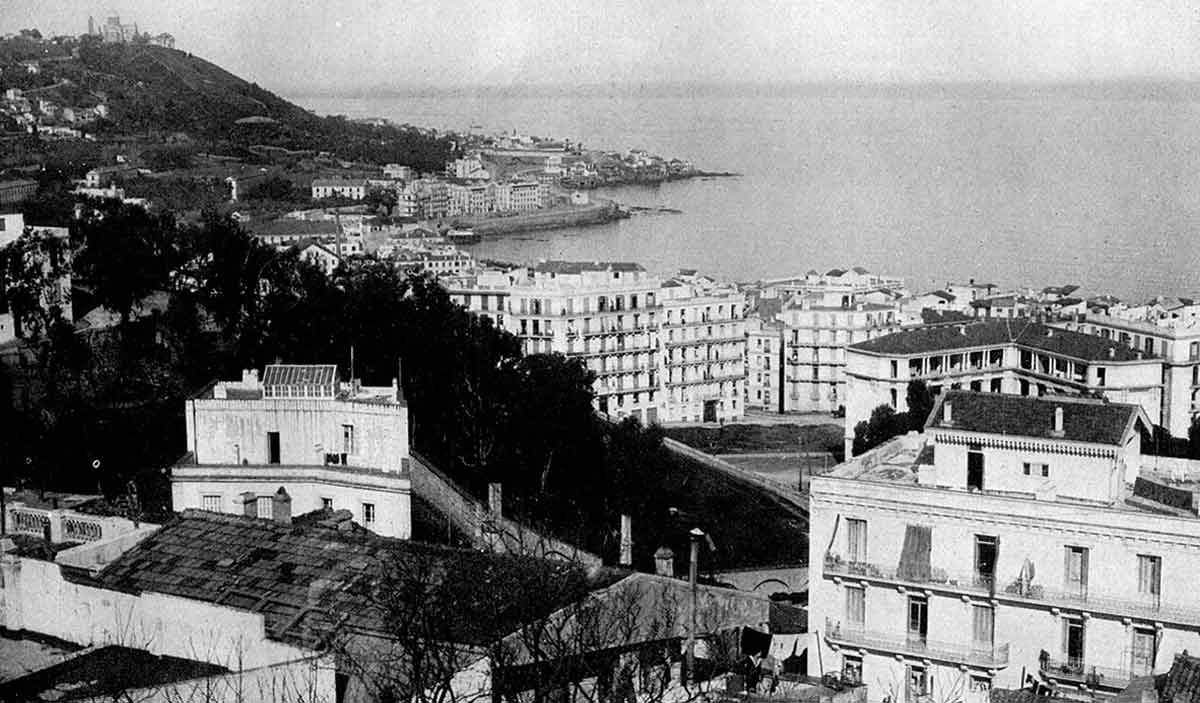
Camus worked on A Happy Death between 1936 and 1938 but abandoned the novel. Many of the ideas were repurposed for The Stranger (1942). The protagonist of A Happy Death is a young man living an unsatisfactory life in Algiers, a life very similar to the author’s own. He is called Patrice Mersault, and Camus tells his story in the third person.
Camus eventually chose not to release A Happy Death. The novel exists today because it was published posthumously in 1971. It would also be a mistake to conflate the character of Patrice (or Meursault) with Camus himself. They all share similar backgrounds, but are not the same person. As we shall see, Patrice is a pretty dark character.
After Patrice commits a murder that makes him rich, he travels to Europe and finds himself in Prague. Like Camus, he ends up at a cheap hotel (but, unlike Camus, he negotiates the price of the room) and must endure his time in the city alone.
Let us compare how Camus uses his experiences in Prague in both texts.
Camus and Patrice Alone in Prague
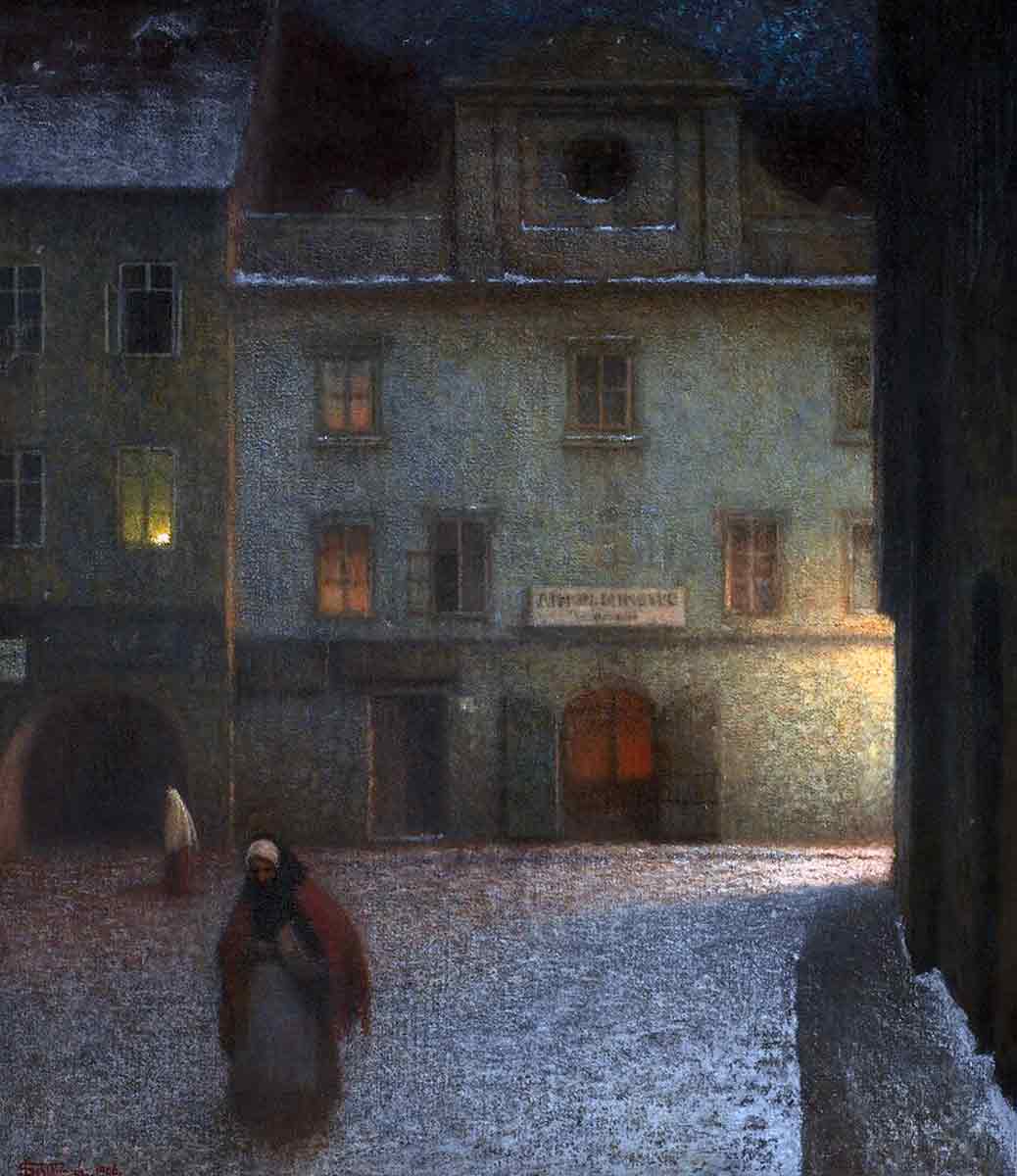
Both Camus in ‘Death in the Soul’ and Patrice in A Happy Death spend their first nights in Prague in similar cheap hotels. Patrice is also a rich man, whereas Camus had very little money. Patrice goes to an almost identical restaurant to Camus, but instead of ordering a stew too heavily seasoned with cumin, he has an overly sweet compote. After his first meal, Camus feels physically sick. Patrice is actually sick. They both go back to their hotels and fall instantly asleep. They keep frequenting their restaurants while in Prague because, although the food is bad, the places are familiar.
In the essay, Camus encounters death when the body of a deceased man is found in one of the rooms near his. In the novel, Patrice is on his way to his restaurant when he encounters the dead body of a man lying in the street. This man has a deep wound in his head and is lying in a pool of blood. Another man is dancing manically around the body.
Patrice and Camus both attempt to distract themselves from isolation and anxiety by visiting various art galleries, historical buildings, and museums. This works to an extent, but they always end up back alone with only themselves for company. A question they both ask themselves is how to live happily in isolation without needing others.
Camus does not get to answer this question because, after six days, he is reunited with his wife and friend. Patrice, on the other hand, leaves Prague but continues alone.
All That Is Left: Self-Sufficient Solitude
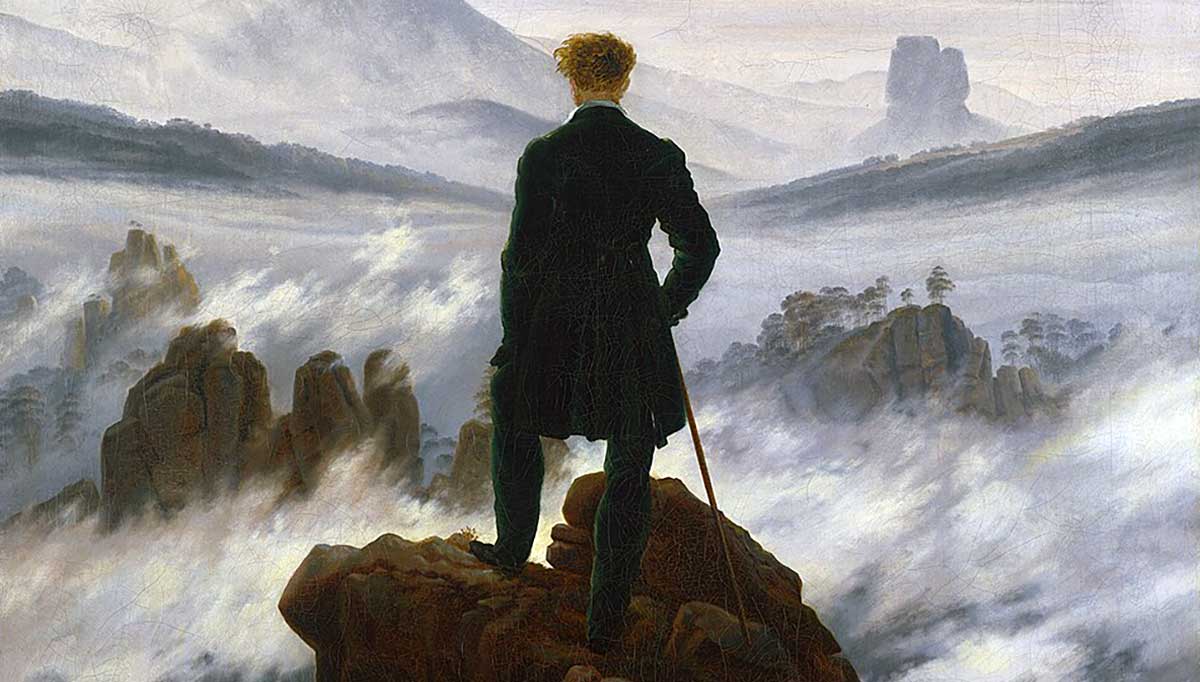
What do we mean by self-sufficient solitude? It is not a phrase Camus used himself, but it captures the idea of being alone yet able to provide for all one’s needs.
For solitude, some distance from people is required, though it may or may not induce a feeling of loneliness. Both Camus and Patrice were separated from others during their stays in Prague. They were not completely isolated. There were, for example, patrons in the restaurants they frequented, and the city was crowded. However, the mere presence of others did not break the solitude of either of them. The primary reason for this was the language barrier. What of other forms of human connection?
In “Death in the Soul” and A Happy Death, Camus explores the idea of human sexuality as a connection with others. Camus and Patrice think that sexual relations with someone would bring a brief respite from solitude. However, the only opportunity for this was with prostitutes, and neither wanted this.
Here, using prostitutes is not considered undesirable for moral reasons, as vice, or in terms of exploitation. It is rejected due to its reliance on others and its mere distraction. If either Camus or his character Patrice hires a prostitute, it is a “failing” of self-sufficiency because they need someone else to entertain them. In addition, the sex would only be a temporary distraction and not something worthwhile in itself.
The same kind of thing happens when they visit art galleries. Looking at the art and artifacts is a distraction that relies on others (artists and gallery owners). To be self-sufficient in solitude, one cannot be reliant on anyone else.
We can see from this brief overview of Camus’s view of self-sufficiency that other people can pose a problem for someone seeking self-sufficient solitude.