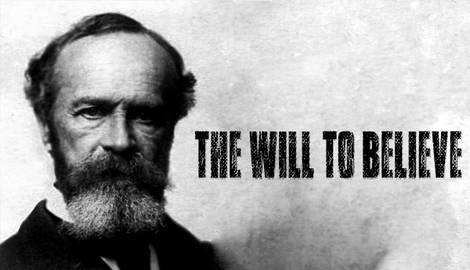

William James is one of the most renowned intellectuals of the 20th century, who left an enduring legacy, especially in psychology and philosophy. James was a pragmatist who popularized that particular way of doing philosophy. But as is common in the history of philosophy, his work is not without its critics, especially in the domain of epistemology. His essay “The Will to Believe” is one of his best-known and most-read works, in which he expounds upon the view that one can reasonably believe something before having evidence for doing so.
Biography of William James
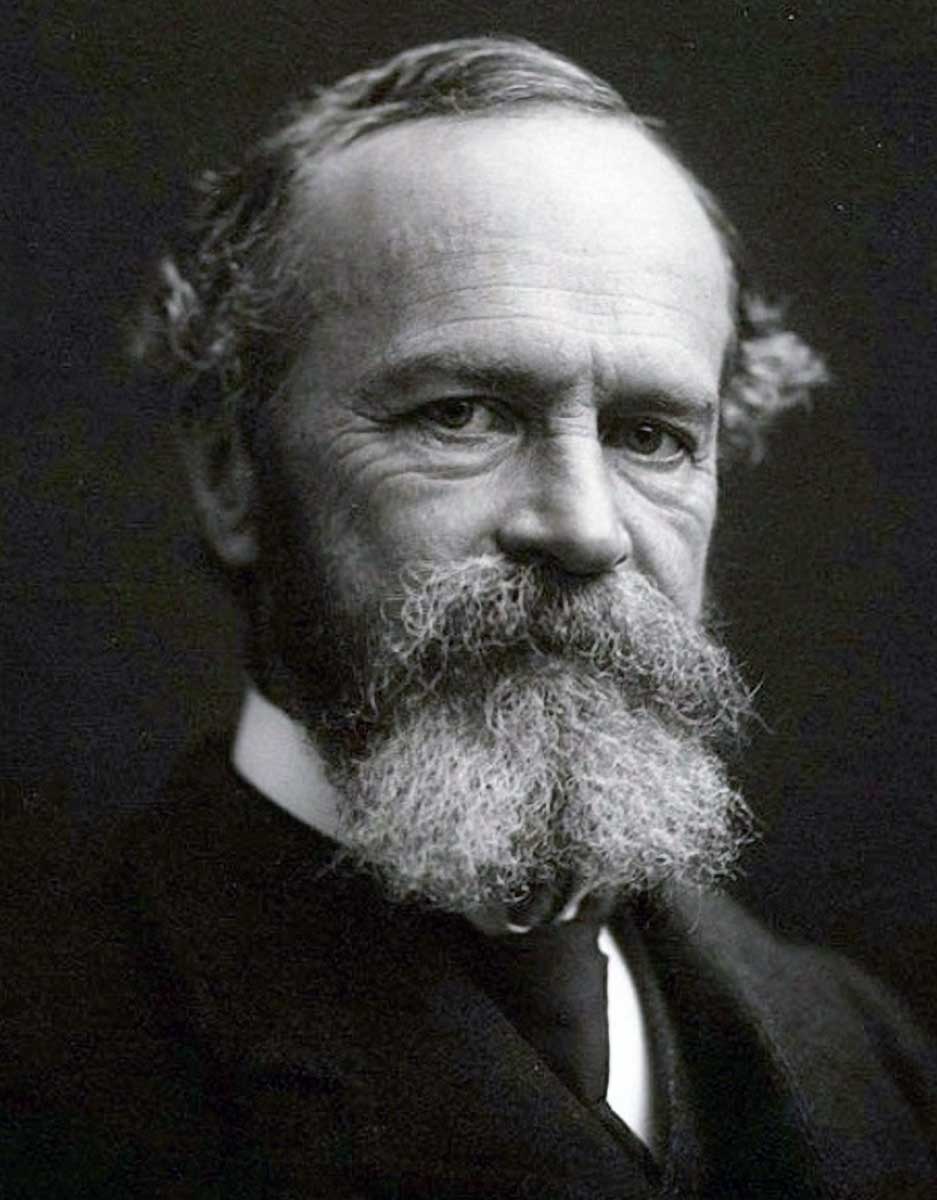
William James lived from 1842 until 1910. Growing up, his family was relatively financially secure, providing him with opportunities to explore his interests, despite moving around frequently. William James was born into quite an illustrious family. His brother, the author Henry James Jr., is considered one of the greatest novelists of the English language. He was one of five siblings.
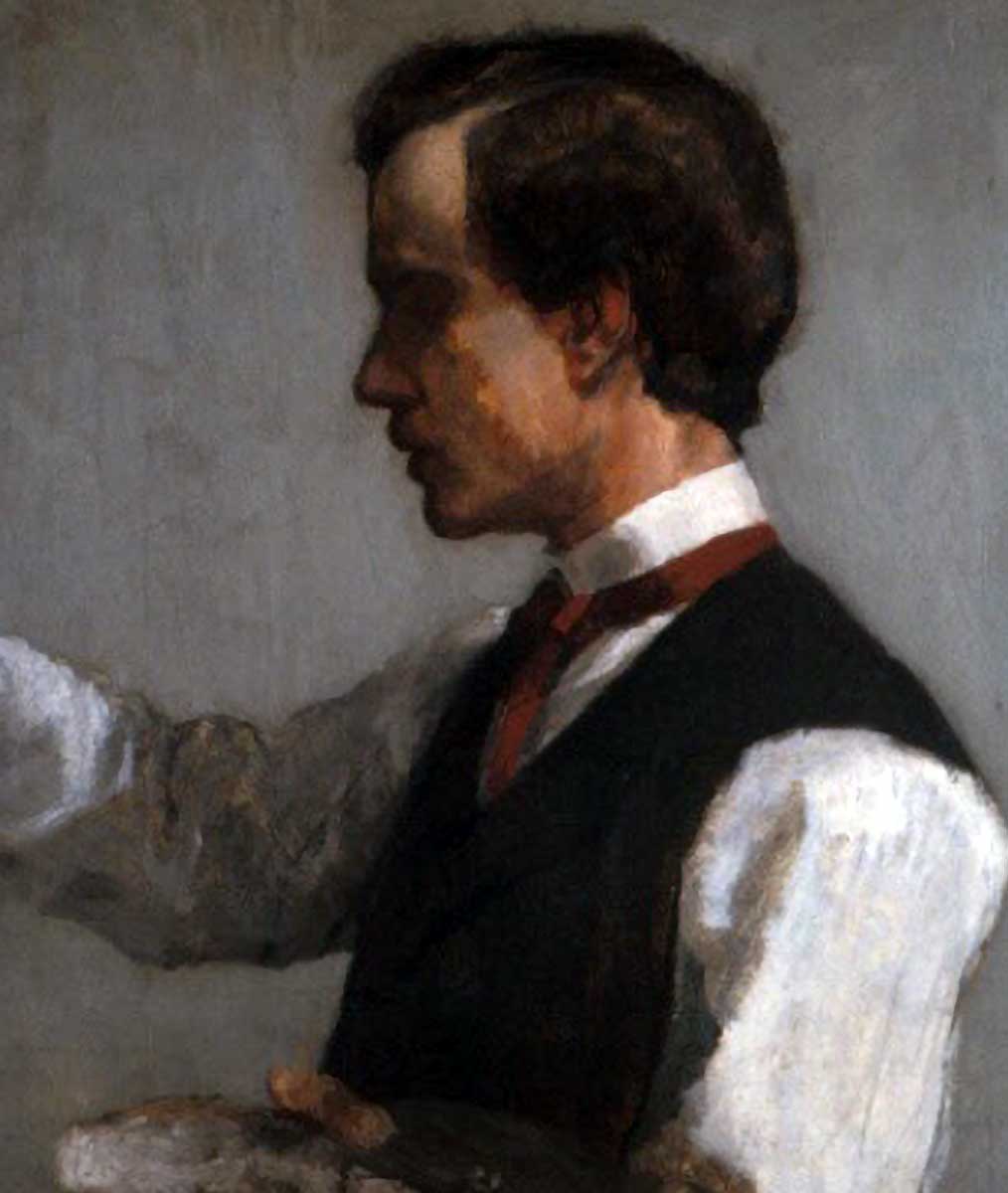
James himself was quite interdisciplinary in his pursuits. One of his first passions was painting, but he later studied chemistry and anatomy, as well as physiology and medicine. Upon being recruited to work at Harvard in 1872, he moved into psychology and became a principal impetus behind establishing the Psychology department there. The department was joined with philosophy at the time, and James thought of the two as inseparable. By the end of his career, he focused almost entirely on philosophy. This is partially explained by the fact that he was plagued by several mental, emotional, and physical ailments that inspired subsequent philosophical conclusions. He had periods of intense depression, for example, which he fought his way out of through his proclamation of radical freedom: within each of us is the will to cure what may ail us. This directly impacted his views on the will to believe.
The Will to Believe
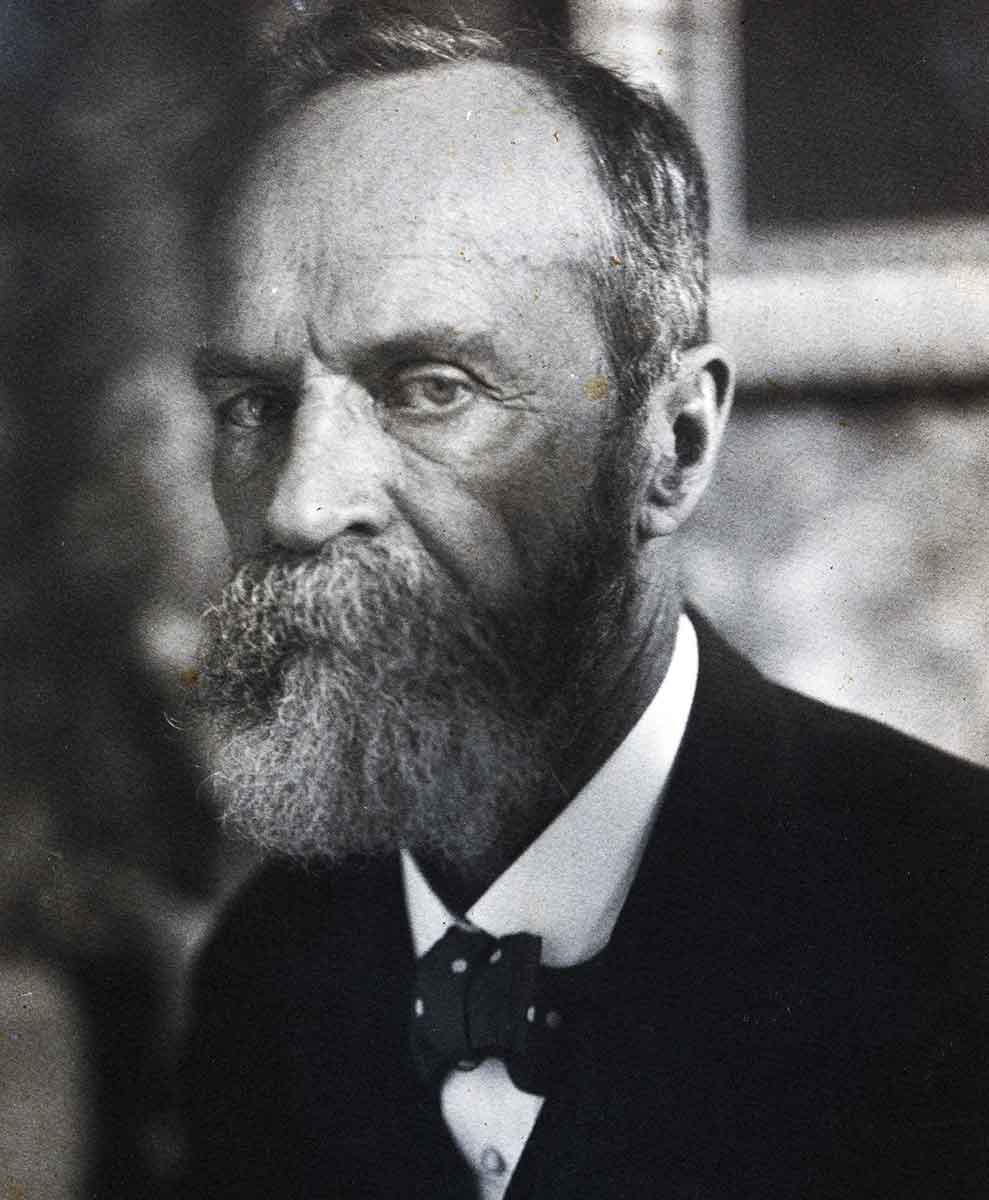
Is it reasonable to believe a hypothesis before one has evidence for it? This is a question that has divided some philosophers for centuries. Perhaps today most reside on the stern answer of “no” given the dominant lean toward analytic philosophy. But William James argued “yes,” citing as the most relevant example the belief in God. Briefly summarized, his reasoning for this is based on the impact that believing (or not believing) has on one’s life. If the belief yields a positive impact, then it is reasonable and thus good for one to believe it, especially when talking about things which cannot be demonstrated by logical and empirical argument. In other words, by definition “faith” is not demonstrable by argument, rather it is something we must assume to be possible. As James so eloquently described it: “Faith is synonymous with working hypothesis.”
Thus, it is reasonable to believe a hypothesis before having evidence to do so, and the belief in God is one such example of this. Where there are positive, constructive, and desirable outcomes, then believing—even without evidence—is good for us. The impact of this view was widespread, even influencing the development of the self-help movement, including such programs as Alcoholics Anonymous. In James’ other work, The Varieties of Religious Experience, he argued that help exists, and we can get it.
Critiques of James’ Philosophy
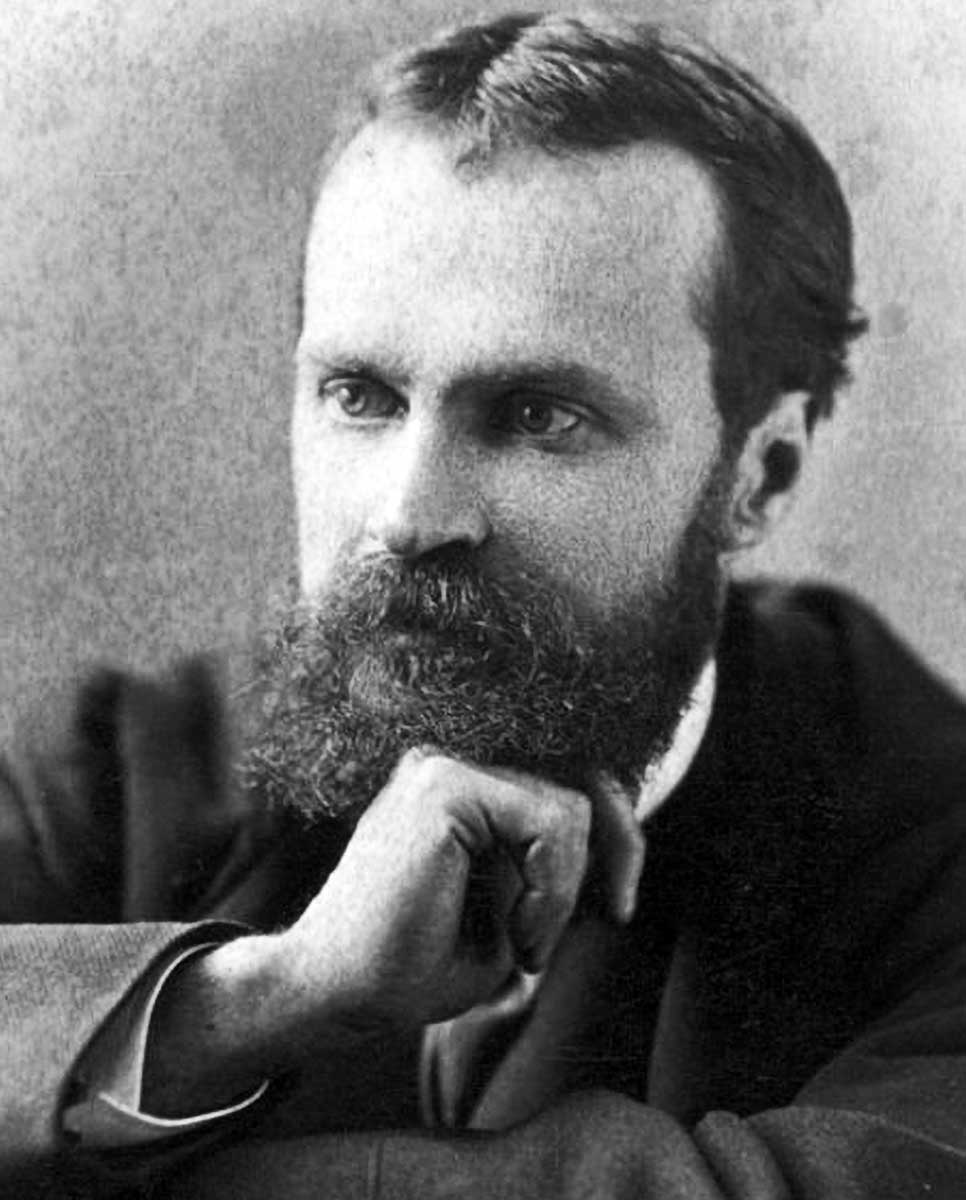
It is a common misconception to read James’ work as strict anti-evidentialism. This view is best summarized by William Clifford who said “It is wrong always, everywhere, and for everyone, to believe anything upon insufficient evidence.” But James is not arguing for no use of evidence, rather he is lowering the standards regarding how much and what type of evidence is required for reasonable belief. His standards are less rigorous and more prudential, as he focuses on the practical and beneficial bearing that beliefs may have on one’s life.
In fact, James explicitly addresses the position of Clifford in his landmark essay “The Will to Believe”: “I myself find it impossible to go with Clifford. We must remember that these feelings of our duty about either truth or error are in any case only expressions of our passional life. […] In a world where we are so certain to incur them in spite of all our caution, a certain lightness of heart seems healthier than this excessive nervousness on their behalf.”
Still, many today consider this view to be dangerous and irresponsible, assuming too much of an anything-goes mentality. But this is indeed a misconception. Again, the idea here is to emphasize how what we believe must have practical consequences to make a difference and thus have value, and that those repercussions should be positive and beneficial.
James is a “radical empiricist”—i.e. all beliefs must be verified—but he has expanded that verification and considers how a belief “plays out in one’s life.” It is also important, argued James, that we consider how beliefs impact us emotionally and psychologically, not just via measurable consequences. After all, there is much in life that simply cannot be reasoned out via logical structure. Sometimes we can only work with probabilities. Perhaps one can balance finances to reach certain goals in how to live one’s life, but there is much that is simply unmeasurable when it comes to choosing a career. Being religious, or not being religious, is one such individual and immeasurable belief.
James’ Philosophy on Religion
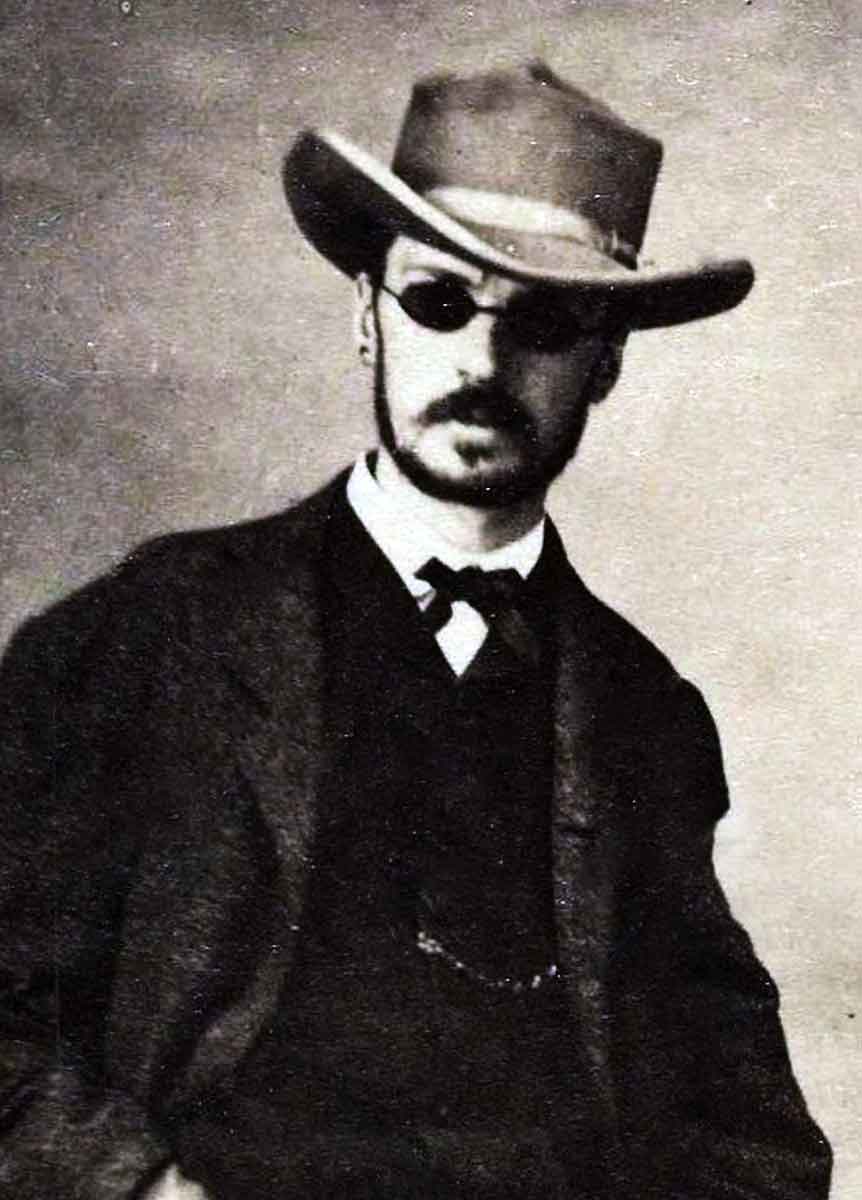
James is, after all, a “radical empiricist”—he believes that all hypotheses must be verified, not just based on wishful thinking. Again, it is the form of verification where James takes a different direction in his pragmatist position. Verification is rooted in how a belief impacts one’s life. In lowering the standards for empirical verification, he includes so-called “passional evidence,” especially on the topic of religious belief—not on the question of God’s existence, but rather on the role of God’s presumed existence in one’s life.
So, the possibility for a complete conversion and absorption into religious belief exemplifies how pragmatism is not meant to be an “anything-goes” philosophy where nothing seems founded. James’ views on religion demonstrate that we can have very solid and influential foundations in our lives.
James’ approach to religion is individualist. He considers religion to be a matter of personal concern. What matters when approaching the philosophy of religion is the impact it has on an individual’s life. It is not about studying institutions or specific creeds. Certainly, we can each individually determine what effect being religious or not has on our personal lives. And that is indeed what we should focus on. Thus, even in the absence of evidence, we have a “passional nature” that illuminates how our needs can be met. Moreover, beliefs that are particularly in need of justification are when such beliefs encroach upon those of others in negative ways.
William James and the History of Philosophy
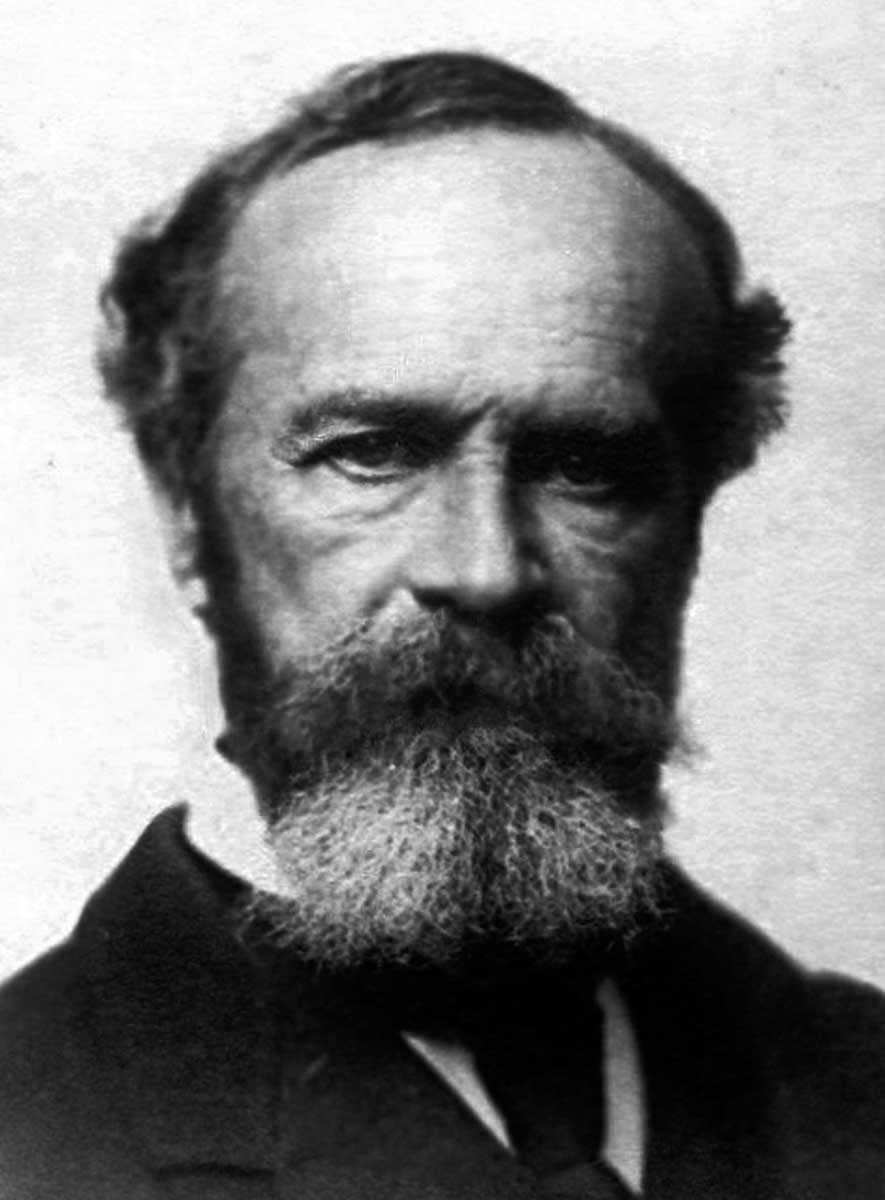
With the dominance today of analytic philosophy in the English-speaking world, James is not as widely read as he once was. But true to the emphasis on analysis in doing philosophy, we must consider other such opposing perspectives. Even when one does not see eye to eye with a particular view, as critical thinkers we must always address other ideas that have relevance. At times in the history of philosophy, it is the contrast that spurs continued development, and certainly, James’ voice is an important one in philosophical circles. While there were even stark differences between those thinkers labeled as “pragmatists,” what they generally shared was an emphasis on contemplating a kind of method that helps us to navigate our place in the world. To better understand our place in the world, also key among the pragmatists was to consider the meaning of experience.
James differed from other thinkers labeled pragmatists in how his views on experience were more individualized; meaning in the world comes from the practical implications and effects of our own experiences. James was more concerned than some other thinkers with the potentially harmful effects of too much reliance on science to provide answers to what are fundamentally human questions. But many philosophers have critiqued this view and believe it was too focused on individual verification and not enough on tangible evidence and the confirmation of a community. James’ intentions with this view were to help us to live better, though this idea continues to clash with the strict evidentialist position. And yet, these clashes and arguments are all critical parts of the long dialogue that is the history of philosophy.