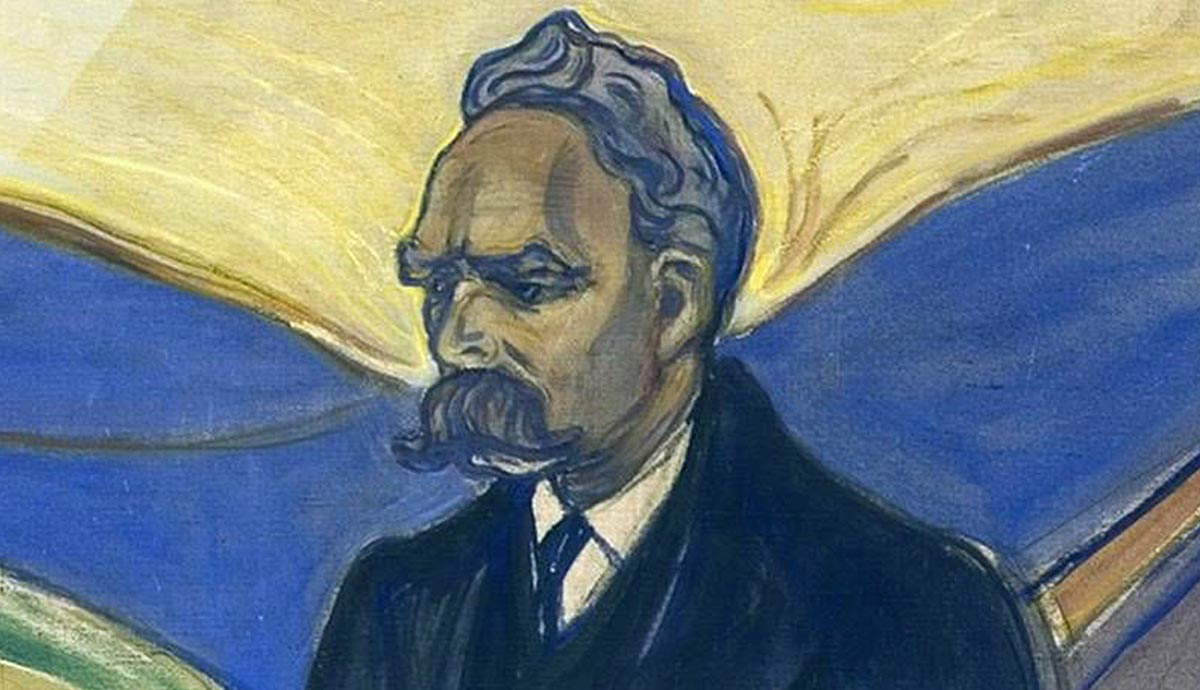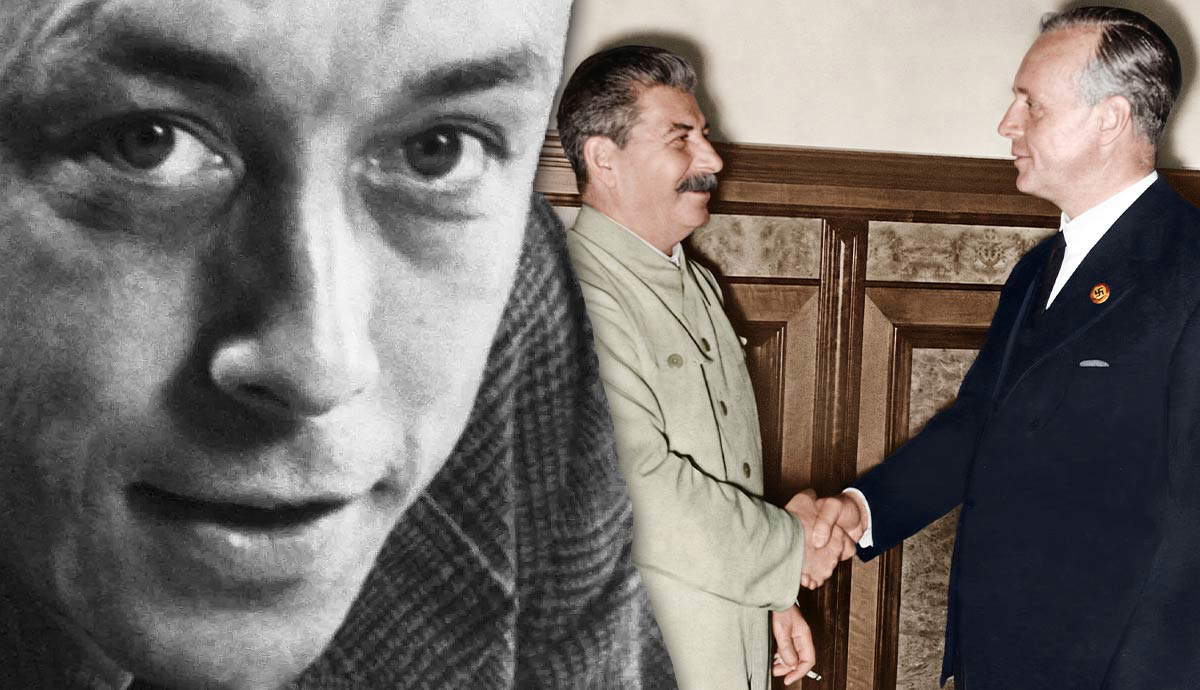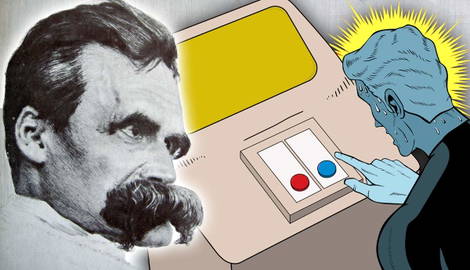

Friedrich Nietzsche is one of those philosophers who gets dragged into every political debate. The right-wingers say he was against socialism and democracy, and thus is one of them. The left-wingers say he detested nationalism and authoritarianism and thus could not be right-wing. The truth? Nietzsche would probably be laughing at both sides trying to claim him. He did not want to be associated with any political label. Instead, he was all about questioning the very systems that govern us—power, morality, society.
Rejection of Egalitarianism and Herd Morality
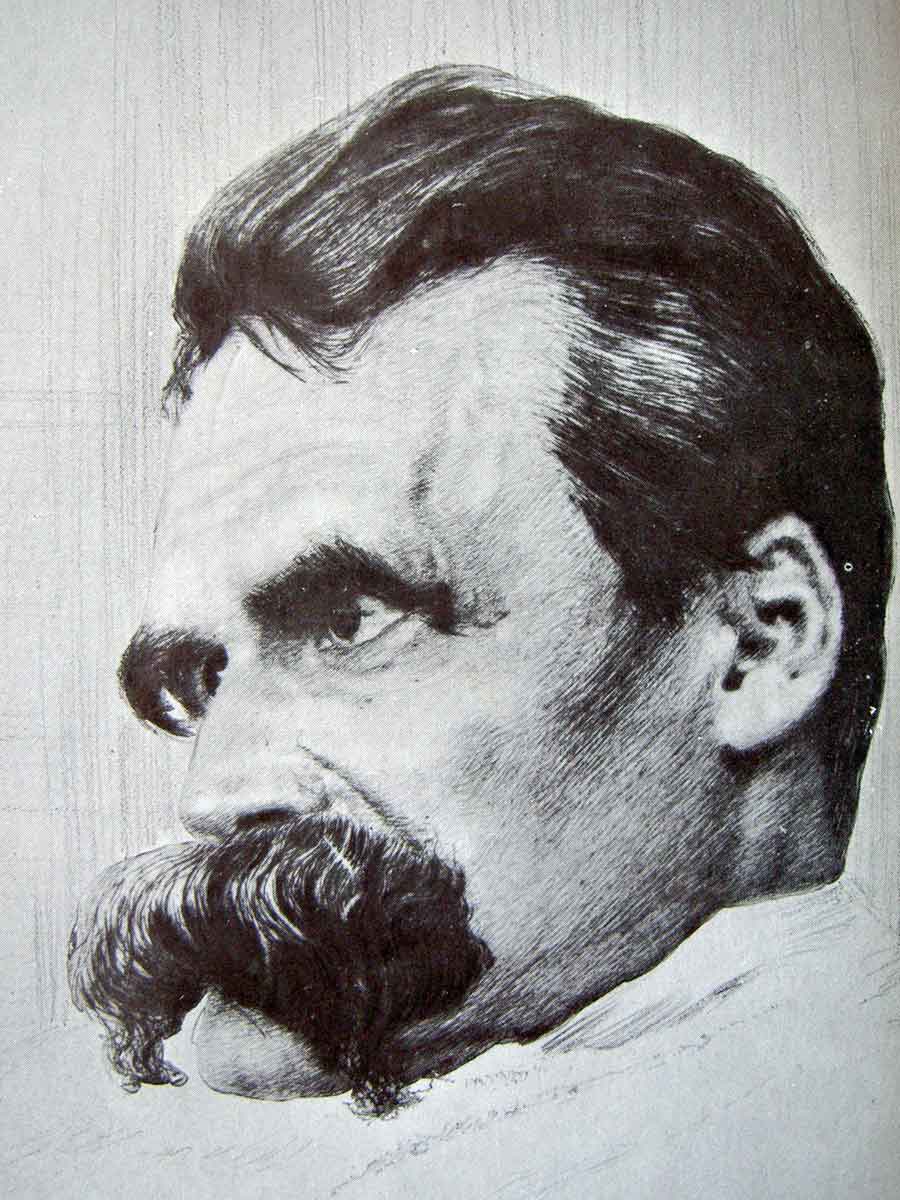
Picture being in a talent show, and every individual receives a trophy no matter what. This is something that Nietzsche would despise for sure. Life, to him, is about the study of human potential and not ensuring that every person is okay with themselves.
He also felt that socialism and democracy promoted a slave morality, where individuals become despisers of the strong, powerful, or excellent and fail to become great themselves.
Nietzsche felt that ideals of equality and justice in society were nothing more than narcotic drugs, which made man weaker and less brave, more submissive and fearful.
Can this, then, be used to state that he leaned toward right-wing politics and that he was an elitist? Not necessarily. Although there are conservatives who like to use Nietzsche’s philosophy to denounce socialism, he wasn’t a supporter of a ruling elite made up of wealthy politicians.
He preferred people who could push themselves to do better, rather than just accepting being average. This applied to everything, not just politics. He liked those rare types who could move outside normal social boundaries—or even break them completely.
People like this didn’t just keep hold of power because their family had it or they had been born into privilege.
If Nietzsche were alive today and looked at a world where lots of individuals were given awards for taking part (no matter how well they did), then he would say something like: “This is why we can’t have nice things.” And there is a good chance he would walk off shaking his head, muttering about Übermenschen under his breath.
Nietzsche and the Will to Power: Beyond Left and Right
Nietzsche had many big ideas, but one of the most misunderstood is the concept of the Will to Power. People sometimes think this means wanting to be in charge, like a politician or dictator.
But it really means something else: having lots of energy for growth, creativity, and overcoming difficulties. For example, an artist who always wants to improve their painting or a sportsman who goes further than before every time.
Some conservative thinkers have taken up this idea. They say it shows that there naturally have to be winners and losers; also, competition is good.
But when Nietzsche said survival of the fittest, he wasn’t thinking about politics—at least not directly! Nor did he want a state run by brute strength alone (where the weak are squashed by the strong). He thought of power as more personal than that.
Here’s an example: two individuals at the gym. One is at the gym every day, progressively lifting more weights and pushing themselves to their highest capability. The other individual uses the time between sets to lazily browse through TikTok.
The first individual, for Nietzsche, is acting out their Will to Power—they are striving for greatness (and are not being held back by moral rules invented by society’s “herd”).
Does this mean, then, that Nietzsche would have been an admirer of the far-right leaders of today, who also extolled the virtues of strength and ambition? Not necessarily. For one, he hoped everyone would transcend traditional concepts of good and evil, becoming “superhuman” rather than just exceptional types.
Critique of German Nationalism and Anti-Semitism
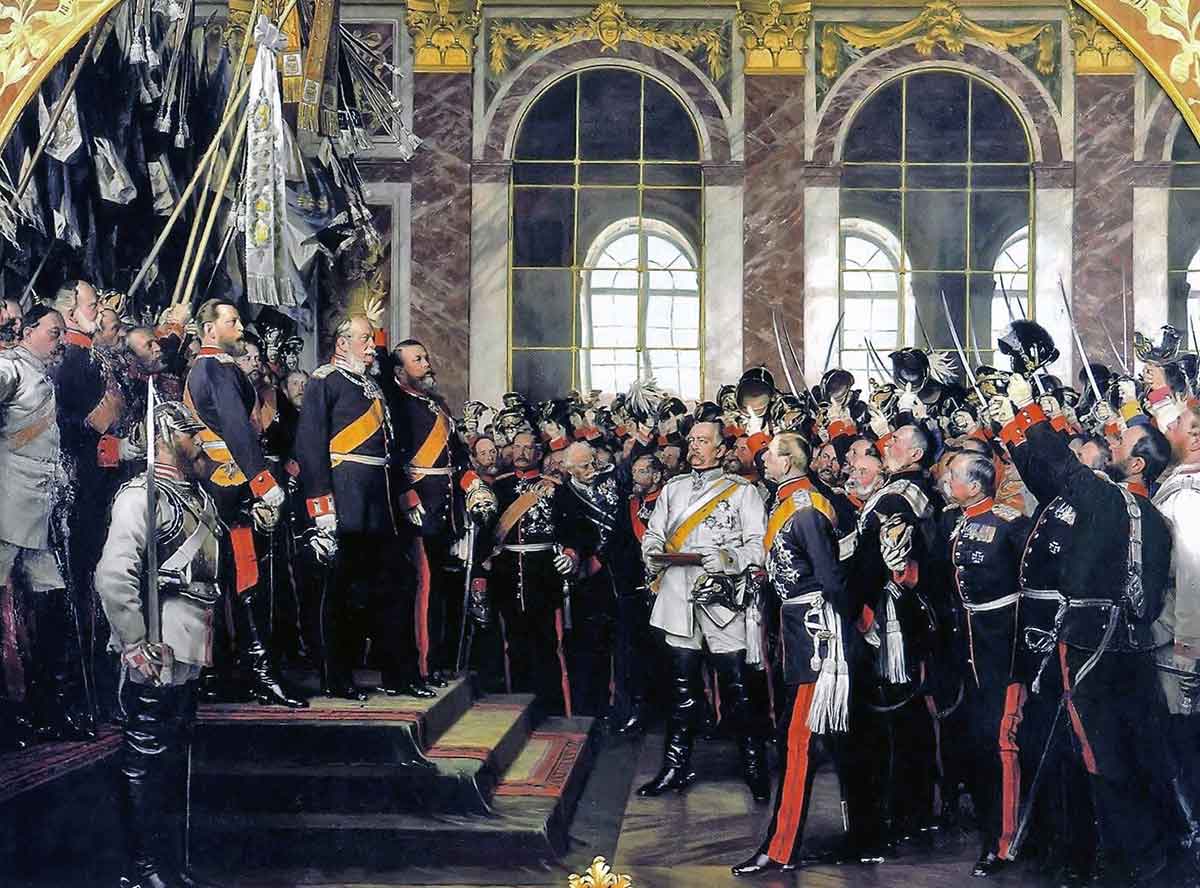
If Nietzsche were alive today, he would probably have some thoughts about internet trolls who claim he liked nationalism. He really didn’t!
Nietzsche hated German nationalism. He thought it was bad, just like all other kinds of following the herd (even when people act like this on their own).
This was also true for anti-Semitism, a bad movement during Nietzsche’s life that some of his family liked. For example, his sister Elisabeth married an anti-Semitic nationalist! And she tried to make it seem in her own writing as if Nietzsche agreed with her husband, but he did not.
Nietzsche valued personal greatness over patriotism, arguing that it is our cultural achievements, rather than race or nationality, that make us exceptional.
Would he not have despaired of seeing how many present-day nationalists proudly assert their superiority on no stronger grounds than having been born in the same country? It is likely he would have.
So, does that mean he was right-wing? Perhaps, after all, he believed collectivism was bad and that there was no time for men who flocked together. But then again (big sigh here), isn’t a proud nationalist an unlikely right-winger according to today’s definitions?
Was Nietzsche an Elitist or an Anti-Democrat?
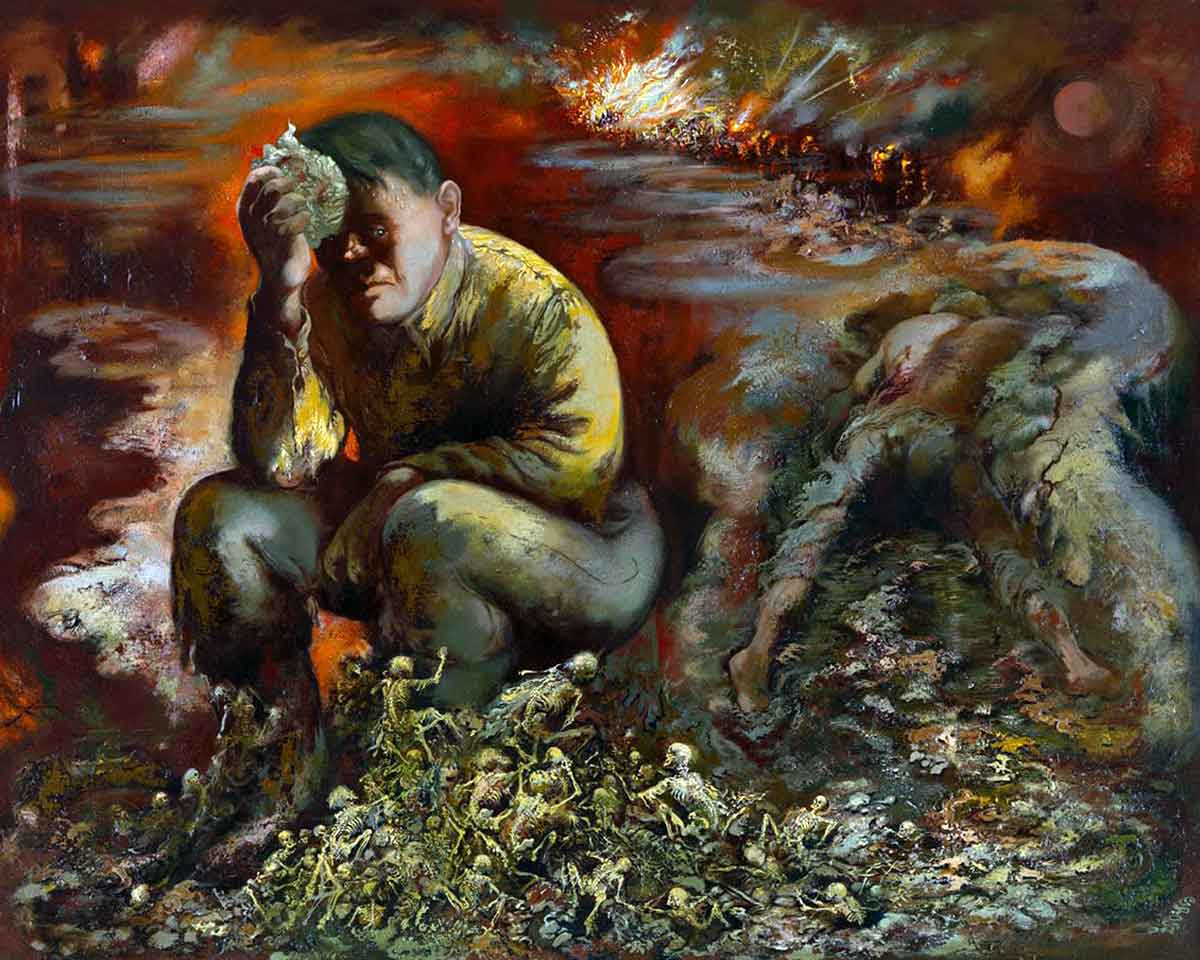
In short, Nietzsche wasn’t a fan of democracy. But before you label him a wannabe dictator, let’s take a closer look.
He didn’t dislike democracy because he was pro-monarchy or wanted a fascist leader. He opposed it because he felt most individuals weren’t thinking for themselves. Democracy to him meant the masses, whom he thought were often driven by fear and resentment, having too much sway.
In Nietzsche’s ideal world, there would be no government. He envisaged a society where outstanding people could flourish and encourage others.
Think of your favorite innovator—filmmaker, scientist, musician—someone who revolutionized their field through sheer brilliance. Nietzsche wanted a culture that produced lots more of them and then wholeheartedly supported these trailblazers, not a culture obsessed with whether everything is fair.
So, was he saying only an elite few ought to guide the world? In a way, yes—but not via conventional power structures.
He believed that those capable of moving mankind forward should lead this charge, which means that being ruled by political systems is out of the question if human creativity and intelligence are what truly count.
How the Nazis Misused Nietzsche
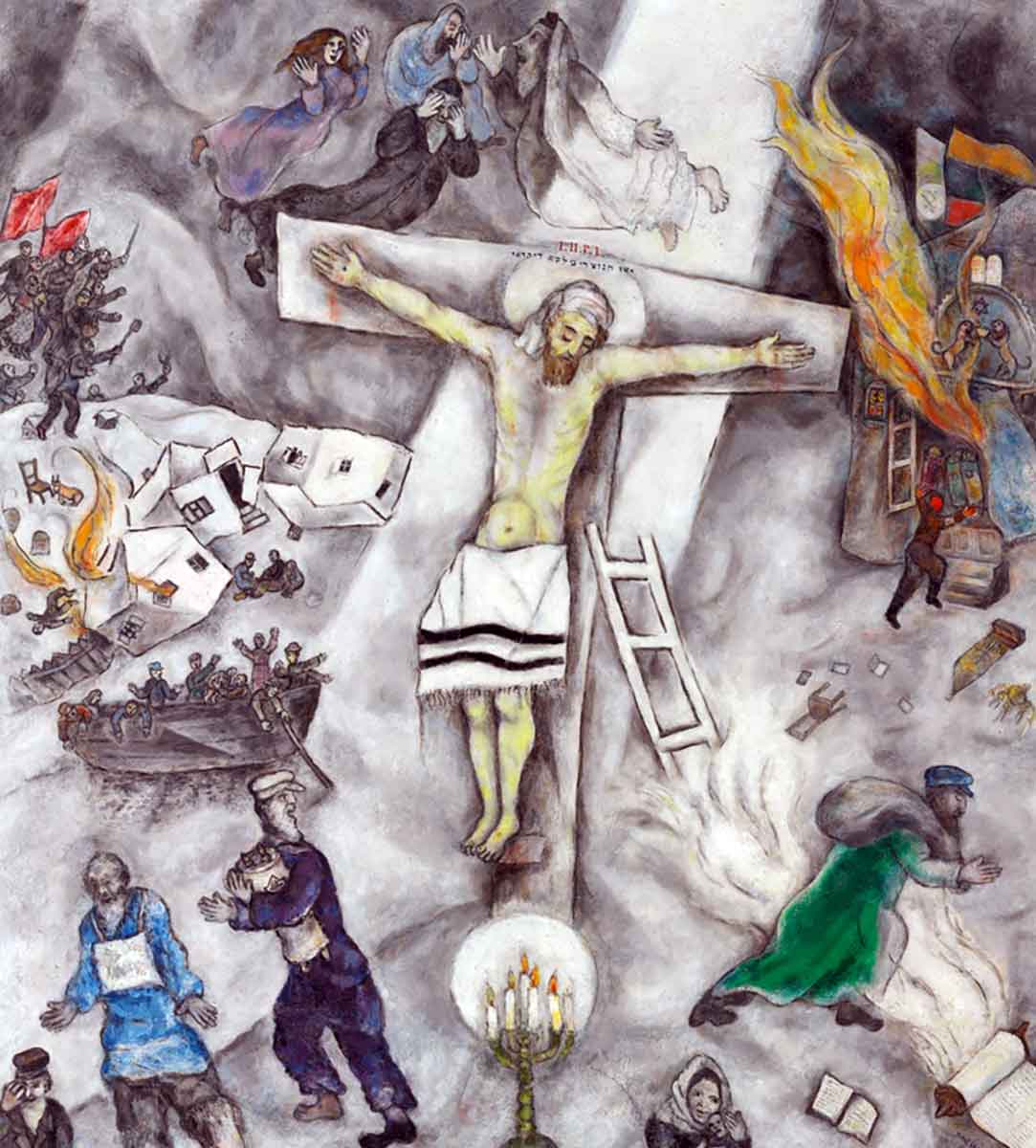
Picture this: you pick up a book by your favorite author, only to learn later on that somebody else has gone through and altered it to fit their own twisted agenda. Well, that’s more or less what happened with Nietzsche.
After his death, Nietzsche’s sister, Elisabeth Förster-Nietzsche, took the philosopher’s unpublished writings and doctored them so she could hawk her own nationalist and anti-Semitic ideas.
She excised passages where her brother condemned German nationalism and instead presented him as having foreseen and endorsed Aryan supremacy.
When Nazi officials in the 1930s and 1940s read these edited collections of Nietzsche’s works, they saw things that weren’t really there (like an endorsement of genocide) and overlooked themes (such as the philosopher’s loathing of anti-semitism).
Nietzsche did not have a high opinion of collective thinking (herd mentality). He might have seen Nazism as the sort of regime likely to appeal to non-thinkers who simply wanted to be told what to do—people whom he would urge in some of his books not to trust or admire too much.
The philosopher highly valued originality, creativity, and heroism, going beyond conventional limits. He assessed a person’s greatness by their achievements, not by their birth or background. Yet the Nazis took his idea of self-improvement and twisted it to justify their brutal dominance.
If you read Nietzsche’s books, you will see he would have been horrified by the Nazis’ attitude. But his reputation has suffered because people have borrowed his ideas for dark reasons and then pretended they didn’t mean something else entirely.
Nietzsche and Modern Right-Wing Thought
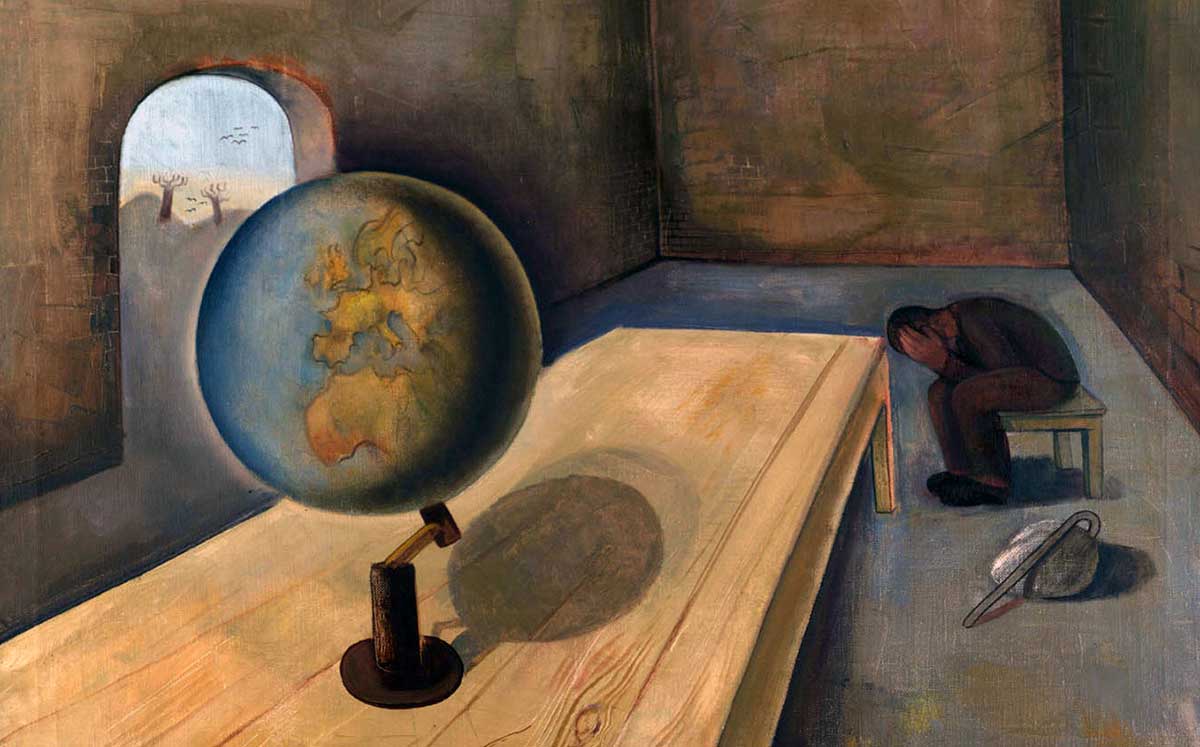
In present-day politics, some conservative scholars use Nietzsche’s criticisms of democracy and equality to support their own beliefs against liberal policies. They highlight his rejection of herd morality and promotion of individual greatness as signs that he was more right-wing than not.
Yet Nietzsche did not neatly fit into either camp; he also criticized conservatives for adhering to traditional values without questioning whether those moral systems were effective.
What the German philosopher sought was more than mere political labels, such as “left” or “right,” however. It was about breaking down all fixed ways of thinking, whether socialist or aristocratic.
Central to this effort is what he called “the will to power”: people’s creation of themselves rather than adopting identities given at birth or conforming rigidly in group settings with rules meant to be followed from top to bottom in a hierarchy.
Argument: real change starts at the individual’s core principles, not by altering rules or forcing certain behaviors. So, calling Nietzsche a supporter of any lone belief system oversimplifies matters.
Nietzsche goes beyond today’s left and right. Some on the right see him as an ally in their critique of mass society. However, his thoughts on religion, tradition, and morality can also deeply unsettle conservatives.
Rather than slotting neatly into left- or right-wing arguments, Nietzsche wants us to query every supposition, defy every normal practice, and try to be something better than we are, no matter where this takes us politically.
So, Was Nietzsche Right-Wing?
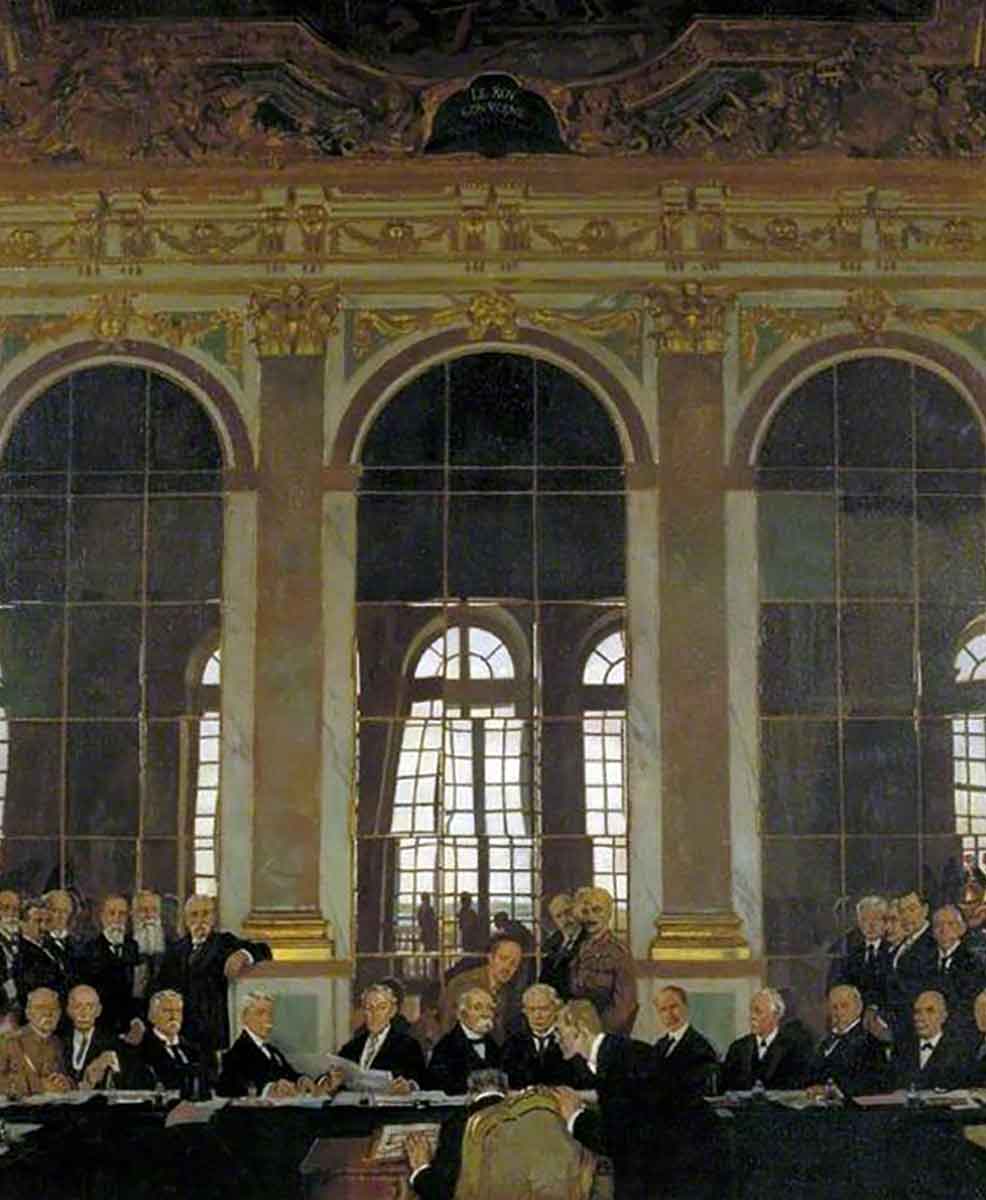
Nietzsche had issues with both democracy and socialism. He also detested nationalism and authoritarianism. While he admired strong individuals who pursued power and success (qualities he associated with great artists), no existing party or system met with his approval.
If you are wondering how to plot his views on today’s left-right spectrum, the simple answer is: don’t try. The 19th-century German thinker defies classification; radical and unpredictable, he loved human beings more than any doctrine. Indeed, in some ways, it might be fairer to see Nietzsche as advocating egoism rather than the politics of left or right.
Do not put Friedrich Nietzsche into the box marked “Left” or “Right” because it simply won’t fit.