
Gilles Deleuze and Michel Foucault are the Batman and Robin of 20th-century philosophy. If Batman was all about difference and creativity, Robin was more into power dynamics and human control. But the real question is, were they just two great minds collaborating intellectually, or did they share a deeper and friendlier bond? In this post, we explore their relationship, unscrambling the intricacies of their ideas and perhaps even answering the ultimate question—are they more “intellectual sparring partners” or actual pals? Spoiler alert: it’s complicated.
The Intellectual Relationship Between Deleuze and Foucault
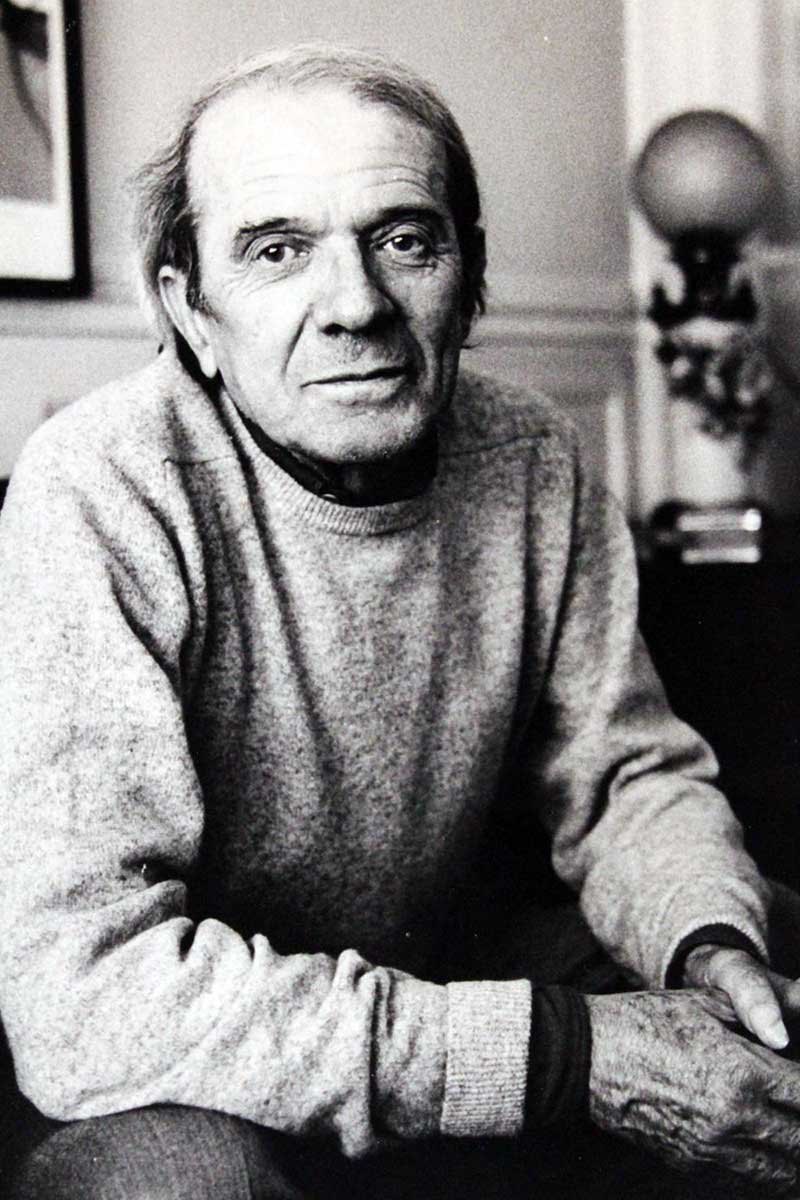
The intellectual connection between Deleuze and Foucault was akin to a philosophical duet of dazzling brilliance. Though not always in concordance, there was an intersection of ideas that was both captivating and harmonious—as if these two great thinkers found a way for their thoughts to sing together.
Both philosophers enjoyed nothing more than challenging conventional wisdom. It was almost as if they made a game out of it. With every move, they still push the boundaries of what is known.
Foucault had a fascination with the workings of power—how it operates, how it controls people’s lives, and what it can make us become. His book Discipline and Punish closely examines institutions such as prisons (which Deleuze also wrote about incidentally) and shows in detail the ways they control individuals down to very fine details.
On the flip side, Deleuze was interested in difference, flow, and avoiding fixed identities. These themes are seen in Anti-Oedipus (co-written with Guattari), where he and Guattari questioned how much society controls our minds.
Although he didn’t always like regular old Marxist ideas too much, Foucault’s approach to power did seem similar to Deleuze’s. They also seemed to agree that society forms us. When these two great thinkers talked about who we are, why we do things, or what freedom really means, maybe they influenced one another?
At least there is no doubt this pair had a lot of important discussions together that helped shape modern philosophy; if nothing else, an intense collaboration pushing each other further than might have gone alone.
Differences in Philosophical Approach: A Clash of Ideas?

Although Deleuze and Foucault did not share the same philosophical views, their differing perspectives led to some fascinating intellectual discussions.
Deleuze often spoke about the concept of “difference.” Here, the term does not simply mean “we are friends with some differing opinions”—it means everything is in a state of flux and change, like how a river changes every second.
His ideas were abstract and innovative; he wanted us to embrace chaos and complexity—embrace difference. If you can imagine a jazz musician put into philosophical terms, they just make up music as they go along (Deleuze also thought we should embrace things being this way!).
Foucault, however, liked getting his hands dirty with history: it was like one big puzzle or ongoing crime investigation to him. When he looked at an issue, Foucault wanted to know more than just what people thought about it at different times throughout history.
His Discipline and Punish functions as if it were a piece of philosophy written by a thriller novelist: one is shown how institutions gain control over individuals over time. If Foucault was interested in how power shapes society, though, Deleuze found ways to break free from its grip.
The two thinkers were not involved in a personal struggle for supremacy. Rather, they had different philosophical tastes—similar to chefs who prefer dissimilar recipes.
It is true their methods clashed. But this does not preclude the possibility that they were nonetheless “friends” in an intellectual sense (albeit ones whose ideas about understanding power, identity, or history did not always mesh).
There was magic (and tension) in those moments when the two scientists’ approaches rubbed against one another—sparked by creative friction.
Collaboration and Mutual Influence

Deleuze and Foucault not only shared ideas in spite of disagreeing philosophically—they also backed each other’s work. When Foucault gave The Logic of Sense his philosophical seal of approval, it wasn’t just a case of saying “well done” to Deleuze, he was indicating a deeper intellectual bond with him. Although the pair didn’t see eye to eye on everything, they did have respect for one another’s different perspectives.
Of course, this doesn’t mean they sat down together and co-authored papers or books (although Deleuze did this with Guattari). Rather, their collaboration had more to do with the way their thoughts resonated side by side—sometimes coming together at key points like two parallel rivers reaching a confluence.
When it came to institutions and power, Foucault and Deleuze were on the same page. The idea of difference, as well as many things existing at once, also captivated both thinkers.
But like lots of philosophical pals, they split ways when deciding how we should study history or understand ourselves. Foucault championed using genes to trace ideas back in time; Deleuze believed this made human life seem too orderly.
Yet despite these differing views, there was a productive back-and-forth between them, an intellectual give-and-take, if you will. Far from simple agreement on all points, their work together pushed each party further along his respective path—often while helping clarify those positions as well.
So, although we may stop short of calling them best friends with lots in common (including but not limited to regular weekend hangs), there is definitely something going on beyond mere acquaintance here: call it synergy-a-go-go.
Their Personal Connection: Beyond the Philosophy
The personal relationship between Deleuze and Foucault went beyond philosophical debates. They genuinely admired each other’s work. Think of it this way: two brilliant minds who respect one another so much that they share a bond that isn’t just about ideas.
For instance, Foucault would often praise Deleuze’s writing—including The Logic of Sense. He liked how creatively someone could push boundaries within an academic discipline such as philosophy.
Meanwhile, Deleuze had a lot of time for those who pointed out how various power structures control us all—something Foucault did with style. Even when (as sometimes happened) their thinking didn’t mesh.
Although Foucault and Deleuze were not best friends, they still had a sense of affection for each other. Foucault was reserved; Deleuze, on the other hand, was more outgoing and sometimes playful.
They would get together and talk at academic conferences and in more relaxed social settings. Picture the scene: two men in a café having coffee and discussing big ideas such as power or what makes someone who they are. Nothing unusual about that.
We learn about this aspect of their relationship from letters and interviews. Deleuze once said how much he admired Foucault’s work, for example. And you can see how deeply one philosopher influenced the other by what they both wrote.
So even if they didn’t behave like bosom buddies whenever they happened to be at the same public event, there was clearly something special going on between them: mutual respect combined with an interest in what the other was doing professionally.
The Legacy of Their Relationship
As was already mentioned, Deleuze and Foucault were like Batman and Robin in modern philosophy. Their collaboration shaped how they are each remembered today—an influence still felt in academic circles.
Although they didn’t always agree, their intellectual sparring influenced much of their later output, a bit like a creative force field.
Take their ideas on board together, and you have a rich seam to mine around control, selfhood, and the workings of society. Indeed, one can almost feel these two great 20th-century French thinkers urging each other: “If you say that, I’ll say this—and then we’ll see where we are.”
Their relationship also began a wider range of philosophical thoughts that still influence modern thinkers. Their skepticism against customary authority, investigation of the nature of power, and contest against the fixity of identity contributed to post-modernism and critical theory.
Hence, even though they were not brunching together, their ideas were entwined with newer conceptions about society. They were then taken up by subsequent generations of thinkers, particularly in areas like cultural studies, politics, and social science, and ran with them to come up with new theories.
Indeed, Foucault’s insights into discipline and power, together with Deleuze’s desire and multiplicity, have been the basis for many modern debates concerning resistance, freedom, and identity.
As a matter of fact, if you want to know why so many people are still excited by their work today, it is not despite the fact that these two great minds had a “rivalry,” but rather because they collaborated so exceptionally well.
So, Were Deleuze and Foucault Friends?
Answering “yes” or “no” only scratches the surface. Their intellectual bond was far richer. Although they shaped each other’s views profoundly—especially on society, power, and the self—it wasn’t a case of thinking alike.
Deleuze stressed difference and unpredictability. Foucault looked at how things we take to be fixed by probing back into history (genealogy) at shifting patterns of power and institutions.
However, there is clear evidence of what Foucault once called his “admiration” for Deleuze’s work. Beyond simple respect, there was affection and fun. But they weren’t close in the way that one usually means by “friends.” It was a relationship sustained by an intense exchange of ideas that did a great deal for their work.