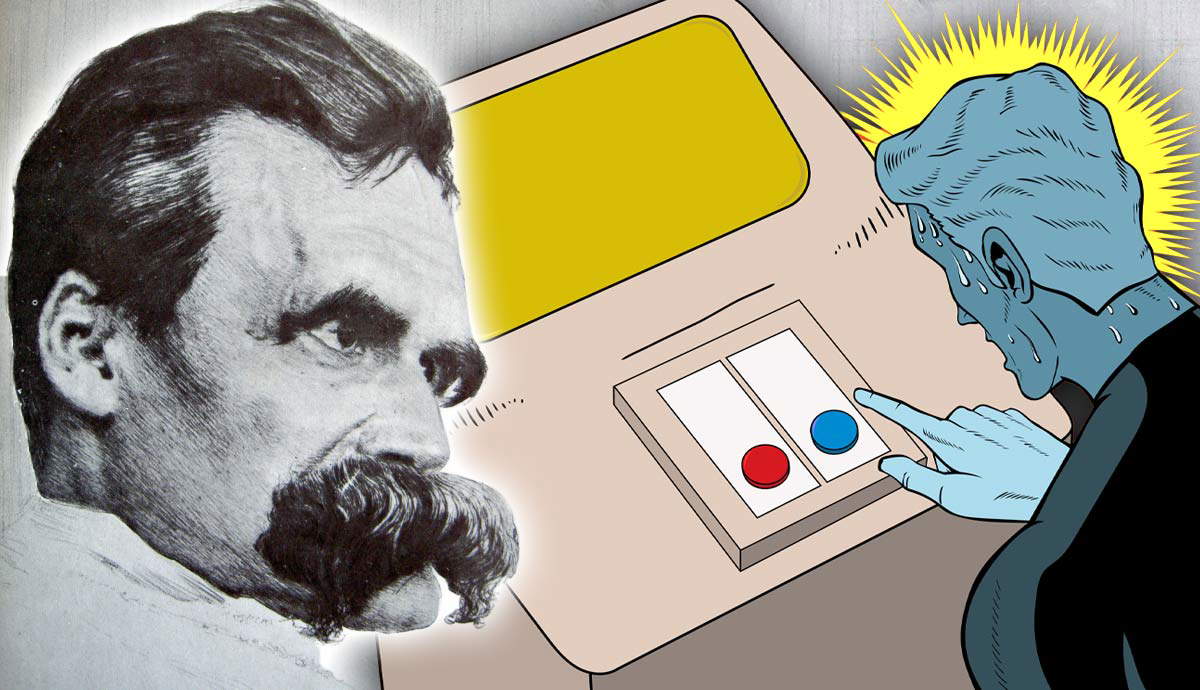

In an age of viral outrage, the public shaming and “canceling” of individuals has emerged as a major talking point. Easy to understand why when calling out wrongdoing can feel like taking a stand for justice. But when does holding people accountable morph into something more troubling? Is there a moral distinction between canceling someone and simply holding them responsible? Let’s unpack the ethics of public shaming.
What Is Cancel Culture?
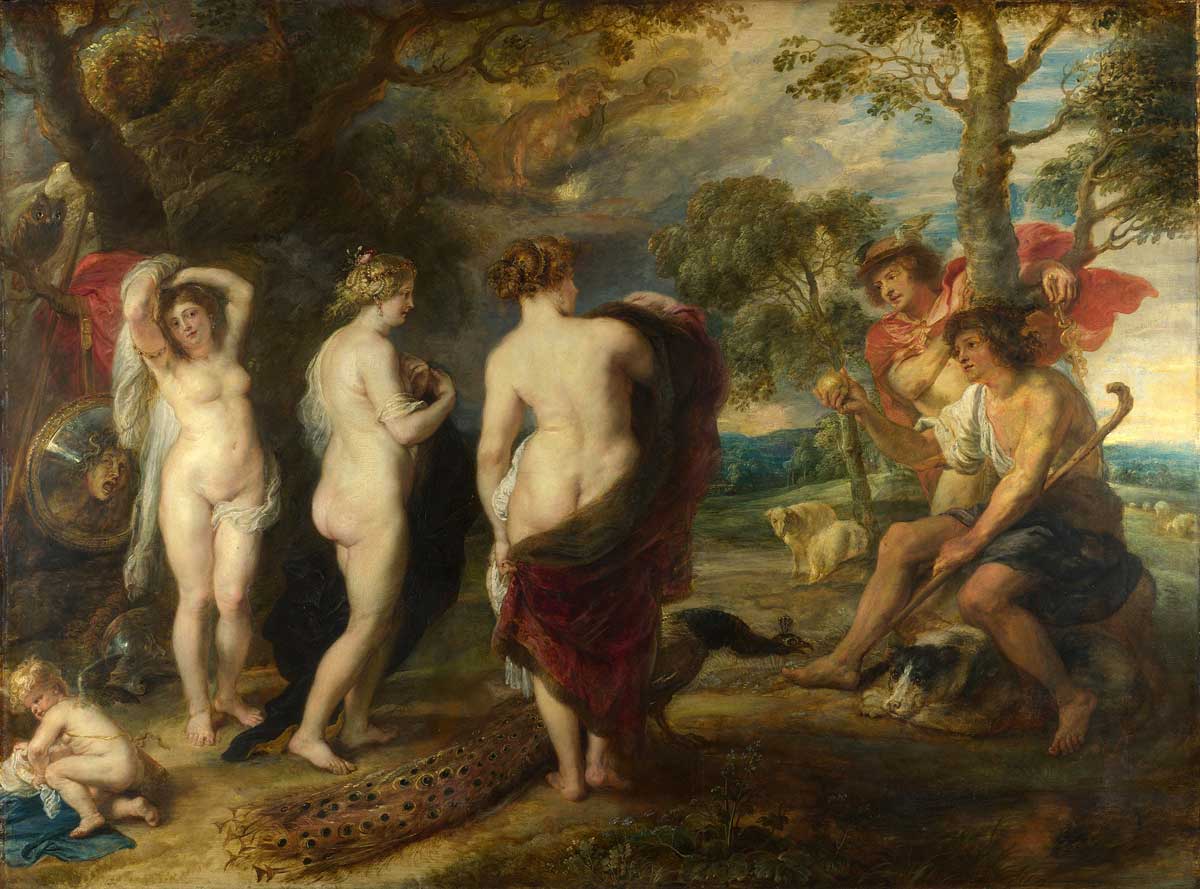
Cancel culture describes the situation when someone is called out for something they have done that others find offensive or unacceptable. This call-out can happen on social media in particular and might be followed by demands to boycott the person.
If this backlash becomes severe enough, the celebrity or influencer’s support base may shrink so much that there are real-world consequences—meaning fewer job offers as brands distance themselves over controversial remarks.
Take an incident involving Kevin Hart (although many examples could be cited). Shortly after he was named host of the Oscars, tweets dating back a decade were published in which he used homophobic slurs.
It didn’t take long for the outrage to build. Within hours, Hart stepped down from the role and issued an apology to the LGBTQ community.
Yet cancel culture goes beyond the famous. The average person who writes a thoughtless comment on social media may find themselves barraged with angry messages that snowball until they’re publicly shamed into an apology—or even fired.
Supporters argue such call-outs are necessary to combat racism, sexism, and other forms of discrimination or harmful behavior. Critics say it sometimes veers into mob rule, which doesn’t allow for people to learn from their mistakes and move on.
And worryingly, a climate where everyone is scared of putting a foot wrong can also stifle debate rather than enrich it. So is calling time on public figures who mess up badly a fair way of making sure we behave better generally? Or has it become a toxic system that acts as judge, jury, and career executioner?
Understanding Public Shaming Through Social Contract Theory
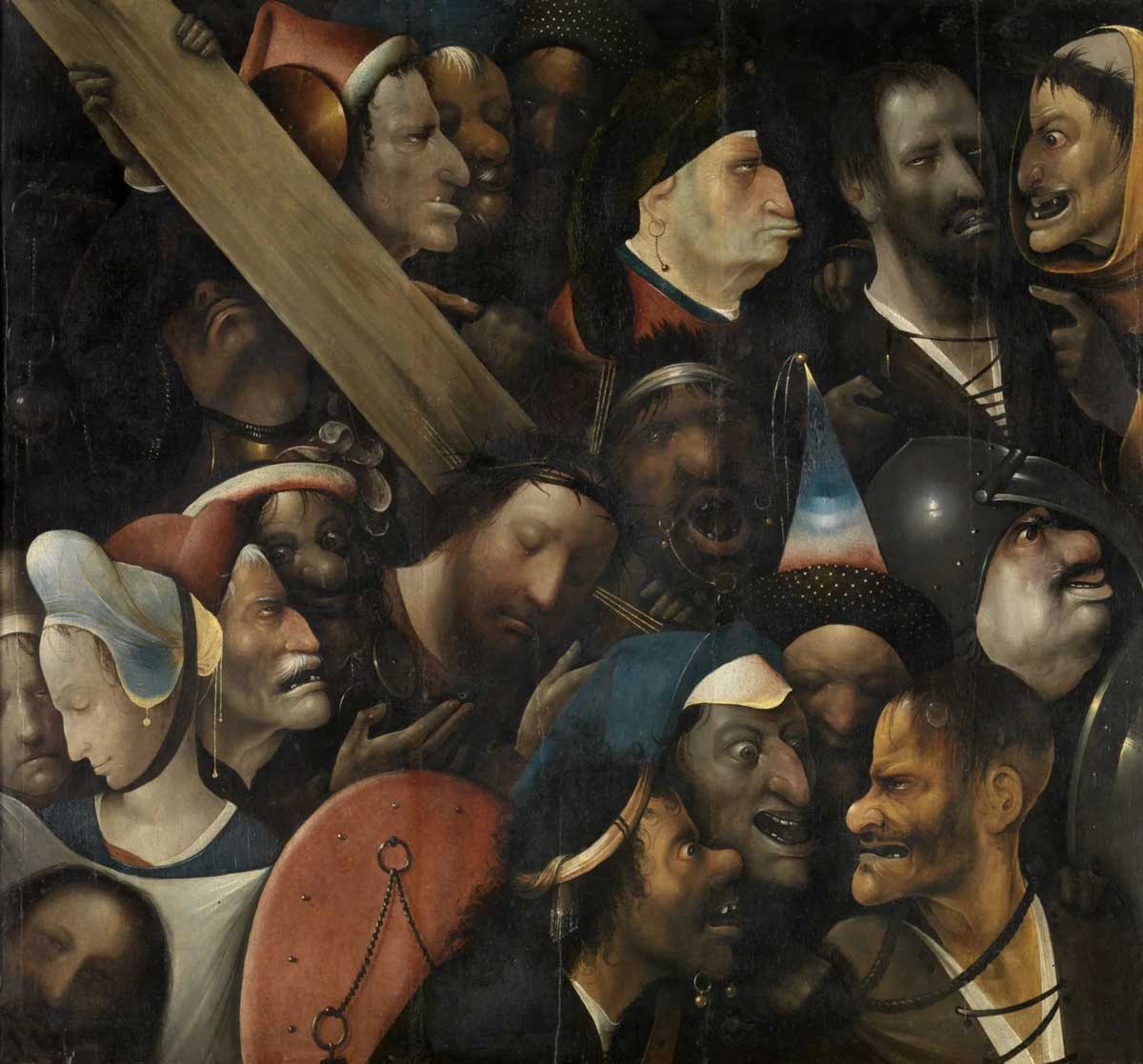
The theory of the social contract suggests that individuals agree—often without saying so explicitly—to obey rules made by their society, provided it gives them the advantages of social living. You can think of this as a kind of deal: we follow the laws, treat others politely, and enjoy the state’s protection and other benefits.
The ideas behind the social contract have had a profound effect on modern government and how people understand right and wrong—and these ideas were explored by philosophical heavyweights such as Thomas Hobbes, John Locke, and Jean-Jacques Rousseau.
Seen in this way, public shaming could be thought of as helping to enforce that “deal.” When somebody breaks rules that most people in a community accept—by making racist remarks or behaving in ways that can cause physical or emotional harm to others, for example—then those who criticize them online are acting together to show what society finds unacceptable.
Take, for example, if a corporate boss who discriminates gets caught and called out. It reminds everybody of the community’s anti-discrimination values.
But this also brings up questions about fairness and ethics: Is it right that people should be punished by being publicly humiliated? Does doing so fit with our moral duty to give wrongdoers a chance to learn from what they have done?
Some say feeling shamed online isn’t like having society enforce norms upon you. Instead, because there are no real safeguards (such as those legal systems provide), it can seem more akin to mob rule—a situation where an unruly crowd does whatever it wants without restriction.
All these factors show how complicated things get when elements of both honoring contracts keep them going or possibly breaking these bargains altogether come into play at once—whether by dishonoring somebody through public scorn or otherwise.
Utilitarianism: Balancing Collective Good With Individual Harm
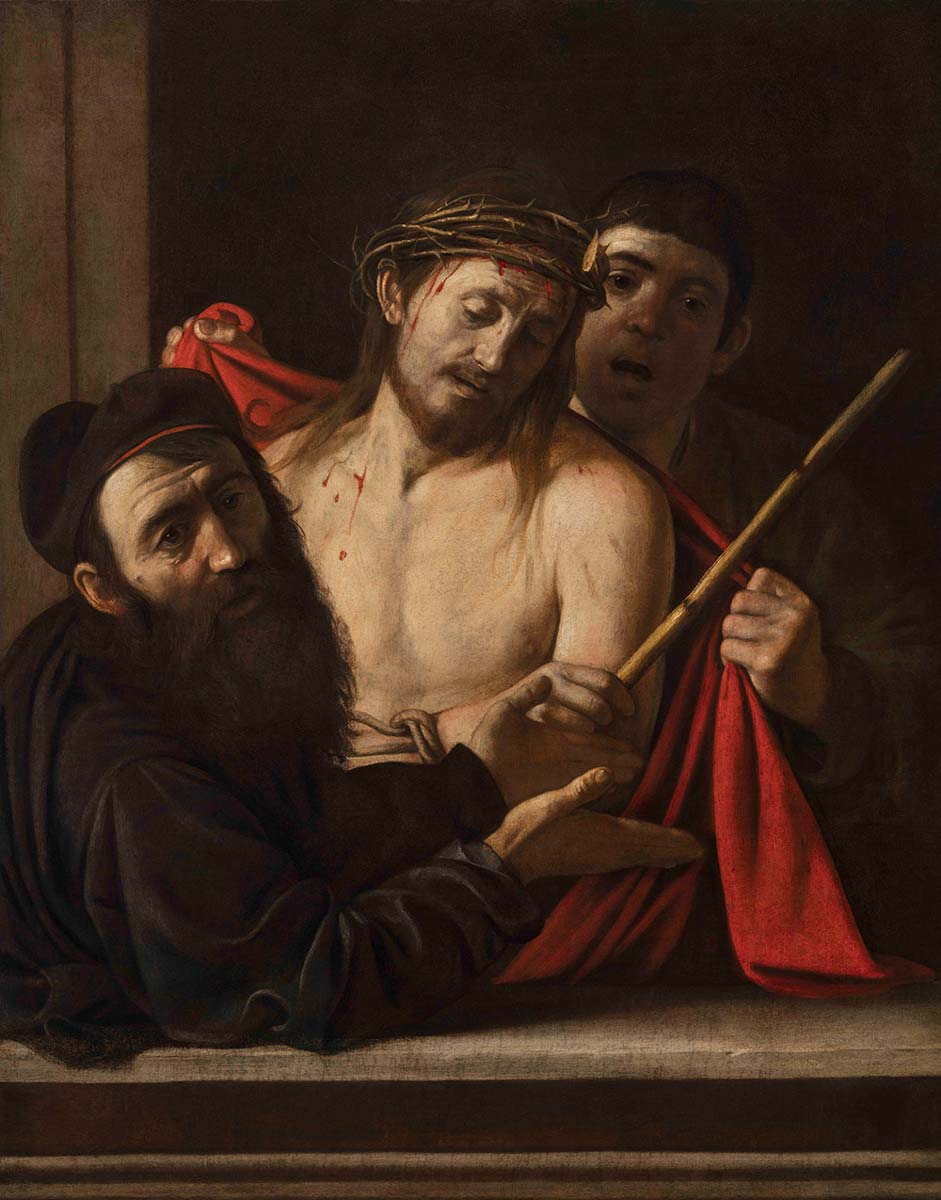
Utilitarianism is a philosophy that focuses on increasing happiness and reducing suffering. It judges actions based on their overall effect on the greatest number of people. Thinkers like John Stuart Mill and Jeremy Bentham believed in this principle.
From a utilitarian perspective, cancel culture can be seen as justified if it stops harmful behavior from spreading—for example, when public figures are canceled for sharing dangerous myths. This may prevent more individuals from coming to believe things that could hurt them, too.
However, there are some who argue there are limits to how useful such thinking can be when applied in practice. Does society really benefit if lots of individuals end up being punished very harshly over long periods?
Consider this: If a person gets “canceled” because of something controversial they said or did in the past, they might lose job opportunities, feel left out, or even become depressed. Is it ever okay overall (even if some people suffer) to treat someone badly for the greater good?
People worry that, sometimes, cancel culture goes too far. Somebody makes a mistake, and lots of bad things happen to them as a result. Does it make sense to ruin someone’s life because they were rude once on Twitter?
We need to think seriously about utilitarianism when we “cancel” people. Maybe it helps us do good things but also causes problems we haven’t foreseen. So where does this behavior stop being useful and start becoming unfair?
Kantian Ethics: The Question of Dignity and Respect for Persons

Kantian ethics underscores the importance of treating each person with innate dignity, valuing them as “ends in themselves” instead of just a tool for something else.
To respect others under this view, you must recognize their complexity—that they are beings capable of reason and moral development—not simply reacting to isolated deeds they have done. In light of cancel culture: Does believing in inherent dignity for all lead one to question whether public shaming is ever okay?
When we shame someone online for a past mistake (like a dumb tweet from ages ago), does that further conversation reduce them to only what that single thing shows? And if so, might it be erasing lots of other stuff about them—including possible personal growth since then?
Consider this: Even if a celebrity says sorry and revises their opinion, they could find their earlier mistakes continue to shape how people see them. If we think dignity matters—as Kant did—then call-out groups risk disrespecting individuals by refusing to recognize their full humanity.
Kant’s ideas also prompt questions about fairness versus inflexibility. Does it make sense to judge a person forever based on just one thing they got wrong? No, a Kantian would say. We need rules that let people make amends or show they’ve changed for the better (moral responsibility).
After all, everyone has value (including villains). And societies benefit if those who have done bad things can learn from their mistakes.
Virtue Ethics: The Role of Character and Growth in Accountability
Aristotle’s virtue ethics is character development for personal growth and emphasizes the pursuit of moral virtues such as courage, honesty, and empathy. Virtue ethics does not put much stress on punishment for wrong actions but rather on cultivating good habits that promote moral excellence.
This provides another way of talking about accountability, not simply the public shaming of individuals when they make mistakes but guiding people to make better choices and grow.
Virtue ethics within the realm of cancel culture would support responses that cultivate constructive feedback and learning. For example, consider a person who made a comment that was insensitive but is genuinely sorry and wants to learn from their mistake.
Instead of directly shaming or “canceling” a person, treating them virtuously may help cultivate respectful dialogue as one process of reflection toward growth. This builds up not only one’s character but also ameliorates society in general by instilling empathy and understanding.
To Aristotle, such a virtuous society is one in which forgiveness and constructive criticism are appropriated as a check into punitive shaming. Public shaming can, after all, get the individualist to be at least defensive or despairing rather than effect a change.
In focusing on character and growth, virtue ethics invites us to hold others accountable with empathy and guide them toward positive transformation that adds weight to a society that values personal development over harsh judgment.
Social Identity Theory: Collective Identity and Groupthink in Cancel Culture

Social identity theory stipulates that our behaviors, beliefs, and even the development of our self-concept highly rely upon the groups to which we trace our origin, be it our social groups, communities, or even our online following.
We more or less absorb the values and norms from these groups and many times align our opinions to feel that sense of belonging. This theory might explain why en masse condemnation swells to such overwhelming size in cancel culture. It is easier to adopt the preponderant view of the group rather than risk isolation by questioning the same.
Cancel culture can foster echo chambers and groupthink, repressing the freedom of dissident opinions and building on unopposed “moral” standpoints.
When a celebrity gets “canceled” for something they said—for example, in defense of their statement or trying to bring nuance into the situation, repercussions may result. In such an environment, independent critical thinking is discouraged, and pressure is put on people instead to join the consensus or stay quiet.
These dynamics thus impose ethical challenges whereby the collective judgment may eclipse personal assessments of right and wrong. Where, then, does moral judgment begin and end with respect to the influence of group pressures?
Social identity theory inherently makes us question whether cancel culture imposes real accountability or enforces obedience at the cost of individual judgment.
Finding a Philosophical Balance Between Cancel Culture and Accountability

Balancing cancel culture with accountability requires us to think carefully about ethics. Each moral theory reminds us of different aspects of our responsibilities.
Social contract theory shows the importance of having rules that everyone in society follows. Utilitarianism makes us consider whether something is good for lots of people, even if it hurts an individual.
Kantian ethics tells us to respect people’s dignity, while virtue ethics encourages growth and seeing things from another person’s point of view sometimes.
Another thing to bear in mind is social identity theory: it warns against forgetting your own views because you are part of a group (“groupthink”).
Going forward, what if we tried to help people take responsibility for their actions by being kind as well as firm? This might mean criticism can be useful after all—not just a way of punishing someone quickly whenever they do wrong.
Envisage a world where blunders lead to open discussions rather than slanging matches. Then those involved learn lessons, and nobody loses face or has basic rights taken away from them.
If we mix these ideas together, there could be scope for coming up with answers that enable individuals to show they’ve understood why what they did wasn’t okay—and make changes so similar things don’t happen in the future.