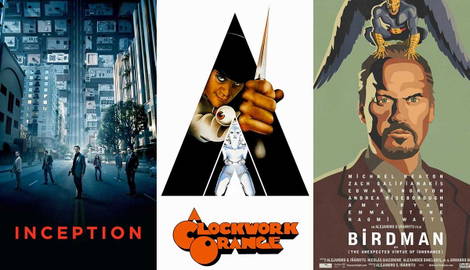

Philosophy and art walk hand in hand. They both evoke thoughts and spark dialogues. Every form of art can be thought-provoking, and plenty of philosophers from every era have fostered an intimate relationship with the arts. Movies are no exception. This article explores five films that might be called philosophical, in the sense that they draw an accurate representation of relevant subjects that have been approached by philosophy. Philosophy in film can also ask new questions about philosophical areas such as ethics or epistemology.
1. A Clockwork Orange
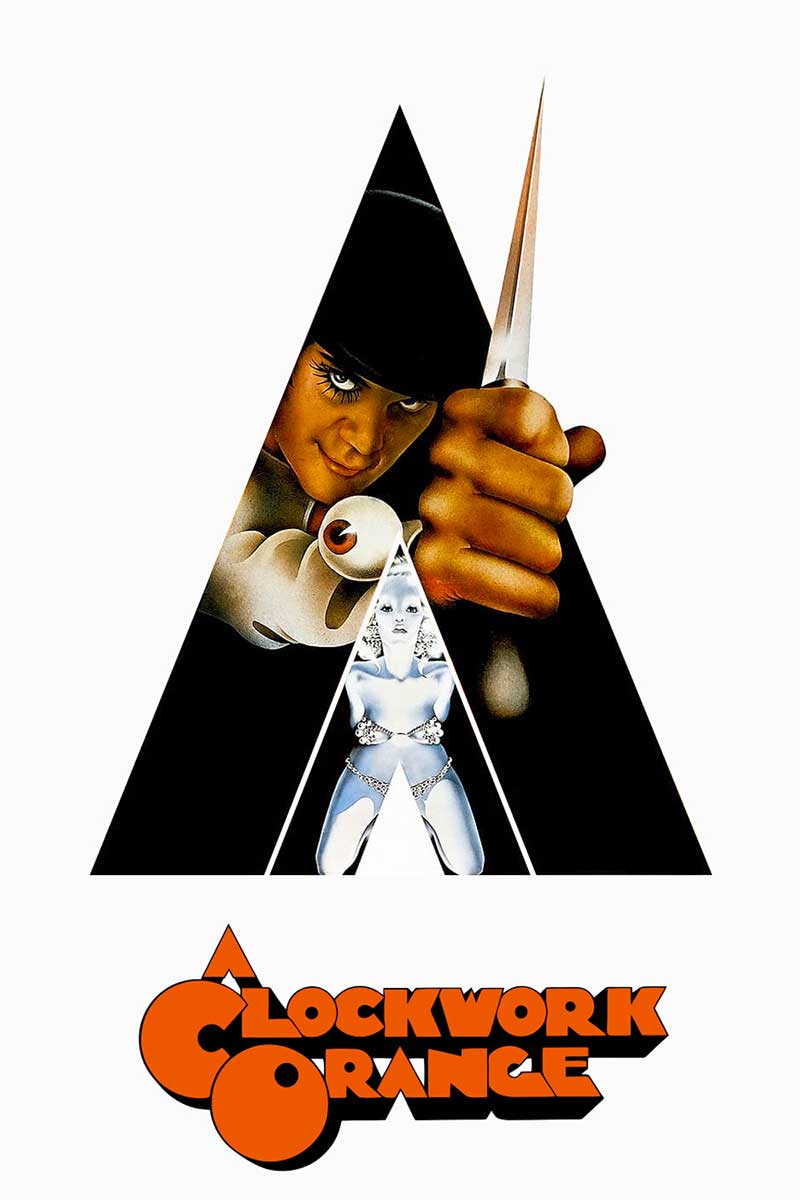
Stanley Kubrick is a movie director known for his thought-provoking films, and perhaps the best example of this is A Clockwork Orange. This dystopian film adaptation of the original book by Anthony Burgess is an all-time classic that approaches the subjects of ethics, law, and, most importantly, human nature. A Clockwork Orange was a controversial movie that faced a very troublesome release in 1971. It was highly divisive among the public, and even caused legal issues due to the violent nature of some scenes which supposedly inspired real crimes in the United Kingdom. On top of that, creative differences between Burgess and Kubrick made it a chaotic release, to say the least.
But what is the philosophical value of such a controversial title? A Clockwork Orange deals with the question of what makes a human being, what are the limits of free will, and how can society deal with the innate problems of human nature. The name of the movie itself alludes to the contradiction of human civilization. A clockwork orange is an object that appears organic and full of life, but it operates as a mechanical construct on the inside. This is an allegory about civilized man: an organic creature that lives under the programming, so to speak, of laws, governments, and other societal conventions that were determined before we were even born.
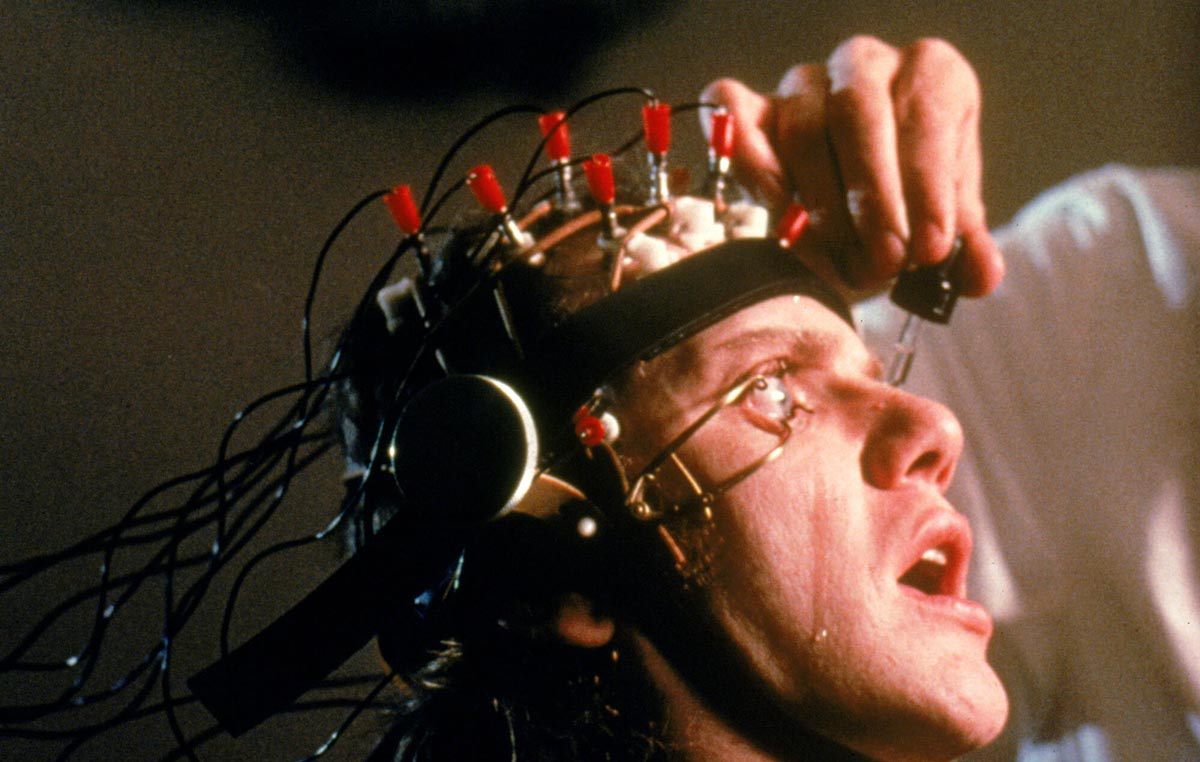
The main character, Alex, depicted to perfection by actor Malcolm McDowell, is a troublesome and violent young man, with a natural tendency to commit the most terrible crimes. We follow his acts of cruelty and the subsequent consequences that he faces, including an experimental treatment called the “Ludovico Technique.” This treatment consists of exposing the patient to violent imagery while under the effects of nauseating drugs, a physical reaction to violence in the individual, making him unable to commit any further crimes of such. However, by completely removing Alex’s free will under such circumstances, isn’t the treatment removing his humanity? Is it justifiable to permanently strip someone of choice if that means protecting other people? Can mankind develop a legal system that rehabilitates troublesome individuals and insert them back into society efficiently, or are we forever trapped in a cycle of crime and punishment?
These are some of the ethical questions addressed in the movie, which have been discussed in the past by great philosophers such as Immanuel Kant and Arthur Schopenhauer. This is a must-watch for any person studying ethics or indeed philosophy as a whole. Furthermore, each scene of the movie is arguably like a painting with beautiful composition, colors, and art direction. The remarkable soundtrack combines classical music with futuristic synthesisers to create a unique atmosphere.
2. 2001: A Space Odyssey
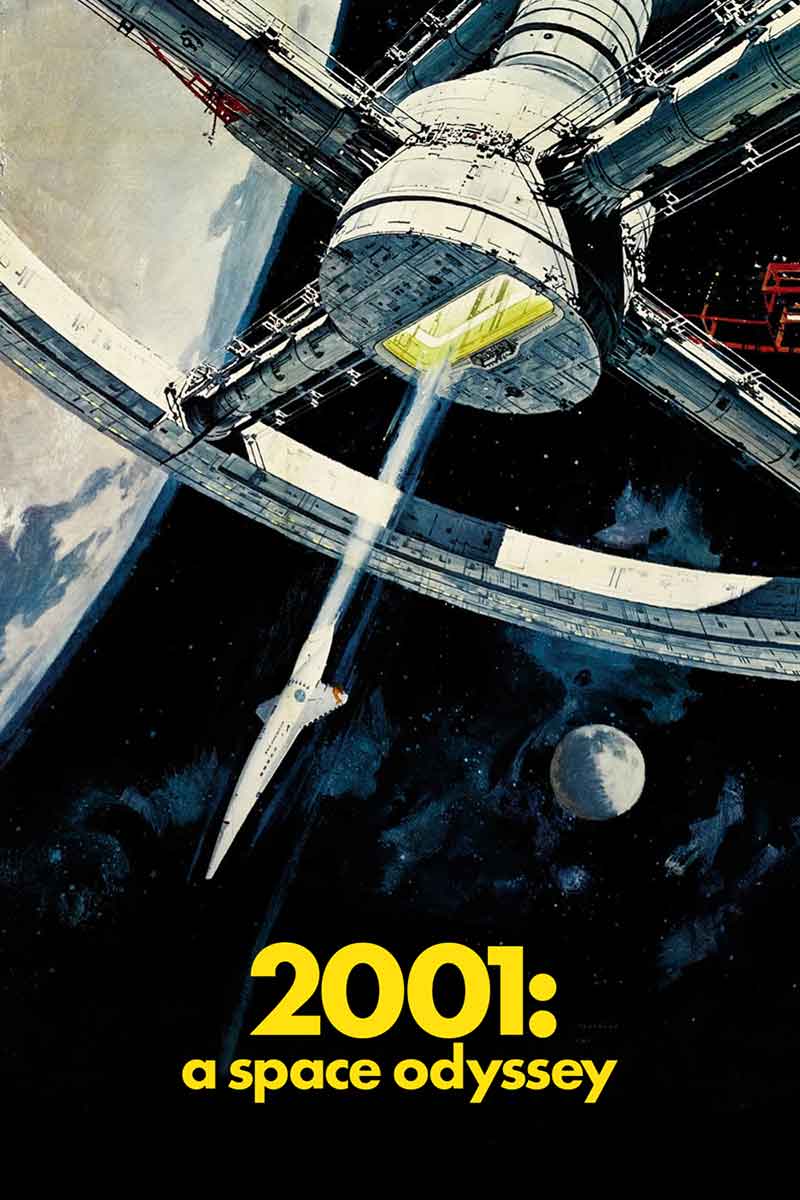
It’s difficult to talk about philosophical movies without mentioning the classic 2001: A Space Odyssey, another Kubrick film released in 1968. This stunning piece of sci-fi cinema takes the viewer on a journey that is hard to explain to someone who has not seen the film. The movie touches on extremely complex subjects regarding our species, the origin of life, evolution, and the nature of consciousness and reason. These topics have been deeply studied by philosophers such as Georg Hegel, Martin Heidegger, and René Descartes.
2001: A Space Odyssey is a masterpiece in every sense of the word, leaving the audience with many questions concerning their own existence. What is the origin of life and, furthermore, what is the origin of intelligent life? Was consciousness an accident or is the universe dictated by a higher form of reason? Philosophers and scientists alike have tried to answer these questions to no avail. We are left only with speculations on something that, at least for now, is beyond our reach, and yet we cannot help but think about it. Not knowing our origins and also where we are going as a species is a source of unending existential anxiety, a central topic of the works of philosophers such as Jean-Paul Sartre.
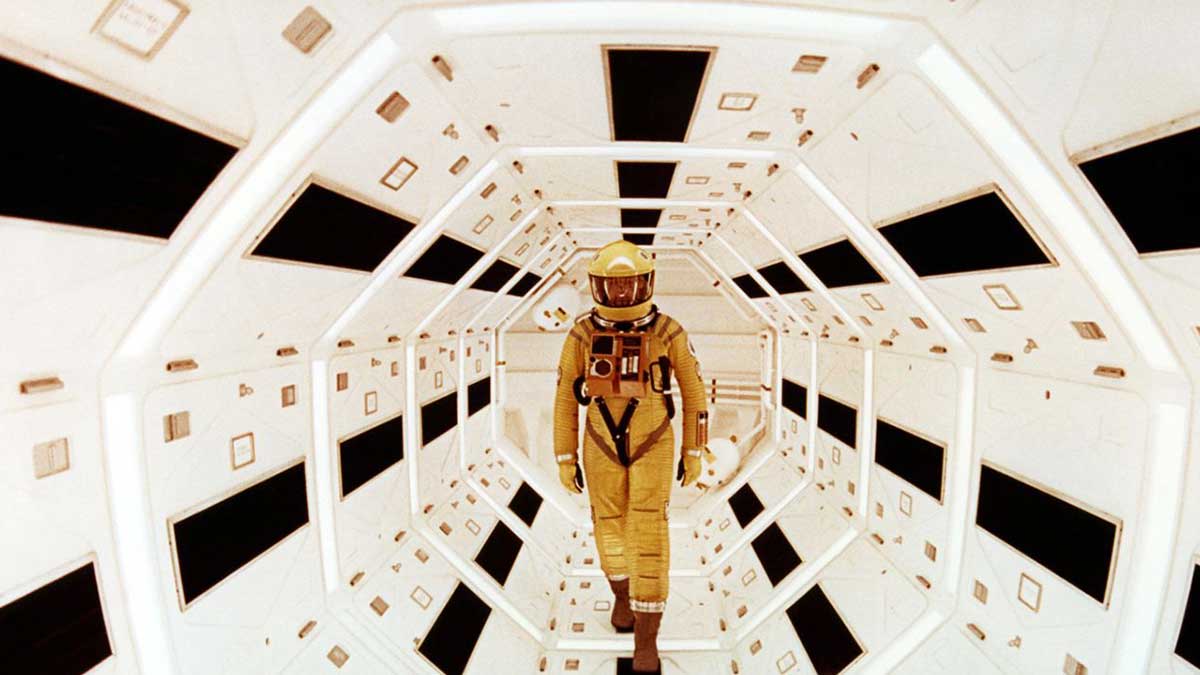
Another topic addressed by the movie that is notably relevant today is artificial intelligence. As technology advances, the line between organic life and intelligent constructs is ever thinner. The consequences of creating a form of consciousness could be catastrophic both for human beings and for those new forms of life to which we bestow intelligence.
The philosophical and cinematographic relevance of 2001: A Space Odyssey cannot be overstated. This movie brings up questions that are as relevant today as they were on its release, with questions that we still may have to wait many years in order to definitely answer.
3. Birdman
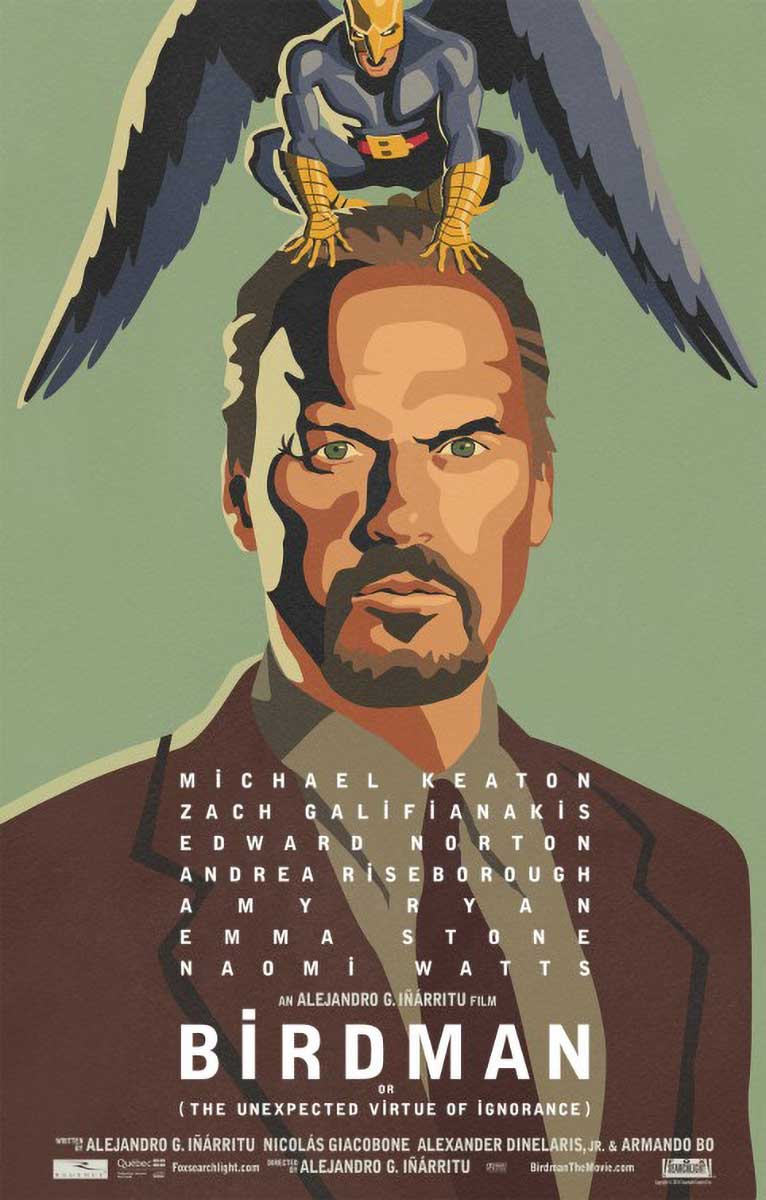
Moving on to a more recent release, Birdman appeared in 2014 and was a groundbreaking deconstruction of the superhero mythos. This film is thought-provoking in a different sense from the previous entries in this list, being more introspective and dealing with themes related to identity, legacy, and fulfilment. One of the best qualities of philosophy as an area of knowledge is how it can shift from larger-than-life explanations of the world to individual analysis of our lives.
The main character is an actor who, in the past, portrayed a famous superhero called Birdman, and who struggles to reinvent himself and move on from this role, living in the shadow of his former glory. This plot is enhanced by the amazing casting of Michael Keaton as Birdman, referencing Keaton’s real-life role as Batman. The film is an exceptional study of individuality, ego, and how we struggle with the balance between our personal interests and the desire to leave an impression on the world that transcends ourselves and which will endure after we are gone.
Once again, this movie is closely related to existentialist questions that have been prominently discussed by authors such as Albert Camus and Jean-Paul Sartre, leaving a deep impression on the viewer and making us question what we truly want to do with our lives.
4. Waking Life
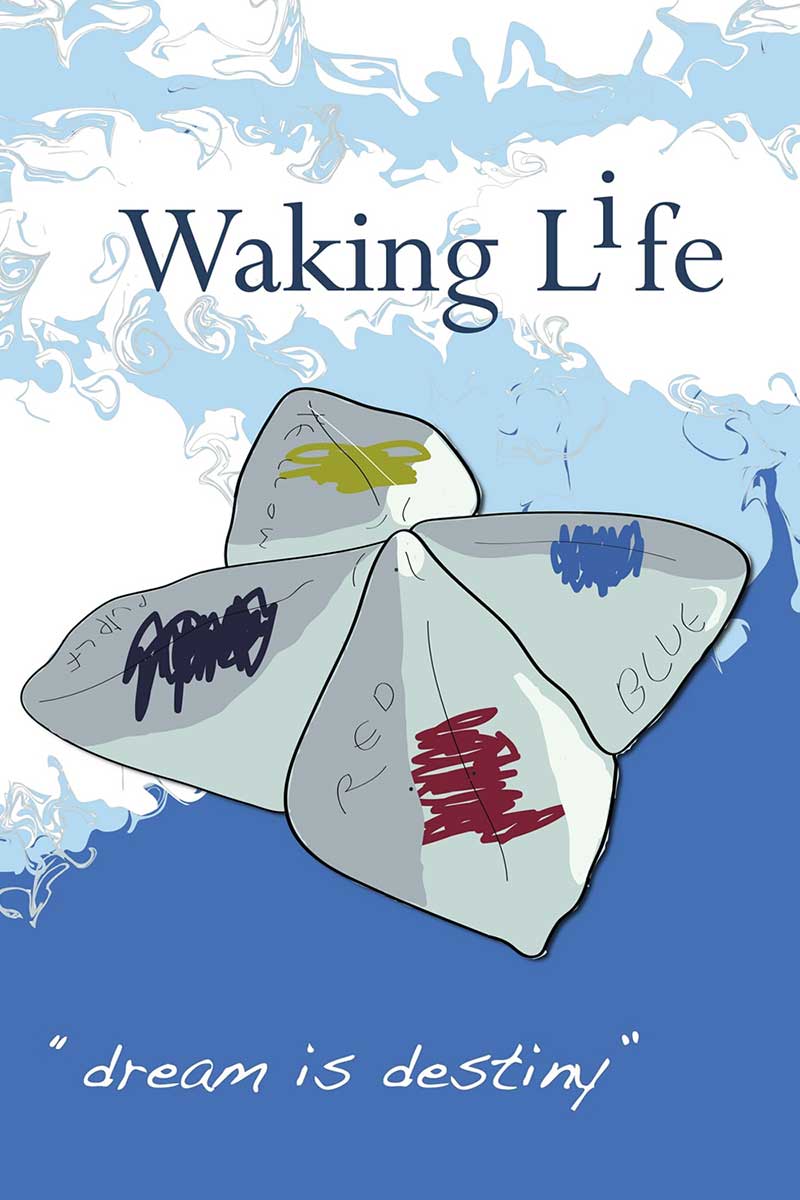
Waking Life is a very special movie from 2001 and, out of this list, is the one that addresses philosophical topics in the most direct manner. Some people accuse this film of being somewhat pretentious, but they would be mistaken to undermine its value, even if it is not as mainstream as the other movies mentioned here. What truly sets it apart is that Waking Life takes the viewer through a series of lucid dreams experienced by the main character, each with their own questions, like an anthology of thought provoking short films. While each dream in the sequence has its own theme, the underlying question present throughout the movie is whether the main character is awake or merely in another dream.
The movie bears a strong relation to Descartes’ skepticism and questioning about reality. Some dreams feel very real and the experiences that we have within them can present themselves as an alternate life. Then, as soon as we wake up, they are instantly recognized as dreams, and what once felt like a lifetime now starts to fade away in our consciousness. There are many questions that we have yet to answer about dreams, what they are and what they symbolize or even tell us about ourselves.
Waking Life is a cornucopia of complex images, ideas, questions, and provocations, taking us out of our comfort zone and daring the viewers to reflect upon their own existence.
5. Inception
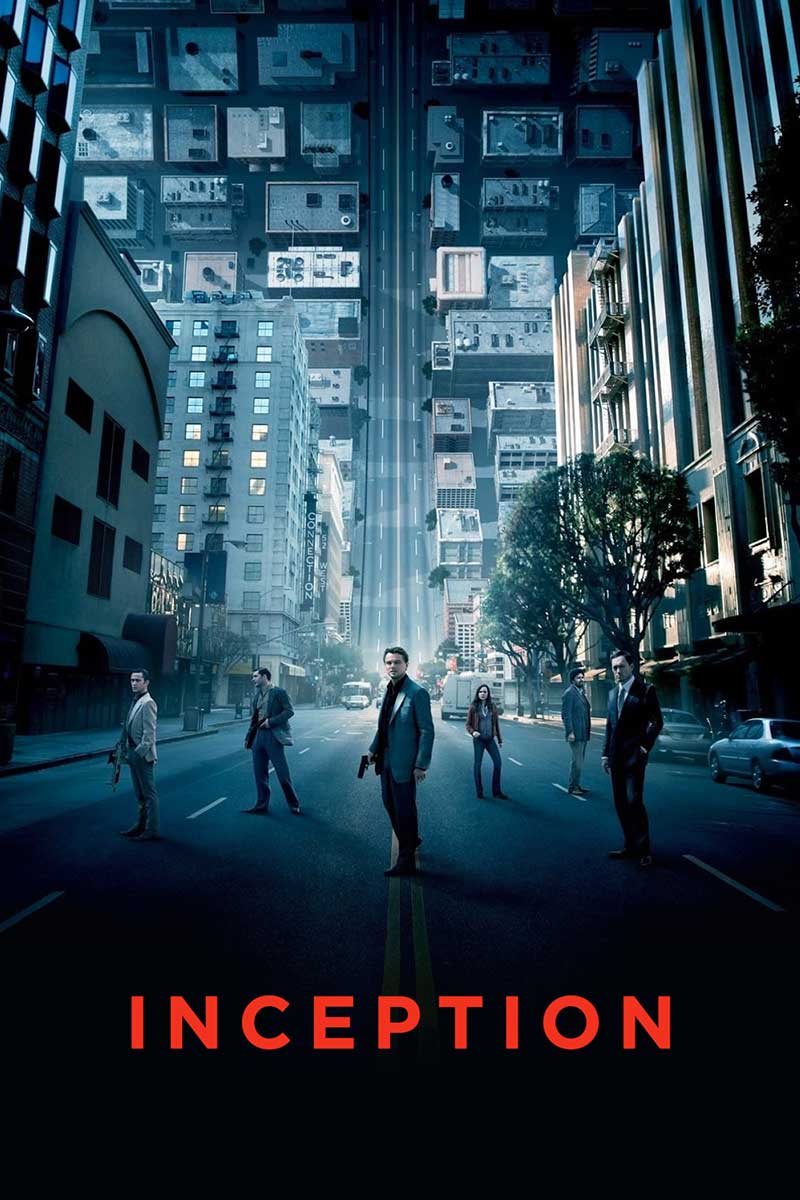
While the rest of this list could be considered cult or exclusively intellectual, Inception is a Hollywood blockbuster from 2010 that really took some of the greatest questions of philosophy to the mainstream through an exciting study of epistemology and existentialism.
The central topic of this movie is the concept of ideas, how they are created and where they come from. Through the fantastic contraption of an apparatus that lets people enter each other’s dreams, the film has us follow a group of men who are hired in order to plant ideas into the minds of influential people, altering life-changing decisions in the process. This leads us to the question of whether our ideas and decisions are truly our own or are they merely a product of the constant subtle influences that we receive all the time, mostly without even noticing. Furthermore, it also delves into the previously mentioned subject of dream or reality. A very interesting series of questions appears in the film, all of which have been intensely studied by skeptical philosophers.
Inception is a great philosophical film and truly a thought-provoking movie that some people may have watched without really paying attention to the underlying themes addressed, due to it being a high budget Hollywood blockbuster. However, through the lens of a thoughtful viewer, this movie reveals itself as a masterpiece when it comes to philosophy in film.