
It probably should not be too much of a surprise that Stoicism, one of the most deviant and uncharacteristic branches of ancient philosophy (the Cynics notwithstanding), should attract the attention of late 20th-century intelligentsia. Even Plotinus spoke of the Stoics as being so different that they should not be counted as part of Greek philosophy at all. Philosophy is traditionally considered to be epitomized by Plato and Aristotle, and according to Plotinus, Greek philosophy is, on the one hand, and Stoicism is, on the other.
Foucault: Self-Care as a Political Practice
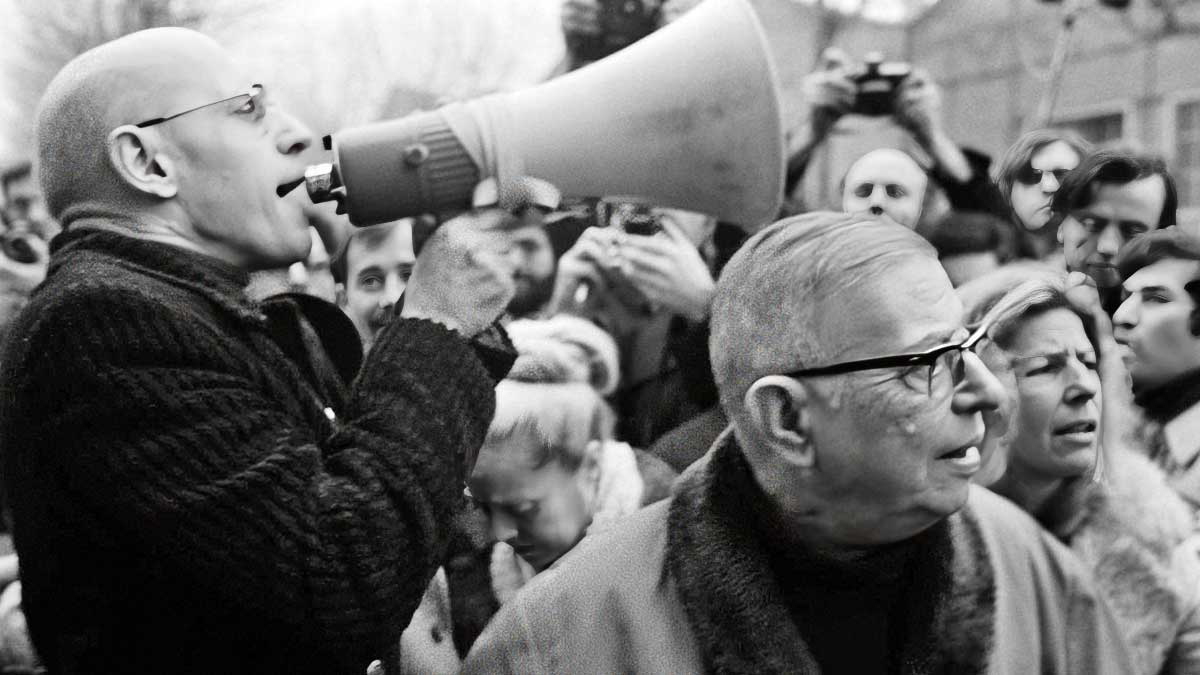
Many modern European thinkers have asked whether Stoicism can offer a contemporary model of a way of life that is simultaneously eudaimonic—conducive to happiness—and politically self-aware. Foucault was especially concerned with bridging the gap between the private and public spheres of citizenship in asking whether one’s relationship with oneself (a central question of classic Stoic philosophy) could operate simultaneously as both a technique of self-improvement and a political practice of resistance.
The Foucauldian way of life is called parrhesia, or “courageous talk,” which refers both to the heroic act of speaking truth to power and to a lifestyle that can increase one’s happiness. It involves taking pleasure in oneself and paying attention to one’s everyday concerns. It is both a philosophy of self-care and a way of practicing justice. One can take care of oneself, one’s friends, and family through parrhesiastic sincerity, and one could, with equal success, use parrhesia as a form of revolt against an unjust status quo.
Sartre’s Critique of Stoic Passivity
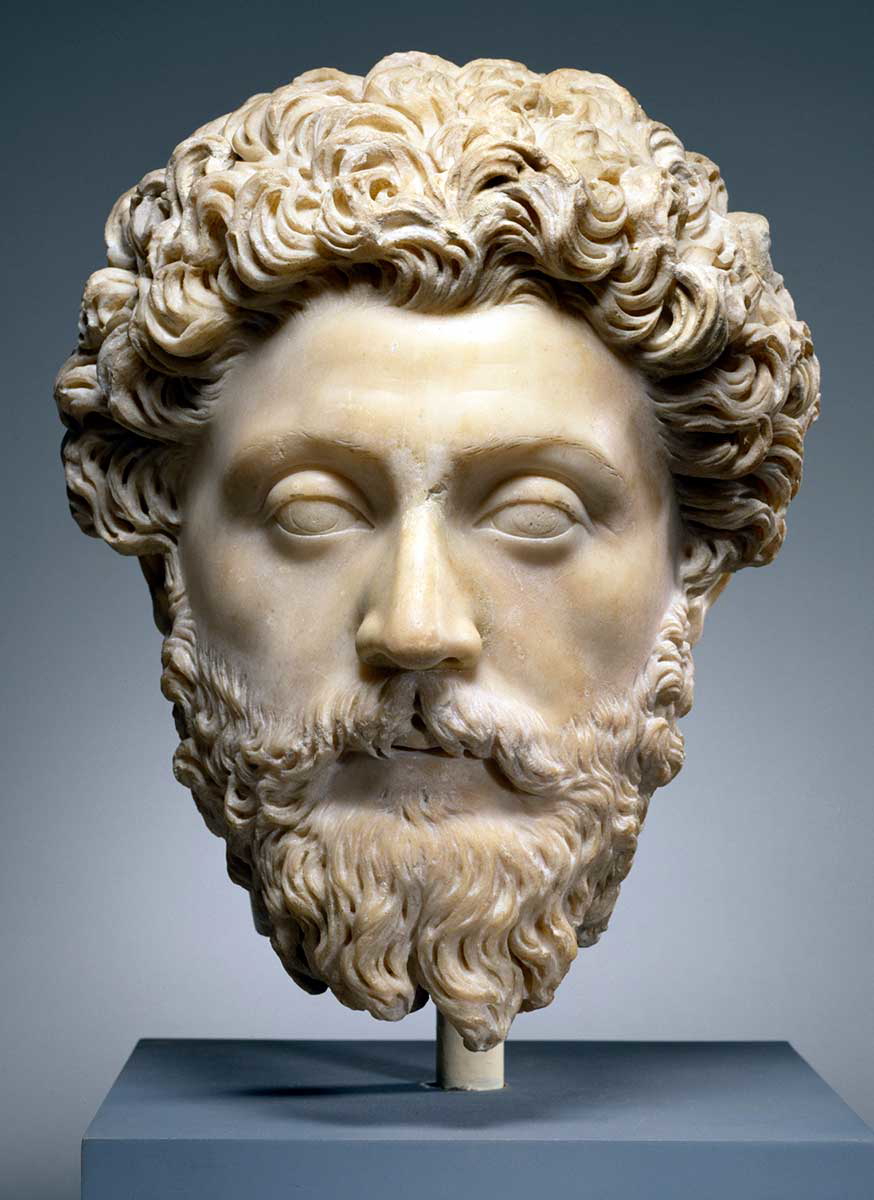
With a critical attitude, Sartre argues that Stoicism, despite its focus on “abstract freedom” and personal retreat, could be harnessed as a force that helps embrace an authentic way of living. Sartre’s early work was more forgiving towards Stoic doctrines, but later in his career, he decided that most of Stoic philosophy was an ideology of disengagement, passivity, and bad faith. The famous Stoic precept concerning the importance of distinguishing what does and does not depend on us is not entirely correct. What at first sight seems to be outside of our control, as the Stoics would preach, far from being an indifferent matter, may turn out to be something we must nonetheless engage and confront.
Deleuzian Neo-Stoicism: Experimental Techniques of the Self
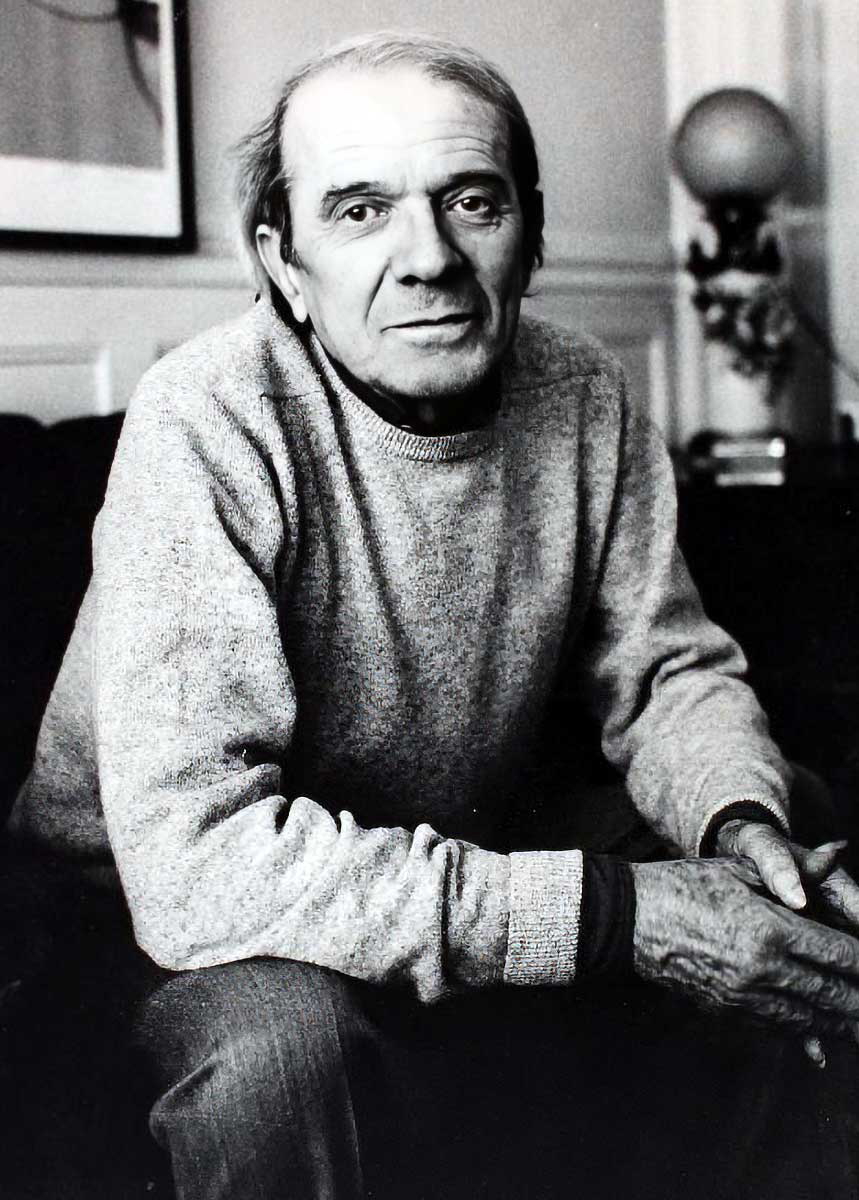
Gilles Deleuze builds a significant portion of his ontology on Stoic metaphysics. Deleuze was quite fond of Stoic ethics, and some scholars even believed that, according to Deleuze, the only worthy ethical position was the Stoic one. The materialistic attitude in Stoic philosophy allows Deleuze to formulate an “ethics without a morality,” that is, an ethical attitude towards life that is not based on dogma or any transcendent principles. A Deleuzian Neo-Stoic ethics is a pragmatism based on the immediate events and given experiences. Ethics is immanent to states of affairs.
Many scholars argue, however, that Deleuzian Stoicism is an “updated” Stoicism that is quite different from its original form. Deleuze is known for reading philosophers in a highly transformative way. Some argue that traditional philosophies, once interpreted in a Deleuzian fashion, bear little resemblance to themselves. Deleuze himself never denied this. His purpose was never to get to the “essence,” the inner core, or some fundamental meaning of a philosophical work, but to extract something new and interesting from it while adding life and vivacity to its ideas.
A concept is a brick. It can be used to build a courthouse of reason. Or it can be thrown through the window.
Gilles Deleuze
The Stoic conception of freedom, though apparently very limited, is nonetheless quite sophisticated in its practical applicability. One is only free to decide to dissent or assent to the impressions revealed by nature and consciousness. What is in our control is how we react to externals, not the externals themselves. The purpose of Stoic spiritual discipline is to achieve spiritual tranquility.
Deleuze modifies the Stoic attitude by adding an experimental component. Aside from helping the subject manage and control emotions, Deleuzian spiritual exercises allow her to intensify and increase their positive affectivity. Various techniques are therefore directed at de-centering the subject and discovering new, alternative ways of being and becoming.
Julia Kristeva: Language, Logic, and Stoic Therapy
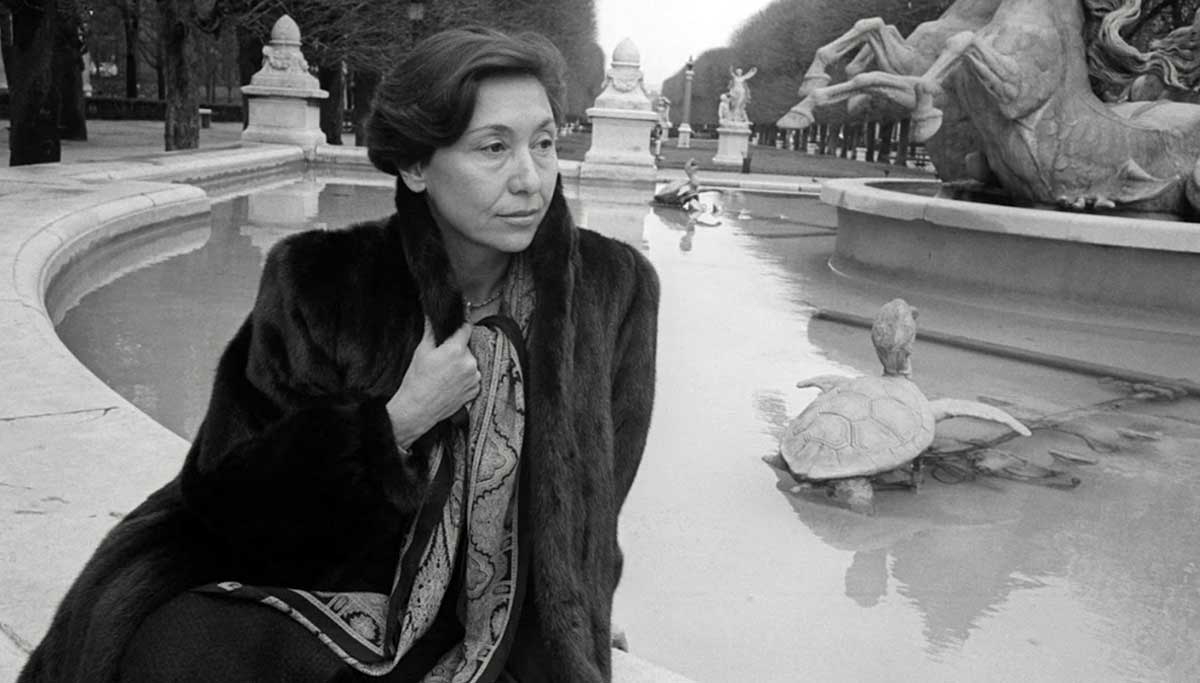
The psychoanalyst, writer, and cultural theorist Julia Kristeva offers a compelling analysis and critique of Stoic ethics. Kristeva focuses mainly on the Stoic philosophy of language to illustrate her position. According to Stoics, a word does not designate an object. The sign does not point to a referent. Rather, the written form, the sentence, is coordinated with impressions of the mind. The impressions we receive from objects are, in turn, labeled by both Deleuze and Kristeva as events. The subject can either assent to or dissent from the event, thereby practicing their freedom. Analogously, the written sign, in propositional form, can be used to perform logical analyses and deductions, arriving at truths that benefit the health of the soul.
Logic and psychology are thus deeply intertwined. To feel at ease, we must think clearly; to think clearly, we must act and theorize logically. The purpose is to achieve a favorable mental equilibrium that can reduce unnecessary rumination and anxiety. We can achieve this by separating what we cannot control from what we can, and instead of desiring events to happen, we must desire the events that actually happen.
Abjection is above all ambiguity. Because, while releasing a hold, it does not radically cut off the subject from what threatens it—on the contrary, abjection acknowledges it to be in perpetual danger.
Julia Kristeva
One must align oneself with the universal, deterministic causal network that originates from God and orchestrates all of nature. According to Stoic cosmology, by desiring the events that happen, one learns humility, resilience, and gratitude. One thinks and acts according to nature, remaining true to oneself in conformity with God’s will.
This is how the Stoic subject achieves freedom: not by stepping outside of the deterministic chain of events (which is impossible) but by consciously choosing the inevitable. Freedom is, therefore, achieved not by breaking through the series of causes and effects but by refusing to be dragged by fate in an unworthy manner.
Providence and Logos: Politics, Therapeutics, Stoicism
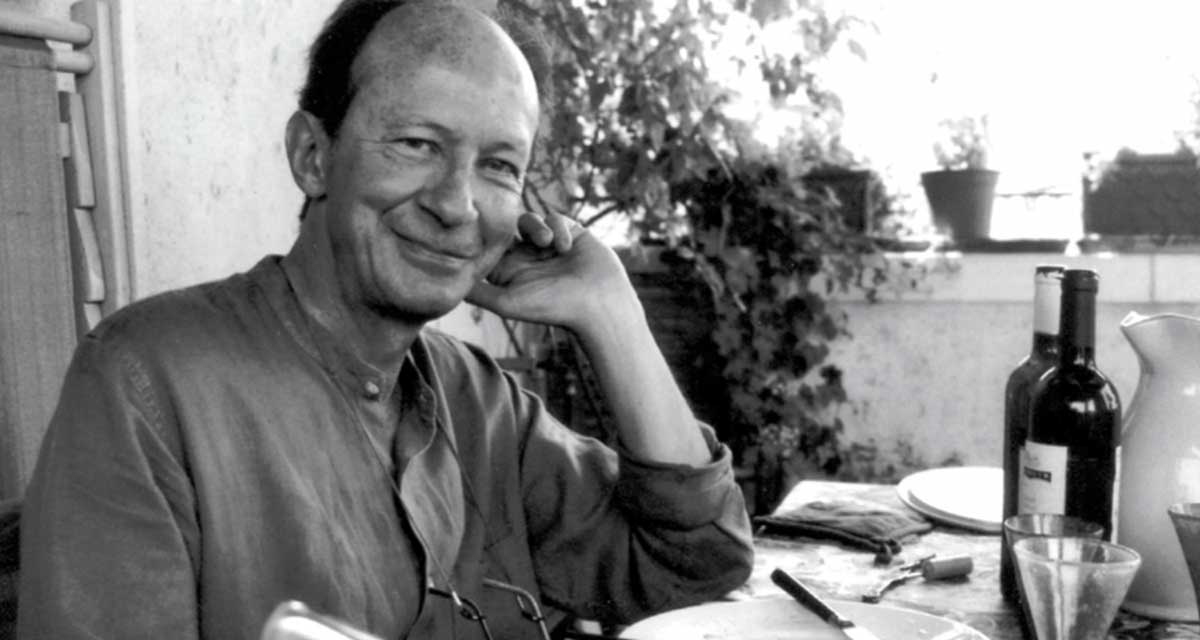
Inspired to a large extent by Foucault, the Italian philosopher Giorgio Agamben offers his own account of biopolitics and Stoicism, and of their historical relationship. Similar to Sartre and Kristeva, Agamben harbors his own ambivalence toward the Stoic ethical ideal. For Agamben, Stoicism has played an important role in reshaping the notion of sovereignty.
On the critical side, Agamben understands the Stoic theory of providence as an apparatus used to subjectify, or, in other words, to shape particular types of persons—specifically, governable individuals. Stoic ethics and cosmology come together as a mechanism of control, an ancient paradigm of governance.
Once again, the problem of language is brought to the forefront. The being of language, language itself, remains inexpressible for language. The unsayable of language is the existence of language itself. Language contemplated as a whole is an impossible, unsayable mystery. Attempting to address the enigma of language and its terrifying effects, Agamben turns to Stoicism.
To believe that will has power over potentiality, that the passage to actuality is the result of a decision that puts an end to the ambiguity of potentiality (which is always potentiality to do and not to do) — this is the perpetual illusion of morality.
Giorgio Agamben
The overwhelming mystery of language and our strange tendency to be unconsciously aware of its uncanny limits are, according to many thinkers (Wittgenstein, Heidegger, Agamben, etc.), what tends to trigger our anxiety. It is the logos, in all its humbling grandiosity, that forces the emergence of the passions. The excess of language points to the excess of life and its natural limit: Death. Stoicism offers various spiritual exercises to become aware of the mind’s irrational tendency to grasp language and the world as a whole.
Stoicism uses language itself as a corrective for language. This is the therapeutic function. Keep the mind within its natural limits and prevent it from assenting to the passions, the irrational emotions caused by the very existence, and the instinctual tendency to comprehend this very existence of language itself.
Pierre Hadot: Stoicism as a Way of Life
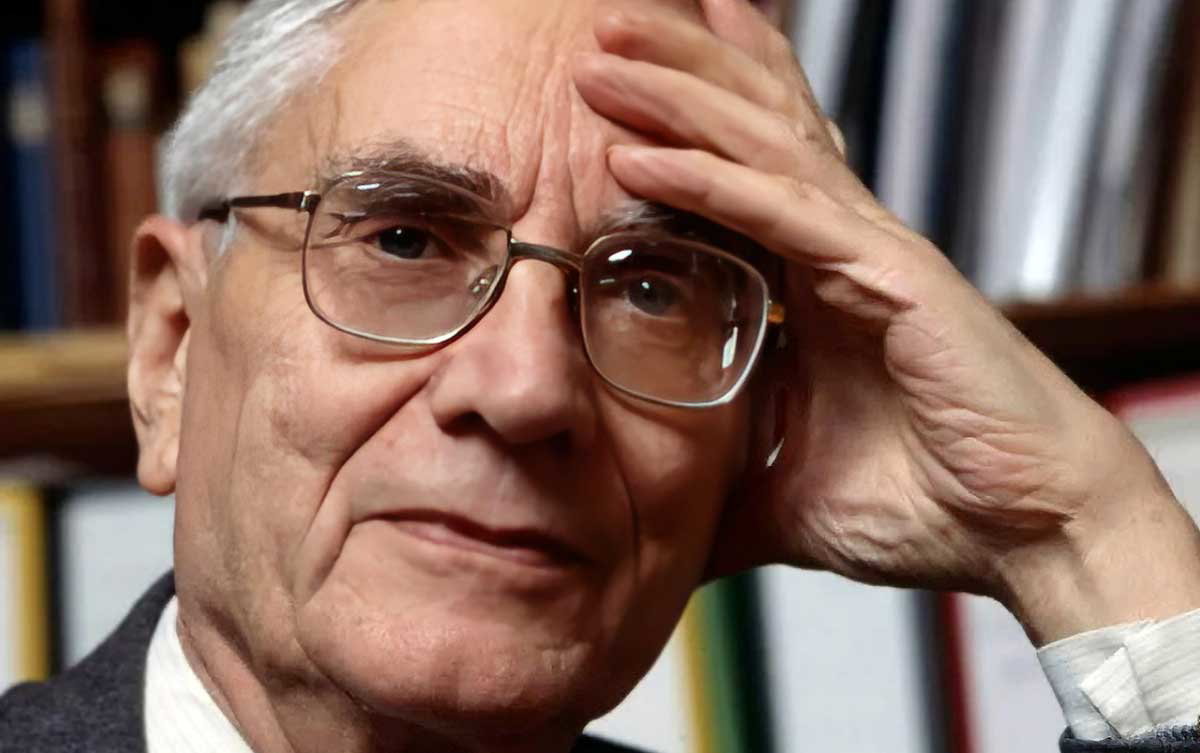
Pierre Hadot is a widely acclaimed scholar of ancient philosophy. He is often mentioned alongside Michel Foucault due to his interest in ancient philosophy as a concrete, practical lifestyle. Both Hadot and Foucault were engaged in the study of spiritual exercises or techniques of the self, especially as they pertained to ancient Stoicism. Stoicism as a way of life is, therefore, one of the main projects that Hadot dedicated his entire life to.
Another point in common among Foucault, Hadot, and, in some sense, Deleuze was a way of reading philosophical texts (ancient or otherwise) that entailed a radical, existential internalization of their principles. Both Hadot and Foucault aimed at bringing out an experience from a philosophical work. They sought to show how one could revive a philosophical system, not just as a system, an empty formalism, or a mere theoretical construction, but to show how one could live the philosophy in question.
For us, nature’s final accomplishment is contemplation, becoming aware, and a way of living in harmony with nature.
Pierre Hadot
Like Agamben, Hadot was deeply influenced by the “later Wittgenstein” of the Philosophical Investigations, who focused on the pragmatic aspect of language. Language as a form of life takes predominance over language as a logical system. Hadot’s idea of spiritual exercises was, in this sense, heavily influenced by Wittgenstein’s concept of language-games.
Hadot offers an incredibly original reading of ancient philosophy by seeking to revive and reconstruct the material and pragmatic conditions of life that allowed for its emergence. Unlike traditional academic analyses, Hadot offers the reader a spiritual and transformative experience, enabling one to train oneself to live and act (more or less) like a Stoic. Many branches of modern psychology, like CBT, are, in fact, based on similar contemporary interpretations of ancient Stoic practices.