Life in Europe in the first half of the twentieth century was unstable. With wars, economic crises, and a pandemic, it was hard not to feel that humanity was facing one “existential crisis” after another. One philosophical response to this historical context was existentialism, though philosophers approached the idea in different ways. Jean-Paul Sartre and Albert Camus were both existentialists. They began as friends examining similar inquiries, but they would eventually be led to different philosophical positions, which broke their friendship.
Sartre and Camus: Similarities and Differences
| Jean-Paul Sartre | Albert Camus | |
| Philosophical Label | Embraced Existentialism | Preferred Philosophy of the Absurd |
| View on God | Hardline Atheist: religion is an antagonist to freedom | Atheist, but less antagonistic toward religion |
| The Human Condition | Defined by Nothingness (the gap between consciousness and objects) | Defined by Absurdity (the conflict between human longing and a silent world) |
| Core Mantra | “Existence precedes essence” | “One must imagine Sisyphus happy” |
| Political Ideology | Marxist/Communist; believed in collective revolution to reach a utopian future. | Social Reformist; focused on the present, non-violence, and open dialogue |
| View on Violence | Accepted it as a “necessary” tool for the liberation of the working class | Rejected it; argued that revolution often leads to Terror |
| The Soviet Union | Defended it as the “only hope” for the proletariat, despite its flaws | Scathingly criticized its government and the Gulags in The Rebel |
| Algerian War | Supported the rebels (FLN) and their use of violent uprising | Opposed both colonialism and terrorism; sought a peaceful, pluralistic solution |
What Is Existentialism?
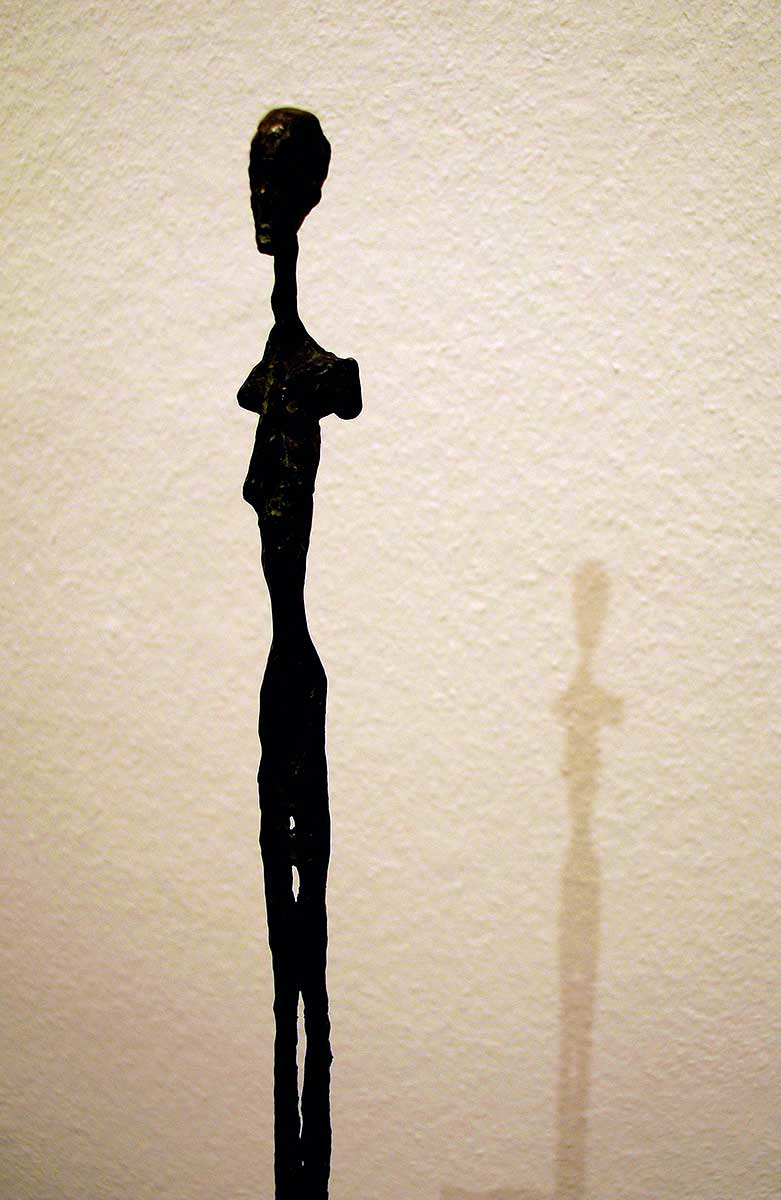
Existentialism is best understood not as a philosophical movement or tradition per se. It is rather a group of thinkers approaching shared inquiries, particularly about human existence.
While related inquiries existed in ancient Stoicism, existentialism was principally a response to the turbulence of the 19th and 20th centuries. The rise of existentialism is usually dated to the beginning of the 19th century with Søren Kierkegaard and Friedrich Nietzsche. It reached its peak in the first half of the 20th century, characterized by global war and the rise of communism.
Who Was Jean-Paul Sartre?
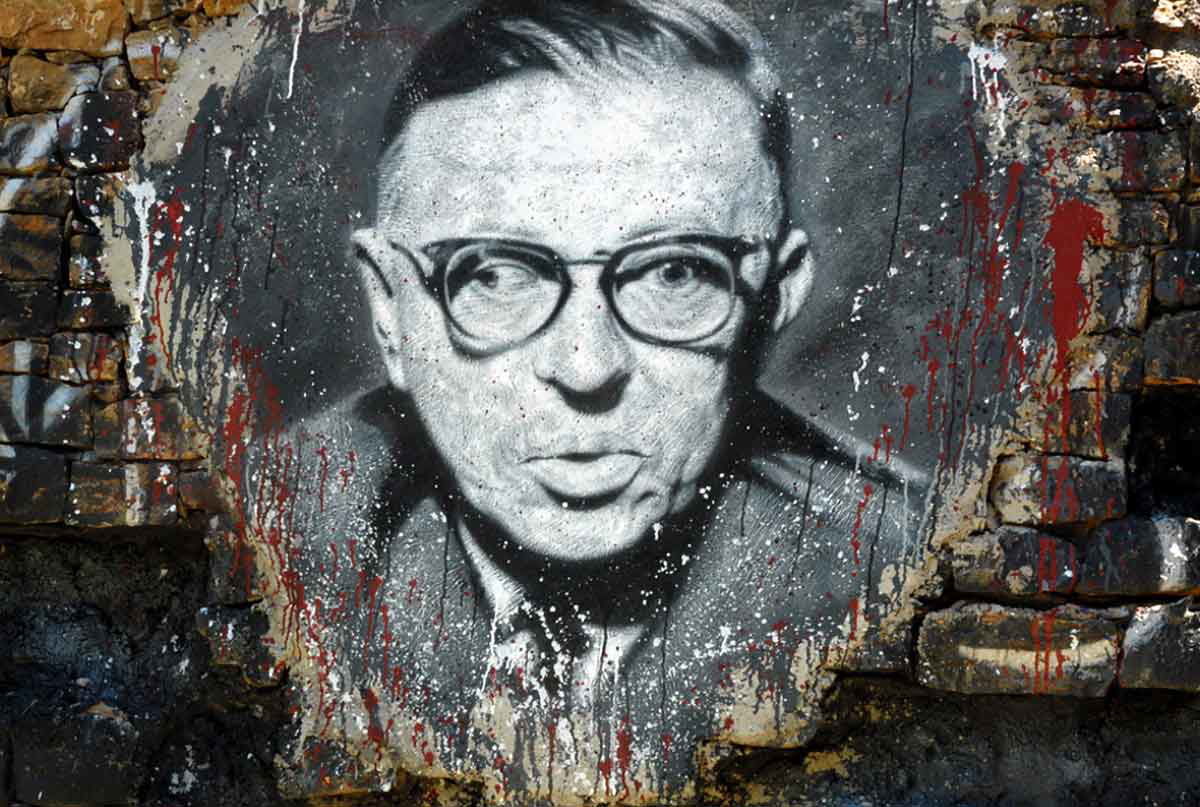
Jean-Paul Sartre was born in Paris in 1905. He described his childhood as “suffocating.” Sartre spent a lot of time at home, raised by his mother and grandparents following his father’s death, and often alone with his books.
He went on to study philosophy, receiving his degree from the prestigious École Normale Supérieure in Paris. Sartre also studied in Germany, where he discovered the phenomenology of Husserl and Heidegger, which had a big impact on his subsequent philosophy.
During World War II, Sartre was captured by the Germans, which further exposed him to Heidegger. Upon his return to Paris, he eventually joined the resistance movement. This is when he first met Albert Camus, with whom he initially shared political ideals.
Who Was Albert Camus?
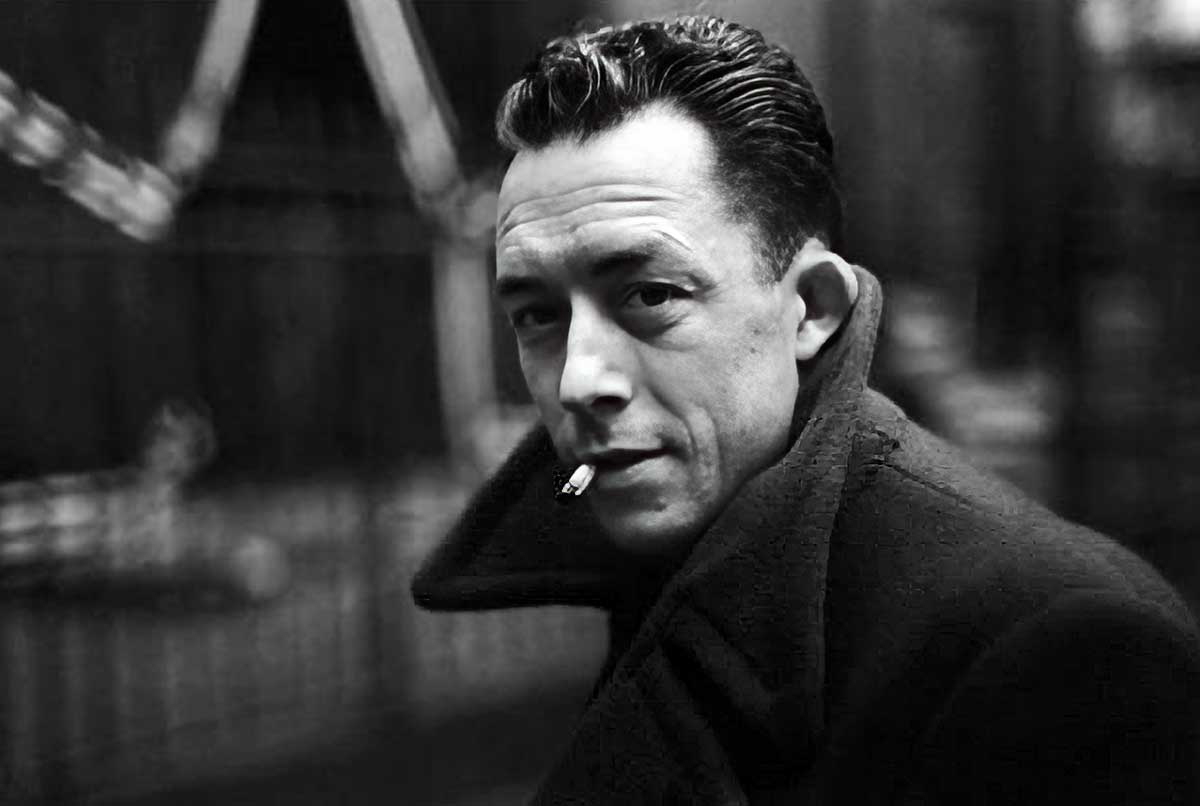
Albert Camus was born in Algeria in 1913. Growing up in French-occupied Algeria was a very different experience for Camus from Sartre’s life in France. He was also from a poor working-class family, in contrast to Sartre’s middle-class lifestyle. However, they were both raised by their mothers and grandmothers following the deaths of their fathers.
While he had visited France several times, he moved there permanently in 1940. He joined the resistance in 1943 and became the editor-in-chief of their newspaper, Combat, writing under a pseudonym. In August 1944, they published openly for the first time with a front-page editorial by Camus.
The pair met in 1943 when Camus introduced himself while attending a production of one of Sartre’s plays. The same year, Sartre published a glowing review of Camus’ book The Stranger. The two were then inseparable for several years.
Similarities Between Sartre and Camus
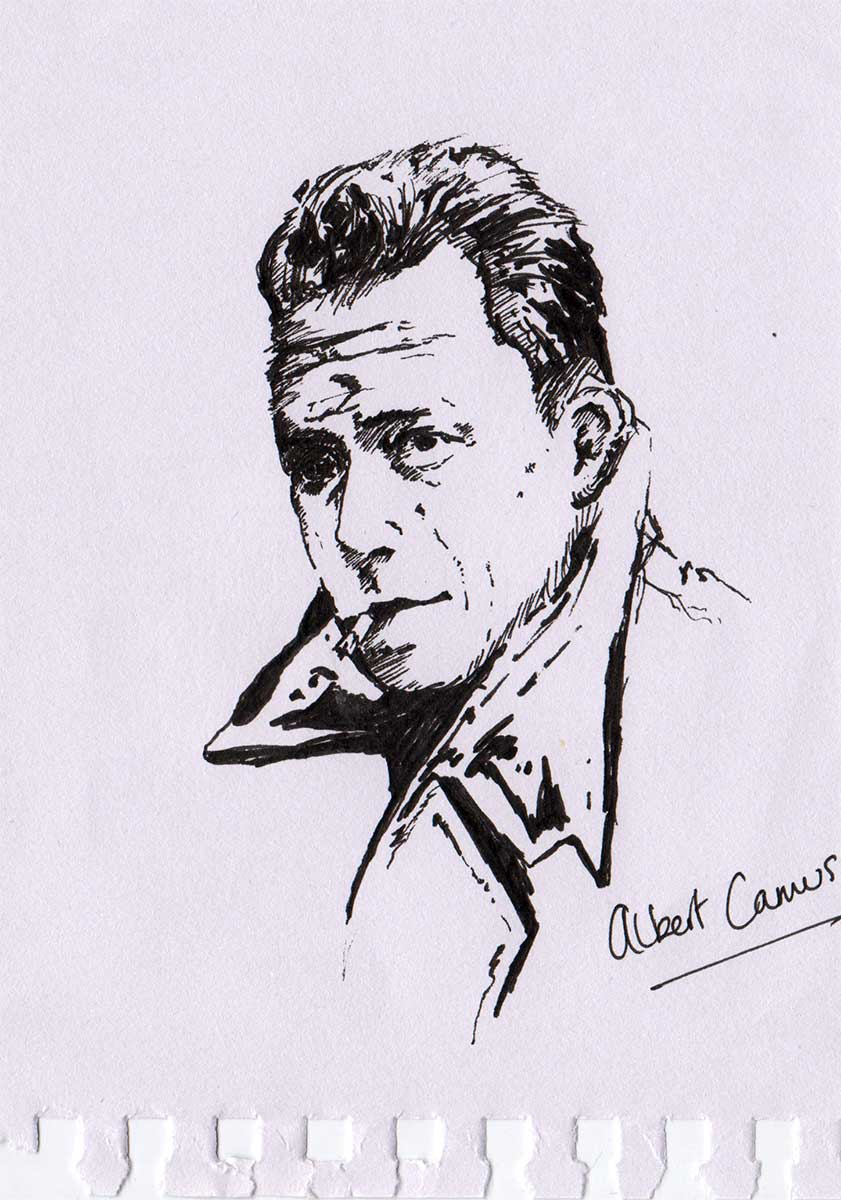
As with the others labeled “existentialists,” Sartre and Camus were concerned with the lived situation of human beings. However, Camus would focus on why life is absurd; thus, some consider his philosophy a “philosophy of the absurd” rather than “existentialism.”
Atheism, Absurdity, and Nothingness
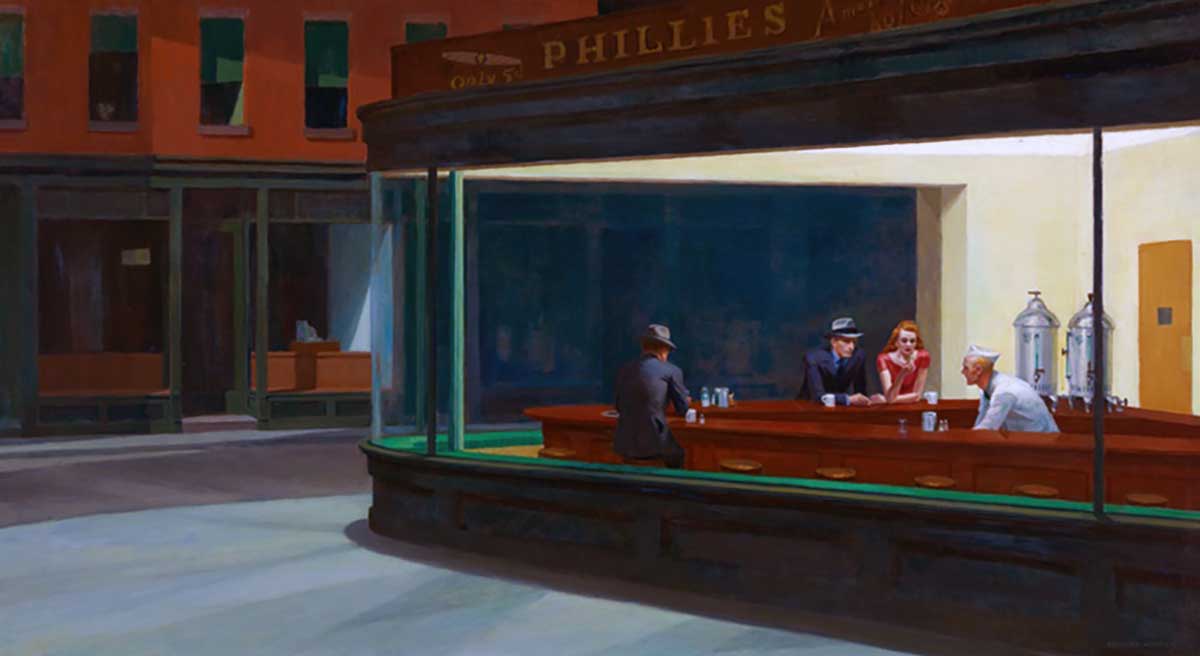
Both Sartre and Camus were atheists, which was an important foundation for their subsequent views. Both agreed that this gave human beings radical freedom. However, Camus was not nearly as antagonistic toward religion as Sartre.
They both shared a relational view of human existence; that is, our existence is fundamentally lived through our relations with others. This can lead to a feeling of self-alienation that can be highly problematic. But they differed on what the results of this were. Sartre argued that this is how human beings understand “nothingness,” whereas for Camus, it is how humans introduce absurdity into the world.
For Sartre, “nothingness” is the gap introduced by our subjective consciousness to the objects in the world. This is what makes us radically free because it opens a world of possibilities for seeing this distinction between the subjective and the objective. Our consciousness introduces nothingness into the world via the realization of possibilities because it is how we can see that there are things in the world and things that are not yet possible, but could be in the future. This is also manifested in how we relate to others; we see others as objects because we cannot directly experience their subjectivity, but we assume that they, too, have this subjectivity that introduces nothingness, possibility, and thus radical freedom into their lived situation.
For Camus, rather than nothingness, he argues that humans bring absurdity into the world when open to these possibilities. When human beings confront the world without any God to provide a deterministic reasoning and path, all that we are left with is a reality of the absurd. Life has no origins as a gift from divinity and, thus, is empty. It seems meaningless as there is no real point to anything we do, so to go on living is essentially “absurd.” We relate to the world and others via this absurdity.
Liberation Through Pessimism
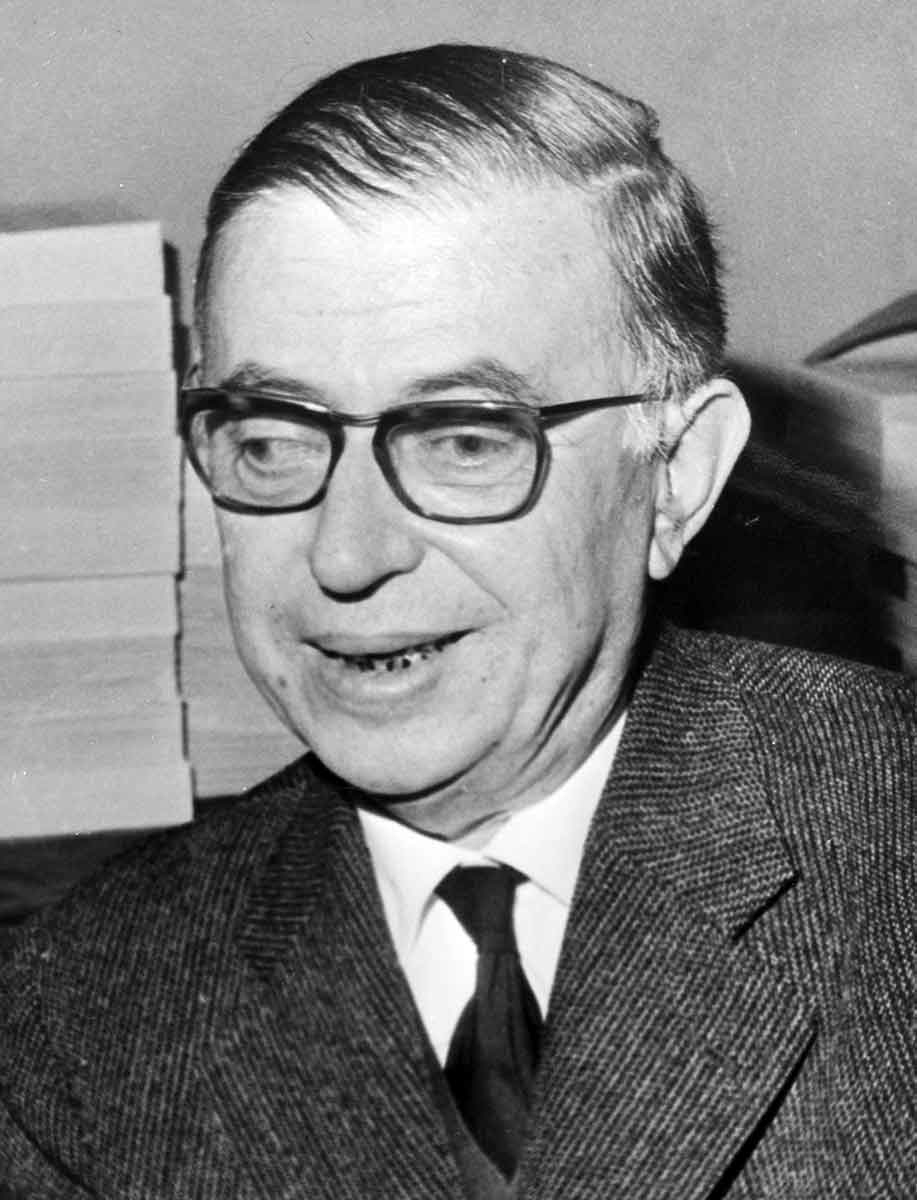
While these views may both initially sound pessimistic, they are ultimately both meant to be liberating through their shared emphasis on radical freedom. There is no fixed essence to what it means to be human, and we are ultimately each free to create whatever kind of meaning and thus life we want. “Existence precedes essence,” Sartre famously declared.
For Camus, despite the absurdity of our human existence, there is also something very fulfilling about living with that reality. According to myth, Sisyphus was punished to eternally roll a boulder up a hill, only for it to fall back down for him to start all over. Camus argues that he still finds something meaningful in the way that he accepts his life as it is lived.
Differences Between Sartre and Camus
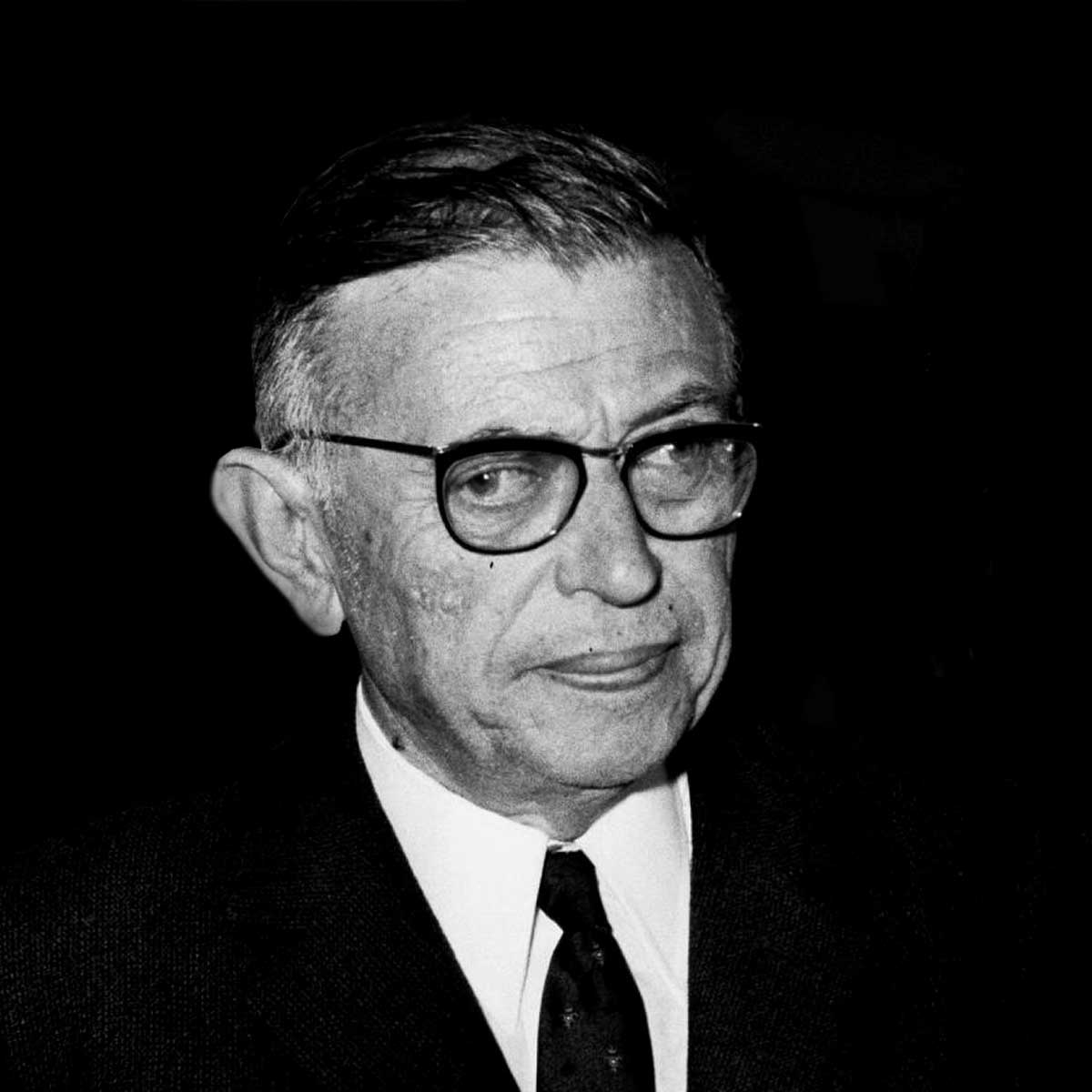
While Sartre permitted the label “existentialist,” Camus did not; his was more categorized as a “philosophy of the absurd.” But while they could accept different philosophical views, the relationship was challenged by opposing political views.
In his publication, The Rebel, Camus explored the idea that we should focus on the present and emphasize non-violence and open dialogue, rather than focus on some utopian future, as advocated for by Sartre. As a communist, Sartre sought to combine existentialism and Marxism, which he did not see as deterministic, but rather as the communal lived situation of humans at the time.
However, Sartre understood humans to be radically free, which conflicts with the Marxist teleological vision of a determined future. He shared the Marxist view that individuals were being stifled and suffocated; society limited their natural, complete freedom. As a group, then, capitalism results in “us” and “them” as oppressed “objects” and oppressing “subjects,” respectively. However, as we are truly free, we can also come together as a group to revolt against this and liberate collectively. “Nobody is free unless all are free,” Sartre declared.
Friendship Lost: Intellectual Divorce of the Golden Couple
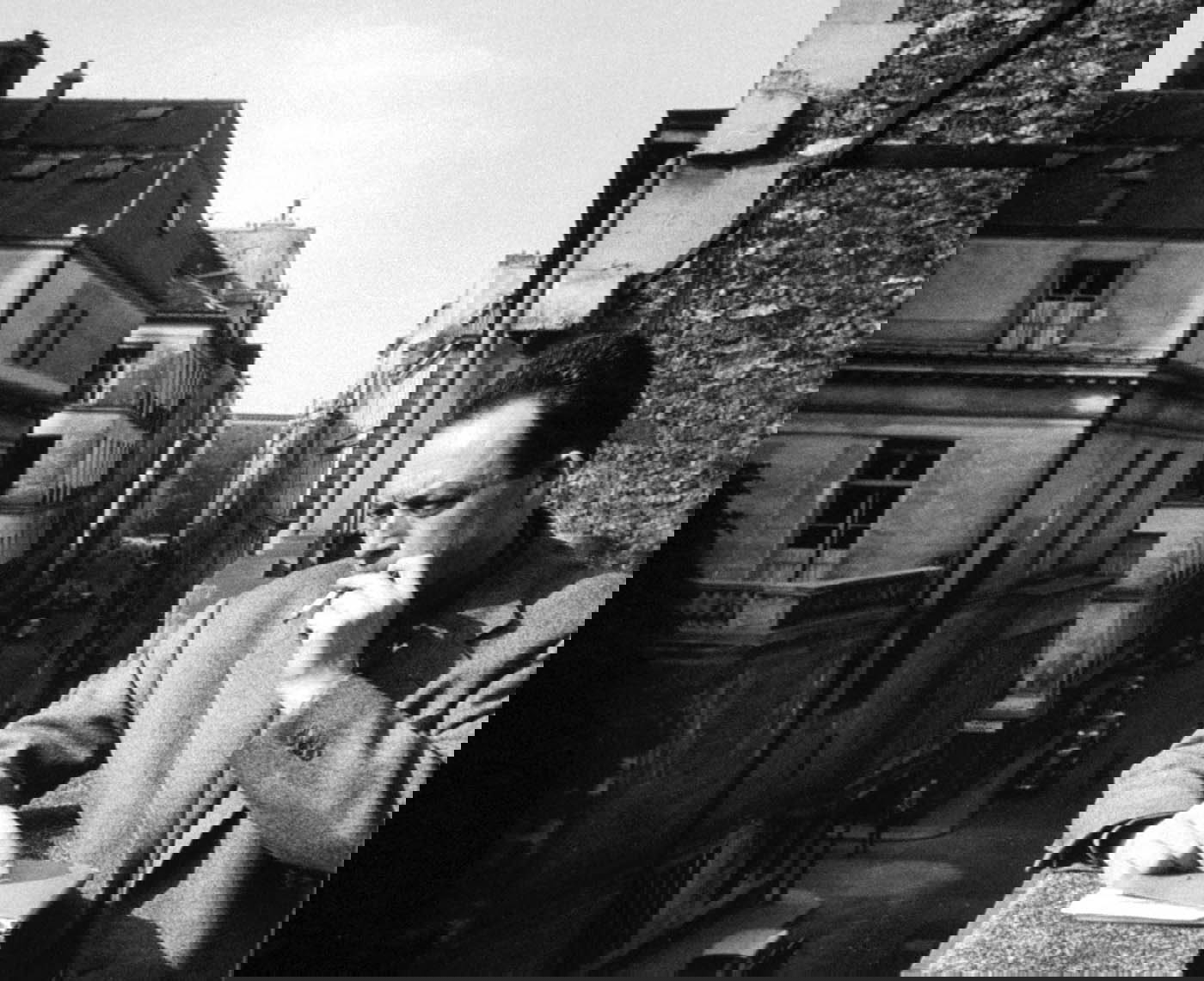
In The Rebel, Camus argued that revolution leads to terror and specifically criticized the Soviet Union’s communist government.
The revolution of the twentieth century believes that it can avoid melancholy by substituting for it the concept of historical necessity. But it only succeeds in creating a new form of slavery. Every revolutionary ends by becoming either an oppressor or a heretic.
The Rebel, Albert Camus, 1951
At the time, Sartre believed that, despite its flaws, the Soviet Union was the only hope for the working class. So, in response to The Rebel being published in 1951, he had a young subordinate at his magazine, Les Temps Modernes, write a scathing, condescending review of the book in 1952.
Humiliated, Camus wrote a 17-page open letter to “The Editor,” pointedly refusing to address Sartre by name, calling him “Monsieur le Directeur.” Sartre then replied with a brutal, 20-page public response that began with: “My dear Camus, our friendship was not an easy one, but I shall regret it.” He accused Camus of being unwilling to get his hands dirty in improving the world, stating: “You are only half-alive.”
You blame the European proletariat for not having publicly shouted its disapproval of the Soviet repressions, but you also blame the governments of Europe for their colonialist crimes. Where then is your place? Are you with the oppressed, or are you simply a spectator of the struggle, judging both sides from the safety of the shore? To be ‘moral’ in your sense is finally to be nothing. You are only half-alive.
Open Letter to Albert Camus, Jean-Paul Sartre, 1952
Then, just a few years later, in 1954, the Algerian War of Independence broke out. Sartre supported the Algerian rebels and their use of violence to overthrow colonial rule. Camus, while opposing colonial rule, did not support terrorism or the killing of innocent people in the pursuit of freedom. Notably, Camus’ mother lived in Algiers during the war. Sartre criticized Camus as a coward, and Camus criticized Sartre as a “coffee house revolutionary” who had no real stake in the outcome of events.
Afterlife of a Philosophical Friendship
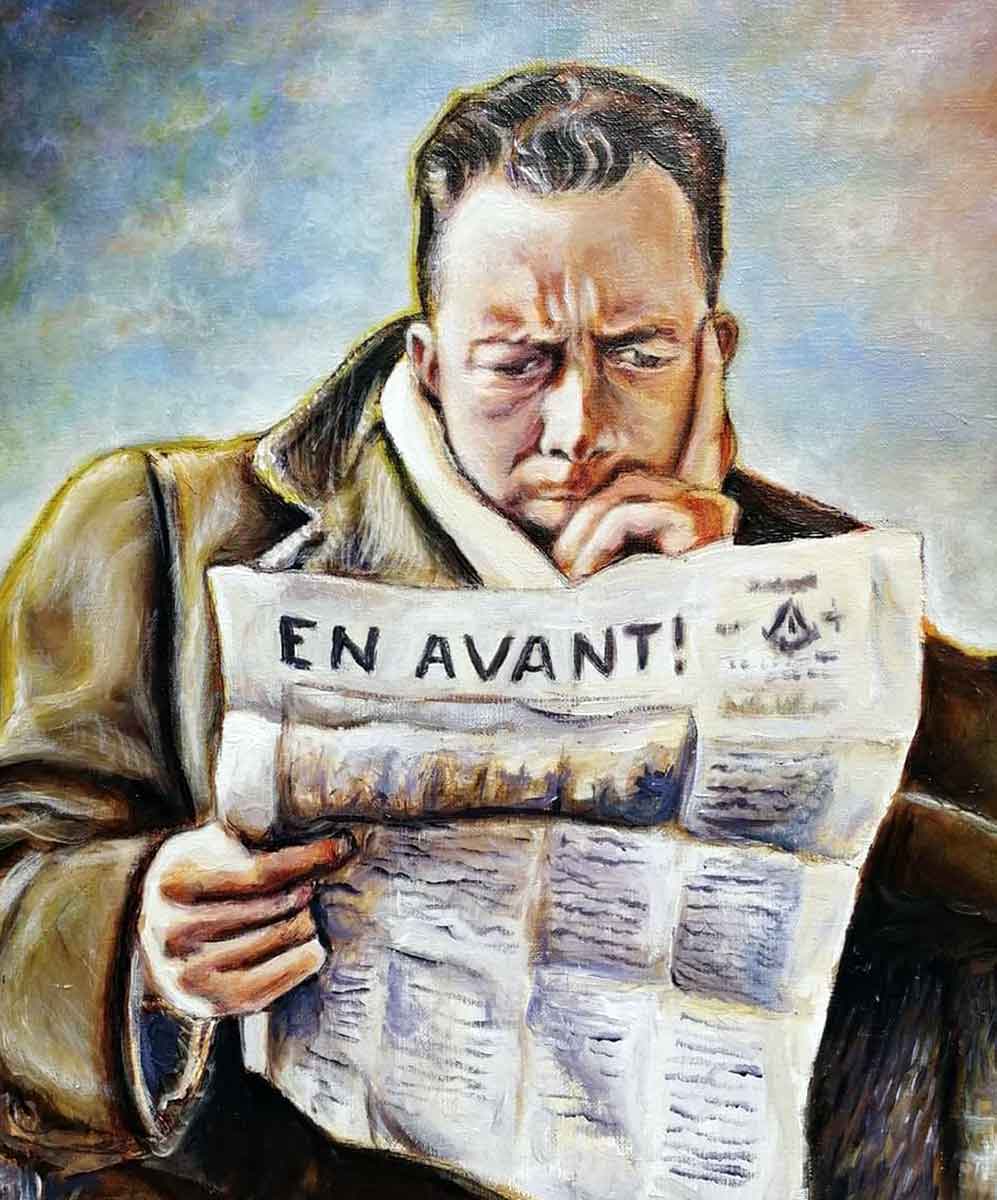
There was still a rift between the two men when Camus died suddenly in a car accident in 1960. In his tribute, Sartre acknowledged that Camus was the stubborn moral center of their generation. Nevertheless, Sartre adopted increasingly radical ideas in the years that followed.
He represented in our time the latest heir of that line of moralists whose works constitute perhaps the most original element in French letters. His stubborn humanism, narrow and pure, austere and sensual, waged an uncertain war against the massive and formless movements of our time.
Eulogy of Camus, Jean-Paul Sartre, 1960
Camus accepted the Nobel Prize for Literature in 1957 and was the youngest French writer to receive the honor. When Sartre was awarded the Nobel Prize for Literature in 1964, he refused it, saying he did not want to “be an institution.” When Sartre died in 1980, over 50,000 people attended his funeral procession.
A general critique of existentialism is that it is unanalytic and too focused on emotions and the darker side of the human experience. However, the existentialists were reacting against the modern condition that they saw as relying too heavily on science, arguing instead that science cannot fully understand the human experience. Science, they argued, dehumanized our lived situation by turning us into objects, which the existentialists wanted to overturn.