
Carl Jung is sometimes considered one of the greatest 20th-century psychologists, but he was also a philosopher of the mind. As we read him, we enter a dream universe where symbols and hidden realities about ourselves are found. However, at times, his theory can sound complex. Terms like “the collective unconscious” and “archetypes” sound exciting but can have us scratching our heads in bewilderment. That’s when books of illustrations of Jung’s work can become a big asset. Let’s have a look at his famous books with illustrations!
The Power of Pictures in Learning About Jungian Psychology
Carl Jung’s work is full of symbolism. In describing both the Persona (the face we present to the world) and the Shadow (the parts of ourselves that we keep hidden), Jung wrote that each of us possesses a supporting cast in our psyche. Concepts such as these can become murky when simply discussed in terms of words alone. That’s why having an accompanying picture can make such a big impact.
Imagine someone describing a mandala in terms, perhaps with squares, circles, and geometric forms and with a focal point emphasized. Gazing at an actual mandala, rich in colors and harmonious arrangement, communicates the message at a glance. We understand the sensation of wholeness and direction that Jung deemed most important.
In a similar way, “Shadow” can best be conveyed with a simple picture: a silhouette in a spotlight with a shadow in the background nearby. As soon as we see it, we comprehend it.
Psychologists often say that humans learn best with pictures. That’s why textbooks in most subjects include photographs and diagrams. Jung, with such a curiosity about the unconscious, appreciated the value of the pictorial. In fact, even painted and sketched in detail in his books himself.
These weren’t doodlings but attempts to grasp and explore inner life. By fusing pictures and words, he gave access to the innermost corners of our minds. For modern readers, that device is no less convincing and perhaps even more convincing.
Notable Illustrated Editions of Carl Jung’s Work
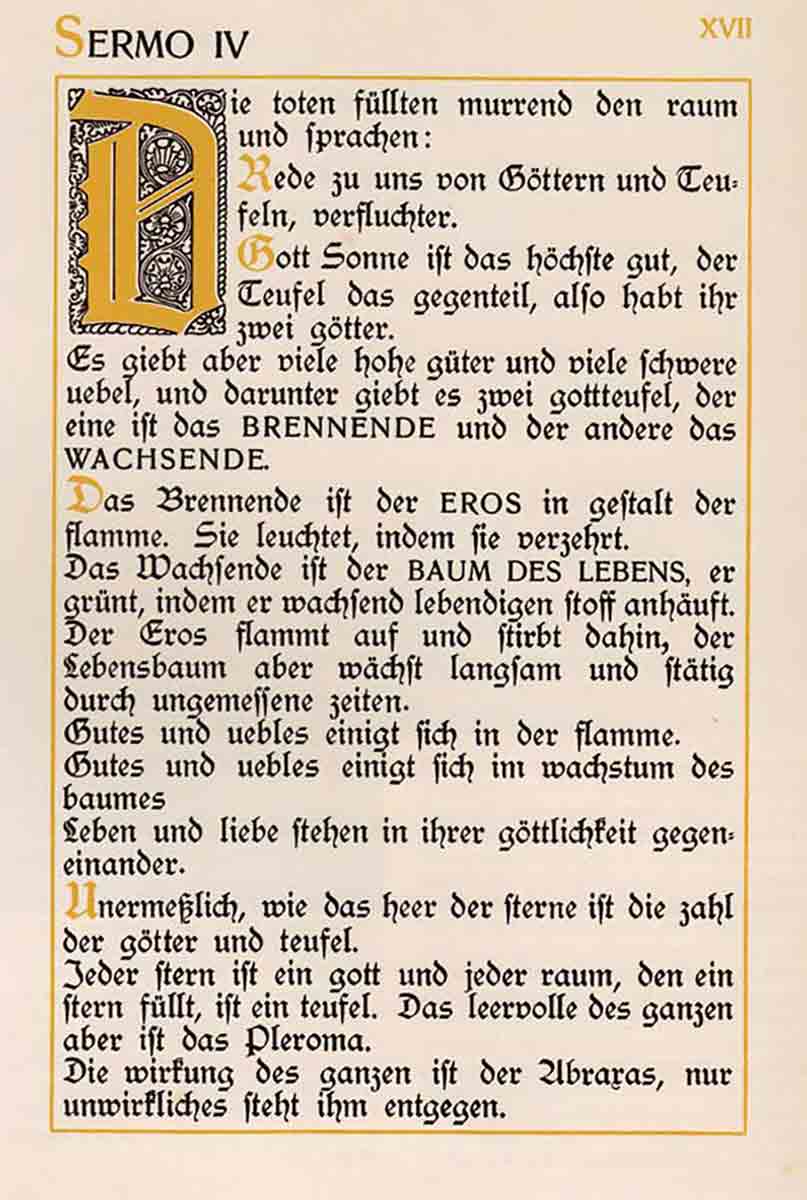
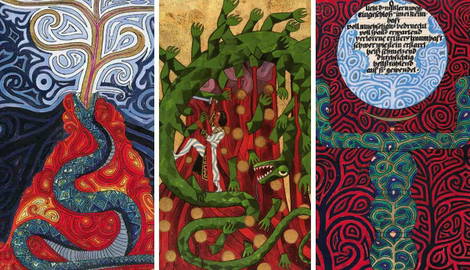
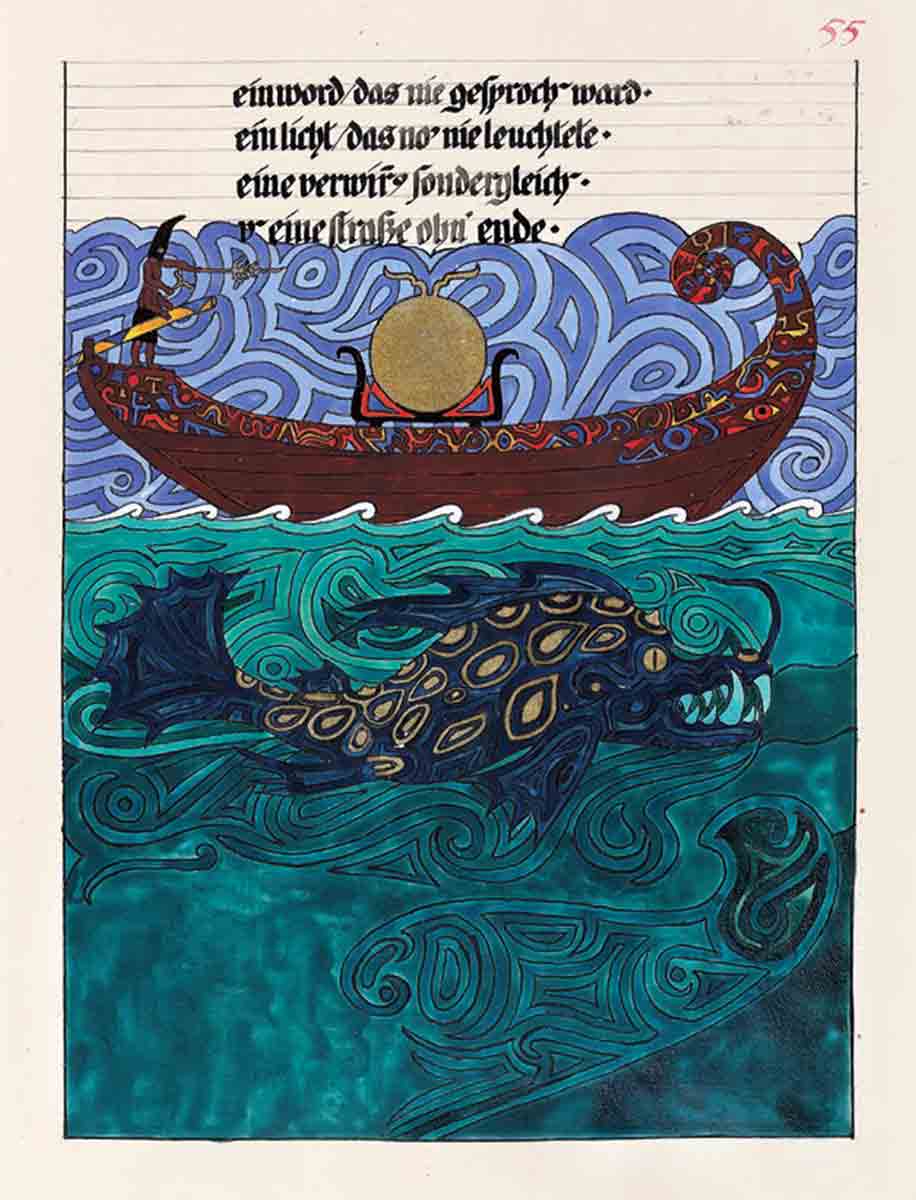
If you’d prefer to see Jung’s thinking in living form on a page, a range of illustrated books are worth reading. The most famous, perhaps, is The Red Book. It’s not a book but a work of art. Jung took years over it, filling its pages with careful handwritten script and rich illustrations.
Much of the artwork consists of dreamlike forms—spirals, animals, and symbolic characters, foreshadowing deeper psychological realities. As soon as you lay eyes on The Red Book, you’ll have a feeling of opening a medieval codex. Its rich, ornamented pages and arcane symbols make you slow down and marvel.
Another accessible illustrated book by Jung is Man and His Symbols. It was constructed with the intention of opening Jung’s work to a general populace.
It’s full of illustrations, examples, and pictures that break down such abstractions as archetypes, the collective unconscious, and dream meaning. Man and His Symbols is one book that many say helped them at long last “understand” what Jung was saying.
There are even photograph and sketchbook editions of Jung’s autobiographical work, Memories, Dreams, Reflections. While these won’t be rich in illustrations such as The Red Book, they nevertheless introduce a glimpse of Jung’s life and atmosphere.
There are photos of his renowned tower at Bollingen, where most of his inner work happened. Overall, these additions to the book make for a richer reading experience. They draw us deeper into Jung’s universe so that we can almost feel his thinking, not merely read about it.
How Illustrations Bring Jung’s Archetypes to Life
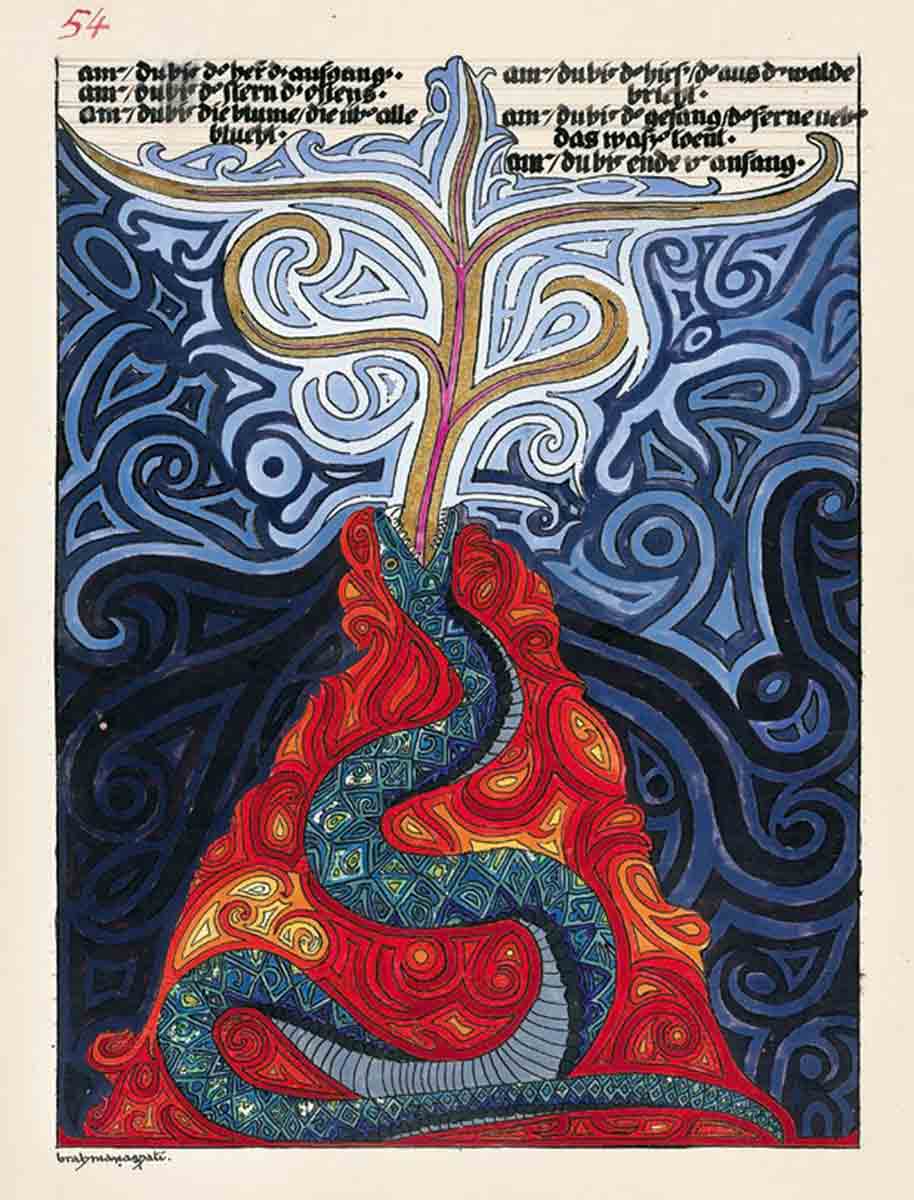
Jung’s concept of archetypes forms the nucleus of his work in psychology. There are motifs and characters in our shared unconscious, shared with all humanity, according to him.
Everywhere in the world, in mythology, in dream, and in legend, these archetypes appear and shape our imagination. Definitions of archetypes such as the Hero, Wise Old Man, Maiden, and Trickster can become abstract and academic in form when verbal alone. That’s when illustrations become relevant.
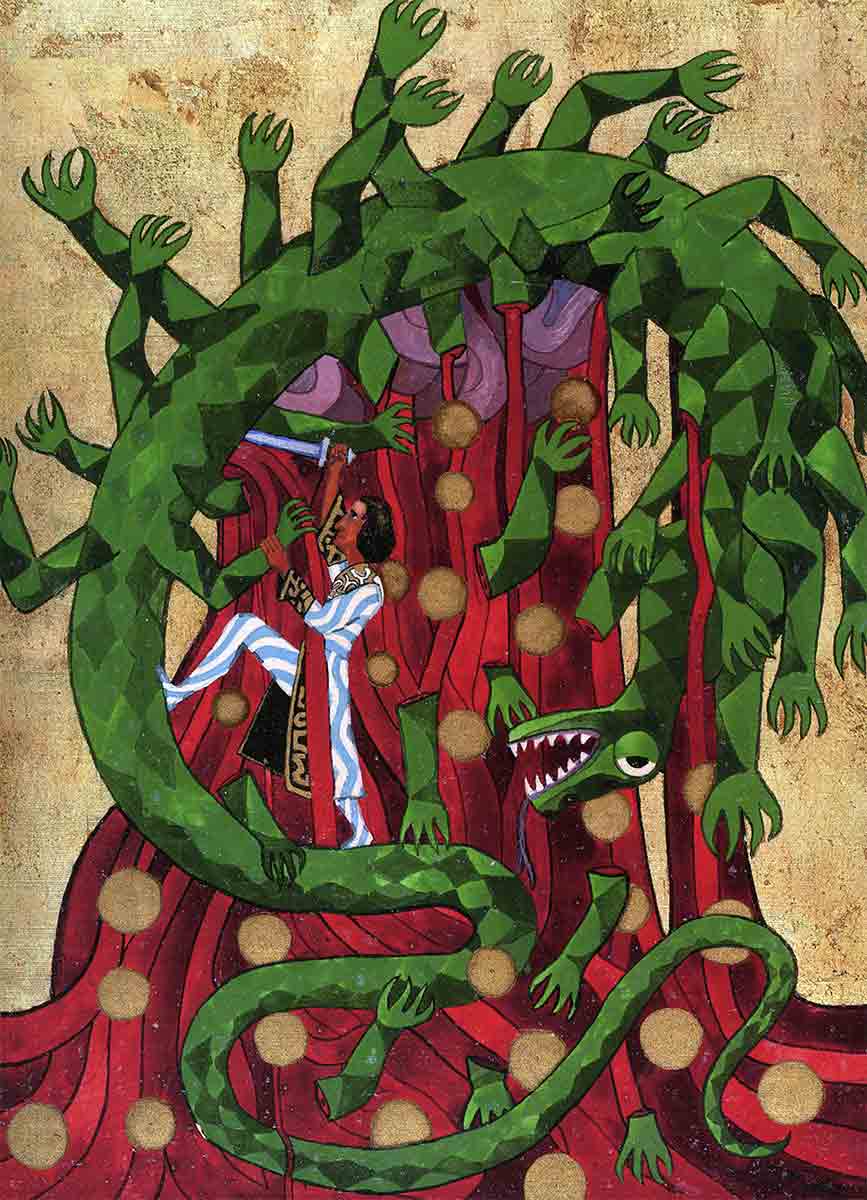
Take the Hero, for instance. We can sit through page after page of heroism, travail, and triumph. But one photograph of a valiant youth looking down at a dragon tells us in one shot the emotional connotation of that archetype. We can see tension, bravery, and terror.
And with the Wise Old Man in a similar manner. With a photograph of a white-bearded advisor offering guidance, we attach the concept to a concrete form, not paragraphs in abstraction.
Many illustrated books of Jung’s writings include paintings drawn from cultural legend and mythology, as well. In them, it’s clear that archetypes are not dusty psychological abstractions but living, real entities that appear in all forms of tales, movies, and an individual’s dream life.
You can find them in European fairy tales, in Asian epics, in African tribal lore, and even in superheroes in contemporary cinema. By reading them, we become even more attuned to how omnipresent these motifs become. Perhaps, too, we see our own innermost battles, wishes, or fears reflected back at us in living colors.
The Influence of Jung’s Own Drawings and Mandalas
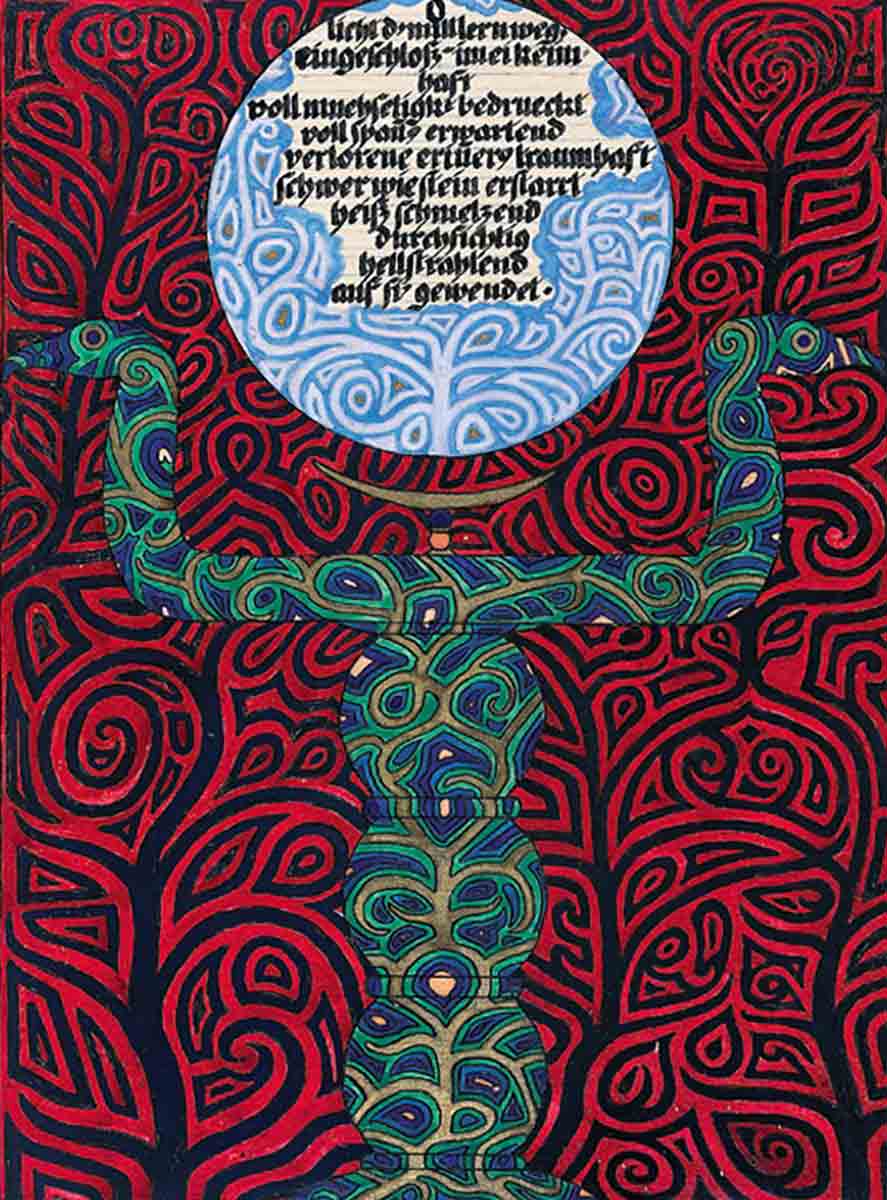
One of the most intriguing things about Carl Jung is that he not only wrote about the psyche but also painted and sketched it. In The Red Book, you can see full-page, rich illustrations that Jung created in working out his inner life.
What one sees in them is dreamlike, almost visionary in its character. There are surrealistic animals, dreamlike landscapes, and geometric shapes, and one sees a glimpse of Jung’s inner life in both an intimate and profound way.
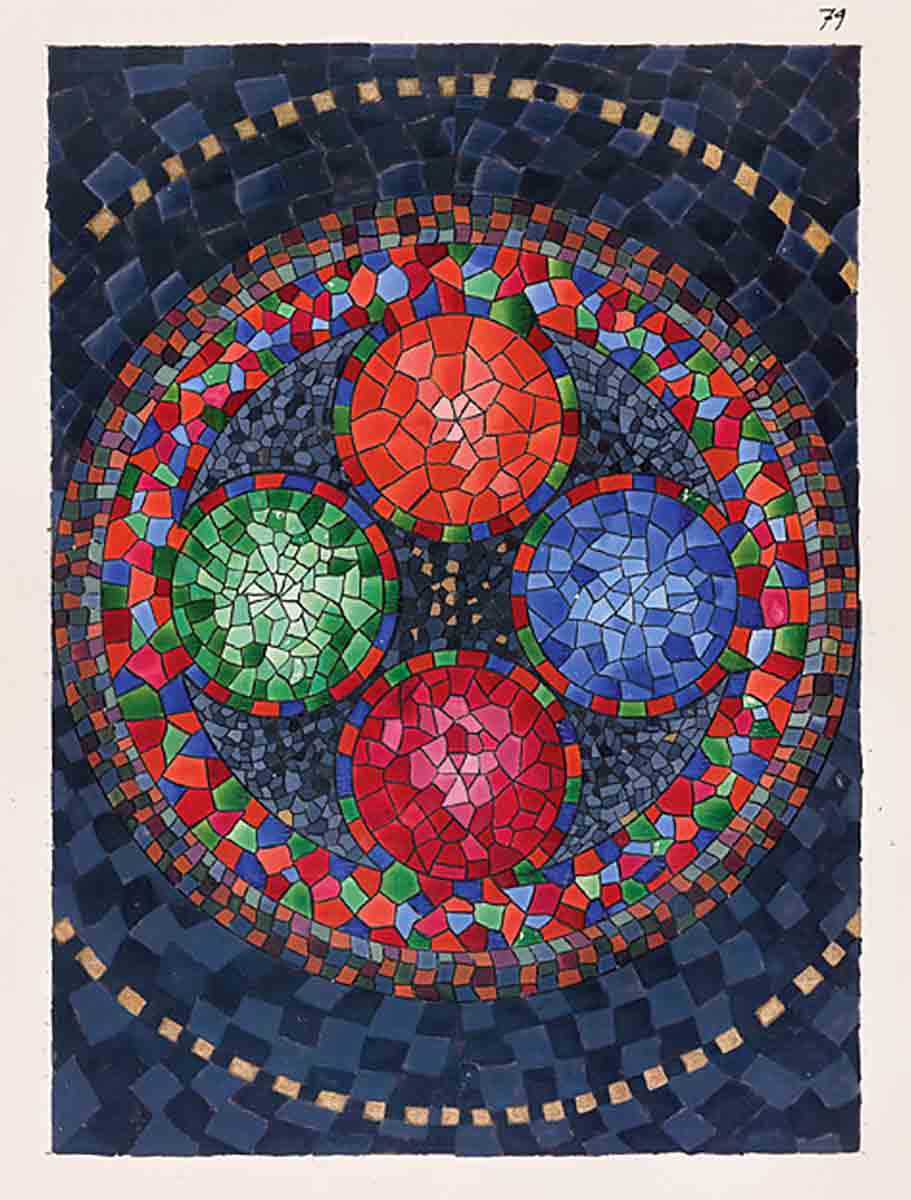
A key element in Jung’s work was the mandala. Mandalas are circular compositions that represent wholeness. Mandalas occur in many cultures and religions, such as Hinduism and Tibetan Buddhism.
Jung found them to be a useful tool for introspection. Drawing a mandala, or even coloring one, could reveal repressed aspects of a person’s psyche and help them become oriented towards inner harmony.
Modern illustrated volumes of Jung’s writings often include such mandalas. In black and white and in full colors, they remind one in a powerful manner that Jung was both a scholar and an artist. For him, an awareness of the human mind included not only logical analysis but a willingness to work with imagination and with symbols.
Suppose you’ve ever doodled in your schoolbook or have ever found yourself drawing when under stress, then you have probably triggered the same desire that Jung pursued. Examining his mandalas can move us to explore such a creative introspection for ourselves, taking a theoretical concept and converting it into a concrete, applicable practice.
Why Illustrated Editions of Jung’s Work Resonate With Modern Readers
We live in a time when visuals surround our lives at all times. Social networks are filled with photos, videos, and infographics. Commercials feature striking illustrations. Even when reading about a new skill, most of us use video tutorials or picture guides. Not surprisingly, illustrated books of Jung’s work speak to modern-day readers.
First, these books address where we are at. Jung can be a thick and challenging thinker, and most don’t have enough patience or enough time to wade through thick language.
However, when the same concepts are communicated through simple illustrations, pictures, or artwork, one can grasp them more easily. One picture can have an “aha” reaction that could take several pages of language to have.
Second, visuals can stimulate emotion in a direct form. As soon as we see a sensational illustration of a dream sequence, for example, we can become filled with wonder or fear that reflects our own subconscious experiences. Words can transmit feelings, but artwork can generate them in an immediate form.
Finally, illustrated books make explicit the worldwide nature of Jung’s psychology. By representing analogies between worldwide mythology, worldwide dreams, and worldwide folklore, they remind us that we’re all together in these shared pictures.
This global theme is most appealing in our era of connectivity. We can look at an image in a myth in one society and perceive echoes of it in our best-loved film or in our most cherished dream. That realization creates a feeling of being part of a larger whole.
So, How Can We Explore Carl Jung’s Work Through Illustrated Editions?
If you’re ready to dive into Jung’s world, consider starting with an illustrated edition. Begin with “Man and His Symbols” if you want an approachable overview. It’s more reader-friendly, with plenty of visuals to guide you.
The chapters often come with examples from everyday life, which makes it easier to relate Jung’s theories to your own experiences. You’ll see how archetypes manifest in everything from childhood stories to modern films.
If you’re looking for a more intimate experience, “The Red Book” is a must-have. I know, I know, they can be intimidating—most of them are big and gaudy. But picture an art gallery in book form. Enjoy it with patience. Turn its pages at a leisurely pace, and let each picture sink into your head.
For those who prefer a biographical orientation, picture books of “Memories, Dreams, Reflections” can be useful. There will be an opportunity to see photographs of Jung’s early life and become acquainted with his life path.
By doing so, you can bring his theory in contact with reality in his life, a reminder that these ideas did not arise out of thin air but grew out of life, out of dreams, and out of observation.
Ultimately, illustrated books challenge one to bridge head and heart. They enable one to picture the invisible reality that Jung wrote about and make him a little less daunting in terms of thinking complexly.
As an ardent admirer of Jung, a newcomer, or somewhere in between, such books can act as a key to opening an awareness of the beauty and intensity of his work.