Most people today think of ghosts as disembodied spirits of a dead people. Encountering one is usually considered unsettling, though in some cases a ghost encounter can bring consolation, since it can show that a deceased loved one’s existence continues. Whether or not ghosts really exist is a good conversation starter over dinner with friends. But what does the Bible say? Can the dead appear again?
Samuel the Prophet Appears Posthumously to Saul in the Bible
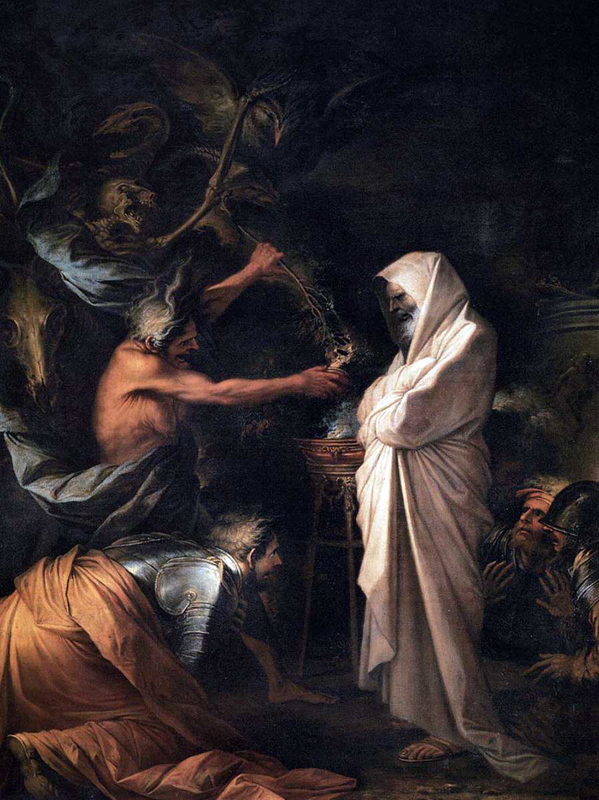
The clearest and, perhaps, only instance of a person’s postmortem appearance in the Bible is in the twenty-eighth chapter of I Samuel. The reign of King Saul, the first king anointed over Israel, is portrayed in the Bible as a tragedy. He becomes king against his own will and enjoys popularity and success in the beginning. But due to his weak resolve and struggle to maintain his sanity, Saul descends gradually and inevitably into failure.
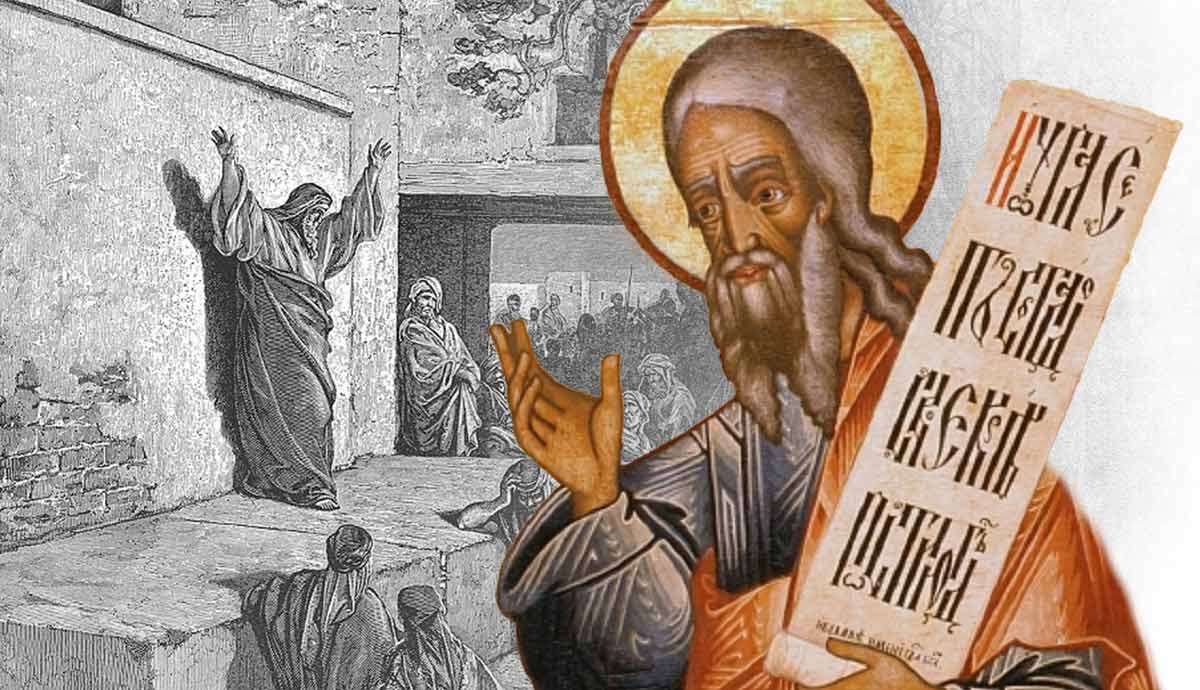
The prophet Samuel is impressed with Saul at first, but later shows little patience for his shortcomings. Samuel is clearly the more influential figure of the two in Israel and, when Samuel anoints David the next king instead of one of Saul’s sons, the fate of Saul’s legacy is all but sealed. The reader gets the impression that Saul’s reign was little more than a pretext for the establishment of David’s dynasty. In the end, Saul takes his own life after a humiliating defeat in battle.
It is toward the end of this tragic story that a strange episode is recorded, the closest thing to a ghost story that the Bible provides.
King Saul Sought the Help of a Spirit Medium in Secret
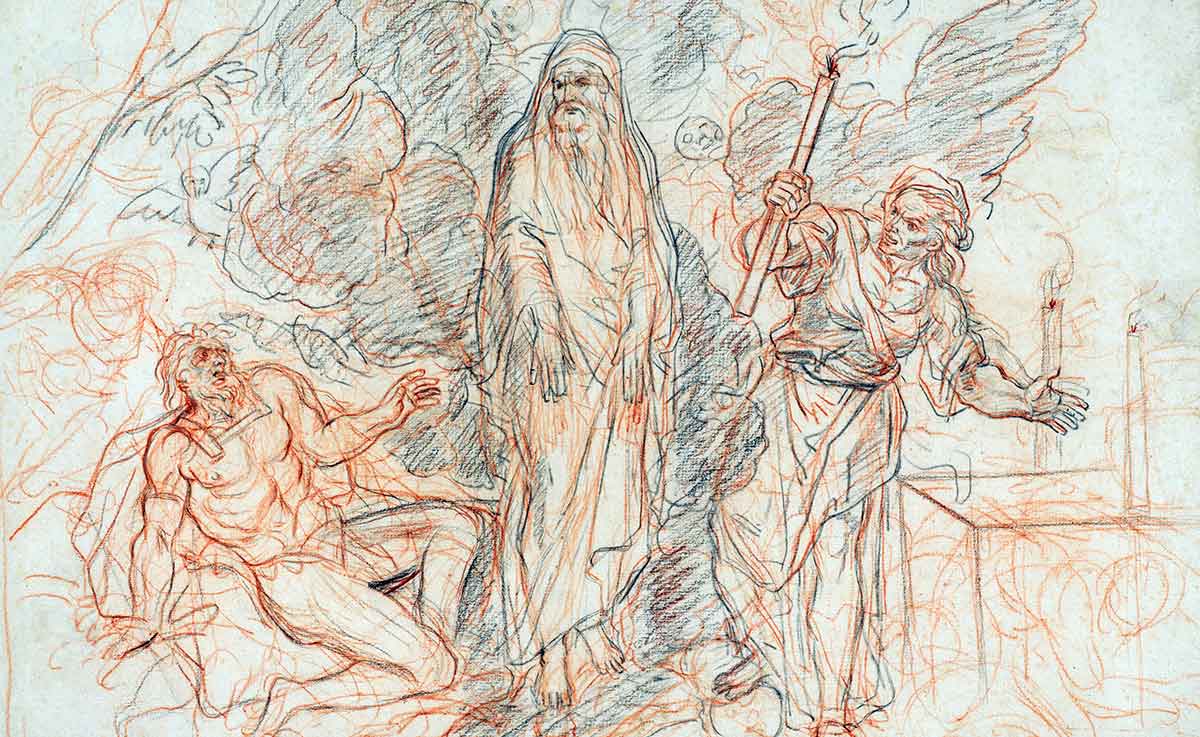
In the story, Israel’s intractable enemies, the Philistines (probably a group of the famed “Sea Peoples” originating from what are Greek islands today), were gathering their forces to attack Israel. The prophet Samuel, upon whom Saul had always depended his whole life for guidance, had died. Despite Saul’s efforts to seek divine guidance, the text says that God did not answer. Saul is so afraid of the Philistines that he decides to seek the help of a spirit medium in secret. Perhaps through her he would be able to speak with Samuel.
Saul had allegedly banned all mediumship and necromancy from his realm, forcing practitioners underground. Nevertheless, he locates a medium in the town of Endor. Disguising himself and approaching the woman under the cover of darkness, he asks her to contact Samuel’s spirit.
The woman hesitates to lend her skills to the covert king, citing the royal ban on her practice. But Saul assures her that she will be safe.
Samuel’s Postmortem Appearance Seems to Surprise the Medium
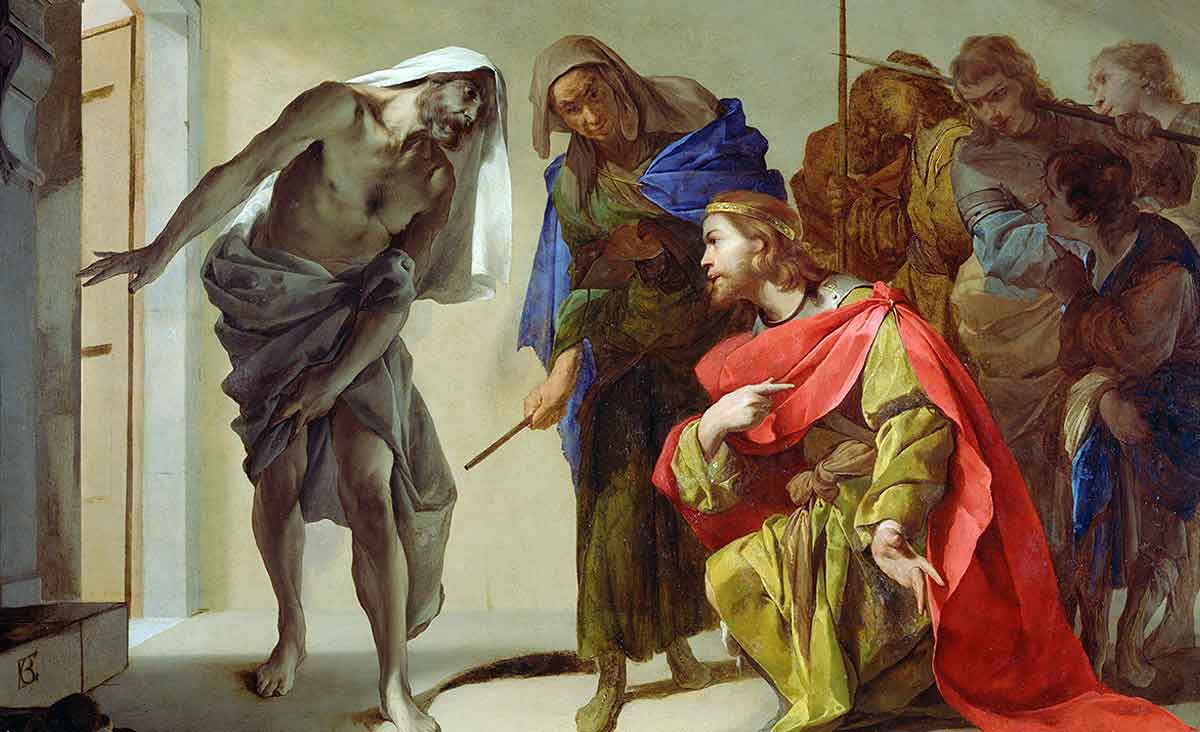
Readers interested in ancient magic will be disappointed to find nothing in the text regarding this medium’s methods. She asks Saul whose spirit he wants her to recall, and Saul asks for a conference with Samuel. But when Samuel appears, the woman cries out, apparently in distress. Somehow, at the appearance of the prophet, she realizes that the disguised man who had come seeking her services was actually King Saul himself.
Some interpreters wonder if the woman was surprised because she was not accustomed to encountering the actual ghosts of the dead. As is typical in biblical narratives, tantalizingly few details are provided for answering such questions. But Saul’s encounter with Samuel that night is presented as a waking interaction with the conscious spirit of dead person.
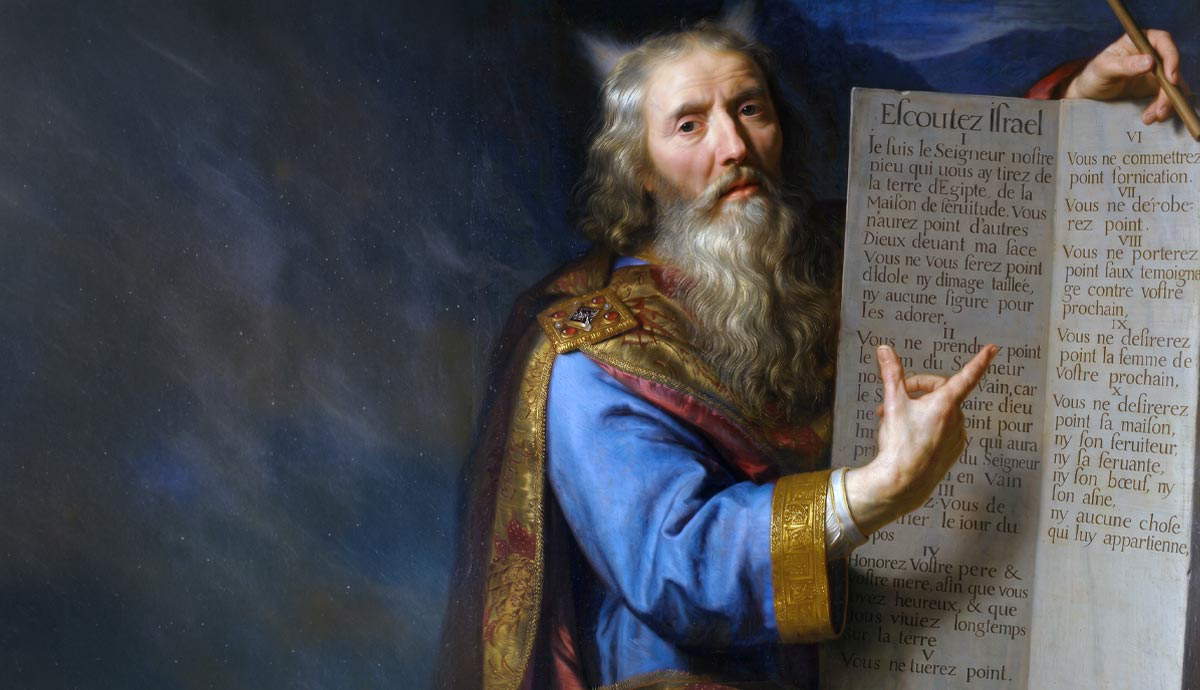
Unfortunately for Saul, death does not seem to have softened Samuel’s harsh attitude toward him. God, the apparition tells Saul, has become his enemy due to Saul’s disobedience. His kingdom is doomed.
Angels and Demons Are Not Ghosts
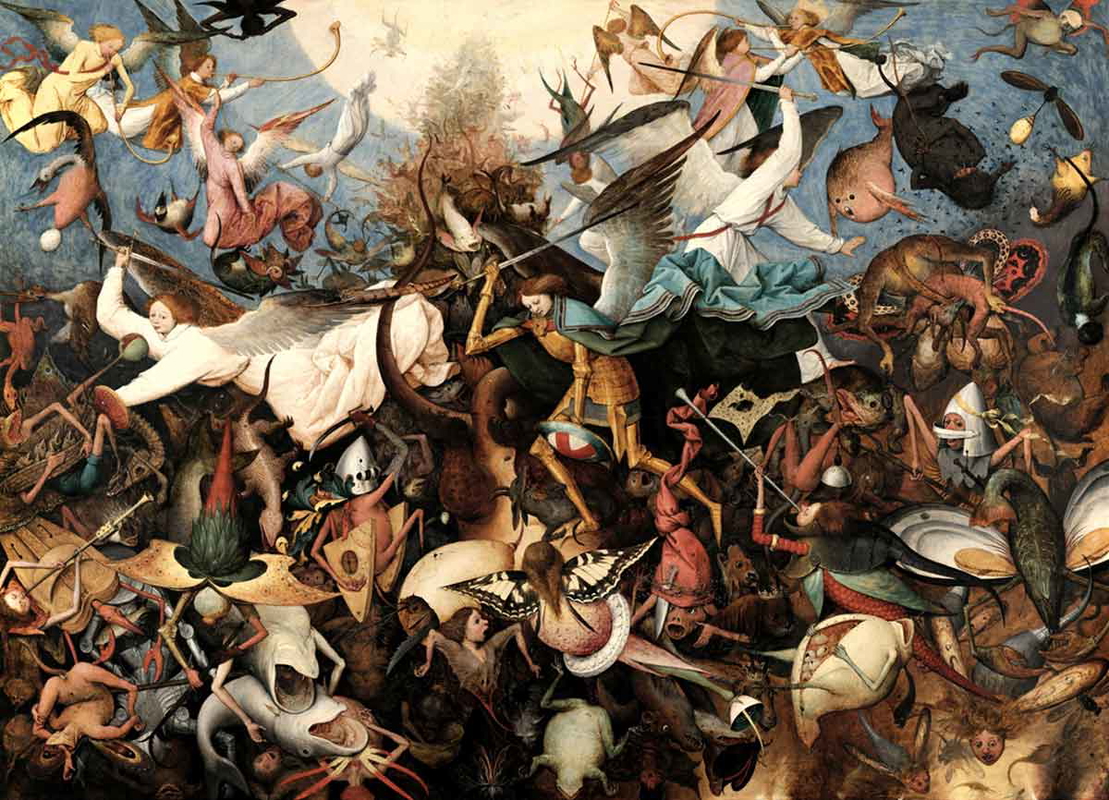
People encounter angels often in the Bible. But unlike ghosts, angels in the Bible are not formerly living human beings. Another difference between angels and ghosts has to do with their bodies. Ghosts are, traditionally, disembodied. Though somehow visible and audible, they have no physicality. Angels, on the other hand, are often mistaken for human beings, even consuming food, fighting with physical weapons, and otherwise interacting with physical objects just like humans do.
In the New Testament, the resurrected Jesus proves to his disciples that he is not a ghost by eating food in their presence and by allowing them to touch his body.
Demons, or “unclean spirits” as they are often called, are also not the spirits of dead people as ghosts are thought to be. Unlike angels, they tend not to appear in bodily form in the Bible. They are not visible, and when their voices are heard they speak through the humans that they torment or tempt.
Did the Disciples See the Ghosts of Elijah and Moses?
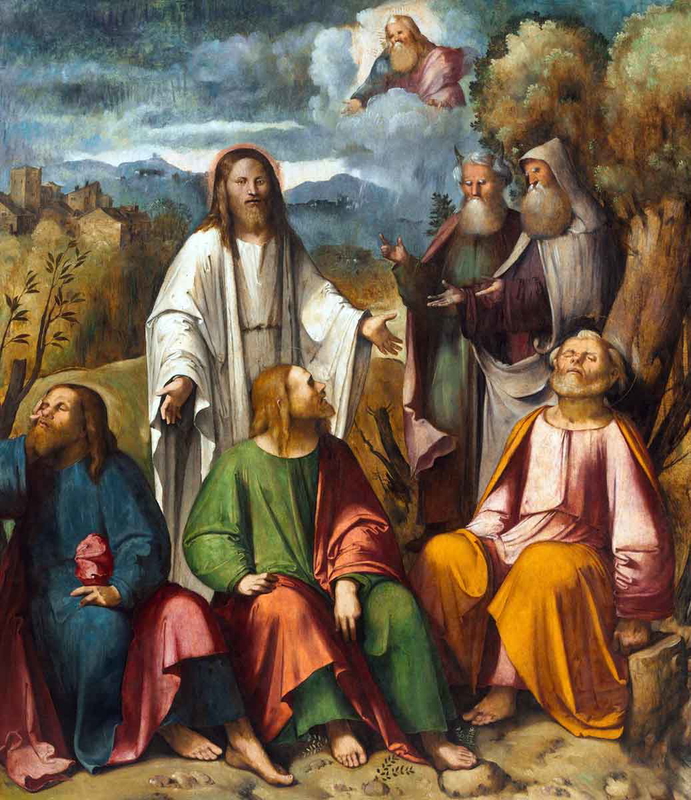
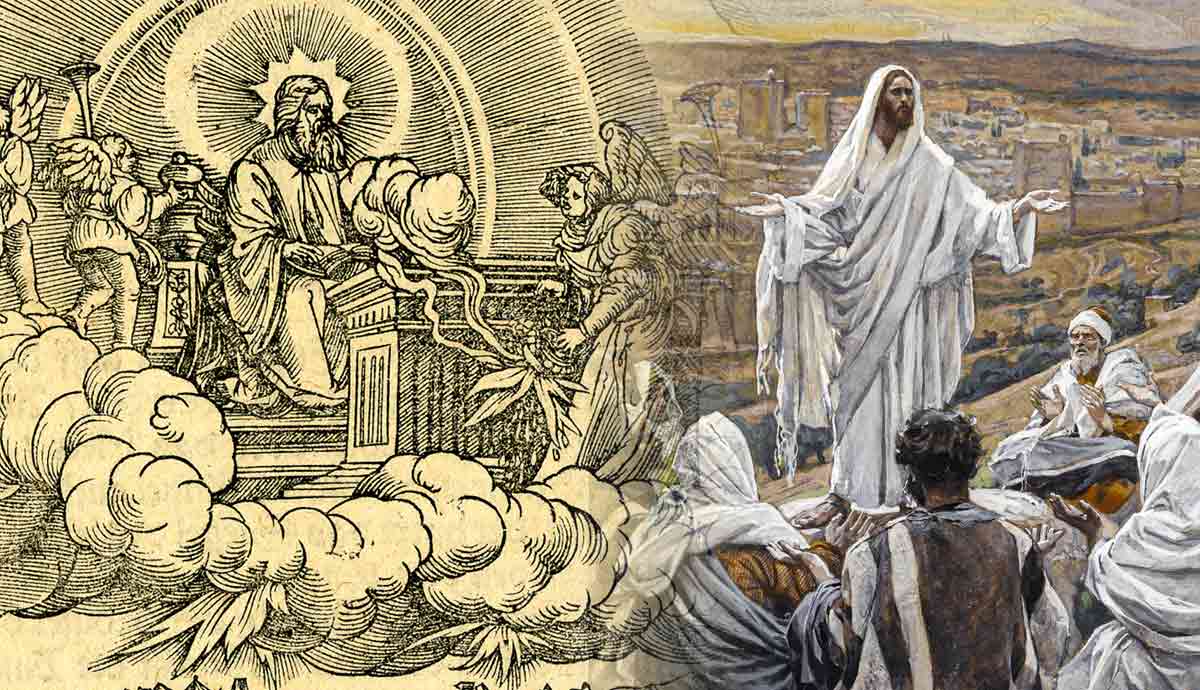
The gospels of Matthew, Mark, and Luke record Jesus appearing in a “transformed” state before three of his disciples on a mountain. He is described in this story as shining like the sun and wearing clothing of white light. Moses and Elijah, somehow recognized by the disciples, appear beside him similarly arrayed. Was this an apparition of Moses and Elijah’s ghosts?
The phenomenon portrayed in this story is probably better described as apocalyptic than as a ghost sighting. Jesus’s transformed appearance echoes the experiences of prophets and others in the Hebrew Bible in which a person is given a window into the heavens. While ghosts are displaced, wandering on earth when they “should be” inhabiting another realm, this episode in the Gospels appears to depict Jesus stepping into that realm, and the disciples being allowed to witness.
Conscious existence after death is assumed or alluded to frequently in the Bible. However, appearances of postmortem souls on earth are rare.