
While often portrayed and interpreted as an intensely religious historical period, the Heian world was a vast and diverse place, with religion being only one facet of it. Shintoism and Buddhism acted as a catalyst for the production of works of art. The Heian period saw an intense cultural dedication to mastering many different art forms, such as painting, poetry, and calligraphy. While this ethereal world was accessible to the upper echelons and their retainers, philosophical concepts now understood to be quintessential Japanese qualities took root during this time.
Historical Background of the Heian Period
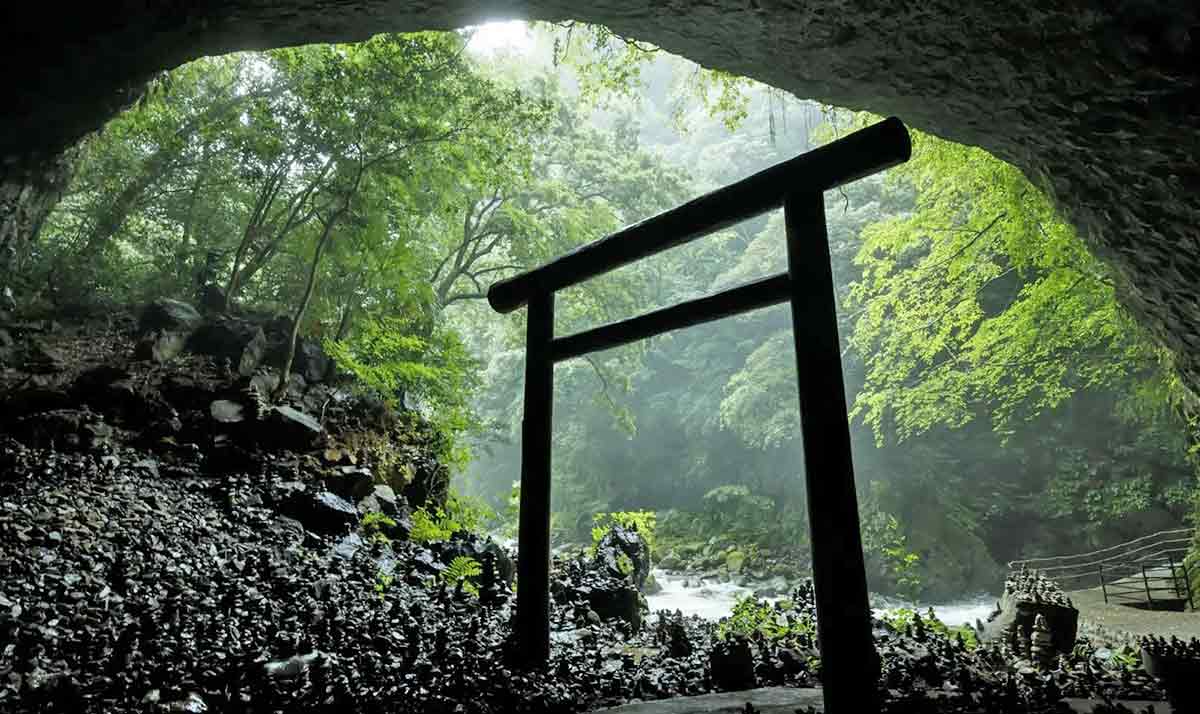
During the 6th-9th centuries, Buddhism was rapidly taking hold on the island. Predating Buddhism, a religion that was brought to Japan, was Shintoism, which is native to Japan and has long been practiced, continuing even to this day. With the changing of heads of state, whether functional (like the clans) or symbolic (like the Emperors/Empresses), religion came into the forefront of cultural discussion.
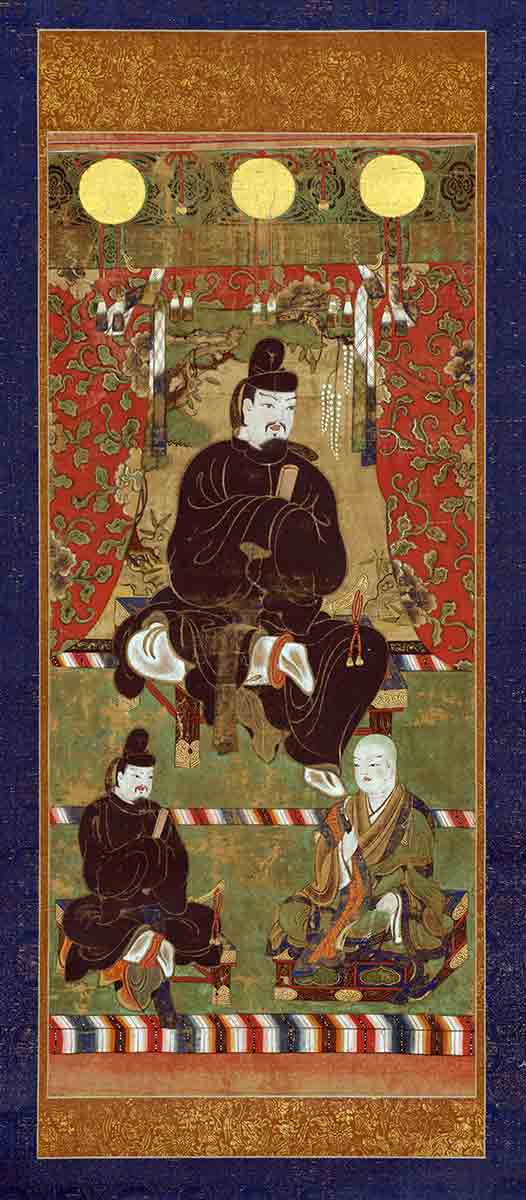
By the 7th century, Buddhism had been appointed as a state religion by Empress Suiko, gaining both divine and legal legitimacy. The Heian Period (794–1185) began when the imperial capital was moved to modern-day Kyoto. Later, the Fujiwara period emerged as the Fujiwara clan effectively took political control during the 9th century. Fujiwara clan made tactical political alliances through marriages of the Fujiwara daughters. The decades that followed saw an explosion of artistic production, writing, and poetry, as well as large architectural projects.
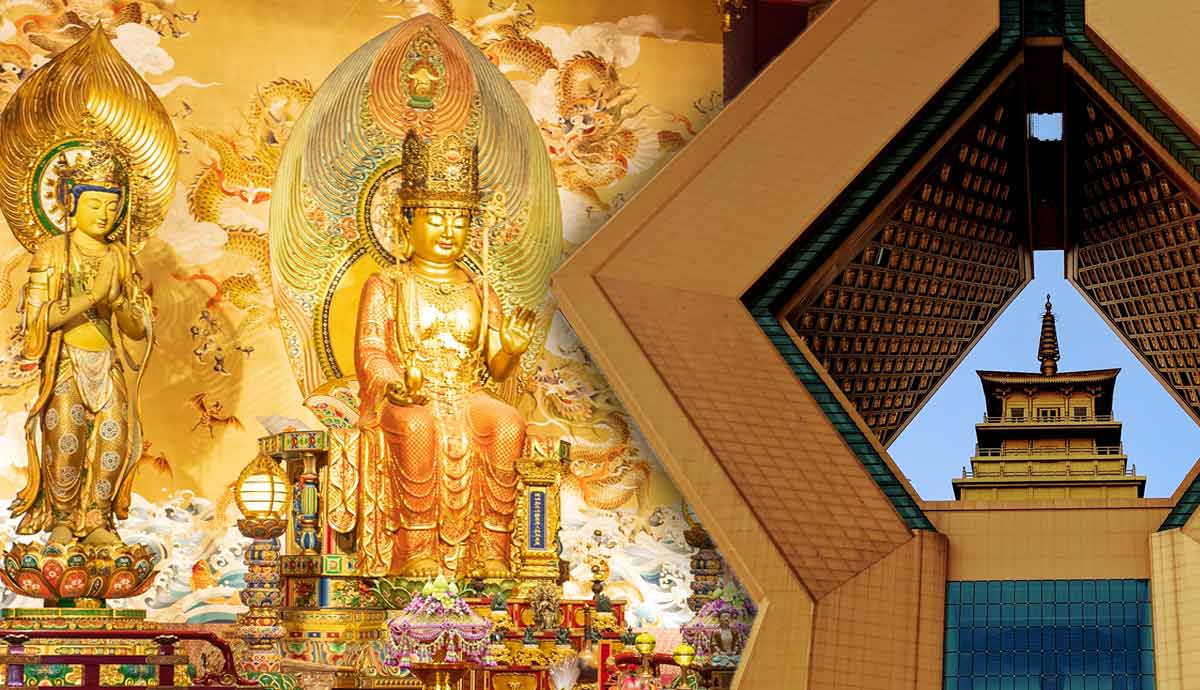
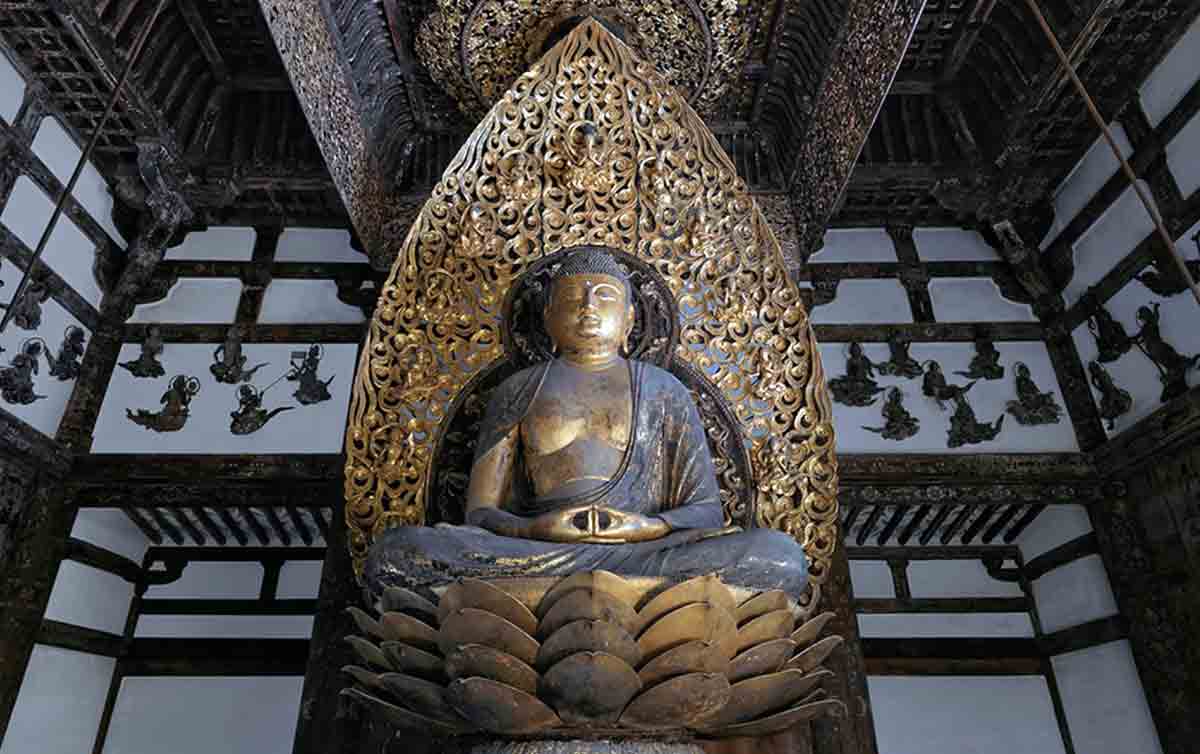
While in power, the Fujiwara clan commissioned the construction of sumptuous tax-exempt estates containing Buddhist sculptures, paintings, temples, and gardens. A prominent artist of the Heian period was Jōchō (d. 1057), who was commissioned by the Fujiwara family many times. Still standing to this day is Jōchō’s Amitabha/Amida Buddha, which was sculpted around 1053 for the Fujiwara’s Phoenix Hall, a lavish temple complex. Phoenixes are potent symbolic animals that are traditionally worn or decorated for the exclusive use of the Empress. However, like any family, the Fujiwaras fought with one another and with the Imperial family, and eventually, this strife would be part of what caused the end of the peaceful Heian period and the beginning of the Kamakura Period, which was defined by violent civil wars.
The elite Fujiwara family, the divine Imperial family, and all the other aristocrats of the period practiced an intense amount of Buddhist ritual within their daily routines. For these aristocrats, appreciating the beauty of nature, composing a striking poem, performing a dance or koto song, was not only seen as a sign of wealth and education, but also as a physical expression of their spirituality. The result? Dozens of complex, groundbreaking artworks and architectural feats with Buddhist subject matter were made.
The Spiritual
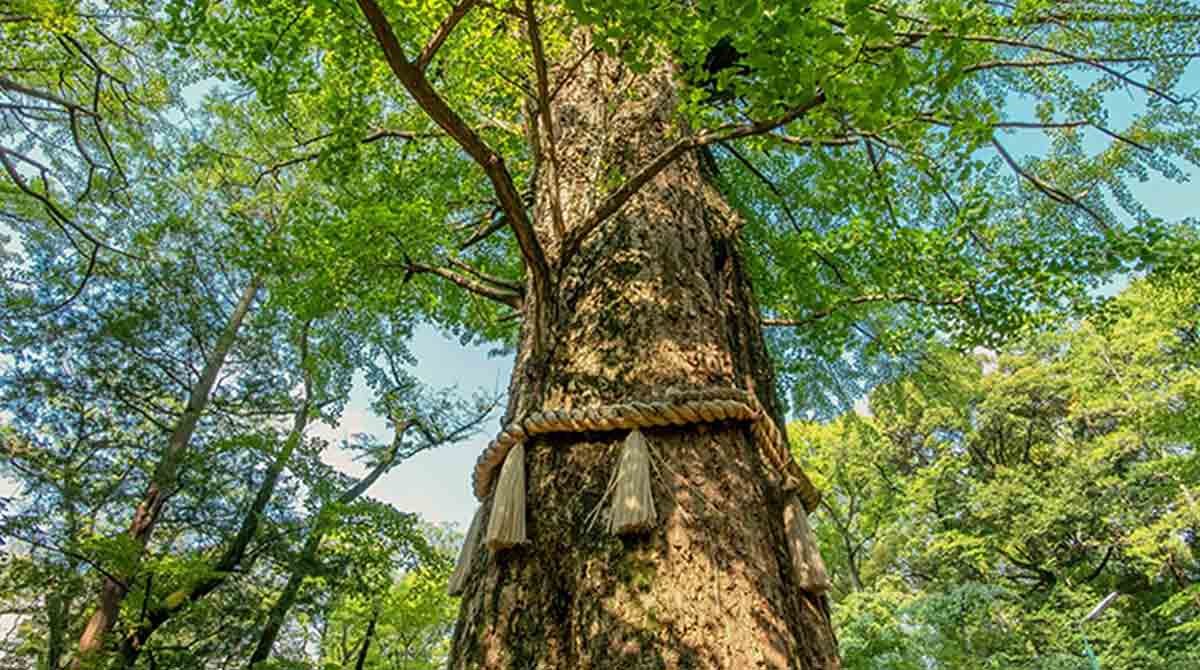
Buddhism, originating centuries ago in India, spread across the world during the early Middle Ages. Taking root particularly in countries such as China, Japan, and Cambodia, it is fascinating to discover the many unique ways Buddhism is creatively represented in art and interpreted poetically. The Heian Period was an especially prominent time for Buddhism. It was already well established in the culture, making itself comfortable alongside Japan’s native Shintoism and even becoming meshed in many respects. For example, the deep respect for nature and the acute awareness of each plant, animal, rock, tree, and object’s spirit, or kami, is a uniquely Japanese manifestation of Buddhism.
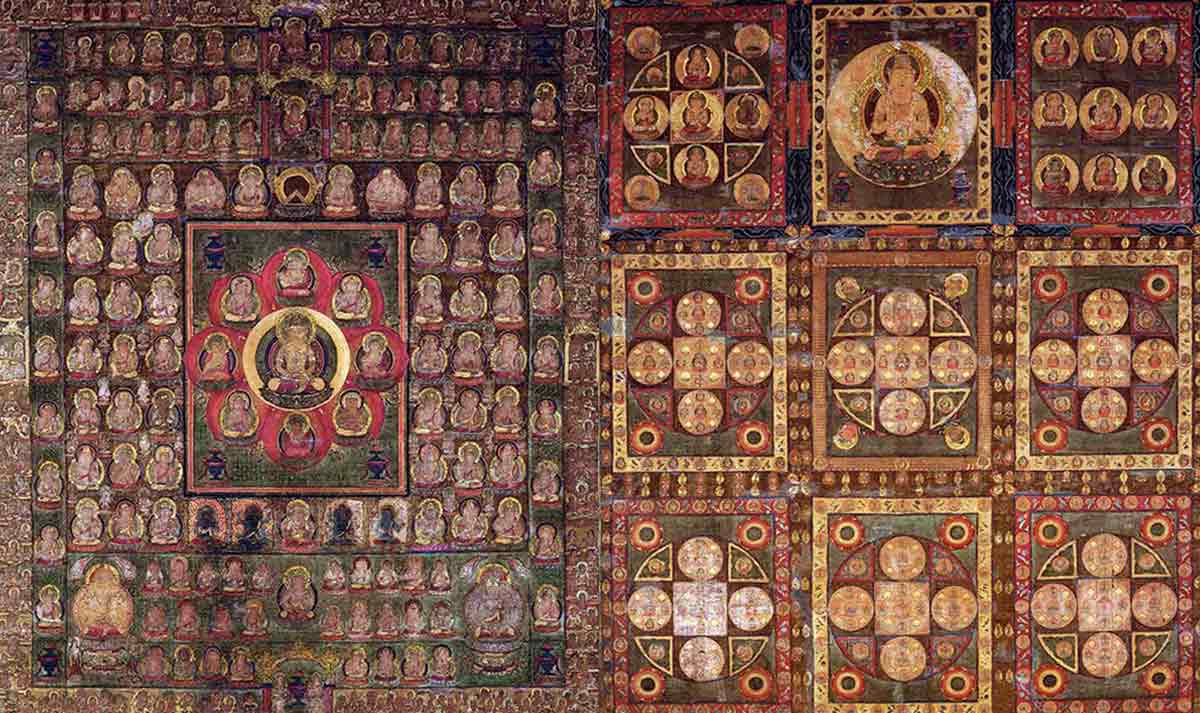
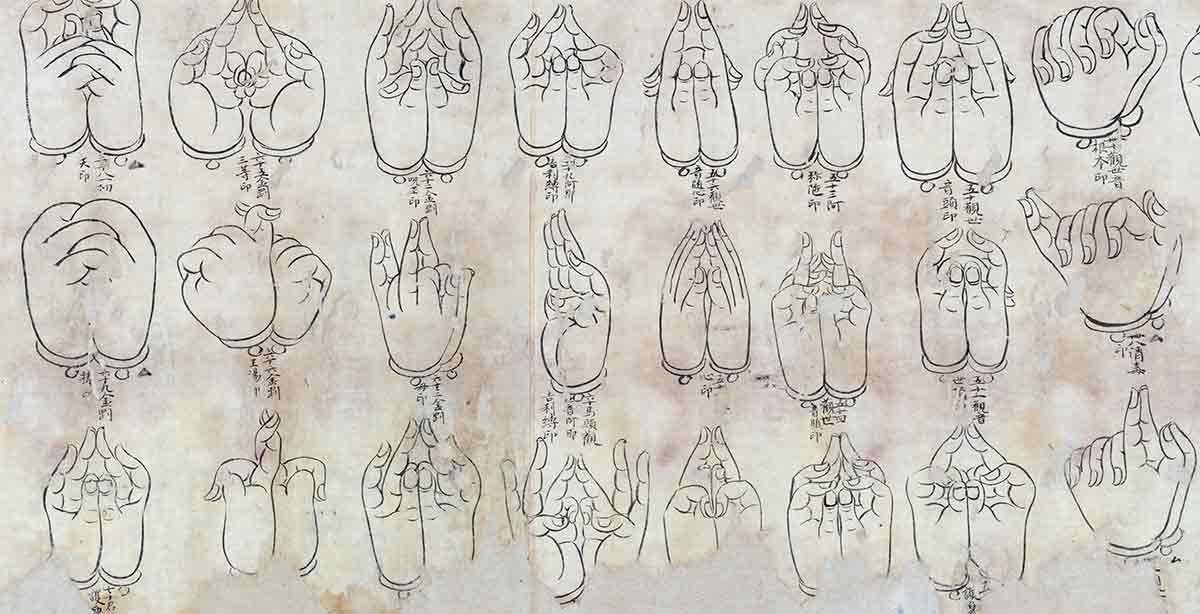
Two distinct Buddhist practices emerged during this period: Amida/Pure Land Buddhism and Esoteric Buddhism. Both were deeply concerned with the welfare of the environment and the natural world that one inhabited, however, achieving Enlightenment happened differently for each. Amida/Pure Land Buddhism is named after Amida (Amitabha) Buddha, whose followers often practice chanting his name as a path toward eventual enlightenment. The Amida Buddha at Phoenix Hall is historically regarded as the most sumptuous Buddhist sculpture, showing Amida Buddha in pure golden light. Alternatively, Esoteric Buddhism teaches that Enlightenment can be reached through the study of deeply complex painted mandalas and the practice of various mudras or hand positions for meditation.
The Golden Age of Classical Japanese Art
Emerging during the Heian Period is Yamato-e, “Japanese art.” Particularly seen in hanging and handscroll paintings, the subject matter often included references to uniquely Japanese landscapes, history, and folklore. So much of East and Southeast Asia has been influenced by Chinese culture throughout history, and this period saw a cultural desire to establish a distinguishing Japanese aesthetic.
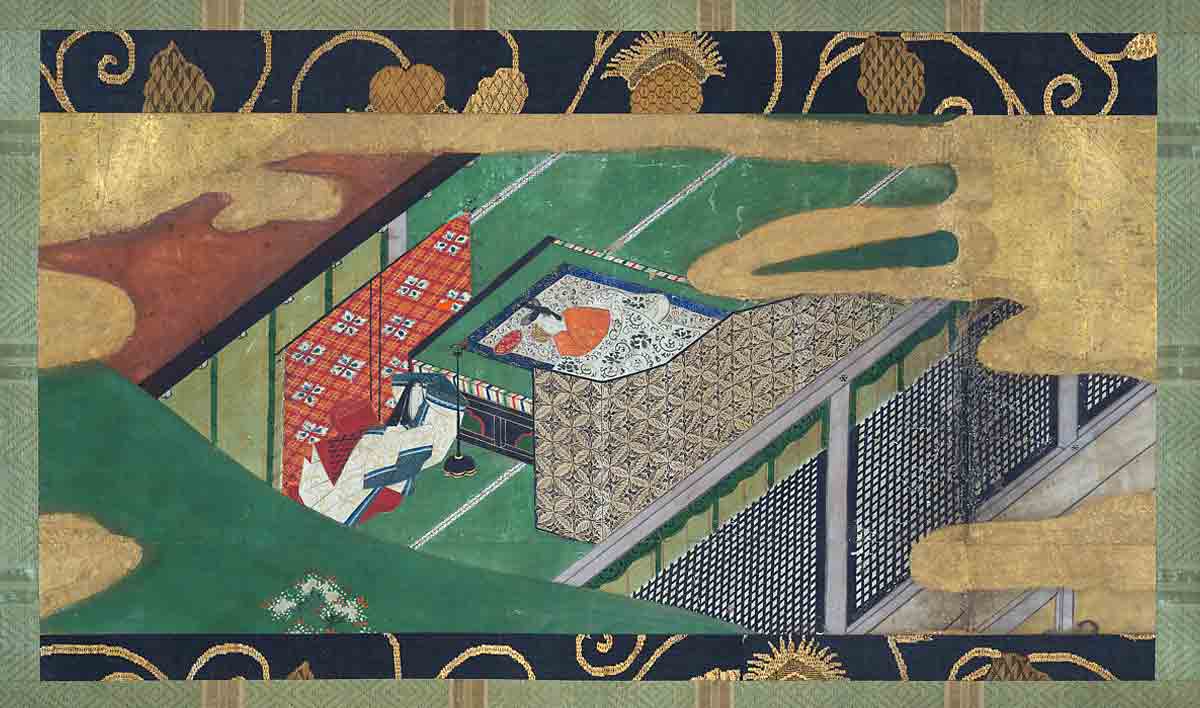
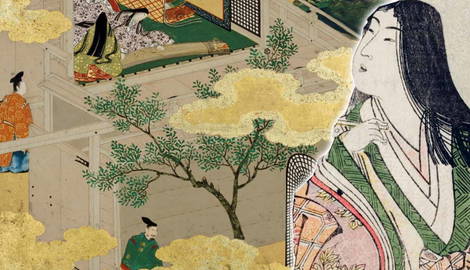
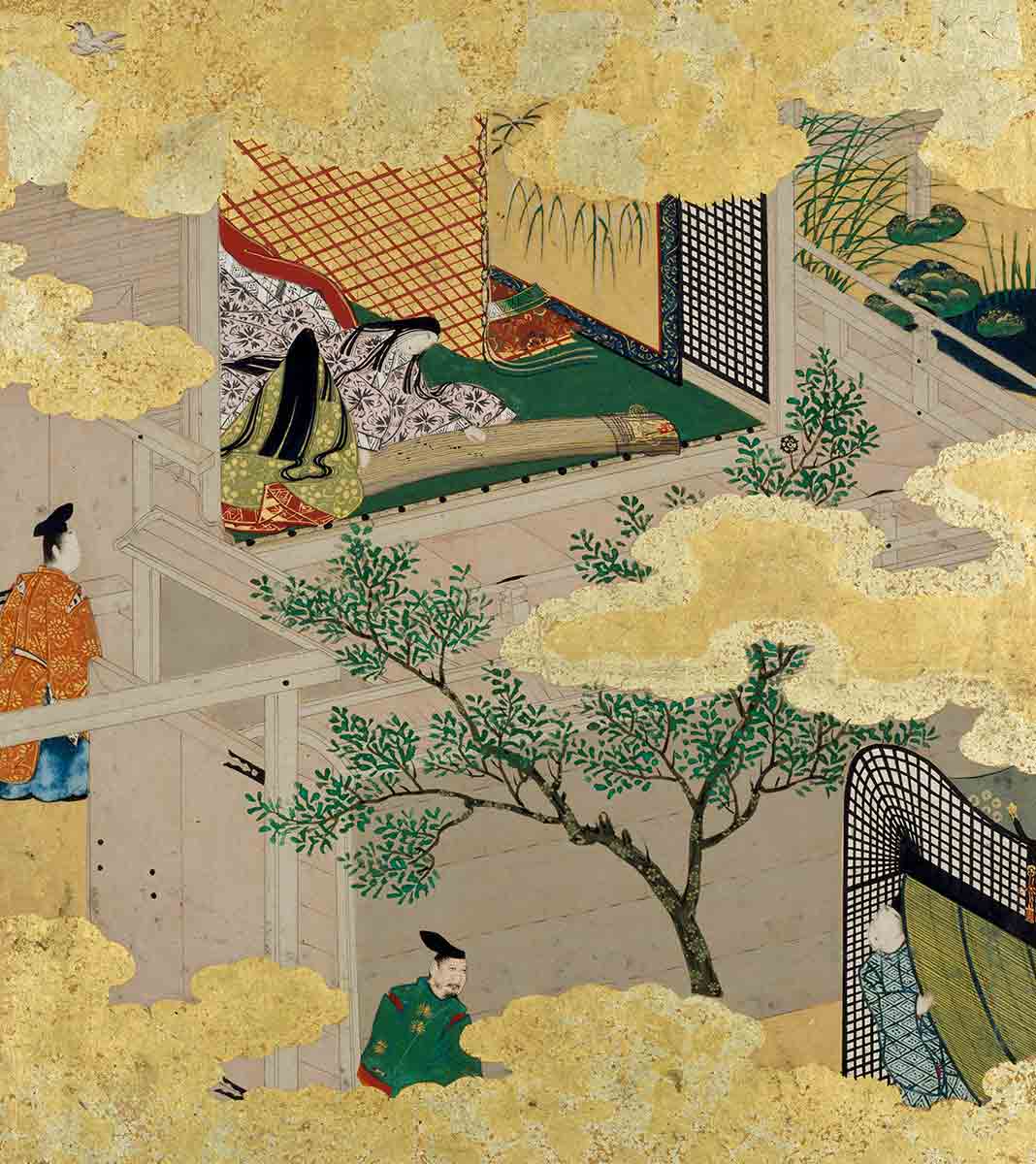
“Trees Encoiled in Vines of Ivy” showcases a painting technique developed at this time, the “blown off roof.” By removing only the roof of the building, the artist shows us both an intimate, sheltered, interior space and an organic environment. The soft edges of the clouds obscure the lines between the house and the garden, suggesting they are meant to be seen as one harmonious thing. Most of a courtier’s life at this time would have been spent inside enclosed villas, so it naturally held potential (especially for women) to be an incredibly isolating existence. The artistic portrayal of individuals inside a human-made building, with the imagination of its roof being removed completely to let in the clouds, the sky, and the grass, almost brings to mind the image of lifting the lid off a cage of an enclosed creature. Additionally, we can contemplate the title: while ivy is beautiful to look at, it is a vine that, if left unchecked, will strangle the tree it wraps around.
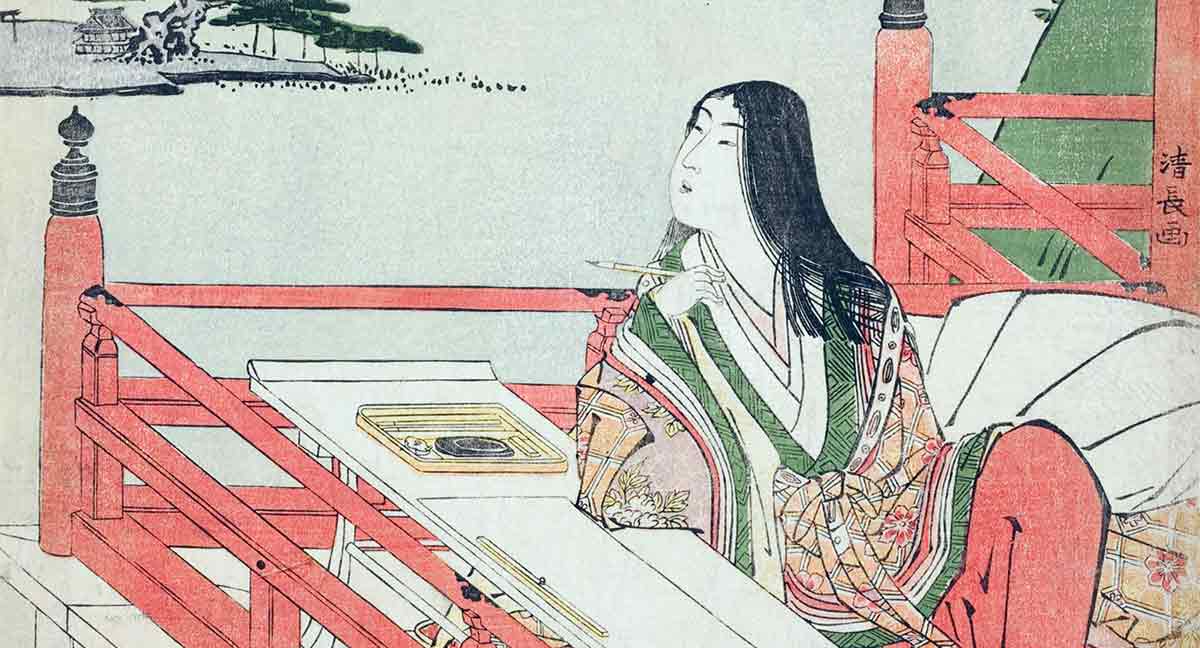
Murasaki Shikibu, or Lady Murasaki, was born during the Heian Period, around 978 CE, in Heian-kyo, Japan. She was raised in court, her father held in high esteem, and eventually appointed governor. From a young age, Lady Murasaki showed a desire to learn to read and write Chinese calligraphy, as she watched her father teach her brother. Throughout her life, Murasaki kept her own private journal, wrote poetry, and completed The Tale of Genji: a psychological, romantic drama that centers around the intrigues of the Heian court.
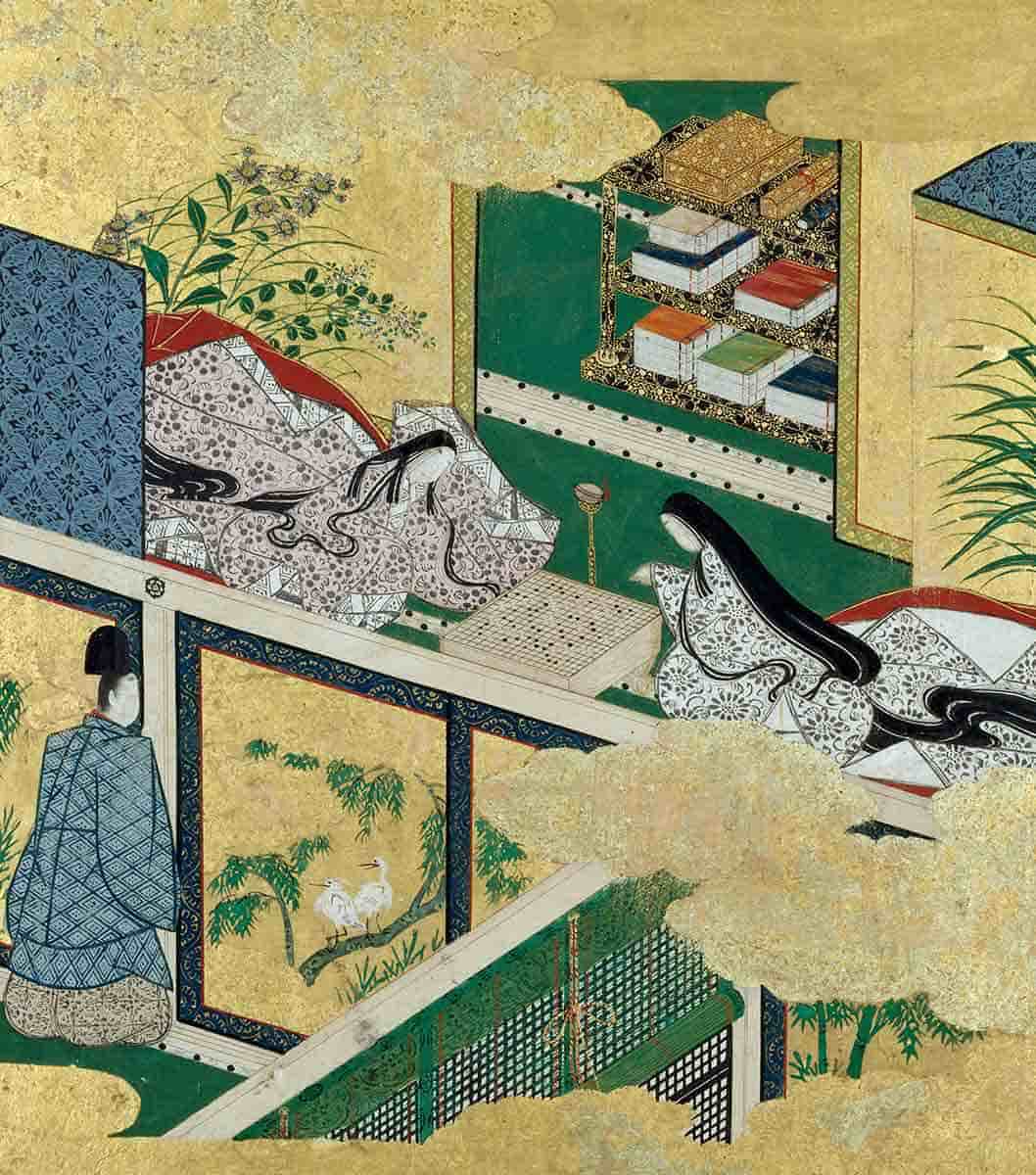
Murasaki Shikibu would be named one of the Thirty-Six Female Immortals of Poetry (similar to the Nine Muses), later during the Kamakura period. Murasaki’s journal is full of poetic riddles and represents an important cultural aspect of Heian court life: waka, or poetry. In a social setting, it was common for a person to spontaneously write or recite a poem posed as a question, to which their company would reply in the form of a poem. Often, the subject matter revolved around fleeting, natural phenomena such as a maple leaf falling from the tree in autumn, or the sakura trees’ flowers in spring, a metaphor for the ephemeral nature of life and the cycle of the earth’s seasons. The Japanese form of writing, derived from Chinese calligraphy, called kana, would also develop during the 9th-10th centuries.
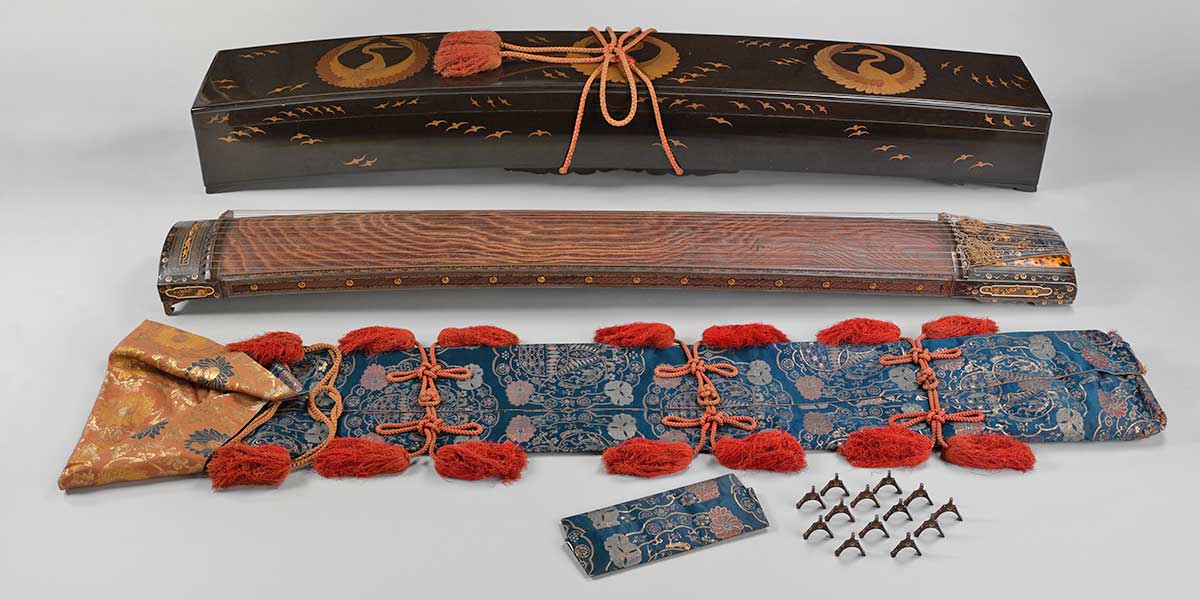
Also featured in the Tale of Genji is the koto, a 13-string instrument often played by trained courtiers to entertain guests, either played on its own or to accompany dancing or poetry. The body of the koto is usually made of paulownia tree, with the surface of the board beneath the silk strings being left totally undecorated to show the grain of the wood. The ends of the koto were usually decorated with metal, paint, or lacquer inlays, and potent with family symbols such as a crane.
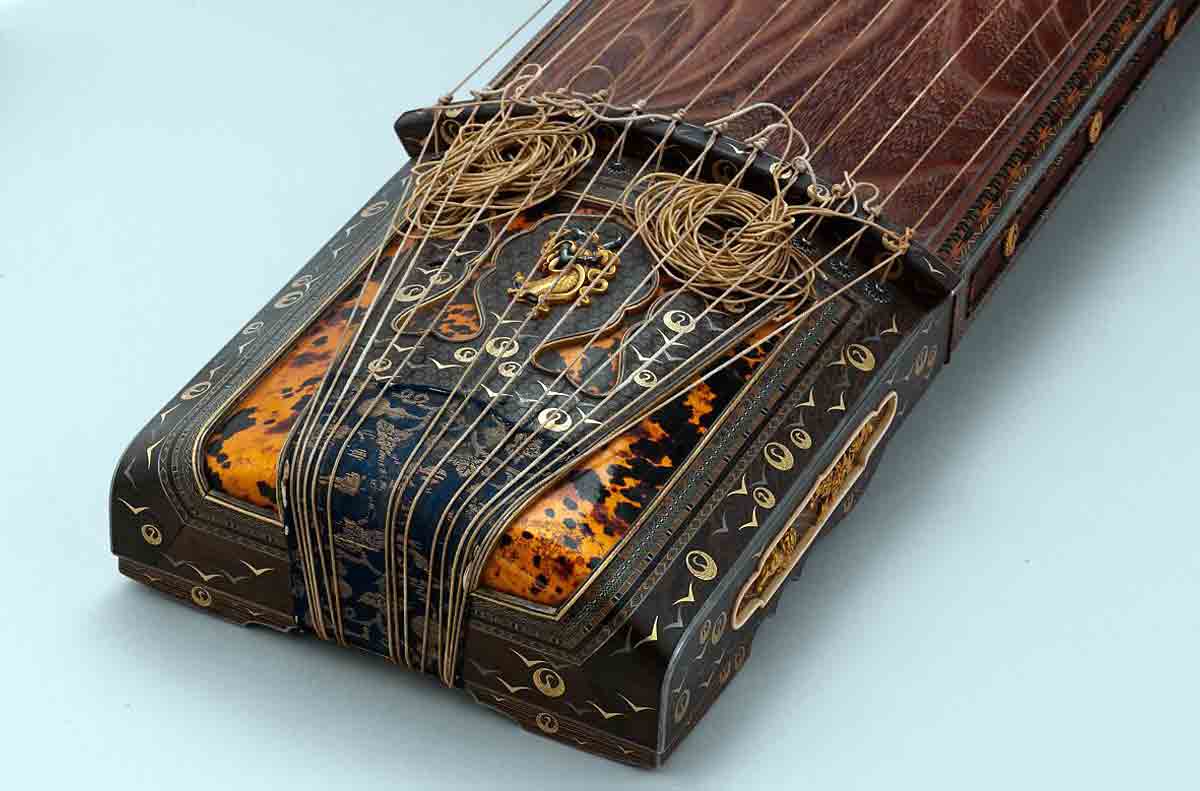
A koto is played by sitting on the floor with the koto in front of you, then pressing or bending the strings to the left to create pitches or chords, and then by plucking or strumming with your fingers on the right to produce sound. A koto sounds akin to a harp, but with a twangier, more mysterious sound to it, likely due to its pentatonic tuning.
Art of the Heian Period Today
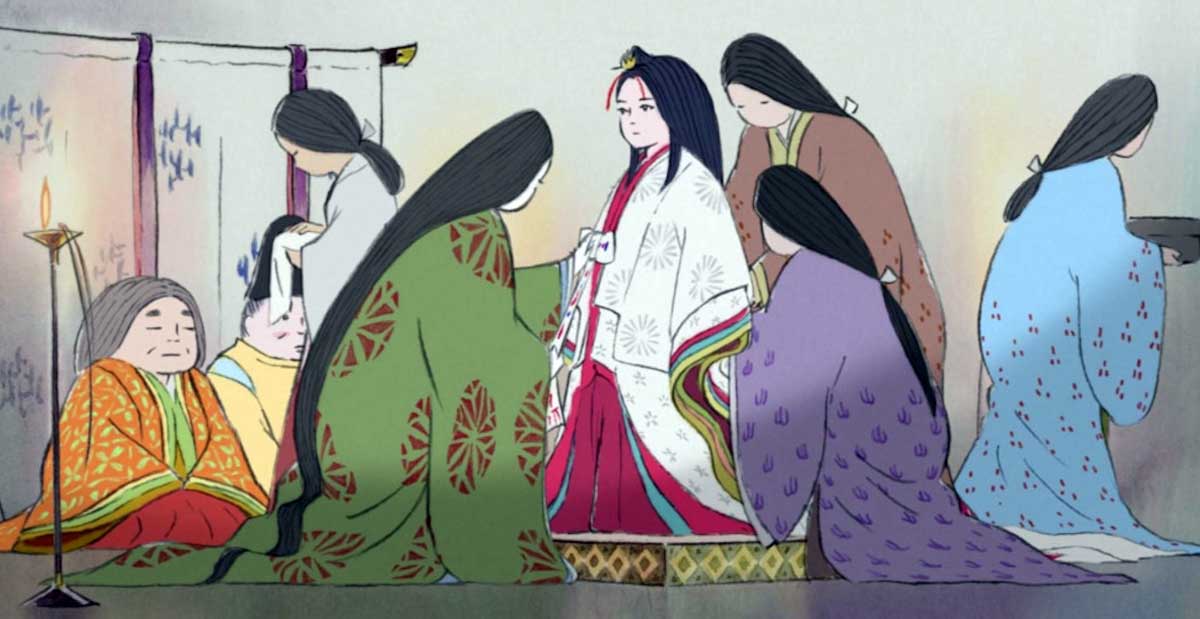
The peaceful Heian Period ended with the violent Genpei War (1180-1185), and the new Kamakura military government was established. Today, Kyoto remains a major historical and cultural hub, where street blocks still resemble a centuries-old era and works of art that have survived wars remain on display. The art of the Heian Period continues to inspire the art of the present: The Tale of the Princess Kaguya (2013) is a contemporary Japanese film that offers a well-researched portrayal of life during the Heian Period, told through the medium of the folk tale Tale of the Bamboo Cutter. Additionally, The Tale of Genji has been translated into many different languages and can be found at most local bookstores and online.