Ancient Greek drama began in Athens during the 6th century BC. It originated in the context of performances set during the religious festivals dedicated to Dionysus. After, it gained a life of its own, evolving into three distinct genres (tragedy, comedy, and satyr plays), and covering a multitude of themes (mythology, morality, politics, and social commentary). Furthermore, through innovative stagecraft, it created an engaging experience for both spectators and actors.
1. Greek Drama Frequently Champions the Common “Everyman”
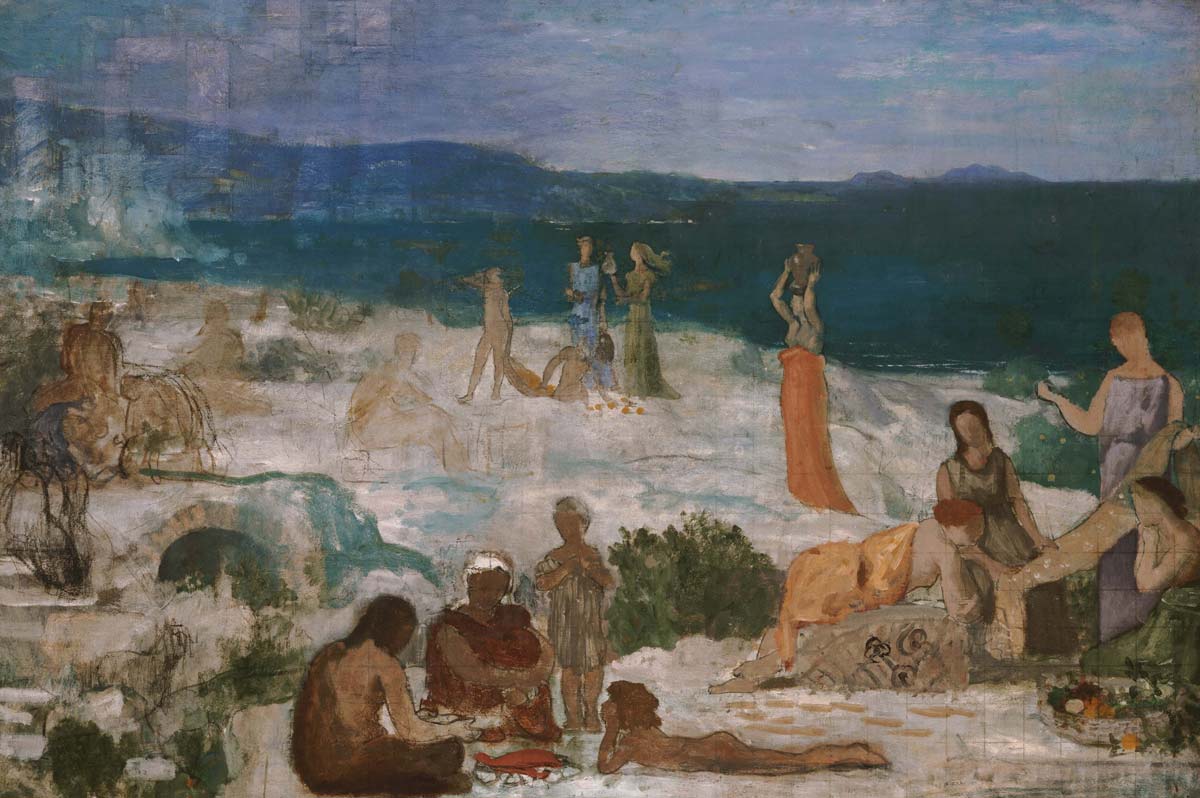
In ancient Greek drama, the distinction between the upper and lower classes does not stop at wealth, but it becomes a moral distinction as well. Specifically, in tragedies, authors wrote the upper class as deeply corrupt (given to debauchery, madness, and murder), and the common folk (nurses, craftspeople, farmers, etc.) are shown as stable and grounded. For example, in Aeschylus’s Agamemnon, the herald, though a servant of the king, sides with the commoners by expressing democratic sentiments, criticizing the hierarchical world he lives in, and by choosing a future life of piety and humility, strongly contrasting it with the luxury, ambition, and intrigue that define the royal court.
Similarly, the nurse in Euripides’s Medea surpasses her role as a caregiver by assuming a quasi-omniscient narrative position despite her status. Her warnings, actions, and attempts to shield the children set in motion Medea’s downfall. As Professor Ronald Blankenborg points out, she functions as Aphrodite in Hippolytus or Dionysus in Bacchae, prophesying the tragic course of the play from the outset.
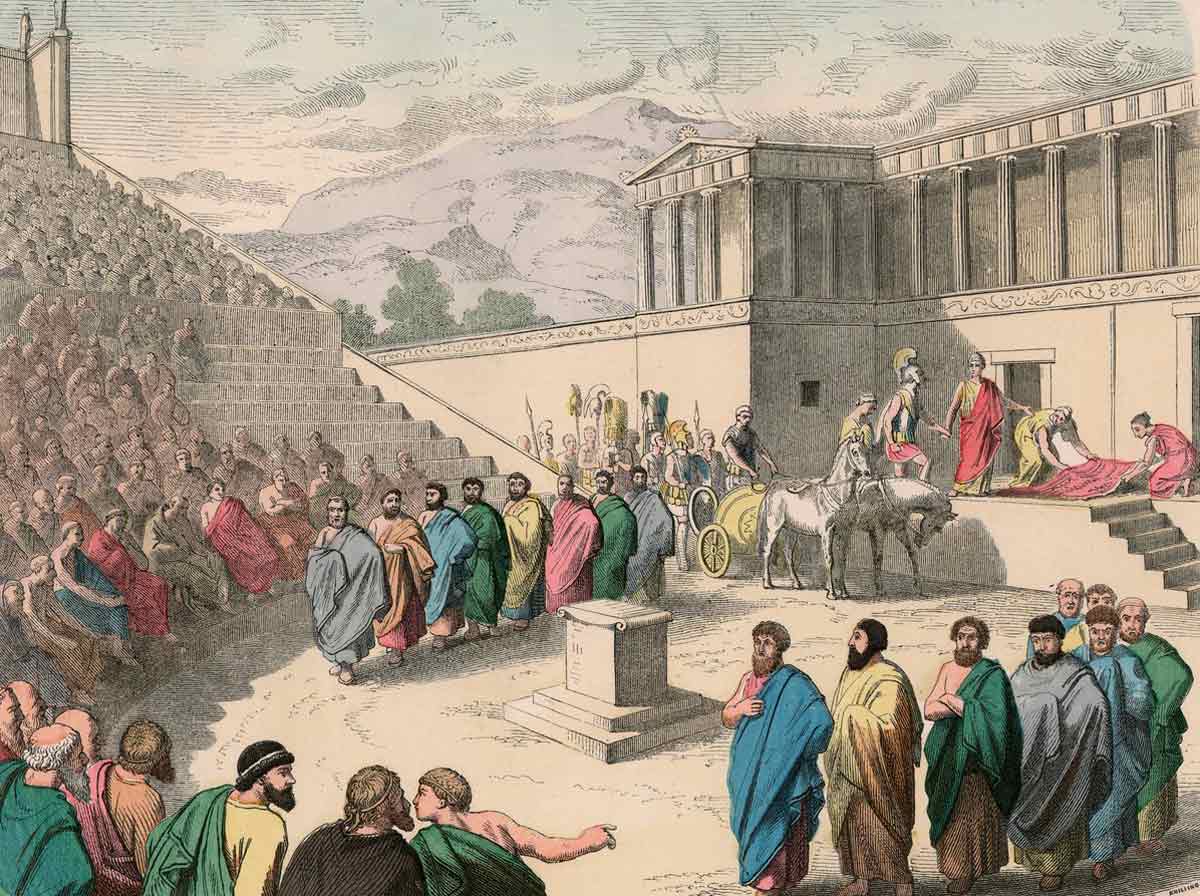
Alternatively, in ancient Greek comedies, the common folk function as protagonists and take the shape of stock characters (ex., the orphan, the lover, the master of the house, etc.), similar to tragedies. In Aristophanes’ Archanians, Dikaiopolis is an ordinary farmer who, frustrated by the Peloponnesian War, negotiates his own private peace treaty with Sparta. Forced into Athens early in the play, he is strongly displeased when he must purchase basics that were otherwise free in his old rural town. Hence, his choice for peace is not a sign of sympathy for Sparta, but a protest against Athenian economic corruption and its thieving officials.
Notably, in another play, The Clouds, Aristophanes uses Strepsiades, a middle-aged, debt-ridden farmer, to critique intellectual fads. As pointed out by scholar Leonard Woodbury, Strepsiades functions as a lens through which the audience becomes an observer of the clash between the mindset of the “plain man” confronted with the rising intellectual culture of the 5th century.
2. Masks Carried Emotion—and Sound
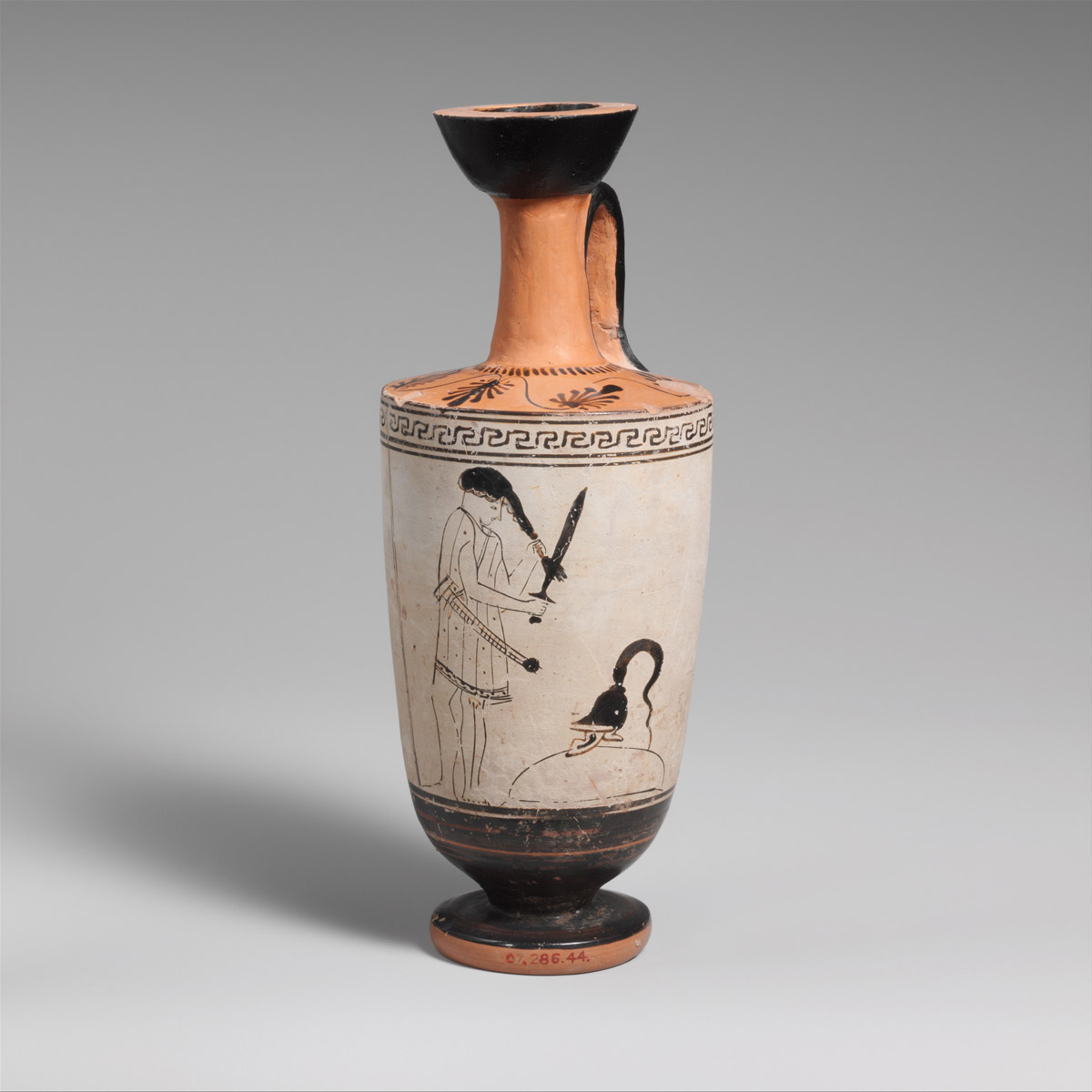
Masks were not just visual or ritual devices, but also acoustic instruments that shaped the actors’ voices and the spectators’ experience. The masks enclosed the entire head of the actor, forming an extra hollow space between the performer’s face and the mask. This cavity created an acoustic effect called consonance, a phenomenon that occurred when reflected sound returns so fast that it enhances the performer’s voice directly, making words distinct and clear.
Early masks were carved with small eye and mouth slits, reducing the field of vision to a narrow tunnel, and helping actors hear each other better. As a result, the performers’ sensory attentions shift towards the body, specifically its axes, spine, and pelvis, which influenced the power and quality of the voice.
Due to this specific design, the sound of the actor’s voice was considerably enhanced. Specifically, the mask cavity boosted the sound of consonants through reflective surfaces near the mouth and nose, making them stronger and more vibrant. As consonants are important for understanding, the mask’s ability to strengthen these sounds precisely makes it a deliberate acoustic tool.
Researchers from the universities of Zurich, Patras, and Sweden studied this occurrence by using a KEMAR mannequin equipped with a mask and ear microphones. They found that the mask increased the sound pressure level at ear level by an average of 18 dB for high frequencies. This means that sound is perceived at this level four times louder. The consequence of such development would be a high risk of auditory overstimulation, and the actor wearing such a mask might have been forced to use earplugs to avoid ear damage.
3. There Were Female Roles, but No Female Actors
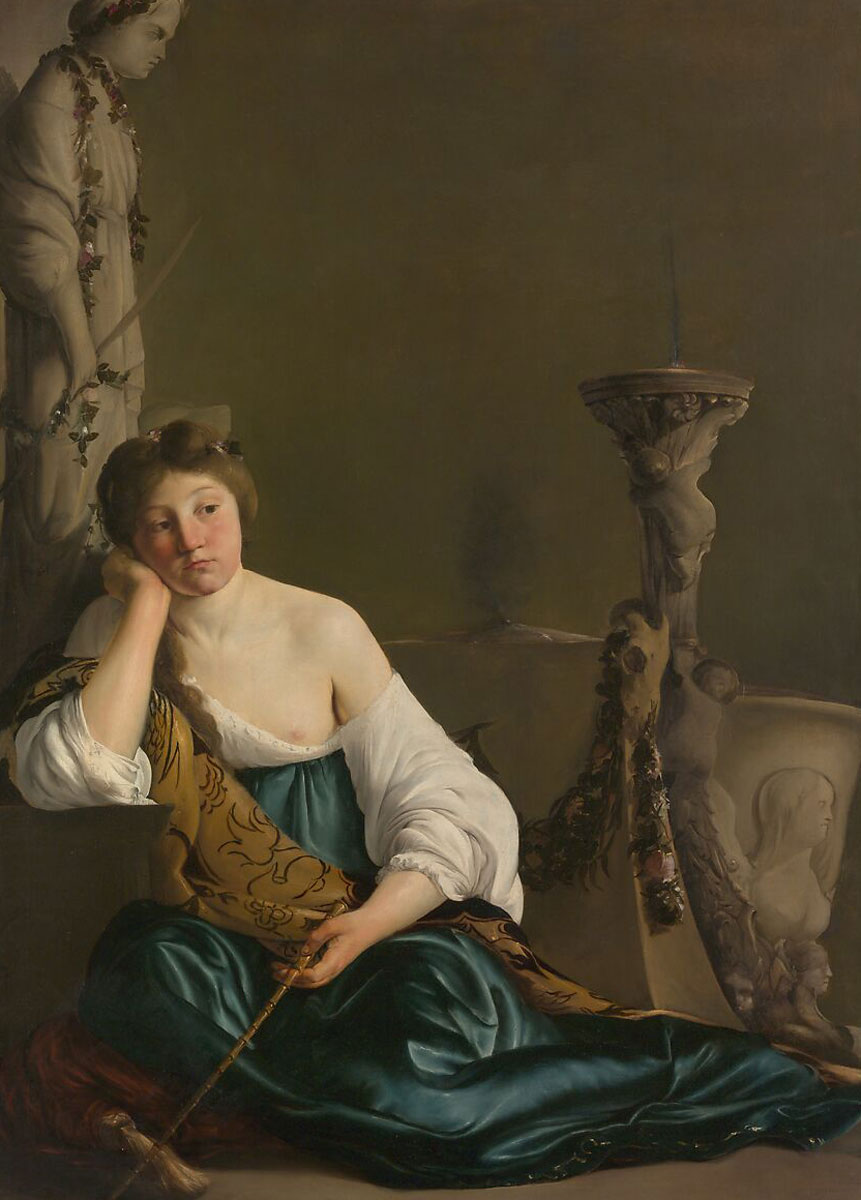
Women in ancient Greek drama represented two compelling paradoxes regarding their importance and presence within plays. Researcher Marlyn Katz compares Greek tragedy with the Athenian Epitaphios Logos (civil funeral oration) and argues that the former represents the inverse of the latter. The text of an Epitaphios erases individual particularities (such as gender differences) and describes the polis as a male community where women are reduced to silence. On the other hand, Greek tragedies bring women to the forefront as a means to explore the tensions, ruptures, and conflicts ignored in the Epitaphios. In comedies, women are part of a larger social commentary about the gender ownership of the theater. For example, Aristophanes represents tragic plays in his comedy as something that requires literacy and civic identity specific to male citizens, and women are unable to comprehend the artistic and mythological dimensions of these works. Therefore, he says in satirical terms that the ideal audience for tragedies is male.
Nonetheless, Female characters were portrayed by male actors. They created a gender identity through masks, costumes, and performance. Hence, because women were not allowed to perform, male actors crafted, through gender ventriloquism, artificial female characters shaped by male interpretation and conventions. The mask made gender visibly artificial, reminding the audience that femininity was something performed rather than naturally present on stage. Overall, this stylization meant that performers did not present an authentic representation of women but dramatic embodiments of Athenian cultural ideas about women.
4. Despite the Brutal Stories, Violence Was Almost Never Shown on Stage
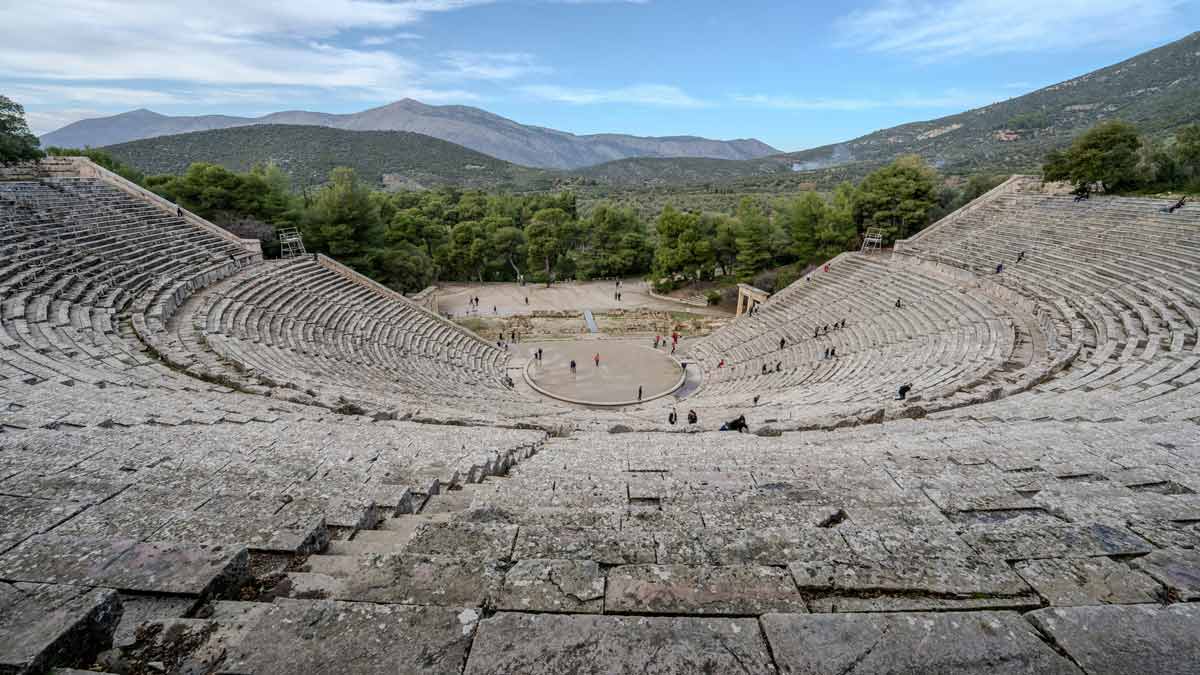
Violence represents another paradox: it was an integral part of ancient Greek drama, but was rarely shown on stage. As a result, we can speak of onstage violence and offstage violence, where the first is less brutal than the second. Offscreen violence takes the shape of murder that happens in a palace, through the form of screaming, and another character (usually a messenger) describing the moment in vivid detail.
Ancient writers, such as Aristotle and Horace, express different views on the matter. Aristotle implies indirectly in his Poetics that onstage death is possible and not censored because it creates a strong emotional reaction from the audience. However, the Roman writer Horace was against it, arguing that such events cannot be faithfully reproduced on stage. Additionally, all roles were played by three actors, and removing one would affect the production. Furthermore, for religious reasons, death could not be shown in the presence of Dionysus, who presided over the play during his festival.
Researcher Maarit Kaimio focuses on the emotional impact of the convention, and the importance of offstage violence is important because it amplifies the emotional weight of the story through anticipation and revelation, basically the mystery created through what is not seen. The audience was psychologically engaged far more than it would have been through a direct depiction. Moreover, as Professor Simon Perris points out, the effect is stronger because the act is mediated through narrative, language, and aftermath. Specifically, the speech of the messenger, the chorus’s reaction, and the reveal of the corpse stimulate the audience’s imagination and provoke them to ponder the deeper moral and psychological consequences of the act. A direct exposure would likely be devoid of any kind of meaningful reflection.
5. Deus Ex Machina Was a Beloved Part of Greek Stagecraft
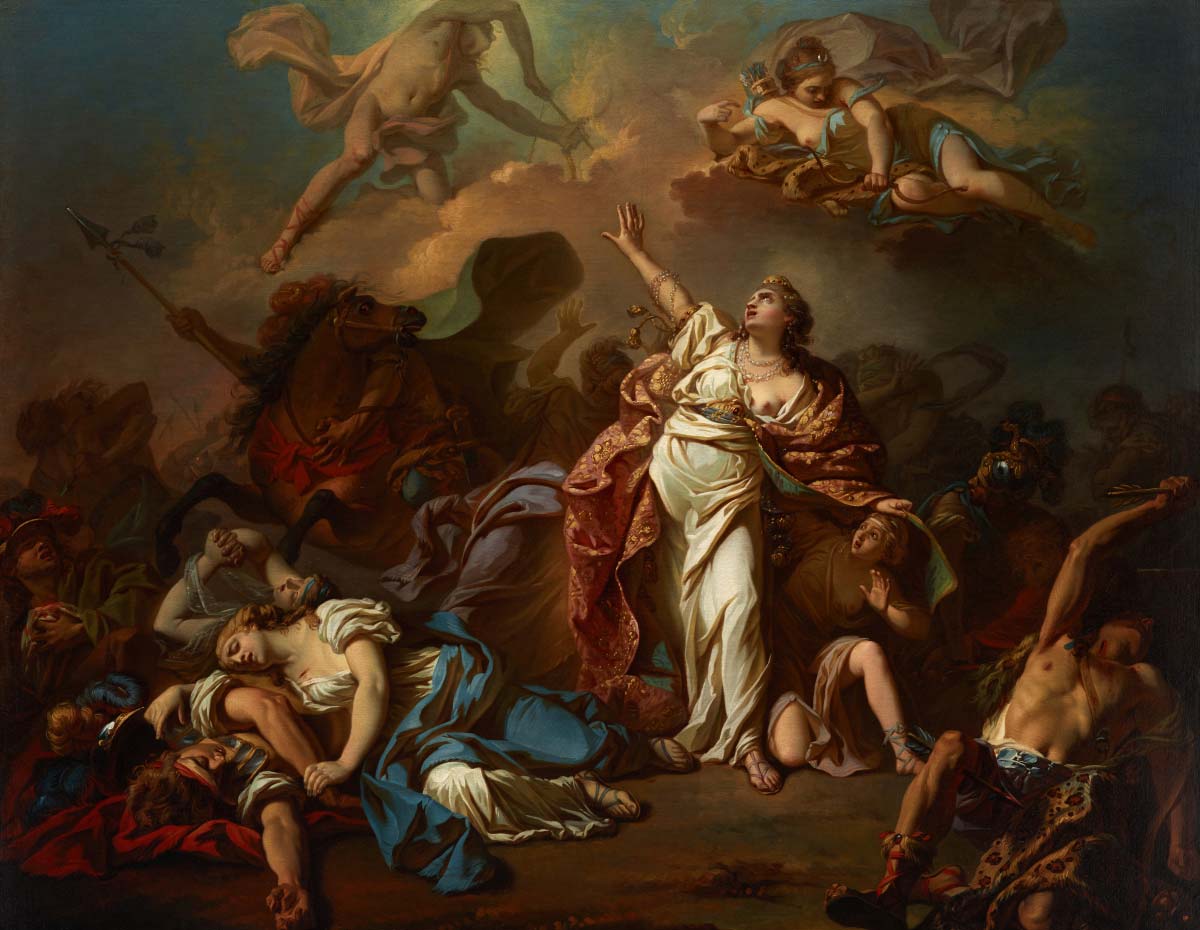
A famous trope that is present in almost every form of media today is the “Deus ex Machina.” Originating in ancient Greece, the term means “God from the machine,” and it started as a form of stagecraft where an actor playing a god was physically lowered onto the stage using lifting equipment. The original contemporary term was mechane (named after the crane device), from which the Latin term “machina” derives.
The first recorded use of this technique was in a play by Aeschylus. After, in tragic plays, it was used by Sophocles in Philoctetes, and by Euripides, who included it in almost all of his famous plays (Medea, Orestes, Ion, Heracles). Moreover, in comedies, Aristophanes even made jokes about his ability to cause instability or dizziness. However, it also gained some degree of criticism, as noted by Aristotle, who does not recommend using this technique. He argues against using this technique to sort out the intricacies of a plot and is in favor of having gods conduct their commentaries outside the action.
Besides the technical aspects, this technique gained literary and even religious significance. It functioned like a religious performance because an actor portrayed a god, as part of a larger practice linked to priesthood and ritual impersonation.
As emphasized by Felix Budelmann, at the core of this trope, there is a process of make-believe and belief. It works because spectators are aware simultaneously that the character is both an actor and a god, linking pretend play, engagement with fiction, and religious experience. It allows spectators to both make believe and reminds them of the artificiality of the moment. Therefore, spectators must process feelings of trust and doubt, acceptance and skepticism, and involvement and awareness, leading to a state of tension specific to stagecraft.