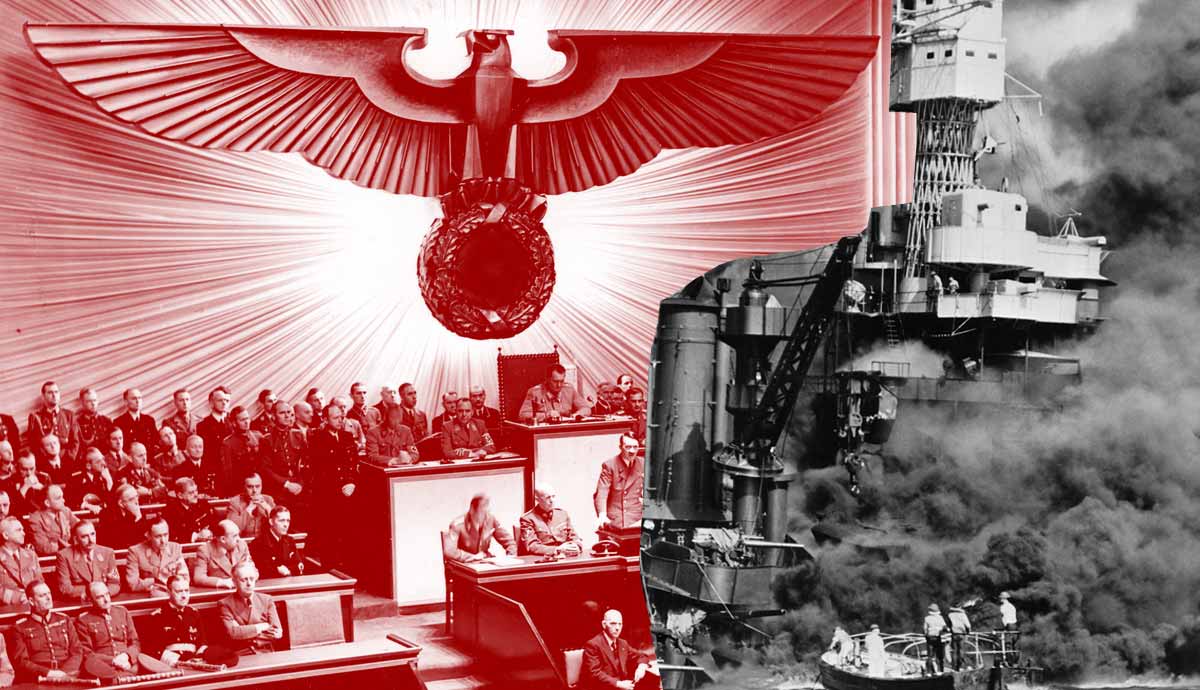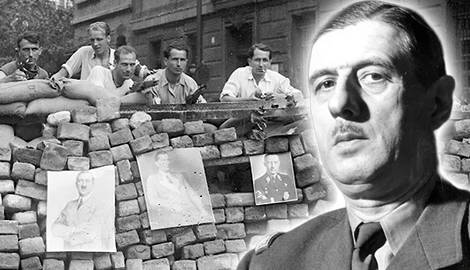

It is estimated that during Germany’s occupation of France from 1940-1944, some 500,000 French men and women joined the resistance. They not only fought the German and Italian armies, but they also fought other French people who collaborated with the Axis. It was one of the most successful insurgency operations in history.
France After the Surrender
When the French Third Republic surrendered to Nazi Germany in June 1940, its leadership placed itself in the hands of Hitler’s henchmen, who had long vowed retribution for Germany’s defeat in WWI. Many French were horrified by the surrender and vowed to keep fighting notwithstanding the decision made by the government in Paris. Others, like former French Marshal Philippe Pétain, thought that Germany’s victory offered the opportunity to remake France in their image. This division henceforth characterized French politics in the Second World War.
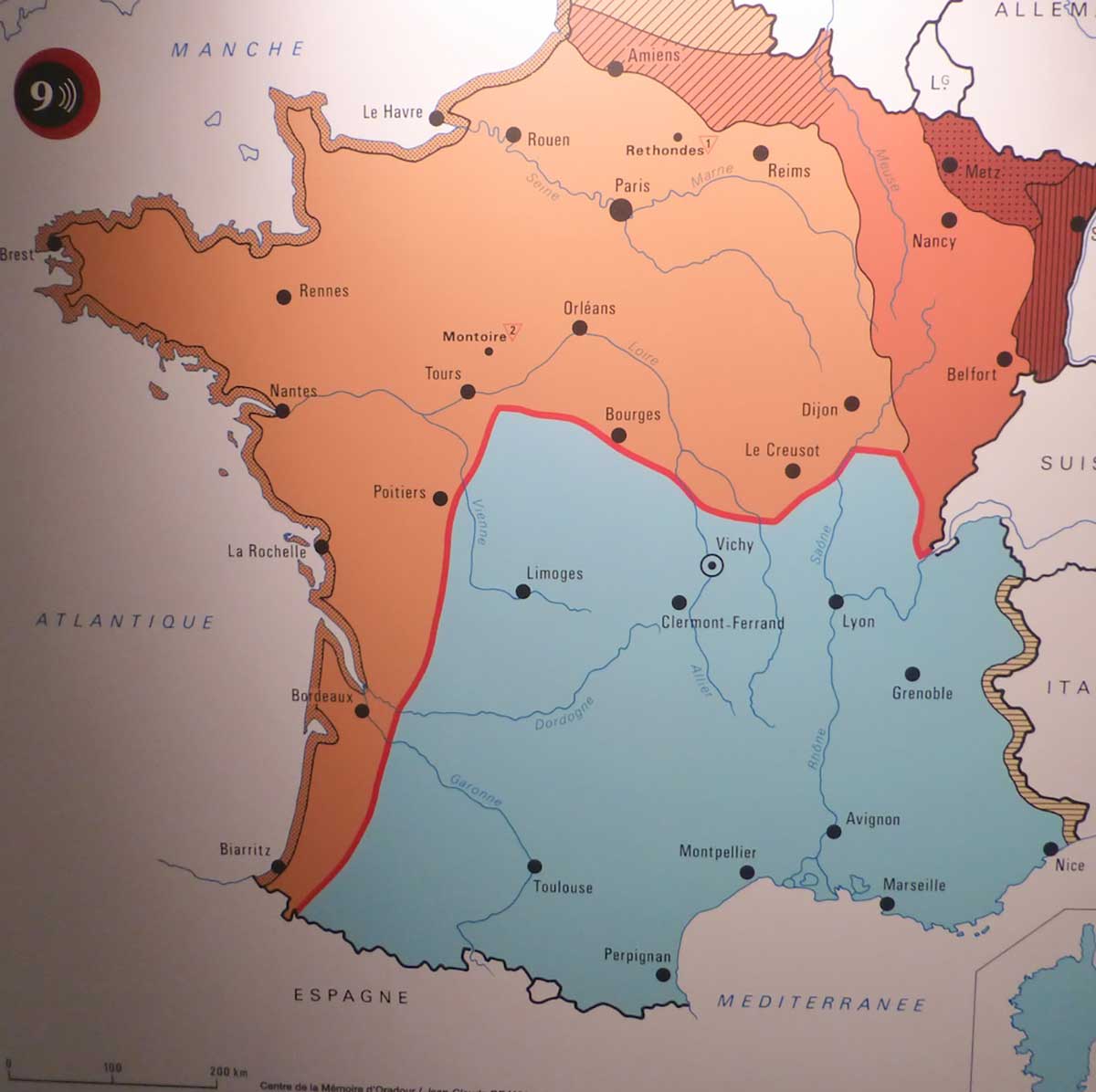
Adolf Hitler and his subordinates decided that controlling all of France and its empire was too costly. Berlin made the decision to take control of all of the Atlantic coastline and northern France, while also annexing Alsace-Lorraine to Germany. A new collaborationist French regime was created in the city of Vichy and led by Pétain and some of his colleagues. Vichy France was allowed to administer the southern zone and the rest of France’s empire as long as they did not challenge German interests.
In the German zone in the north, Wehrmacht units were garrisoned in cities and towns to maintain German control and to stop resistance attacks. They were supported by the German secret police, or Gestapo, which hunted down resistance members, Jews, and anyone else marked for death or imprisonment by the Reich. Germany also used French ports and airfields for its assault on Britain and allied shipping. In the south, Italy took control of Corsica and the French Alps.
The First Resistance Organizations
The sight of German troops marching down the Champs-Élysées appalled many French patriots. Many Frenchmen and women vowed to find ways to resist, but the lack of weapons and munitions initially made such resistance activities very difficult. Nevertheless, resistance activity began almost immediately, causing a security crisis for the Vichy regime and the Axis occupation authorities further north.
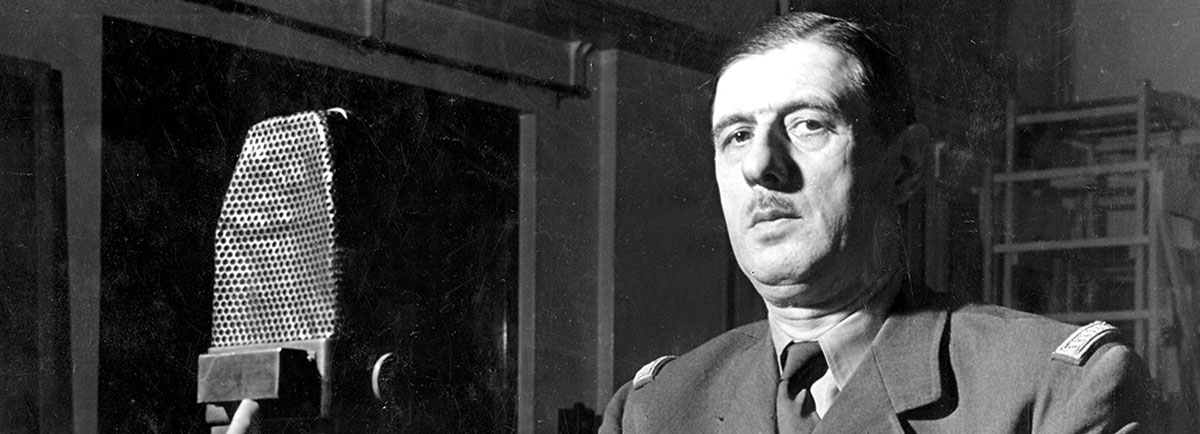
Brigadier General Charles De Gaulle, who had fought the Germans in WWI and the 1940 invasion, refused to acknowledge the surrender agreement and fled to the United Kingdom with some of his staff. De Gaulle became the first prominent Frenchman to announce his intention to resist, something that was opposed by many other French politicians and military leaders. After giving a legendary speech on BBC radio urging French people to oppose Axis rule, he took leadership of the Empire Defense Council, the first formal French resistance organization of WWII, which was based in French Equatorial Africa.
In Metropolitan France, resistance organizations took time to develop. However, the arrival of agents of the British Special Operations Executive (SOE) encouraged resistance activity. French communists formed a group called the Special Organization which began assassinating policemen and German officials in Paris. In 1941, the French officer Henri Frenay formed a militant group called Combat, which vowed armed resistance. Other small groups were founded by Polish and Spanish exiles, Jews, and North African immigrants in France.
The Increase in Resistance Activity and the Collapse of Vichy
The proliferation of resistance groups in France and the empire brought both opportunities and risks. De Gaulle hoped to take control of most resistance groups and created the French National Committee to do so. He was helped by Jean Moulin, a resistance fighter who traveled back and forth between the Vichy zone and Britain. In 1941, the French National Committee created its own intelligence service called the Central Office for Intelligence and Action (BCRA) under André Dewavrin to gather intelligence on German and Italian dispositions and assist partisan groups. De Gaulle still struggled with legitimacy due to British mistrust, Vichy hostility, and the communists vowing to pursue their own course. He was helped by two events: Germany declaring it would conscript French workers for its industries and the collapse of Vichy rule in the south.
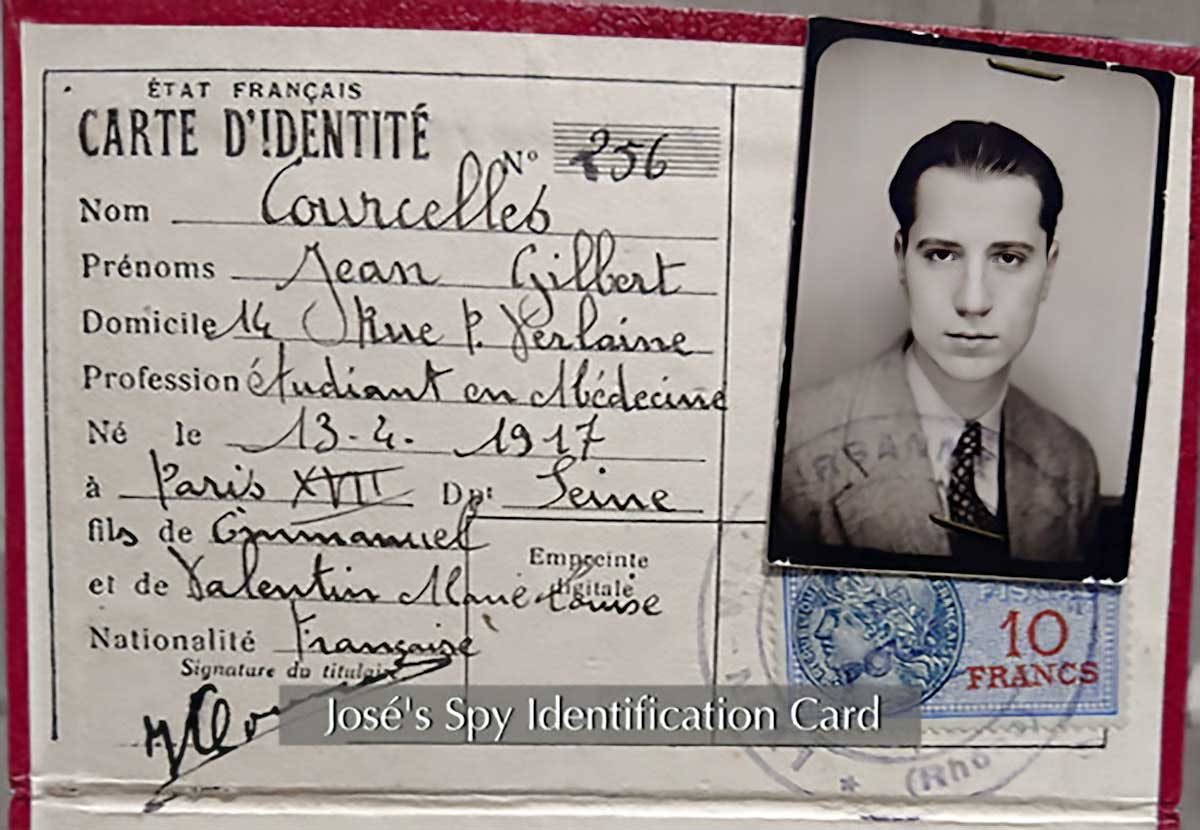
Despite Vichy’s efforts to maintain control in southern France and North Africa, resistance activity grew due to the lack of a Gestapo presence. The colonial administration in North Africa was controlled by several generals and admirals of mixed loyalties. From 1940-1942, they remained loyal to Pétain. However, some Frenchmen, local Jews and Arabs, and Allied spies organized resistance to the Vichy. In Algeria, José Aboulker, a member of a prominent Jewish family, organized a network of spies to undermine Vichy rule. They worked with American and British officials to prepare for a general uprising when the Allies invaded. De Gaulle’s National Committee had limited influence on resistance groups in North Africa before the Allied invasion.
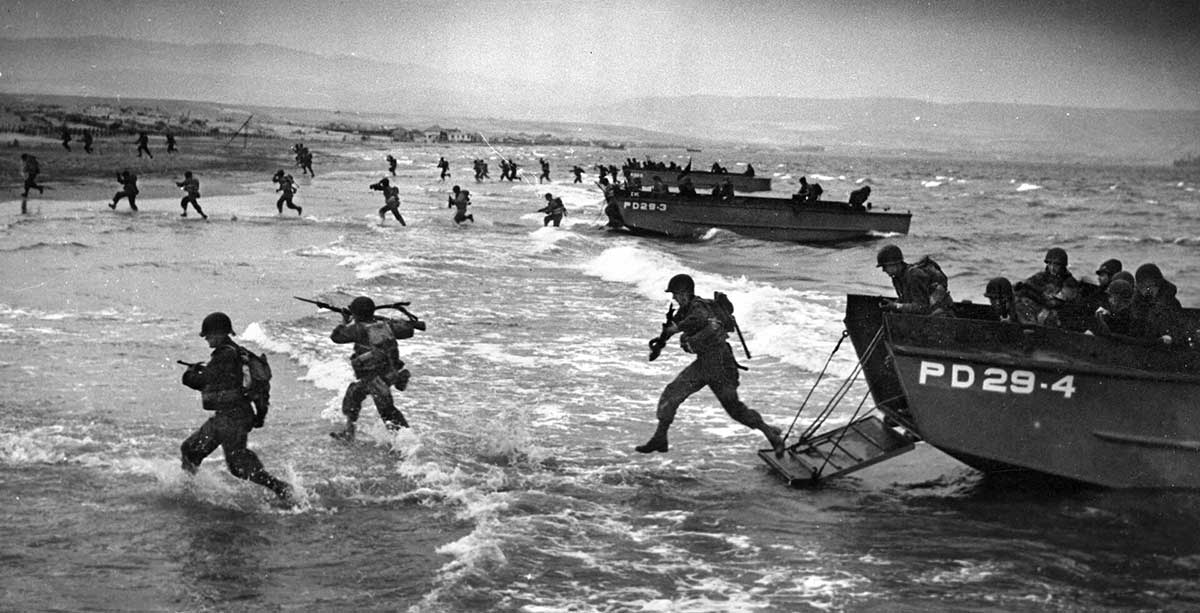
Before the Allies launched Operation Torch, they met privately with some Vichyist admirals and generals to convince the garrisons in Algeria, Tunisia, and Morocco to switch loyalties. De Gaulle and his colleagues were not informed due to the opposition of General Henri Giraud, who wanted to take control of the resistance himself. This posed serious problems for French unity and also showed the mistrust Allied leaders had for De Gaulle and his supporters. The Allied invasion plan relied on the French switching sides immediately and joining the Allies as they marched eastward toward Libya.
When Torch commenced, some resistance bands staged an uprising to assist the landings. However, they were confined to Jewish and leftist groups while the majority of the French garrison fought the Allies. When the Allies won, they installed a government that relied on former Vichy officials such as Admiral François Darlan instead of members of the Free French movement. At the same time, Germany and Italy began moving their forces into the Vichy zone, even as they allowed Pétain’s government to remain in place. This action, along with Germany announcing the conscription of Frenchmen into the Organization Todt (Reich Labor Service), led to an increase in resistance activity in the mainland and the development of the rural resistance known as the Maquis.
The Unification of the Resistance
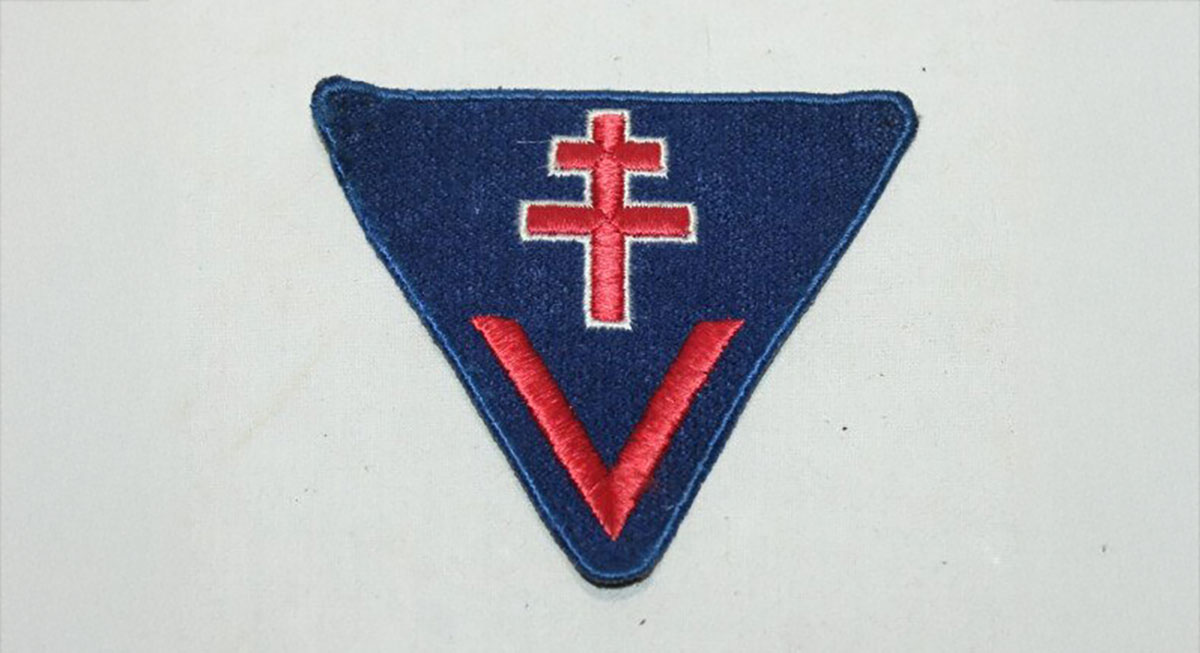
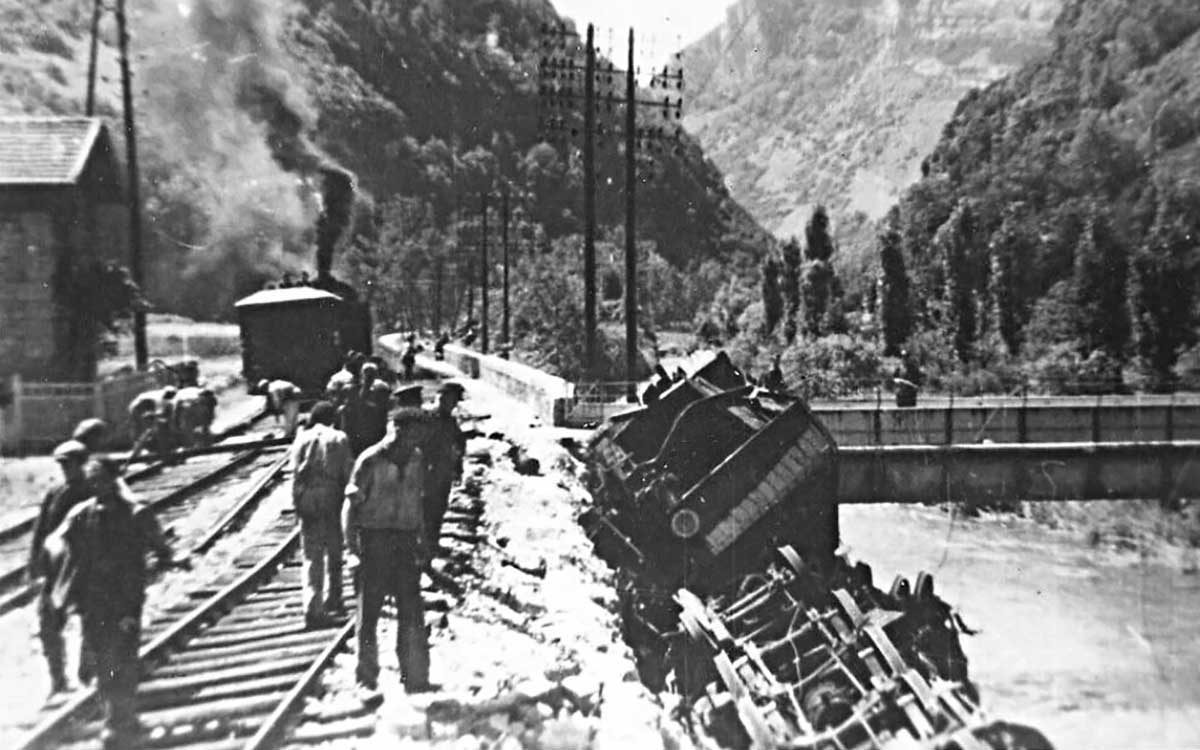
The collapse of Vichy rule gave the resistance an opportunity to combine several different groups under a unified command. In January 1943, Jean Moulin convinced three separate resistance networks to unify under the name Armée Secrète. Moulin then moved north with the aim of convincing additional factions to join this force. In May, Moulin met with other resistance leaders in Paris to form the National Council of the Resistance (CNR). The formation of the CNR ensured coordination of resistance activity within France, such as targeting railways and other critical infrastructure.
The Gestapo had considerable success in targeting key resistance figures by creating turncoats within the CNR. In June 1943, the Secret Army’s commander General Charles Delestraint was arrested by the Gestapo and sent to a concentration camp, where he died in 1945. When Moulin called a meeting to identify who got Delestraint arrested, he himself was betrayed and seized by German agents. Moulin was also killed by the Germans in captivity and his arrest hamstrung resistance activity for some time. By this point, resistance cells were engaged in pitched battles with a collaborator militia known as the Milice, the Vichy’s security force.
The French Communist Party’s resistance network, called FTP, did not recognize De Gaulle’s authority and stayed out of Moulin’s unification efforts. However, they still carried out attacks against the Germans and Vichyists. Under the leadership of Missak Manouchian, the FTP carried out a series of targeted killings, such as General Julius Ritter, the officer responsible for the recruitment of forced laborers. Manouchian was also caught and killed, but FTP continued its activities.
The Height of Resistance Activity in 1944
As it became clear that the Axis was going to lose the war, the French resistance saw its strength grow and finally gained sufficient weapons to undertake offensive actions against the Germans. Italy’s surrender in 1943 meant that resistance units could use Italian weapons left in the occupied territories such as Corsica. More resistance activity meant more reprisals, meaning that the resistance was taking a major risk when it escalated its attacks against German garrisons.
While some resistance became aware of the possibility of an Allied landing in France, almost no Frenchmen or women were aware of the planning behind operations Overlord or Dragoon. As a result, resistance units began planning to seize large amounts of territory by themselves. For instance, in the Haute-Savoie, several hundred maquisards seized a plateau and began fighting thousands of German troops in March 1944. They were defeated, but many survived to fight another day. By this point, all resistance forces were now called the French Forces of the Interior (FFI) and came under the command of De Gaulle’s subordinate General Marie-Pierre Koenig. Despite mistrust from some Allied commanders, the FFI received an increased supply of light weapons and small arms from the Allied intelligence agencies. The hope was that the FFI would act as a force multiplier for Allied forces landing in Normandy and the Riviera.
As preparations for the landings continued, the Allies dropped more commandos into France to help the FFI. Joint Allied-FFI teams were called Jedburgh teams and aimed to weaken German defenses. Their activity began shortly before the Normandy landings in June 1944.
Liberation
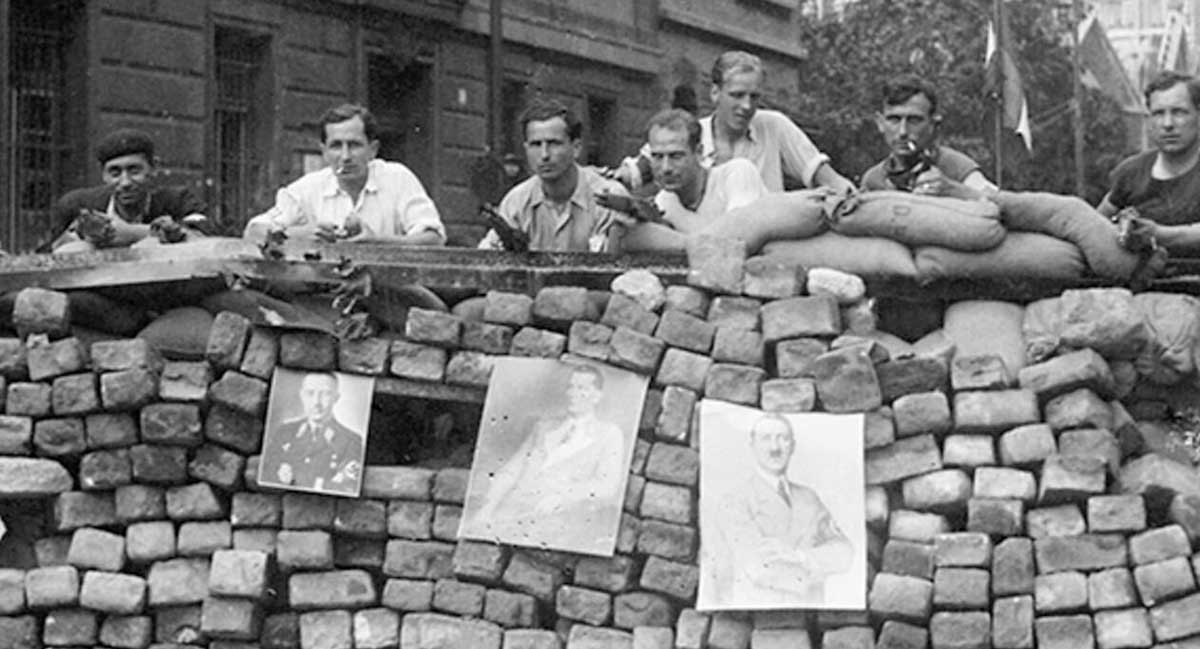
On June 6, 1944, Allied airborne and seaborne units arrived on the Normandy coast to start the liberation of France. Subsequently, the US 7th and French 1st Armies landed in the Riviera as part of Operation Dragoon on August 15, 1944. FFI units joined the battle by either sabotaging German supply lines or attaching themselves to frontline Allied units. Elements of the FFI group Résistance-Fer derailed German troop trains and targeted bridges on the way to the front. The Germans and milice struck back mercilessly, burning whole villages like Oradour-sur-Glane and deporting remaining Jews and maquisards to the concentration camps.
As the Allies advanced deep into France, the FFI prepared for the total liberation of the country. In the south, FFI columns assisted Allied troops as they advanced towards the German border. By the time American forces entered the city of Lyon, the maquis had pushed the Germans and milice out of the city. FFI units also helped ensure that Paris fell without too much destruction by securing critical areas of the city before the Americans arrived. As part of his effort to reinstate stability during the liberation, De Gaulle ordered the integration of the FFI into the Free French Army. He also called on the FTP to disarm to avoid the possibility of a communist revolution.
In the decades following the war, the French Resistance was eulogized for its sacrifices during the war. De Gaulle insisted that they, rather than the Allied landings in Normandy, were responsible for the liberation of France, some of its darker components were hidden, such as the ruthless postwar purge of collaborators and the betrayal of some of its leaders by Gestapo informants. Nonetheless, its contributions were important to the Allied success, such as saving Jews, passing on vital intelligence, and delaying German reinforcements to the front.