
Facing a formidable Japanese force in occupied Burma in WWII, the British army decided to infiltrate large commando forces behind enemy lines to undermine the Japanese. The brainchild of one of the most eccentric officers of WWII, the Chindit operations caused chaos for the Japanese before they invaded India. They also showcased the prowess of Allied special operations troops and the damage they could cause.
General Orde Wingate
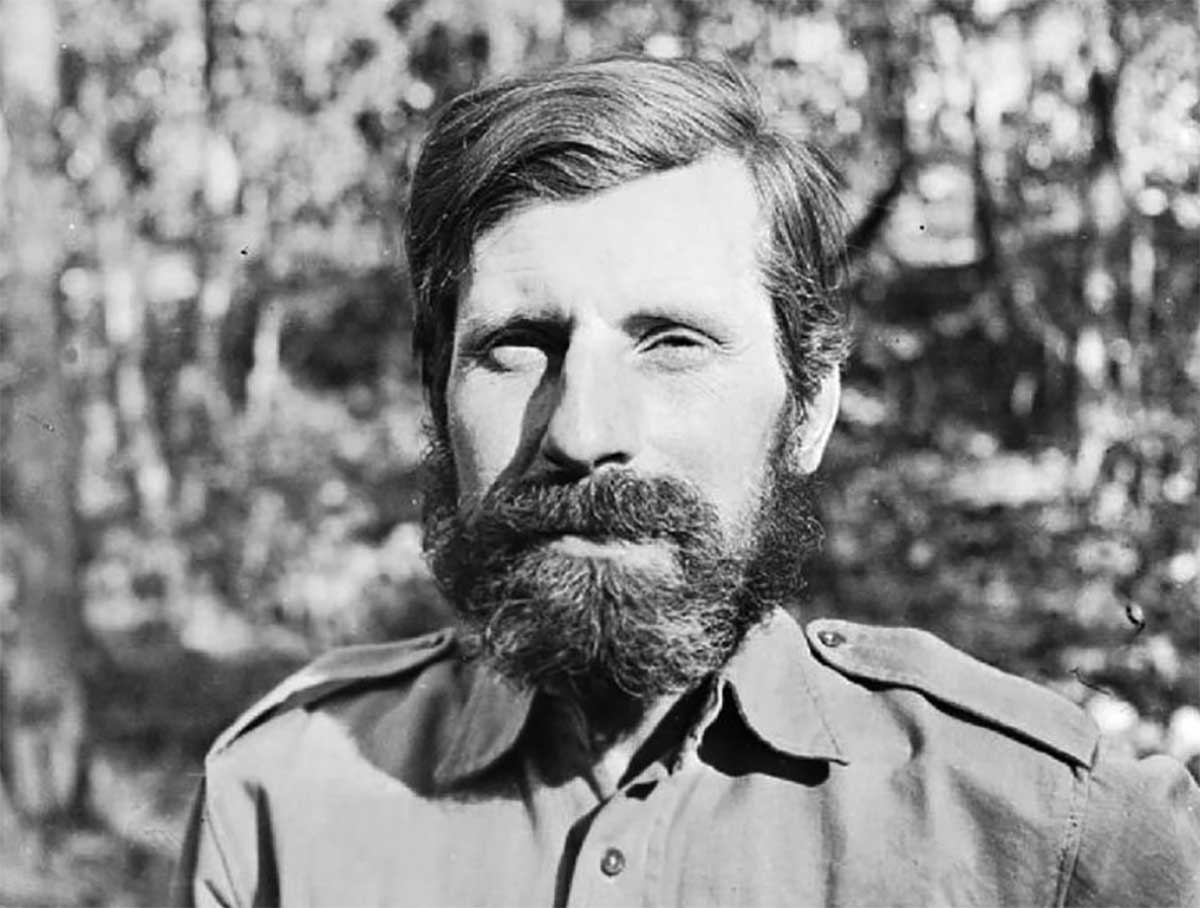
General Orde Wingate was arguably the most eccentric of all the Allied WWII commanders. A graduate of the Royal Military Academy in Woolwich in 1923, General Wingate was strikingly different from other British officers with similar backgrounds. As a young officer in Mandatory Palestine, he organized small units of Zionist fighters to fight Arab rebels, acting against the British authorities who were seeking to limit Jewish migration to Palestine. This was the first time he practiced asymmetric warfare, which he would promote for the rest of his military career. His successes led to his promotion to major but also led to him being transferred away.
After the outbreak of the Second World War, he did not participate in any fighting for the first two years. When the Allies invaded Italian-controlled Abyssinia in 1941, he worked closely with Ethiopian leader-in-exile Haile Selassie. He organized small bands of British and Ethiopian fighters to harass Italian troops behind their lines. Even though the operation was successful, he contracted malaria and ran afoul of his superiors, who disdained his blustering ways. Afterward, he was assigned to Southeast Asia Area Command in Burma in 1942.
At this point, the Allied campaign in Burma was not going well. Allied troops had been pushed back by Japanese forces to India. Counterattacks involving frontal assaults against Japanese positions in the Arakan region failed. Behind Japanese lines, there was some resistance by Burmese partisans, but they were not sufficient to pose a major threat to Japanese control.
Planning Operation Longcloth
Allied commanders had two main goals in their campaign in Burma: assist the Chinese Kuomintang and break Japanese imperial control of Southeast Asia. As long as Japanese forces maintained effective control over Burma, Lend Lease supplies to China were threatened. These supplies were crucial for China’s survival. Yet, every effort so far to break through Japanese lines in northern Burma had been stopped. Tokyo committed substantial forces to the region and was in no mood to surrender control. Wingate knew this and believed that other means had to be tested to break Japan’s will to fight in Burma.
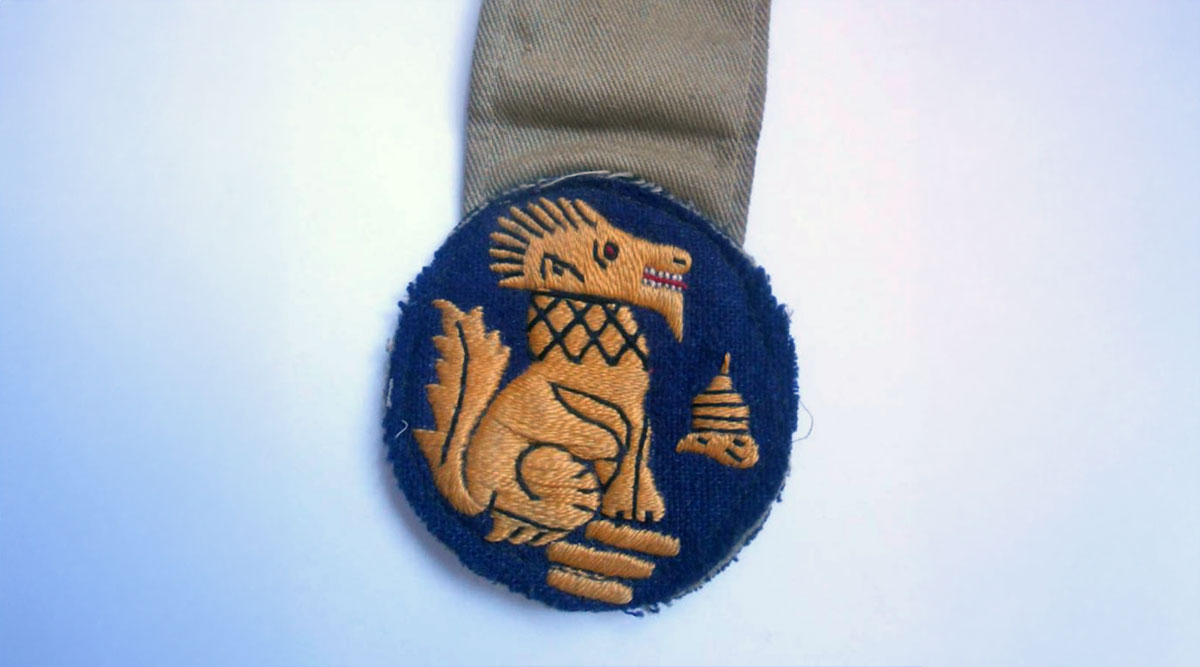
General Archibald Wavell was the senior Allied commander in Burma in 1943. Hoping to weaken Japanese forces before the next major battle, he agreed to a plan codenamed Operation Longcloth developed by Wingate and some other officers. The 77th Indian Infantry Brigade would be divided into eight columns of around 500 men each. They would march into Japanese-held territory and engage in hit-and-run raids against enemy forces. Wingate had three battalions at his disposal and they could call on the RAF to provide air support. They would be named the Chindits after the Burmese word chinthe, which means lion.
Wingate’s audacious plan was not unique. In North Africa, British commandos launched raids deep into enemy territory to destroy aircraft on German and Italian airfields. However, the scale of this operation was unprecedented. Wingate took a brigade of conventional soldiers and turned them into a guerilla force. His plan could either succeed brilliantly or fail spectacularly.
Operation Longcloth, 1943
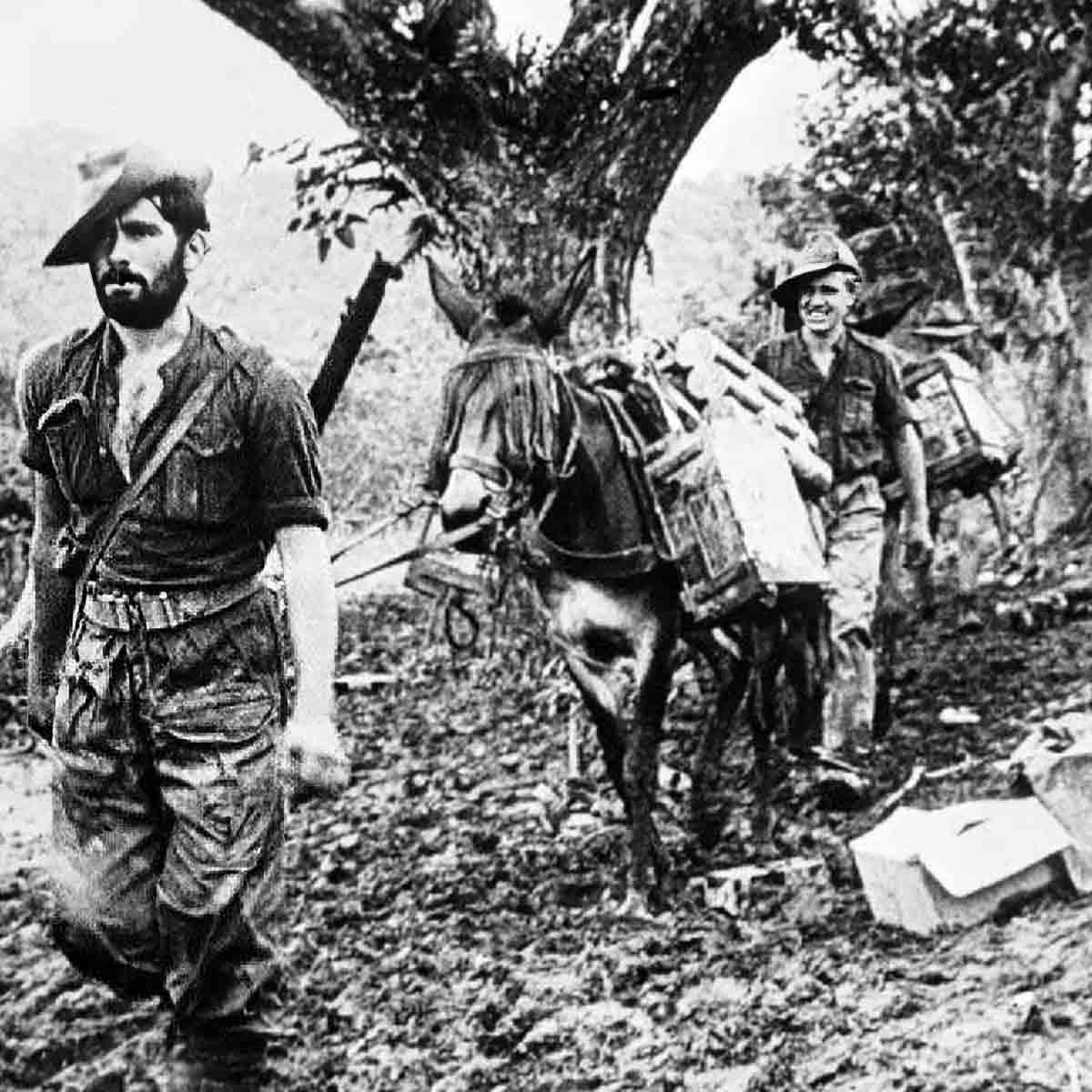
On February 8, 1943, 3,000 Chindits in their respective columns entered Japanese Burma. Each column had radios to communicate with one another and the RAF. They also had mules and horses for resupply. Their initial entry was mostly unimpeded, but they had difficulty crossing the Chindwin River. Different columns ran into each other while some got cut off from the main force due to the dense terrain. Wingate became impatient: he wanted his forces to advance swiftly like he had in Abyssinia but now they were getting bogged down in the jungle.
The Japanese were initially caught off guard. They knew to expect small raids on their forces but now found themselves fighting pitched battles behind their lines with large forces. However, they reacted quickly and moved to stop the Chindit attacks. Guards set up on the Irrawaddy River prevented the British from crossing. They brought up reinforcements to protect their airfields, meaning that the Chindits could not get to them. However, the Chindits were able to destroy some of the Japanese rail lines leading to their forward positions on the Chindwin River, which affected Japanese resupply efforts.
For nearly two months, the Chindits fought repeated battles that saw heavy casualties on both sides. By April, Wingate ordered every column to return. While Wingate’s forces inflicted heavy casualties, it did little to challenge Japanese control of Burma, and the damaged railway lines were repaired within a few weeks. The operation came at a heavy cost to the Chindits, and one-third of them failed to return from Longcloth.
Expansion of the Chindits
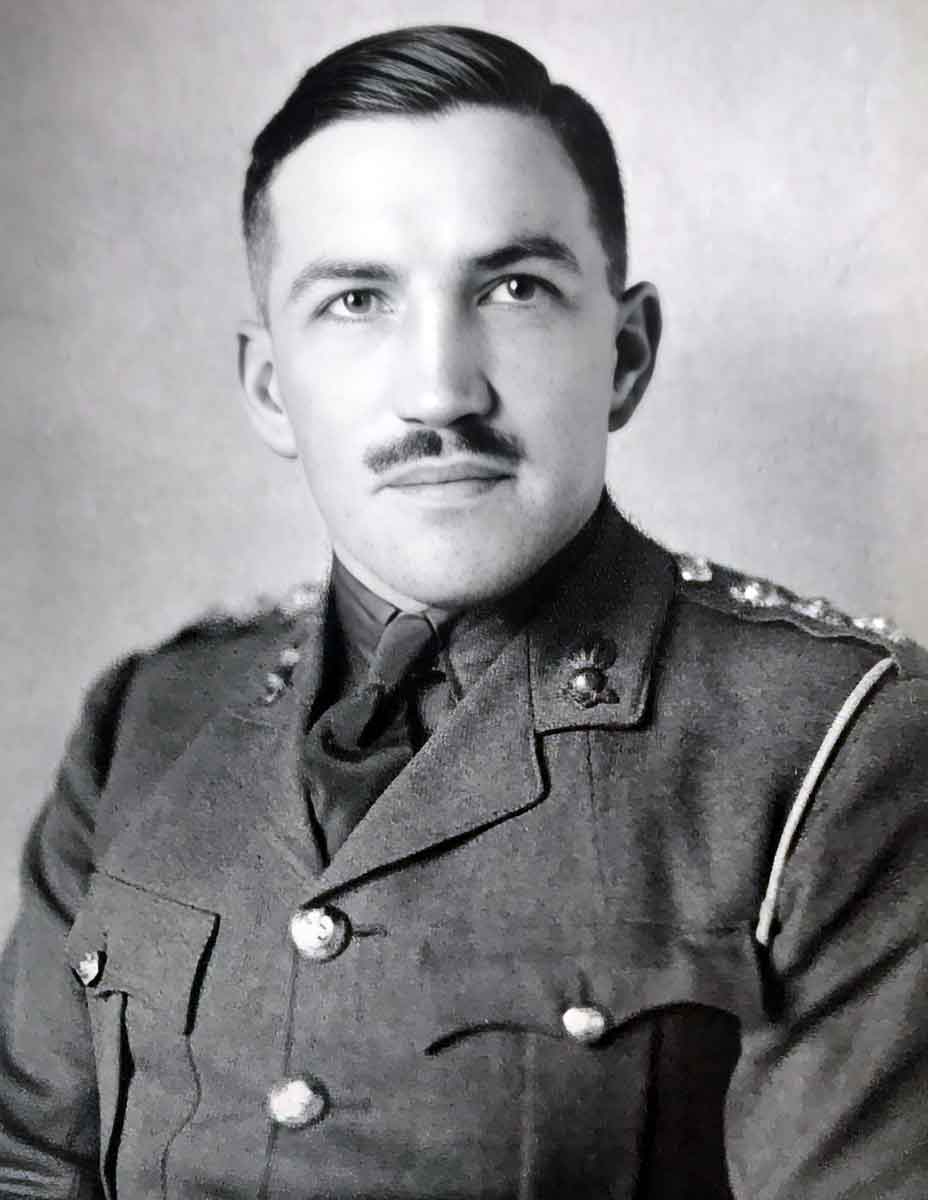
Despite the heavy losses and lack of tangible results, Wingate was thrilled with Longcloth’s execution and wanted to repeat it on a grander scale. He was supported by the prime minister, Winston Churchill, who was an enthusiastic proponent of special operations. Wingate believed that a larger operation required more support and he wanted aircraft to play a bigger role. He also hoped to head off the impending Japanese offensive in early 1944 known as Operation U-Go.
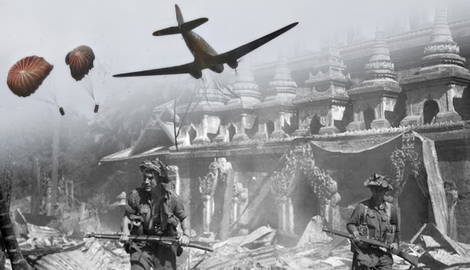
In Operation Thursday, six brigades were to be deployed along a series of makeshift bases near the Irrawaddy River to disrupt Japanese supply lines. Wingate also hoped to divert substantial Japanese forces to the area. Instead of marching in, the Chindits would be flown in by a newly formed unit: the 1st Air Commando Group. Colonel Philip Cochran, an American pilot, commanded this formation. He ordered gliders to drop the Chindit brigades onto a series of clearings that could then be turned into airstrips. Instead of being supplied overland, the Chindits would fight like paratroopers and be supplied by the airbridge.
Veterans of Longcloth such as Mike Calvert and Joe Lentaigne were brought in to assist with the planning. The expanded Chindit force now consisted of the 3rd West African Brigade, the 14th, 16th, and 23rd UK Infantry Brigades, and the 77th and 11th Indian Infantry Brigades. Wingate hoped to gain support from Kachin guerillas as well. Cochran had 280 planes and gliders available for operations. He even included 6 prototype helicopters. Operation Thursday was the largest special operation of the entire war.
Operation Thursday, 1944
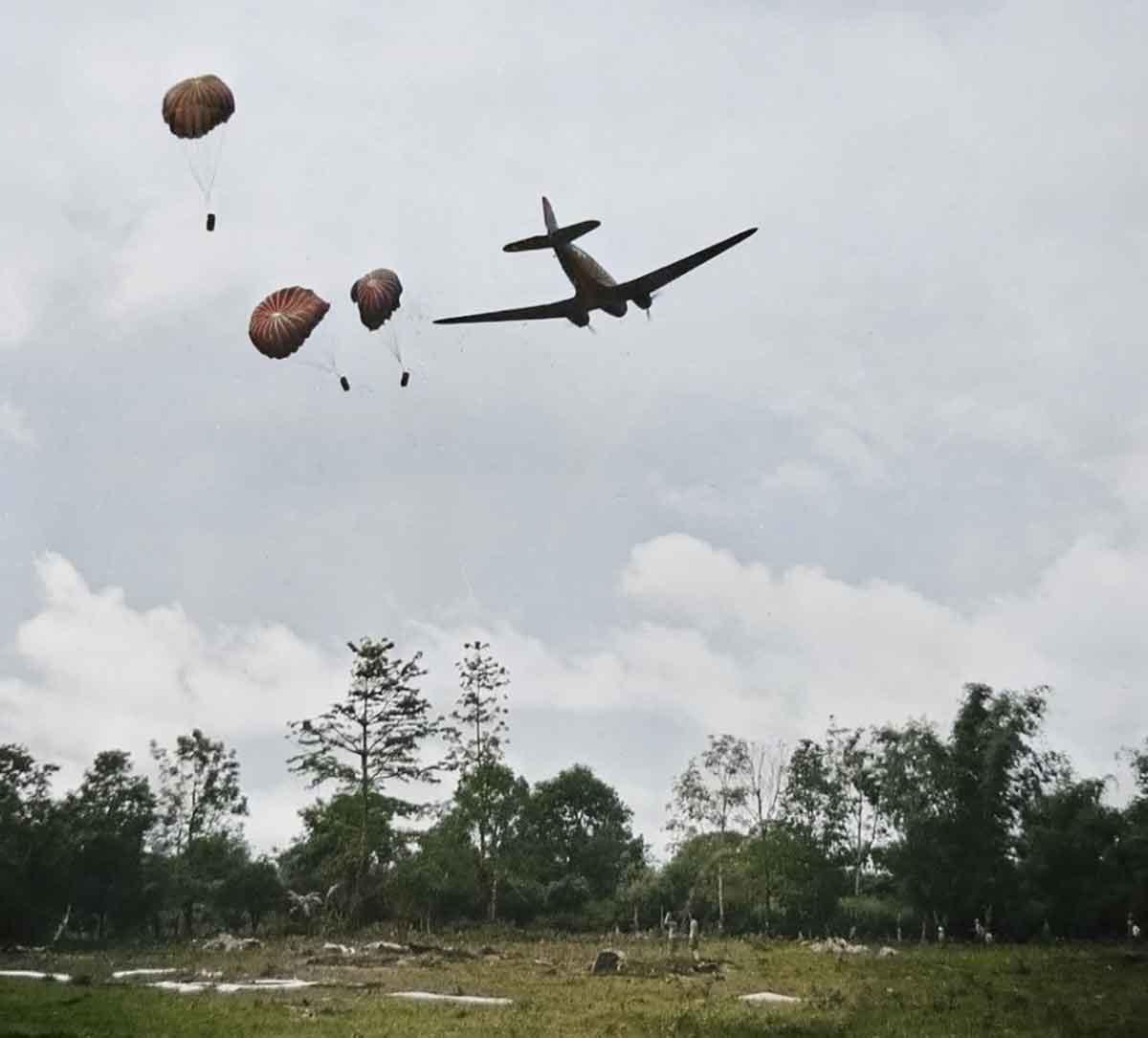
Operation Thursday began on March 4, 1944, as the first Chindit brigades emplaned in India and began their assault on their assigned landing zones. The 16th marched into Burma while the 77th prepared to assault Landing Zone Piccadilly. Other brigades were to follow suit. The landing at Piccadilly nearly turned into a disaster due to logs in the field, but the drops at both Piccadilly and Broadway proceeded. Upon landing, engineers began preparing defenses in each landing zone for a Japanese attack and built temporary airstrips.
By March 11, nearly 9,000 men, 500,000 pounds of supplies, and about 1,200 mules and 175 ponies were dropped 200 miles behind Japanese lines. Japanese general Renya Mutaguchi prioritized the advance into India and did not want to be distracted by the Chindits. However, he realized that this force posed a threat to his rear and ordered eleven battalions to mass against the Chindits. At this point, the Chindits controlled landing zones White City, Aberdeen, Broadway, Piccadilly, Blackpool, and Chowringhee. Their attack on the town of Indaw failed, but they repulsed several Japanese attacks on their positions. On March 24, General Wingate was killed in an air crash, leaving General Lentaigne in command. As Japanese reinforcements arrived, Chindit casualties mounted and the supply situation deteriorated.
In late March, the 23rd Brigade was reassigned to defend India, weakening the Chindits’ manpower. Air resupply continued, but conditions for the troops were terrible. Several bases, including White City, were closed down. Most Chindit forces were evacuated by April though some elements remained behind near the city of Myitkyina.
The Legacy of the Chindits
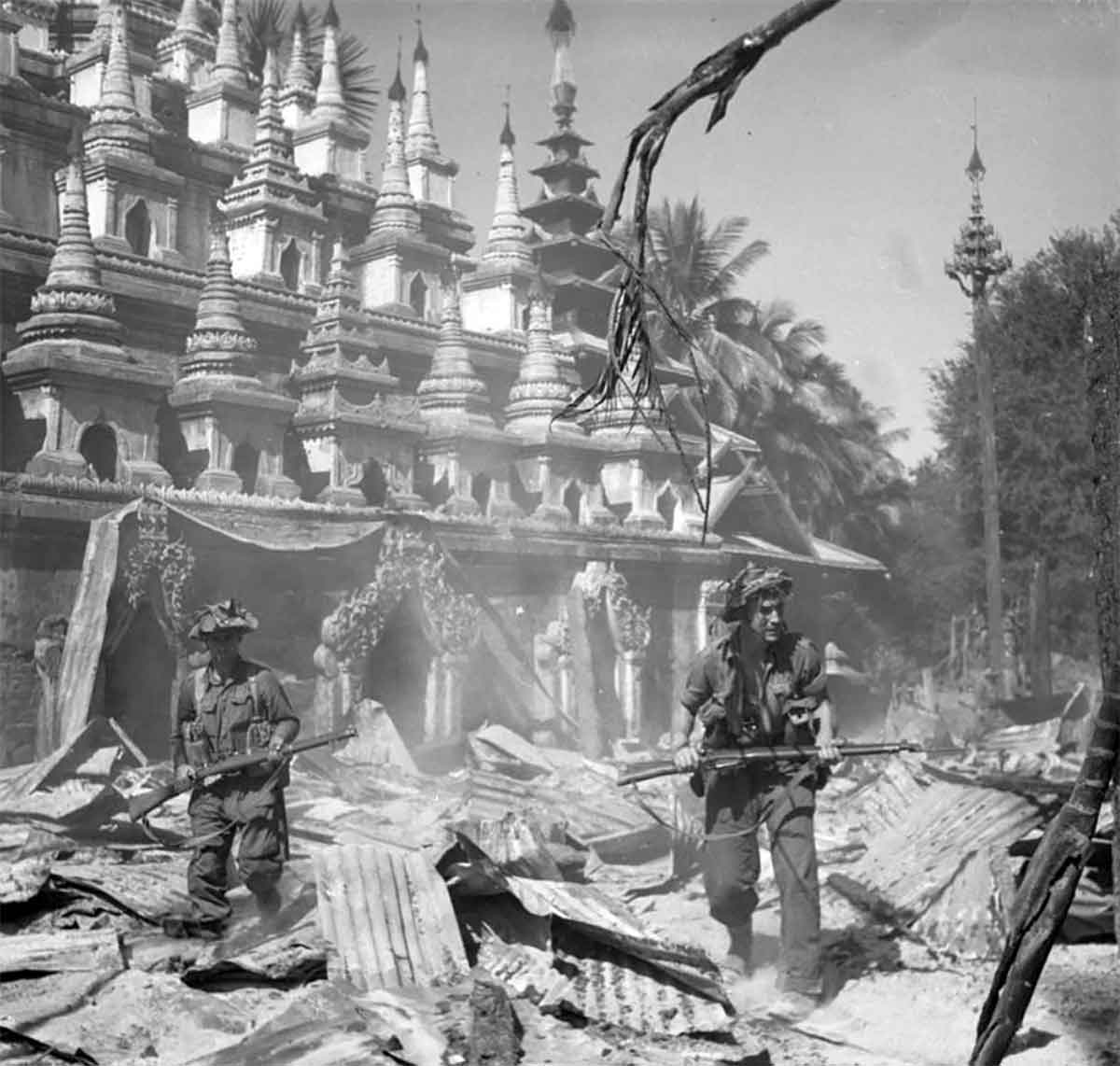
At this point, American General Joseph Stilwell took command of Chindit operations and ordered them to fight alongside his mixed Chinese-American force. Using a special forces unit as conventional infantry was a controversial decision that enraged Chindit veterans. The Chindit brigades were involved in the advance into Burma in 1945, although some of them were organized into an air-landing division that would not be deployed during the war.
Both Operations Longcloth and Thursday were derided as a waste of resources by some Allied commanders like General Bill Slim. They saw enormous resources devoted for relatively light and temporary gains. However, Operation Thursday is credited with weakening the Japanese advance towards Dimapor in Operation U-Go. The deployment of air units to assist ground forces was extensively used in the Second World War and the 1st Air Commando Group distinguished itself during Operation Thursday.
The Allied victory in Burma decisively broke Japanese control of Southeast Asia. The Chindit operations were not decisive on their own, but they did play a role in weakening Japan’s grip on the territory. The use of special operations forces in Burma worked hand in glove with conventional forces, as Wingate had intended. This eccentric general, famous for wearing an alarm clock on his belt and addressing his officers naked, did not play a decisive role in winning the war. However, he did play a role in the development of unconventional war doctrines promoted in the US and UK today. The Chindits’ propaganda value outweighed any material costs associated with their operations.