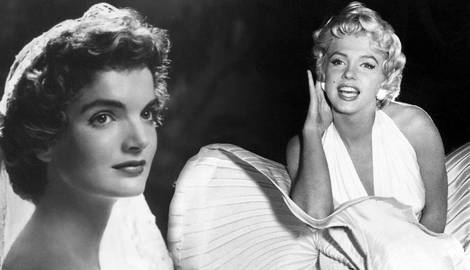

The classic beauty of First Lady Jacqueline Kennedy sharply contrasts with the overt sexuality of Hollywood blond bombshell Marilyn Monroe, and yet the public remembrance of their styles and beauty, as well as their connection to President John F. Kennedy, is both how and why these two women are recorded in history. Despite having starkly different styles and audiences due to their separate career paths and goals, Kennedy and Monroe illustrated how style and beauty were manipulated in order to portray the “American Dream.”
Kennedy vs. Monroe: Contrasting Icons in American History
No decade fully encapsulates the “American Dream” like the 1950s. A concept first developed by historian James Truslow Adams in his 1931 book, The Epic of America, the “American Dream” was purportedly achievable for everyone, no matter their race, class, or gender. While historical analysis clearly contradicts this view of America, especially in the 1950s and 1960s, the concept helps to explain the romanticized public view and idolization of both Jacqueline Kennedy and Marilyn Monroe.
Monroe and Kennedy represented two different ideals of American femininity in two different decades; their very existence highlights the contradictory nature of being a beloved American icon. The “American Dream” was an all-consuming conceptualization of the burgeoning cultural status of America in the 1950s and 1960s, and dominates both the public perceptions and historical legacies of one of the most culturally significant First Ladies, Jacqueline Kennedy, as well as Hollywood’s beloved “dumb blond,” Marilyn Monroe. The historical and cultural significance and remembrance of both Kennedy and Monroe are examples of revisionist pop culture history; their realities weren’t as ideal as commonly portrayed.
Marilyn Monroe suffered numerous traumas and tragedies in her life; her intelligence and talent were ignored in favor of her appearance. Jacqueline Kennedy similarly suffered many tragedies throughout her life, but unlike Monroe, her hardships seem to be all that Kennedy is remembered for, ignoring her intelligence and status. Both women have had their individuality pushed aside in favor of their cultural relevancy, as well as their relationship with the same man.
Women in the Post-War United States
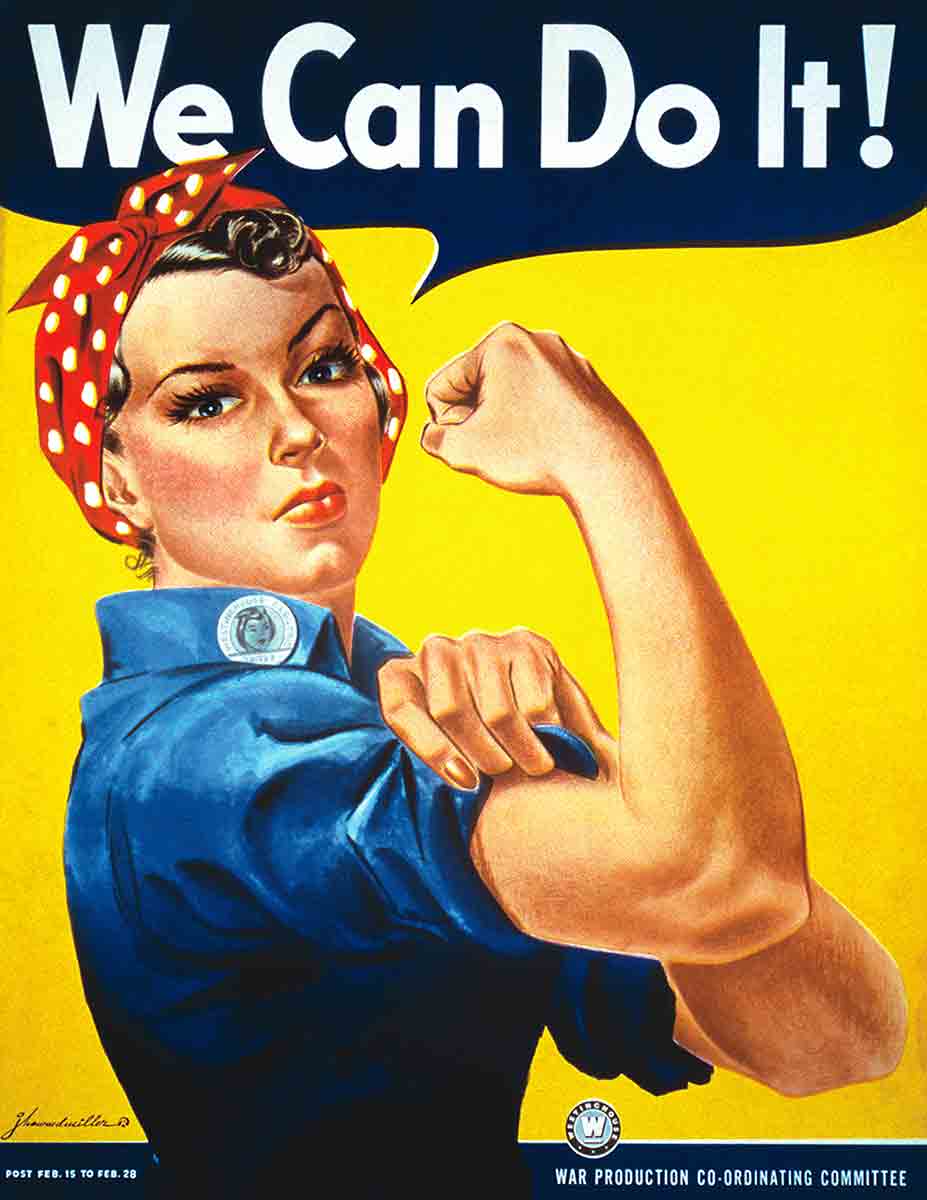
To fully understand the styles and histories of Kennedy and Monroe, one must first understand the context in which these women existed. For many women, the 1950s and 60s were challenging. After years of aspiring to be the iconic and powerful Rosie the Riveter and playing a key role in the war effort, the expectation to return to their lives as mothers and housewives came as a shock. While Monroe and Kennedy may not have been on the factory frontlines with the average American woman, the two different paths that these women followed were what made them relatable or admirable to the public.
Monroe signed her first studio contract in 1946, just one year after the end of the war. Before being discovered, Monroe led a very similar life to the rest of American women—she was even working in a Radioplane factory when she was discovered. This made her seem more average and relatable to ordinary American women, who could fantasize about being discovered in a very mundane and unglamorous environment as well. Hollywood’s studio system of the 1940s and 1950s cemented Monroe as a Hollywood icon, but this was done by suppressing the actual person behind the persona, Norma Jeane.
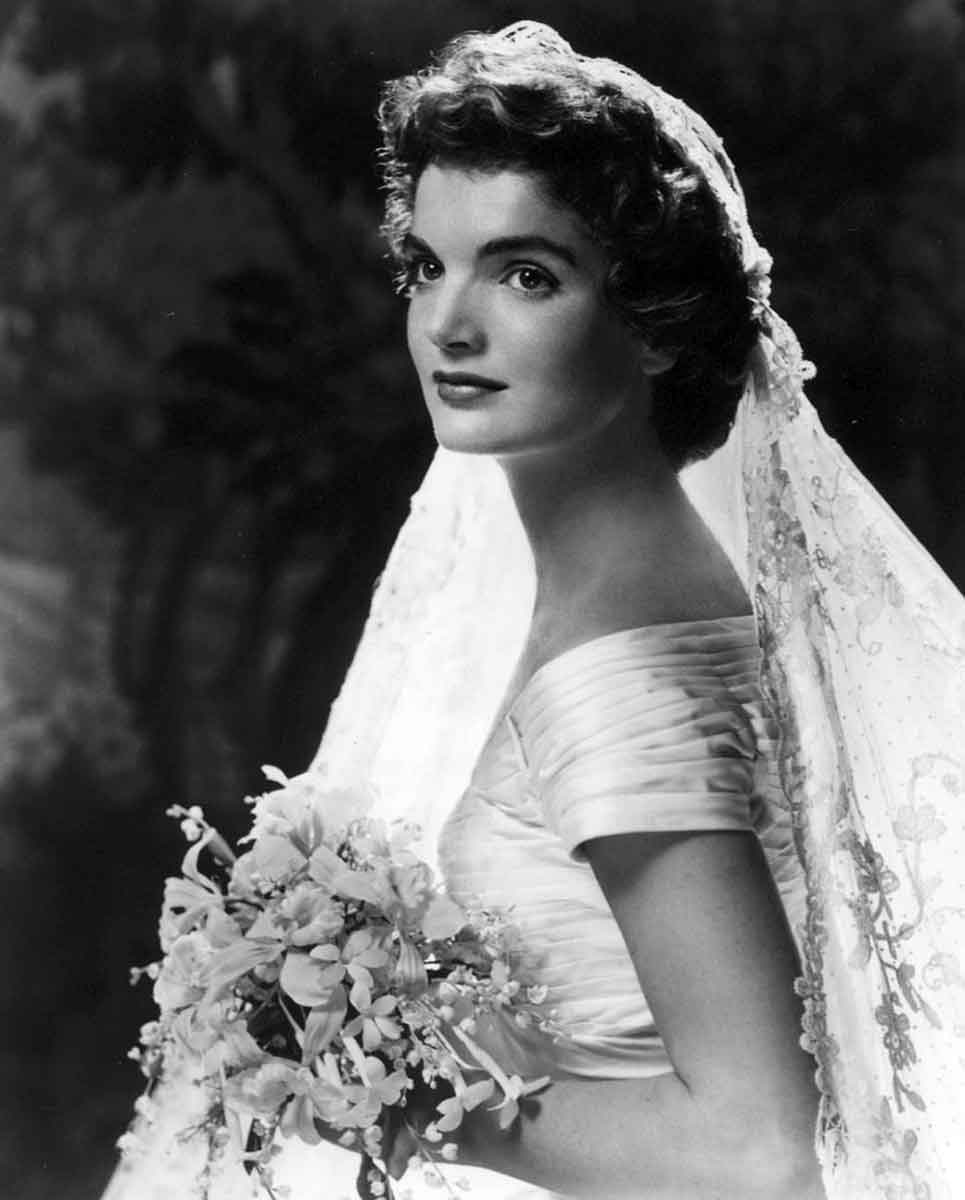
Jackie Kennedy went through a similar sort of erasure and is today associated with one of two things by the average person: her role as President John F. Kennedy’s wife or her pink Chanel suit. JFK’s assassination, which must have been one of the worst moments of her life, is what she is the most associated with. While the role of First Lady is naturally subordinate, to further reduce her to simply a tragic, fashionable figure highlights how she is largely seen as an extension of JFK and that era. Before she met JFK, Kennedy was a highly educated and cultured multilinguist. However, like Monroe, her own achievements have been largely ignored; instead, she is widely viewed as a fashionable cultural figure rather than an intellectual in her own right.
Kennedy’s and Monroe’s opposing styles and lifestyles represent two different classes in America and two different versions of what the American Dream could be. Jacqueline Kennedy appeared to the American public as the ideal woman: a classy, family-oriented woman from a respectable WASP background, who both supported and prioritized her husband’s hopes and dreams over her own.
Monroe, despite being adored by the American public, was arguably the antithesis of Kennedy, and the contrast between the two women was furthered by the president’s controversial affair with Monroe in the early 1960s. Monroe didn’t have a privileged upbringing like Kennedy did, and Monroe’s lower-class background and ditsy persona were arguably what popularized her. These wholesome, girlish qualities made Monroe more relatable to the majority of the American public than Kennedy.
However unfair and limiting this may seem to a modern reader, these women represented the two primary aspirations that were presented to America’s post-war women: the doting wife or the sex symbol. Both Kennedy and Monroe were clearly so much more than the one-dimensional figures that they were portrayed as, as were most post-war women, but history does not remember them this way.
The All-American Family
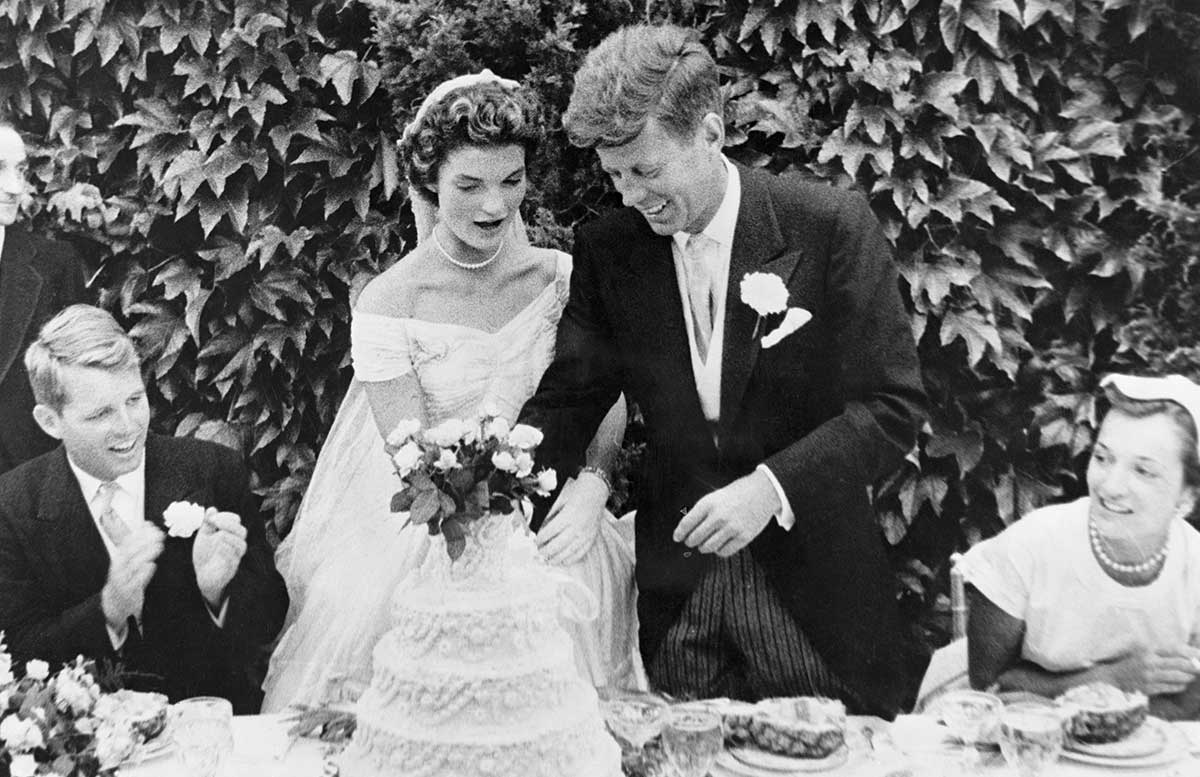
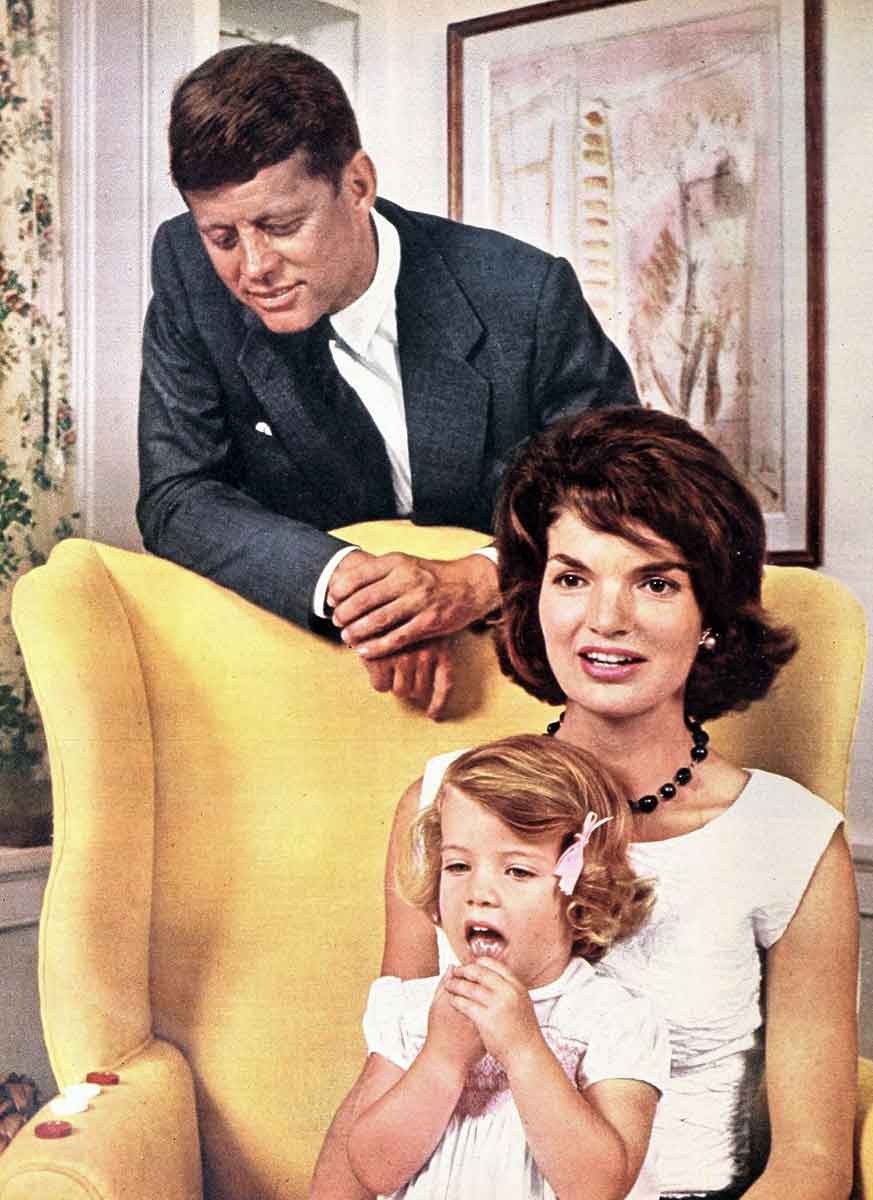
John F. Kennedy and Jacqueline Bouvier wed on September 12, 1953, and were the model of the perfect All-American nuclear family. The image of JFK as a young, devoted family man was central to his Presidential campaign, arguably to drive attention away from the Kennedy family’s questionable background. Despite his political image, JFK did not have the same respectable family background Bouvier did, with a socialite mother and a stockbroker father. There are countless outlandish rumors regarding the Kennedys, ranging from mafia connections to making their fortune bootlegging during Prohibition. While none have been proven, JFK was nonetheless very different from his presidential predecessors and had to deal with this speculation and gossip. It was Jackie Bouvier’s role to humanize JFK and to prove why he was a strong candidate and a good choice for President. Ultimately, JFK was not only the youngest president to be elected but also the first Catholic.
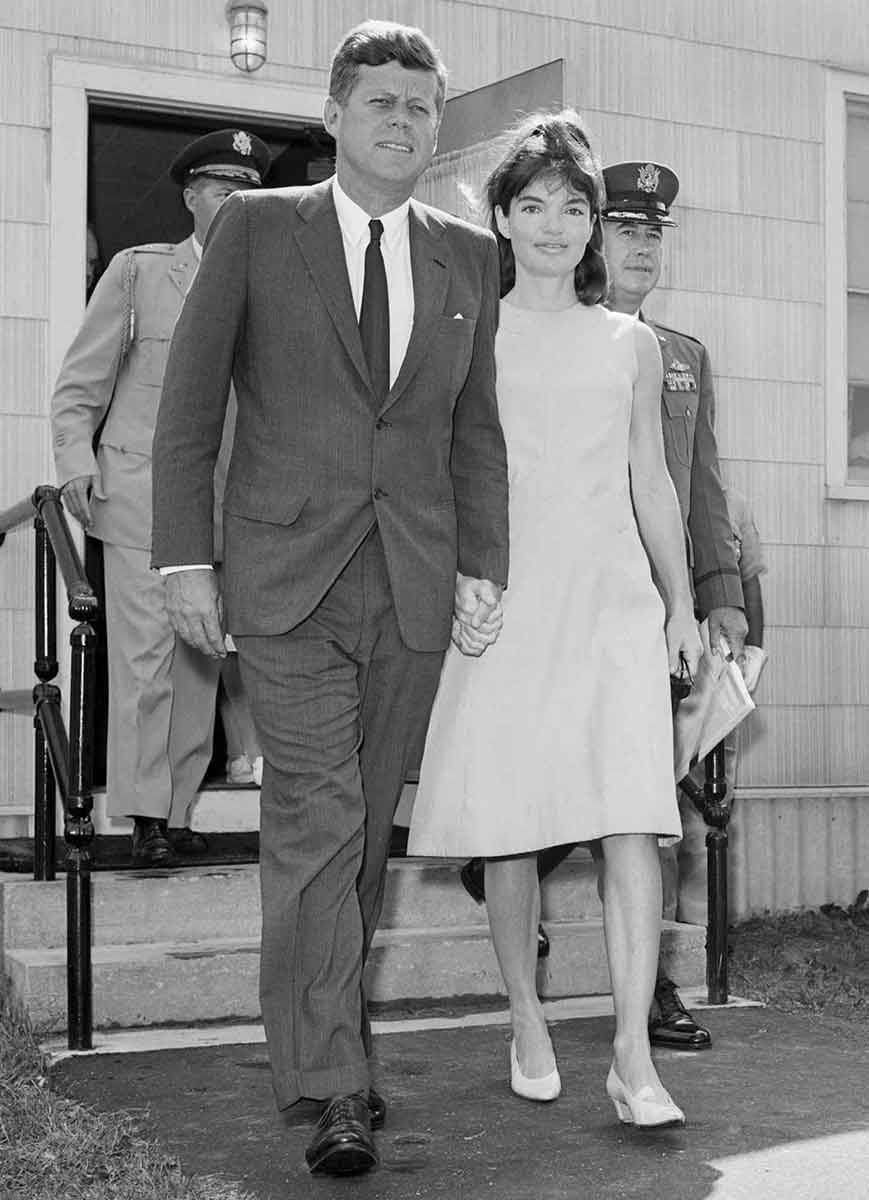
In many ways, Jackie Bouvier was seen as the perfect counterpart to suppress any worries surrounding JFK. From the very start, she was a beloved American icon. Not only did her pregnancy during JFK’s campaign help cement Kennedy’s image as the very epitome of the American Dream, it also showed JFK in a more positive light. There was no denying that he was a successful and persuasive politician, but having a doting, pregnant wife by his side further helped his image. It also created the appearance of the Kennedys as a power couple, prosperous in politics but also kind and caring towards their children. Furthermore, the fact that Jackie was ordered by her doctors to rest at home but ignored this advice to help with her husband’s election campaign padded her domestic image.
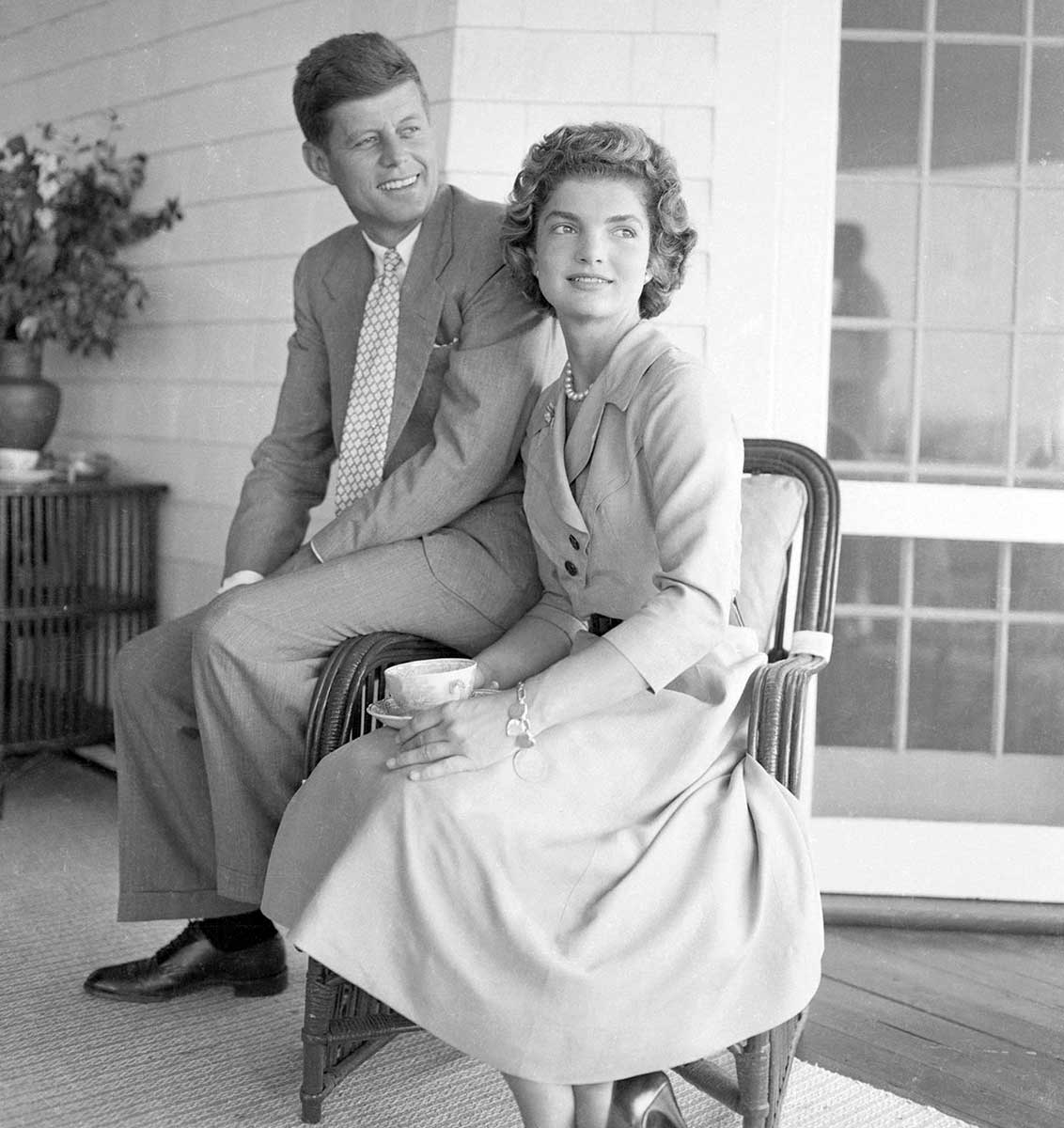
One controversy that arose during the election campaign was Jackie Kennedy’s wardrobe. The Kennedys as the perfect model of the All-American family was contradicted by Jackie’s love for French designers. The matter of her wardrobe and her style both aided and hindered her image. She was frequently praised in magazines for her clothes and was even seen as one of the best-dressed women in the world. At the same time, she was repeatedly criticized for spending what the American public, just decades removed from war-time scarcity, believed to be “too much” money on these clothes—comments that were known to hurt or irritate her.
The fact that she was a former debutante who had attended a coming-out ball was another disadvantage, as it suggested her high-class status and may have made her seem unrelatable. She suffered under press and media scrutiny, feeling that her debutant status was criticized just as much as JFK’s Catholicism.
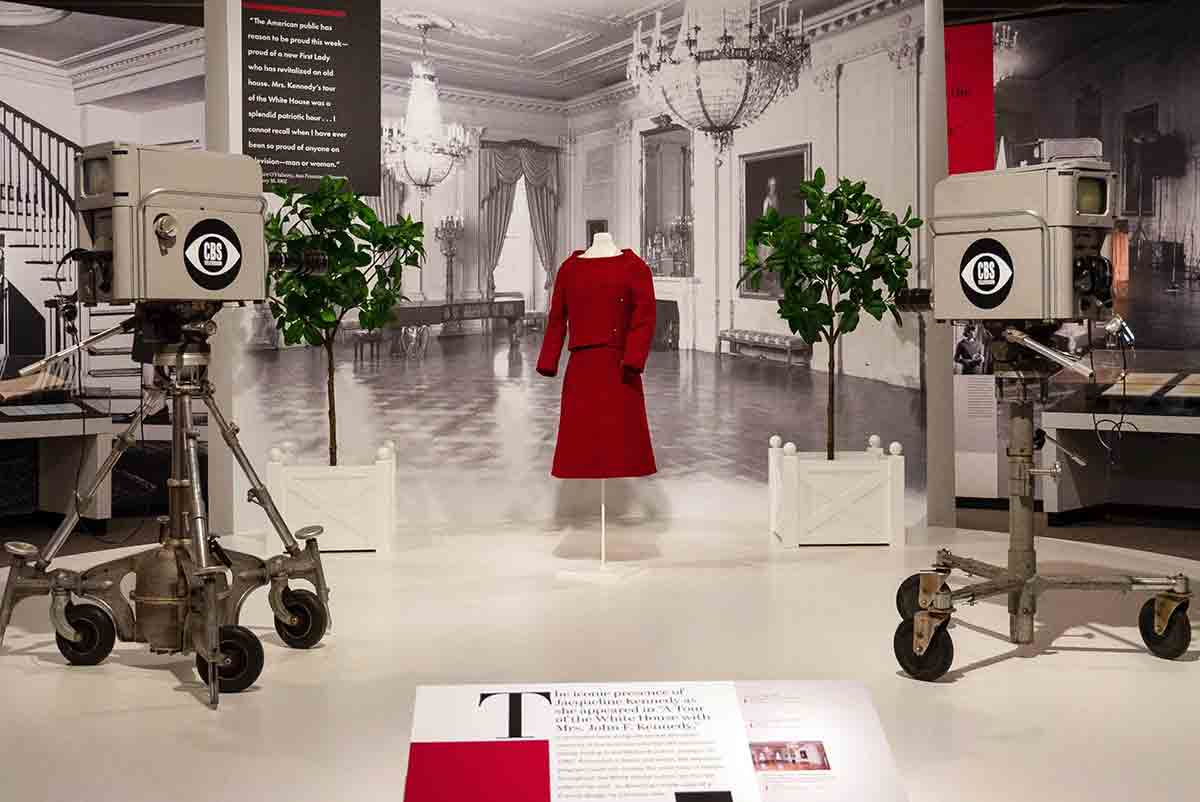
John Fitzgerald Kennedy Jr. was born just a few weeks after JFK won the election in November 1960. This made Jackie the first new mother in the White House since the early 20th century. However, she could not stand the aesthetic of the iconic White House, disappointed in just how antiquated and outdated the decor seemed. The White House is a staple of American political history, but the very significant fact that it had been home to nearly all the American presidents was not lost on Jackie Kennedy. Determined to make the White House more appealing, she took it upon herself to restore the icon. Jackie was aware that it would be easy to portray her renovation of the White House as a frivolous hobby, and so to counteract this misogynistic view, she emphasized that she was not redecorating but restoring the people’s house.
The broadcasting of the White House restoration in 1962 was wholly successful and drew in an audience of 56 million. The show depicted the First Lady as knowledgeable about the arts, culture, and historical preservation.
The Family Man’s Mistress
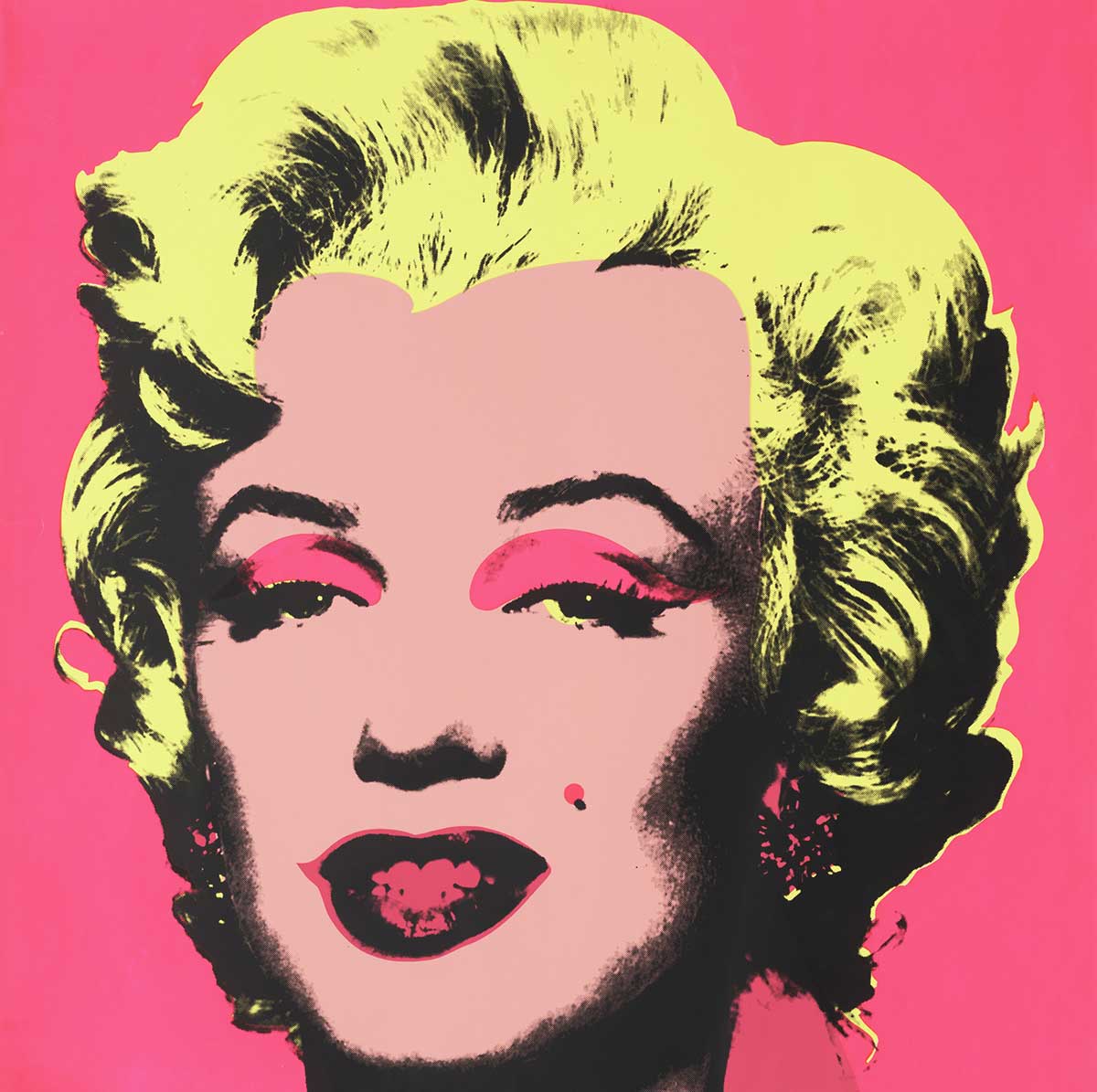
It has been well documented that JFK engaged in numerous affairs—politics wasn’t the only “other woman” in the Kennedy marriage. Another aspect that made JFK so different when compared to other American presidents, and also may explain why his presidency was so glamourized, was his Hollywood connections. His own brother-in-law, Peter Lawford, was reportedly the first to introduce JFK to Marilyn Monroe. One of the most popular depictions of Marilyn Monroe is as a woman unlucky in love. Well-known for her famous marriages and infamous spats and divorces, Monroe was divorced a total of three times before her untimely death. Her infamous affair with the President did not improve this image.
Monroe’s image could not have been more different than Jackie’s studious and motherly depiction. While Monroe was a talented dramatic and comedic actress, even studying under the famous acting coach Lee Strasburg, what she was known for during the 1950s and 60s was her figure. Monroe quickly became one of the most famous, wanted, and desired young women in Hollywood, appealing to everyone from sports stars to intellectuals.
Monroe’s 1954 marriage to Joe DiMaggio is a telling example of how her sex symbol image affected both her career and personal life. Initially captivated by her beauty and sexuality, DiMaggio grew to resent her for those very same things towards the end of their marriage. Monroe and DiMaggio were known for their turbulent relationship, with Monroe’s career and image one of the main causes of friction. Like many men in the 1950s, DiMaggio wanted Monroe at home, to be a wife and eventually a mother. However, this was not compatible with Monroe’s Hollywood image.
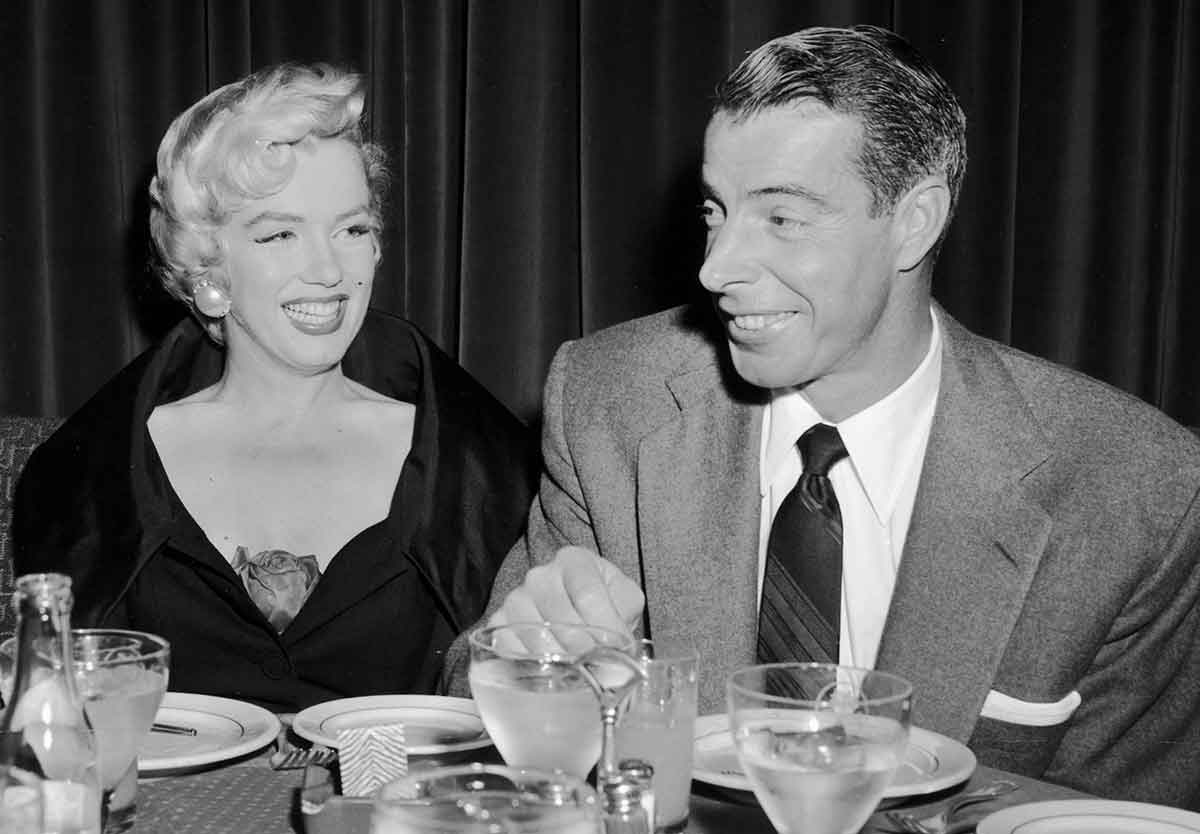
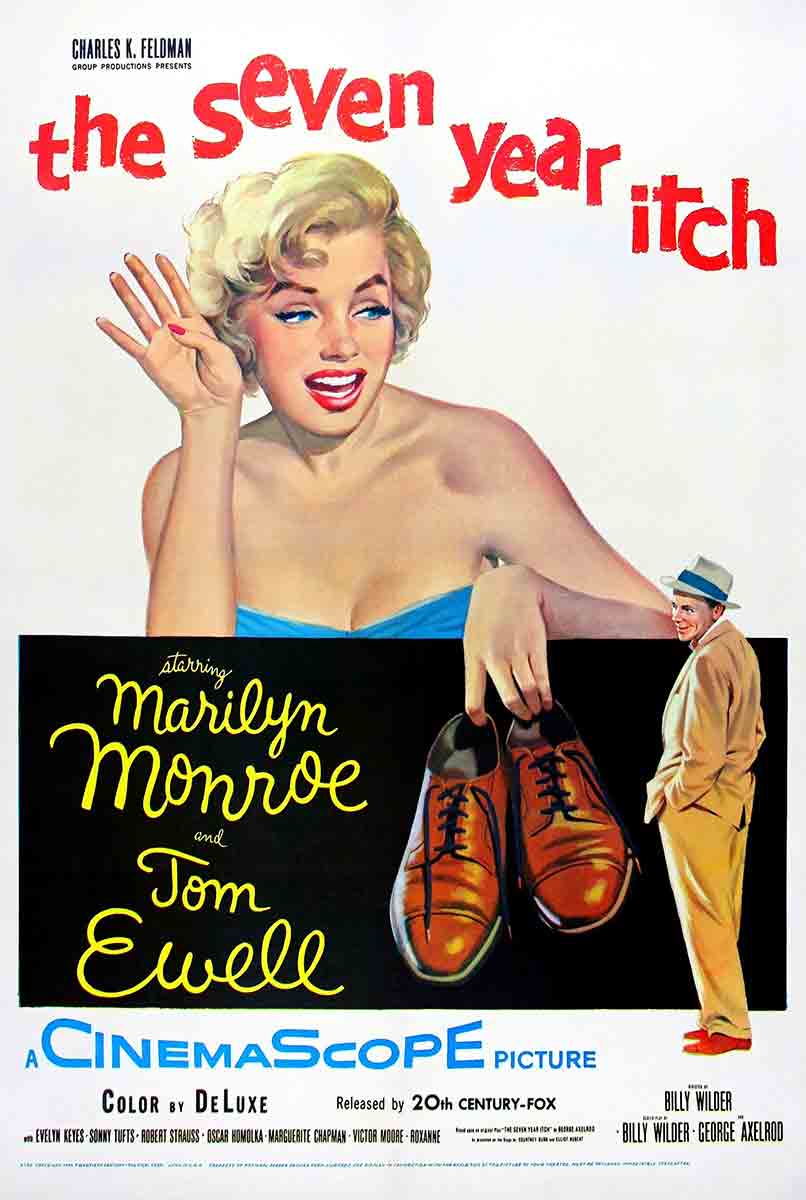
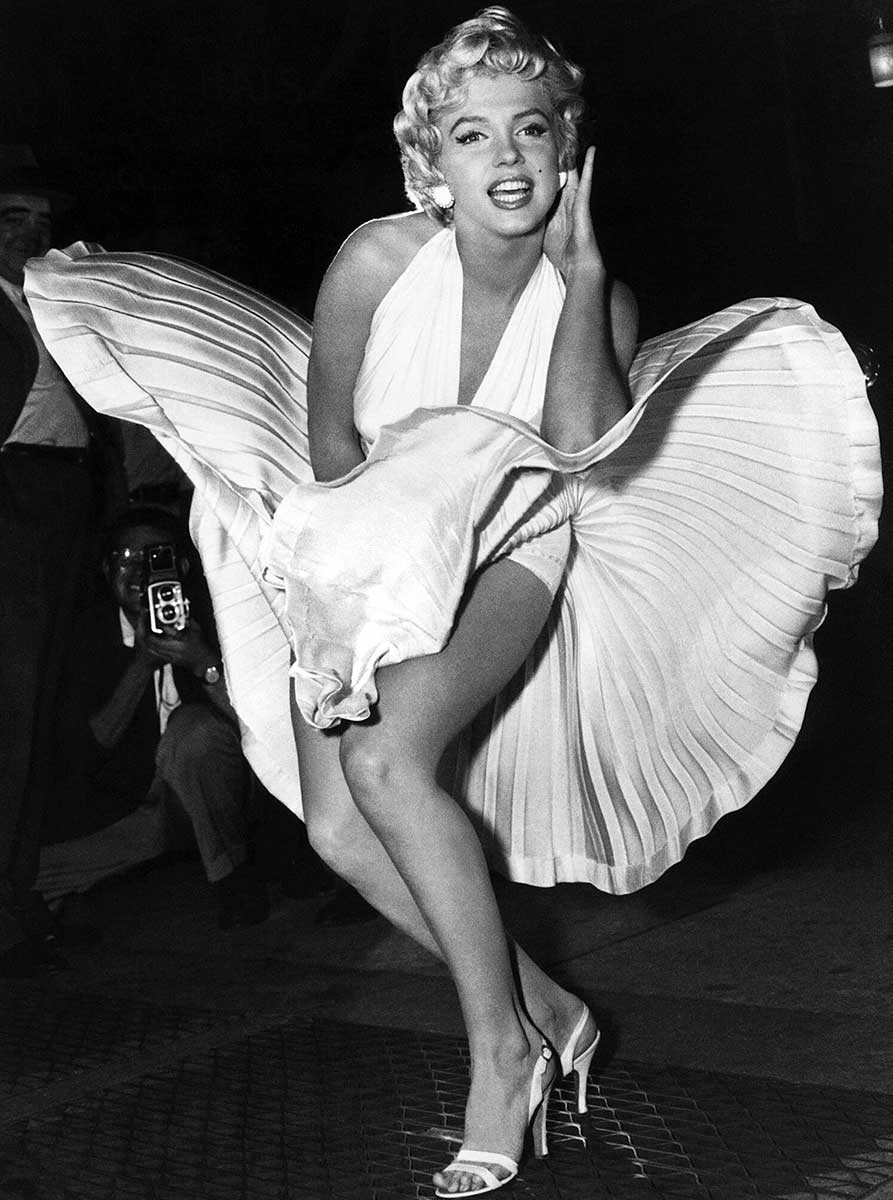
One of Marilyn Monroe’s most well-known and famous films, The Seven Year Itch, was ultimately the catalyst for the end of their marriage. DiMaggio was reportedly furious over the iconic subway grate scene in the film. Fans, paparazzi, and the film crew were present for this scene, and their cheering and applauding only further angered DiMaggio. The next day, Monroe came to set with bruises on her arm, and while there is no proof that DiMaggio physically hurt her, when she filed for divorce, “mental cruelty” was cited as the reason.
The date of JFK and Monroe’s first meeting is unknown; some think it was at the 1957 Waldorf-Astoria ball, while others say it was at a dinner party in Santa Monica in 1961. The only recorded event that gives any weight to rumors of their relationship came on May 19, 1962, at the President’s birthday fundraiser. Monroe sang a now-famous sultry, seductive, and personalized version of “Happy Birthday,” performed in a tight, sheer dress. For many, this was proof enough.
Two Sides of the Same Coin

Jackie Kennedy and Marilyn Monroe had different public images and perceptions, but this isn’t to suggest that they were vastly different people. Both were far more than these public personas but were reduced to sexist stereotypes. Monroe suffered from agonizing endometriosis her whole life, affecting her career and her personal life, leading to multiple miscarriages. Jackie Kennedy has been described as a “reluctant” First Lady who lived her whole life in her husband’s shadow.
Time, however, has helped reveal their true stories and allowed the public to view them as the true individuals they always were. After JFK’s death in 1963 and her second husband’s death in 1975, Jackie worked as a successful editor until her own passing in 1994. Famous American journalist Gloria Steinem once reflected on the public memory of Jackie and the shock of her pursuing a career in publishing, something neither of her husbands had worked in, and applauded her for her independence.
Monroe has also been given this second chance; she is now seen as a victim of both circumstances and the times and is remembered fondly as a fantastic comedic actress and an early feminist. While JFK may have linked these two women together, he was only a small part of their vast lives.