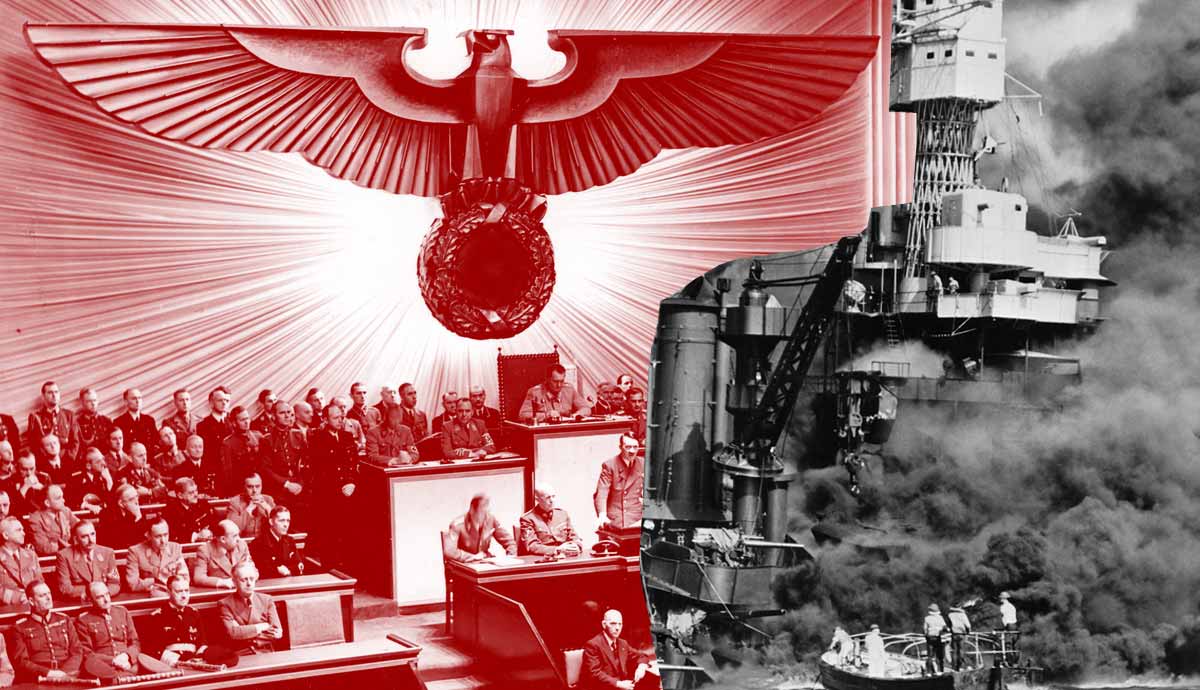

During the Second World War, the Polish resistance to Nazism was divided between the anti-communist Home Army and the communist partisans. When the Soviets took over the country, they sought to turn the country into a satellite state. This involved brutal collectivization, the suppression of political opposition, and pulling the country away from the West. What happened to Poland after World War II reverberated in the country for decades to come.
Poland in the Second World War
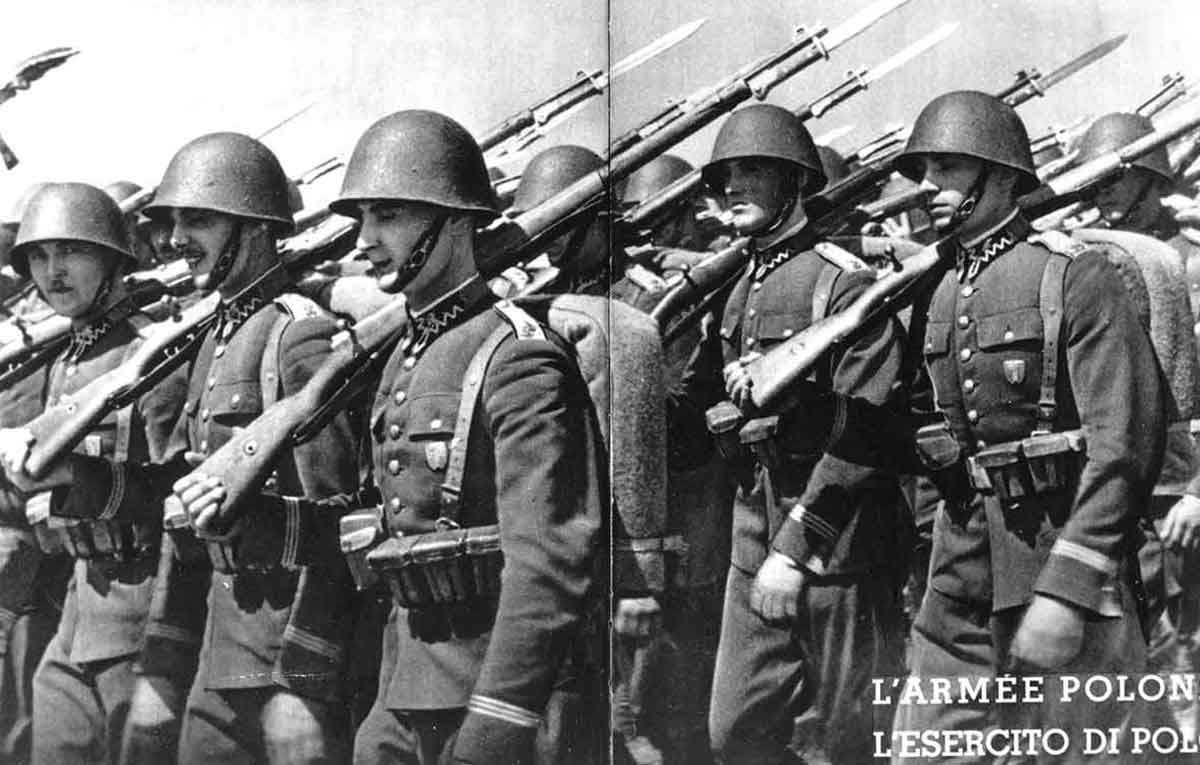
From its inception in 1918 to the 1939 invasion, Poland’s Second Republic was a hybrid regime, containing elements of liberal democracy and military influence in politics. The state’s borders were based on the former Polish-Lithuanian Commonwealth, meaning that it had large minority communities under its rule. The tension between the Polish majority and the restless minorities weakened the central authority of the state and gave rise to political parties advocating either communism or fascism. This became a major problem when Germany invaded in 1939.
Germany’s invasion on September 1st was followed by a Soviet invasion of Poland’s eastern provinces a couple of weeks later. Both the Third Reich and the USSR saw Polish statehood as a threat to their power and partitioned the country between them. This was the fourth time this had happened in Polish history. Poles began resisting both occupiers through the creation of the Home Army, also known as the AK (Armia Krajowa). When the Germans invaded the USSR in 1941, they pushed the Soviets and their collaborators out of eastern Poland. From then on, the Home Army’s main effort was to fight the Germans.
By 1944, the war had swung against the Axis powers. Poland now had two governments in exile: the Soviet-backed communist one and the Western-backed “London Poles.” The AK found itself fighting communist Poles in addition to the Germans, enraging Moscow. When the AK launched the Warsaw Uprising in August 1944, Soviet troops were in no hurry to cross the Vistula and did not mourn the destruction of the rebels by the German authorities.
Damage and Losses in WWII Poland
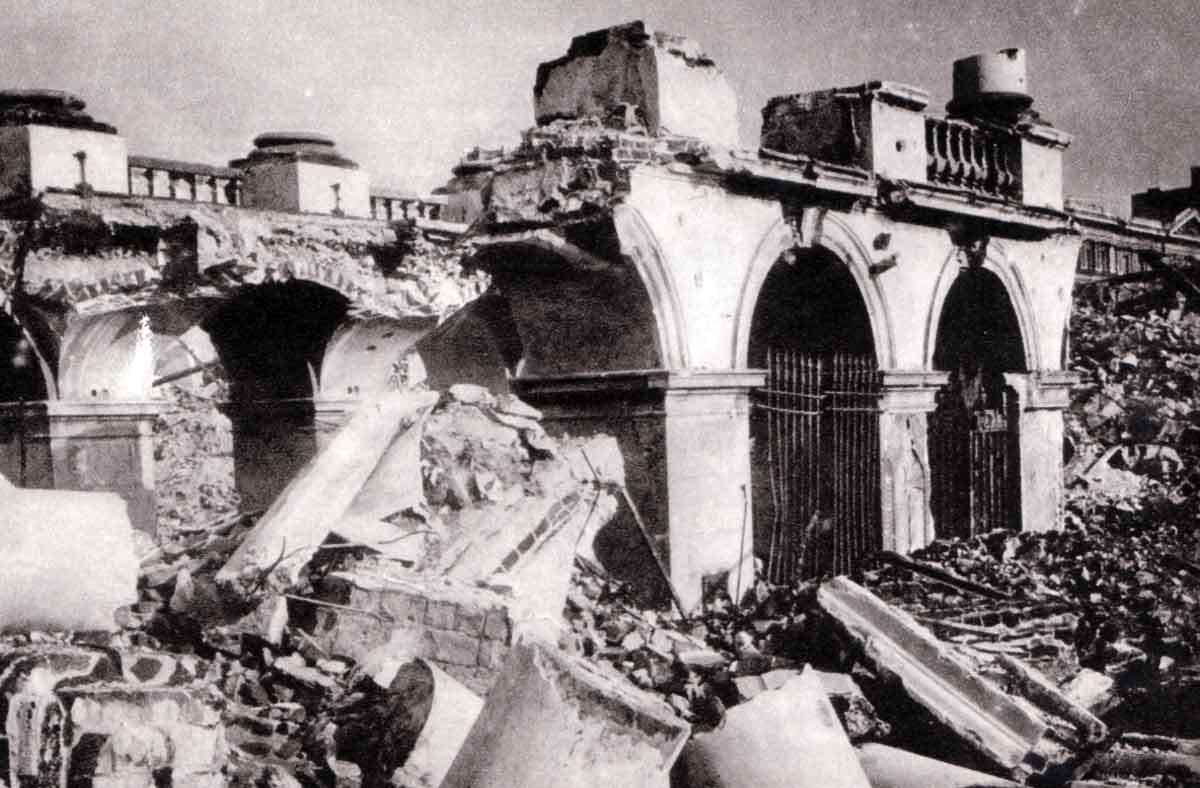
The destruction inflicted on Poland during the Second World War was truly horrific. It is estimated that as many as six million Polish citizens were killed during the war. This included nearly all of Poland’s three-and-a-half million Jews, most of whom perished in the Holocaust. The physical damage has been estimated at several trillion dollars, and major cities such as Warsaw and Wrocław had been totally destroyed. Millions more people were displaced, especially in the border areas claimed by both Germany and the USSR. On a per capita basis, Poland was among the countries which suffered the heaviest losses during the war.
Much of Poland’s intellectual and political class had been destroyed during the war. Polish children had been kidnapped en masse by the Germans. The annexation of western Poland into the Reich led to large-scale ethnic cleansing. During the period of Soviet control in the east, there were massive deportations of Polish citizens considered a threat. The life people had during the Second Republic was totally upended.
The Holocaust had taken place all over Europe and North Africa, but Poland had been the main hub of mass killing. Despite some efforts by the AK to save Jews, the Germans largely succeeded in crushing Jewish life in Poland, and the Warsaw Ghetto was completely destroyed. The survivors felt abandoned by Polish society and many wished to leave for Palestine or the United States.
Introduction of Polish Communism
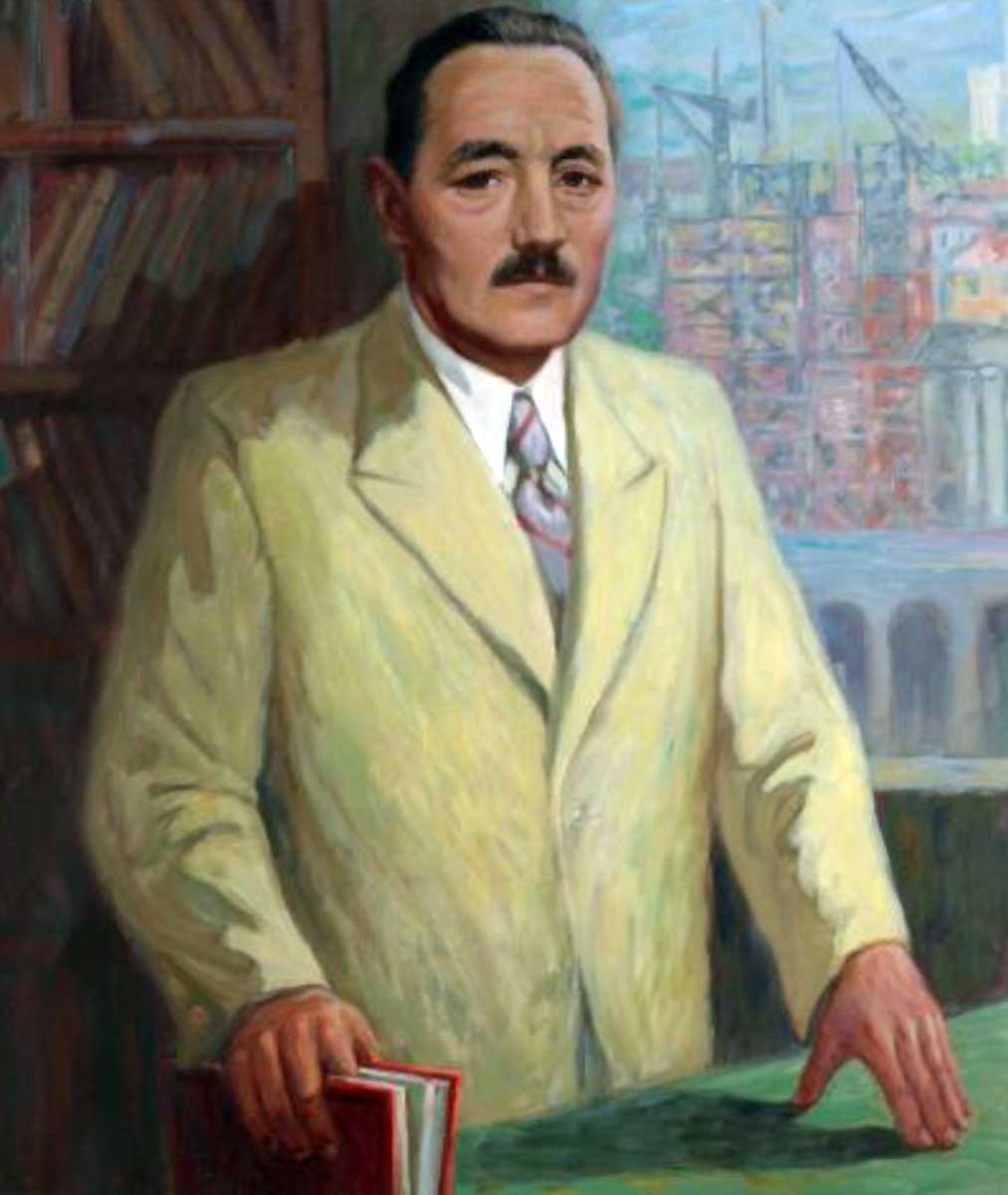
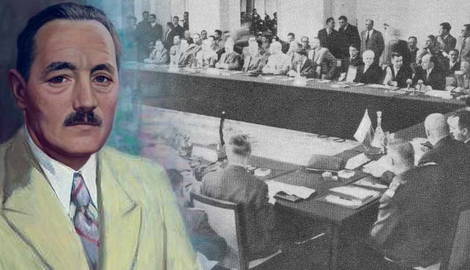
Right after the Soviets drove out the German occupiers, they sought to bring Polish communists to power. The Polish Communist Party had long been seen as a threat by the pre-war Polish government and had been banned. During the Second World War, the Communists formed their own partisan units that were hostile to the AK. Moscow purged any members not directly loyal to Stalin and sought to control the party’s agenda. When the Germans were driven out of Poland, Bolesław Bierut, a leader of the Polish Workers’ Party, took over as the new leader of the Polish People’s Republic (PPR).
A fraudulent election in 1947 led to the new United Workers’ Party taking complete control over the country. The communist government proceeded to take revenge on anyone who had been part of the Second Republic’s government. Additionally, they sought to collectivize private property in conjunction with reconstruction efforts. While the United Workers’ Party had some support from Polish citizens, the majority resented what they saw as another occupation.
The introduction of communism into Poland would be resisted fiercely by the veterans of the Home Army. Their fight against the new Polish People’s Republic led to the outbreak of a new civil war.
Postwar Insurgency Against the PPR and the Soviets
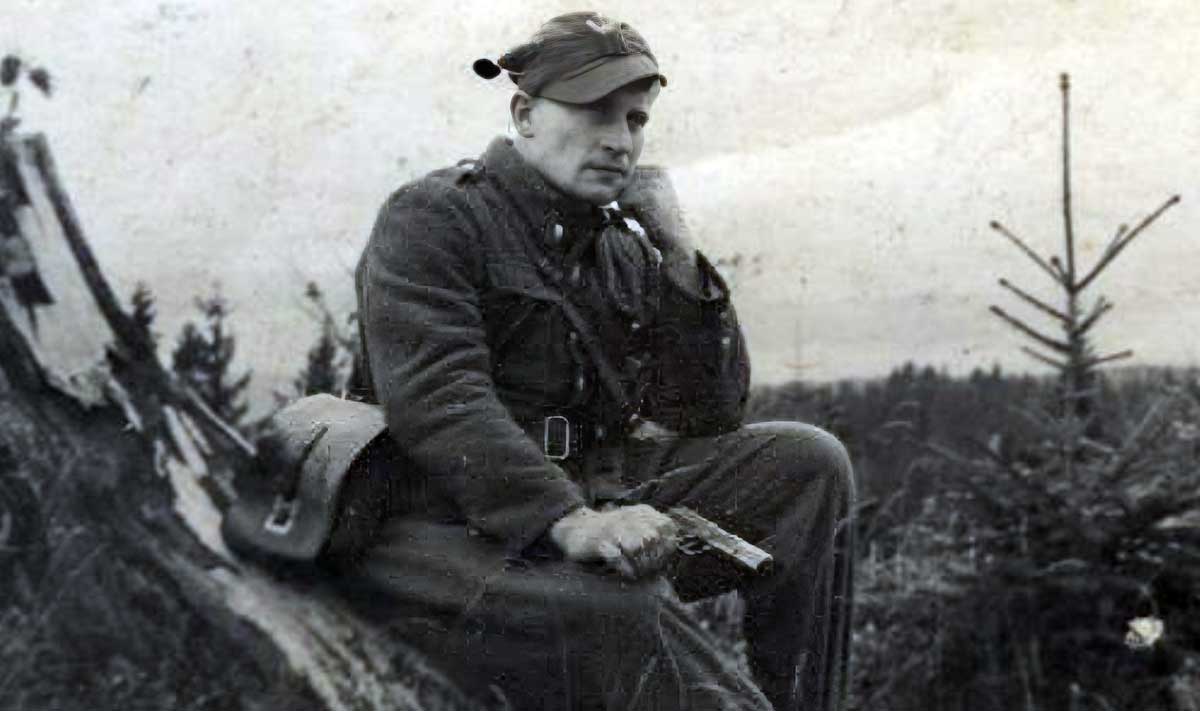
The AK was formally disbanded in January 1945 after being crippled by the failed uprising and the Soviet takeover of the country. However, many of its members vowed to fight on due to their fears of communist rule. Their fears were justified: in June 1945, 16 commanders of the AK were brought to Moscow under arrest and put on trial. All but four of them received lengthy prison sentences even though there was very little evidence of the crimes they had supposedly committed. This trial was part of a massive purge in Polish society of anyone not sufficiently cowed by the communist takeover.
Survivors of the AK continued to fight a guerrilla campaign in the forests. These “cursed soldiers” fought hard against both the Soviet army and the new Polish security service known as the UB (Urząd Bezpieczeństwa). The scale of the fighting was intense, and tens of thousands of people were killed or displaced in the process. Unlike during the Second World War, when the Western Allies provided aid to the AK, the postwar insurgents received no assistance. As many as 30,000 Poles took part in the post-war insurgency, meaning it took years for the Communist Party to crush it. By the 1950s, the Soviets and their Polish puppets had destroyed most of the partisan bands.
The cursed soldiers became legendary in Poland for standing against the United Workers’ Party. However, armed resistance was proven futile. For the next several decades in Poland, anti-communist resistance was from the underground press and other civil society organizations.
Population Transfers and Border Changes
Pre-war Poland was a large multiethnic state that witnessed serious ethnic and religious tensions between different communities. The influx of new German settlers during the war made matters much worse. By the 1950s, the demographics of postwar Poland looked very different to prewar Poland. Thanks to the Holocaust and postwar violence by Poles, the Jewish population had dropped drastically. It would only revive after the end of the Cold War.
In the west, Poland was granted control over areas that had long been a part of Germany. This included Silesia, Pomerania, and parts of East Prussia. The ethnic German population was largely removed after the war because of Polish fears that they could be a fifth column as they had been in 1939. Polish control over these areas offset the massive loss of territory in the west.
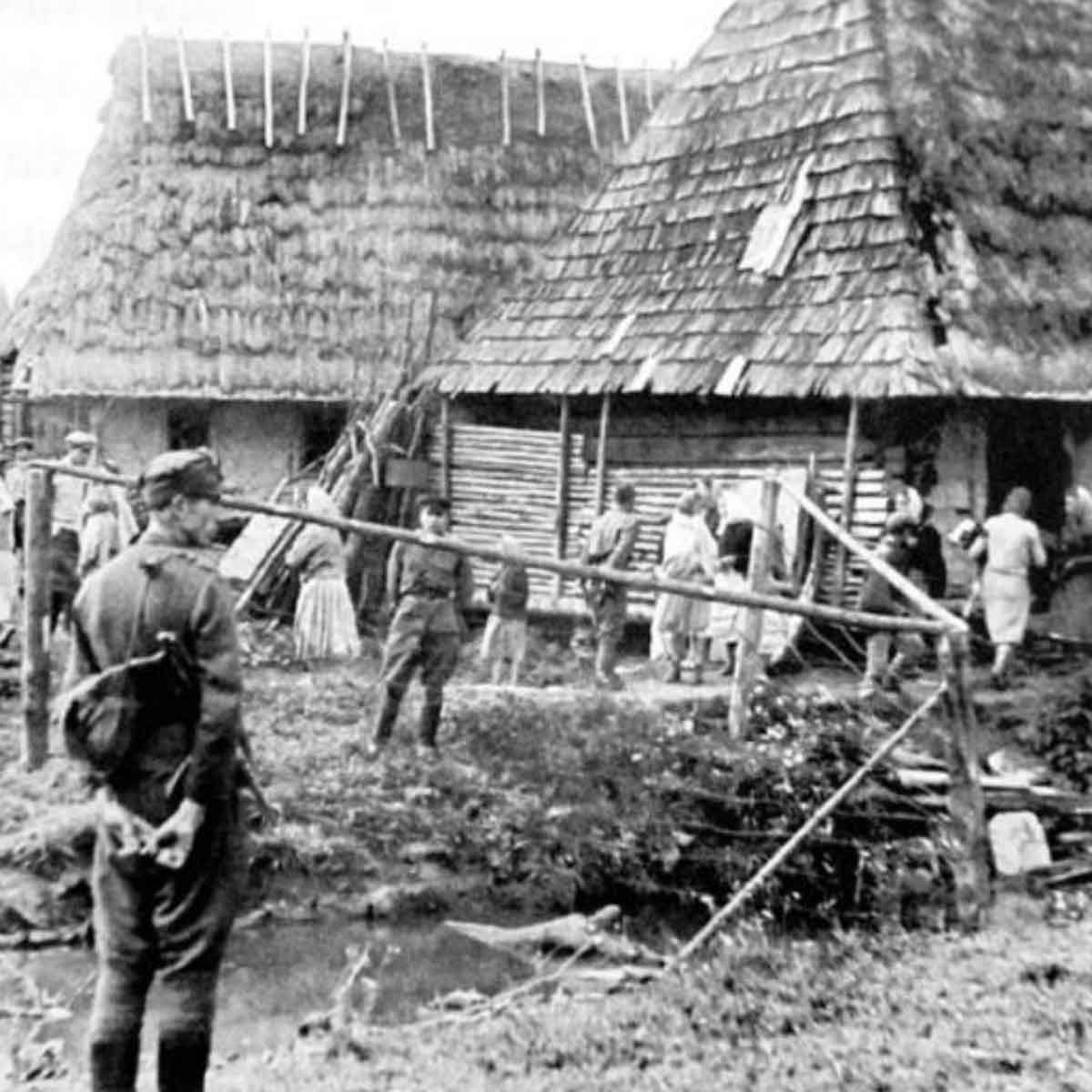
The Kresy, or eastern borderlands, had long been claimed by Poland. Many of the non-Polish people who lived in the region had been very hostile to Polish claims over that territory. During the war, Ukrainian nationalist militias ethnically cleansed the Poles out of Volhynia in a brutal series of massacres. When the war ended, the Soviets sought to ensure that both the Ukrainian SSR and the PPR were monoethnic. Operation Vistula led to the expulsion of most Ukrainians from Poland. At the same time, the Soviets forced Poles living in Ukrainian territories to leave too. These population and border changes were cataclysmic for people living in the region.
Poland and the Cold War
Part of the USSR’s objective in setting up a friendly government in Poland was to ensure no-one on its western border posed a threat. This had been a consideration of Russian foreign policy since the 18th century and contributed to the Partitions of Poland. In addition to setting up a new government and interior ministry to control the public, the Soviets helped set up a new army that was aligned with Soviet objectives. The Cold War was starting and the Soviets were concerned about an invasion from the West. Creating a Polish puppet state would help keep the West at bay.
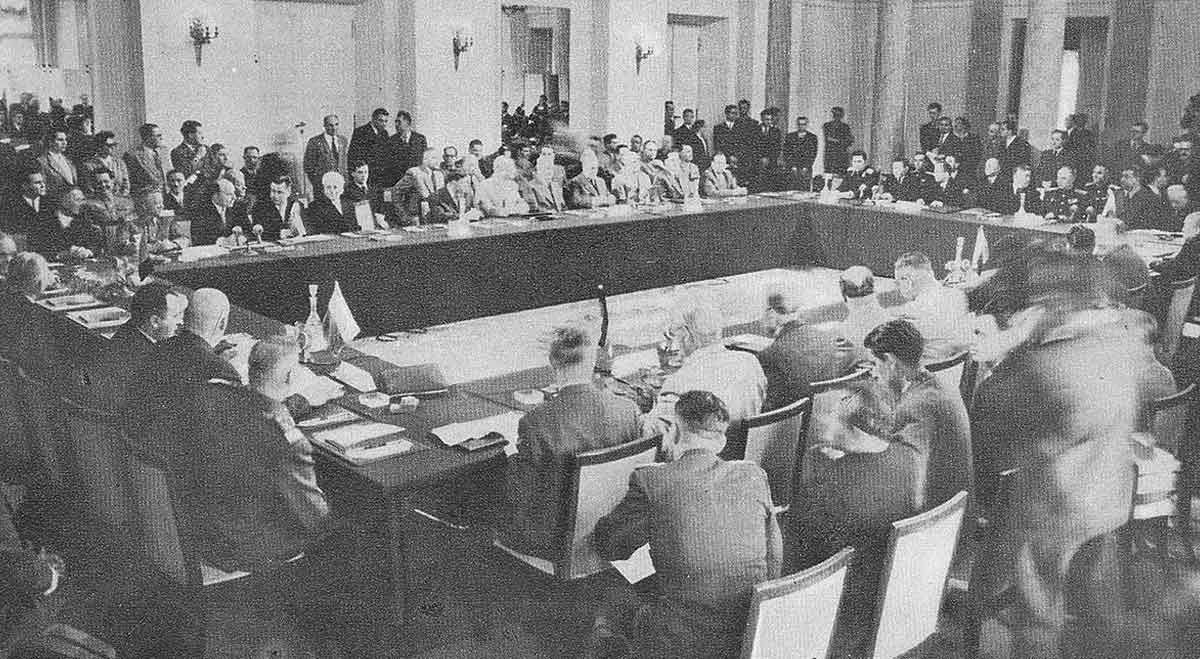
Part of this effort involved setting up the Warsaw Pact. This alliance, which was intended to mirror NATO, brought together newly created Soviet-backed communist governments all over Eastern Europe. Poland was at the center of this new alliance because it was considered a very formidable power. The Warsaw Treaty of 1955 was modeled after NATO’s founding charter and included a collective defense pledge. Since public polling did not exist in the Eastern Bloc, it was unclear how people in Poland supported their country being in this alliance. It lasted all the way until the end of Communist rule in 1989.
The Polish Communists failed to lay long-term foundations for their rule. Most Poles resented being a Soviet puppet state and one of the main aims of the Polish opposition was to bring the country out of the Warsaw Pact. Poland finally threw off the yoke of communism in 1989, in large part due to Lech Wałęsa’s leadership of the Solidarity movement. In recent decades, Poland has transformed itself into a major player in the European Union.