
The Gospel of Mary is a mystical, esoteric text that names Mary Magdalene as a primary recipient of revelation. Historians date its composition to the second century AD and identify the 5th-century Berlin Codex (Papyrus Berolinensis 8502) as the main copy. Its layout follows a single folded gathering known as a quire, an early book format made from stacked sheets. The text privileges gnosis about the soul’s ascent.
Mary’s Gospel of Ascent, Identity, and Inner Recognition
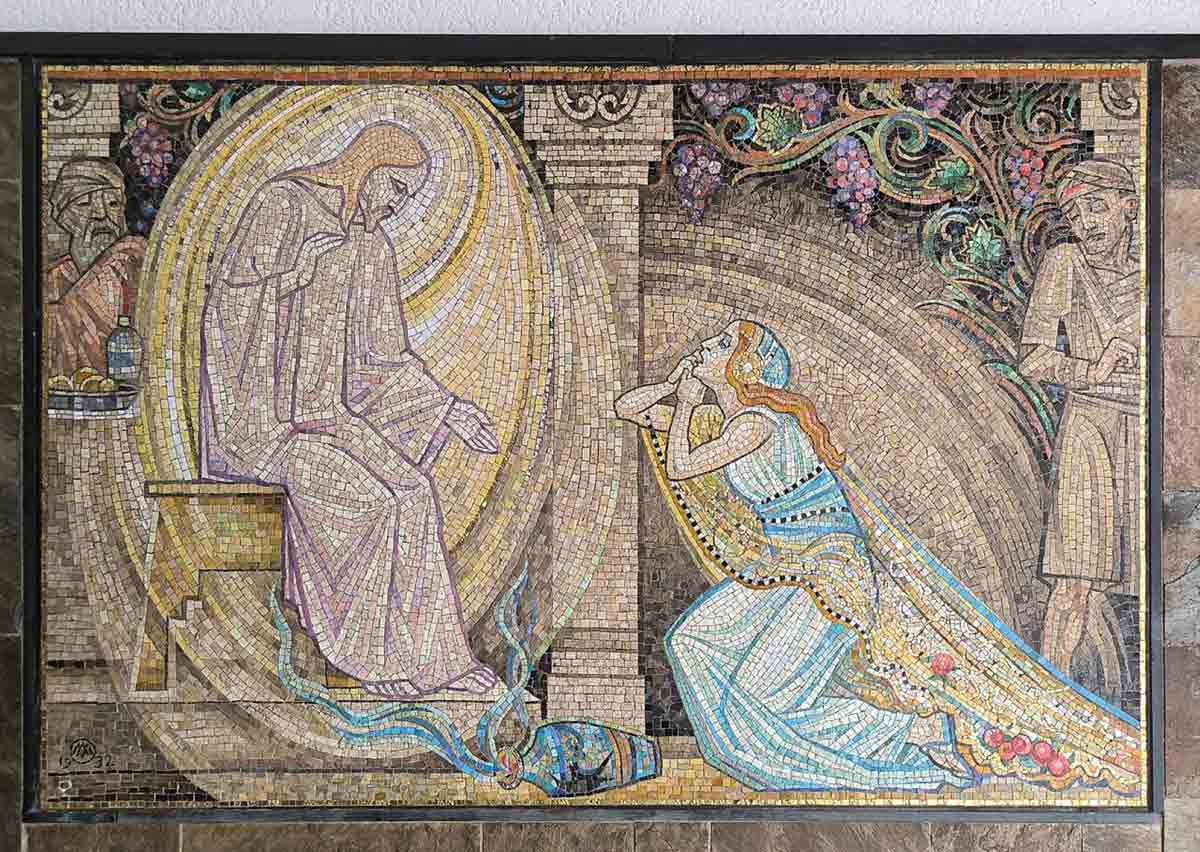
The Gospel of Mary opens with a bold claim: “I saw the Lord in a vision, and I said to him…” The rest of her speech to Jesus is lost. It is a post-resurrection, first-person revelation that places Mary at the center of ascent teaching. The Greek term anabasis (ἀνάβασις, “ascent”) appears in related Gnostic texts to describe the soul’s upward journey through hostile realms toward divine origin.
The manuscript resumes with Jesus speaking, where he begins to outline the soul’s ascent through levels of tests. He names successive checkpoints (governed by archons according to gnostic belief). At each gate, the soul must state its root and name to prove belonging and inner recognition, not recited formulas. This grants passage. The Greek noun gnōsis (γνῶσις, “knowledge”) anchors this teaching, emphasizing direct insight over inherited doctrine as the soul’s passport through hostile realms.
The archons in the text resemble figures from Sethian cosmology, where rulers block ascent through deception and fear. Some gnostic texts list Yaldabaoth as the first archon, a blind creator who traps souls in matter. The checkpoints mirror ritual interrogations found in other Gnostic texts, where spiritual knowledge (not obedience) proves liberation.
These levels suggest Mary’s gospel was part of a broader mystical tradition that taught resistance to cosmic hierarchy. The text frames sin as forgetfulness of origin, a loss of identity that binds the soul to matter rather than mere moral failing. Jesus teaches naming practices and recognition exercises that train felt certainty through repetition and progressive trials across ordered levels. Some Gnostic groups taught that laughter itself was a weapon during ascent, mocking the rulers who tried to block the soul’s progress.
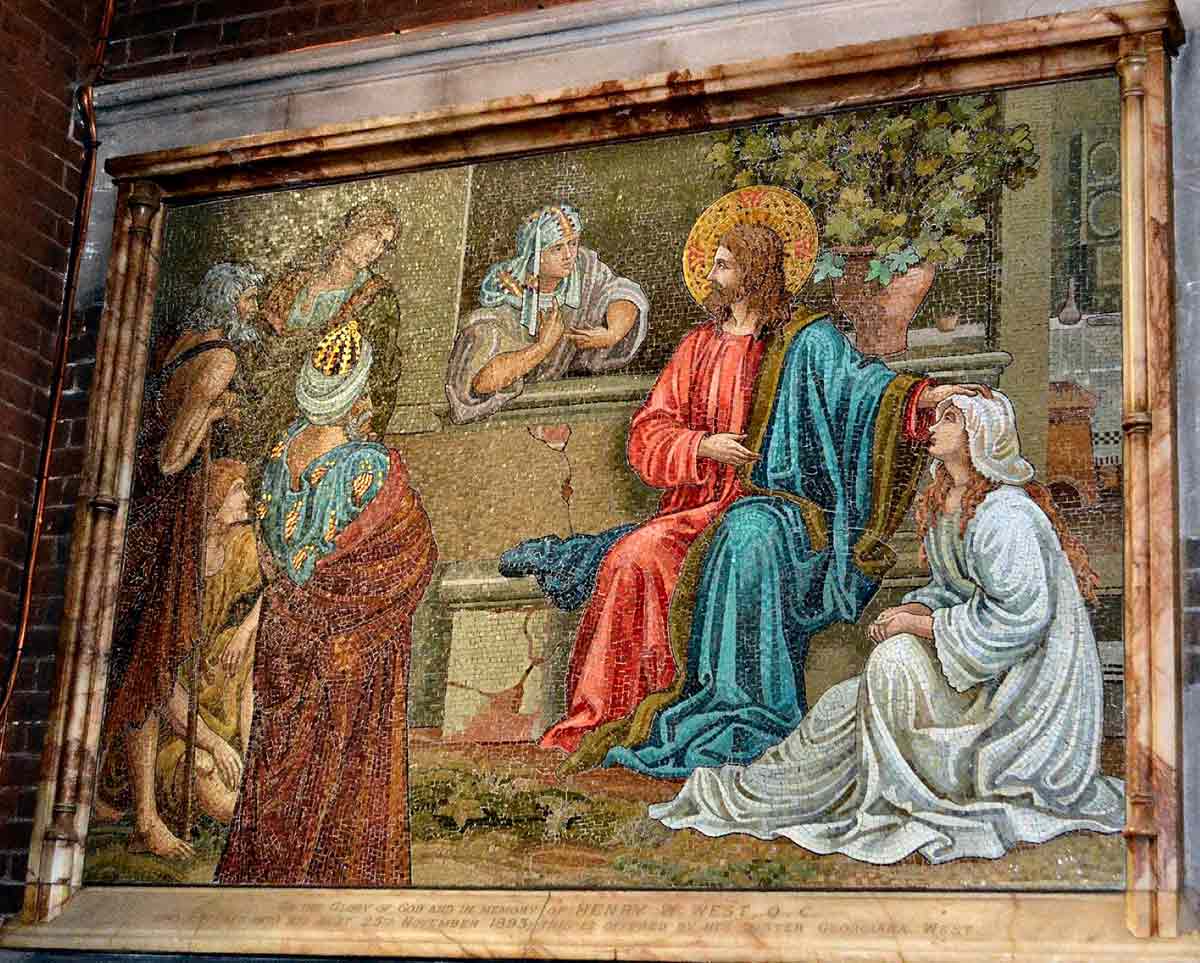
After Mary’s vision, she returns to a private house meeting and reports Jesus’s revelation to the gathered disciples. Peter (c. BC 1–AD 68) confronts Mary’s authority, urging the group to reject her vision and uphold apostolic norms as the safeguard of tradition. Andrew (traditionally c. AD 1–60s) responds by defending Mary and urging the community to listen to her account with openness. He rebukes Peter’s anger, asserts revelation can come from unexpected people, and highlights the clear, practical substance of Mary’s report. Mary’s defense is the only surviving gospel scene where a woman directly confronts apostolic hierarchy, making it unique in early Christian literature.
A speech attributed to Levi (traditionally 1st century AD, active mid-1st century) then follows. It builds on the ascent teaching with vivid cosmology and practical moral guidance, declaring inner knowing the real proof of authority. Levi describes the soul’s origin, the successive checkpoints, and the naming practices that prove identity during ascent.
The manuscript breaks into gaps shortly after Levi’s speech. The last surviving lines are a communal dispute over Mary Magdalene’s authority and Levi’s closing appeal to preach without fear. But then the text ends mid-discussion without a formal conclusion.
Editors reconstructed missing passages using Greek fragments from Oxyrhynchus that belong to Mary Magdalene’s gospel. To fill larger gaps, they consulted the Pistis Sophia, a Gnostic manual on salvation. They also drew on Dialogue of the Savior, brief teachings on liberation; these are separate works. These additions helped bridge missing sections in the damaged Coptic manuscript, though procedural steps remain uncertain.
Readers debate whether the ascent maps a postmortem journey or a present inward practice, with naming motifs suggesting a practical, repeatable method.
The Machinery That Shut Mary Magdalene’s Gospel Out
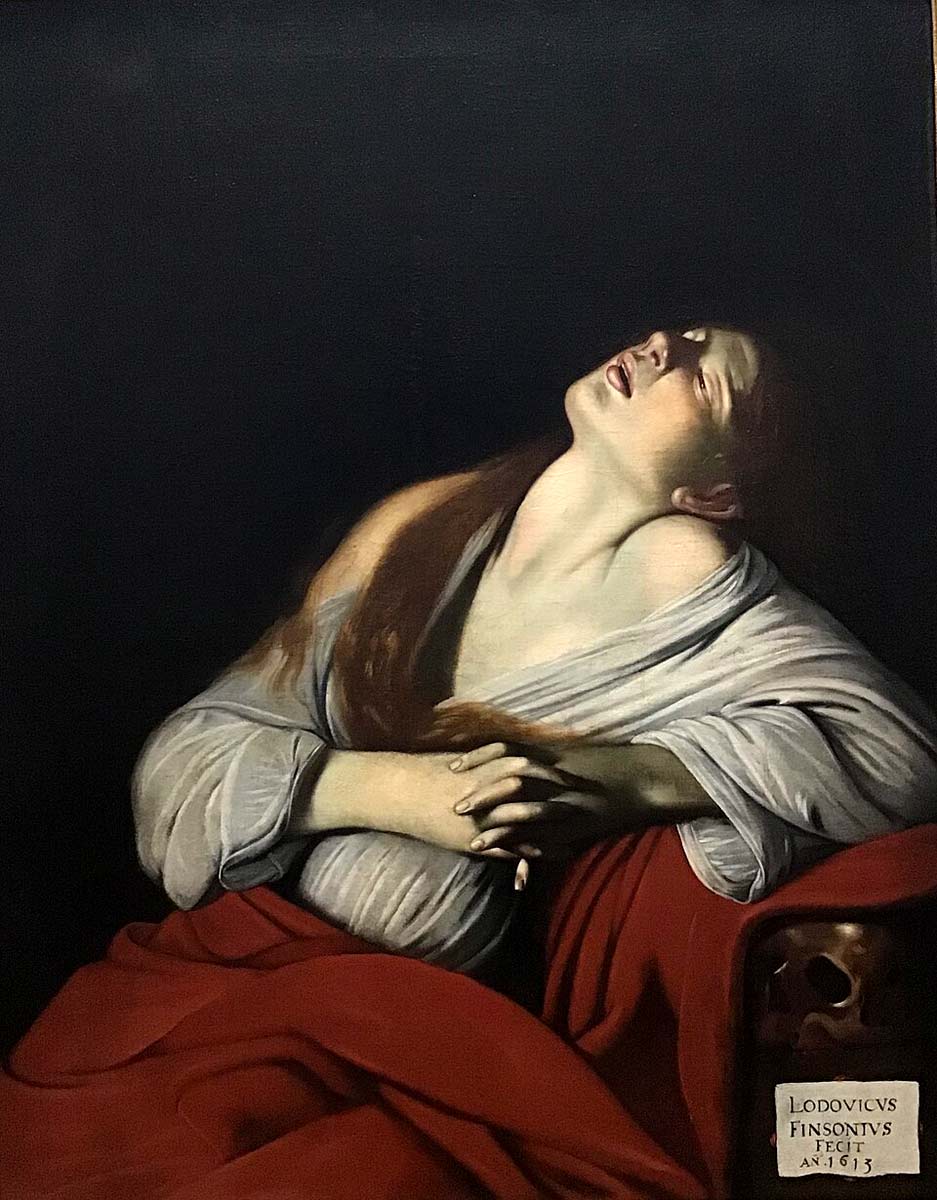
Irenaeus (c. AD 130–202), bishop of Lyon, wrote Against Heresies around AD 180 to combat Gnostic teachings. He labeled visionary Gnostic traditions as false and dangerous, creating a theological framework that inherently excluded texts like the Gospel of Mary, even if they were not mentioned by name. Tertullian (c. AD 155–240), a North African presbyter, followed with On Prescription Against Heretics, arguing that noncanonical writings had no legal standing in Christian communities. These early heresiologies framed her gospel as a doctrinal error, not a revelation.
In AD 325, Emperor Constantine I (r. AD 306–337) convened the Council of Nicaea to resolve disputes over Christ’s nature. The council did not fix the New Testament canon but promoted doctrinal unity. Athanasius of Alexandria (c. AD 296–373) issued his 39th Festal Letter in AD 367, listing 27 books excluding Mary’s gospel. It impacted future canon decisions across the Eastern and Western churches.
Laodicea (c. AD 363) and Carthage (AD 397) endorsed Athanasius’s list and helped define the canon. Books not aligned with episcopal authority were excluded. Leaders in Rome and Alexandria (c. AD 350–400) promoted a uniform lectionary for worship. Consequently, texts such as the Gospel of Mary were kept out of church services and communal instruction.
Mary Magdalene’s Gospel Was Silenced Through Script and Soil
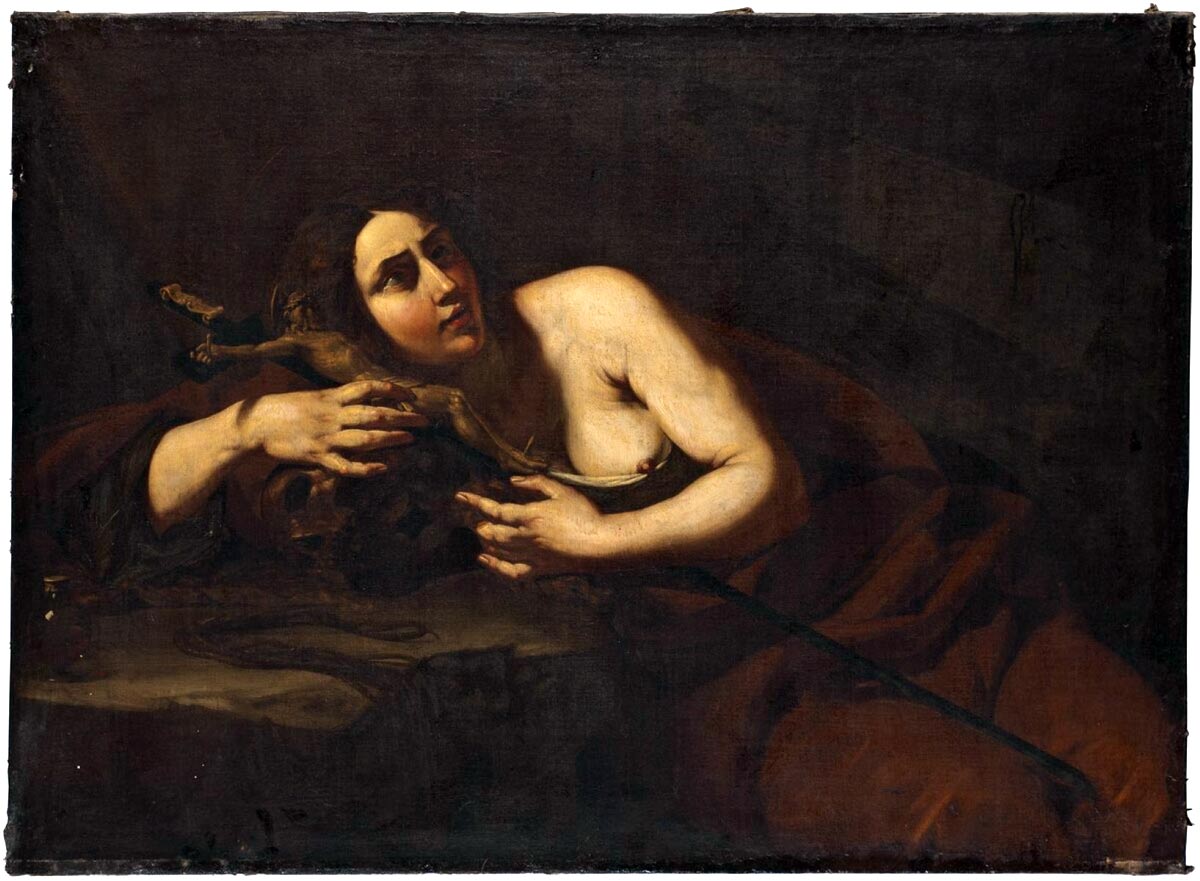
Early Christian texts were copied onto papyrus and parchment between the 2nd and 5th centuries AD, but these fragile materials decayed quickly in humid climates. That meant many early writings, including Mary’s gospel, simply did not survive. In some cases, older texts were scraped off, and parchments reused. These palimpsests (recycled manuscripts) erased voices like Mary’s to make space for newer ones. Parchment was costly, and reuse became common in monastic centers.
Few communities had access to trained scribes or professional scriptoria. Copying was rare, and texts passed by word of mouth often disappeared. House churches lacked tools and relied on memory-based teaching. In rural regions, texts were often memorized and recited during communal meals or burial rites. These gatherings preserved teachings without written form.
Women frequently led these rituals, especially in widow-led households. But without scribal access, their versions were never copied. In some communities, women’s teachings survived through ritual repetition and burial rites. But these forms of transmission were rarely recorded in formal archives. Exclusion followed not only from theology, but from the material limits of preservation.
Archaeological finds at Oxyrhynchus and Kellis reveal informal texts buried with the dead, pointing to spiritual value beyond official archives.
Language also played a role. In Egypt, texts were copied in different Coptic dialects like Sahidic and Bohairic. Sahidic dominated monastic centers in Upper Egypt, while Bohairic became more common in the Nile Delta. This regional split influenced which texts were preserved, copied, or lost, depending on local scribal preferences and theological leanings. Translators had to choose between literal fidelity and clarity. These choices affected how Mary’s gospel was passed down. Some parts were lost or altered.
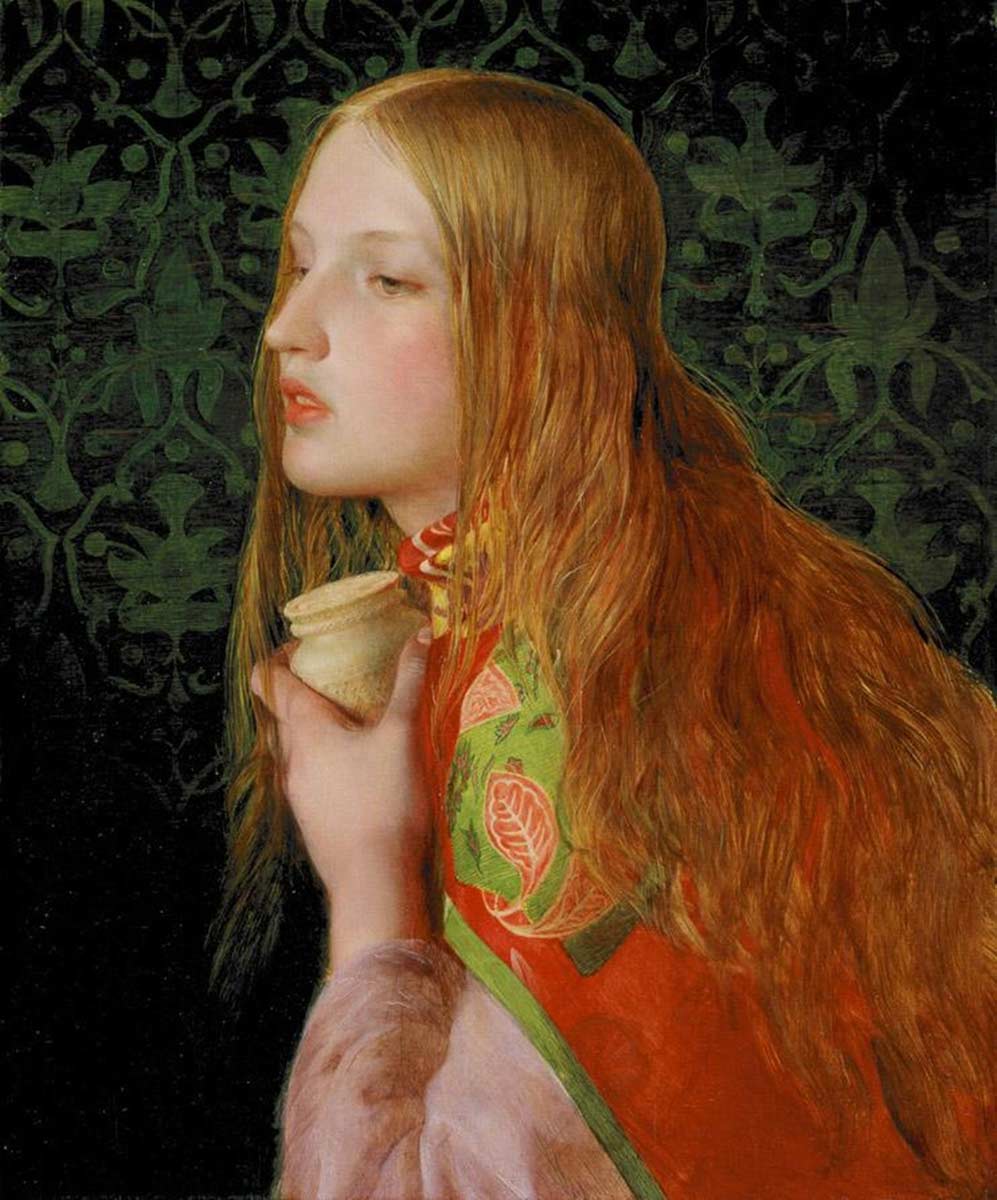
The Oxyrhynchus lines were discovered in the early 1900s in a municipal rubbish heap that yielded over half a million papyrus sections. Their placement outside religious archives suggests informal circulation and possible rejection by institutional authorities. They show her gospel once traveled across the Mediterranean. Slight textual differences from the Coptic version hint at editorial evolution across regions. Because those are incomplete, editors still debate how to fill in the missing sections.
Fragment Papyrus Rylands 463 (named after the John Rylands Library in Manchester, which holds the text fragment) suggests Greek versions circulated before AD 150. Its early date places it within the living memory of the 1st-century apostles, raising the possibility that Mary’s gospel circulated alongside emerging canonical texts before exclusion hardened into policy.
The Berlin Codex is missing its first six pages, a gap that obscures the opening chapters of the Gospel of Mary itself, which serves as the codex’s first text. Next is the Apocryphon of John, a Gnostic revelation on creation, divine origins, and salvation, followed by the Sophia of Jesus Christ, a Gnostic dialogue on divine wisdom and revelation. The Act of Peter (apostolic narrative with ethical instruction) is last. These all reflect a gnōstikos tradition (Greek: γνωστικός, “one who knows”) that prized direct revelation and spiritual insight over institutional authority.
Editors try to rebuild missing sections using other texts, but it is not exact. Their choices influence how we hear Mary’s voice today. Her gospel wasn’t included in the famous Nag Hammadi codices found in 1945. The cache contained over 50 texts, mostly Gnostic. It was buried in sealed jars near Chenoboskion, a monastic settlement in Upper Egypt. Her gospel’s absence shows how easily a text could be forgotten.
How the Gospel of Mary Magdalene Was Recovered and Reframed
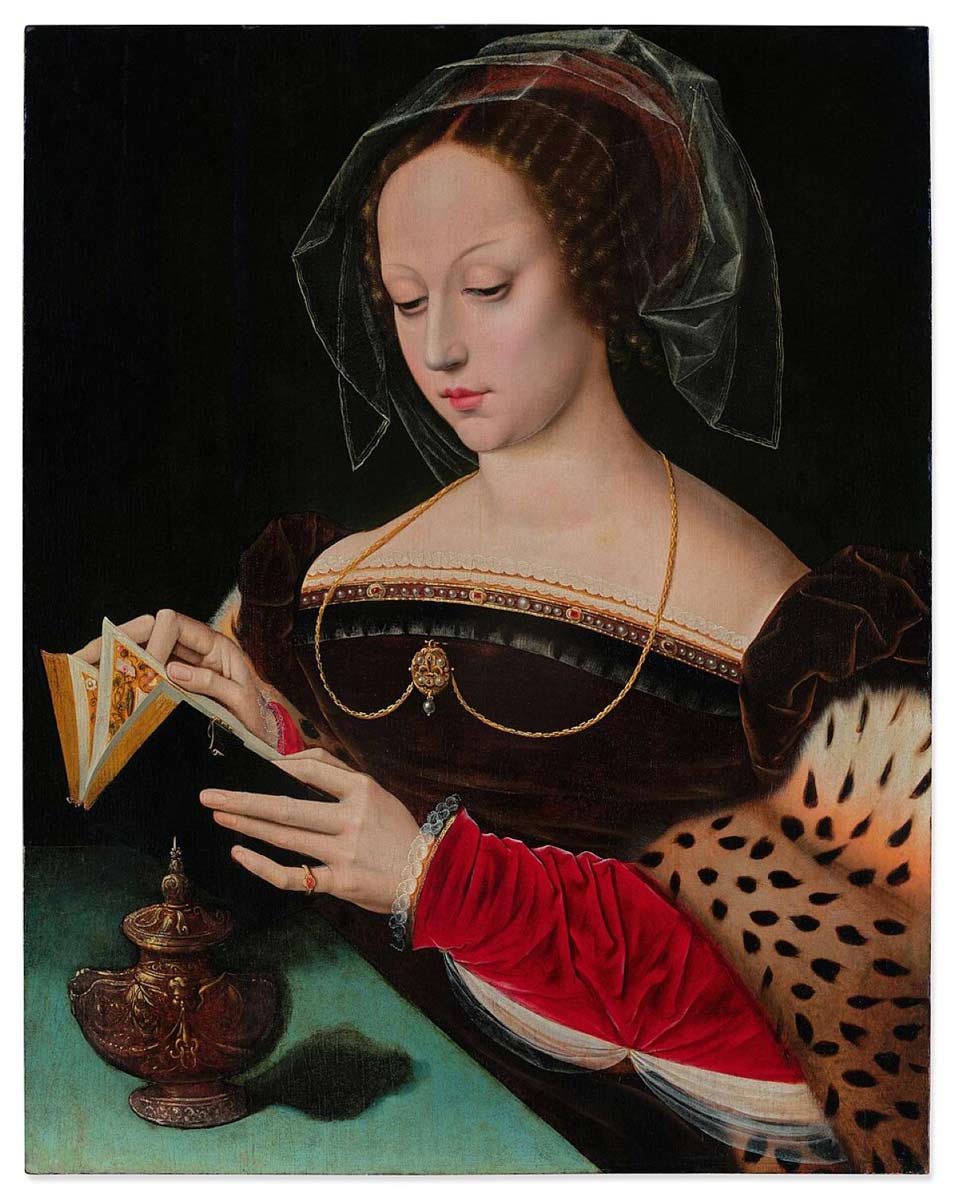
In a stroke of archival luck, Mary Magdalene’s gospel reemerged through scattered manuscript finds and editorial reconstruction. The Berlin Codex, purchased in Cairo in 1896 by German diplomat Carl Reinhardt (1856–1903), was acquired from a local dealer and later transferred to Berlin. It was stored for decades without full translation, partly due to its damaged state and the limited availability of scholars trained in Sahidic Coptic. Its contents remained obscure until the late 20th century, when renewed interest in Gnostic texts prompted deeper study.
The first modern publication of Mary’s gospel in 1955 ignited debate, with scholars split between reading it as a mystical vision or suppressed history. Renewed interest in Gnostic texts later prompted deeper study.
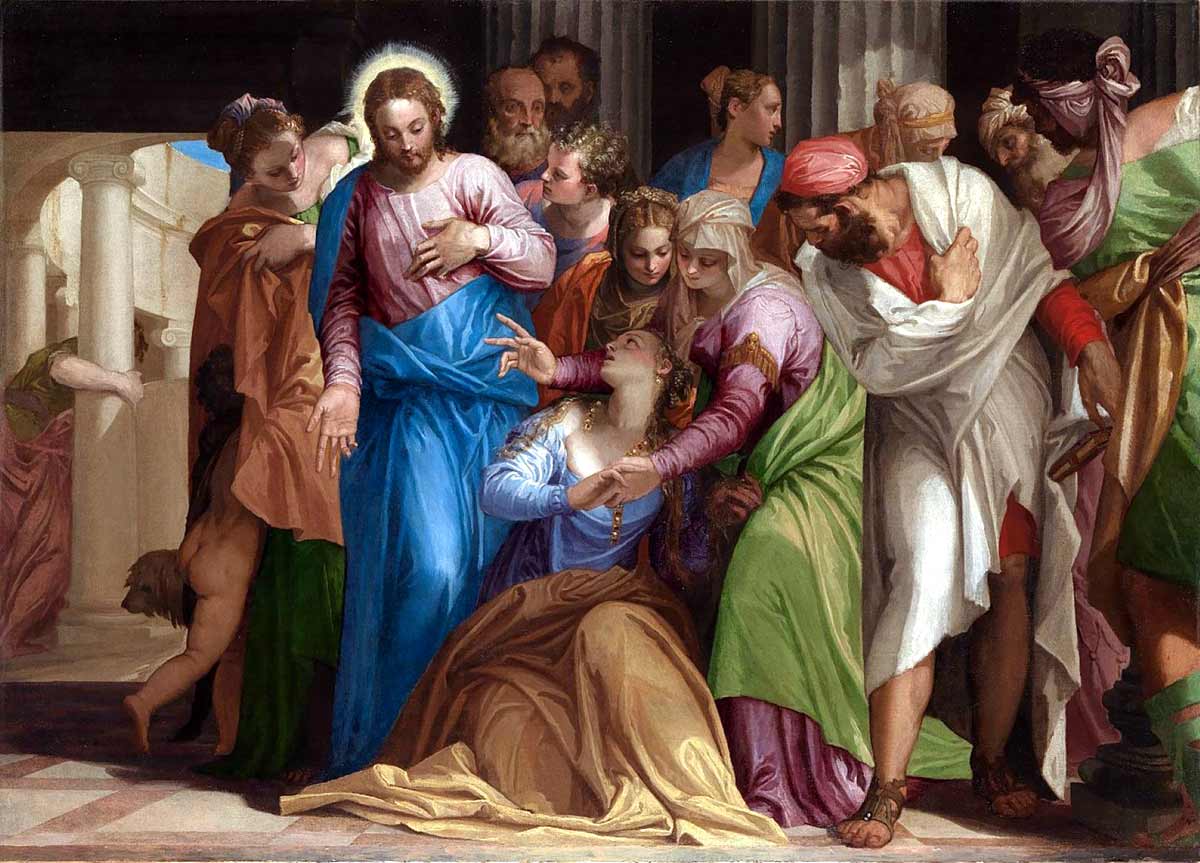
When the work was first translated, its fragmented state forced scholars to reconstruct missing passages with cautious speculation. The gaps became part of its identity, reminding readers that silence and absence can carry meaning alongside words. Later interpreters argued that the missing sections may themselves reflect suppression, showing how erasure can shape tradition as much as preservation. The act of recovery was therefore not neutral; each editorial choice carried theological weight, deciding how Mary’s voice would be heard in modern times. This process reframed her gospel as both fragile artifact and living testimony, balancing historical damage with contemporary rediscovery.
Editors reconstructed gaps using parallels from Pistis Sophia (a Gnostic text on soul purification) and Dialogue of the Savior (a visionary dialogue on spiritual ascent). These additions reconstruct gaps in the Coptic text and restore narrative flow. Some editions preserve gaps; others fill them to create narrative flow. These choices define how Mary’s voice is heard.
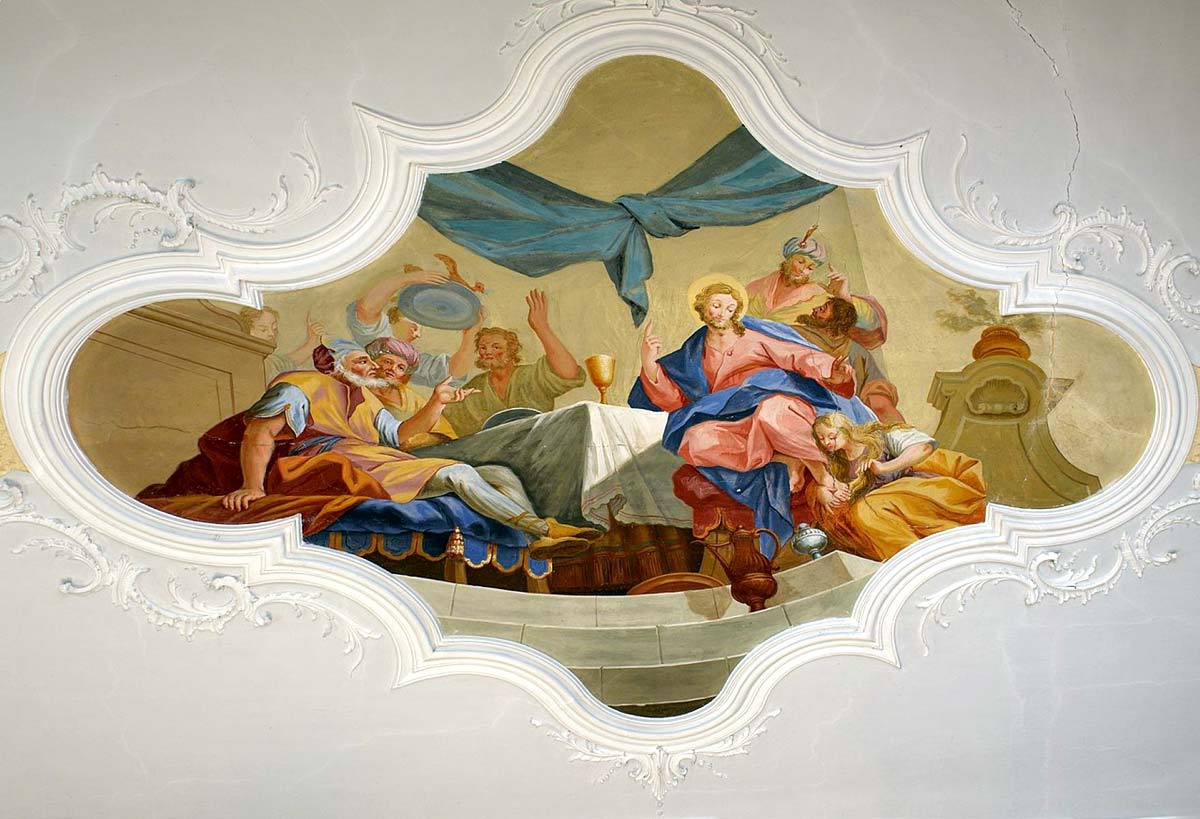
Some editors argue that leaving gaps visible preserves the manuscript’s integrity. Others prefer narrative continuity, using parallel texts to fill missing lines. Editorial decisions shape how readers interpret Mary’s authority—as mystical insight or theological structure. Her ascent teachings are interpreted as mystical allegory, spiritual practice, or postmortem journey. Feminist historians reframed Mary as a visionary leader.
Her gospel reframes which stories we preserve, and which voices we forget. Mary Magdalene’s status was recognized by some early Church Fathers; others criticized and diminished her. She was recognized as “Apostle to the Apostles” by St. Thomas Aquinas and others, and then her role diminished. Yet Pope Francis declared July 22 a Feast Day in recognition of Mary Magdalene’s importance in 2016. What remains is a puzzle that still speaks.