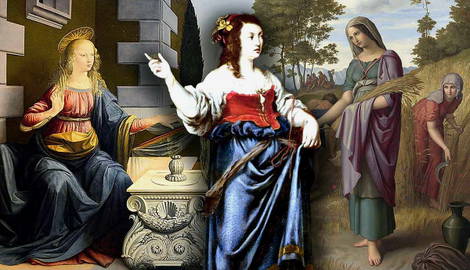

Genealogies in the Second Temple Period of Jewish history were sometimes manipulated to exclude unsavory characters or highlight specific figures to emphasize the author’s purpose. Women were seldom mentioned unless they were essential for a bloodline’s survival, necessary for specific inheritance, or emphasized a theological point. Generational lineage was extremely important to the Jews as it established rights of inheritance, property ownership, tribal identity, legitimacy of priesthood, and royal identity.
Matthew’s genealogy of Jesus follows the traditional pattern and style of listing patrilineal descent, but then deliberately veers off the traditional path by including five women. What are we to read into this?
Tamar
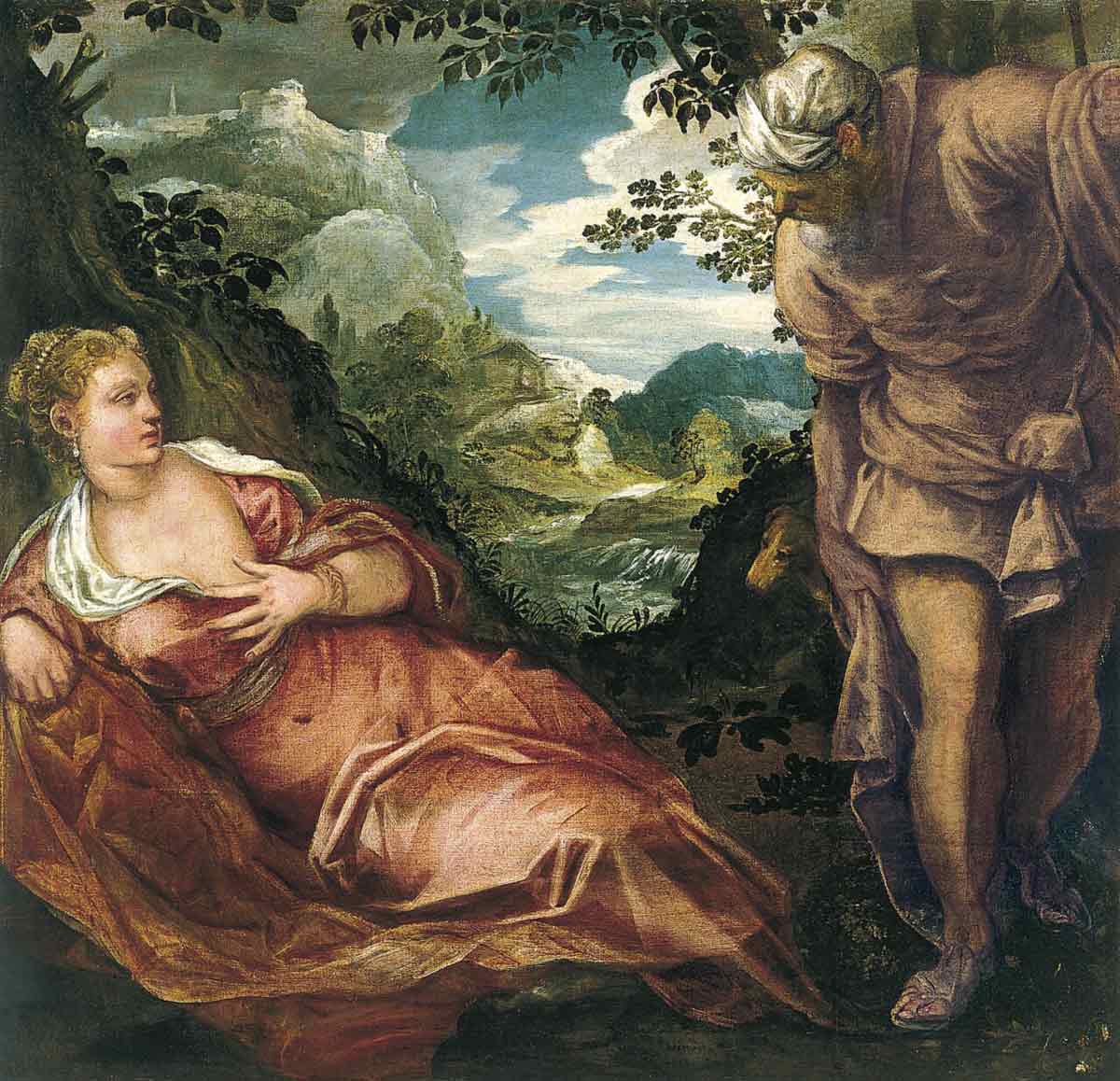
Tamar was the childless widow of Judah’s eldest son, Er. According to Jewish tradition (levirate law), Judah told his second son to marry Tamar, but he also died without an heir.
Next, Judah was supposed to marry Tamar to his third and last son to ensure the continuation of the bloodline, but he was afraid to because of the deaths of his two elder sons. Tamar, a Canaanite woman, nevertheless, did not give up on bearing a child to ensure inheritance of the covenantal promise for her firstborn.
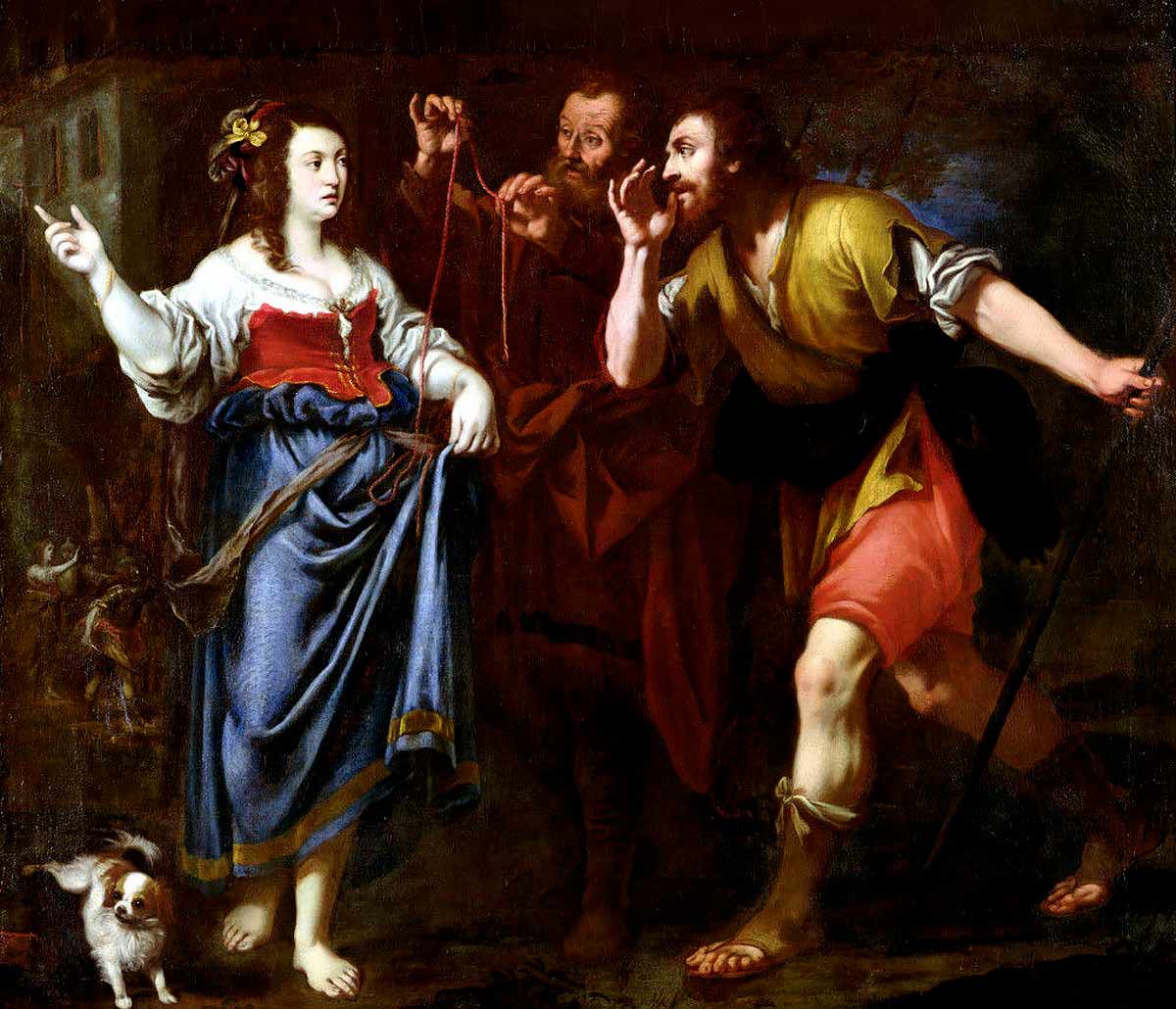
Tamar dressed as a prostitute and hoodwinked Judah into sleeping with her. She suspected that he would deny paternity if she became pregnant, so she requested his seal, cord, and walking stick as a pledge of future payment before he departed. When Judah was told that his widowed daughter-in-law was pregnant, he ordered that she be put to death. Tamar sent him the missing items with a message that they belonged to the father of the baby she was carrying.
Judah was deeply ashamed that this foreign woman went to these lengths to follow the Jewish Law of inheritance while he himself fell short. He married her, and they had twin sons. Through one son, Perez, the lineage moved forward to King David, and ultimately Jesus Christ.
Judah and Tamar’s story is in Genesis 38 in the Bible. Matthew’s genealogy includes naming Tamar in Matthew 1:3 to draw the reader’s mind to the theme of salvation through God’s exceeding Grace. These themes of morally complex situations and unexpected people, foreigners, and repentant sinners guide believers into accepting the mysterious ways of the Almighty.
Rahab
When Joshua sent spies on a reconnaissance mission into Jericho after the Exodus, they were recognized as suspicious strangers. They were lodging at the house of Rahab, a prostitute whose house was built into the city wall (Joshua 2:1). When the king’s men cornered them, Rahab hid them under the stalks of flax on her roof. She later let them down the enormous city walls by rope. Rahab acknowledged that she knew the Israelites would be victorious, as their God was the real God of Heaven and Earth, who had given them the land of Canaan (Joshua 2:9-11).
She told the spies that the entire country was afraid because they had heard of the battles the Israelites had won against mighty armies. She extracted a promise from the spies that her entire family would be saved, and so they promised Rahab that she and her family would be spared when Israel conquered the city. She was instructed to tie a scarlet cord to the outer window from which she lowered them, to mark her house when the Israelites came.
In Joshua 6, we read how the promise was kept, and Rahab and her family were saved. She becomes an ancestress of King David. In the Babylonian Talmud and later Jewish traditions and manuscripts, beliefs were added that Rahab’s descendants included several prophets and leaders.
Ruth
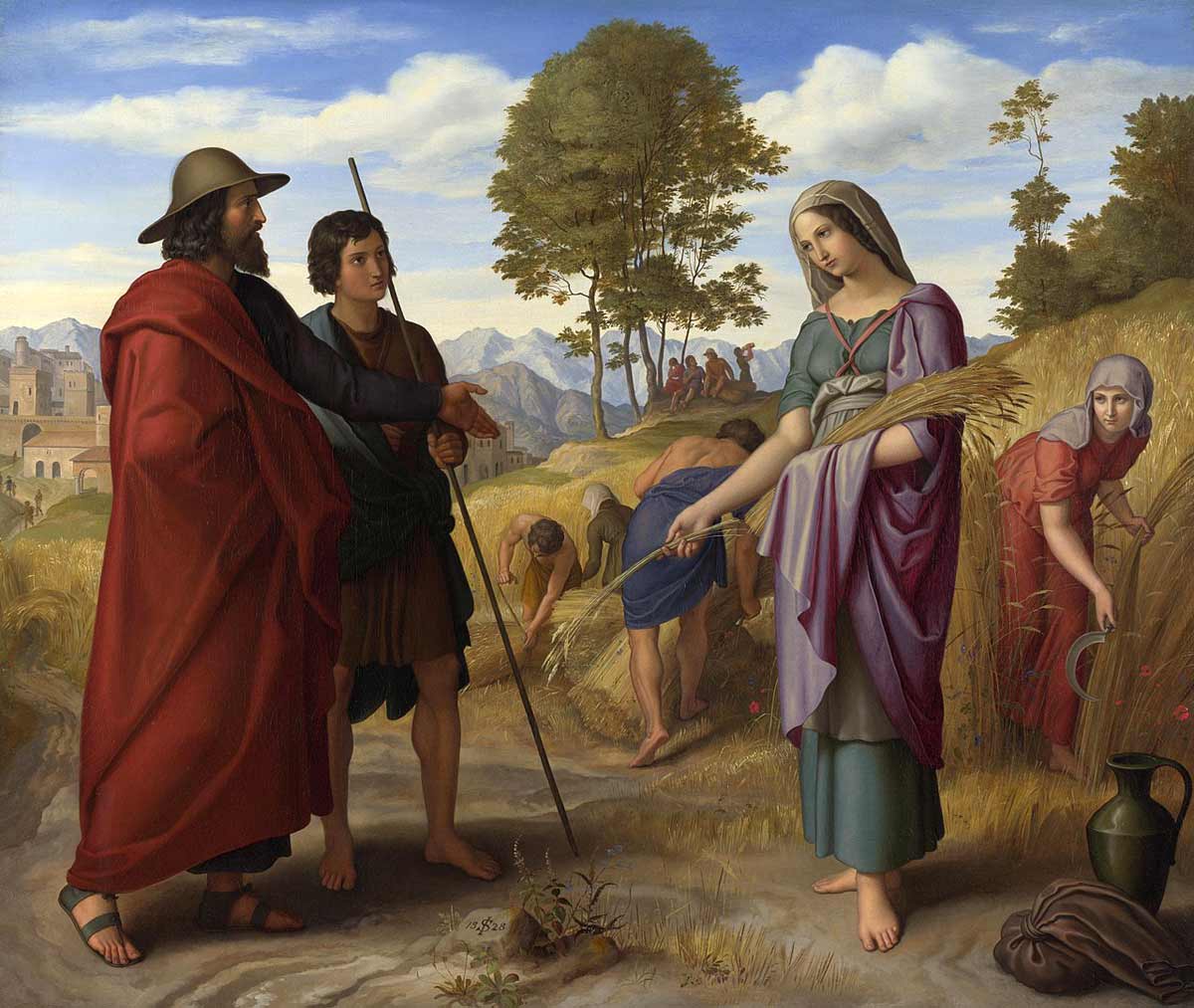
Ruth is one of the only two women after whom an entire book in the Bible is named. Ruth was a foreigner from the land of Moab.
The Moabites were regular enemies of Israel as confirmed by the famous Mesha Stele (Moabite Stone). At the time of Ruth’s life, though, there must have been peace between the Moabites and Israelites, because her Israelite mother-in-law and family had been living in Moab when Ruth’s Israelite husband died.
Ruth left her own family behind and moved to Israel with her mother-in-law, Naomi, after Naomi’s husband and two sons died. They moved to Bethlehem, where Naomi’s family hailed from. Ruth adopted Naomi’s customs and religion (Ruth 1:16). The two women had to fend for themselves, with Ruth looking loyally after Naomi by gathering wheat left in the fields by the harvesters. She was gathering wheat in the fields of Boaz, a wealthy landowner and kin of Naomi. Boaz, impressed by Ruth’s loyalty and integrity, married her. Their son, Obed, became King David’s grandfather.
Although Ruth was a woman and a foreigner, it is not such a great stretch as the two previous women for Matthew to include her in his genealogy. She was a righteous woman untouched by scandal or a sinful lifestyle. Her legacy of selfless devotion to Naomi was admired by all the Israelites who heard her story, and the Book of Ruth is included in the canon of the Christian Bible.
Bathsheba, the Wife of Uriah
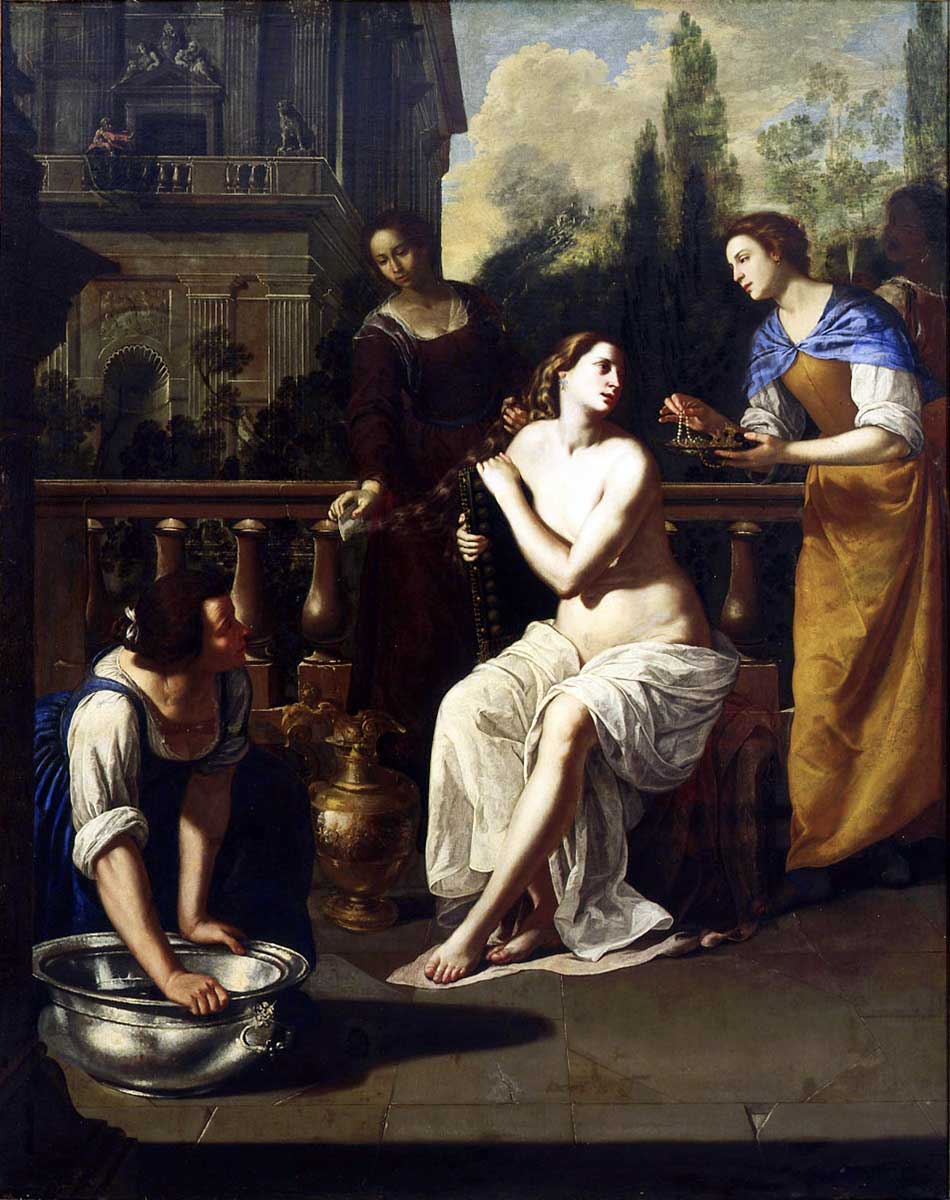
Bathsheba was an Israelite woman married to Uriah, a Hittite soldier in King David’s army. Israel’s army under Joab was engaged in several battles of conquest and retribution against the Ammonites, culminating in a siege of their capital city, Rabbah (today’s Amman, Jordan). David did not accompany them.
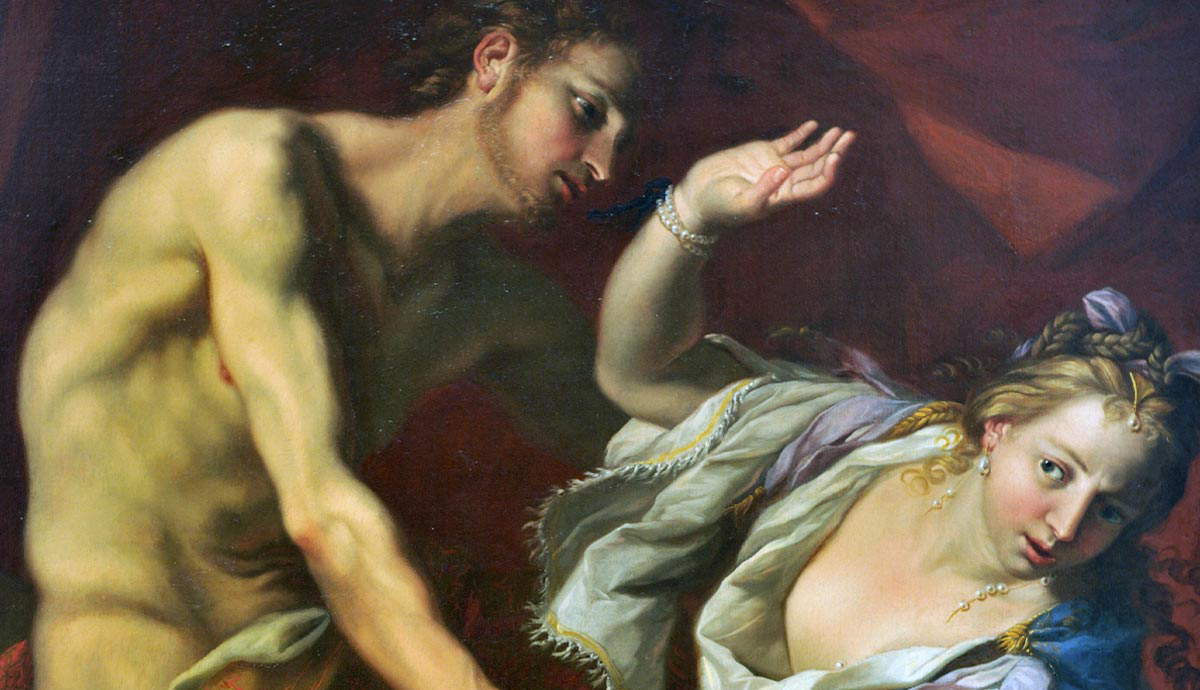
One night, David was walking on the roof of his palace when he saw a beautiful woman bathing on her roof. He inquired about her from his staff, and was told that she was Bathsheba, daughter of Eliam and wife of Uriah the Hittite, who was away fighting with Joab. David summoned Bathsheba to his palace.
Rabbinic literature describes her as a modest and virtuous woman, akin to the description of an ideal woman in Proverbs 31. Nevertheless, David and Bathsheba commit adultery. Bathsheba became pregnant and David sent a message to Joab to send Uriah to him with an update on the war’s progress. David tries to get Uriah to sleep at his home with Bathsheba and return to the war the next day. Uriah instead sleeps with David’s palace staff, declaring that he cannot sleep comfortably in his own bed with his wife while his comrades in arms sleep in the open fields.
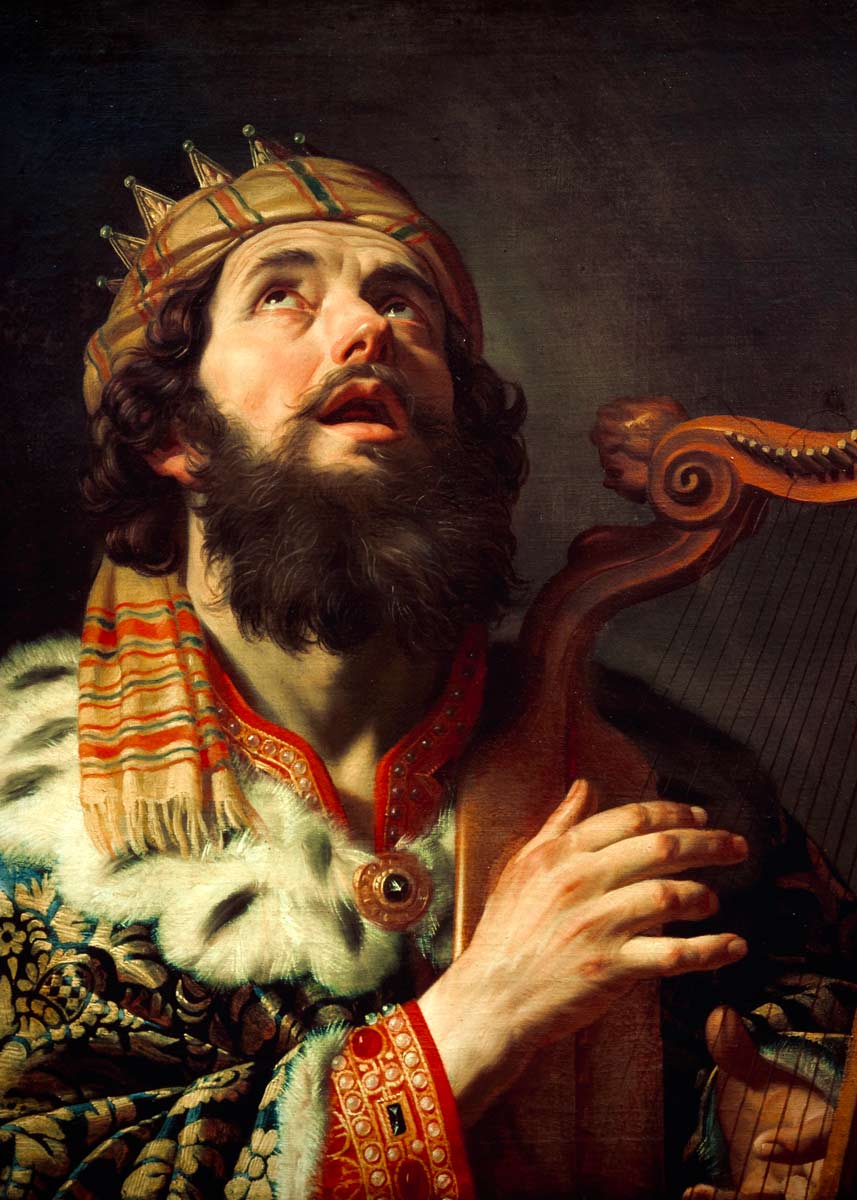
David sends him back with a sealed message to Joab. In it, he instructs Joab to set Uriah up in battle in a position that will ensure he is killed by the Ammonites. After a brief period of mourning, David marries Bathsheba. God sends the prophet Nathan to reprimand David. David pleads with God to forgive him. His genuine repentance is demonstrated in Psalm 51. Bathsheba and David’s baby falls ill and dies but Bathsheba has more sons with David, including the famous Solomon, through whom the Messianic line is preserved.
Matthew’s genealogy mentions Bathsheba only as “the wife of Uriah” to point our understanding subtly at David’s role in this epic saga of lust and betrayal, which forms part of the lineage of Jesus Christ. Through David’s sincere repentance and God’s gracious mercy and redemption, his salvation for all of humanity is demonstrated.
Mary
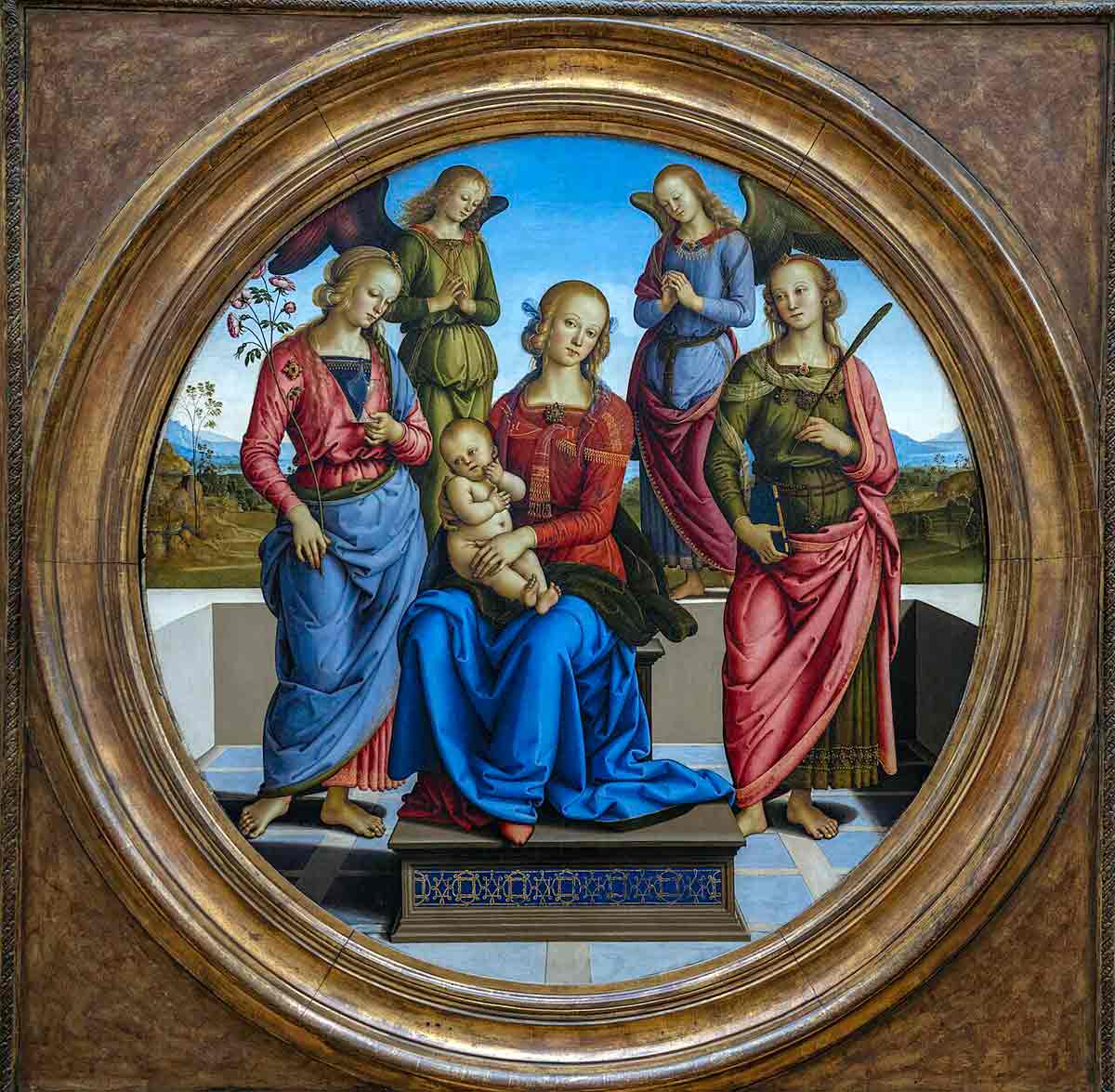
Scripture does not explicitly mention Mary’s lineage. Instead, Matthew’s genealogy follows Joseph’s position as a descendant of David from the royal tribe of Judah. Luke implies that Mary was also from the same royal lineage of Judah. The early Church Fathers accepted that Mary was a descendant of David, with Ignatius (ca AD 110) writing to the Ephesians that Jesus was born to Mary “of the seed of David” and the Holy Spirit.
Joseph and Mary travel together to Bethlehem to register for the census due to Joseph’s Davidic lineage, though early Church tradition strongly maintains that Mary shared this same royal ancestry. With Mary’s visit to Elizabeth, the mother of John the Baptist, we learn that Mary also had family from the tribe of Levi.
Mary was a humble, young virgin engaged to Joseph, who proceeded to marry her after he was told by an angel that the child she carried was a miraculous conception through the intervention of God’s Holy Spirit. This lifted the scandal that would have engulfed Mary if Joseph had broken the engagement, and she became an unmarried young mother.
Genealogies in the Ancient World
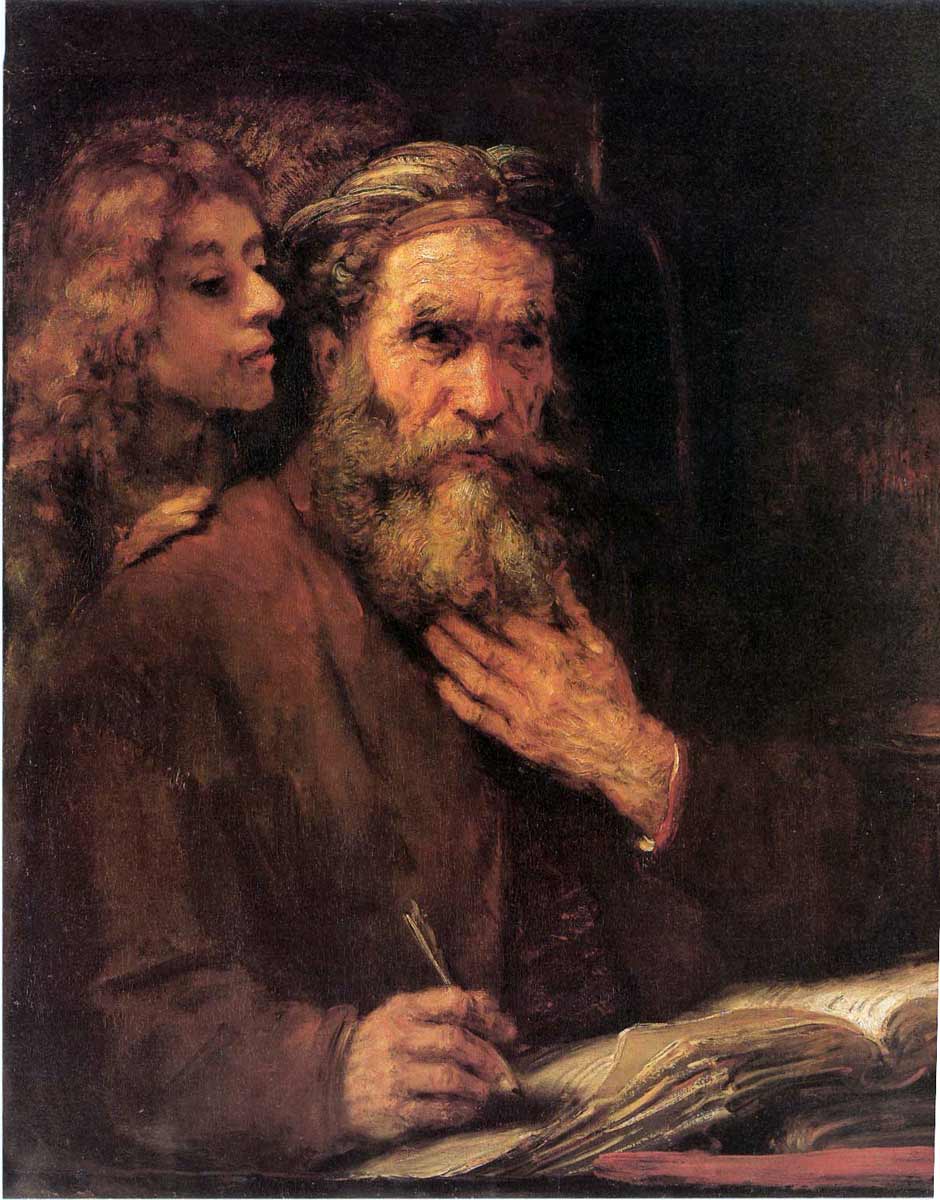
Greco-Roman genealogies were often fictionalized to elevate the status of an important person. They included divine or heroic characters in their ancestry to serve as political propaganda. Jewish genealogies emphasized theological themes. They sometimes tended to omit or downplay problematic characters and highlighted key figures that drew attention to the divine thread of the covenantal promise woven throughout the tapestry of their history.
Matthew’s genealogy divides the generations of Israel into three groups of fourteen:
“So all the generations from Abraham to David were fourteen generations, from David to the exile in Babylon fourteen generations, and from the exile to the Christ fourteen generations.” (Matthew 1:17)
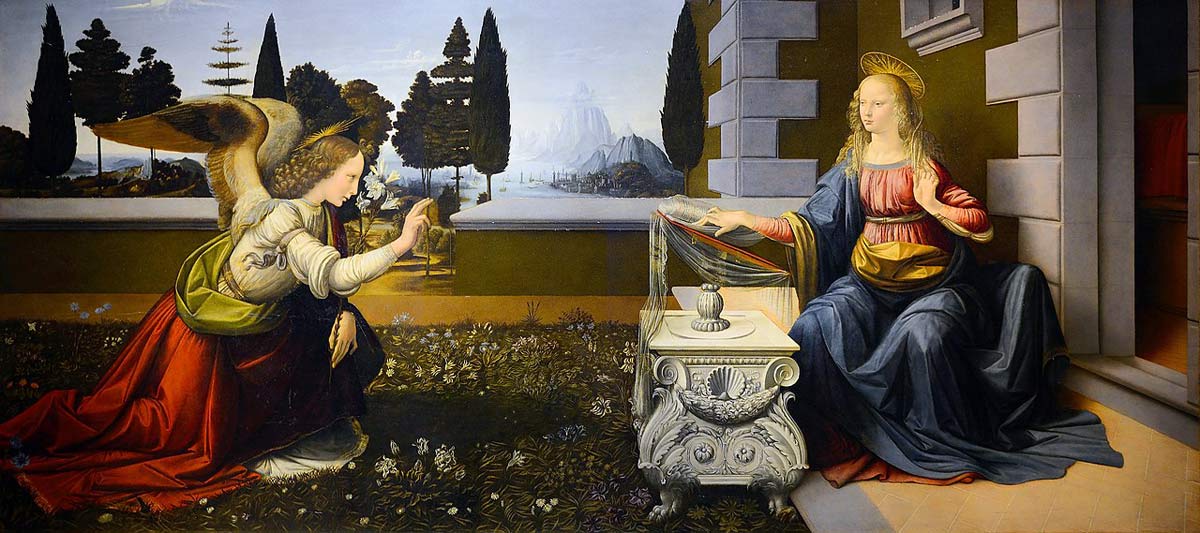
Scholars generally agree that Matthew left out generations on purpose, and not in error. He includes sinners and subtly points us to David’s gross misconduct, followed by God’s exceeding grace. He veers off traditional Jewish male genealogies to include five women. Each of these five women, in addition to their gender, brings an unlikely aspect to this sacred genealogy.
Tamar used disguise to manipulate Judah; Rahab was a Canaanite prostitute before she acknowledged Israel’s God as the only true God; Ruth was a Moabite who brought herself to the attention of Boaz; Bathsheba was a married woman when she slept with King David; Mary was an innocent virgin from an insignificant and obscure rural backwater village in Galilee.
Matthew’s genealogy points to the mission of Jesus Christ to include sinners, outsiders, the vulnerable, and the unexpected, thus forming a fitting introduction to the theme of the gospels. It demonstrates that God’s redemption is open to all the nations and crosses humanity’s conventional boundaries.