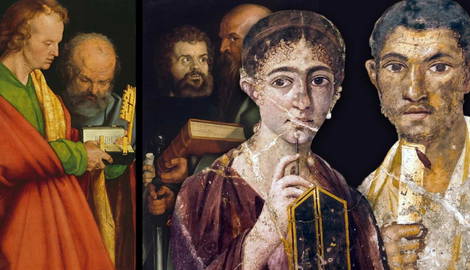

In Matthew 28:19, Jesus delivers what has come to be known as the Great Commission as he instructs his followers to “go and make disciples of all nations, baptizing them in the name of the Father and of the Son and of the Holy Spirit.” While there were written manuscripts circulated amongst the many churches scattered throughout the Roman Empire, sharing the Gospel of Christ often involved the transmission of it orally for those who were illiterate.
Literacy in the Roman Empire
Scholars have noted the difficulty in determining literacy levels in the Roman Empire for the simple reason that we have no idea how they themselves might have defined the term. Did it apply to anybody who could read, but not write? Did it describe someone who could write his or her name, but not much else? Was there a standard by which they determined who was literate and who was not? Could the word “illiterate” simply have meant “uncultured” to them?
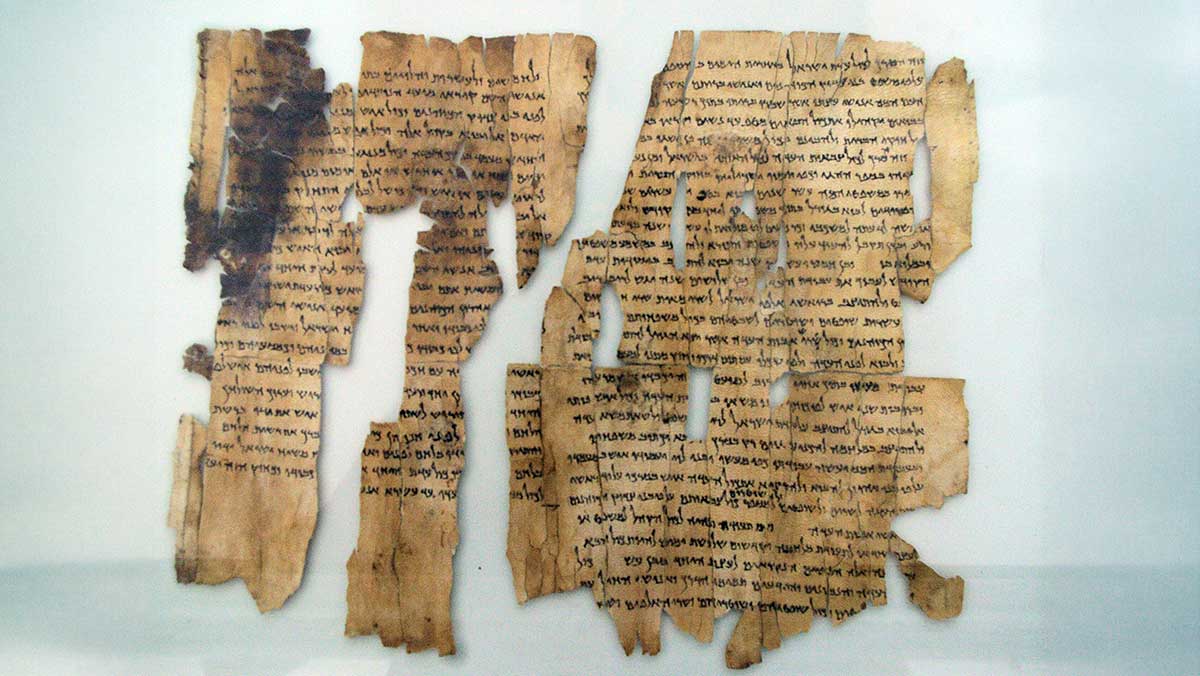
We cannot be certain about any of these things. However, scholars have suggested that approximately five to ten per cent of the population, mostly male, could read and write at least minimally. They arrive at this conclusion by looking at the documents and artifacts that archaeologists have found. Their discoveries include many writing tools such as quills, styluses, and inkwells, and manuscripts in all manner of forms such as papyrus, stone, metal, parchment, and vellum (animal skins).
For example, at Oxyrhynchus, in Egypt, archaeologists found some half a million documents, mostly papyrus. The famed Dead Sea Scrolls discovered at Qumran in Israel between 1947 and 1956, dating from the 3rd century BC to the late 1st century AD, included more than 900 documents, with only about 100 of them in papyrus. The majority were parchment made primarily from sheep and goat skins. Some scholars suggest that, because papyrus had to be imported from Egypt, it might be too costly for some.
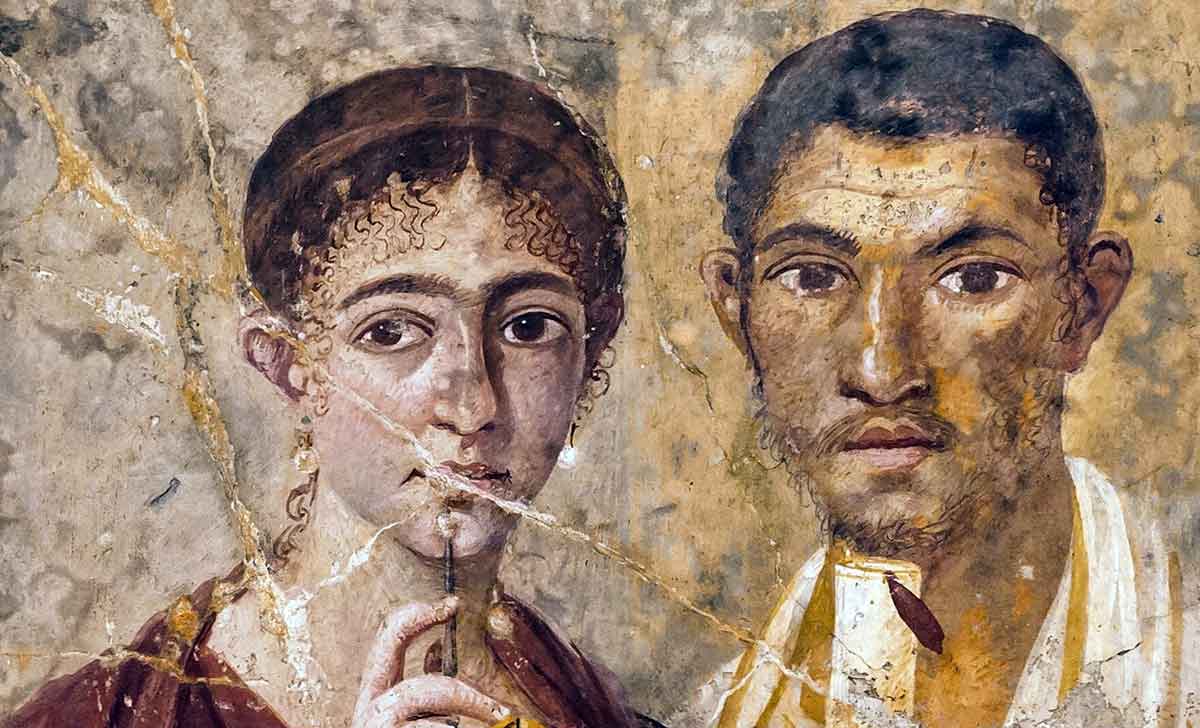
The types of written artifacts archaeologists have discovered include everything from imperial decrees to tombstones to graffiti. Other discoveries include pictures of people with writing utensils and documents in their hands. Perhaps the most famous is that of Terentius Neo, a baker, and his wife, who appear in a fresco painted on a wall in Pompeii. The woman holds a stylus and a diptych, a hinged wooden tablet covered in thick wax, into which a writer etched her words.

And then there were the libraries with Alexandria (Egypt) and Ephesus (Asia Minor) boasting large, impressive collections. While the city of Alexandria still exists, the library, unfortunately, does not. Constructed in 295 BC, it contained thousands of scrolls from a variety of nations as well as lecture halls, observatories, and even a zoo. A fire in 48 BC damaged it significantly, and its history becomes speculative after that point. The interior of the Celsus Library in Ephesus was destroyed by fire along with its contents as well. Its crumbling facade was repaired and re-erected in the 1970s.
The Jews and Literacy

Josephus, a historian, writing in the 1st century AD, proclaimed that Jewish children were well-educated and that their education included learning how to read. Scholars believe he may well have exaggerated out of pride and nationalistic fervor.
However, we do know that Jewish temples and synagogues always housed scripture and that people read from them. In Jeremiah 32:14, it states that scrolls were kept in earthenware jars to protect them from the elements. In several passages in Acts (13:15, 27; 15:21; 17:2; 18:4), it says that scripture was read every week.
The Disciples and the Issue of Literacy

Some people question whether any of the disciples could read or write. In the fourth chapter of Acts, we read that priests, the captain of the temple guard, and some Sadducees (Jewish religious leaders) arrested John and Peter for proclaiming the resurrection of the dead in Christ. They were brought before a gathering of rulers, elders, and teachers of the Law. When asked to explain themselves, Peter gave an eloquent response that astounded them. They marveled that one “unschooled” could speak so well.
Some people have understood “unschooled” to mean that Peter and John were illiterate. However, when taken in context, it suggests that by “unschooled,” the Jewish leaders meant that Peter had not received any instruction in the Law, and they could not understand how he, a fisherman, could speak so knowledgeably.
But what about the authors of the Gospels? The issue of whether they could read and write plays a huge role in determining the reliability of their work.
Matthew, the Tax Collector

Being a tax collector, Matthew definitely knew how to read and write. In fact, tax collectors often carried pinakes. Pinakes were wooden tablets coated in wax. Writers used a stylus, often of metal, to write on them. Some scholars have suggested that Matthew may well have been trilingual with knowledge of Greek and Latin as well as the Aramaic language of the Jews. His fellow Jews probably despised him because he worked for the Romans and because tax collectors were renowned for charging citizens more than was required, pocketing the excess money for themselves. But Matthew was definitely literate and capable of writing a gospel.
Mark, the Friend of Peter

Scholars believe that Mark, a Gentile, received the information for his gospel from one of the disciples, namely, Peter. His Greek is simple compared to the writings of the others, and it has been suggested that he perhaps used a scribe to whom he dictated his account. Even those of the poorer echelons in society employed them. Mark may well have been one of them.
Luke, the Physician and Historian
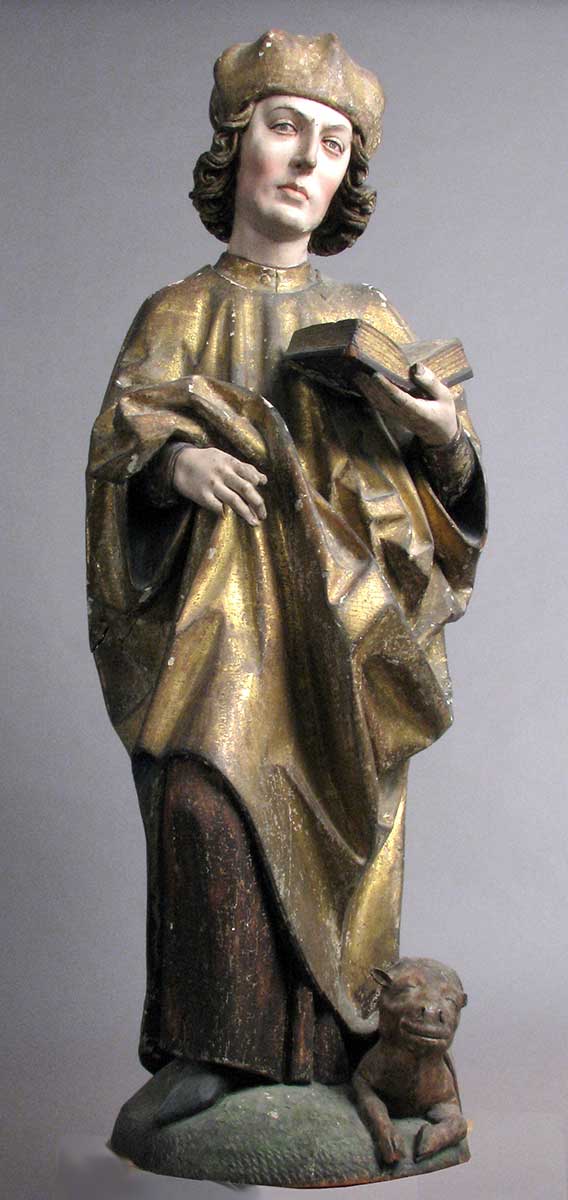
As a doctor (Col. 4:14) and historian (Luke 1:1-3), Luke definitely knew how to read and write at a high level. It may be that he employed his thoroughness and interest in detail as a physician to the job of recording historical information. Scholars assert that he probably used the earlier gospels of Mark and Matthew for his own work. He also penned Acts as he travelled with Paul and was part of many of the events recorded in that book.
John, the Beloved Disciple

Because John was a fisherman, some scholars believe it unlikely that he was literate, in which case, he, like Mark, could have used a scribe to whom he dictated in the composition of his gospel. However, he came from a prosperous family. His father owned a successful fishing business, which enabled him to hire outside fishermen. Given that, and the fact that Hebrew boys were required to memorize the Torah (first five books of the Old Testament) before the age of twelve, John may well have been literate, not just in Aramaic, but in Hebrew and Greek as well.
Could Jesus Read?
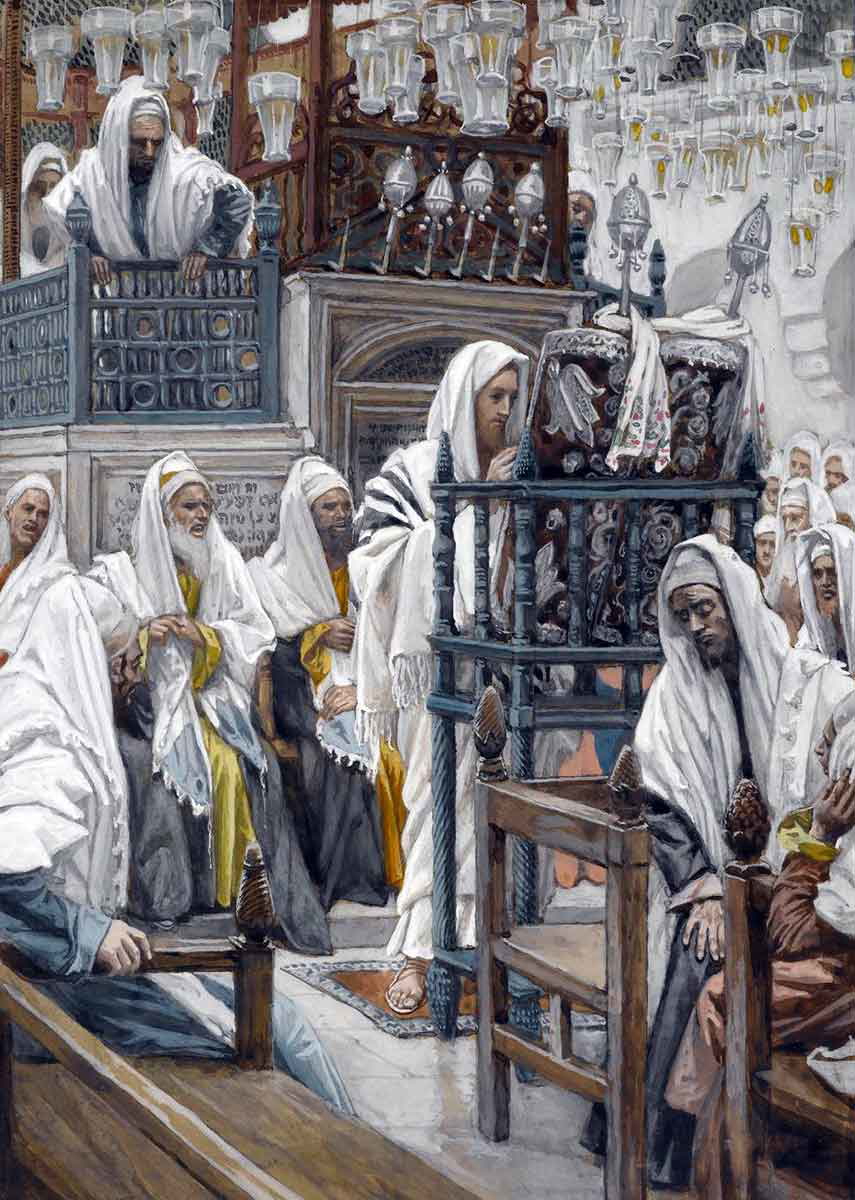
Some people have questioned the literacy of Jesus himself. In response to those doubts, scholars usually point out a passage in Luke which states that Christ went into the synagogue at Nazareth on the Sabbath, unrolled the scroll of the prophet Isaiah, and read:
“The Spirit of the Lord is on me, Because he has anointed me To proclaim good news to the poor. He has sent me to proclaim freedom for the prisoners and recovery of sight for the blind, to set the oppressed free, to proclaim the year of the Lord’s favor” (Isaiah 61:1, 2b).
He then rolled up the scroll, gave it back to the attendant, sat down, and said, “Today this scripture is fulfilled in your hearing,” meaning that he himself had fulfilled it. So, yes, Jesus could read. But could he write?
Some scholars point to the passage in which a woman is caught in adultery (John 8:1-11). Jesus bends and writes something in the dust with his finger. However, this passage is a late addition to the text and is, therefore, not credible to some scholars.
What Is a Creed?
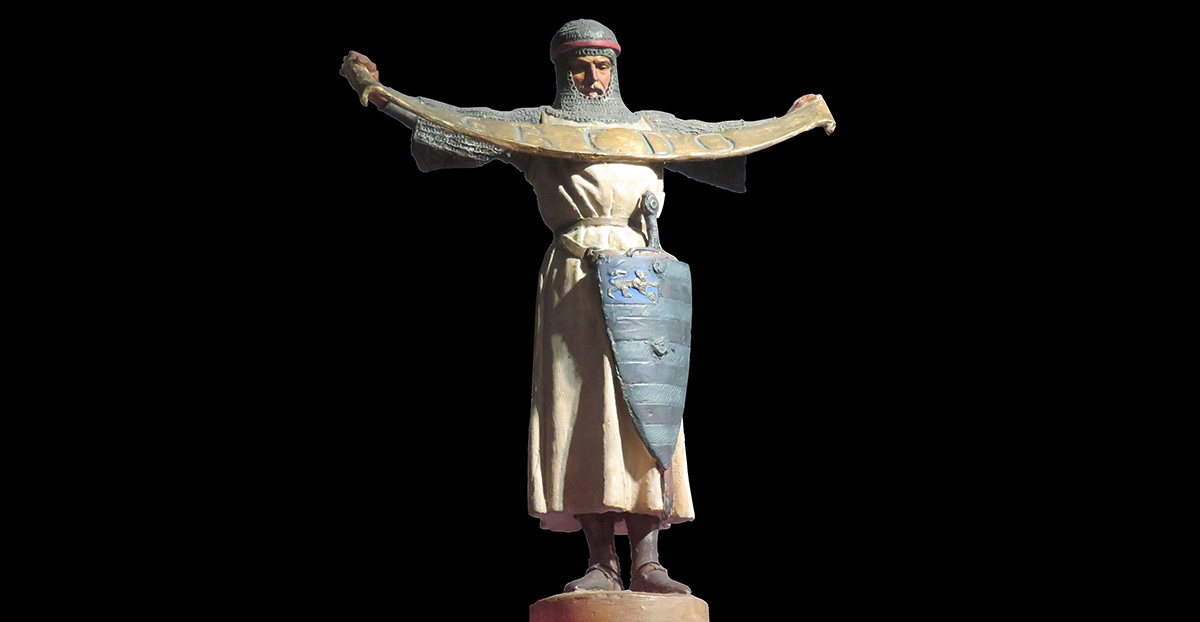
A creed is a statement of faith, a summary of doctrines and beliefs held by a specific group, written in a plain and straightforward manner so that it would be easy to memorize. It comes from the Latin “credo,” which means “I believe.” In a land where the literacy rate was low, creeds became a key way for the Church to spread the Gospel orally. They also helped to prevent and correct heresies that might creep into people’s beliefs. Additionally, they brought people together, unifying them in the Christian community.
Biblical Creeds
The earliest creed in the Bible is the so-called Shema prayer found in Deuteronomy 6:4, which reads, “Hear, O Israel: The LORD our God, the LORD is one.” It establishes the monotheism of the Israelites, a monotheism that came to be understood as a Trinity in the 1st century AD, meaning that there is one God who exists in three persons—God the Father, God the Son, and God the Holy Spirit.
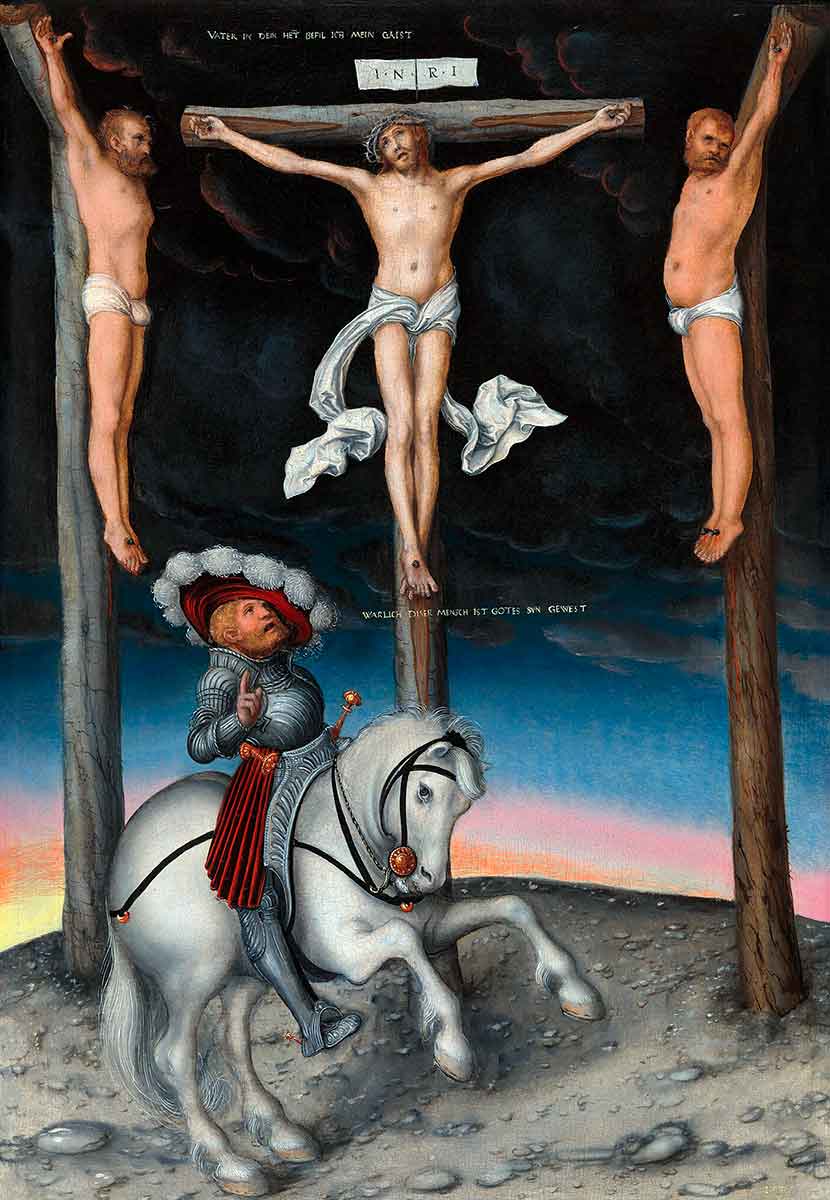
The New Testament contains a variety of creeds scattered throughout several books. For example, in Matthew’s Gospel, when asked who Jesus was, Peter stated adamantly, “You are the Christ, the Son of the living God” (Matthew 16:16). In Mark’s Gospel, we read the declaration of a centurion standing at the foot of Christ’s cross who stated, “Truly this man was the Son of God” (Mark 15:39). These short, pithy statements were easy to remember and easy to pass on. However, there were creeds of varying lengths that went a little deeper into the specific doctrines at the core of Christianity.
Romans 1:3, 4

“Regarding his Son, who as to his earthly life was a descendant of David, and who through the Spirit of holiness was appointed the Son of God in power by his resurrection from the dead: Jesus Christ our Lord.”
This verse from Paul’s letter to the Church in Rome speaks of Christ’s nature as being both human and divine. Multiple Old Testament prophecies stated the Messiah would be a physical descendant of David, the famed king of the Israelites.
For example, in Isaiah 9:6,7, we read that he would reign on David’s throne and over his kingdom forever. Jeremiah 23:5 talks about “a righteous Branch from the line of David” coming as king who will “reign wisely and do what is just and right in the land.” Christ’s resurrection as the Son of God and his designation as Lord indicate the divinity of Jesus. This creed, therefore, provides the necessary understanding for followers that Christ is both man and God.
Romans 10:9
“If you declare with your mouth, ‘Jesus is Lord,’ and believe in your heart that God raised him from the dead, you will be saved.”
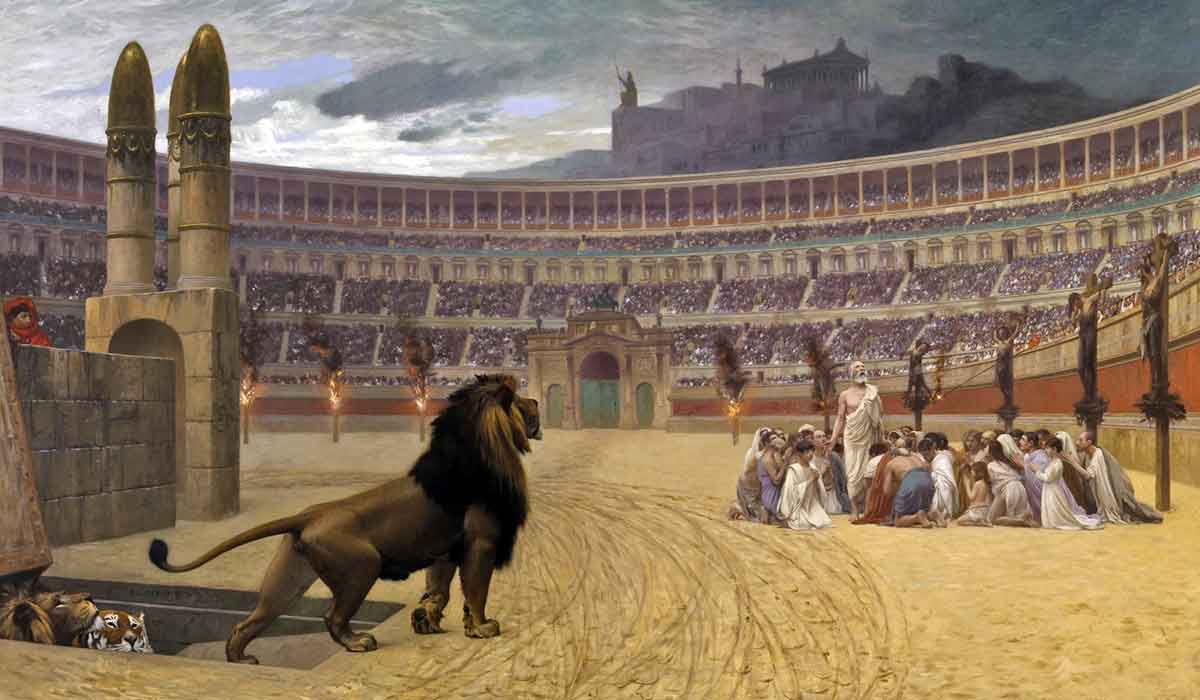
While today’s readers might mistakenly misinterpret this proclamation to mean that one has to state out loud one’s beliefs to be saved, the verse’s original audience would not have understood it that way. At the time that Paul wrote his letter to the Romans, people who confessed faith in Christ ran the risk, not just of persecution, but of death.
Therefore, if someone stated his beliefs publicly, it showed that his trust in the Lord was sincere and his salvation genuine. Otherwise, he would have kept his mouth closed and avoided trouble. The Romans had no problem with people who worshiped a multitude of gods as long as they worshiped the emperor and participated in state religious rituals. However, the Christians refused to do that, and, therefore, the Romans saw them as a threat to stability in the empire and guilty of treason. This creed is a statement of how true faith expresses itself in the face of persecution.
1 Corinthians 8:6
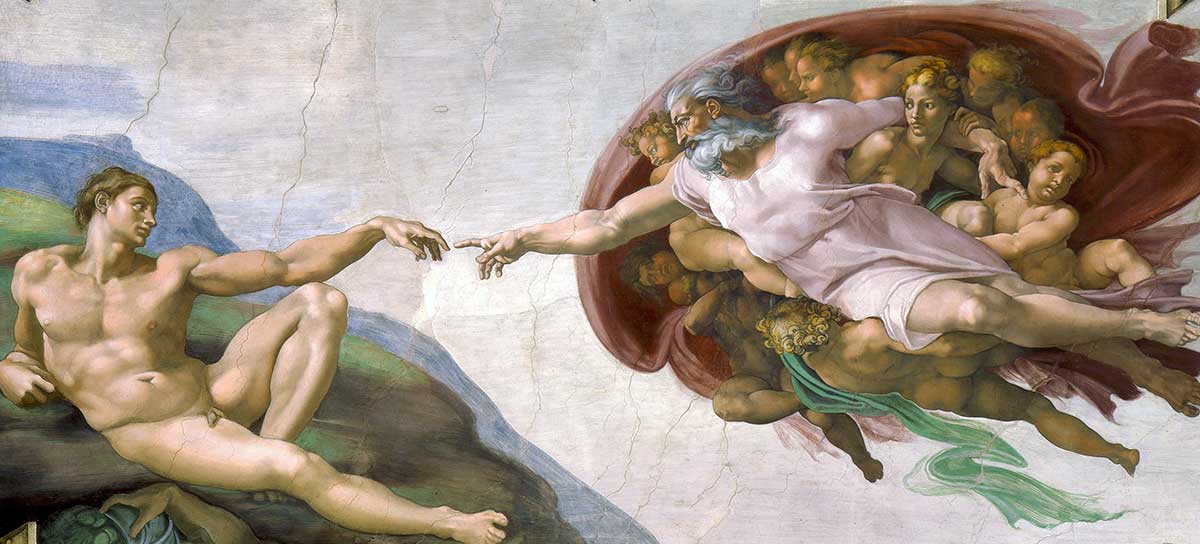
“Yet for us there is but one God, the Father, from whom all things came and for whom we live; and there is but one Lord, Jesus Christ, through whom all things came and through whom we live.”
Jews were monotheistic. It was imperative that the early Church point out that there was still only one God. In this passage, Paul stresses that, expanding on the Shema from the Book of Deuteronomy, by adding Jesus into the mix as Lord. This then is an indication of the Trinity. This needed to be reinforced in a creed, spoken over and over, and shared with both those who held monotheistic beliefs and those who held polytheistic ones as well, in an empire that boasted many, many gods. This creed also made it clear that Christ had a part in creating the world and all therein, further emphasizing his divinity.
1 Corinthians 15:3-7
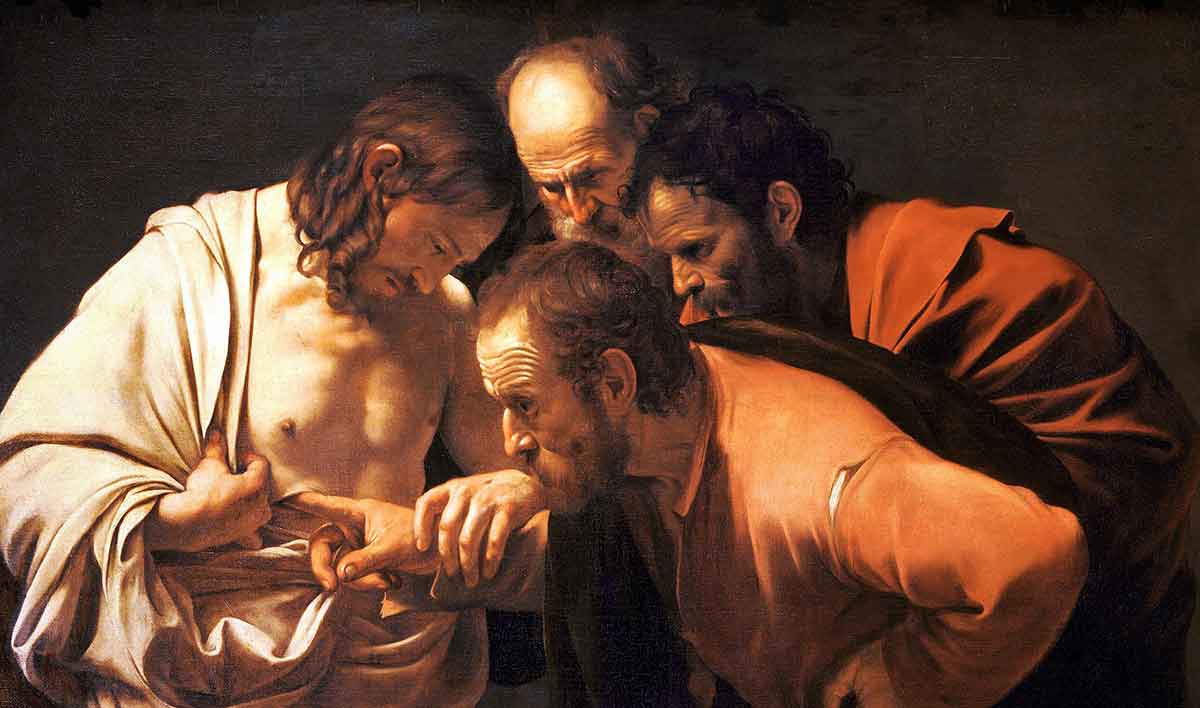
“For what I received I passed on to you as of first importance: that Christ died for our sins according to the Scriptures, that he was buried, that he was raised on the third day according to the Scriptures, and that he appeared to Cephas (Peter), and then to the Twelve.”
This is a summary of the Gospel of Jesus Christ. While it appears in a letter that Paul wrote, most scholars think that it is a pre-Pauline creed that the apostle included in his epistle to the church at Corinth in Greece.
The disciples gathered after the crucifixion of Jesus, locking themselves in a room for fear that the Romans would come for them next. However, a bolted door did not keep out Jesus. He appeared in their midst. Thomas, forever branded a doubter, demanded to see the nail marks and the cut in his side to prove Jesus was not a ghost. This creed attests to just one of the many times Jesus appeared to people following his rise from the dead. It stresses the fact that there were credible witnesses to his resurrection and that what Paul taught was what Peter, John, and the others taught.
Philippians 2:6-11
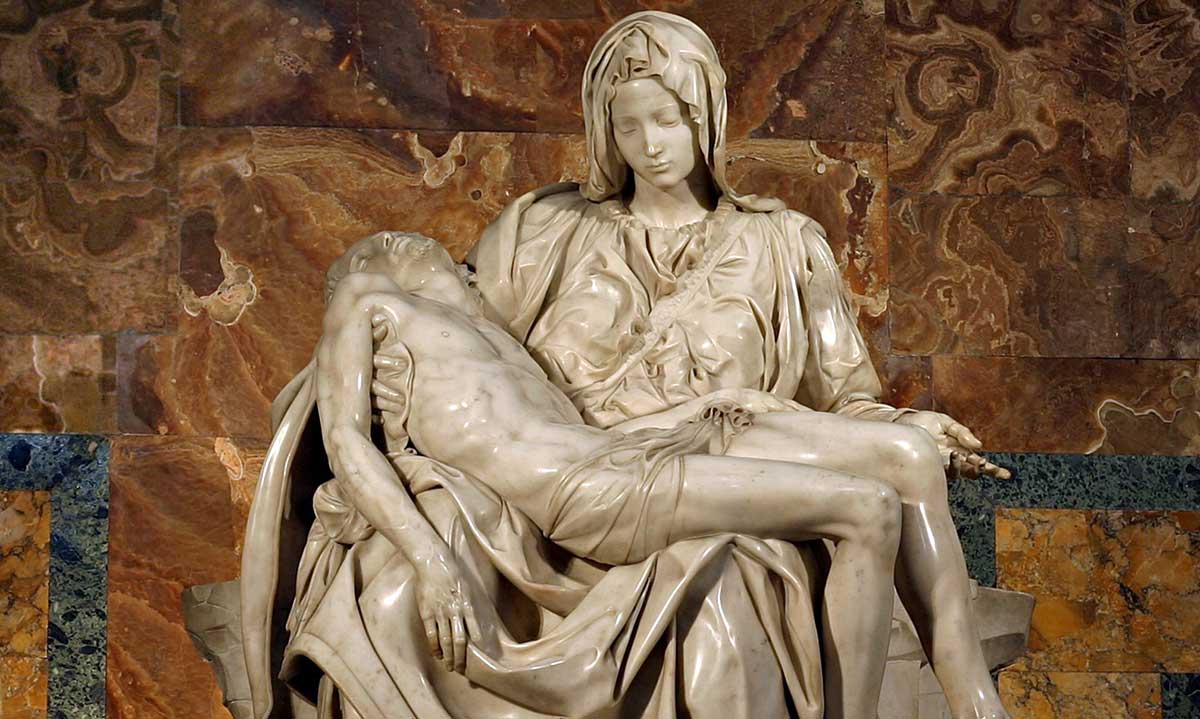
“Who, being in very nature God, did not consider equality with God something to be used to his own advantage; Rather, he made himself nothing. by taking the very nature of a servant, Being made in human likeness. And being found in appearance as a man, He humbled himself by becoming obedient to death— Even death on a cross!
Therefore God exalted him to the highest place And gave him the name that is above every name, That at the name of Jesus every knee should bow, in heaven and on earth and under the earth, And every tongue acknowledge that Jesus Christ is Lord, to the glory of God the Father.”
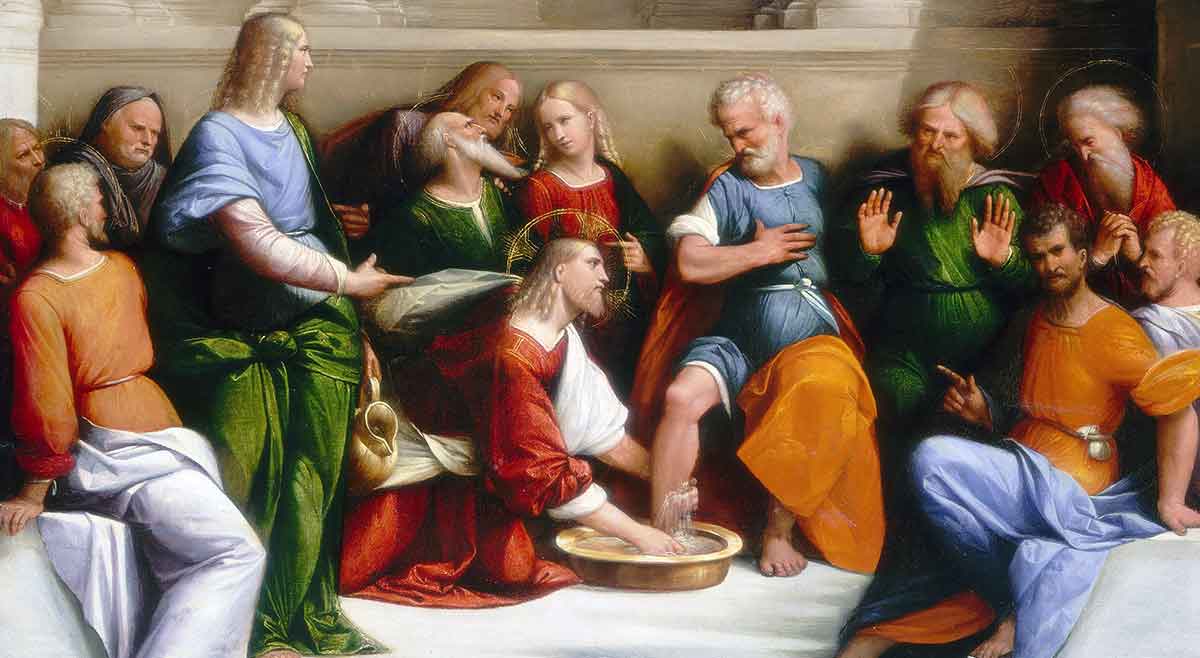
The importance of this creed is both practical and doctrinal. With regard to the former, it emphasizes the lesson Paul is trying to teach the congregants in the Church at Philippi regarding humility as he addresses the conflicts among them. Their actions should be as humble as Christ’s were in going to the cross.
Theologically, this passage speaks of the three stages in Jesus’ life—his pre-existence as God, his incarnation, crucifixion, and resurrection, and, lastly, his exaltation and future return to earth to deal with sin and evil once and for all.
As with the creed in 1 Cor. 15:3-7, many scholars believe that Paul did not write it, largely because the vocabulary and style are so different from his. Some suggest that it was sung as part of a church’s liturgy, given its poetic qualities, and it has been dubbed the Hymn of Christ. It is often divided into two, with the first section, verses six to eight, describing what Christ did for humanity, while the last three verses relate what God did for Jesus.
Pre-Existence and Incarnation
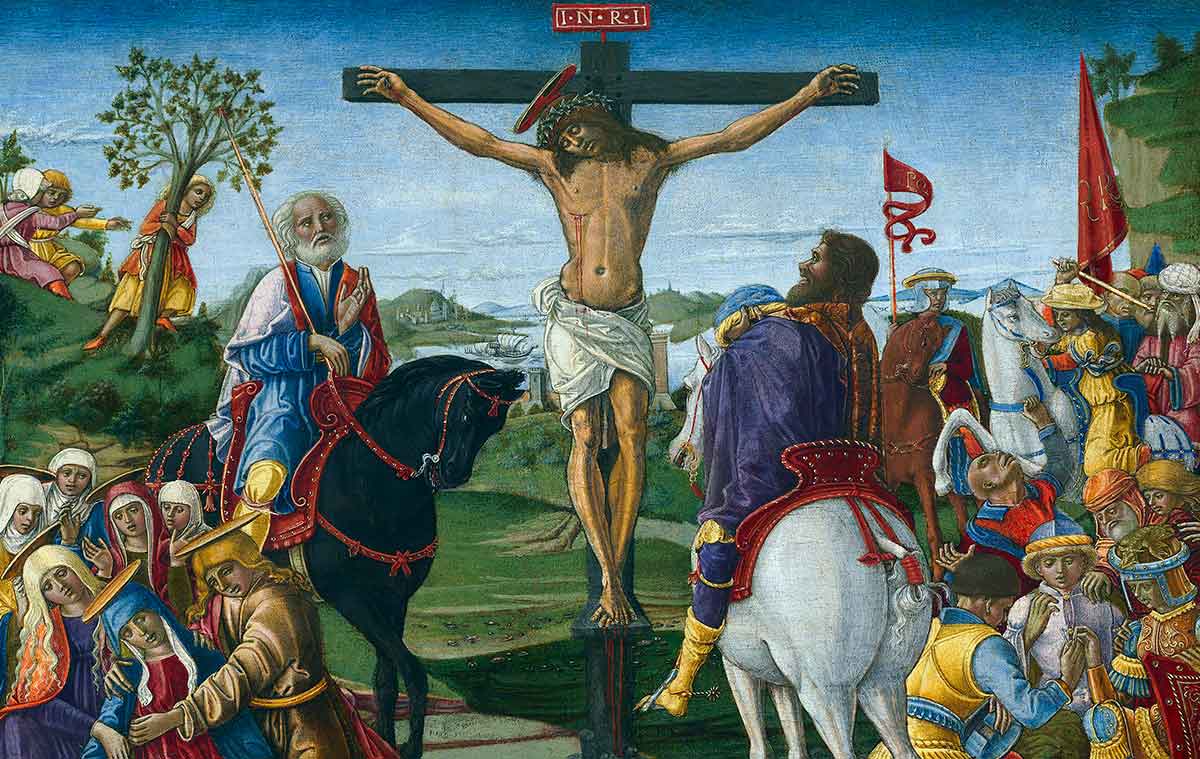
The first line, being in very nature God, speaks to Christ’s existence prior to his incarnation. The word “being” is a participle rather than a finite verb, which implies that Christ has always existed. The word “nature” refers to his very essence and not merely character traits or personality, meaning that, ontologically, God the Father and God the Son are one and always have been.
As God Incarnate, Jesus chose to give up the rights and privileges he had as deity, humbling himself, and, in obedience to God the Father, endured crucifixion, the cruelest kind of execution reserved for the worst of criminals.
Exaltation
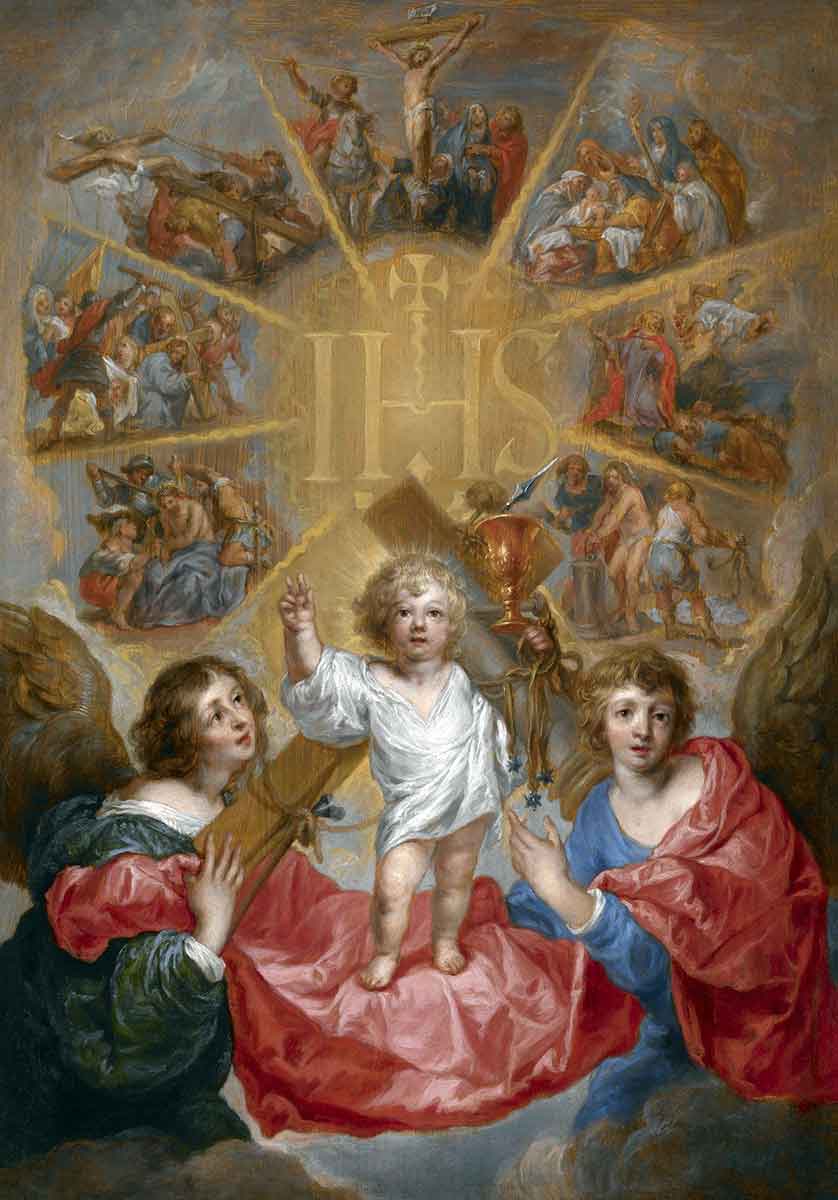
In the end, God exalts Jesus to the highest place. The word translated as exalted is much stronger in the Greek and actually means “super-exalted,” beyond any glorification we can imagine. In the future, Christ will return, at which time, every knee will bow to him and every mouth shall confess him as Lord, including those who hate and vilify him. It was important for the early Church to know the end of the story as they were assured that, at some point, persecution, wars, famines, and all manner of evil and suffering would end and peace would become the norm at last.
It is difficult to determine just how critical these creeds were in spreading the Gospel and ensuring that followers understood the core doctrines of Christianity in the early Church, but for those who could not read and write, they certainly offered a chance to learn, memorize, and share the Good News of Christ.