
Often read only for moral guidance or religious authority, the Bible also stands as a sophisticated masterpiece of literature. Its diverse authors used narrative, metaphor, and repetition to convey deep, multilayered meaning. From the poetic structure of Psalms to the allegorical layers of Revelation, biblical texts operate as literary genres as much as doctrinal sources. Understanding the Bible this way illuminates its central influence on Western culture, beyond the confines of churches and councils, and explains how it has shaped our cultural memory over centuries.
The Bible as an Ancient Library
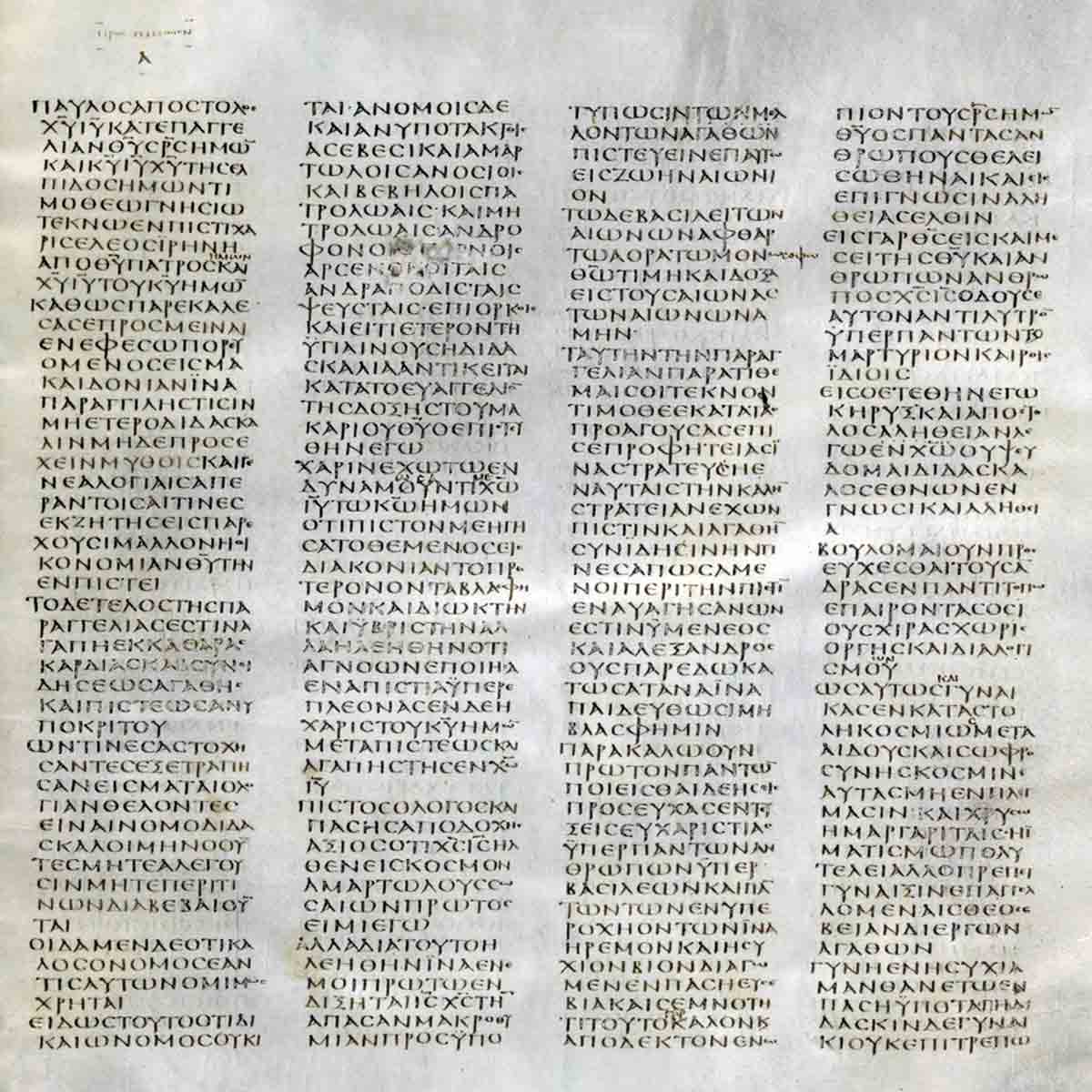
The Bible is not one book of ancient literature. Rather, it is a collected library of 73 books. This means that the Bible has diversity built into its very structure. Such intrinsic diversity creates a dynamic interplay within the biblical literature that some mistake for flaws or contradictions. But it is best viewed as a rich conversation of faith across centuries of time.
This diversity gives the ancient text of the Bible depth and complexity that is increased by its own self-referential elements. The Bible quotes itself, interprets its own events and prophecies, and even holds arguments with itself. Proverbs and Ecclesiastes offer contrasting accounts of wisdom. Job protests while the Psalms praise. Paul and James debate faith and works.
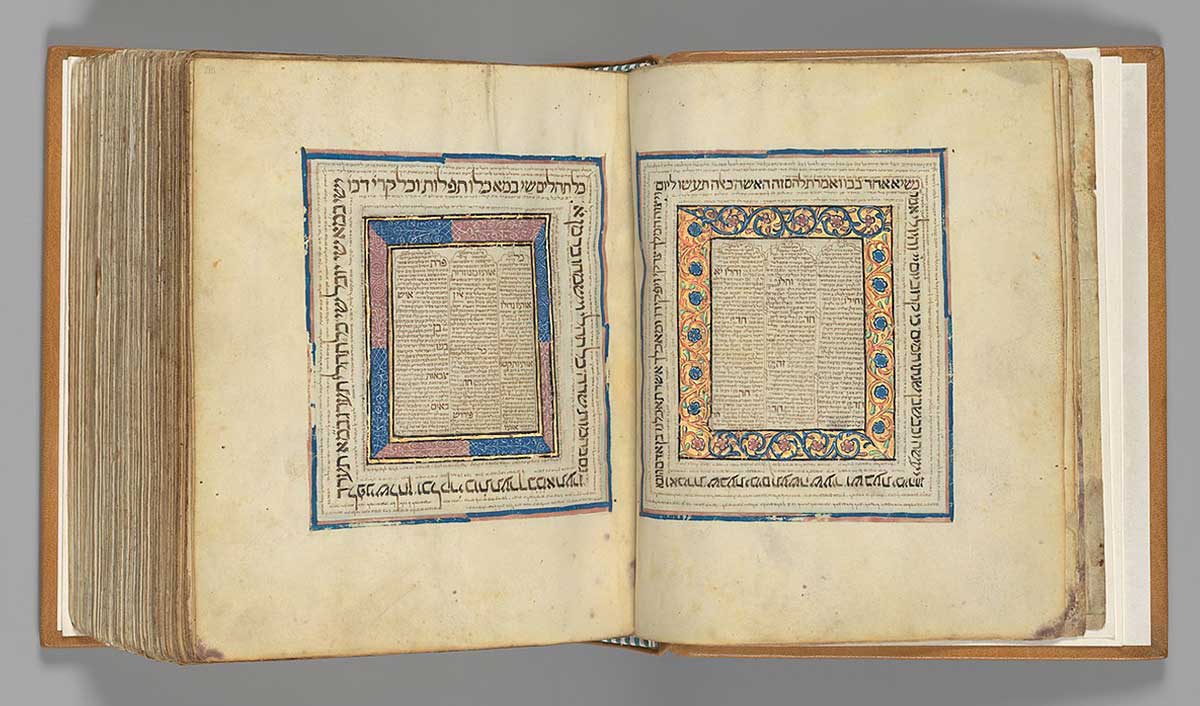
The ancient diversity within biblical literature is a result of the following facts.
- The Bible is written in not one but three ancient languages: classical Hebrew, Aramaic, and Koine or common Greek. But there are allusions to others, including Persian and Latin.
- The 73 books of the Bible were written over many centuries by multiple authors and editors. They came from a range of socio-economic and educational backgrounds, with different literary goals, under pressure from various world empires, spanning three continents (the Middle East, Africa, and Europe).
- The Bible’s themes are expressed through many distinct literary genres: narrative, law, list, chronicle, poetry, liturgy, contemplation, oracle, biography, and letter. For example, the Old Testament Book of Daniel contains both court tales and apocalyptic visions.
Unity in Diversity in the Bible
With all this ancient literary diversity, isn’t there a danger that the Bible will simply lack overarching themes and a core message? There are many scholarly works that trace big picture doctrines like the messiah and redemption from one end of the Bible to the other. But here are two different ways that scholars explain the Bible’s unity-in-diversity.
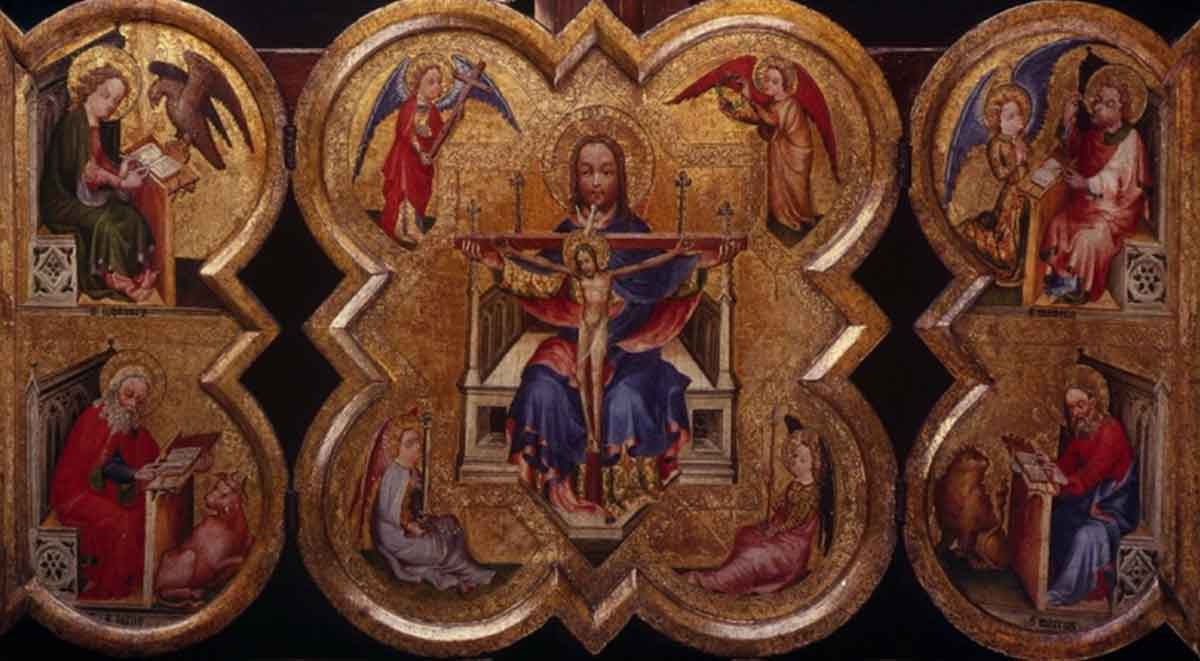
- Multi-perspectivism— Differences in literary style, language, structure, and theme do not mean contradictions in content. Perhaps the best biblical example of this is in the Gospels of Matthew, Mark, Luke, and John, which all tell the same story but with differences that enhance the whole and encourage comparative readings. Other examples are parallel histories (Kings and Chronicles) and prophecies (Daniel and Revelation).
- Progressive revelation— Biblical literature does not display its central themes all at once or with equal clarity at every point. They are revealed over time as each new voice and insight builds on the last. This gradual unveiling explains basic biblical divisions, such as that between the Old and the New Testaments, prophecy and fulfilment, Law and Gospel. It is not a progress from error to truth or darkness or to light, but from some information to more.
The Power of Ancient Words
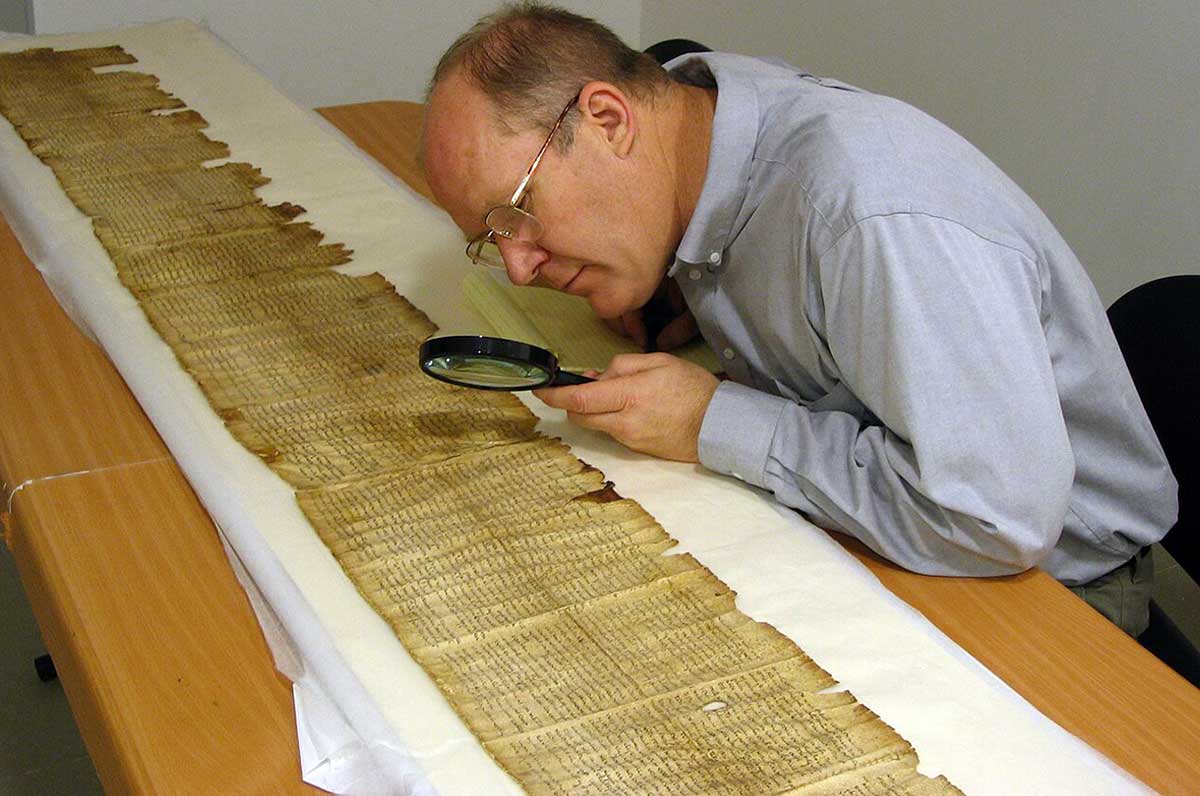
It is not easy to tell with certainty the literacy rates among the people of biblical times, especially in ancient Israel. We do know that there were different leadership classes that were expected to be able to read and write, such as the priests and kings. And we know that words were important to the religion of both testaments. The reading, proclaiming, listening, memorizing, reciting, interpreting, debating, and singing of words was central to the Jewish people then and still is today.
It is also important to understand that for the Hebrew writers, words carried spiritual power. According to Genesis, God used words to speak creation into being, emphasizing the performative power of language. Names of people, places, and events carried meaning and authority. A change in name could mean a change in identity.
The Hebrew term dabar can refer to a word, event, or act, highlighting the link between language and action. And the New Testament authors called Jesus the living Word of God.
The Bible’s Craft of Storytelling
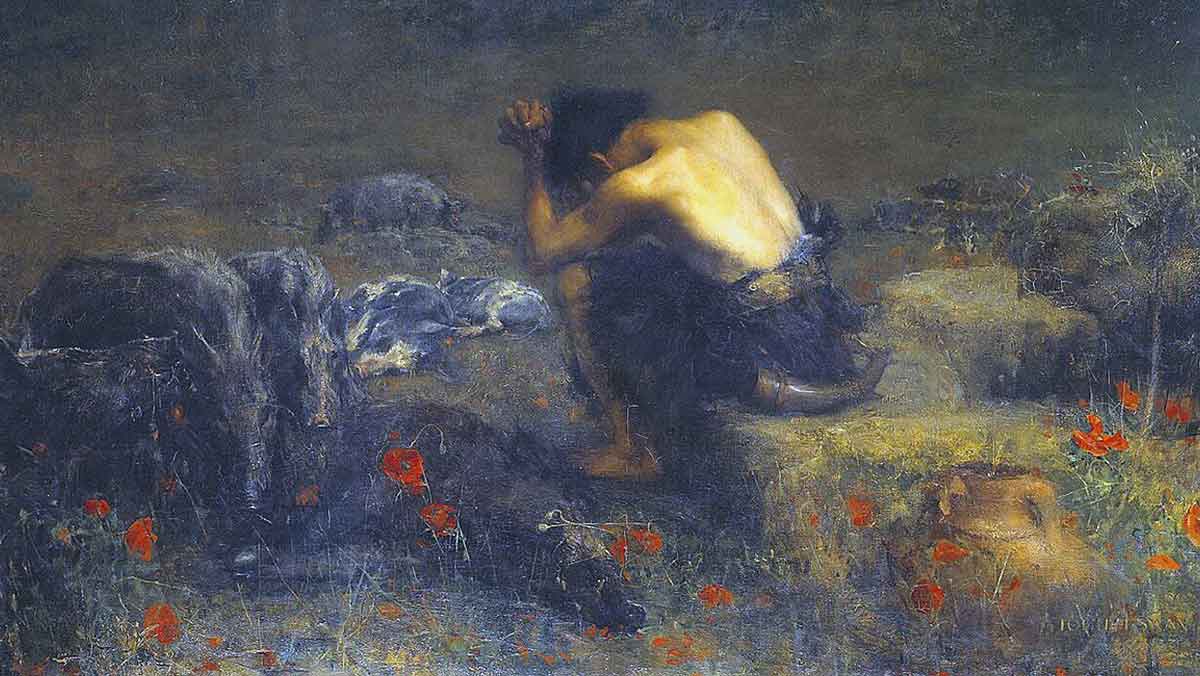
Since biblical words were regarded as possessing divine power, it is not surprising that biblical stories were written to reveal divine meaning. Ancient authors and audiences did not view their stories as mere forms of entertainment. Biblical narratives and stories were highly crafted, employing plot, character development, and irony to convey theological truth.
Biblical parables, like those of Jesus, follow the rules of great storytelling. A crisis leads to a twist, and then a truth emerges. The Good Samaritan (Luke 10:25–37) uses narrative compression and irony to teach moral lessons indirectly. Theological doctrines, like divine justice and mercy, are encoded in literary form. And as with Joseph’s story, the Prodigal Son follows a path of Down-Then-Up redemption, what we now know as the familiar hero’s journey trajectory.
Symbol and Metaphor in the Bible
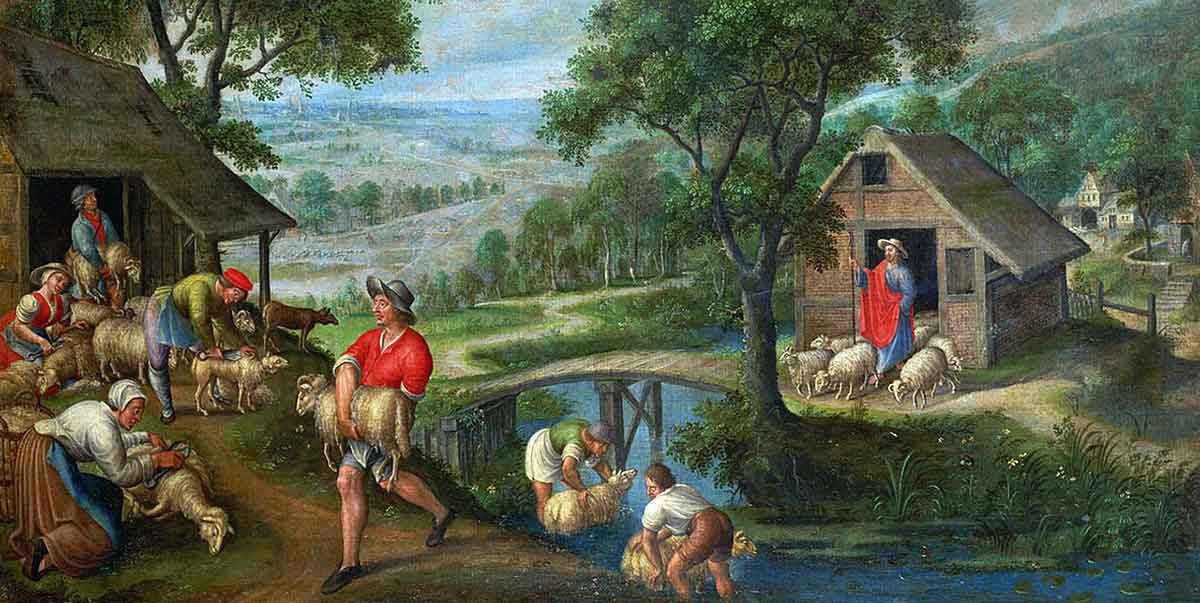
The emphasis that the biblical religions place on words is one way that they play with symbolism without reducing the text to literal interpretations. Symbols point to something outside themselves to impart a meaning not otherwise possessed. Symbolic language gave biblical writers a way to speak about the unseen realm through the visible world. To read the Bible as literature is to learn this symbolic code and discover how material things reveal spiritual truths.
The Bible overflows with symbols that carry spiritual meaning. Water, fire, bread, and light all tell stories beyond words. For example, when Jesus called himself the “bread of life,” he was not speaking literally. Rather, he was evoking nourishment, daily need, dependence, and sustaining grace. Fire represents both judgement and purification, destruction and holiness. Mountains mark the meeting place between Heaven and Earth. Ancient readers recognized these symbols instantly, just as modern audiences read visual cues in film.
The Strategy of Literary Repetition
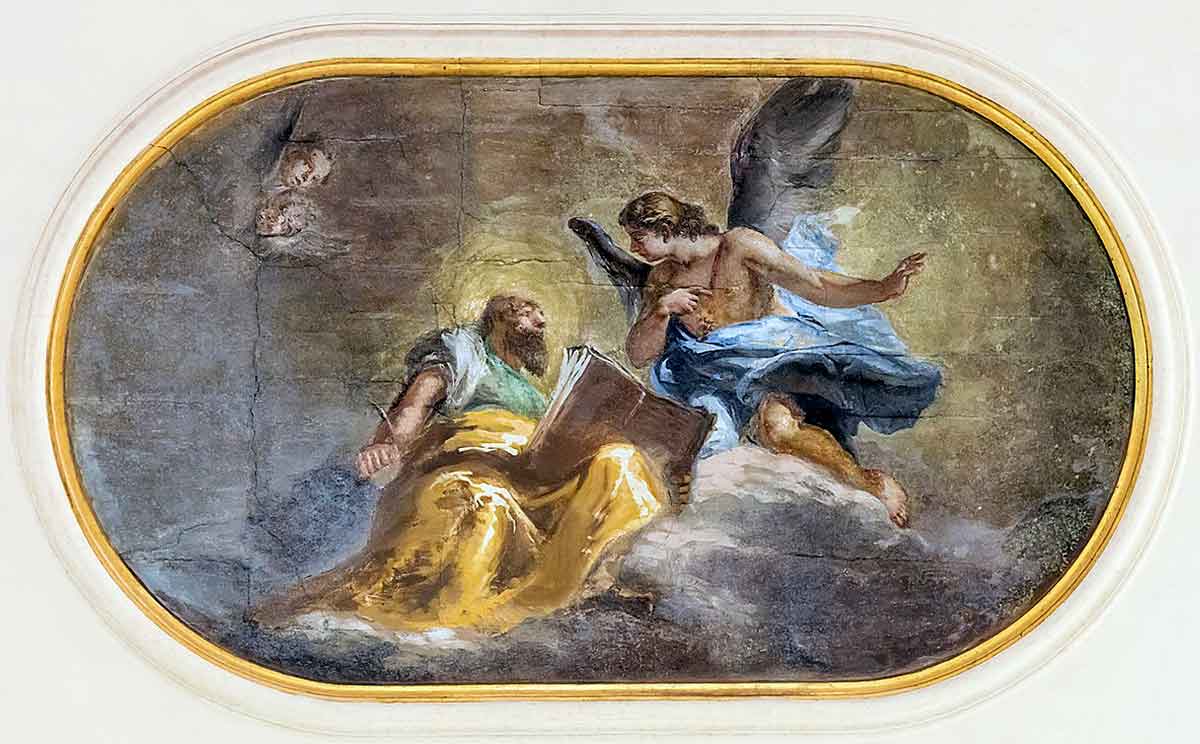
Even occasional readers of the Bible will notice the use of repetition. There are names, phrases, and themes that are replicated over many texts. This is not due to lazy writing or a feeble imagination. Rather, it is intended by design to signal important points or to connect parts of the overall story that are separated by time and book. Other ancient texts employ a similar method, although not often on the same scale.
The Bible’s use of literary repetition can occur at a structural or “macro” level. For example, in Genesis, the creation story established a pattern that is repeated across theological cycles: chaos and order, fall and renewal. The Gospel of Matthew structures Jesus’s teachings in five sections, mirroring the five books of Moses (the Torah). This pattern points to Jesus as a new Moses, establishing a new covenant or testament. The thematic repetition creates deep-level resonance rather than redundancy.
The Literary Device of Parallelism
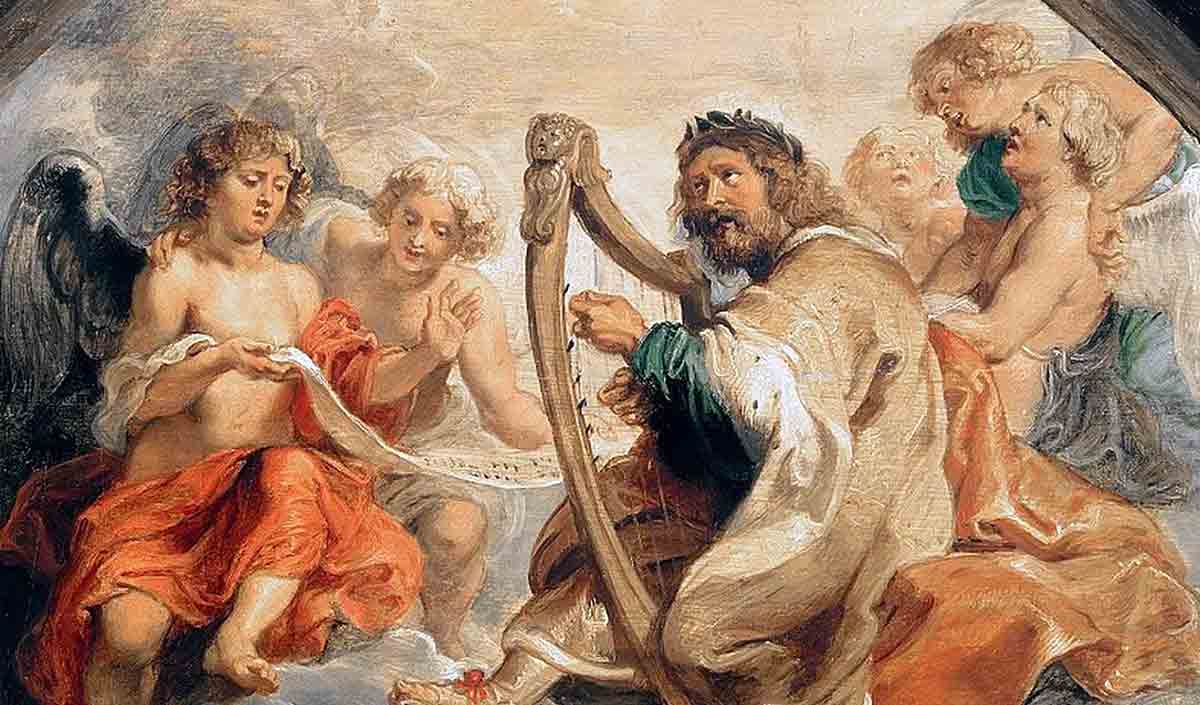
Examples of literary repetition at a “micro” or sentence level are especially visible in the Bible’s poetry. Unlike much of ours, biblical poetry doesn’t rely on rhyme or meter. Instead, it frequently utilizes the technique of parallelism. This is a balance of ideas in which one line restates or contrasts another to develop them both: “The Lord is my shepherd; I shall not want.” Each phrase mirrors and reinforces the preceding thought while creating rhythms for oral recitation.
An example of micro-level repetition is what literary scholars call chiasms or chiasmus. These are a mirrored arrangement of phrases (A–B–B’–A’), which place the key message at the center to emphasize moral or spiritual pivots. They guided listeners through long readings and revealed deeper meaning. When we detect these designs, the Bible’s ancient artistry comes sharply into focus. Like the Bible as a whole, it is neither random nor primitive but composed with a high degree of sophistication.
“The Sabbath was made for man, not man for the Sabbath.” (Mark 2:27)
“Woe unto them that call evil good, and good evil; that put darkness for light, and light for darkness; that put bitter for sweet, and sweet for bitter!” (Isaiah 5:20)