
The Bible records extraordinary women whose courage and exploits shaped the trajectory of both ancient Israel and the early Christian Church. They served their people as judges, prophets, matriarchs, heroines, and leaders. Yet patriarchal traditions have often overlooked or minimized the roles of women in the Bible, leaving many stories underappreciated. By examining textual details in their historical context, we can recover these women in their literary and spiritual might.
Deborah: Judge and War Chief
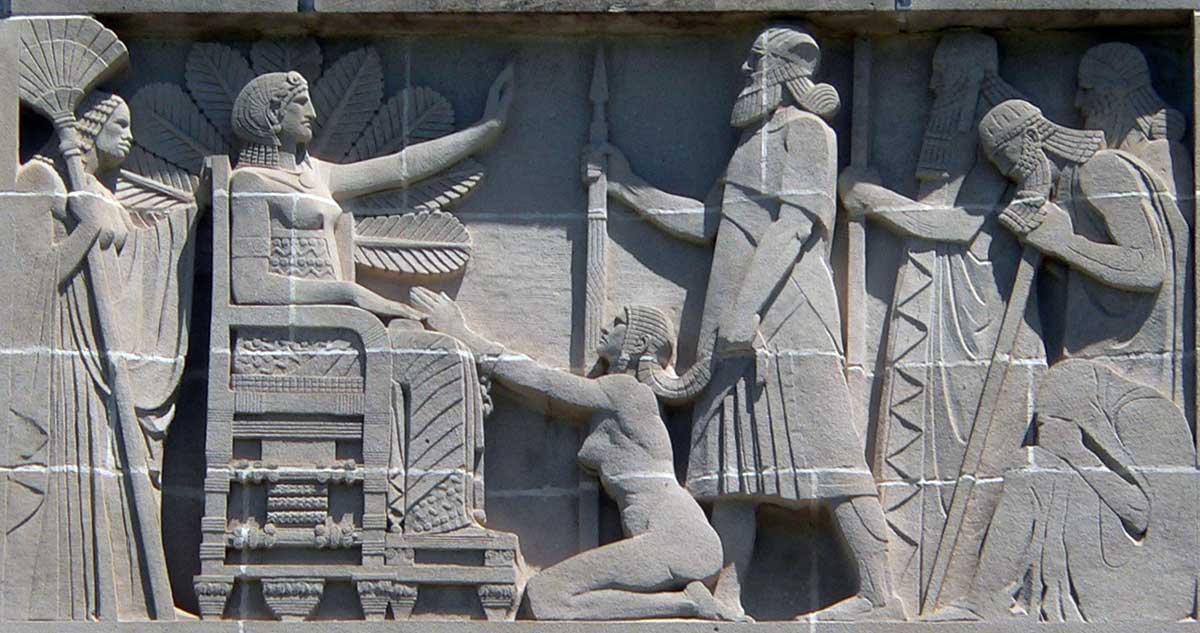
Between the time when Israel left slavery in Egypt and the establishment of the monarchy, there was a period when judges ruled the people. These judges acted in a combination of roles, from charismatic heroes (Samson) to religious leaders (Samuel). One of the most incredible judges during this chaotic, intermediate period in Israel’s history was Deborah, who combined many roles in one person, while adding other aspects of her own. Her leadership broke every expectation of her age.
We are told that Deborah commanded Barak to lead Israel’s army against the Canaanites. Her victory song combines historical record, allegory, and theological reflection. Theologically, Deborah demonstrates that authority and leadership are gifts from God, not gendered prerogatives. Artistic depictions highlight her role as both spiritual mother to Israel and military leader, emphasizing divine guidance and human courage.
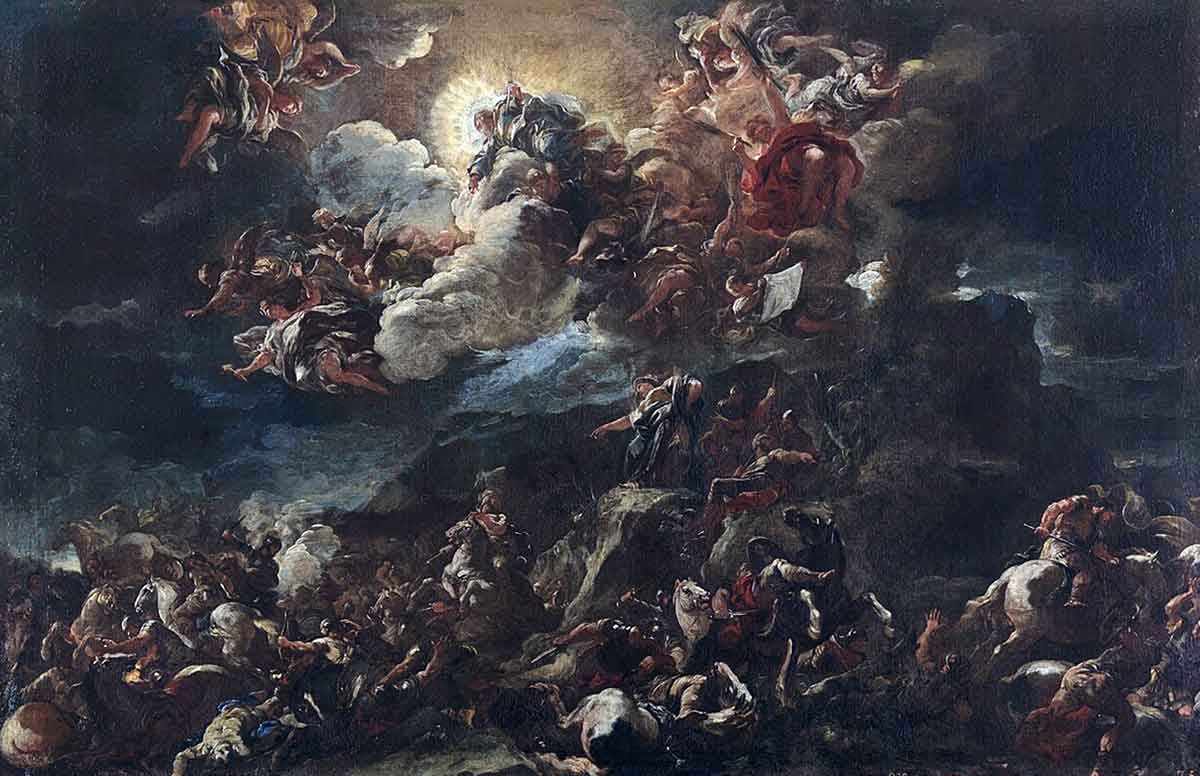
Here is a list of the different roles held by Deborah in the Book of Judges:
- Magistrate— The Book of Judges tells us that Deborah presided under a palm tree, where she would deliver judgments and settle disputes. Interestingly, there is no comment made in the text to imply that this was considered a strange position for a woman to hold.
- Prophet— Most of the prophets in the Old Testament were men, which is perhaps why the college or guild for the prophetic office later on was called “the sons of the prophets.” However, female prophets—Miriam, Deborah, Huldah, Isaiah’s wife (Isaiah 8:3)—were not uncommon.
- Military commander— When under attack from the Canaanites, Deborah commanded Barak to lead Israel’s army into battle against them. When he hesitated, she led the battle herself, saying that his glory would go to a woman instead.
- Poet— After the defeat of the Canaanites, the Bible records her song of victory, regarded as one of the oldest passages in scripture (Judges 5). It celebrates both divine deliverance and female strength.
Jael: Outsider and Assassin
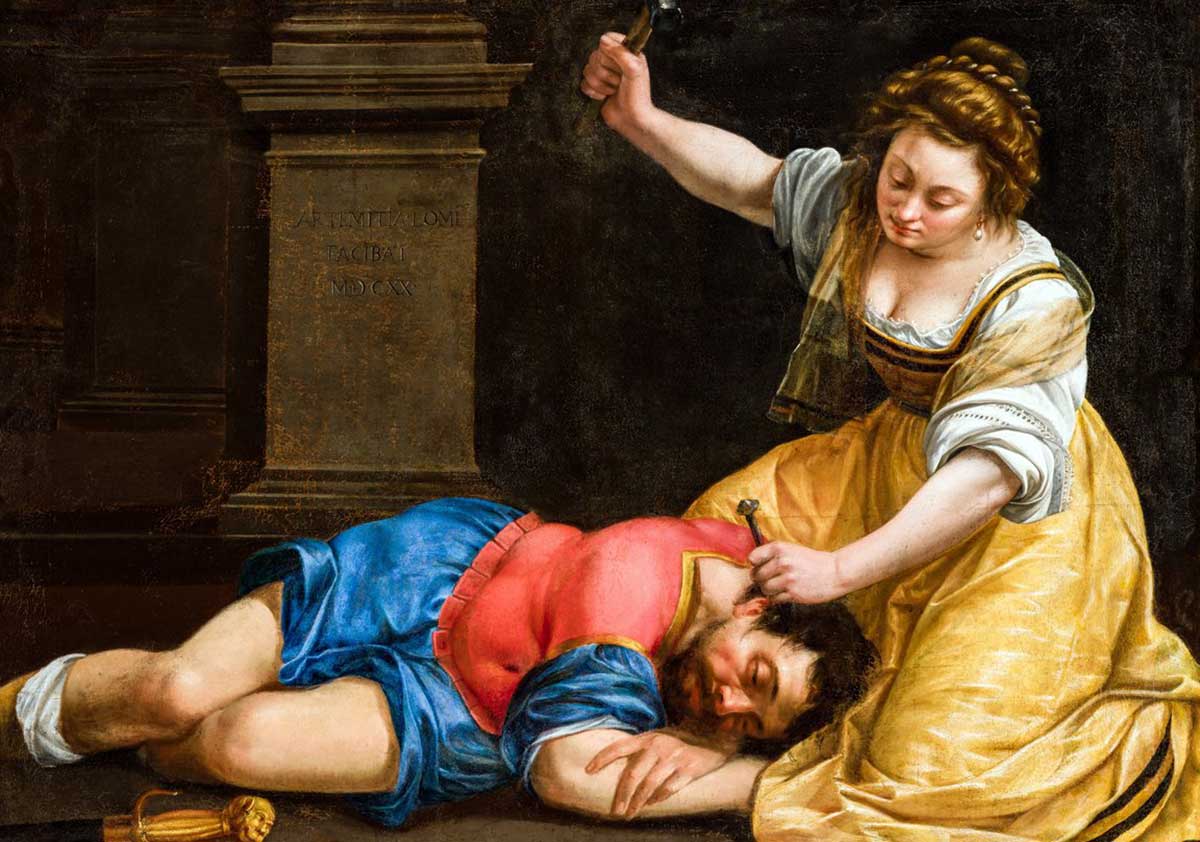
There is another woman who plays a vital part in the story of Deborah’s victory over the Canaanites. Jabin was the king of Canaan at that time, and the commander of his army was Sisera. They enjoyed numerical and technological superiority over Israel, which perhaps explains Barak’s hesitancy to engage with the Canaanites in a direct military assault. Nevertheless, due to God’s help and Deborah’s presence on the battlefield, the Israelites won a victory, and Sisera fled on foot.
Jael was the wife of Heber the Kenite, a people who were related to Moses by marriage but not by blood. Jael met Sisera, offered him shelter and food, and waited until he was asleep. Then, she “grabbed a tent peg in one hand and a hammer in the other, crept up to him quietly, and drove the tent peg right through his temple into the ground below.” In her victory song, Deborah praised Jael for this act and contrasted Jael’s joy with the grief of a third powerful woman who makes up this story—the grieving mother of Sisera.
Huldah: Prophet and Counselor

Huldah may be the most forgotten of all the women mentioned here. This is surprising given the fact that she held one of the highest honors in ancient Israel and was central to a key event in their history. This event happened when good King Josiah’s servants discovered “the Book of the Law” (possibly the Book of Deuteronomy). They seemed initially unsure of its authenticity or how best to proceed. The king told them to seek God’s guidance. They, in turn, sought Huldah’s judgment.
This brief story in 2 Kings (chapter 22) provides an incredible insight into how deeply women shaped Israel’s faith. A king, a high priest, scribes, and royal courtiers submitted to her prophetic insight and counsel. Her words sparked a reform that impacted the entire nation.
Historically, Huldah reflected the increasing professionalization of prophetic roles in late Judaic culture. Huldah’s forgotten role challenges modern assumptions about ancient roles. Her authority reveals a society that, at times, recognized prophetic power beyond gender.
Ruth: Immigrant and Matriarch
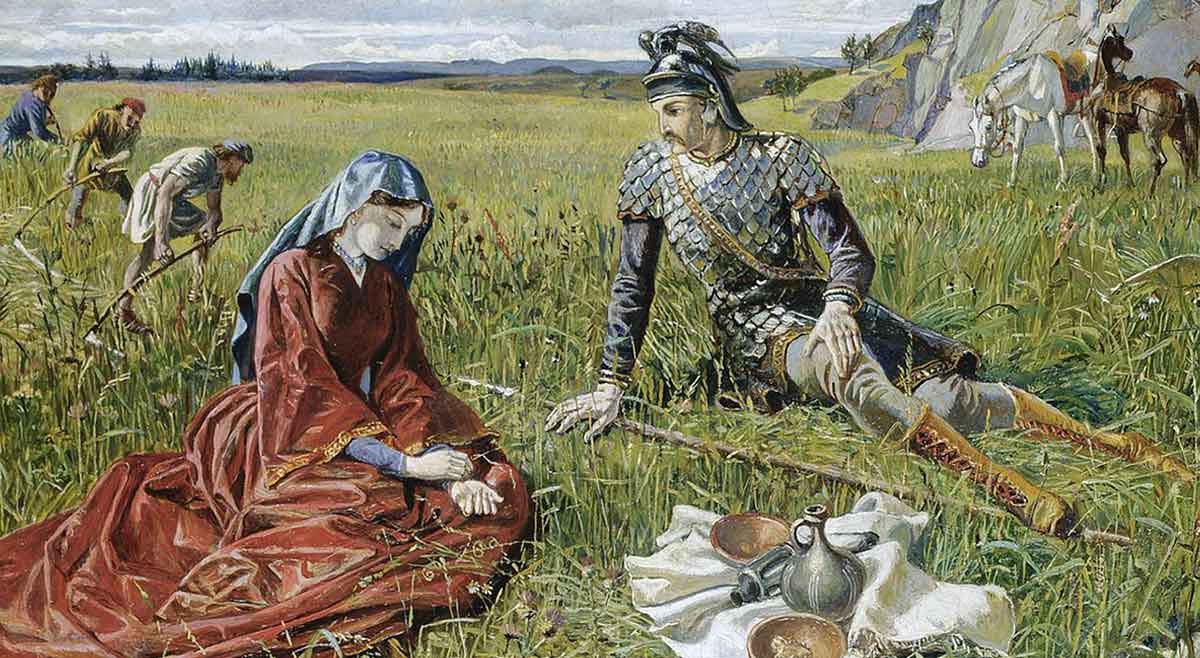
Like the Book of Esther (discussed below), the Book of Ruth could be classified as a novella. It has a self-contained plot that focuses on a single central conflict, with a condensed structure and fast pacing, while allowing for character development and detail. Literary scholars note the novella’s narrative economy: suspense, dialogue, and irony advance both story and theology at the same time. The story influenced later art, including European paintings portraying her gleaning in Boaz’s fields, symbolizing inclusion and divine care.
Ruth was a Moabite by race and a vulnerable widow in social status. She traveled to Bethlehem with her Jewish mother-in-law, Naomi. Having had the chance to return home, Ruth instead heroically declares, “Your people shall be my people, and your God my God.” There, she meets and marries Boaz, her kindly kinsman-redeemer. These events would shape history, as Ruth the Gentile became the great-grandmother of King David and an ancestor of Jesus, included in the Jewish genealogies.
Esther: Beauty Queen and Heroine
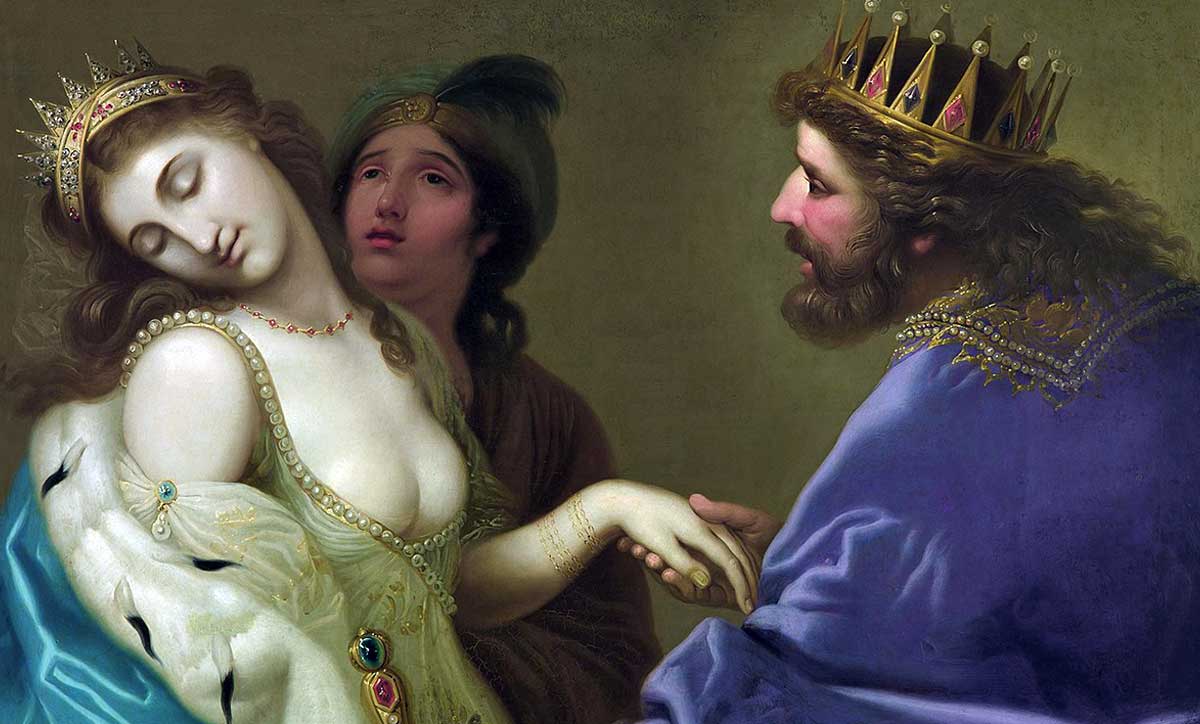
The Book of Esther stands unique among biblical books because it is one of two books named after a woman and because it is also one of two books to not mention God (the other being Song of Songs). The story unfolds in the Persian court, prior to the restoration of the Jews to their homeland during the reign of Cyrus the Great. Its story reflects Persian court customs and Jewish diaspora experiences, combining political strategy with divine providence. Literary techniques, including irony, suspense, and reversal of fortune, emphasize the story’s dramatic tension.
Esther was chosen as queen for her beauty. But when she entered the king’s hall uninvited to plead for her people, she risked everything and faced death. Her mix of political acumen and moral courage turned the empire’s wrath into salvation. The festival of Purim still celebrates her victory.
Theological reflections consider Esther a type of savior figure, prefiguring later redemptive narratives, while artistic interpretations often highlight the tension between her vulnerability and valor.
The Women Who Followed Jesus: Witnesses and Leaders
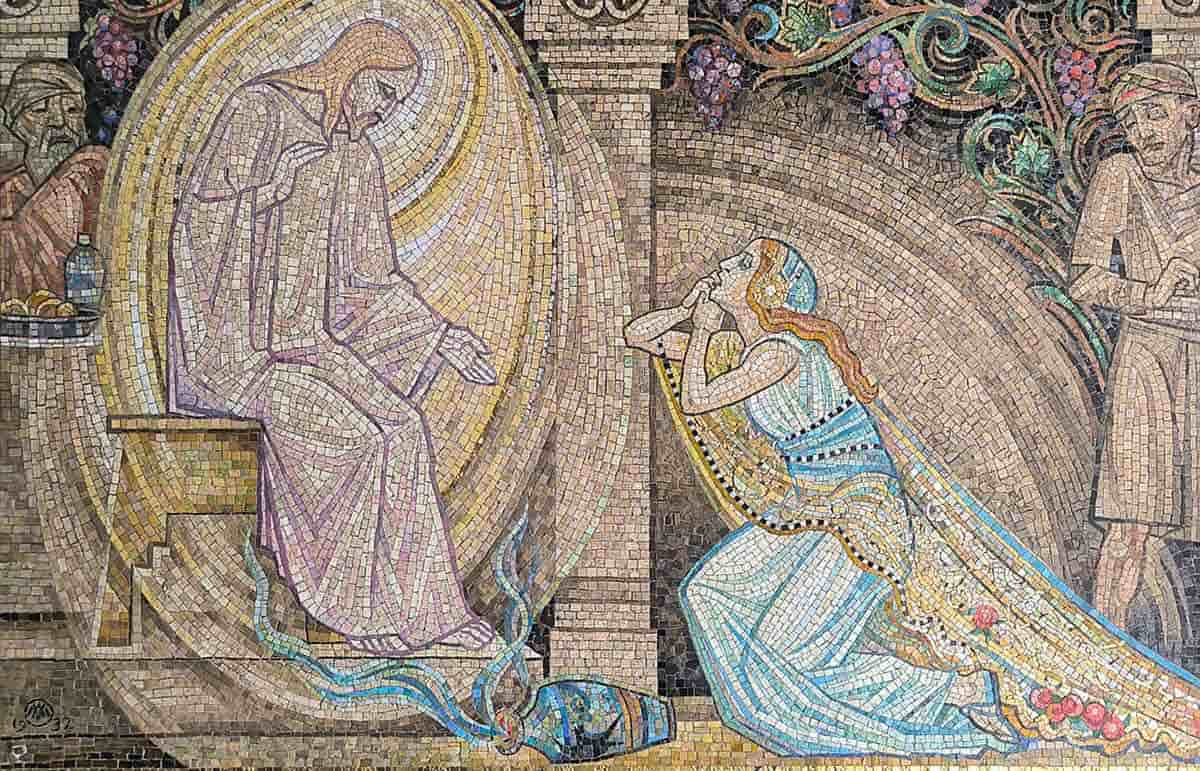
The Gospels mention women who supported Jesus during his ministry. The most obvious examples are those who were named, such as Mary Magdalene, Joanna, and Susanna (Luke 8:1–3; 24:1–10), although there were likely many others. These women are not listed among the Twelve Apostles, but between them they funded his mission, participated in Christ’s teaching, and stood by his cross. Textually, Gospel accounts emphasize women’s roles at key narrative moments, often in contrast to male disciples and the social norms of the day.
Perhaps the most prominent and well-known among these women is Mary Magdalene. She was once incorrectly identified as a prostitute and somewhat dismissed by history due to this mistake. But Mary was in fact the first witness to the Resurrection of Jesus, seeing the empty tomb and bringing news of it to his disciples. For this reason, she is sometimes referred to as the “apostle to the apostles.”
Paul’s Forgotten Female Coworkers: Deacons and Apostles
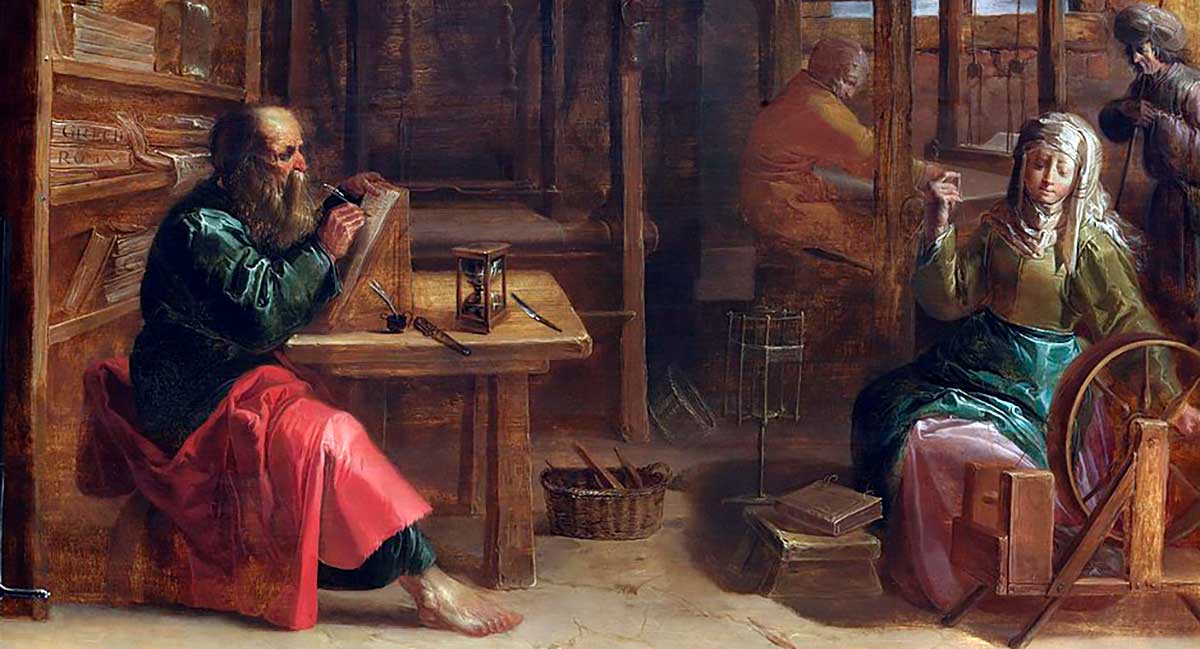
Paul’s letters and Luke’s historical account in Acts mention many women who led in the early Church. Priscilla had a ministry with her husband Aquila. Paul described them as “fellow workers” (Romans 16:3). Together, they taught the eloquent preacher Apollos (Acts 18:26). Lydia, a wealthy merchant, hosted one of the first house churches in Europe (Acts 16). She is often considered the first European convert to Christianity.
Two other examples of lesser-known individuals make the case for women holding official, ordained positions in the early church.
- Junia is described as “outstanding among the apostles” (Romans 16:7). This description challenges the idea that the highest leadership was exclusively male.
- Phoebe was called a diakonos or deacon (Romans 16:1–2) and trusted with delivering epistles.
These women were patrons, missionaries, and elders in all but name. They carried letters and served, preached and taught, possessed gifts and authority, and endured persecution. This demonstrates that from a historical and literary viewpoint, women’s roles in house churches were central to early Christian community life. Their names may have faded over the centuries, and their contributions forgotten. But their stories remain in the text, awaiting rediscovery and reappraisal.