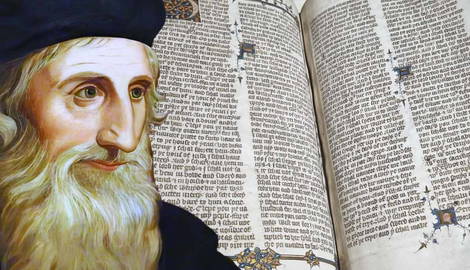

John Wycliffe was a 14th-century English Catholic priest and theologian who promoted several ideas which were precursors to many found in the Protestant Reformation. His ideas influenced the Lollards, a group of proto-Protestants largely composed of poor, uneducated individuals who spread Wycliffe’s teachings far and wide, across much of England.
The Dangerous Ideas That Terrified the 14th Century Papacy
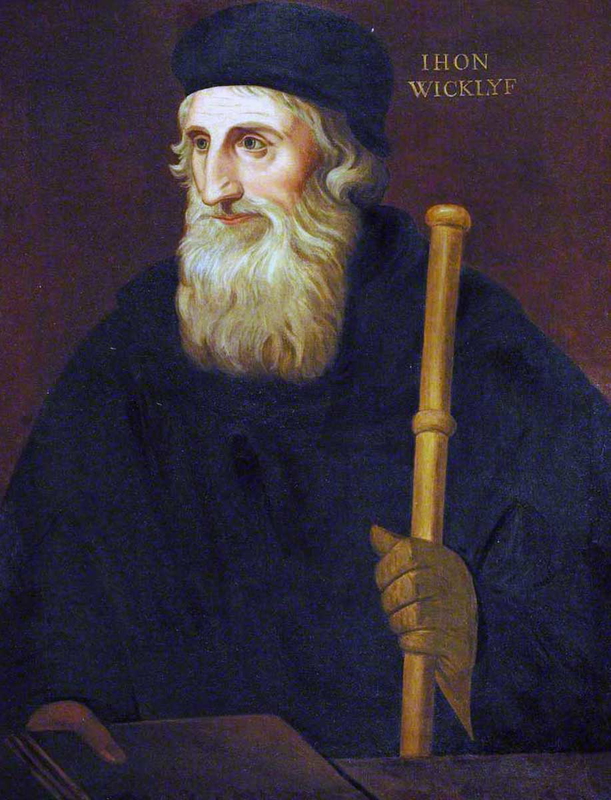
Wycliffe believed that the clergy should be poor, from the lowest priest all the way to the Pope. His writings rail against excesses of wealth and power that the clergy had at the time, to the point that he believed the royalty should take over the church’s property. He also believed in several ideas that would find more traction during the Protestant Reformation, particularly his opposition to transubstantiation (preferring a form of consubstantiation) and that scripture was authoritative over church tradition.
The Mystery Behind the First English Translation of the Bible
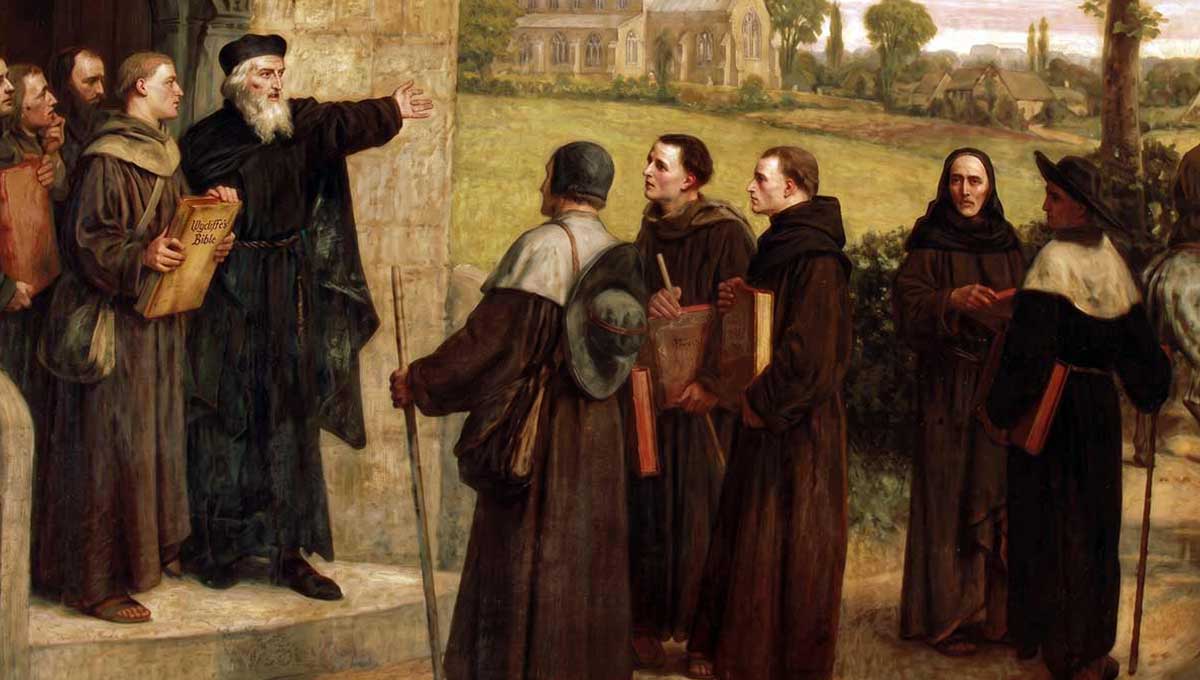
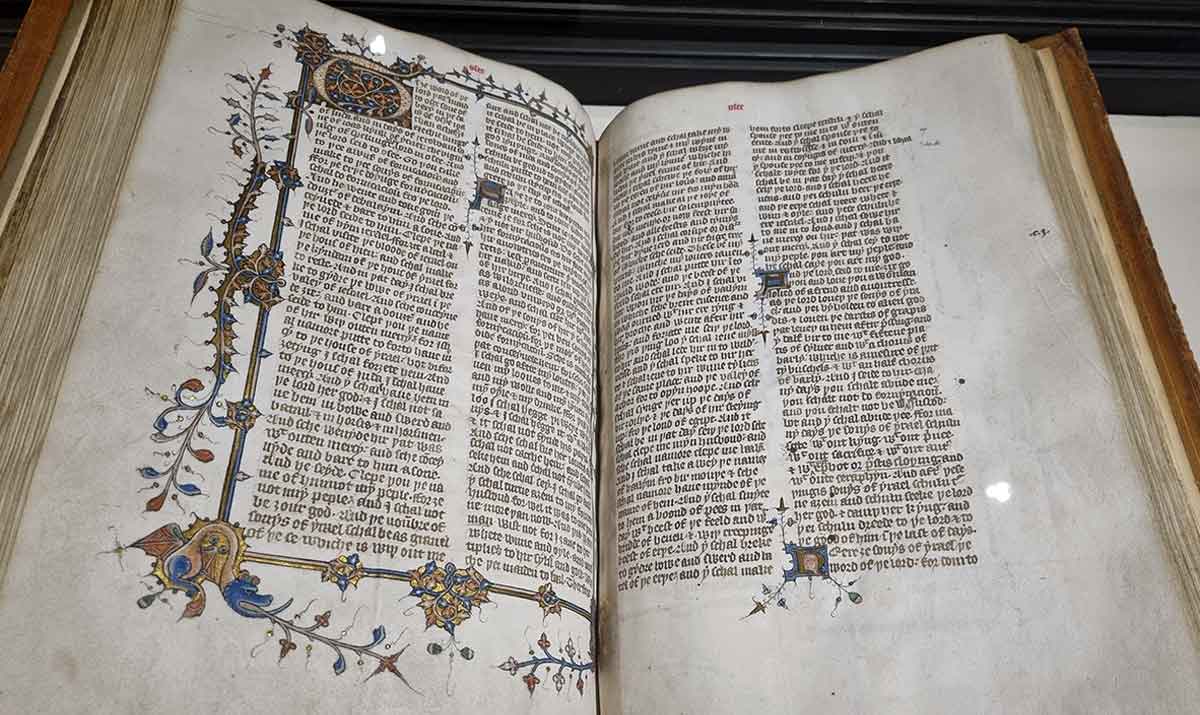
For many years, it was thought that Wycliffe personally worked on translating the Latin Vulgate Bible into Middle English, and the resulting work does bear his name, the Wycliffe Bible. Considering that Many of his other positions on theological topics tend to coincide with a position to translate the Bible into the language of the commoner, it would not be too outrageous to believe that he contributed directly. However, the level of his involvement is disputed, as there is no direct evidence beyond the inspiration for the concept of vernacular translation.
How the Insulted Mumblers Rose Up to Challenge the Church
The Lollards were a sect, originally led by Wycliffe, that embraced and advanced many of his theological positions. While “Lollard” was intended to be an insulting term that may have meant “mumbler,” Wycliffe’s followers embraced it instead. In 1395, the Lollards presented Parliament with the Twelve Conclusions of the Lollards, which outline their beliefs well:
“… for the reformation of the Holy Church of England, the which has been blind and leprous many years by the maintenance of the proud prelacy, borne up with flattering of private religion…”
The Conclusions laid out their complaints regarding the church hierarchy and its practices:
- The Church of England is too involved in the civic realm “dote in temporality.”
- Priestly orders as they are have no Biblical basis – not the priesthood which Christ ordained to his Apostles.
- Celibacy among the clergy encourages sexual sins, “induces sodomy in Holy Church…”
- Opposition to transubstantiation, which “induces all men but a few to idolatry.”
- Exorcisms are “necromancy rather than of the holy theology.”
- Church leaders should not be civic leaders, opposing that “all manner of curates, both high and low, be fully excused of temporal office…”
- Prayers for the dead are “false grounds of alms deeds,” and do no good for the dead.
- Pilgrimages and offerings “made to blind roods and deaf images of tree and stone be near kin to idolatry.”
- Priests have “a feigned power of absolution,” – here the Conclusions also speak of the Pope’s ability to forgive sin and withholding it, a complaint echoed many years later by Luther when he posts his 95 theses.
- Opposition to war “without special revelation is express contrary to the New Testament.”
- Opposition to nuns, preferring they be married as they may be performing abortions to cover up their indiscretions.
- Encouraging simple adornments, opposing “crafts not needful to men.”
Why the Church Burned Wycliffe’s Bones and Hunted His Followers
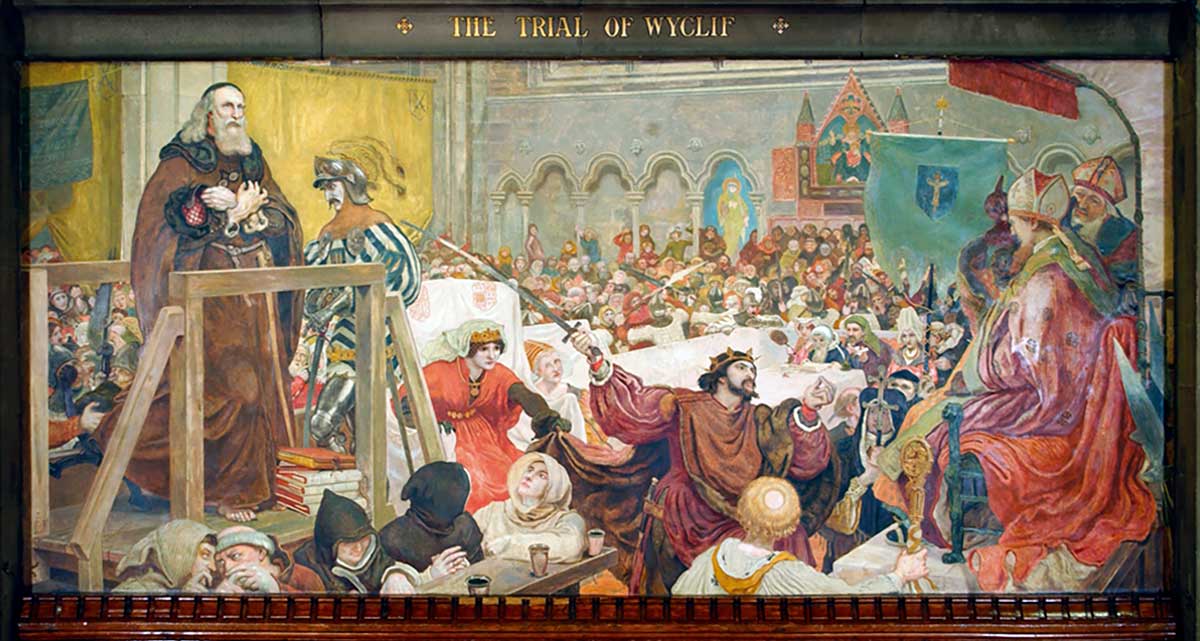
In 1381, Wycliffe was removed from his position at Oxford University for heresy after advocating his position on Communion. While before, he could rely on some support of the nobility, his opposition to transubstantiation was beyond what they would allow. While his views were deemed either heretical or erroneous, he was never fully excommunicated.
He died while saying Mass on 28 December 1384, in Lutterworth. His bones were exhumed after his burial, burned, and the ashes thrown into the river. The Lollards, opposed by secular and religious leaders, were persecuted, with some executed eventually for heresy. However, the movement survived, even though it was a significant minority, and became part of the English Reformation, which adopted many of the ideas of Wycliffe and the Lollards.