
A multitude of influential women are built into the fabric of the historical narratives of the ancient Israelites. Whether specifically mentioned by name or not, they were, nevertheless, always present as the influencers, mothers, sisters, daughters, and supporters of every Biblical hero, villain, and significant event or cause.
Women in the Bible are often blamed as instigators, seductresses, and sly manipulators when evil strikes their tribes, but also honored for acts of courage and righteousness.
1. Eve
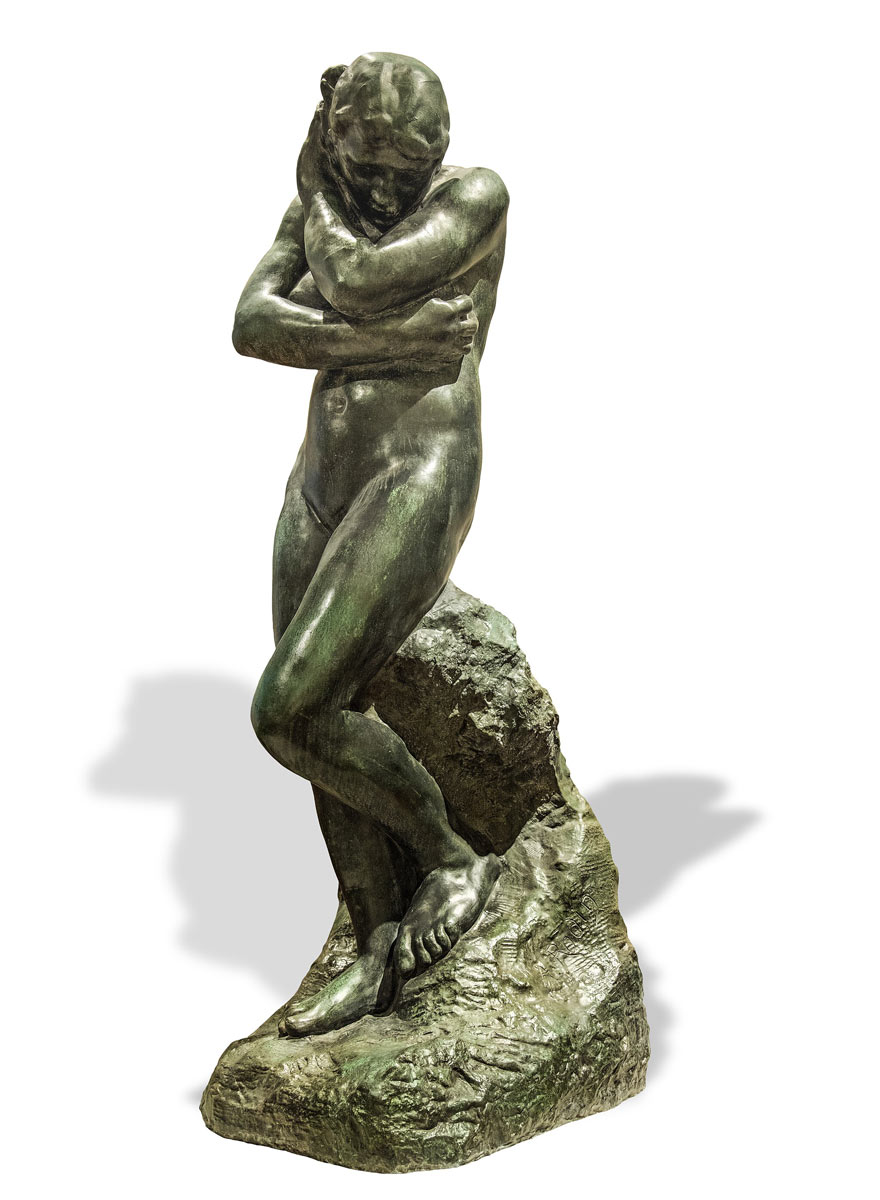
The first woman created by God. Genesis 1: “God created humankind in His image… male and female He created them.” Genesis 2 expands on how humankind was created as two separate, equal human beings. After God created Adam, Genesis says, “It is not good for the human to be alone; I will make a helper corresponding to him.” This created the space for justifying patriarchal structures according to some interpretations.
Eve’s actions and moral awakening shaped the doctrines of sin and redemption in Christianity and similar religions.
2. Sarah
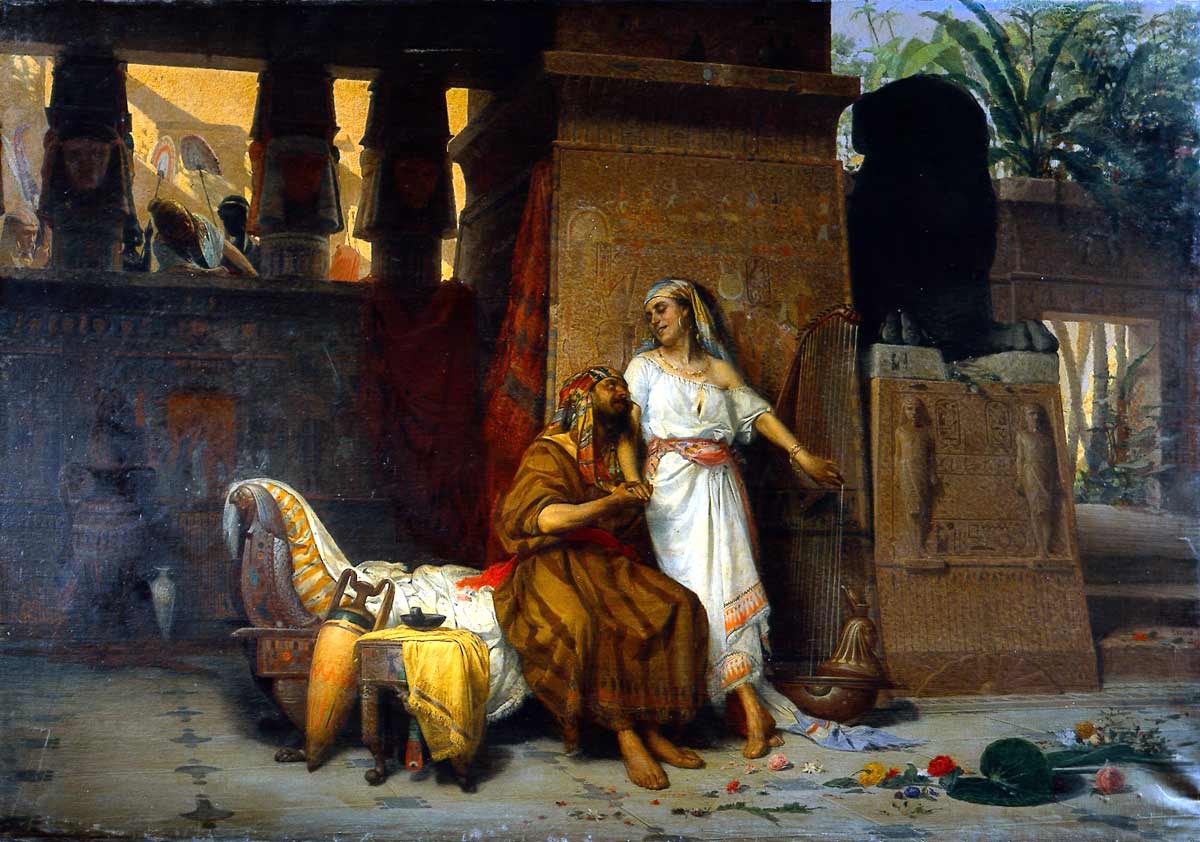
Matriarch of the Israelites (Genesis 17, 18, and 21), Sarai was the barren wife of Israel’s original patriarch, Abram. God made a covenant with him that he would become the father of a nation that God would choose for himself, and through this bloodline, all the nations of the Earth would be blessed.
Sarai laughed in her tent when she heard this because she doubted God’s word, as she was long past the age of bearing a child. God changed her name to Sarah, and Abram’s to Abraham. She gave her Egyptian maid servant, Hagar, to Abraham (Genesis 16) to enable him to have a child, and Ishmael was born.
Later, Sarah miraculously bears her own son, Isaac, at the age of 90 (Genesis 21:2). Her doubts evaporated. She became a faithful matriarch of the covenant nation of Israel.
3. Hagar
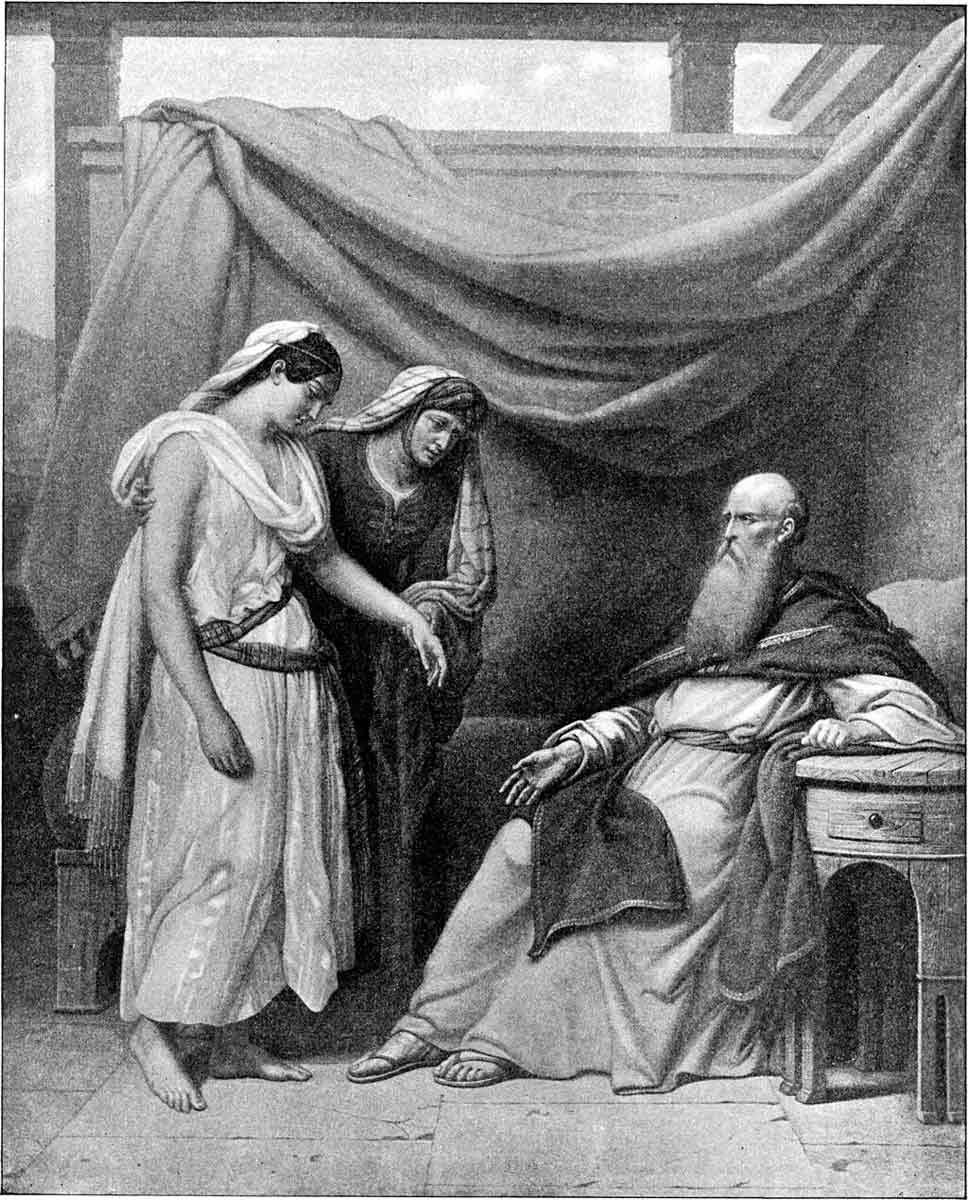
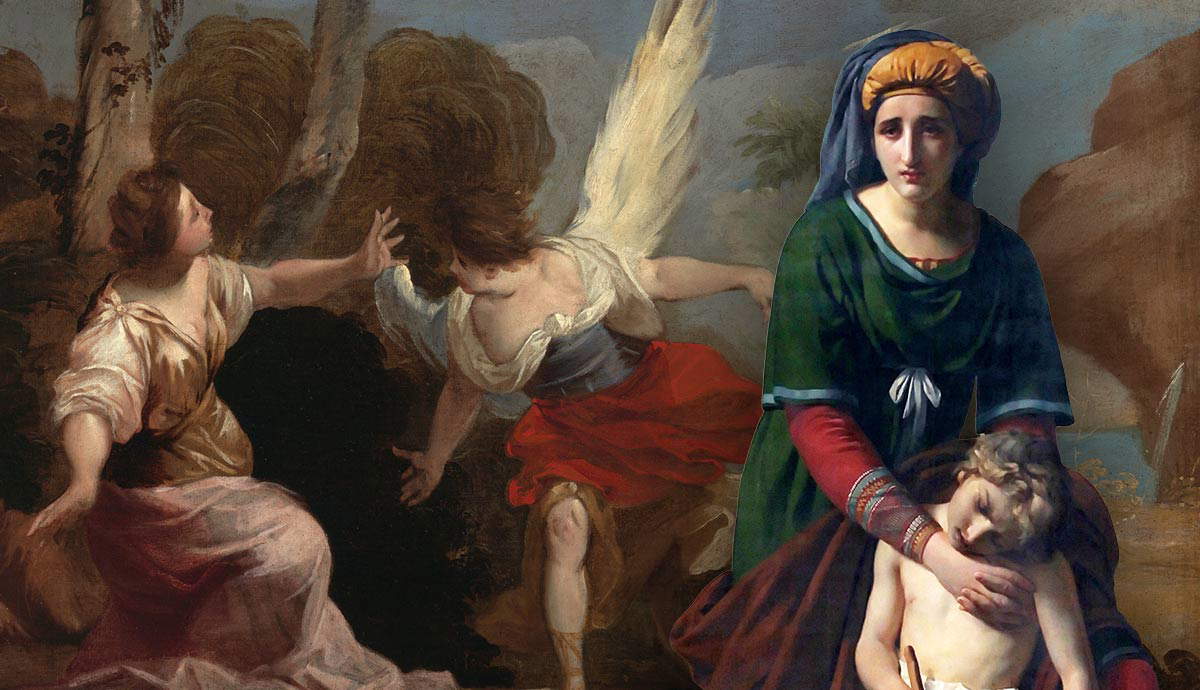
Hagar had no choice in the matter of Abraham. She was a slave. She, nevertheless, obeyed her mistress, Sarah, and had a son for Abraham and Sarah. After Sarah’s own son was born, she was mean to Hagar and Ishmael. Hagar fled into the desert with her son in Genesis 21. A slightly different story is recounted in Genesis 16, because Hagar flees into the desert while she is still pregnant.
God sent an angel to fetch her back to Abraham’s camp and promised her that her son would become the ancestor of many nations. Hagar thus became the matriarch of the Arab nations. Hagar’s story illustrates God’s compassion for people other than the Israelites.
4. Rebekah
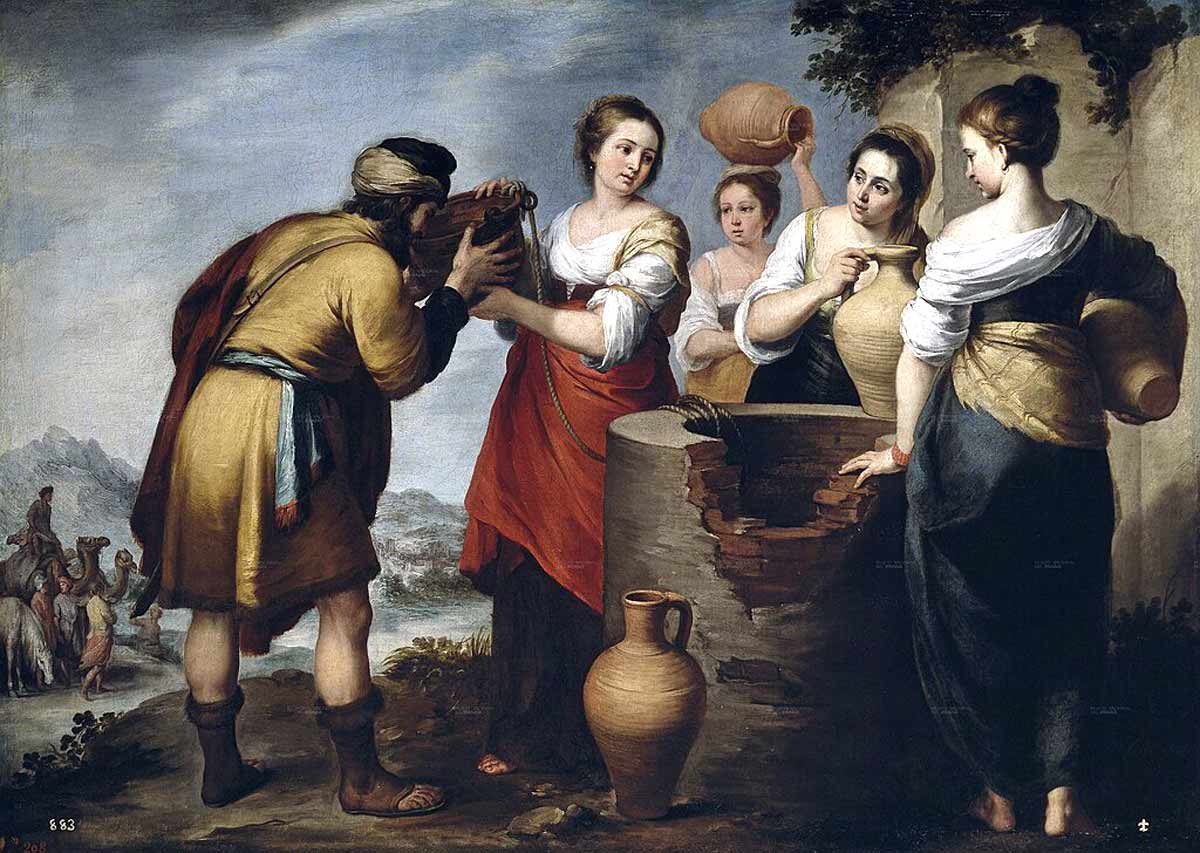
Rebekah was chosen through divine guidance to become the wife of Isaac in Genesis 24. She became the mother of twins, Jacob and Esau. Later, by deception, she ensured that Jacob, rather than Esau, received the covenant blessing from Isaac (Genesis 27).
Rebekah thus becomes God’s instrument in making Jacob the father of the twelve tribes of Israel. Rebekah’s story demonstrates how God works through human choices.
5. Leah
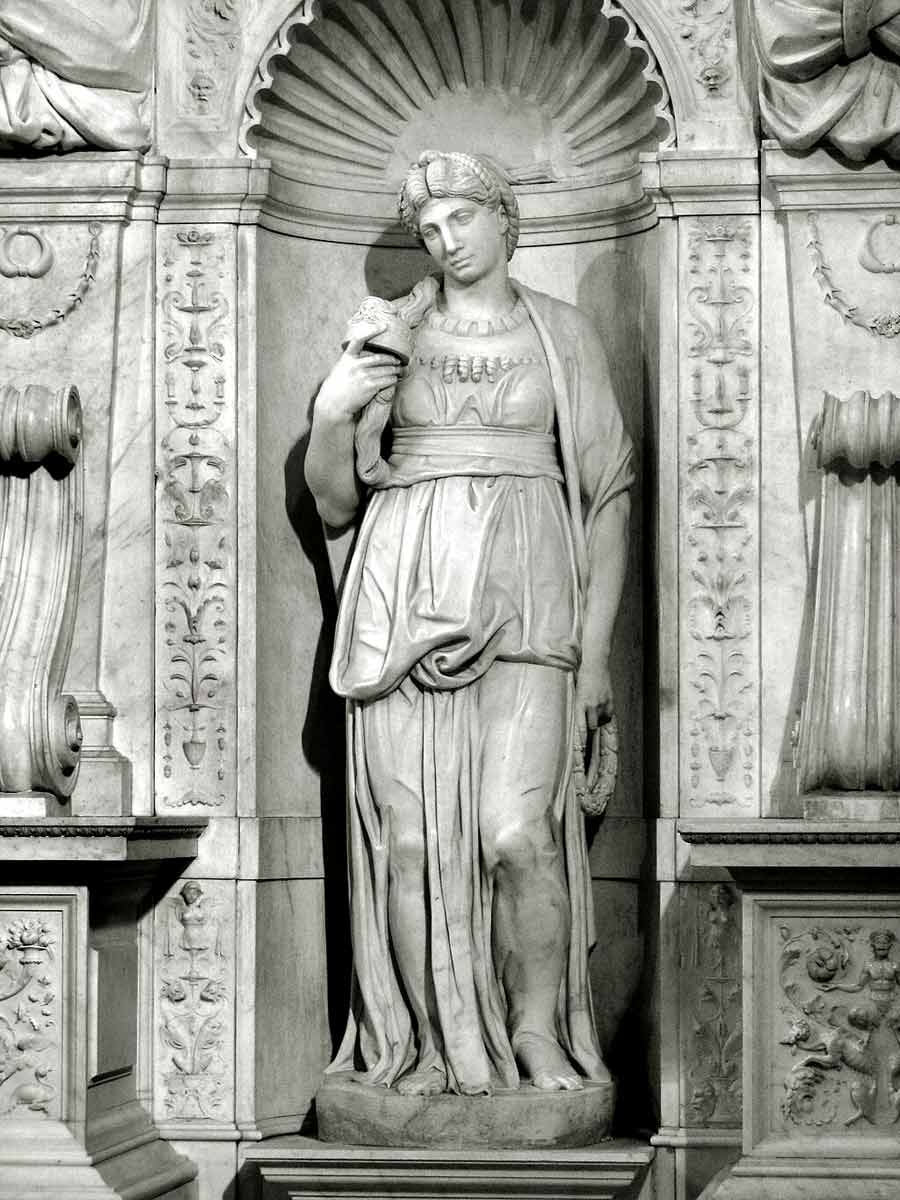
Jacob was tricked into marrying Leah, the eldest daughter of Laban, Rebekah’s brother, when he was in love with Rachel, the youngest daughter (Genesis 29). Laban promised to give him Rachel as well, in return for a second spell of serving him as a shepherd for seven years.
God chose the unloved Leah to bear six of Jacob’s twelve sons, which included Levi, tribal ancestor of the Levites (priestly class), and Judah, the tribal ancestor of Israel’s royal line, from which King David and Jesus Christ would be born.
6. Rachel
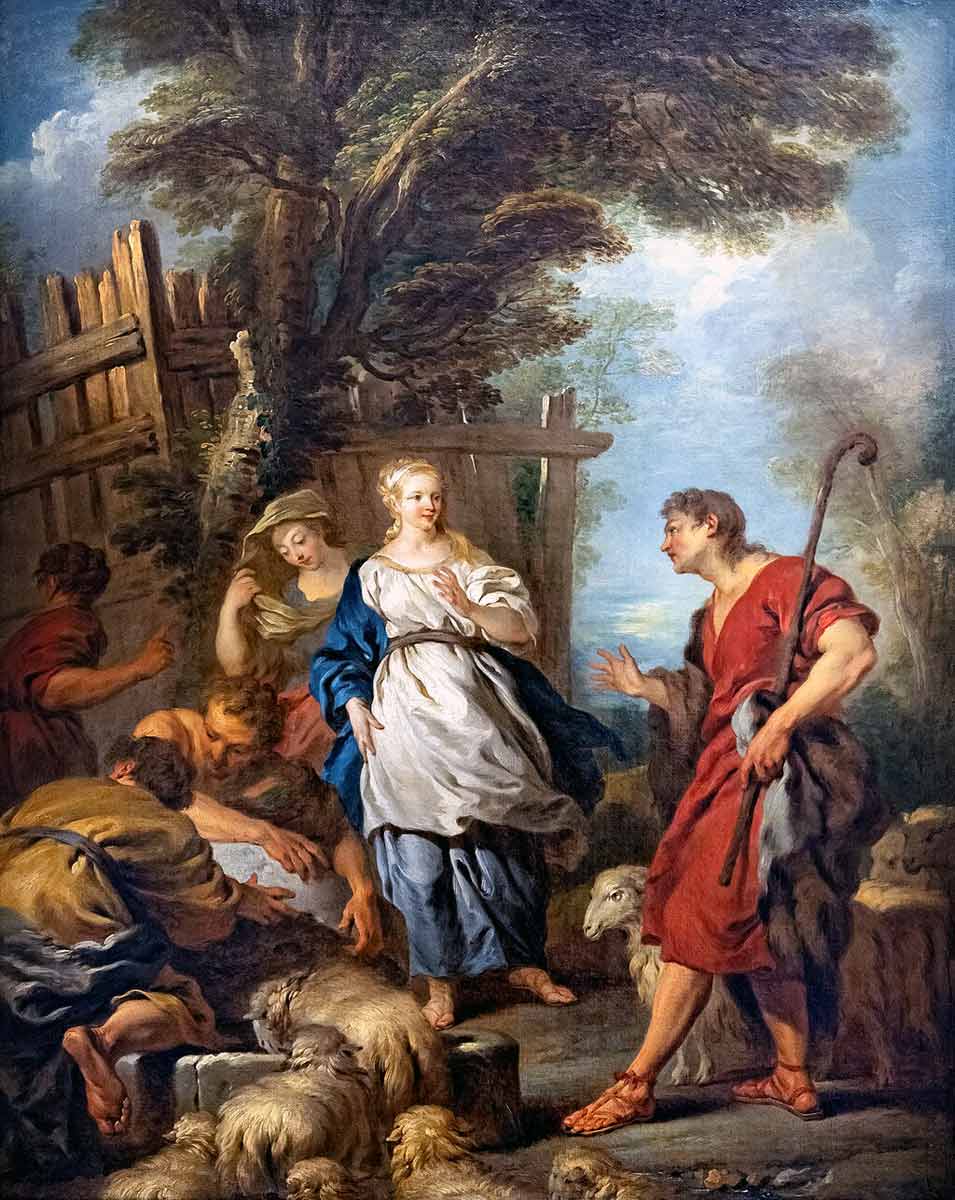
Rachel was Jacob’s beloved wife, but she was barren for years. Jacob had four sons with Leah’s and Rachel’s servants before God eventually blessed Rachel with two sons, Joseph and Benjamin (Genesis 30:22-24).
Rachel’s contribution to the Bible lies in the fact that she was Joseph’s mother. Joseph’s life story is a complex tale of family dynamics and betrayal that led him from slavery to Egyptian power, enabling him to save the Israelites from famine by bringing them all to Egypt.
7. Miriam
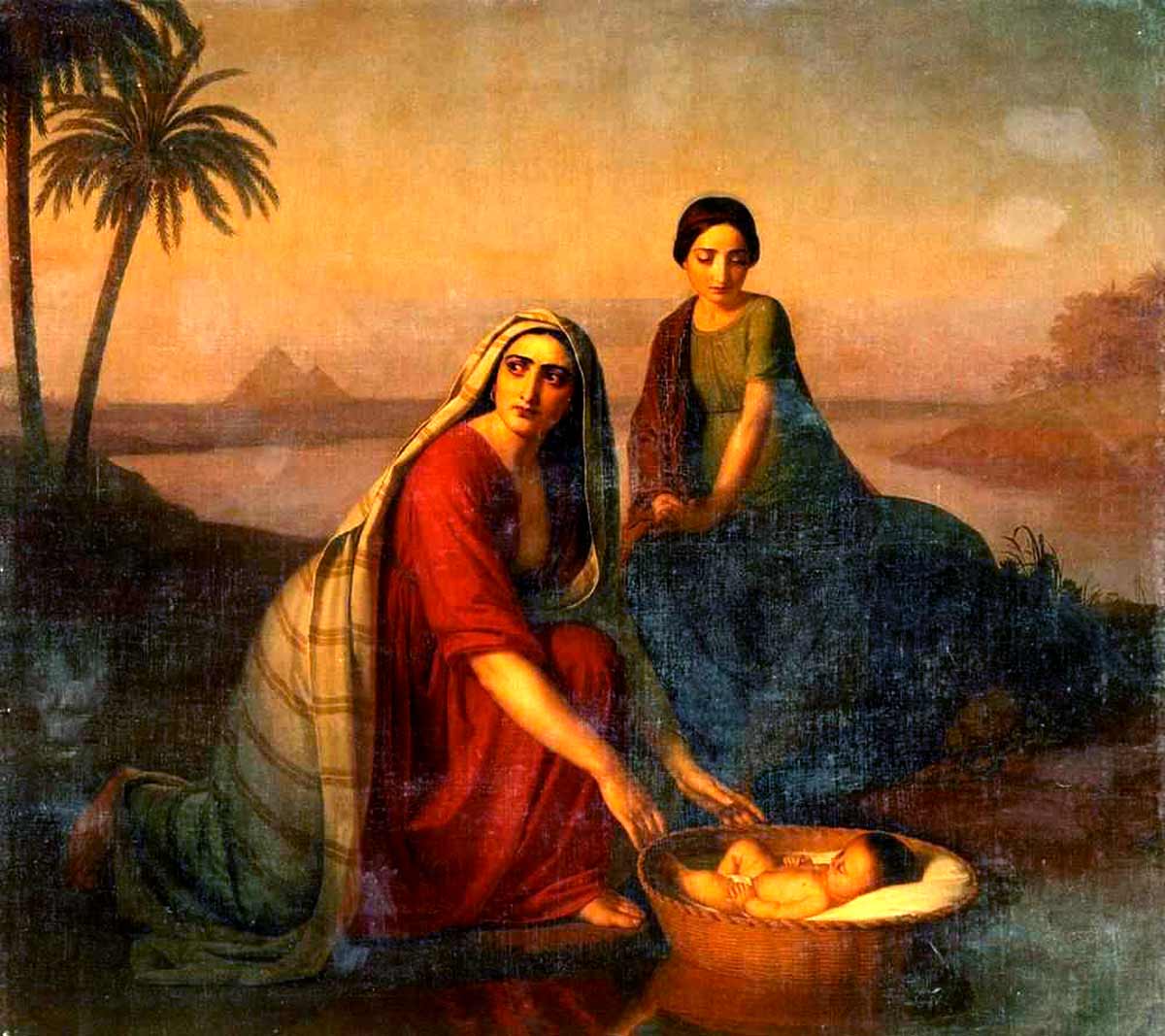
Miriam helped her mother, Jochebed, save Moses from Pharaoh’s death decree when he was an infant (Exodus 2:4-10). Later, she is revealed as a prophetess and a great poet when she leads the Israelite women in a song of praise after the crossing of the Red Sea (Exodus 15:20-21).
8. Pharaoh’s Daughter
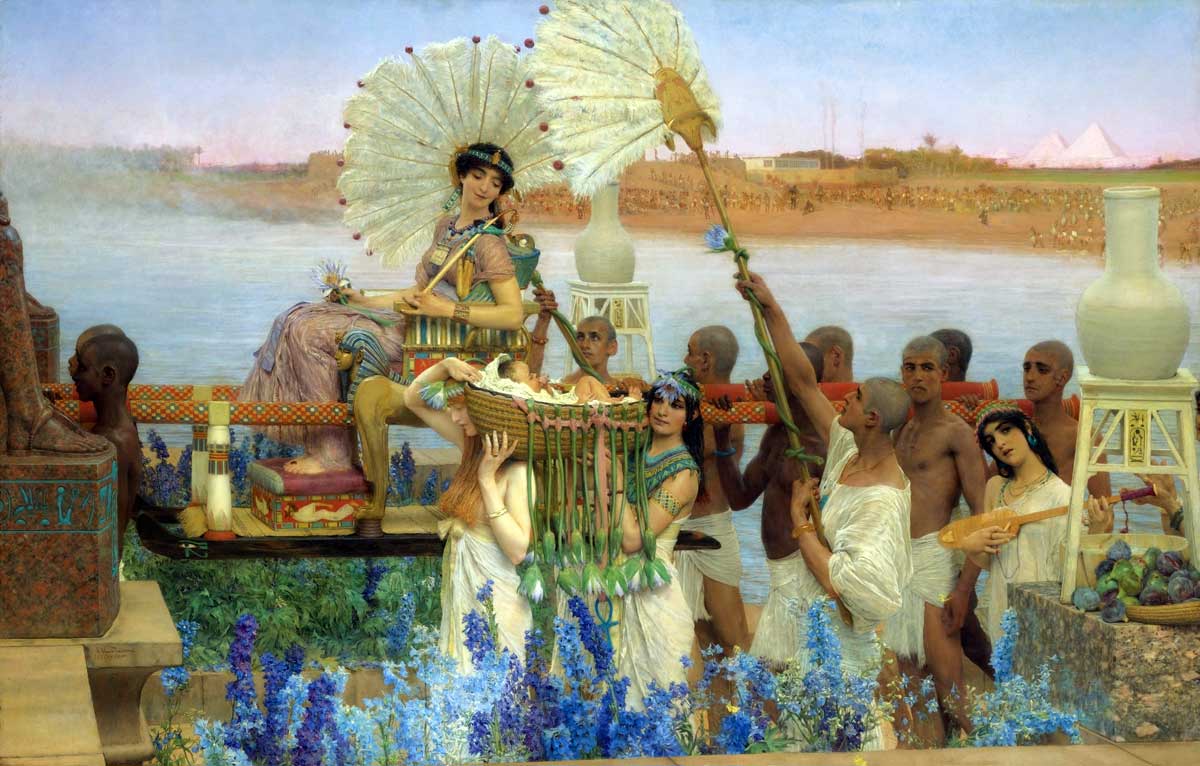
The Egyptian princess who adopted Moses (Exodus 2:5-10) is not named in Exodus. She is, however, named Bataya (also Batiya, Bithiah, or Batyah) in Jewish and Christian tradition. She is assumed to be the daughter of Pharaoh, who later married into the tribe of Judah (1 Chronicles 4:18). Her daring and compassion in adopting Moses in the face of Pharaoh’s cruelty earned her an enduring legacy in Jewish tradition as an exemplary righteous gentile.
Bataya raised Moses as an Egyptian prince, giving him access to a formal education in all the known sciences, military skills, reading, and writing. One may wonder if Moses educated the Israelites with some of that knowledge during the 40 years of wandering in the wilderness.
9. Deborah
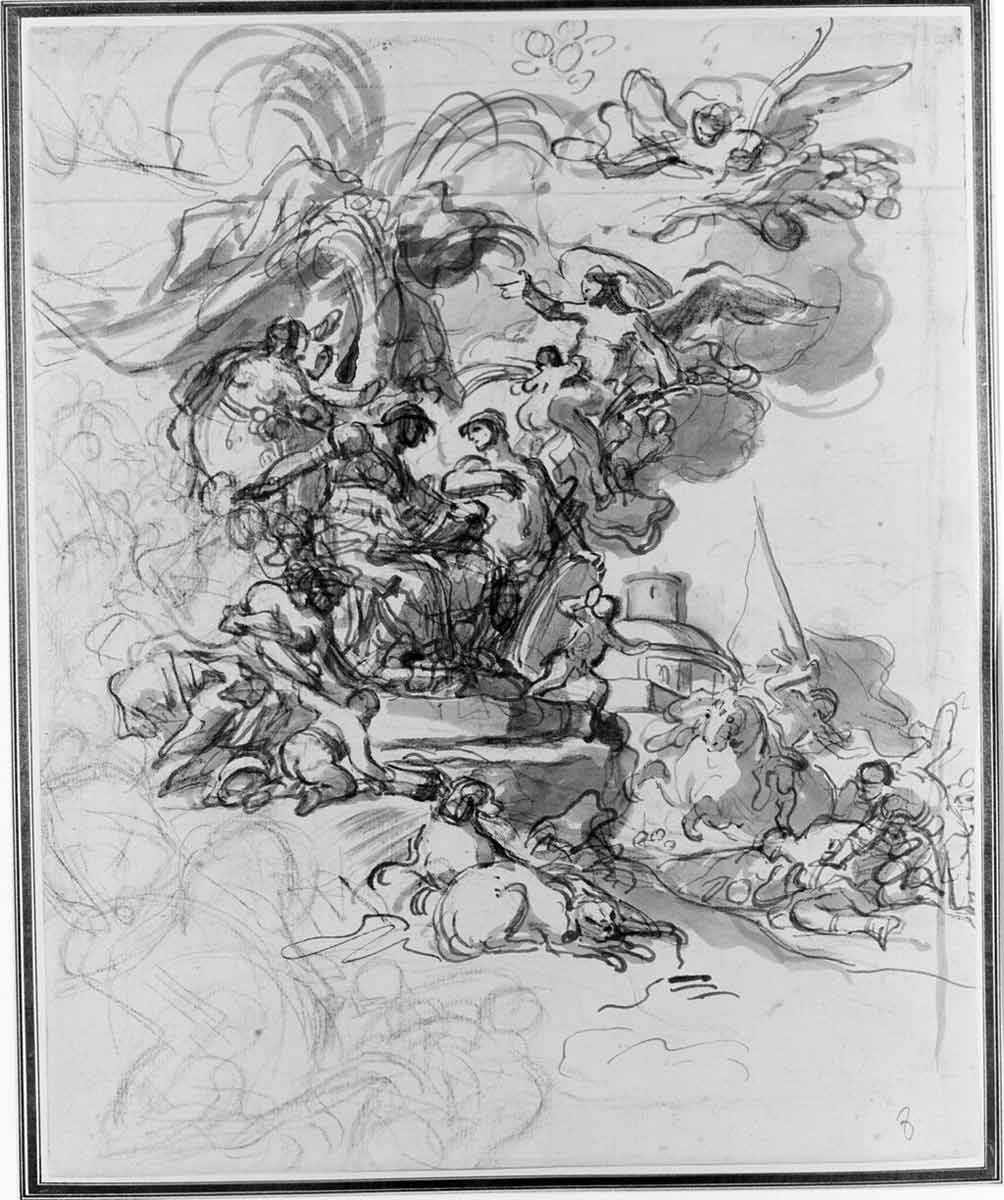
Deborah was a prophetess who became Israel’s only female judge during the time between Joshua and the Israelite monarchy (Judges 4:4). Through divine inspiration, she commands and inspires an Israelite warrior, Barak, to wage a victorious battle to rid Israel of oppression by a Canaanite king and his cruel commander, Sisera. Deborah confirms women’s diverse roles, including leadership, in God’s redemptive works.
10. Jael
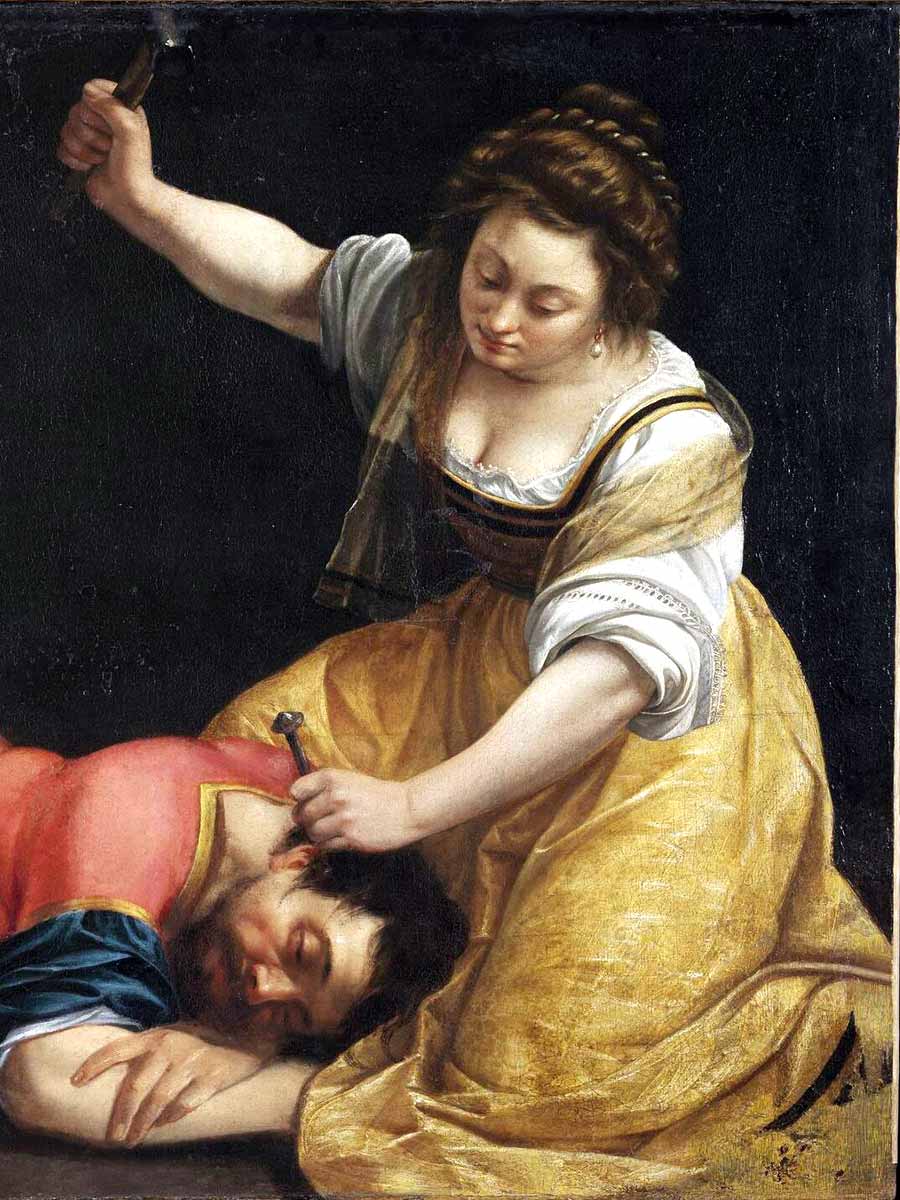
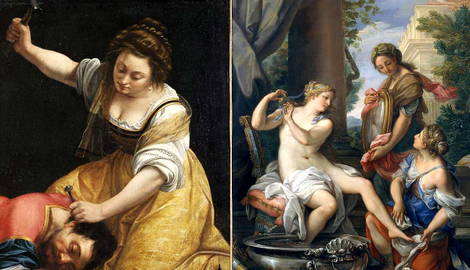
When Sisera fled on foot from the battle carnage, Jael, wife of a Kenite (Moses’s father-in-law’s family, according to Judges 1: 16), enticed him into her tent. She waited until he was fast asleep, took a tent-peg, and hammered it through his temple so hard that it nailed him to the floor (Judges 4:21).
This heroic, unplanned deed is yet another way in which God used an outsider, and a woman at that, to contribute to the welfare of Israel. Incidentally, Deborah had prophesied that a woman would kill Sisera!
11. Delilah
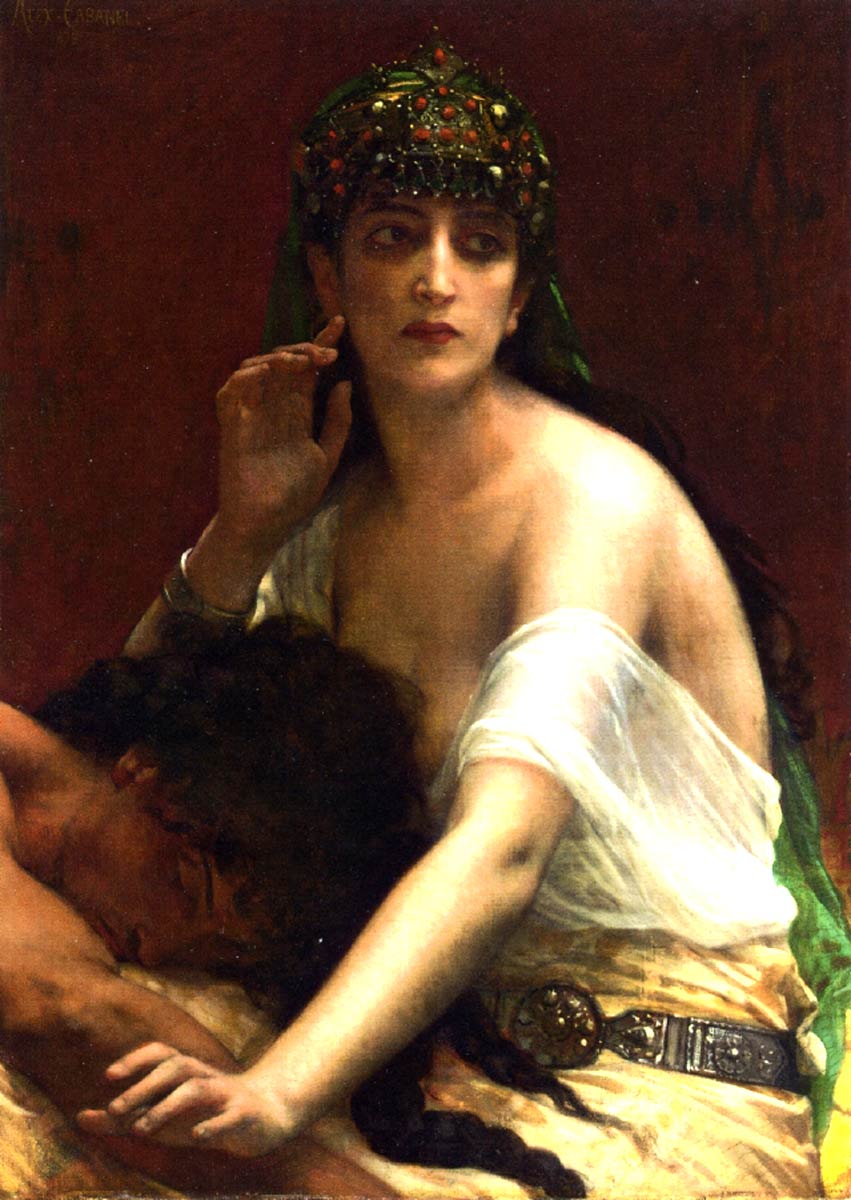
This Philistine woman was the mistress of Samson, one of Israel’s judges before the monarchy. Samson was a Nazirite (Numbers 6) whose long hair gave him superhuman strength. Delilah seduced Samson into divulging the secret of his superb strength that had kept entire Philistine armies at bay. She cut his hair while he was sleeping, allowing her kinsmen to catch and blind him, and throw him in jail.
Delilah became the metaphor for a seductress in the traditions of Jews and Christians. She influenced the course of Israelite history by letting the Philistines overrun the tribes of Israel again. She embodies the concepts of betrayal and manipulation.
12. Hannah
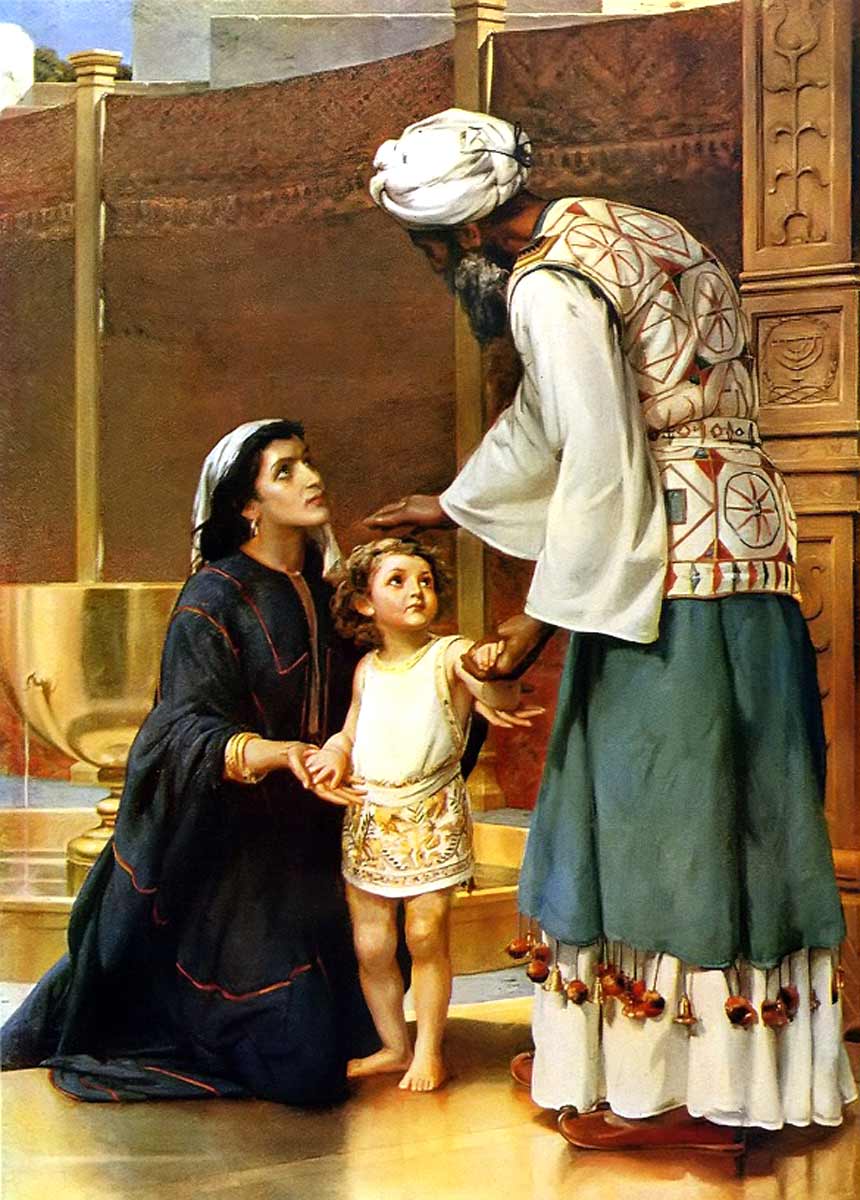
Hannah was barren. She prayed persistently and fervently (1 Samuel 1:12-18) for a child at the tabernacle in Shiloh. She vowed to dedicate her child to God’s service if her plea was granted.
She gave birth to Samuel, a great prophet and Israel’s last judge. Hannah took him to live with the High Priest at Shiloh as soon as he was old enough (1 Samuel 1:27-28). He anointed Saul as Israel’s first king, and later David.
Hannah’s persistence in prayer and pleading with God is an example of perseverance and faith.
13. Ruth
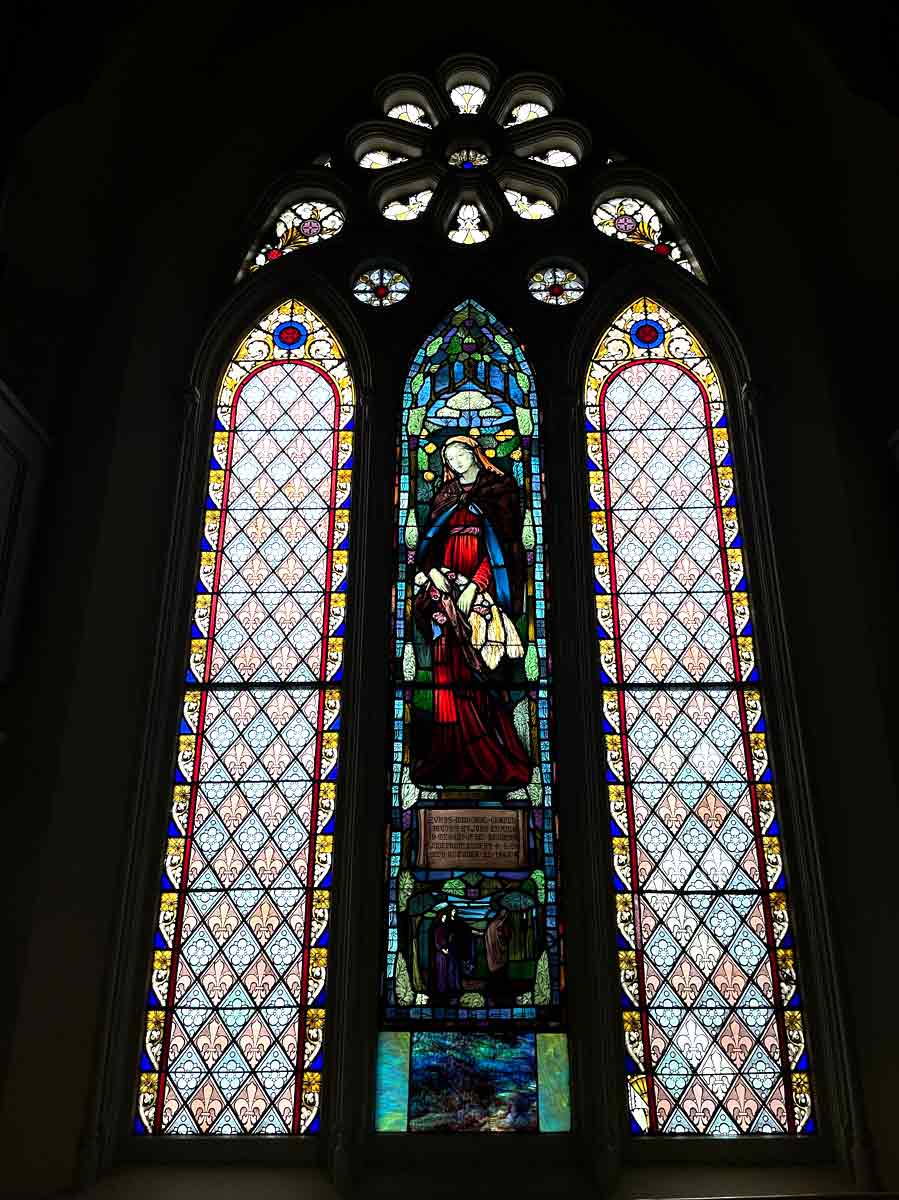
Naomi, an Israelite widow, returned to Israel from Moab after her Israelite husband and two sons died there. Ruth was her Moabite daughter-in-law who bravely left her own Moabite people to go with Naomi, saying, “Your people shall be my people, and your God my God” (Ruth 1:16). She married Boaz, a family member of Naomi. From this bloodline, King David was born three generations later.
Ruth demonstrates loyalty, and her story shows God’s intention of including Gentiles in his plan of redemption.
14. Bathsheba
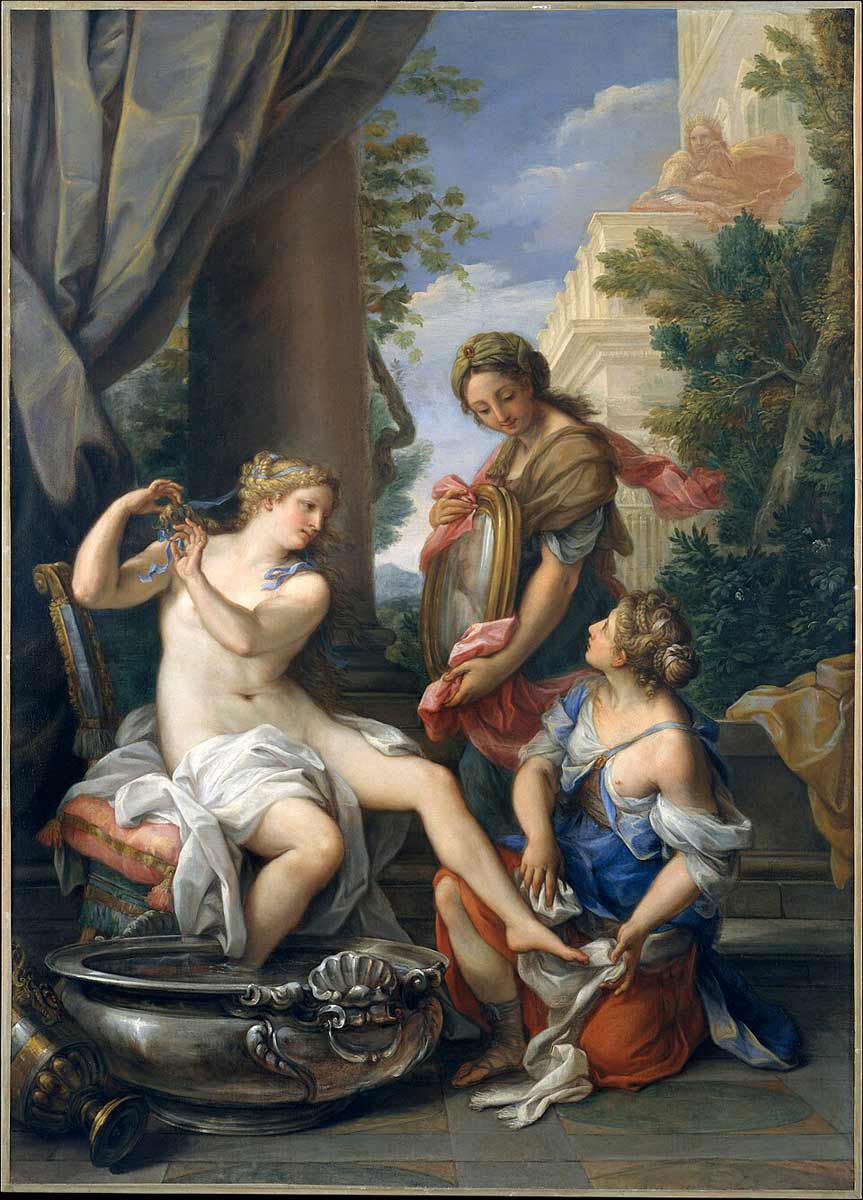
Was Bathsheba an innocent victim or a seductress? King David sees her bathing on her roof from his palace. She was exceptionally beautiful. He summons her to the palace, and they end up committing adultery. Bathsheba falls pregnant. This eventually leads to David organizing her husband’s death in battle (2 Samuel 11: 6-17).
David marries Bathsheba after she mourned for a period. But God is displeased, and their baby dies. According to tradition, this led David to compose one of his most beautiful psalms (Psalm 51) when he realized that it was because of his sin.
Bathsheba later bears Solomon, and becomes a political actor securing Solomon’s succession (1 Kings 1:11–31), and shapes David’s fall from grace.
15. Jezebel
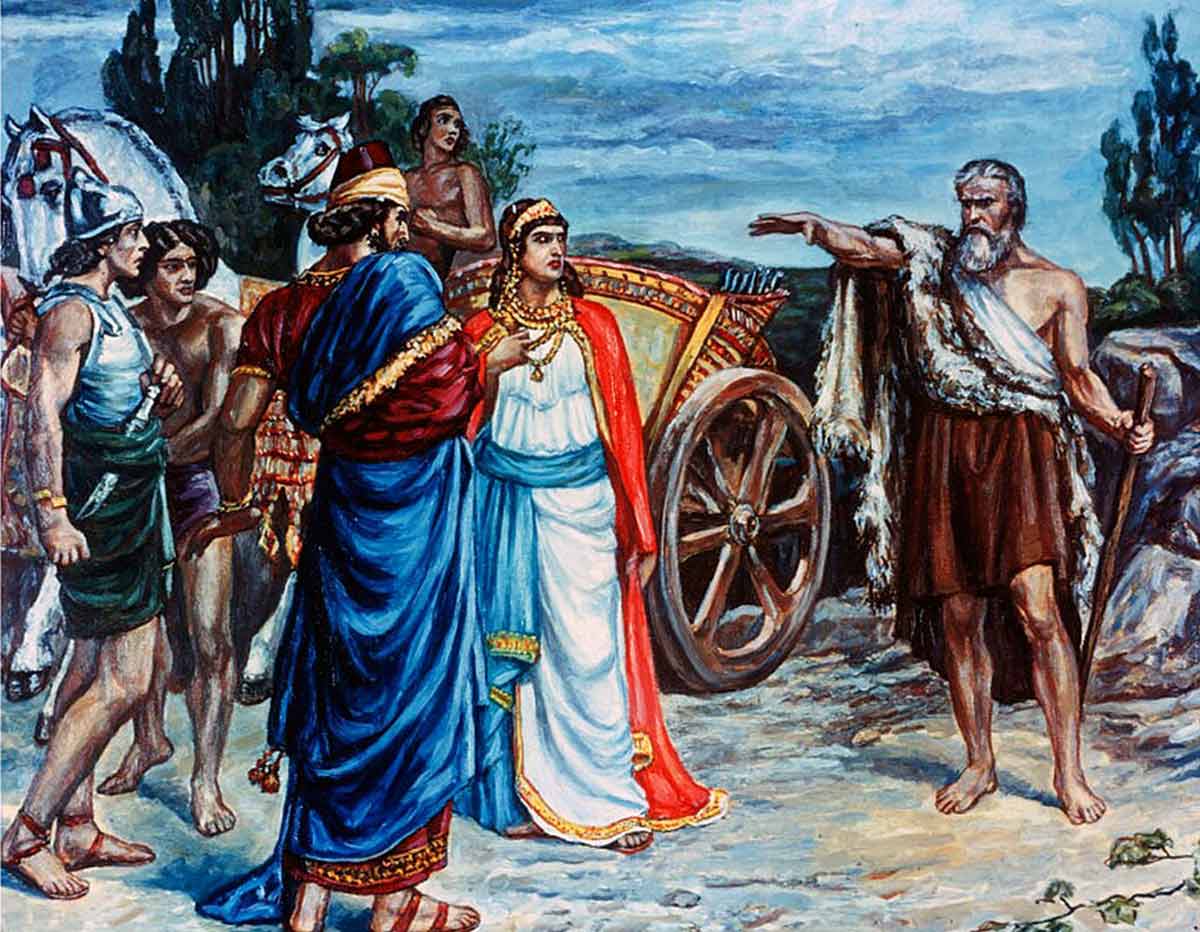
A fervent follower of the pagan deity Ba’al, Jezebel was a princess of Sidon who married King Ahab of the Kingdom of Israel (1 Kings 16:31). Jezebel was cruel in the defense of her religion and debauched lifestyle. She ordered the killing of Yahweh’s priests and prophets. She was especially relentless in her pursuit of Elijah, the great prophet. Her violent death was prophesied and she was thrown from a palace window and devoured by dogs (2 Kings 9: 30-37).
Historically, she led Israel to idolatry, apostasy, and the adoption of corrupt and immoral habits. She is used as a metaphor in Revelation 2:20 for false teachings and tyranny.
16. Esther
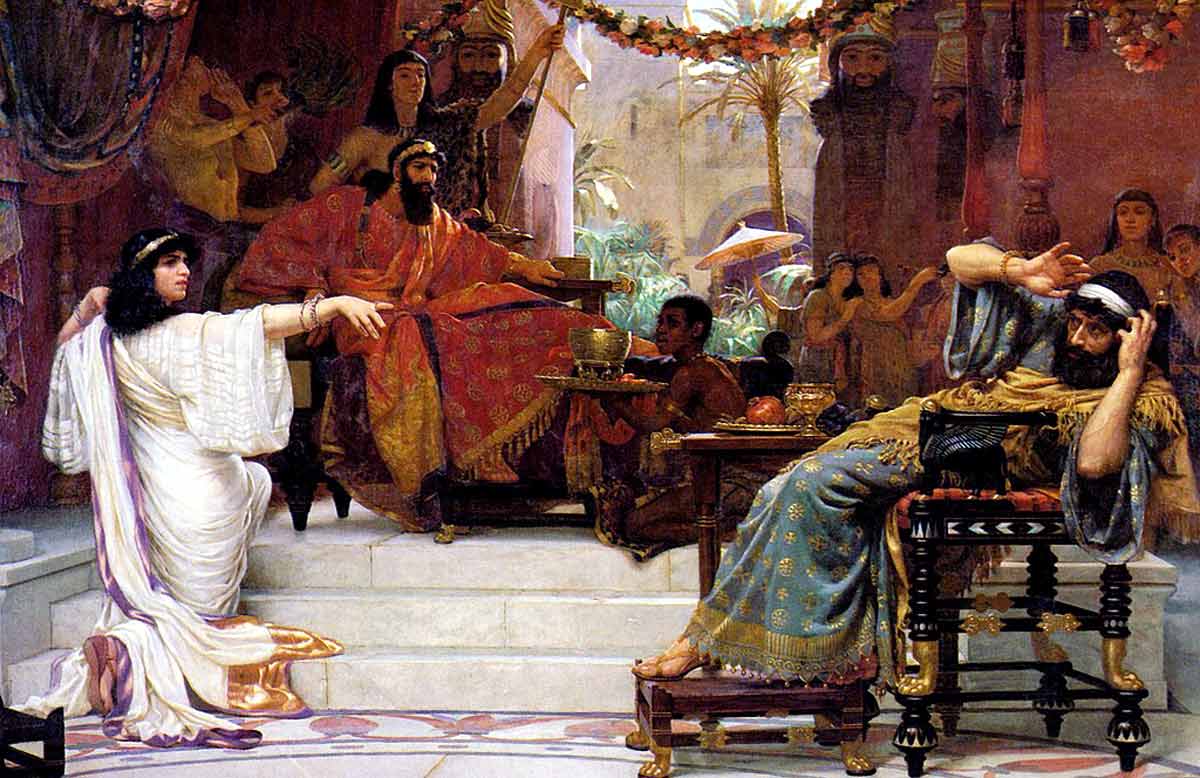
Esther was a beautiful Jewish orphan who was raised by her uncle, Mordechai, in Assyria, and married the mighty Persian King Xerxes (Ahasuerus in scripture). When Haman, an influential aide of the king, plots genocide against the Jews, Esther approaches the king without an invitation—an act which was punishable by death. However, the king accepts her approach, and Esther ultimately secures her people’s survival (Esther 4:14).
Esther is an example of faith and courage. The Jews honor Yahweh’s prevention of Haman’s intended genocide through the intervention of Esther by celebrating the Purim festival annually.
17. Elizabeth
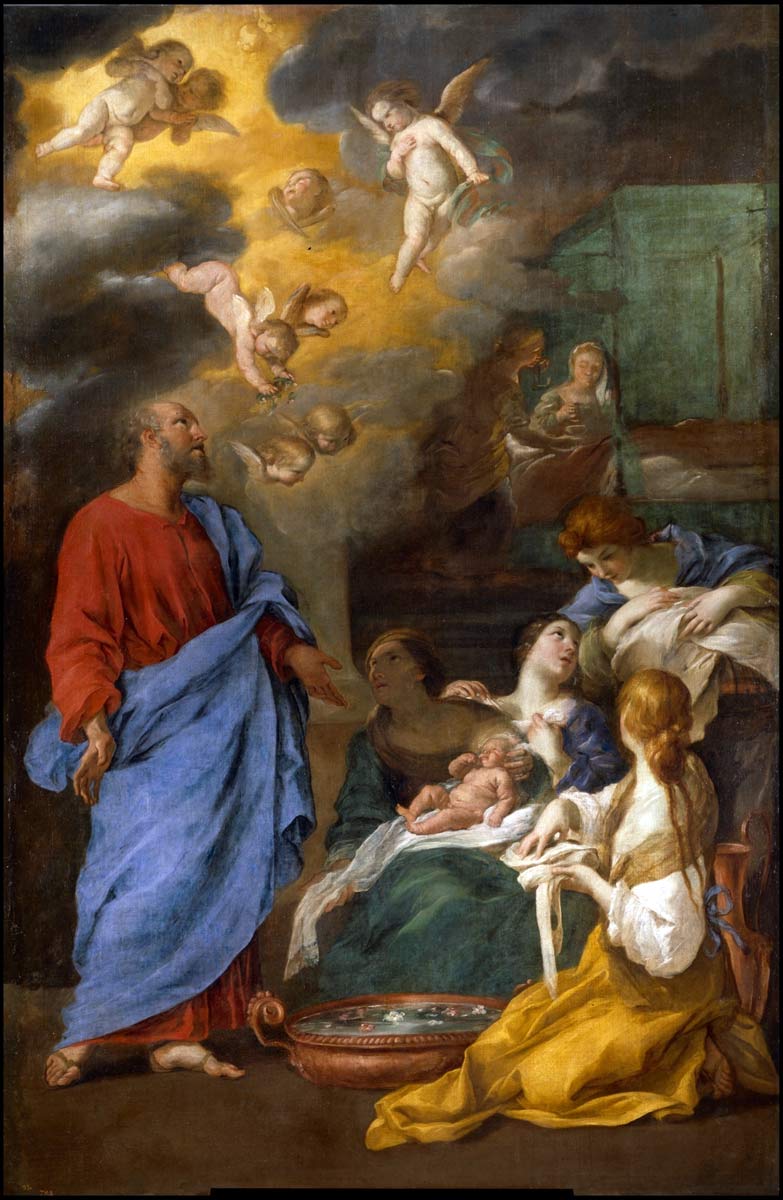
Elizabeth was the wife of Zacharias, a priest in the Second Temple Period. Elizabeth is described as a righteous woman. She was barren. And then, in her old age, she becomes the mother of John the Baptist. Archangel Gabriel brings Zacharias the wonderful news that Elizabeth will become pregnant, and they will have a son who will prepare the way for the coming Messiah (Luke 1:11-17). Elizabeth gains prophetic insight as Mary visits her during her pregnancy and recognizes that the child Mary is carrying will be the Messiah (Luke 1:42).
Historically, Elizabeth bridges the Old Testament prophecies and the New Testament fulfillment. Her maternal role and faith-filled life are crucial steps in this process.
18. Mary (Mother of Jesus)
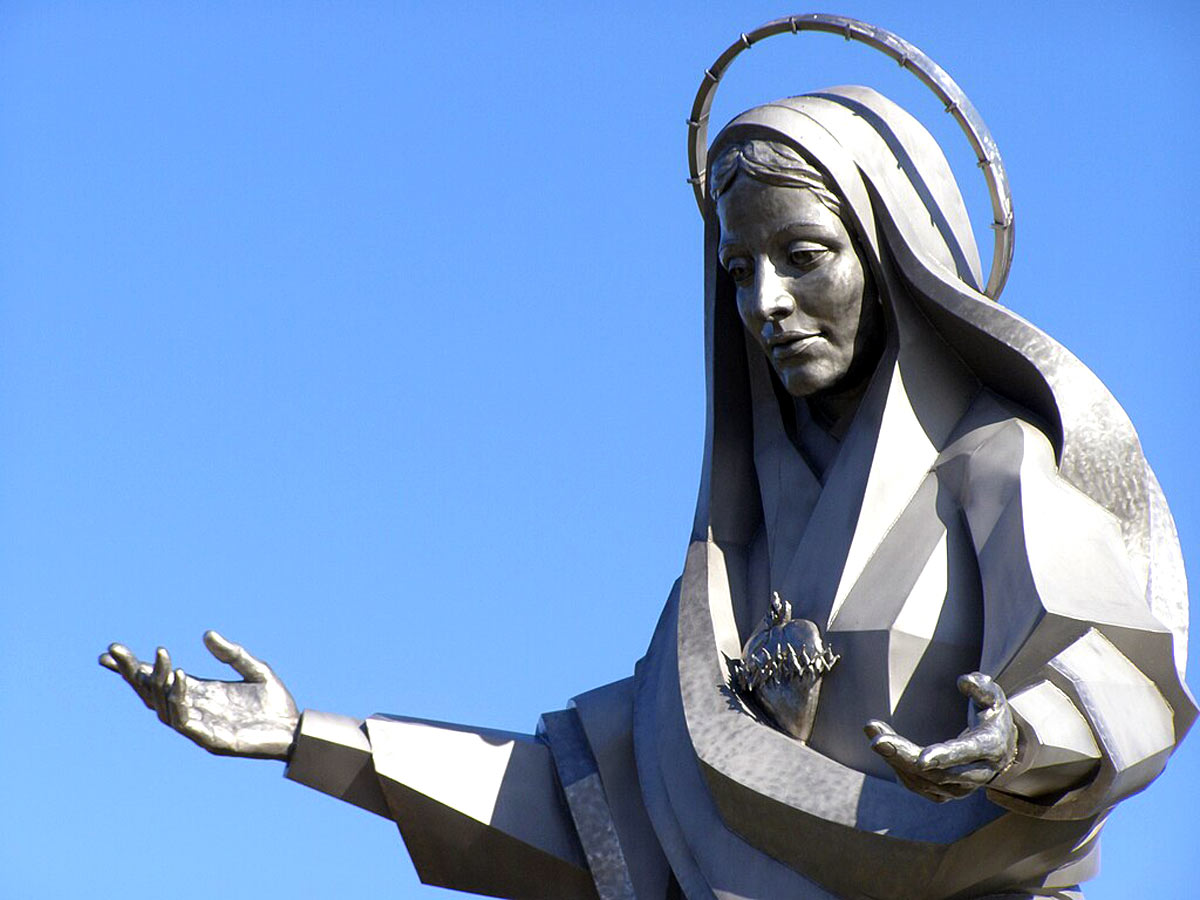
Luke 1:26-38 introduces Mary as the virgin chosen by God to bear the Messiah. Mary’s humble reply to the angel Gabriel, who announced it to her, demonstrates her faith and humble obedience (Luke 1:38). Mary followed Jesus at times during his ministry and was present at his crucifixion (John 19:21). His first recorded miracle (turning water into wine) was at her request.
Mary shaped scripture as the mother of Jesus Christ. She is, thus, historically and theologically the most significant of all influential women in the Bible.
19. Mary Magdalene
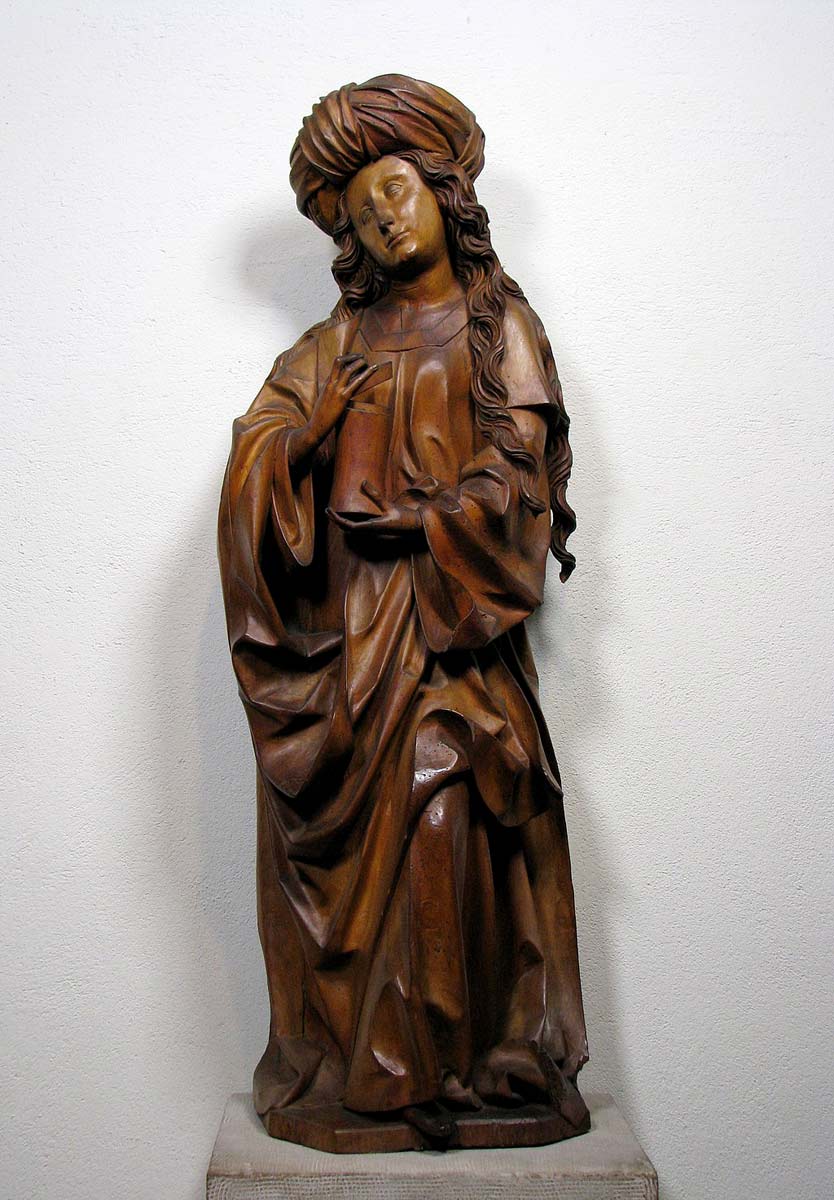
Interpretations of who exactly Mary Magdalene was vary greatly. Some early Christian writers added their own logically possible enhancements, which may or may not be accurate. Christian apologetics cuts through all the later twists and turns, giving us a straight scripture-based view.
She was a devout disciple of Jesus who contributed financially to his ministry (Luke 8:1-3). According to Luke, Jesus cleansed her of seven demons (Luke 8:1-3). She was a witness to his crucifixion, burial, and resurrection (Mark 15:40-41; John 19:25). She was the first person to whom Jesus appeared after his resurrection (John 20:11-18), and the first person commissioned to announce the Resurrection. Thus, she is the most historically significant woman in the gospels apart from Mary.
20. Martha
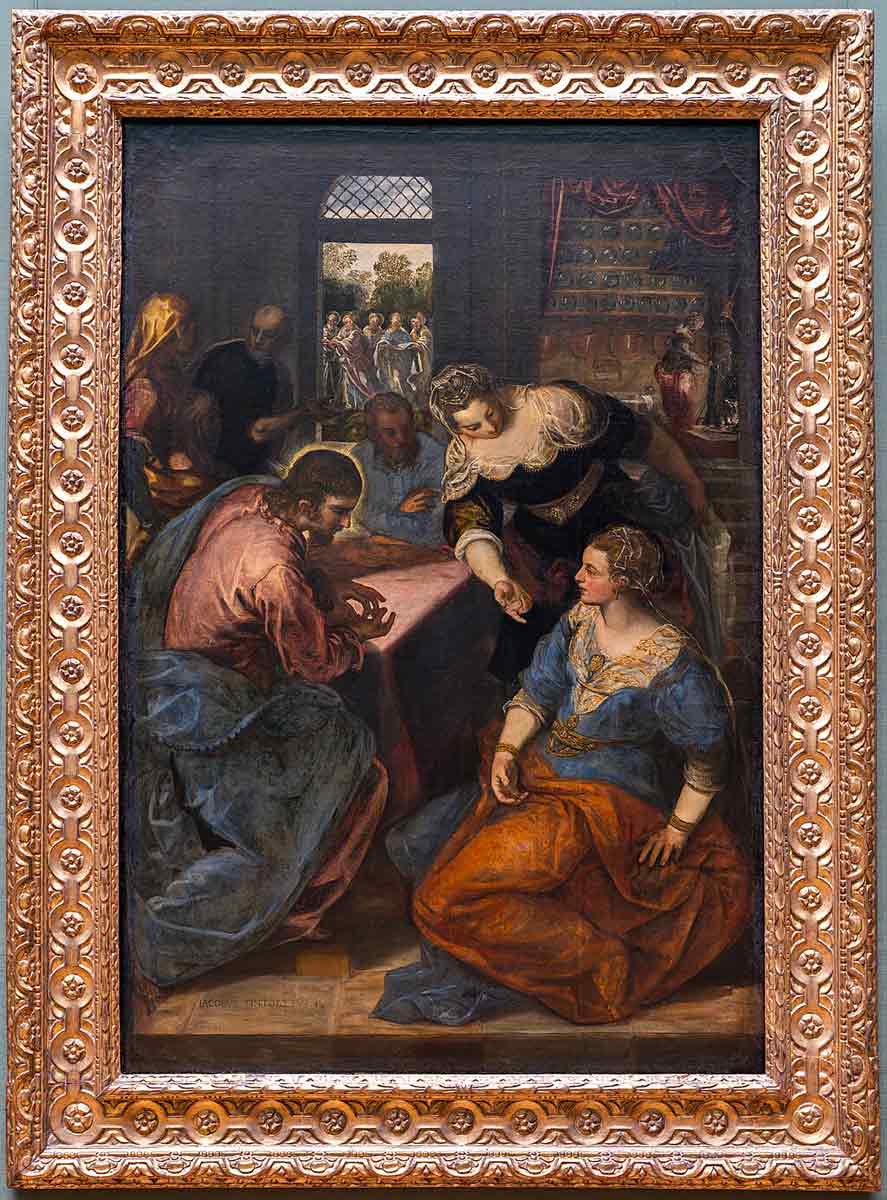
Martha of Bethany was the sister of yet another Mary, and Lazarus, who Jesus raised from the dead. They were dear friends and disciples of Jesus, who he visited often. In Luke 10:38-42, Jesus compares Martha’s practical household duties with her sister Mary’s concentration exclusively on listening to his every word.
Martha stands out as an example of practical hospitality, and for her declaration of unequivocal faith in professing Jesus as the Christ, the Son of God (John 11:27).
21. Joanna
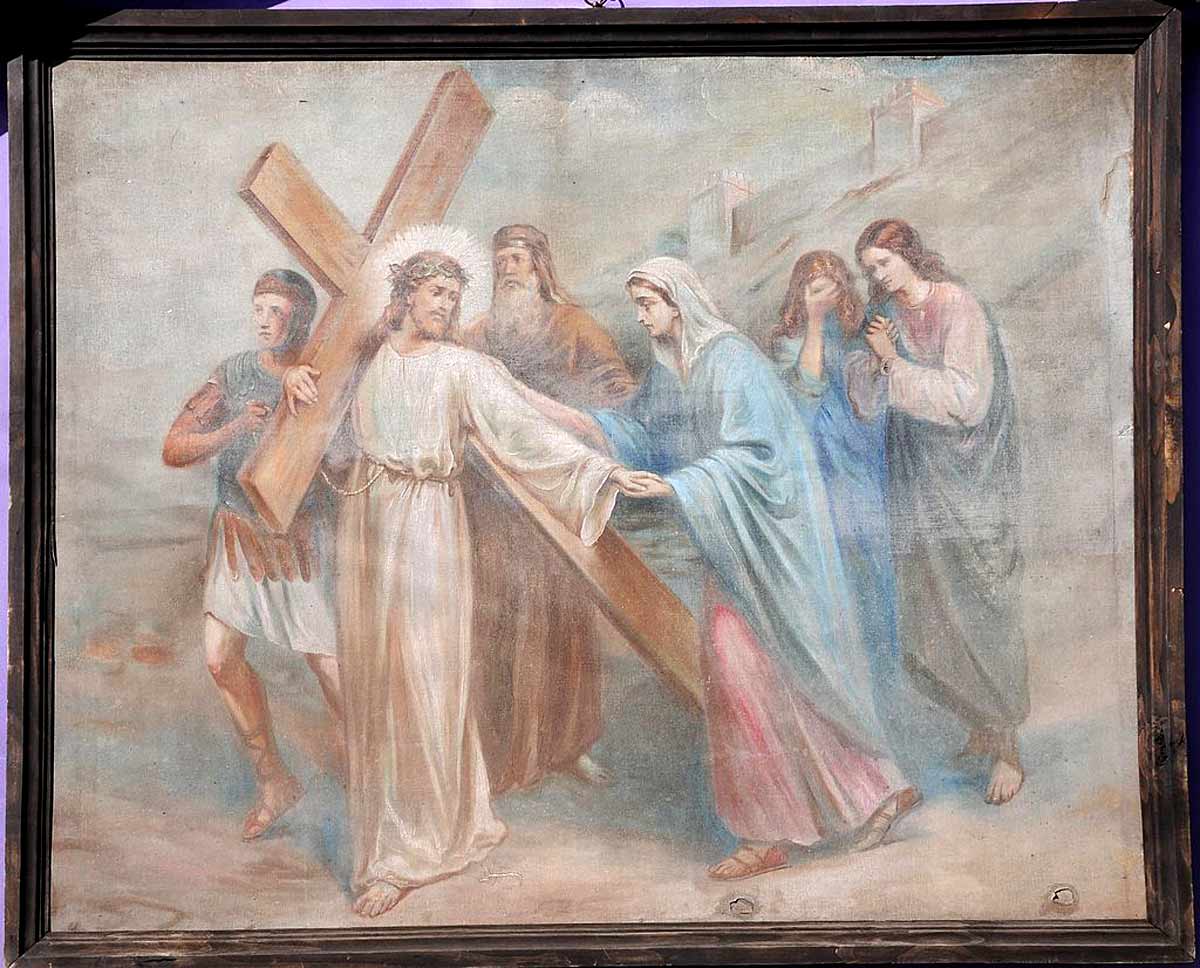
Joanna makes this list because she represents the only woman among Jesus’s closest followers and financial supporters linked to Herod Antipas’s court. She was married to Chuza, Herod’s palace steward. She was healed by Jesus from an unknown illness (Luke 8:1-3). She was present at his crucifixion and burial. She was one of Jesus’s intimately known female followers who had gone to the tomb with burial spices, where an angel told them the tomb was empty because Jesus had risen from the dead (Luke 24:10).
We can accept that Joanna was filled with courage and faith because she defied the danger to herself from palace connections and political intrigue to follow Jesus. Her legacy is one of boldness, absolute belief in Jesus as the Messiah, and her role as a witness to others after his resurrection.
22. The Samaritan Woman
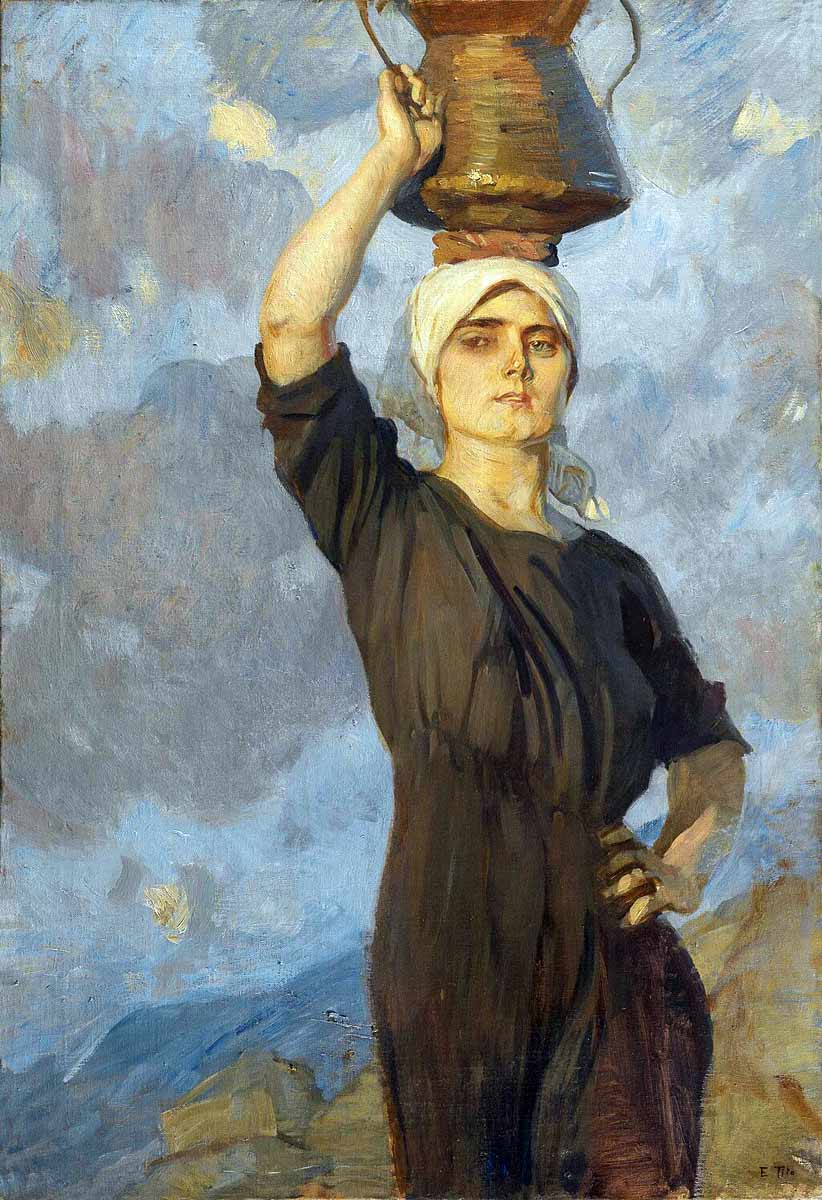
Although scripture does not give us her name, this woman was influential in many ways. She meets Jesus at Jacob’s well in Samaria (John 4). She had a colorful past, and Jesus told her details of her past without her telling him anything. She believed at once that he was the Messiah when he told her that he could give her “living water.” She ran back to her village and called the people to go and meet him (John 4:29).
Historically, the Samaritan woman became the first missionary. She is a further example of a woman fearlessly breaking the barriers of gender roles, ethnicity, and moral laws of her time. She demonstrates that God’s salvation extends beyond human boundaries.
23. Phoebe
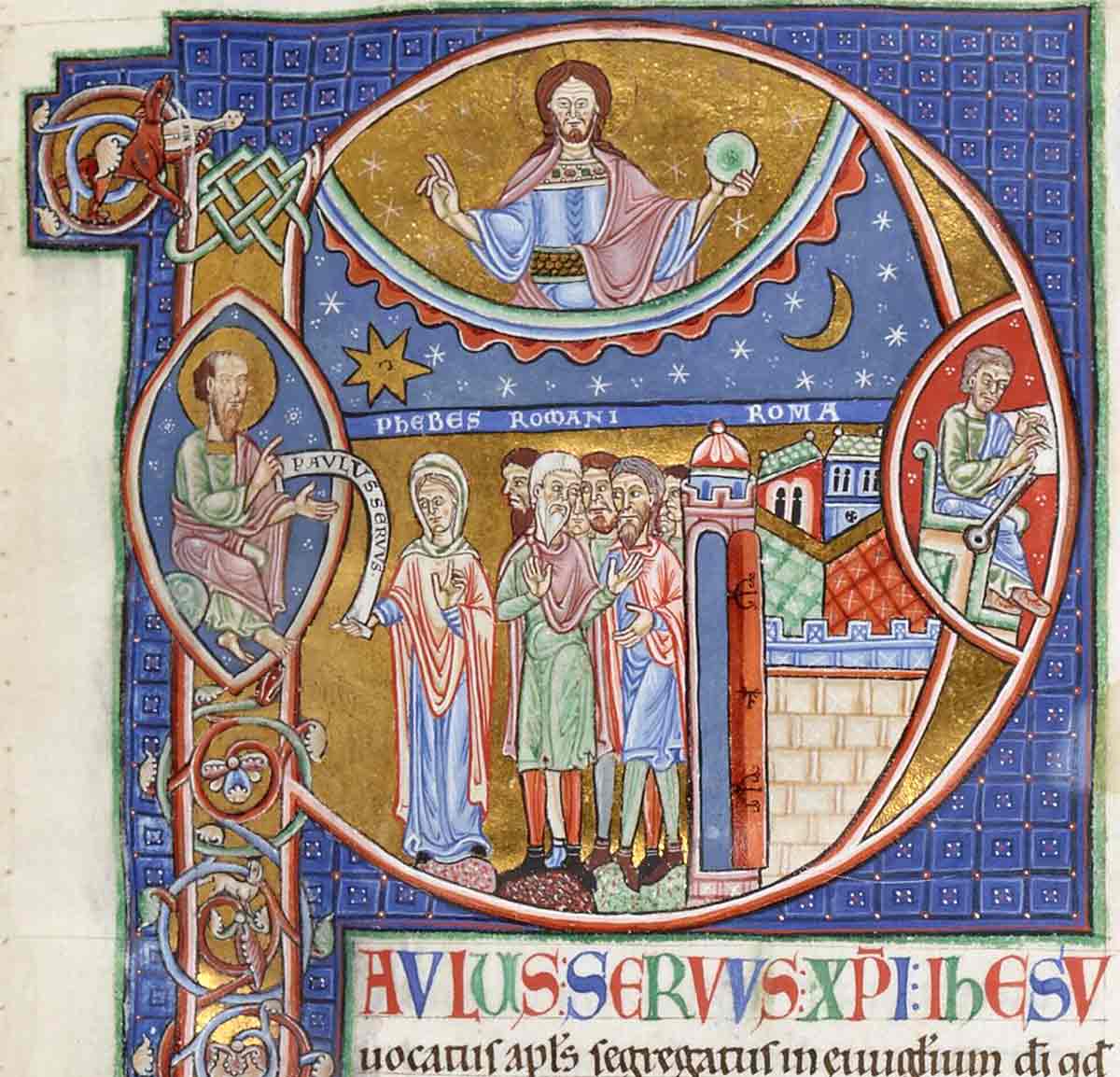
Phoebe was a deacon in the early church of Cenchreae during Paul’s ministry (Romans 16:1-2) in Corinth. He entrusts her with the letter to the Christians in Rome. He commends her as a benefactor to many, including himself.
Phoebe illustrates to us the important roles of women in the early church.
24. Lydia
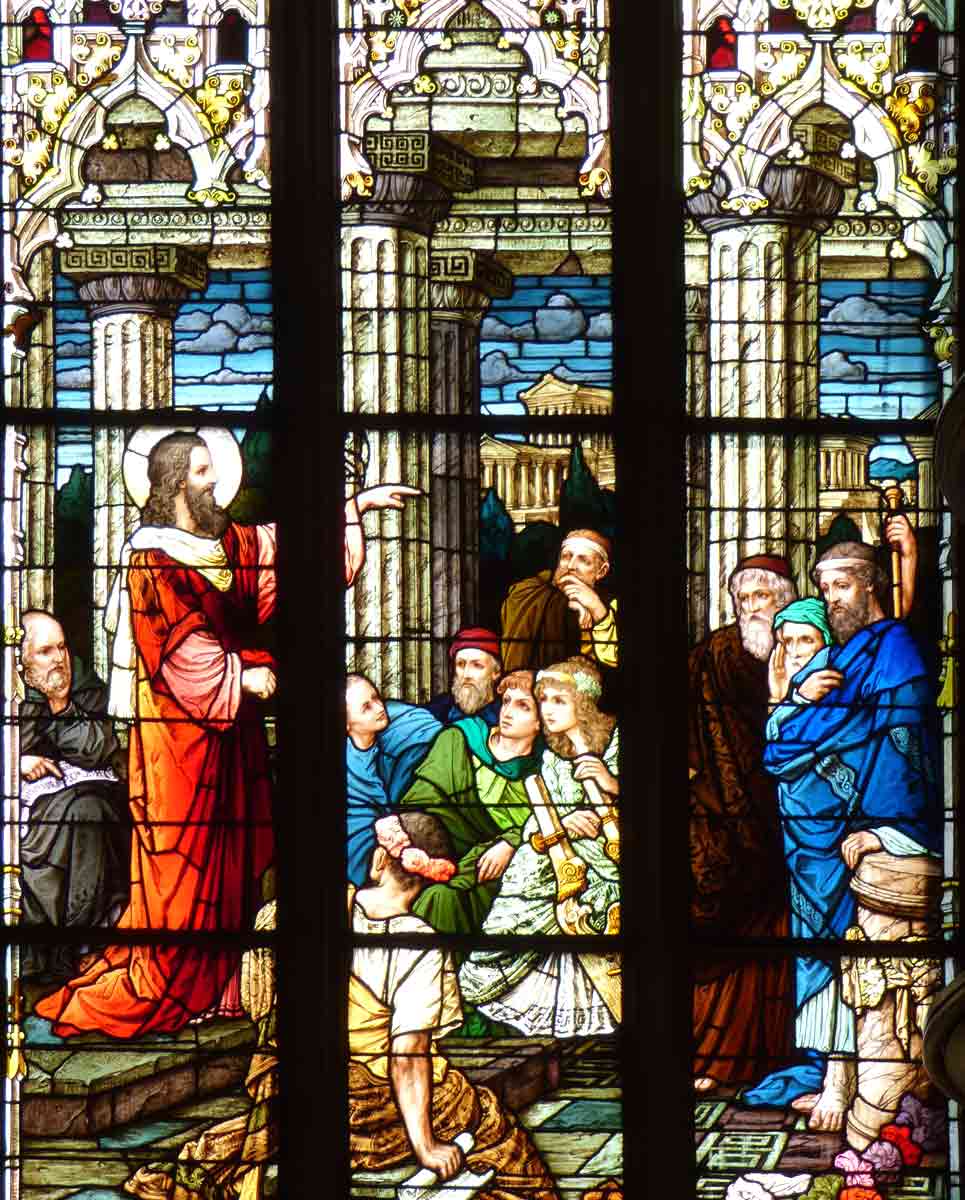
Lydia was the first European Christian. Paul baptized and taught her. She was a trader of purple cloth, so one can assume she was wealthy (Acts 16:14-15). Lydia opened her house to Paul and his companions, and they used it as their base. Thus, she became a benefactor to the Church of Phillipi in Macedonia.
Lydia is important for being the first European to be baptized, and enabling the spread of Christianity by providing practical support and a base for Paul and his missionaries.
25. Herodias
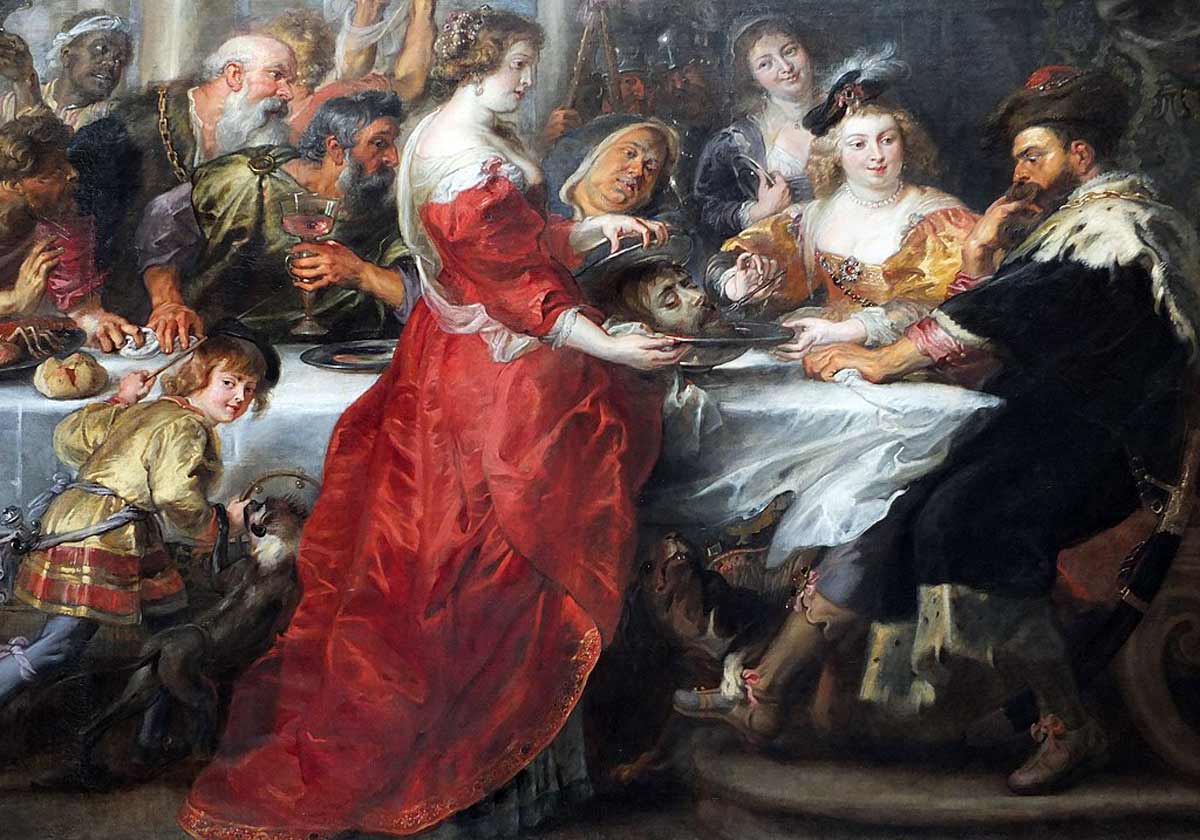
Herodias is an evil woman in scripture. She was the granddaughter of Herod and married to Herod Antipas. She hated John the Baptist because he openly condemned this marriage. Herodias used her daughter, Salome, at a banquet to manipulate Herod to secure John’s beheading (Mark 6:17-28).
Herodias personifies the excesses of unchecked power and lack of a moral compass.