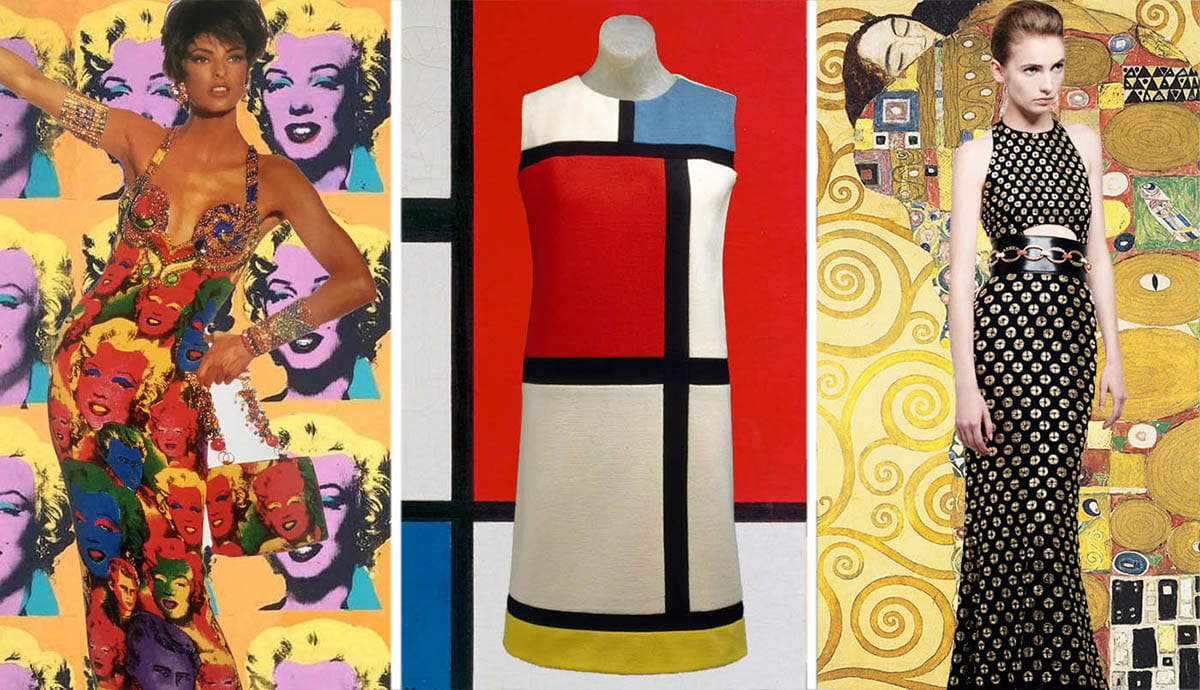

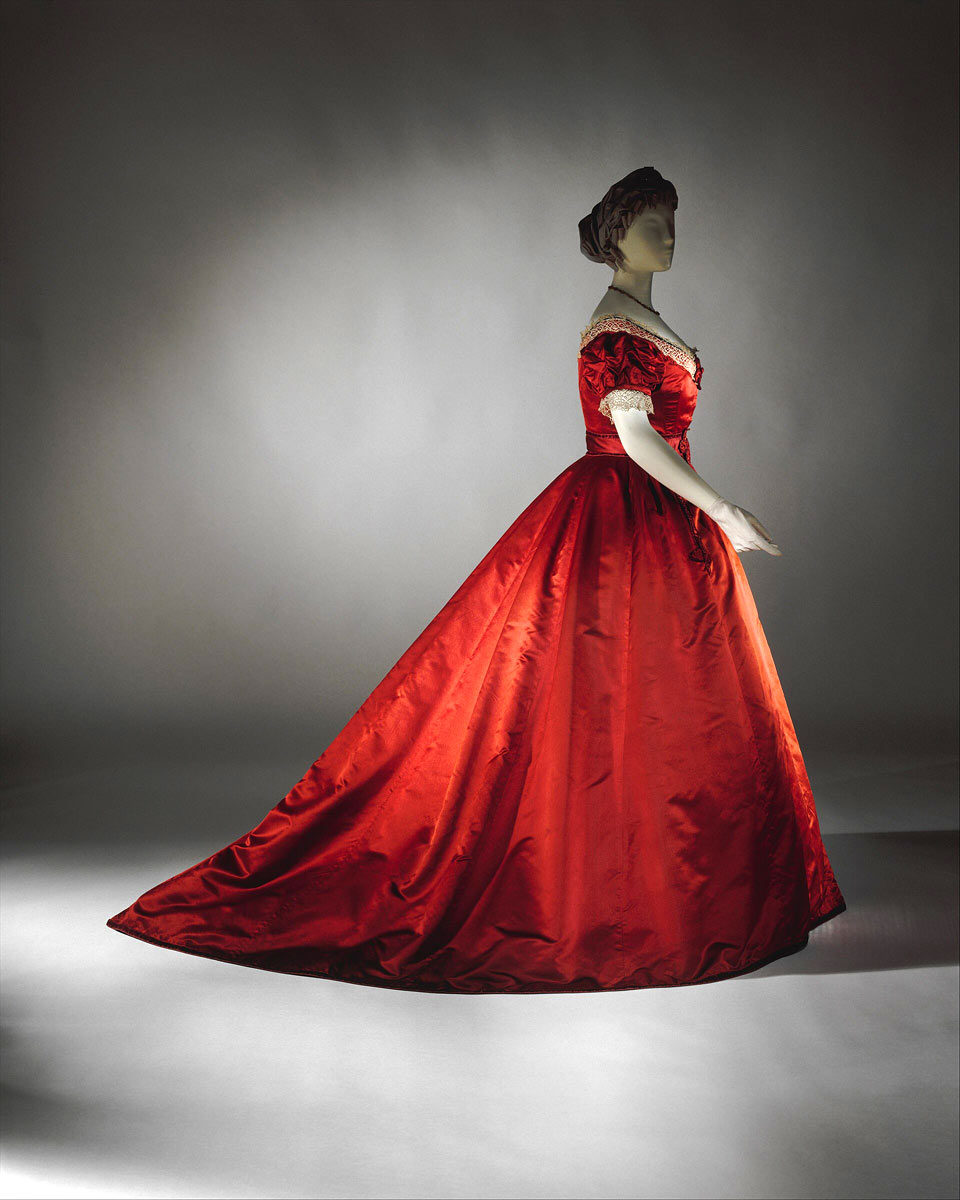
Fashion museums have graduated so far beyond the idea of “look, a pretty dress on a mannequin” that the best now rival any fine art institution on Earth for sheer emotional impact. It takes a particular kind of person to stand before a vintage Christian Dior evening gown and not feel overawed by its sheer artistry.
If you, likewise, think that fashion is an art all its own and that a single piece of clothing can make a social impact, then these ten fashion museums are the ones worth booking a flight for.
1. The Costume Institute, Metropolitan Museum of Art, New York
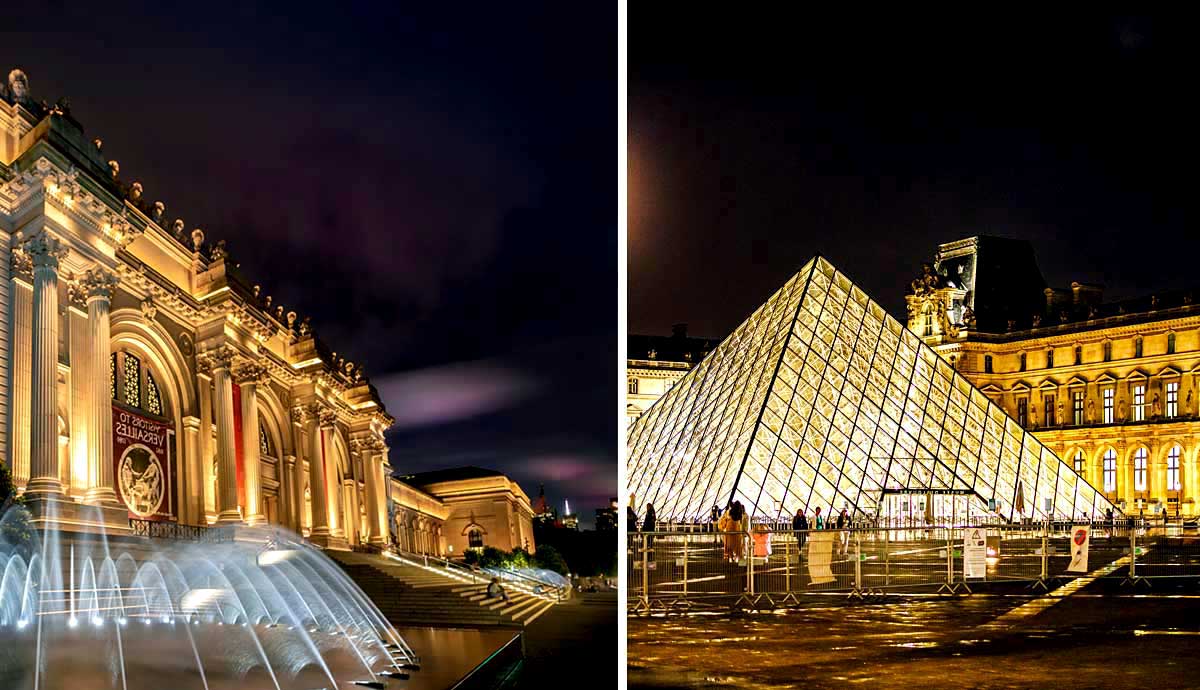
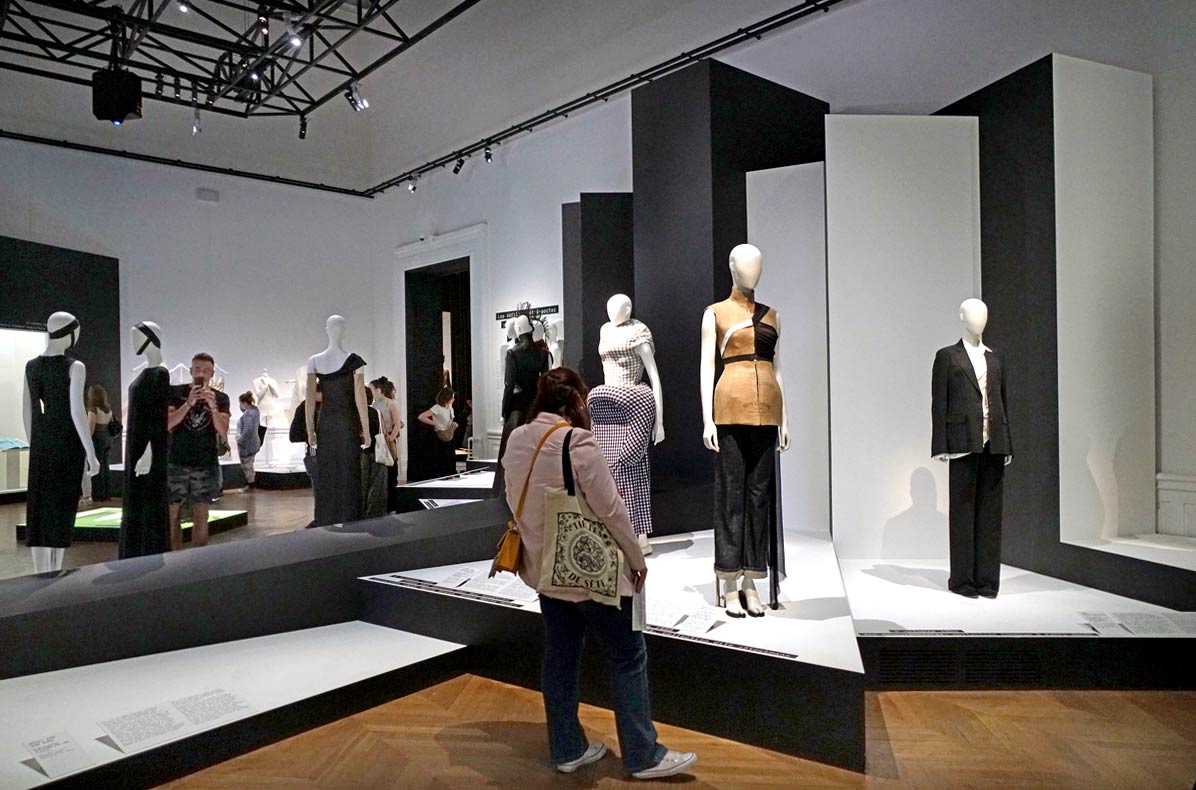
The Costume Institute is arguably the reason fashion is taken seriously as an art form. Since Alexander McQueen’s Savage Beauty broke attendance records in 2011, the department at the Metropolitan Museum of Art’s Anna Wintour Costume Center has been the world’s most influential venue for fashion exhibitions.
The permanent collection includes more than 33,000 costumes and accessories spanning seven centuries. The latest show, Costume Art, opens May 10, 2026, in the new Condé Nast Galleries and pairs nearly 400 garments and artworks from across the Met.
2. Palais Galliera, Paris, France
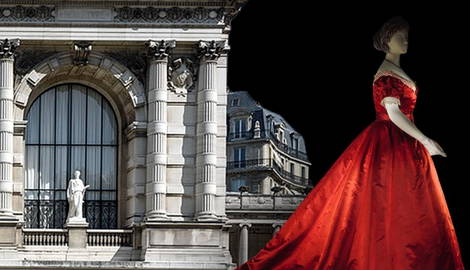
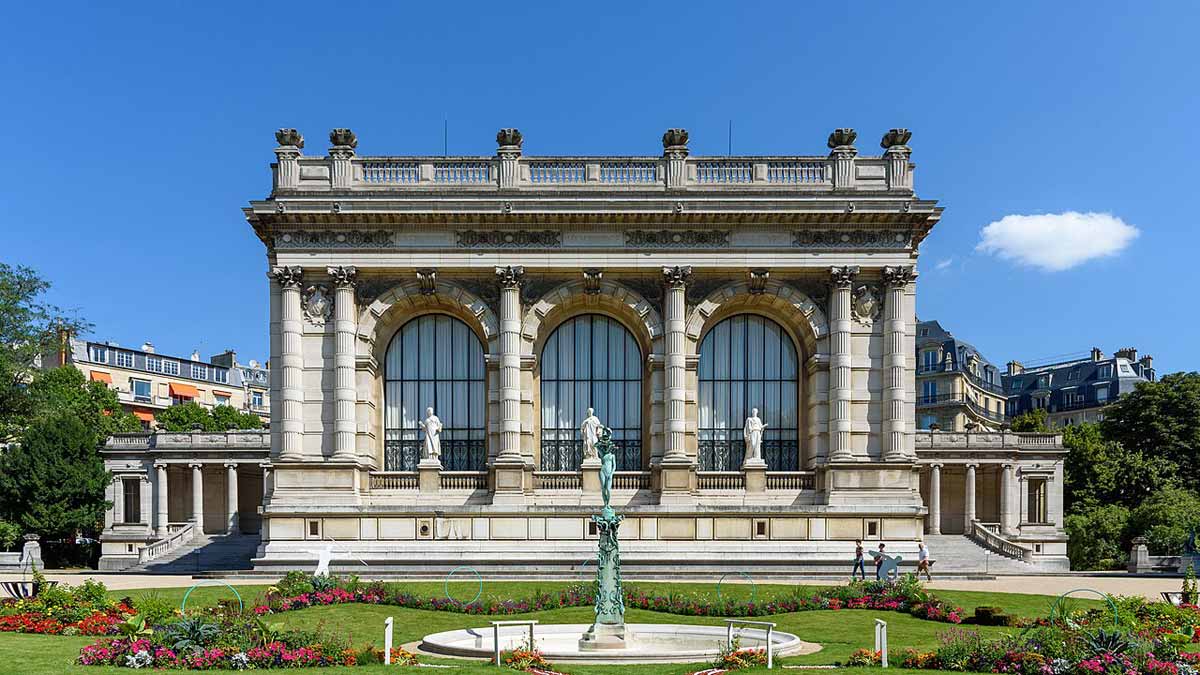
Paris has a fashion museum, and then it has the Palais Galliera, which is something else entirely. Built in extravagant Beaux-Arts style between 1879 and 1894, the building alone is worth the price of admission; the garden, framed by the Eiffel Tower, is one of the city’s quieter, pleasant surprises.
Inside, around 200,000 garments, accessories, photographs, and graphic works make up one of Europe’s great fashion collections, with the Gabrielle Chanel galleries anchoring a program of rotating exhibitions. A short walk from the Galerie Dior, this corner of the 16th arrondissement is as concentrated a stretch of fashion pilgrimage as you’ll find anywhere on Earth.
3. Victoria and Albert Museum, London, UK
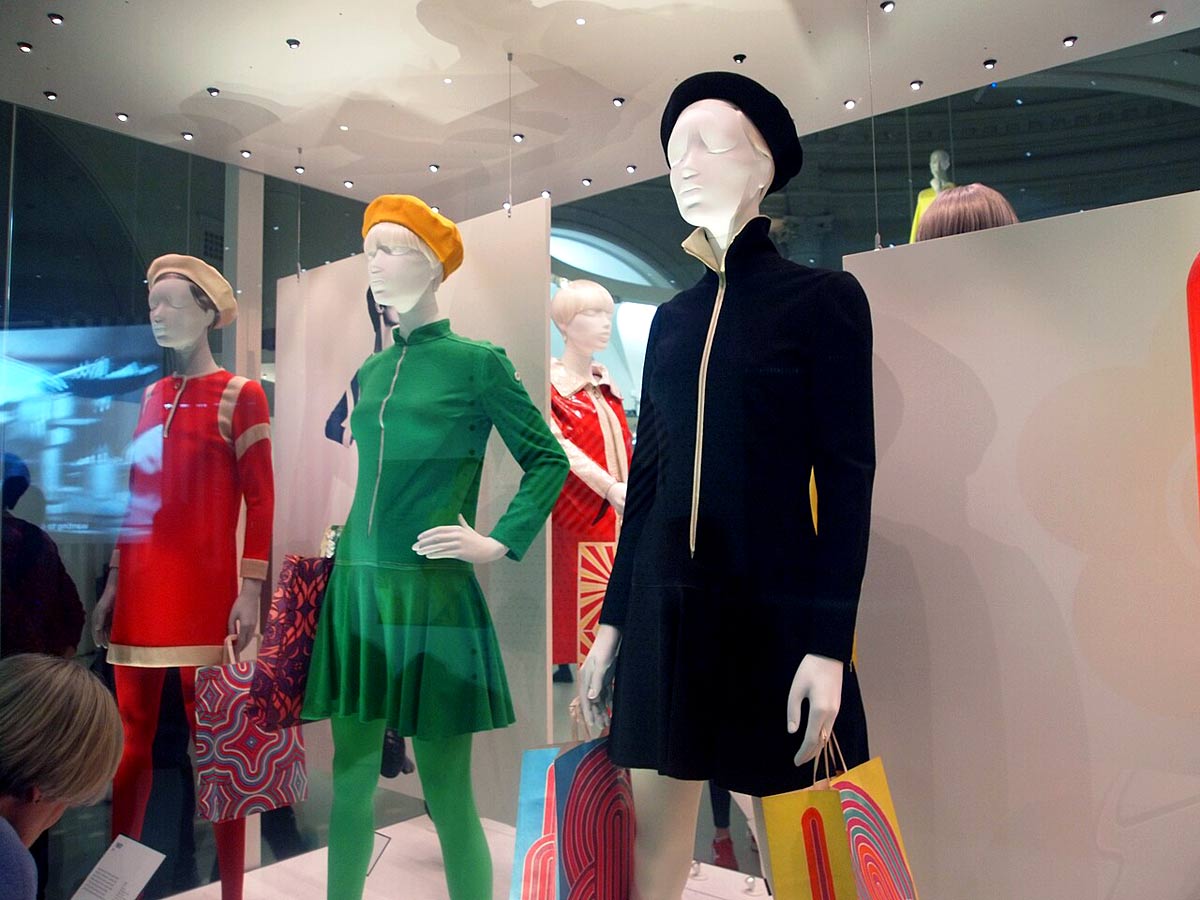
The V&A’s fashion credentials are almost unfairly greedy, housing the largest and most comprehensive collection of dress in the world (spanning five centuries) and boasting a track record of blockbuster shows that other institutions spend decades trying to replicate. Vivienne Westwood researched her Pirate collection in these very archives.
The permanent Fashion Gallery is closed during a major transformation due for completion in autumn 2028, but fashion material is still accessible through V&A East Storehouse and temporary exhibitions at South Kensington.
4. The Museum at FIT, New York, USA
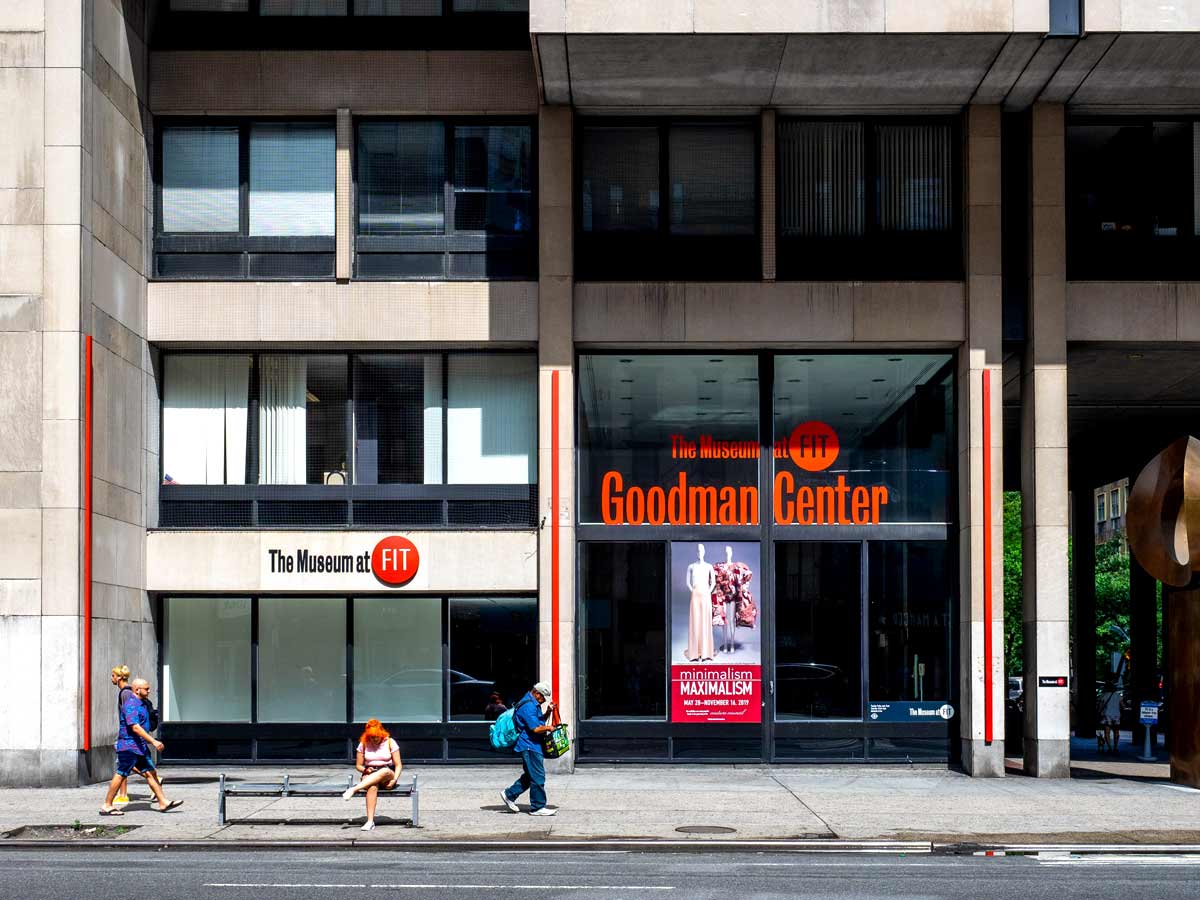
The Museum at FIT is the New York fashion secret that somehow never gets the tourist foot traffic it truly deserves. The only museum in the city dedicated entirely to fashion, it is completely free, and under the directorship of historian Valerie Steele, it has built a permanent collection of over 50,000 garments with a focus on avant-garde work.
The space was an early champion of designers like Rei Kawakubo, long before the rest of the world caught on. The temporary exhibitions consistently punch above their weight, exploring the relationship between art and dress with scholarly rigor.
5. Cristóbal Balenciaga Museoa, Getaria
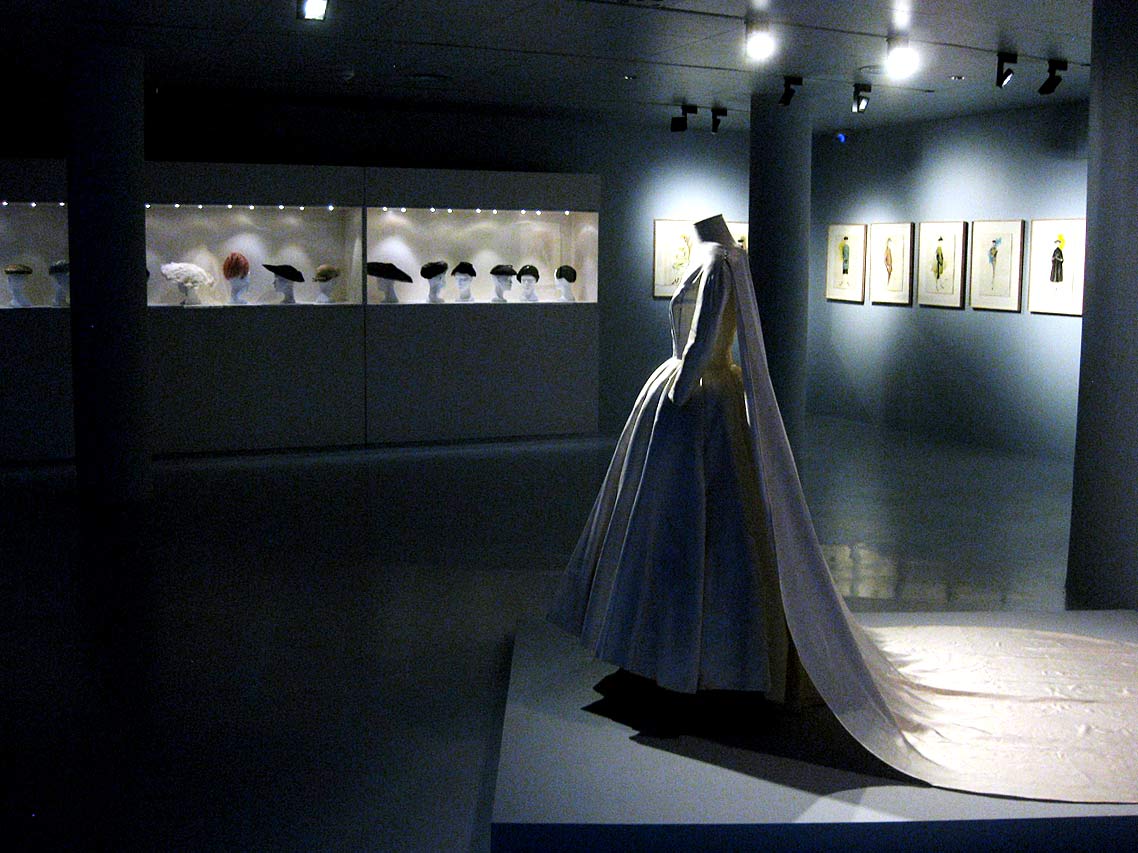
Getaria is a Basque fishing village in Spain, consisting of 2,500 people, quaint cobble-stoned streets, phenomenal local wine, and arguably the most extraordinary small fashion museum in the world.
The Cristóbal Balenciaga Museoa opened in 2011 as one of the world’s first museums dedicated to a single couturier. The striking contemporary extension sits beside the Aldamar Palace, closely tied to Balenciaga’s early life in Getaria, and the museum focuses as much on construction, materials, and technique as on spectacle.
Coco Chanel reportedly once said Balenciaga was the only true couturier because he alone could cut, assemble, and sew a garment entirely by hand. A visit makes you understand exactly what she meant.
6. MoMu, Fashion Museum Antwerp
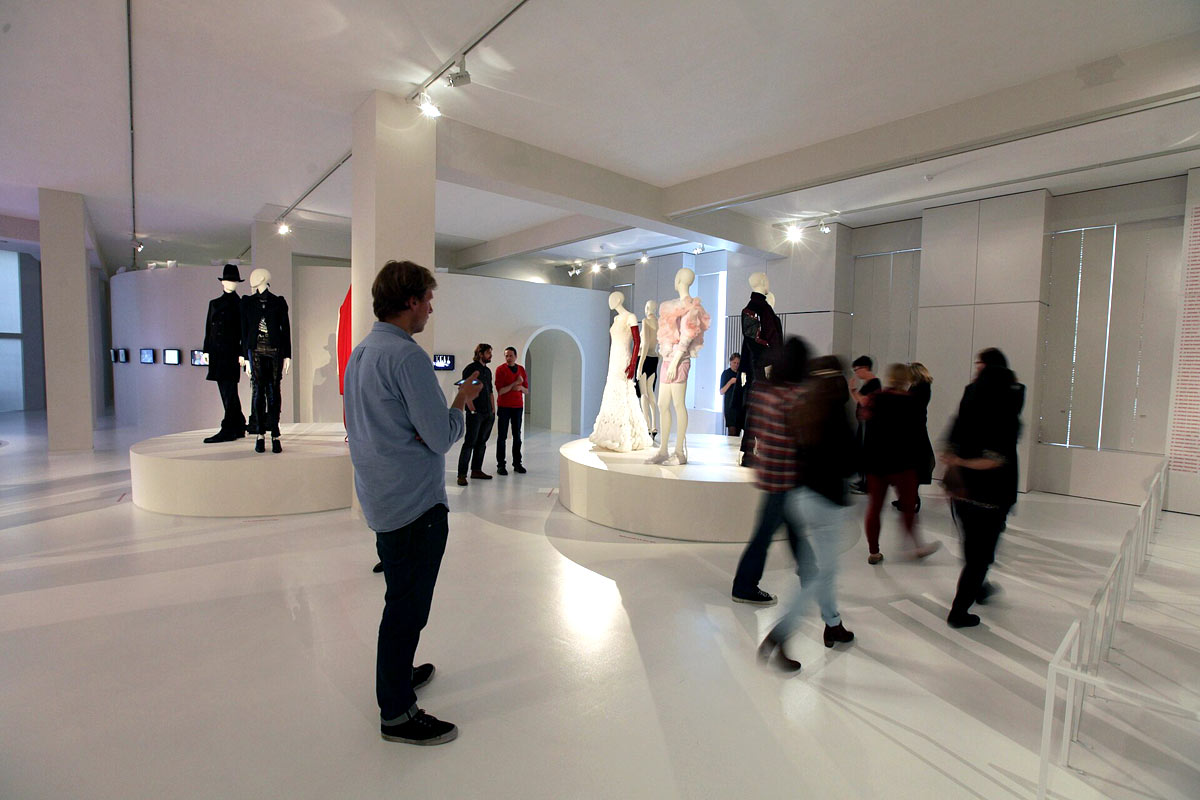
In the 1980s, a group of graduates from Antwerp’s Royal Academy of Fine Arts arrived in London and nearly revolutionized the rules of European fashion. Ann Demeulemeester, Dries Van Noten, Martin Margiela, Walter Van Beirendonck … the names alone constitute a world-class curriculum.
MoMu makes sense of that tradition, with immersive exhibitions that make other fashion museums look like they’re just hanging clothes on hangers. The museum holds the world’s largest collection of contemporary Belgian fashion, and its wider collection now totals more than 38,000 items. Each exhibition is built with distinctive scenography, so the space itself becomes part of the show.
7. The Kyoto Costume Institute (KCI), Kyoto
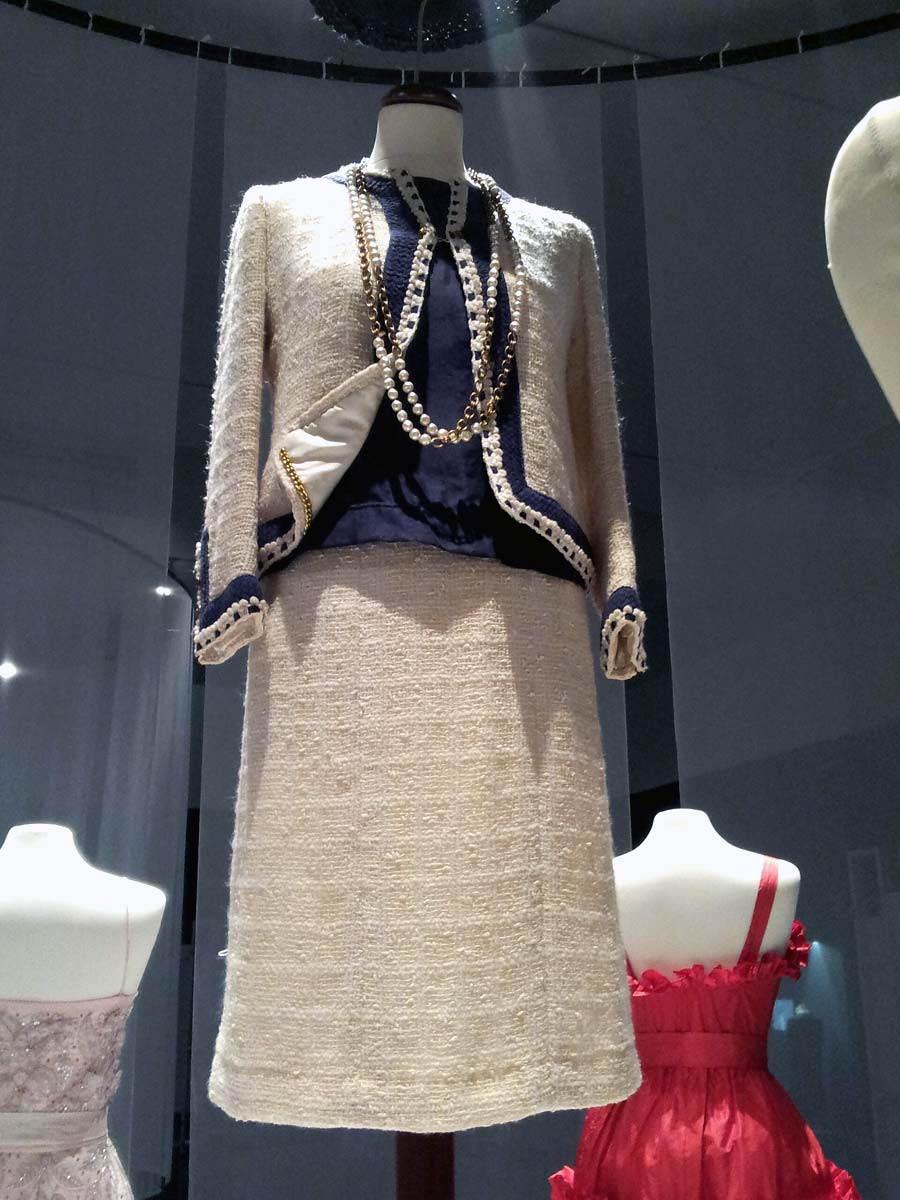
The Kyoto Costume Institute functions less like a conventional museum and more like one of the world’s great fashion research foundations. Founded in 1978 with support from Wacoal, it has built a collection of more than 13,000 Western garments from the 17th century to the present, including around 1,000 pieces gifted by Comme des Garçons.
Important parts of its work happen through research, publications, loans, and traveling exhibitions. In Kyoto itself, the KCI Gallery hosts small rotating displays selected from the collection rather than a large permanent public exhibition. Check the exhibition schedule before visiting and note that they frequently co-organize major shows elsewhere in Japan.
8. Bata Shoe Museum, Toronto
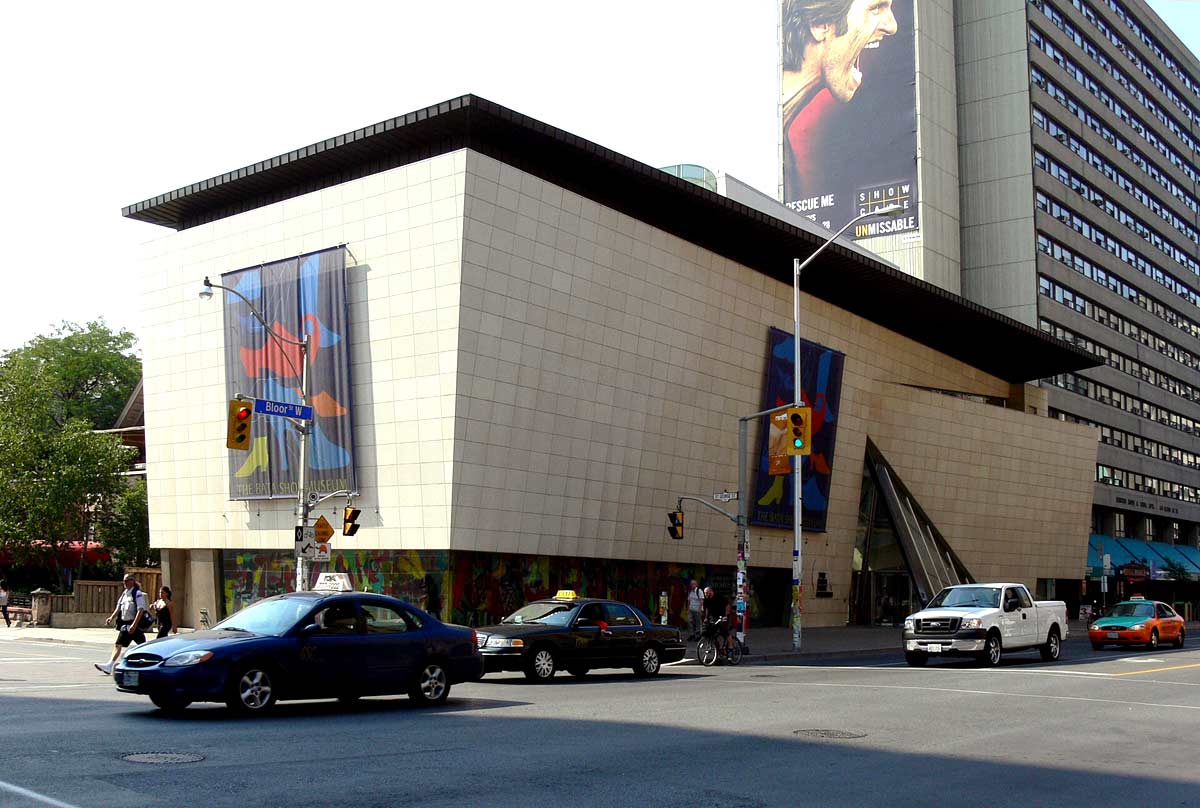
The Bata Shoe Museum is not really a museum about shoes, the way a car museum is about cars. It is a museum about the 4,500-year human story that shoes tell, about status, culture, gender, ceremony, and even power. The collection backs up its claims by holding nearly 15,000 exhibits, from ancient Egyptian sandals to Madonna’s red patent pumps.
Raymond Moriyama’s building looks like a giant shoebox, which is either a deeply satisfying visual pun or an exercise in deep literalism, depending on your mood.
9. Musée Yves Saint Laurent Marrakech
When Yves Saint Laurent first visited Marrakech in 1966, he described it as a paradise of color and light, and the city proceeded to reshape his entire aesthetic vocabulary.
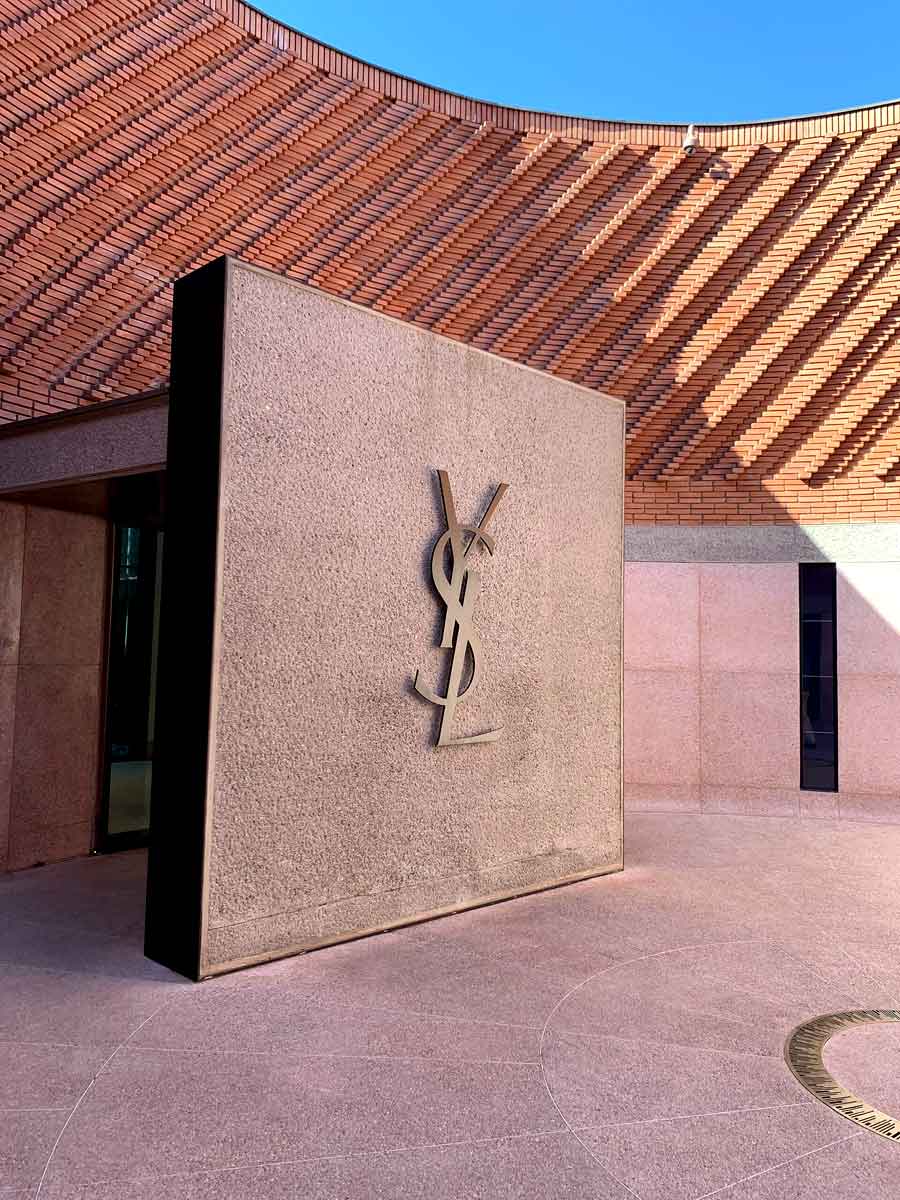
The Musée Yves Saint Laurent Marrakech, which opened in 2017 next to the Jardin Majorelle that Saint Laurent and Pierre Bergé rescued from demolition in 1980, is one of the most visually arresting museum buildings of its generation.
Studio KO wrapped the 4,000-square-meter (43,000-square-foot) building in terracotta brickwork inspired by woven fabric. Inside, the permanent exhibition rotates fifty pieces from the Yves Saint Laurent collection around themes such as Masculine-Feminine, Black, Africa and Morocco, Gardens, and Art.
10. Fashion and Textile Museum, London
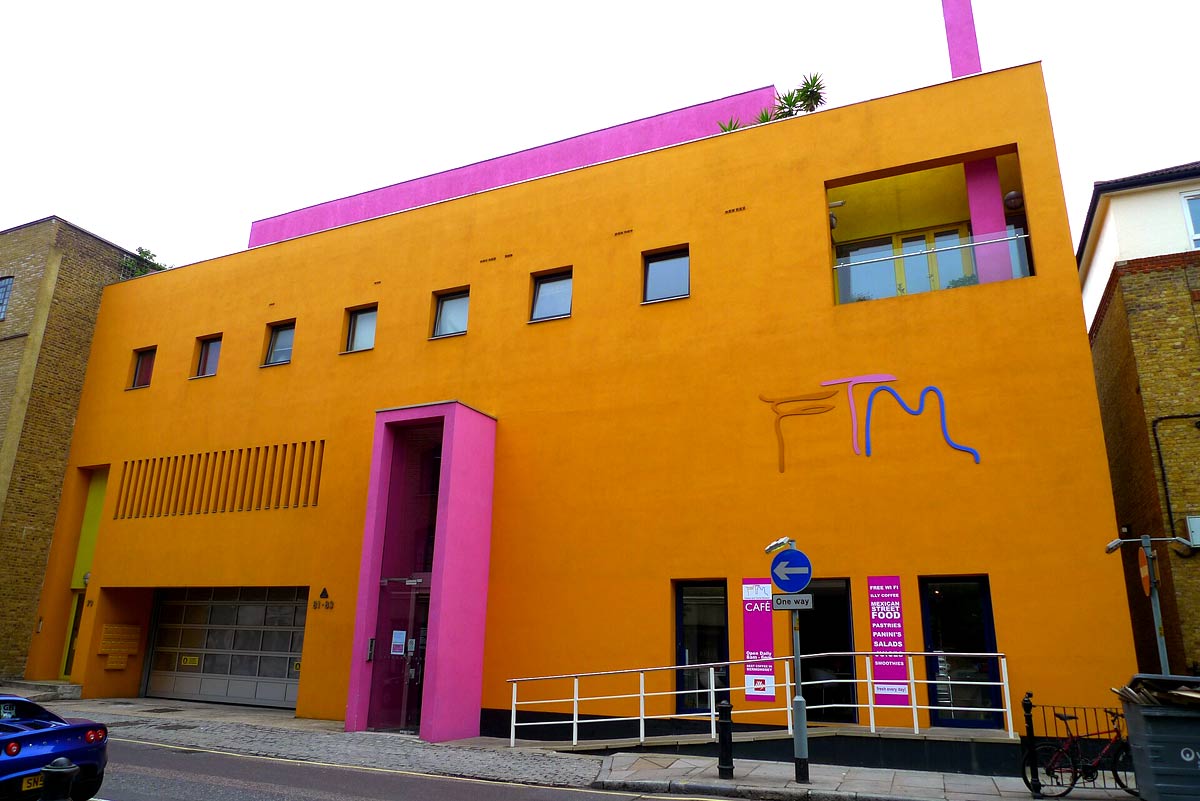
The Fashion and Textile Museum is the underdog on this list. It is smaller, less famous, hot pink and bright orange on the outside, and it makes the list precisely because of those qualities.
Founded by Zandra Rhodes in 2003, the Fashion and Textile Museum is the UK’s only museum devoted to contemporary fashion and textile design. Rather than relying on a large permanent display, it runs a changing program of exhibitions that often gives postwar and contemporary material more room than larger encyclopedic museums do. The changing program has tackled everything from the history of the swimsuit to the legacy of Mary Quant with a refreshing willingness to take fashion seriously without solemnizing it.
Bermondsey Street has incidentally become one of London‘s more interesting cultural strips, and combining a visit with the neighborhood’s galleries and restaurants makes for a very enjoyable day out.
A Few Things Worth Knowing Before You Go
Note that most fashion museums keep light levels quite low to protect the delicate, fragile fabrics. For the same reason, many also restrict photography because flash can degrade silk and dyes over time. If you allow your eyes to adjust to the indoor ambient light, then you’ll see considerably more. Also, the major exhibition catalogs produced by the Costume Institute and the V&A are extraordinary books in their own right, available secondhand for very little money.
Fashion museum catalogs make for fantastic souvenirs and are about the only ones you can be sure won’t break on the trip back home.