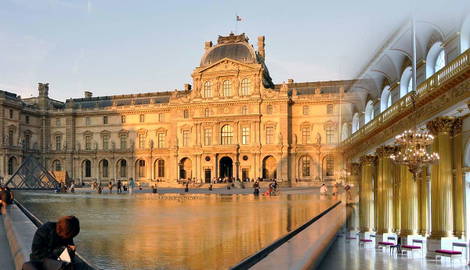

Here’s a question nobody can quite answer: What is the Louvre worth? Or the Smithsonian? The Vatican Museums? Go ahead and ask an expert. They’ll give you a number so large it stops making sense somewhere around the seventh zero. The insurance industry has to try, because someone has to. But the figures they arrive at are, in a very real sense, fiction. What follows is a portrait of the world’s wealthiest museums, where money becomes almost meaningless.
And where better to start than Paris? Because it’s always Paris.
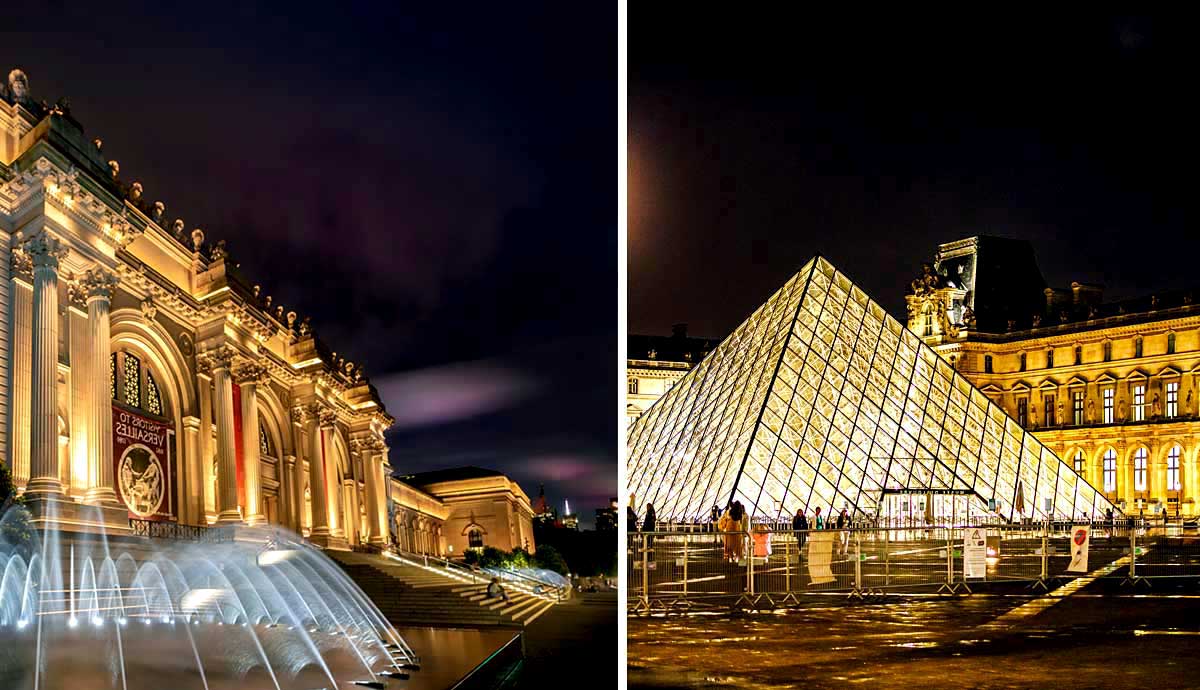
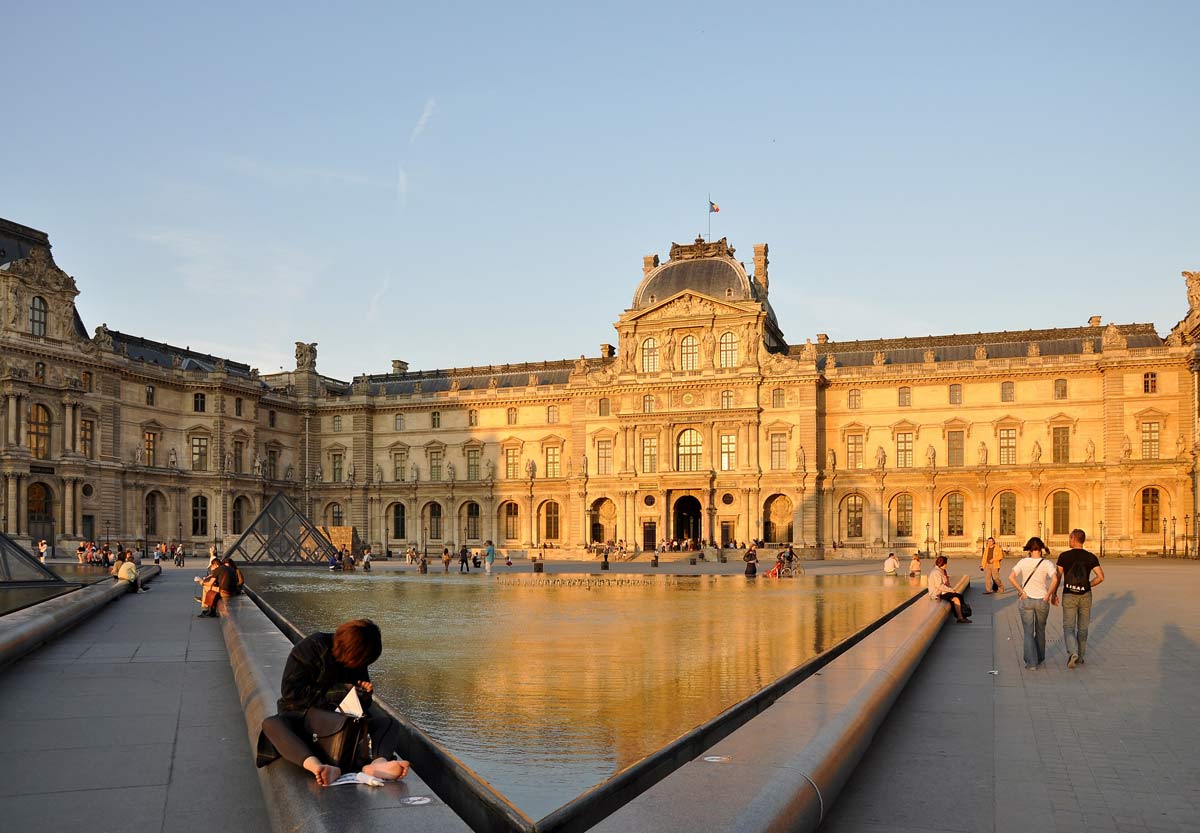
1. The Louvre, Paris
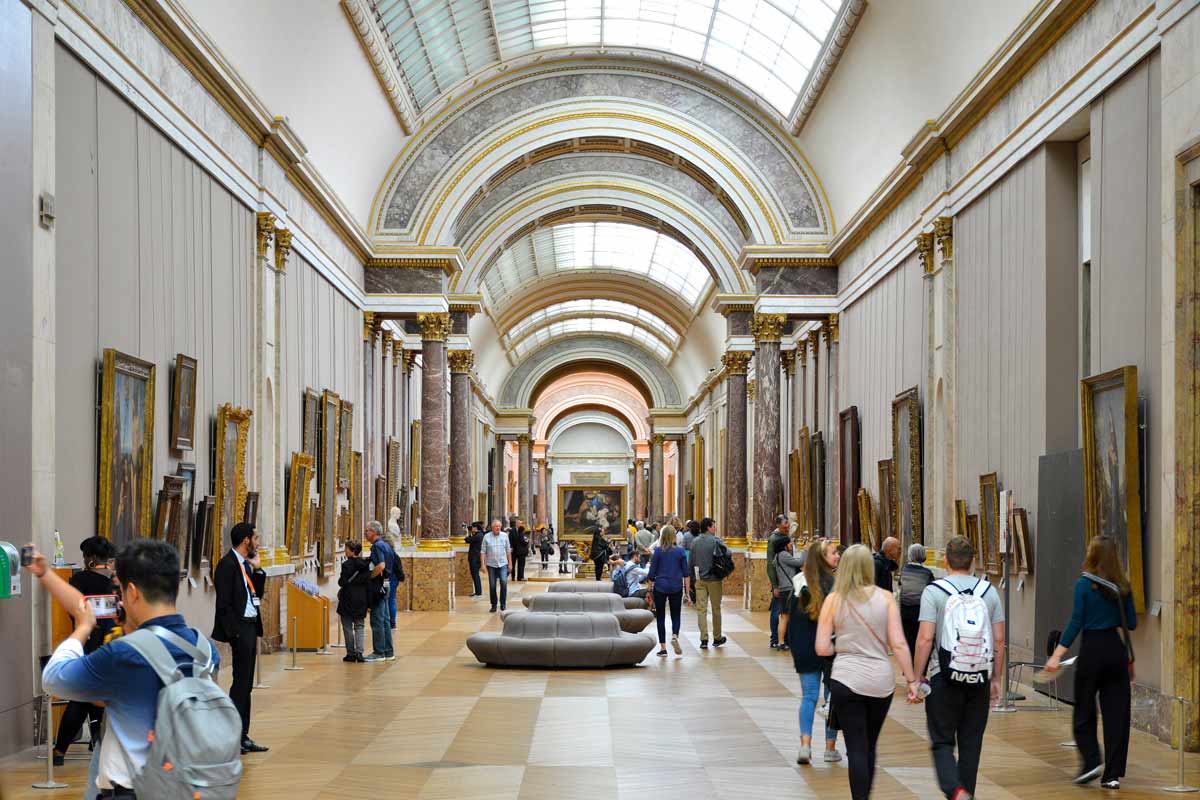
The Louvre is the most visited museum on the planet. Its collection runs to roughly 615,000 objects, of which only a fraction is on display at any one time. The insurance valuation of the contents alone, to the extent such a thing can be meaningfully calculated, is estimated to be around $35 billion, though that figure gets elastic fast depending on how you treat the paintings alone.
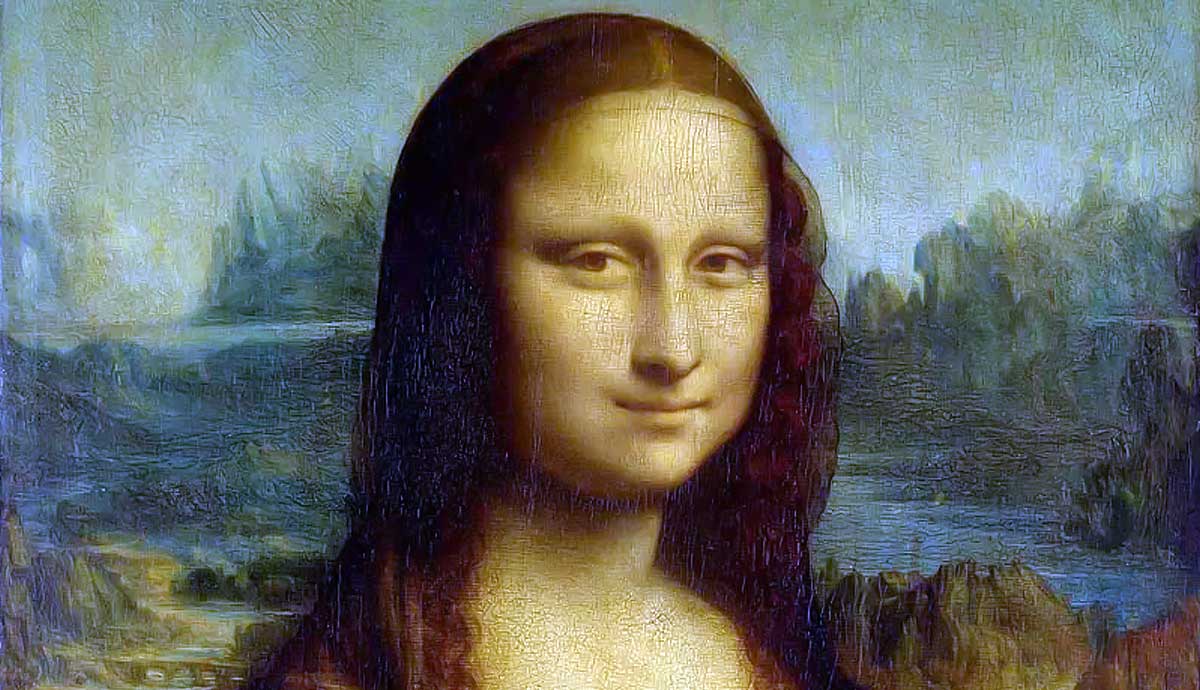
The Mona Lisa is the obvious place to start. Leonardo’s portrait of Lisa Gherardini has never been formally insured, because no insurer on earth would write the policy. In 1962, when it toured the United States, it was valued for indemnity purposes at $100 million, at the time the highest valuation ever placed on a work of art. Adjusted for inflation, it is around $1.1 billion today. Now, interestingly enough, a commercial insurance policy was never finalized because French national treasures are legally protected under state indemnity, meaning the government directly underwrites the risk.
Everything else radiates outward from that central impossibility. The Winged Victory of Samothrace. The Venus de Milo. Vermeer’s The Lacemaker. Caravaggio’s Death of the Virgin. Any one of those, taken alone, would be the prize jewel of almost any other institution in the world. Here, they’re just neighbors on a floor plan.
Fun fact: France operates a state indemnity system for its national collections, meaning the government itself underwrites the risk rather than handing it to private insurers. This is partly pragmatic (the premiums on commercial policies would be ruinous) and partly a statement about what the French state believes it owns. The Louvre belongs to France in a way that goes beyond ownership, which is, perhaps, exactly what makes valuing it so impossible. It is also the reason the latest theft cost the country more than anyone could ever estimate.
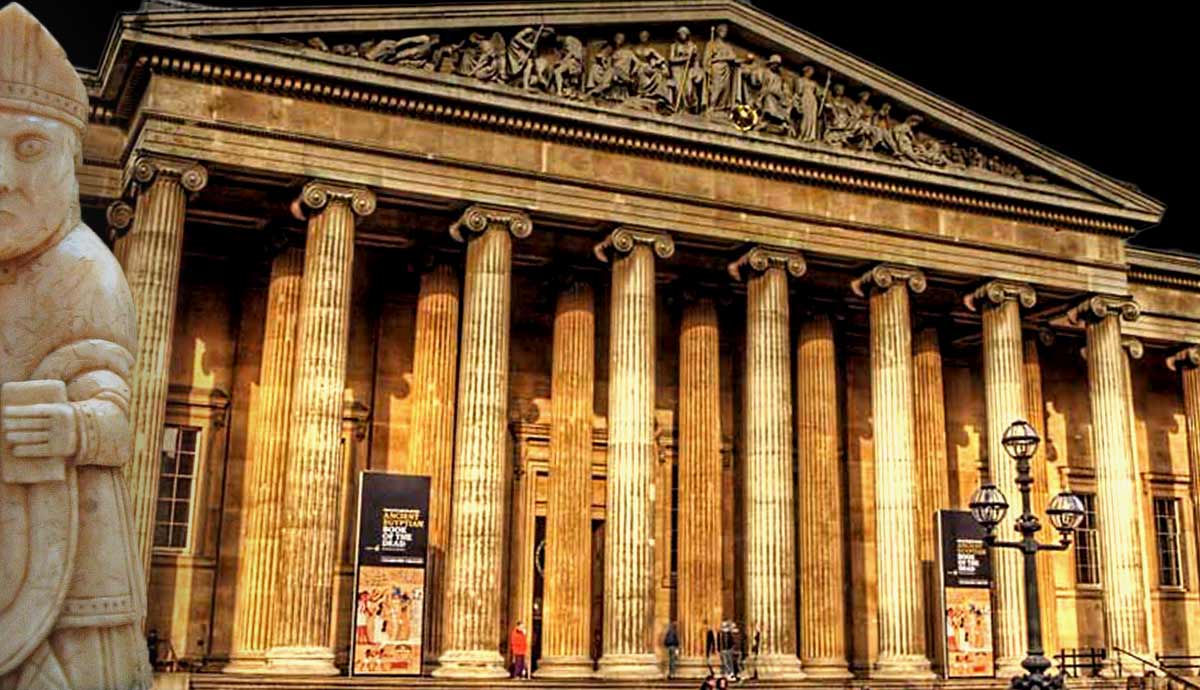
2. The British Museum, London
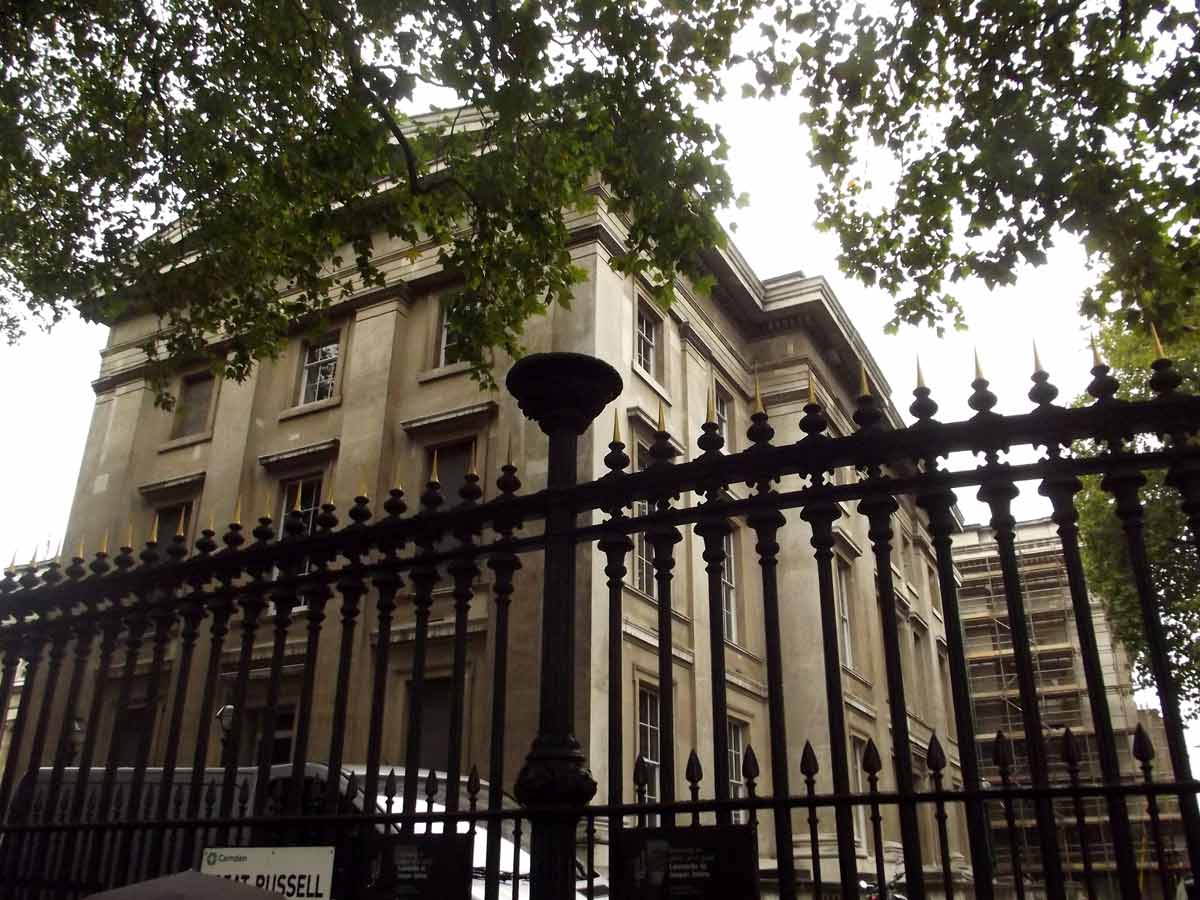
The British Museum has eight million objects in its collection, but only around 1% of those are on display at any one time. That means on any given day, roughly 99% of what it owns is in storage, in conservation, on loan, or simply waiting its turn to come out and play.
The Rosetta Stone sits in Room four and draws crowds that rival the Mona Lisa in their almost devotional intensity. The Elgin Marbles (still the subject of a geopolitical argument yet to be resolved) occupy a gallery designed specifically for them. The Lewis Chessmen, the Sutton Hoo helmet, and the Lindow Man. It’s as if the British Museum doesn’t just collect objects, it collects the stories that explain how our world got to be the way it is.
Putting a figure on all of this is, again, largely notional. The UK Government Indemnity Scheme covers loans to and from UK museums, and the British Museum’s holdings are considered national property, sitting outside the commercial insurance market in the same way the Louvre does.
3. The Vatican Museums, Vatican City
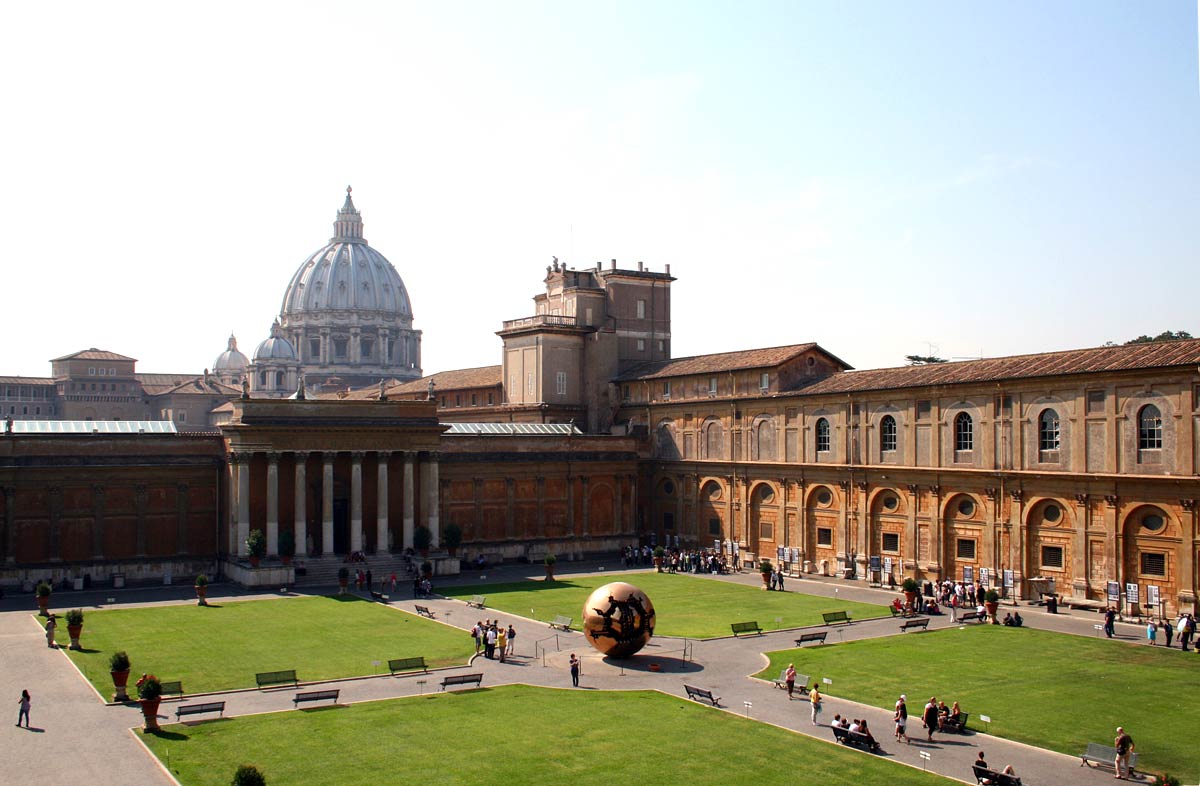
The Vatican’s collections may just be the hardest to value. They include not just art (the Sistine Chapel alone would dwarf most national collections) but relics, manuscripts, scientific instruments, historic maps, and papal regalia accumulated across 20 centuries of unbroken institutional continuity.
The Vatican has been collecting, more or less without interruption, since the 16th century. That’s quite the head start.
Michelangelo’s Sistine ceiling is the obvious anchor. Painted between 1508 and 1512, it covers roughly 5,000 square feet with scenes from Genesis so familiar they’ve become part of the visual vocabulary of Western civilization. It has no insurance value. Neither does the Last Judgment on the altar wall. Neither, for that matter, does the Belvedere Apollo, or the Laocoön and His Sons, or Raphael’s School of Athens, just along the corridor.
The Vatican is a sovereign state, which means it handles its own risk in ways that are entirely opaque to anyone outside. No public indemnity scheme, no published valuation, no annual report that says what any of this is actually worth. Estimates range from $10 billion to $50 billion at the conservative end, and stretch considerably higher depending on what you include and how you count. The manuscripts alone, held in the Vatican Apostolic Library, number 1.1 million printed books, 75,000 codices, and 8,500 incunabula.
4. The Smithsonian Institution, Washington, D.C.
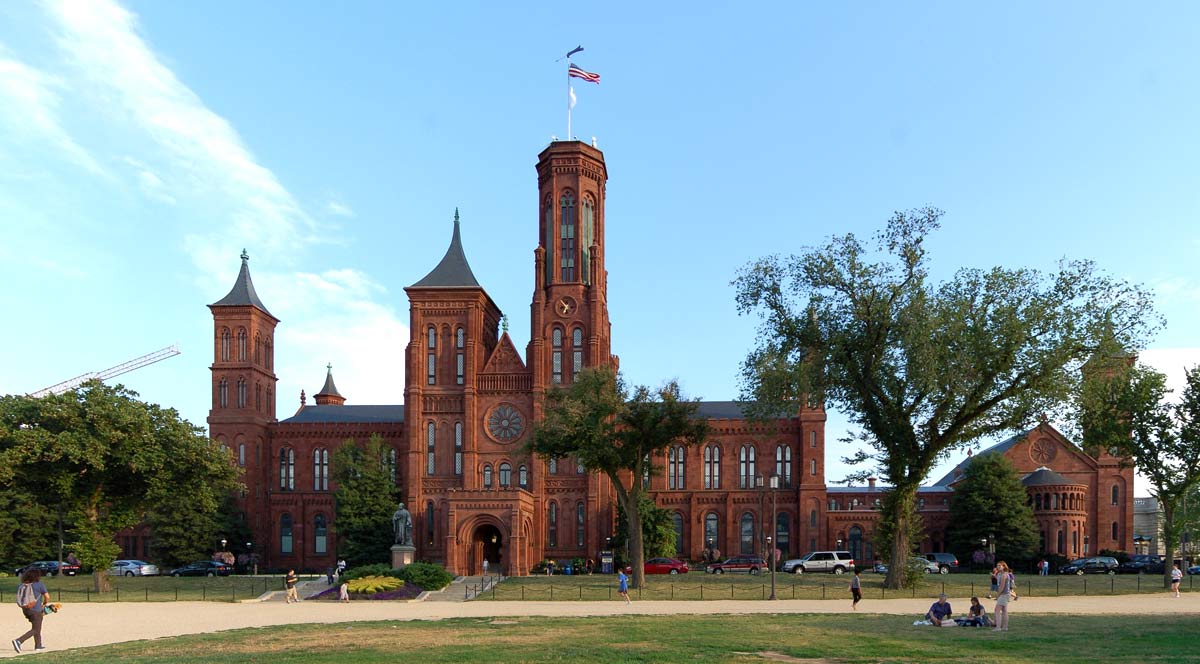
The Smithsonian is not actually a museum in the strictest sense. It is 21 museums, 21 libraries, 14 research centers, and a zoo, spread across Washington D.C., New York City, and several other locations.
Its combined holdings run to just under 160 million objects, specimens, and artifacts. By volume, it’s the largest museum complex in the world. And it is entirely free to enter (bar a few exceptions), which feels almost unreasonably generous once you understand what’s inside.
The range is enough to make you weak at the knees. The National Air and Space Museum holds the Wright Brothers’ Flyer and the Apollo 11 command module in the same building. The National Museum of Natural History contains the Hope Diamond, a 45.52-carat deep blue gem insured, during its travels, for $250 million, though specialists consider its true market value considerably higher. The National Portrait Gallery holds a portrait of George Washington painted from life. And the National Museum of American History is home to Julia Child’s kitchen. There is simply no way to put a number on that.
5. The State Hermitage Museum, St. Petersburg
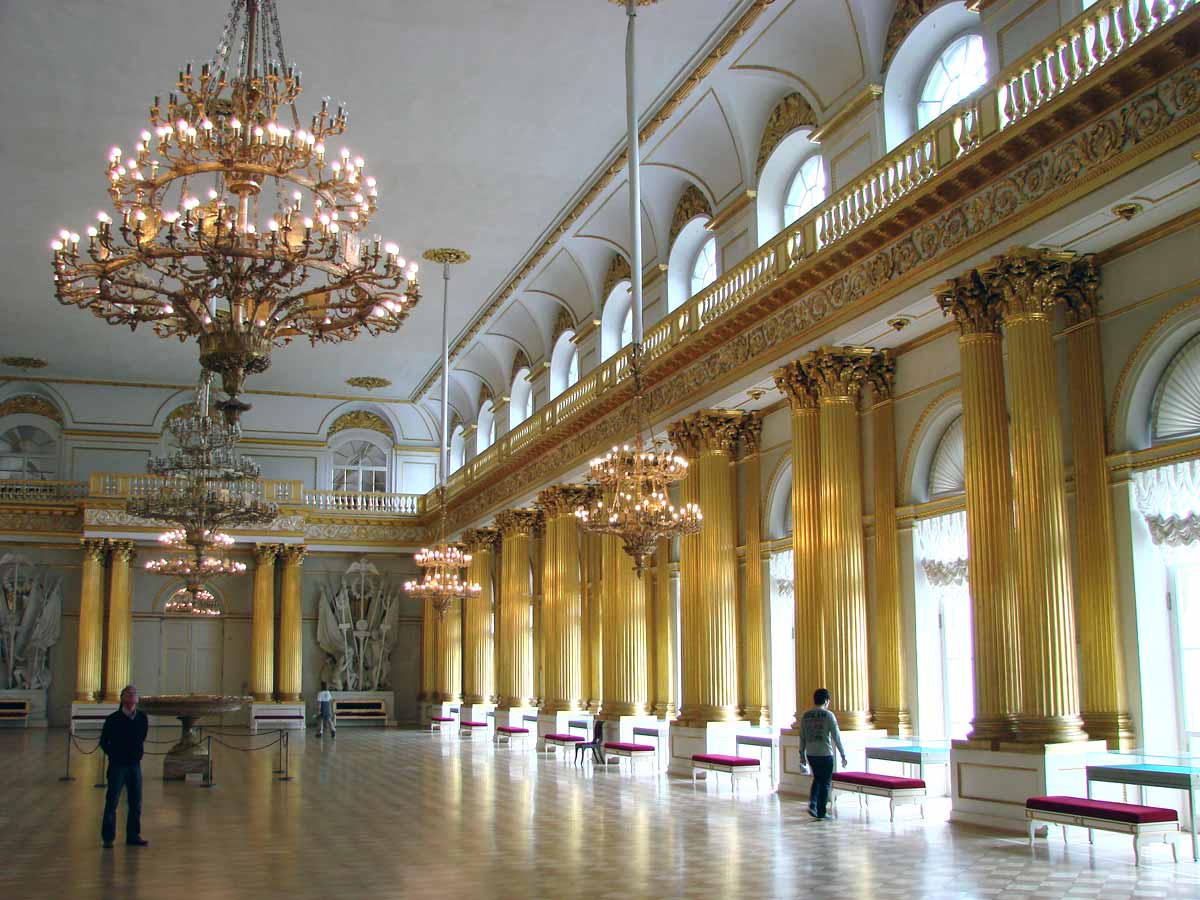
The Hermitage began as the private collection of Catherine the Great and has never really stopped growing. It now holds approximately three million objects across six historic buildings on the banks of the Neva, including the Winter Palace. By item count, it’s one of the largest art museums in the world. By sheer concentration of extraordinary things in a single complex, it has very few rivals.
The collection spans antiquity to the 19th century with a comprehensiveness that is almost dizzying. Its Rembrandt holdings are among the finest outside the Netherlands. Its Matisse and Picasso, acquired before those artists became astronomically expensive, are among the best collections of both in the world. Its Scythian gold, its ancient Greek ceramics, its medieval weaponry: the Hermitage accumulated all of this under a system that made no distinction between state property and imperial property, because there was no meaningful distinction to make in the first place.
Russia doesn’t publish insurance valuations for the Hermitage and is about as guarded as the Vatican. It is all state property, insured by the government in ways nobody on the outside even fully understands. External guesses, gathered from rare auction records and specialist assessments, might suggest a replacement value that runs somewhere between $27 billion and $40 billion. But that is only for the works on display alone. The full collection would obviously be considerably higher.
6. The Uffizi, Florence
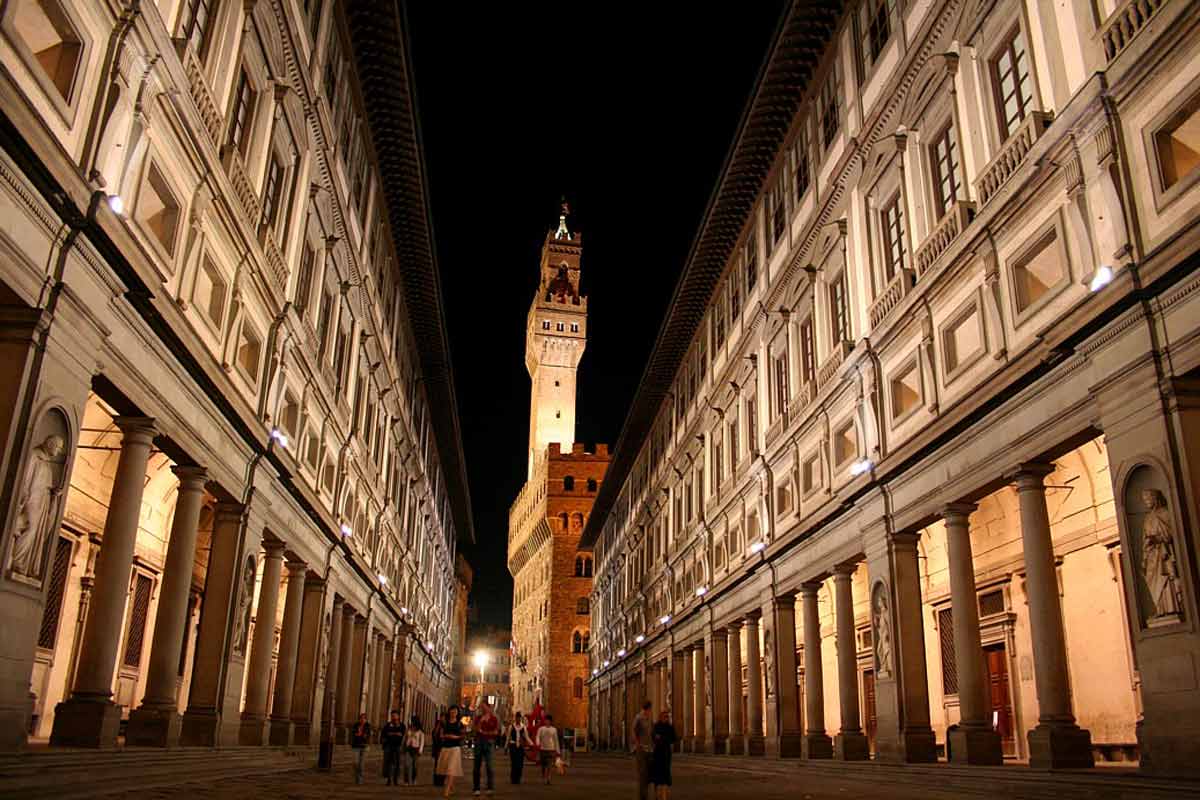
The Uffizi is the smallest museum on this list by floor space, and possibly the most concentrated by quality per square foot. It was built in the 16th century by Giorgio Vasari for Cosimo I de’ Medici as an administrative building (“uffizi” means offices, if you were wondering), and it has been exhibiting art since 1769. What it contains is essentially the material legacy of the Italian Renaissance, assembled by the family that funded much of that Renaissance in the first place.
Botticelli’s Birth of Venus and Primavera are here. So is Leonardo’s Annunciation, and his incomplete Adoration of the Magi. Raphael’s portraits of Leo X and Julius II. Titian’s Venus of Urbino. Caravaggio’s Bacchus. Michelangelo’s Doni Tondo. This is not a representative sample of Western art history. It is the room where Western art history actually happened.
Italy’s Ministero della Cultura operates an indemnity system for national collections, and the Uffizi’s holdings are valued for administrative purposes at figures that specialists in the art market tend to regard as cheerfully optimistic underestimates.
The full collection, some 20,000 works with around 2,000 on permanent display, is routinely described as incalculably valuable. That is the art world’s polite way of saying the numbers have stopped being useful.
Caveat on the Numbers
You’ll notice a few eye-watering value estimates in this list. They’re really best read as ballpark signals of scale, not hard accounting. Museums rarely publish total valuations of their own collections, and many are effectively self-insured by governments, which makes clean “insurance value” figures exceptionally difficult to pin down.
On top of that, some numbers floating around mix different things: the market value of a few famous works, the replacement cost of a single blockbuster loan, or a theoretical price tag for objects that would never legally be sold. So take the totals in this piece with a grain of salt. The real point is simpler: these collections hold an overwhelming concentration of cultural and historical value, and the logistics of protecting them are as extraordinary as the objects themselves.