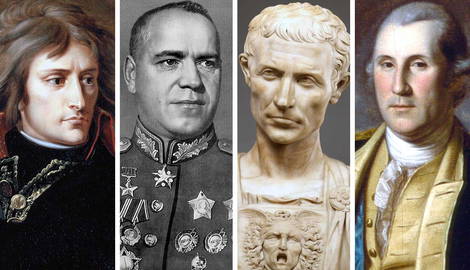
Throughout the course of world history, talented generals have been celebrated for their prowess on the field of battle. Since victory on the battlefield does not guarantee long-term success, the true mark of greatness for a general is to achieve success in wars and campaigns that make a lasting impact on the history of the world.
1. Khalid ibn al-Walid
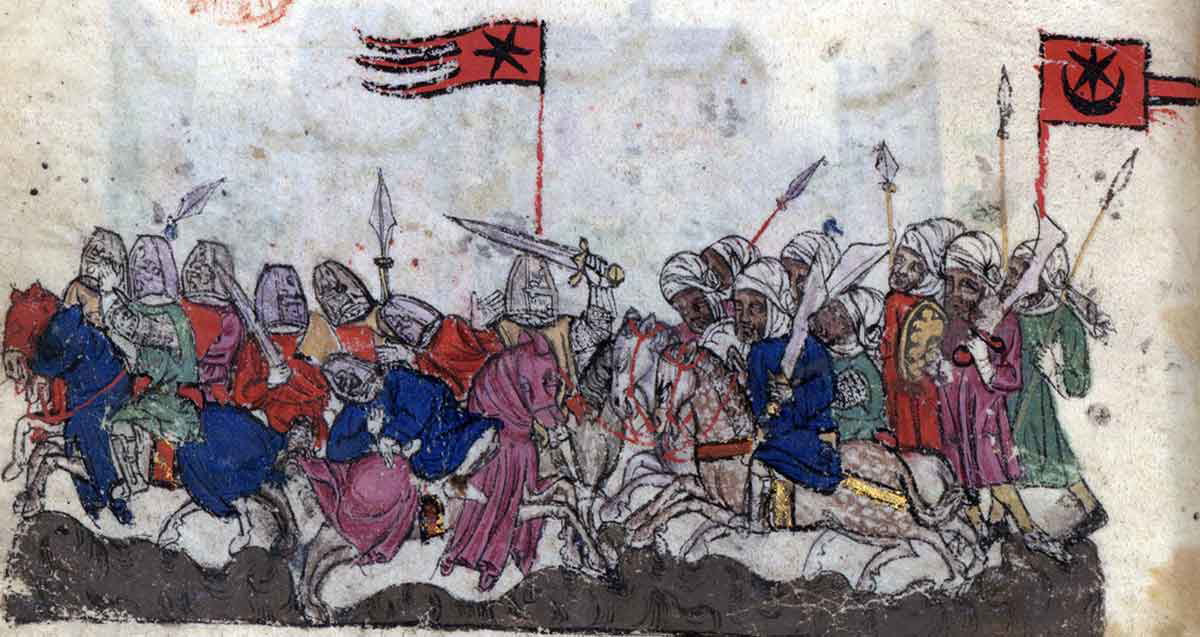
The Arab Conquests of the 7th century CE transformed the map of the world and marked the transition from Late Antiquity to the Early Medieval world. After the Arab tribes were united under the banner of Islam by the Prophet Muhammad, within a century of the Prophet’s death Arab armies created a vast empire across three continents from Portugal to Afghanistan.
An important stage of the Arab expansion were the victories over Sasanian and Byzantine armies in Iraq and Syria in the 630s. These campaigns have traditionally been credited to Khalid ibn al-Walid, a talented military commander nicknamed the ‘Sword of Allah.’
Born in the late 6th century into the Quraysh tribe that ruled Mecca, Khalid first entered the historical record when he defeated a Muslim army led by Muhammad at the Battle of Uhud in 625. After converting to Islam in around 629, Khalid led Muslim armies and participated in the conquest of Mecca at the end of the year.
Following Muhammad’s death in 630, Khalid served under the caliphs Abu Bakr and Umar. After defeating a series of Arab rebellions to Muslim rule in the Ridda Wars, Khalid led victorious campaigns into Iraq (633–634) and Syria (634–638). His greatest tactical success came at the Battle of Yarmouk in 636, when he defeated a much larger Byzantine army by holding on to a strong defensive position while sending his cavalry to weaken the enemy ranks, eventually forcing it to rout. Despite his military prowess, Khalid fell from favor in the late 630s and died in 642 CE, though he remains a heroic figure in the history of Islam, and is recognized as one of the greatest military commanders in history.
2. Subutai
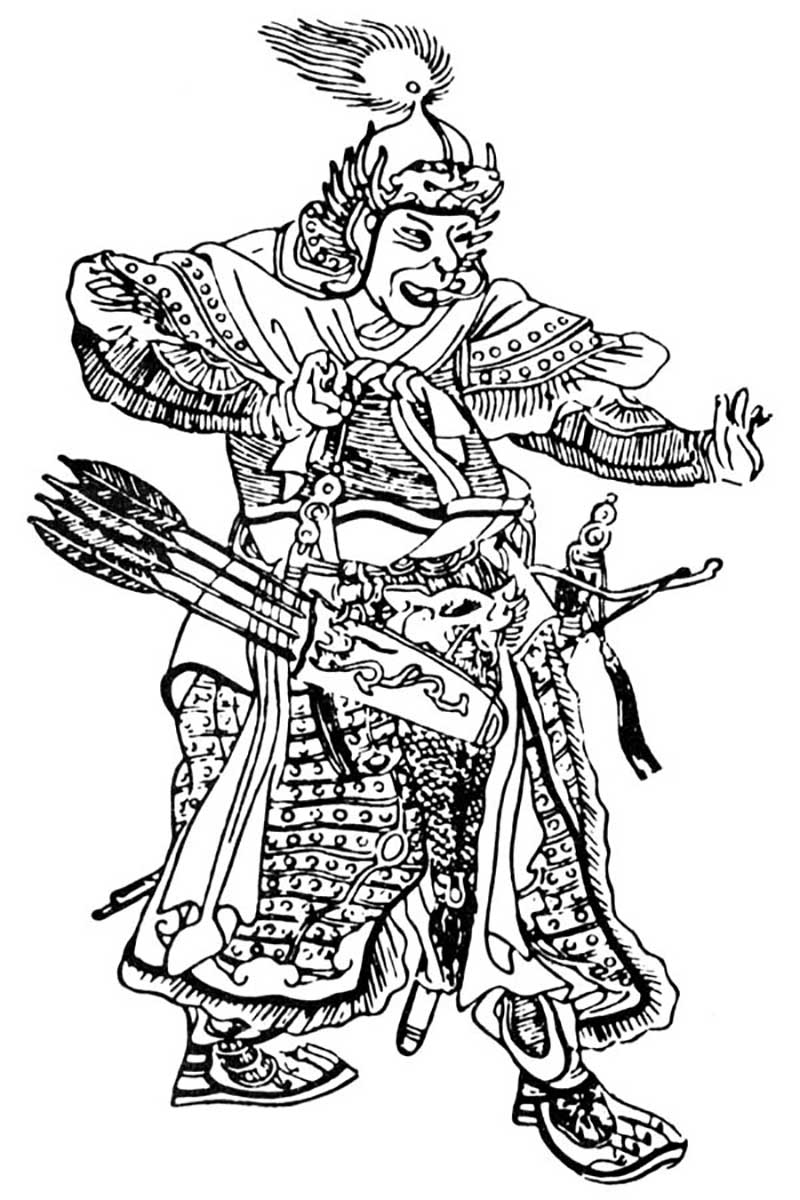
After Genghis Khan united the Mongolian tribes in the early 1200s, the Mongols burst onto the global stage and created the largest contiguous empire in world history, uniting East and West under the Pax Mongolica.
While Genghis had many formidable warriors at his disposal, his most talented commander was Subutai, one of his four Dogs of War. A master of maneuver warfare, during the 1210s Subutai formed a legendary partnership with fellow general Jebe in campaigns against the Jurchen Jin and the Western Xia empires in northern China.
In the late 1210s, Subutai held independent command against the Merkits, a Mongolian tribe who opposed Genghis’ rule and fled westwards towards Central Asia. After subduing the Merkits, Subutai participated in the conquest of the Khwarazmian Empire. Rather than returning east with Genghis, he and Jebe launched a famous Great Raid across the Caucasus into present-day Russia. The three-year campaign between 1220 and 1223 struck fear into the princes of Medieval Rus’ and brought valuable intelligence about Eastern European peoples.
Following Genghis’ death in 1227, Subutai continued to serve with distinction under Great Khan Ögedei. In the early 1230s, he led a campaign in northern China that resulted in the extinction of the Jin empire in 1234. Between 1236 and 1240, he masterminded Batu Khan’s campaign to conquer the Rus’ and establish the Golden Horde.
The Mongol armies continued westwards, and Subutai defeated the Hungarians at the Battle of Mohi in 1241. News of Ögedei’s death forced Subutai to return east, offering the European powers a vital lifeline. The great general led a final campaign against the Song Dynasty prior to his death in 1248. His son Uriyangkhadai and grandson Aju continued to lead Mongol armies with great distinction in China.
3. Han Xin
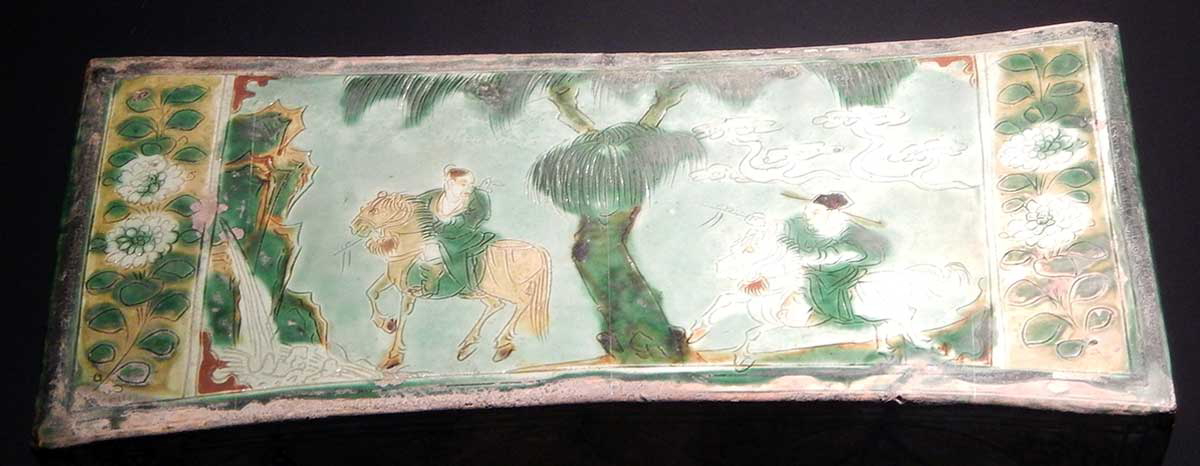
Although Qin Shi Huangdi is usually credited with the unification of China in 221 BCE, the Qin Empire’s collapse shortly after the First Emperor’s death in 210 left China divided again. It was only after the reunification of China by Liu Bang, founder of the Han Dynasty, that a united Chinese empire became the norm that succeeding dynasties aspired to.
In order to take power, Liu Bang was forced to challenge Xiang Yu, one of the most formidable warriors in Chinese history. When Liu led a Han army against Xiang’s capital of Pengcheng in April 205, he was soundly defeated and escaped with a handful of men.
A crucial factor in Liu’s ultimate victory was his general Han Xin, whom he appointed commander-in-chief on the advice of his chancellor Xiao He. Han devised the strategy that enabled the Han armies to conquer the strategic Guanzhong region in 206 BCE.
After Liu Bang’s defeat at Pengcheng, Han Xin led a large Han army to subdue the kingdoms of northern China, defeating Wei at the Battle of Anyi in August 205, Zhao at Jingxing Pass in October, and Qi at the Wei River in November 204. These victories enabled the Han to recruit larger numbers of men, a crucial advantage as Liu Bang prepared for his final confrontation with Xiang Yu.
In January 202, three Han armies converged on Xiang Yu and brought him to battle at Gaixia. Han Xin exploited his numerical superiority to gain victory. After making a legendary final stand, Xiang Yu took his own life, enabling Liu Bang to become emperor.
Liu Bang recognized Han Xin’s exploits by granting him the kingdom of Qi and the kingdom of Chu. However, the general was executed in 197 BCE after being suspected of plotting a rebellion against the emperor.
4. Julius Caesar
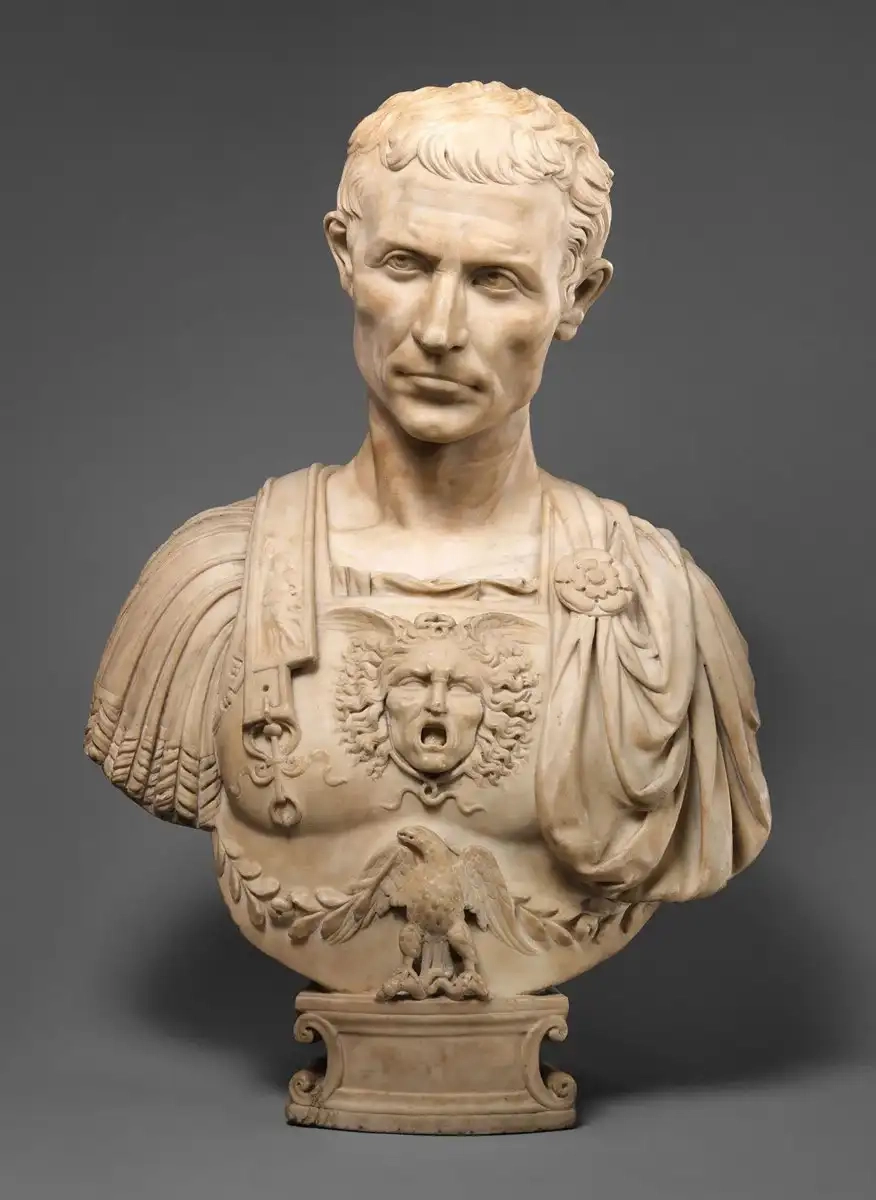
Gaius Julius Caesar is one of the most famous names in Roman history. Born in 100 BCE into a prominent aristocratic family closely connected to the statesman Gaius Marius, Caesar began his military career in present-day Anatolia. He rose up the political ranks during his 30s, becoming pontifex maximus or chief priest in 63 BCE.
After becoming consul in 59 BCE, Caesar brokered an informal alliance with Pompey the Great and Marcus Licinius Crassus known to history as the First Triumvirate. Caesar went on to command Roman armies in the Gallic Wars between 58 and 50 BCE, which he documented in his Commentarii de Bello Gallico.
Although his legions suffered several defeats, Caesar emerged triumphant at the Siege of Alesia in September 52 BCE. He demonstrated his military genius by building a palisade wall to prevent the Gallic chieftain Vercingetorix from breaking out, before building a second wall to keep out an enemy relief force. The victory broke the back of Gallic resistance and secured Roman rule over present-day France.
Caesar’s success in Gaul challenged the power of Pompey, who refused to allow him to bring his army into Rome to celebrate his triumph. Caesar defied Pompey by crossing the Rubicon River, initiating a civil war that resulted in his decisive victory over Pompey at the Battle of Pharsalus in 48 BCE.
Victory at Pharsalus enabled Caesar to consolidate power in Rome, and he was named dictator for life in February 44 BCE. In March, he was famously assassinated by a group of senators. The conspirators were defeated by Caesar’s lieutenant Mark Antony and his great-nephew Octavian, who in 27 BCE became Augustus, the first Roman emperor. Although Caesar himself was never emperor, his name was adopted by future emperors of Rome, as well as German kaisers and Russian tsars.
5. Georgy Zhukov
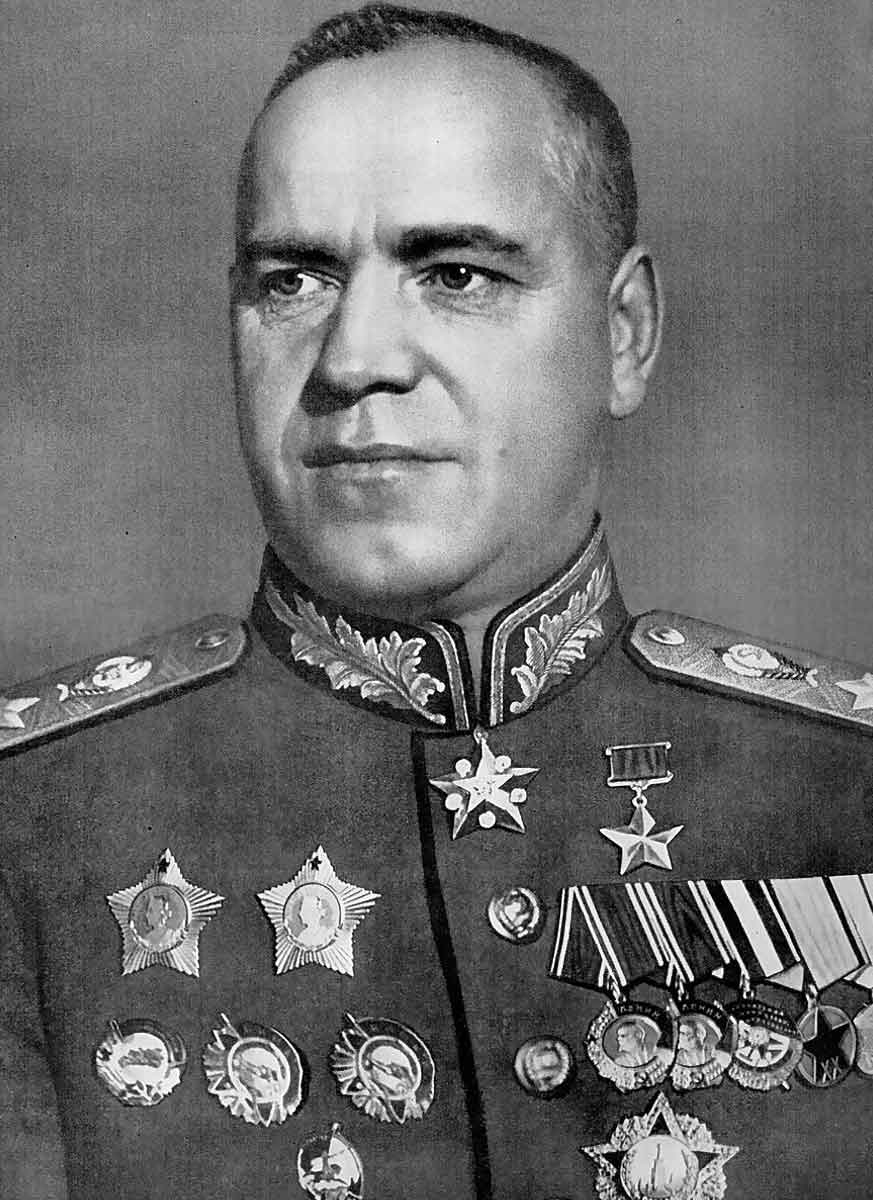
The Allied victory over the Axis Powers in World War II resulted in the defeat of German and Italian Fascism in Europe and Japanese imperialism in Asia. Victory was a joint effort led by the United States, Soviet Union, the United Kingdom, and China, and cannot be attributed to a single individual. Nevertheless, Soviet commander Georgy Zhukov was one of the most talented and impactful generals of the Second World War.
After being conscripted into a Russian cavalry regiment In 1915 during the First World War, Zhukov joined the Communists after the Bolshevik Revolution. He rose rapidly in the ranks of the Red Army during the Russian Civil War and continued his ascent in the 1930s after Stalin purged the officer class of the Red Army.
In May 1939, with Japanese advances in the Second Sino-Japanese War threatening Soviet interests in Mongolia, Zhukov took command of Soviet-Mongolian forces engaged with the Japanese at the river of Khalkhin Gol. After suffering heavy casualties, Zhukov launched a counterattack on August 20 with 50,000 men supported by artillery and over 500 aircraft. After engaging the Japanese center, Zhukov sent his tanks around both flanks to encircle the enemy in a double envelopment maneuver reminiscent of Hannibal’s victory over the Romans at Cannae.
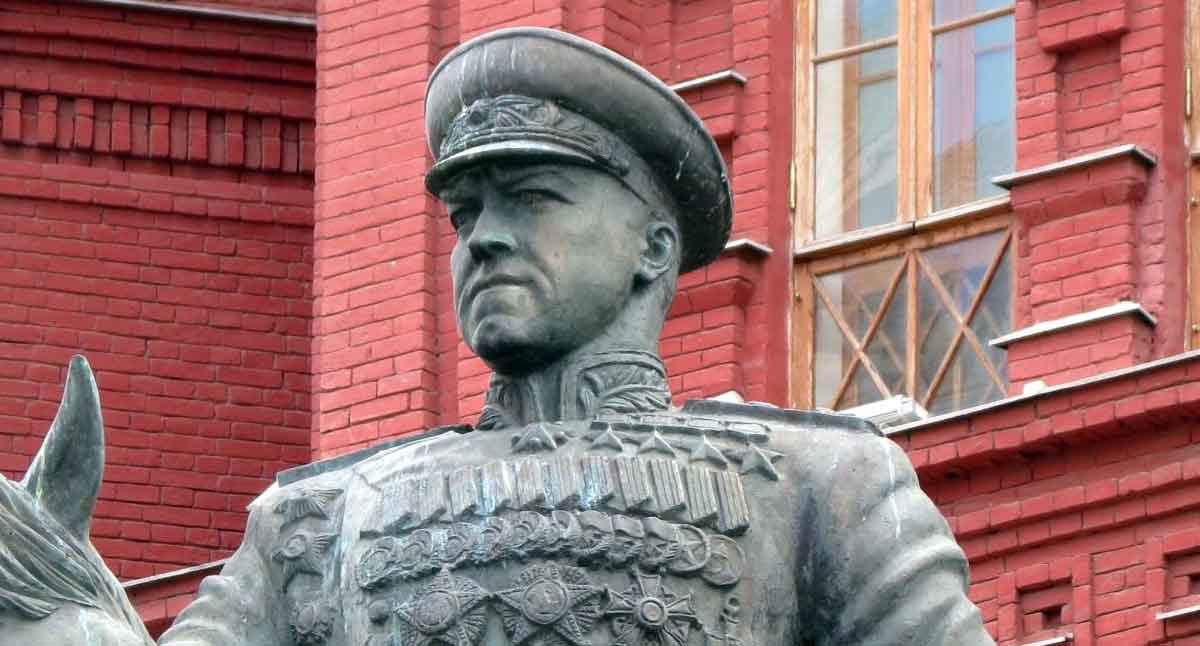
Zhukov was promoted to general after his victory at Khalkin Gol. The battle also marked the end of Japan’s westward push and resulted in the Japanese military redirecting its resources towards China and Southeast Asia, indirectly leading to the attack on Pearl Harbor and US entry into the Second World War.
In the meantime, despite briefly losing Stalin’s favor after Hitler launched Operation Barbarossa in June 1941, Zhukov led successful counterattacks west of Moscow that saved the Soviet capital from German occupation. He was also involved in coordinating the Soviet defense of Leningrad and planned the Soviet counteroffensive at Stalingrad in late 1942 that marked the decisive turning point of the war on the Eastern Front.
In the summer of 1943, Zhukov was instrumental in planning the Battle of Kursk, an important Soviet victory known for being the largest tank battle in world history. He played a leading role in the liberation of Ukraine and Belarus and received Germany’s surrender in Berlin.
After Stalin’s death in 1953, Zhukov led a coup to bring down Lavrenty Beria, the notorious Minister of the Interior, facilitating Nikita Khrushchev’s rise to power. He was appointed minister of defense in 1955 and supported Khrushchev’s denunciation of Stalin but fell from grace himself in 1957.
6. George Washington
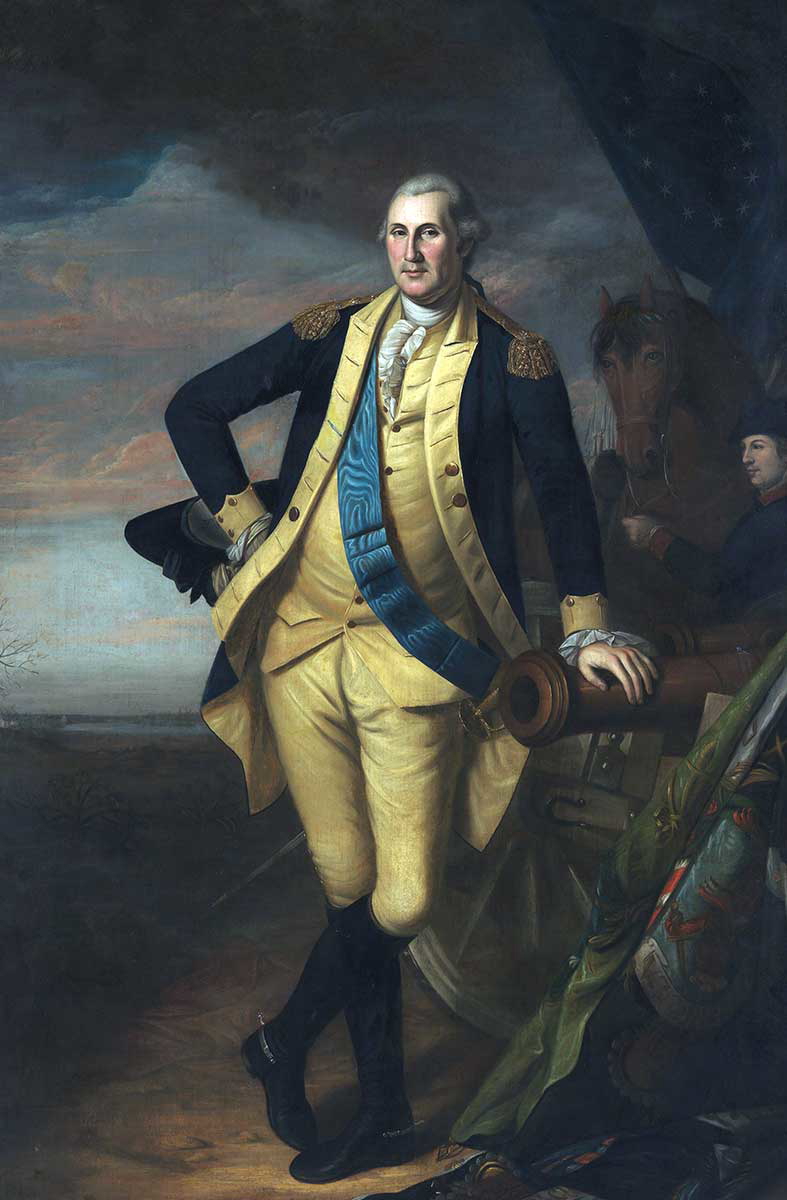
The United States has been the world’s leading superpower since the end of the Second World War. While America’s rise as a continental power was facilitated by its westward expansion through the Louisiana Purchase and the Mexican-American War, none of this could have happened without its successful struggle for independence from British rule.
The United States owes its independence primarily to the exploits of George Washington’s Continental Army, established by the Second Continental Congress in June 1775. Washington’s inexperienced army faced long odds against British regulars supported by German mercenaries. Although Washington took control of Boston in early 1776, defeat at the Battle of Long Island in August resulted in the loss of New York.
Employing a Fabian strategy, Washington recognized that he could keep the cause of independence alive if his army, however small, could remain on the field. To offset the demoralizing effect of withdrawing against the enemy, Washington seized opportunities to strike at the enemy when he had a numerical advantage. A celebrated example was his crossing of the Delaware on Christmas night 1776 to defeat Hessian mercenaries at the Battle of Trenton.
Washington’s Continentals struggled in pitched battle, and defeat at the Battle of Brandywine in September 1777 resulted in the British occupation of Philadelphia, the seat of the Continental Congress. Washington’s men were forced to survive a harsh winter at Valley Forge, where the commander’s presence alone prevented the army from melting away.
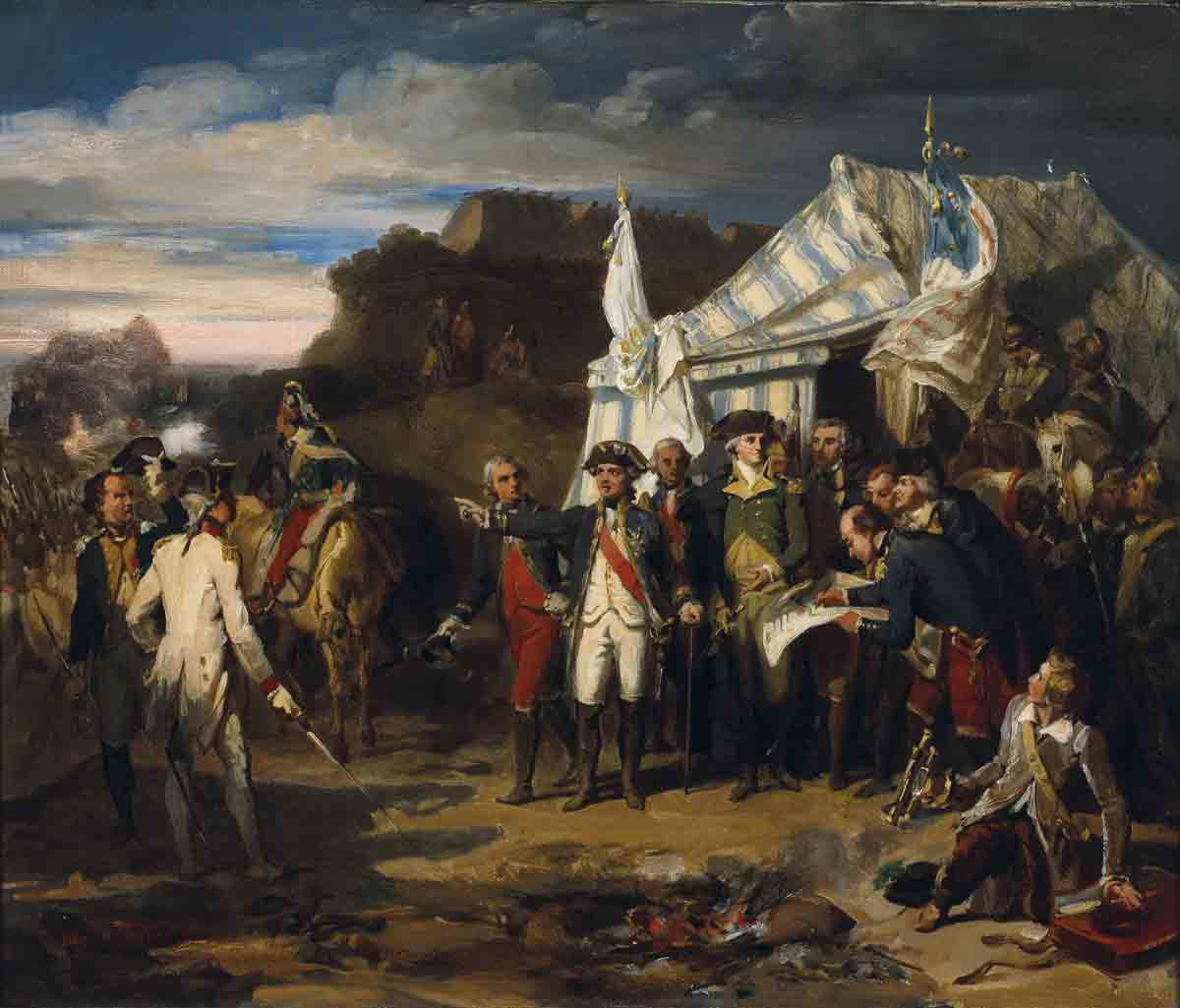
While Washington’s tenacity kept the cause of American independence alive, the Continental Army could not achieve final victory on its own. At the decisive Siege of Yorktown in October 1781, Washington received support from the Comte de Rochambeau’s French Army and Admiral de Grasse’s fleet to seal the fate of Lord Cornwallis’ garrison.
After the war, Washington relinquished command of the Continental Army and retired to his estate at Mount Vernon. However, he was persuaded by his friend Alexander Hamilton to chair the Constitutional Convention of 1787 that strengthened the powers of the US federal government. He served as the first president of the United States under the new constitution between 1789 and 1797, establishing an important precedent by retiring from office after two terms.
While Washington may not have been as distinguished a battlefield commander in comparison to the other men on this list, his military leadership and statesmanship makes him not only one of the most impactful generals in world history, but a historical leader who changed the world forever.
7. Napoleon Bonaparte
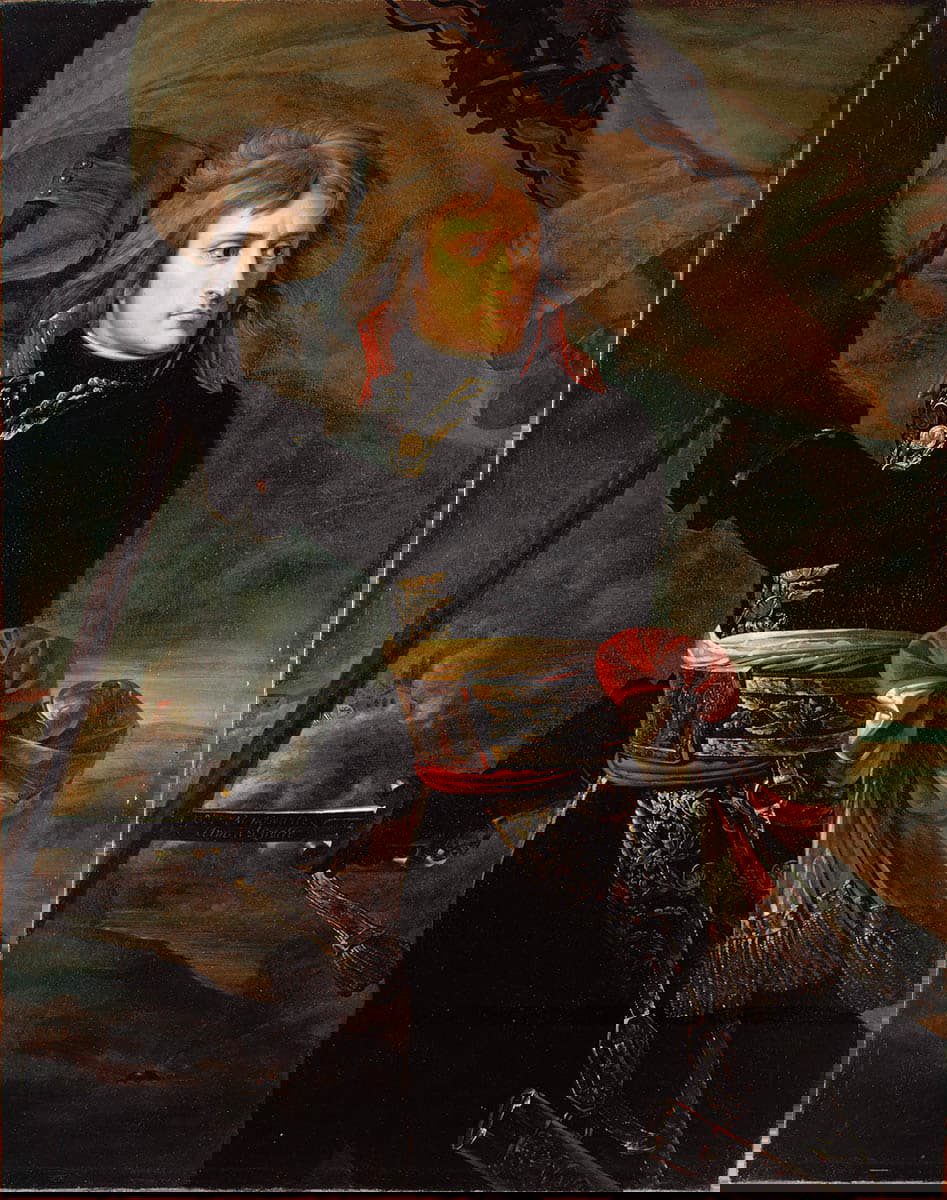
Napoleon Bonaparte gave his name to the Napoleonic Wars which stormed Europe in the early 19th century and laid the foundations of modern Europe. Born in Corsica into minor nobility in 1769, he made his name during the French Revolution by crushing a Royalist uprising in 1795 and defeating the Austrians in Italy in 1796.
Bonaparte’s fame saw him lead the Coup of 18 Brumaire to take control of the French government in November 1799. After consolidating power, he crowned himself emperor in 1804. In 1805, after abandoning his planned invasion of Britain, he led a lightning march across Europe to force the surrender of Austrian General Mack at Ulm, before achieving the greatest victory of his career over an Austro-Russian army at the Battle of Austerlitz in December 1805. After relinquishing the high ground, Napoleon enticed his foe into attacking his right flank in force before launching a decisive counterattack to break through the weakened enemy center.
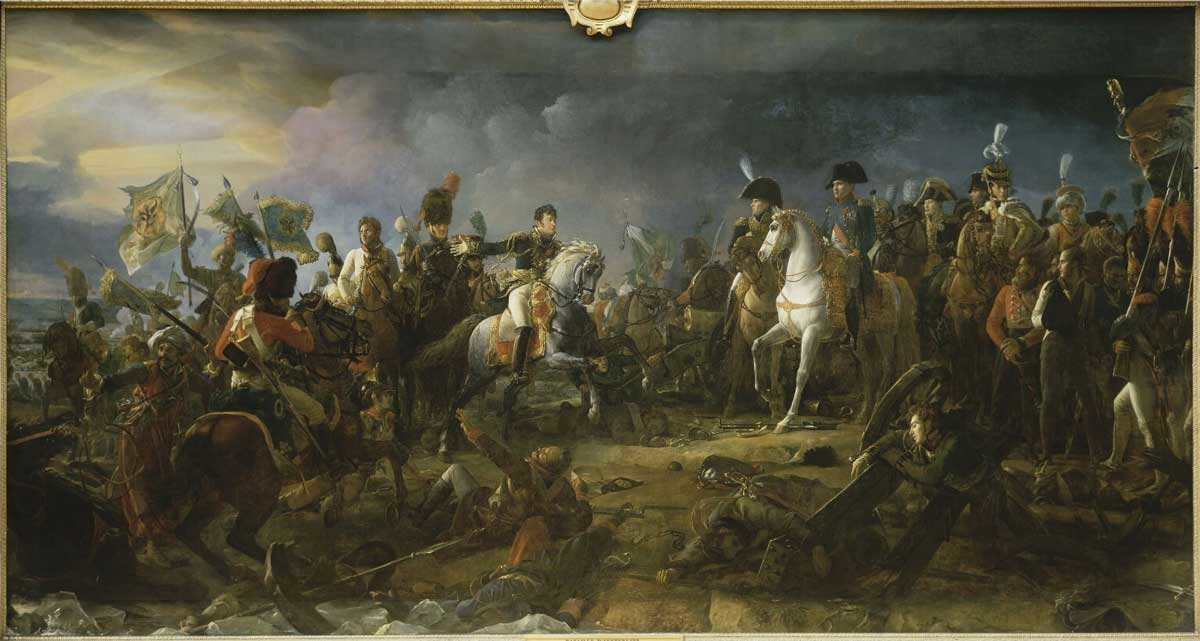
After achieving a string of further impressive victories over the Prussians at Jena-Auerstedt in 1806 and the Russians at Friedland in 1807, Napoleon dominated much of the European continent. At its height in around 1810, the Napoleonic Empire included the Netherlands, northern Italy, and the Adriatic coast. Spain, western Germany, and southern Italy were ruled by close family members, while Russia, Prussia, and Austria were allies.
Despite his numerous battlefield victories, Napoleon was forced to abdicate in 1814 after his disastrous campaign in Russia in 1812 encouraged Britain, Russia, Prussia, and Austria to join forces against him. After being exiled to Elba, he was briefly restored to power in 1815 before his final defeat at Waterloo. He died in exile in Saint-Helena in 1821 at the age of 52.
Although many of the monarchs that Napoleon had dethroned were restored after 1815, the legacy of Napoleon and the French Revolution fueled national movements in Germany, Italy, Poland, and the Balkan states. The unification of Germany and Italy and the rise of Balkan nationalist movements in the second half of the 20th century would sow the seeds of the First World War.